
Health and hygiene begin at home. From the cookware,plates and containers we use to the materials that come into contact with our food each day, every seemingly innocuoushousehold object quietly influencesour well-being over a lifetime. Against this backdrop, recent changes in India’s Quality Control Orders (QCOs) are much more than a matter of policy or industry debate. As conscientious citizens, it is our duty to ask just how safe are the products we trust with our food, our families, and our health.
First and foremost, it is imperative to understand that QCOs are government rules that make sure certain products meet basic safety and quality standards before they are sold in India. When a product is covered under a QCO, it must carry certification from the Bureau of Indian Standards (BIS). This certification acts like a safety assurance and provide consumers with the confidence that what they are buying has been tested and found fit for use, especially where health and hygiene are involved.
For years, QCOs have played a vital role in protecting consumers from substandard goods, particularly in sensitive areas such as kitchenware, food processing equipment, water storage and healthcare products. Materials like stainless steel, widely used in cookware and food-contact applications, are a good example. High-quality stainless steel is non-reactive, corrosion-resistant and safe for everyday use. These are the qualities that make it essential for hygienic living.However, the government’s recent decision to roll back QCOs on several raw materials and intermediates has raised important questions. While the move aims to reduce costs, simplify compliance and help industries export more competitively, it also opens the door to a greater influx of cheaper, lower-quality imports. For consumers, this shift matters most where quality is invisible but impactful, especially in the case of products that directly touch food, water and the human body.
Studies and advisories by organisations such as ICMR, FSSAI, and the World Health Organization have repeatedly emphasised the risks associated with unsafe food-contact materials. Poor-quality metals can leach harmful substances into food, especially when repeatedly exposed to heat and acidity. Over time, this can contribute to digestive issues, toxicity concerns and long-term health risks. Unfortunately, these are thekind of health problems that are rarely traced back to the humble utensil or container used every day.
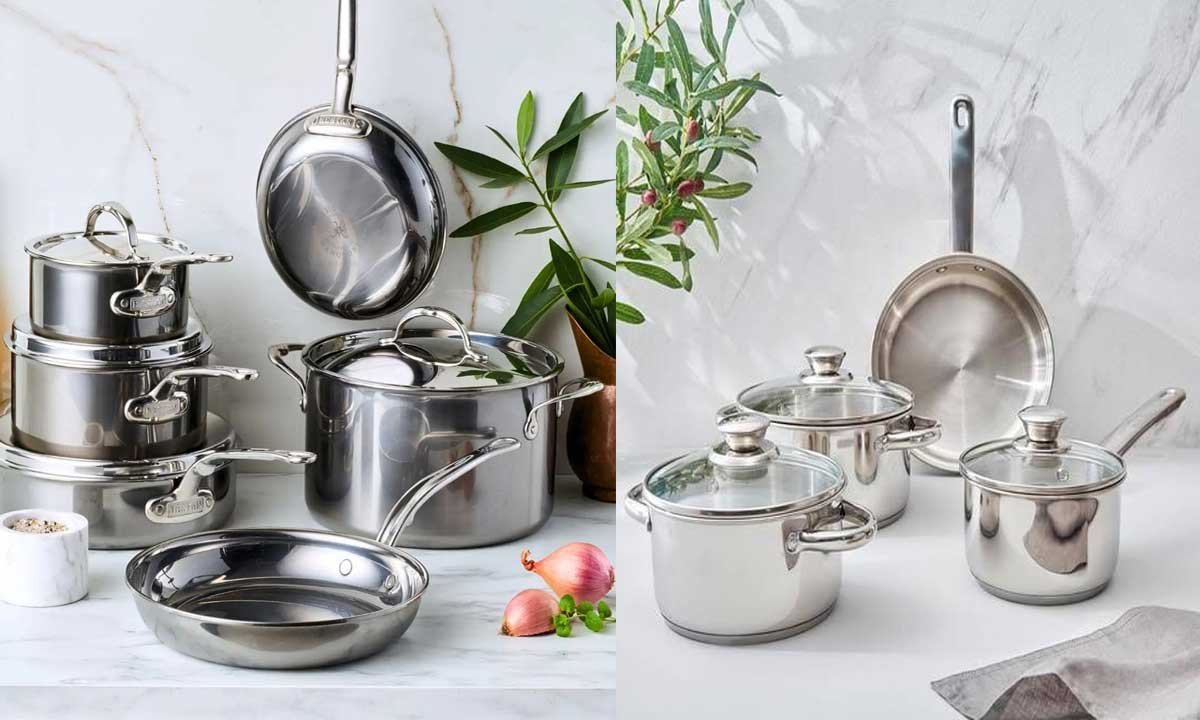
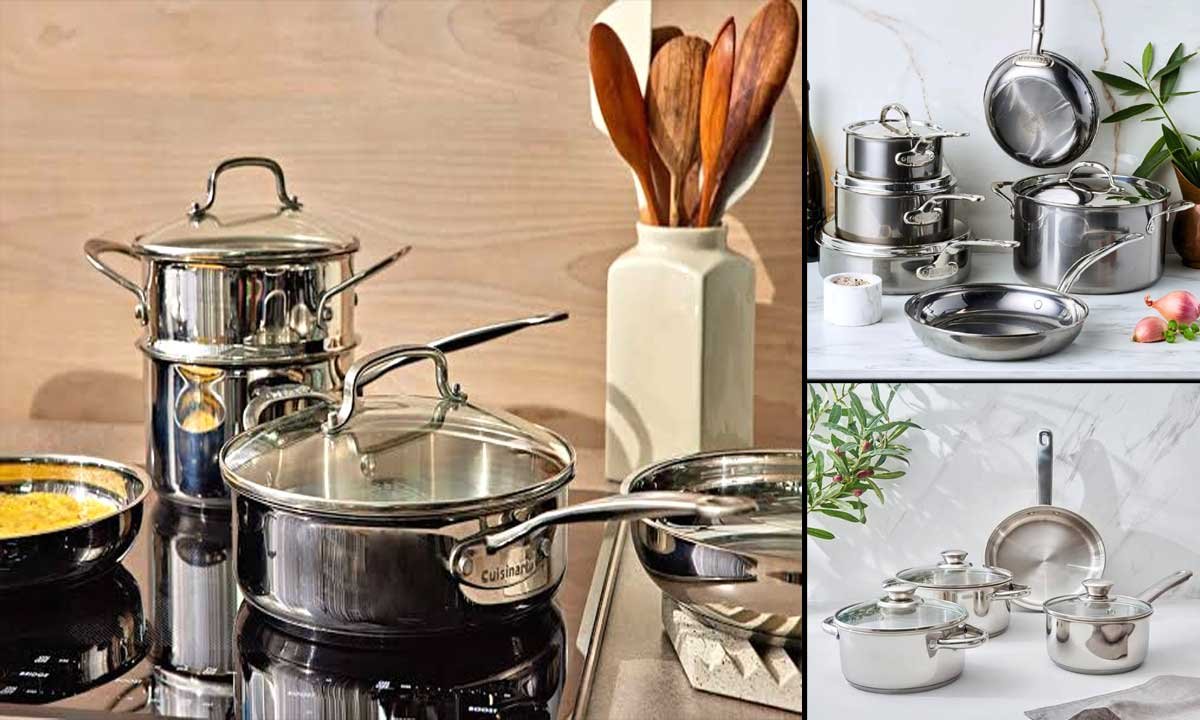
Take kitchenware as an example. Substandard stainless steel may look identical to a certified product, but it may rust faster, react with food or wear down in ways that compromise hygiene and safety. In a country where home cooking is central to family life, this is not a minor issue. It is a question of trust. Trust that the products we bring into our kitchens are safe for our children, our elderly as well as ourselves.
The good news is that consumer awareness is rising in India. Today’s buyers are more health-conscious than ever before. They read labels, ask questions and increasingly reject products that feel cheap, unsafe or unreliable. Hygiene is no longer seen as a luxury.It is the most basic expectation. This makes quality standards more relevant than ever before.
As consumers, vigilance is our first line of defence. Choosing products that meet established safety standards, looking for certification marks and favouring trusted materials like certified stainless steel, especially in the food-contact and healthcare sectors, are simple but effective steps. These choices help protect long-term health and also encourage responsible manufacturing.Ultimately, while ease of business and affordability are important, public health must remain non-negotiable. Strong government oversight and robust quality control systems are essential to maintaining consumer confidence and ensuring that everyday products remain safe, hygienic and reliable. Quality, after all, is not just an industry concern.It is thequintessential lifestyle choice that shapes the well-being of our loved ones.