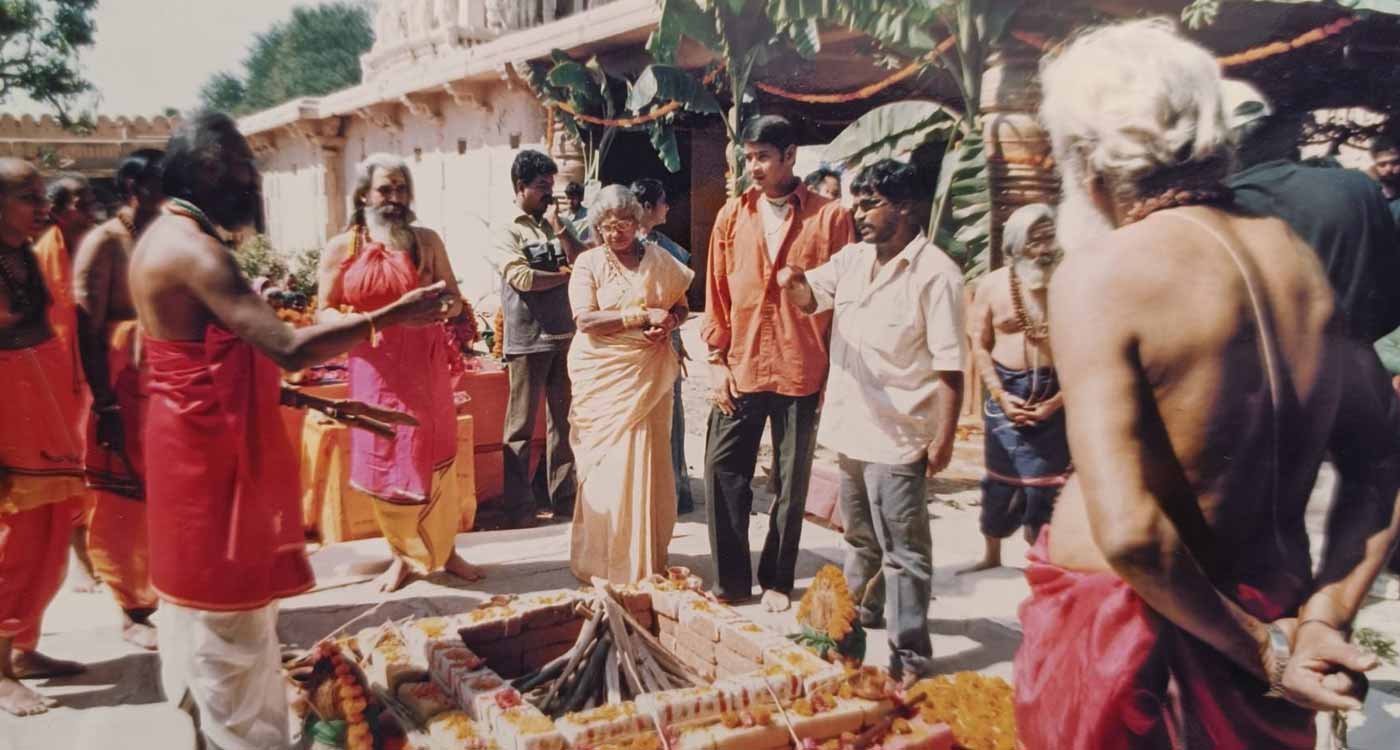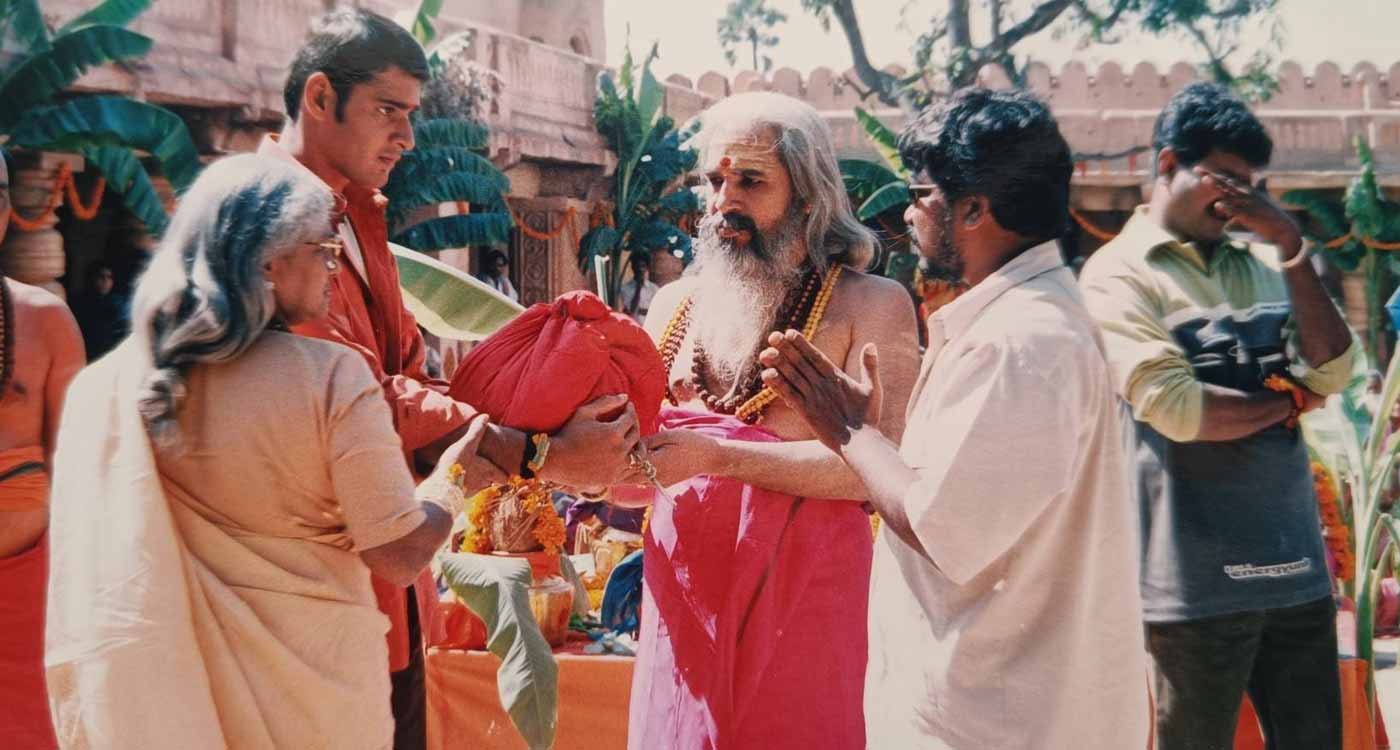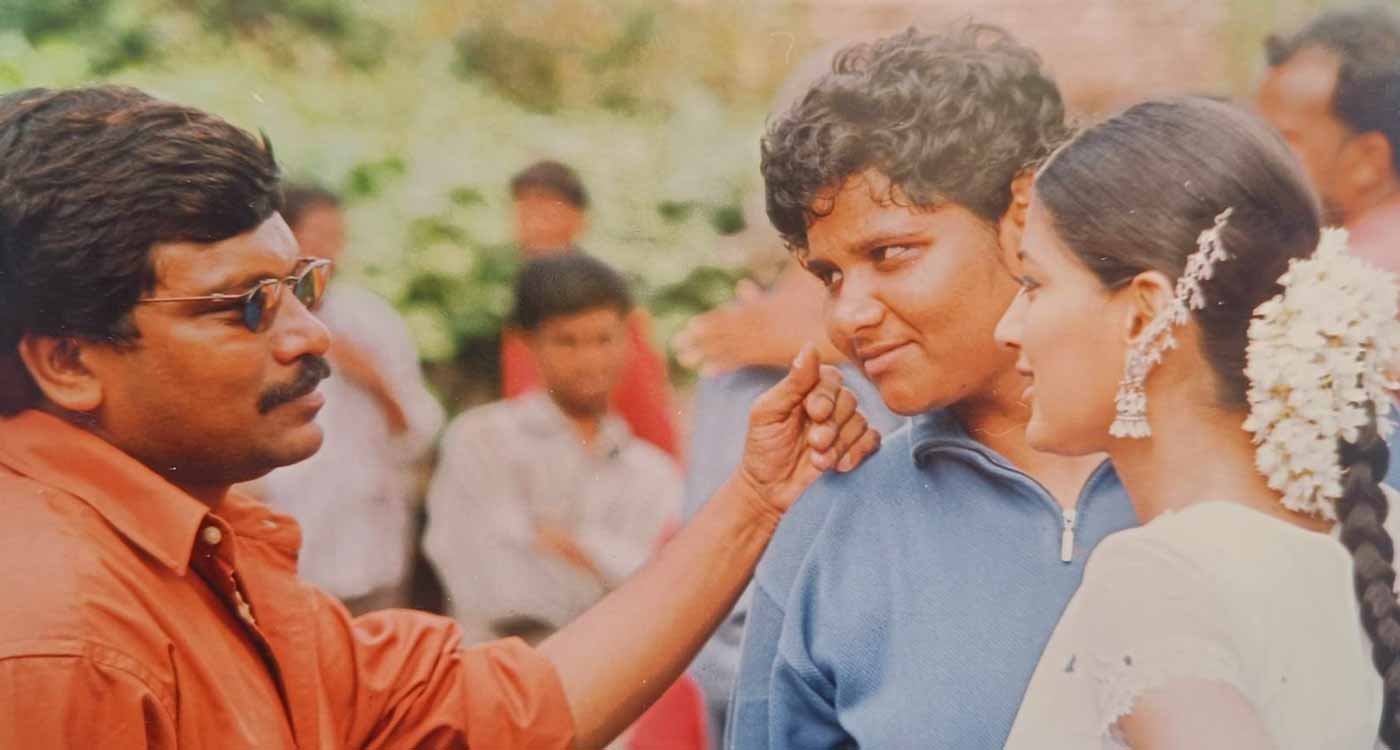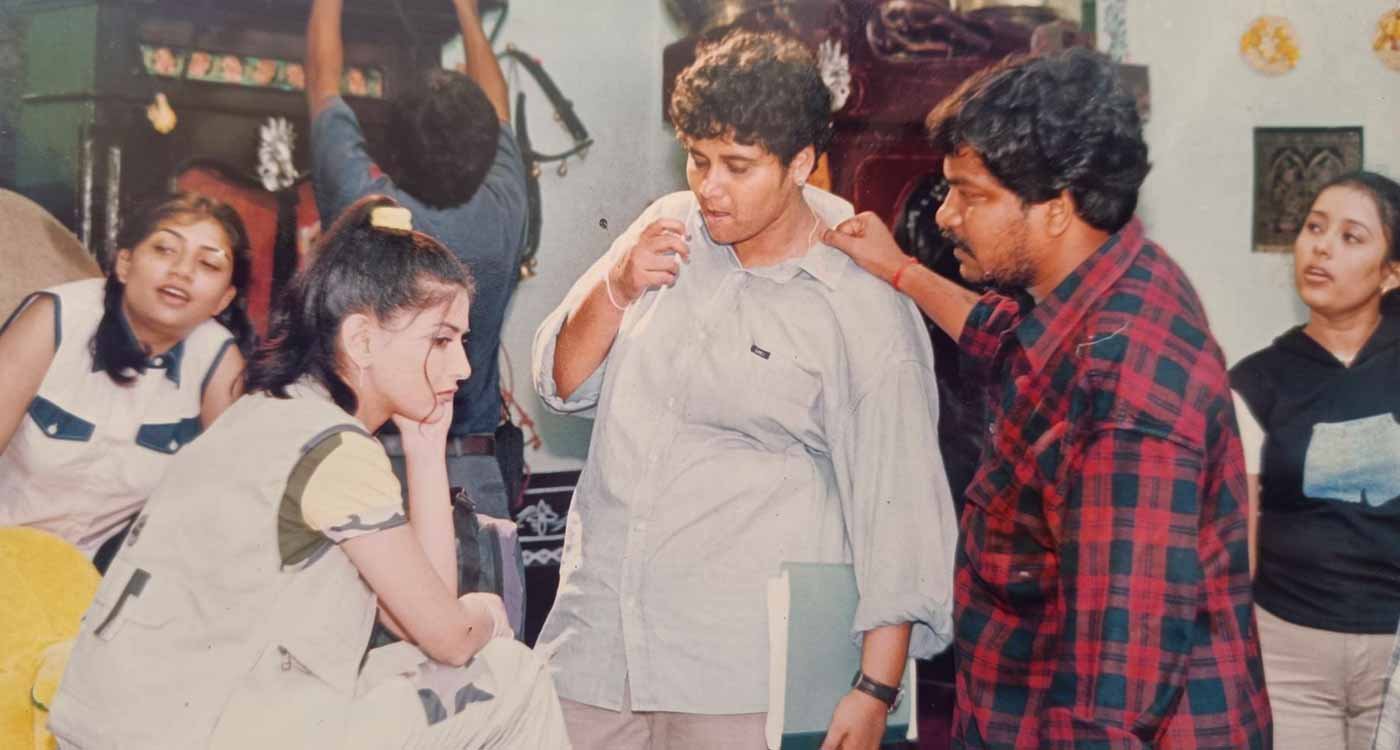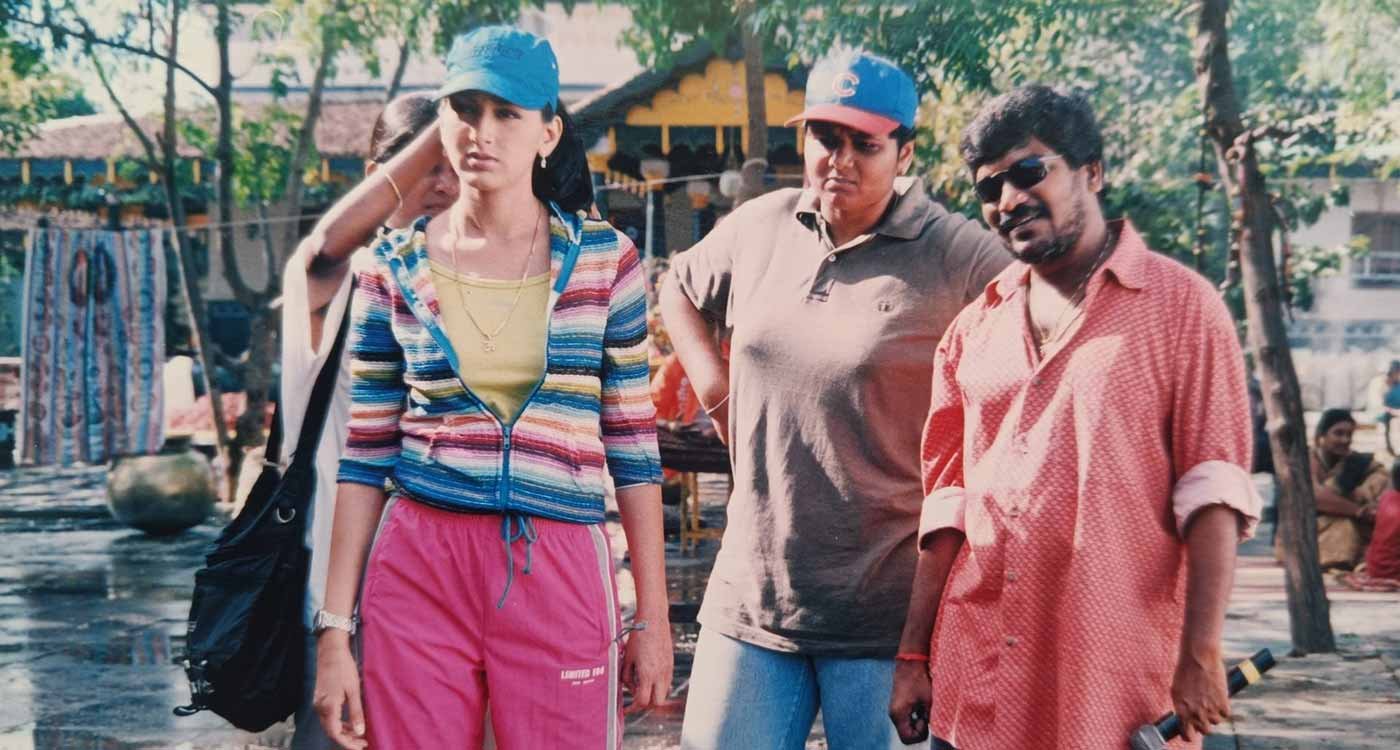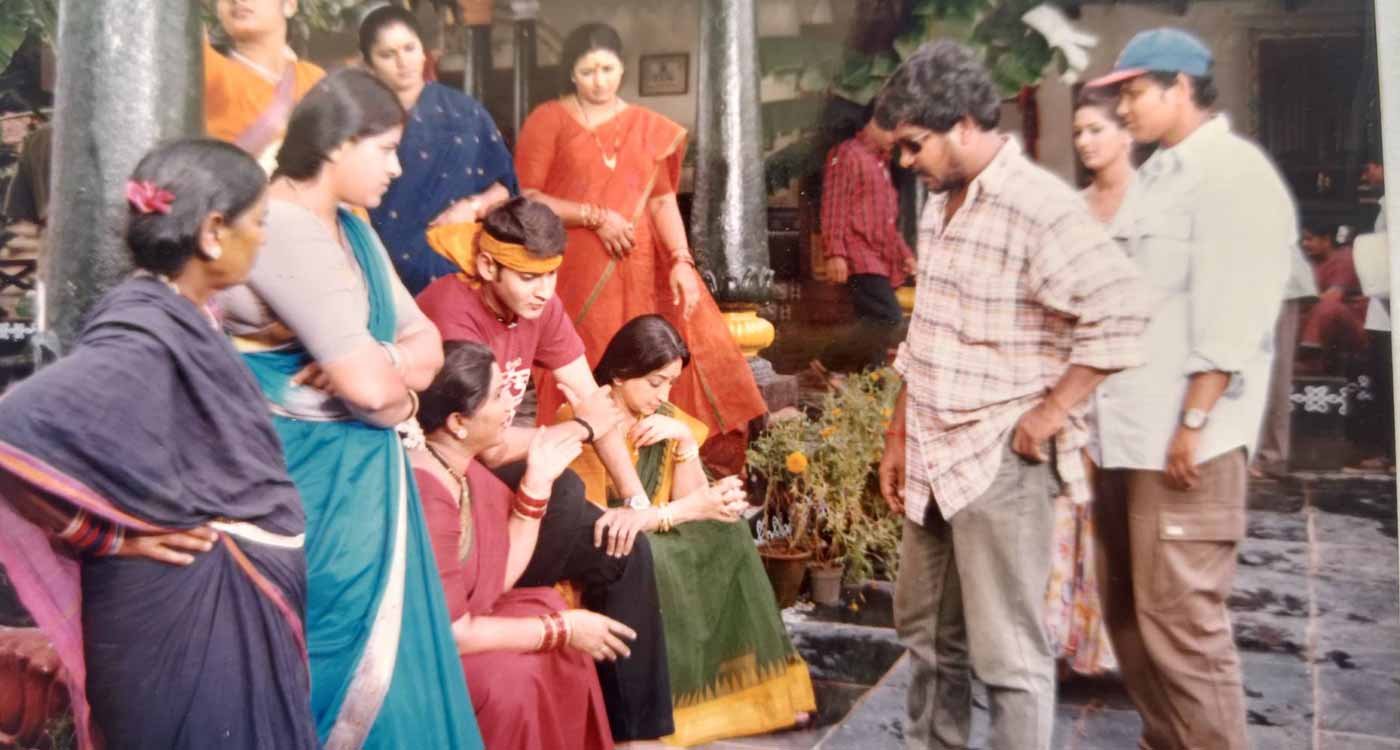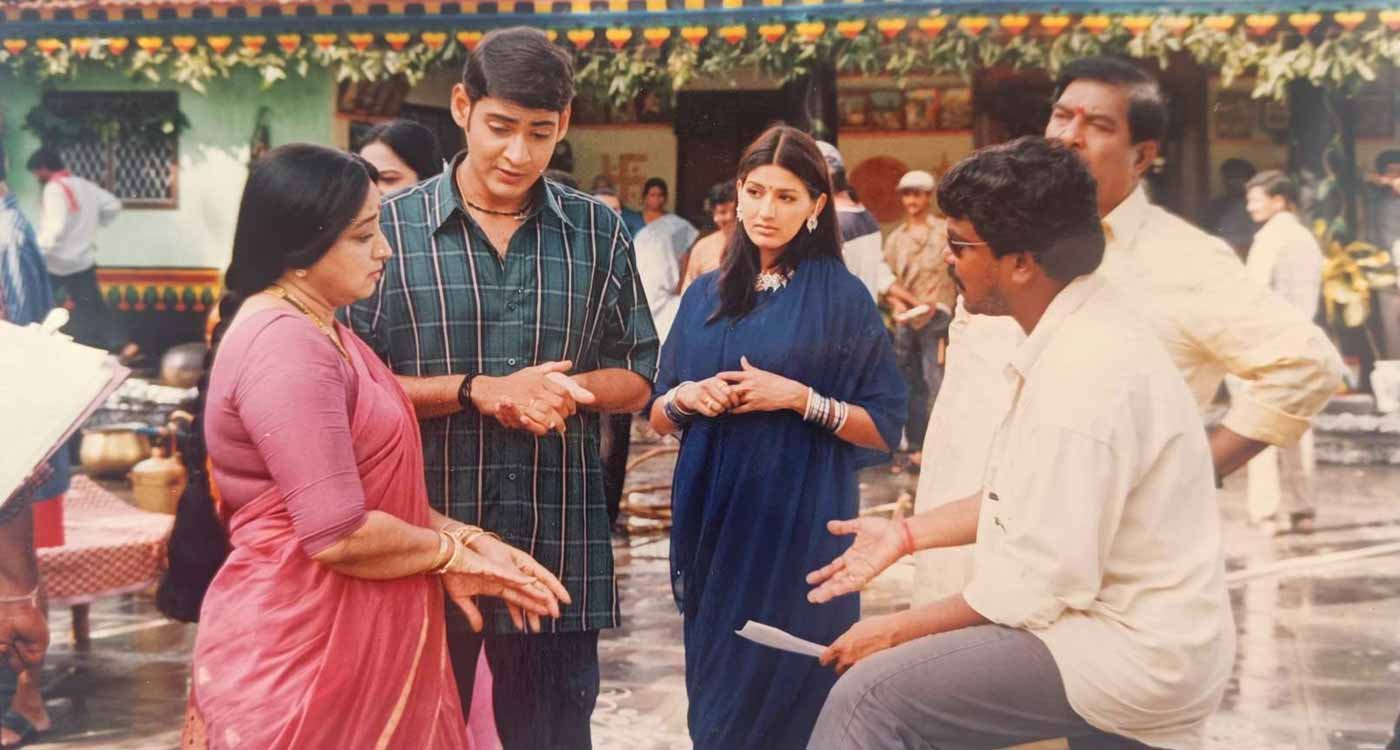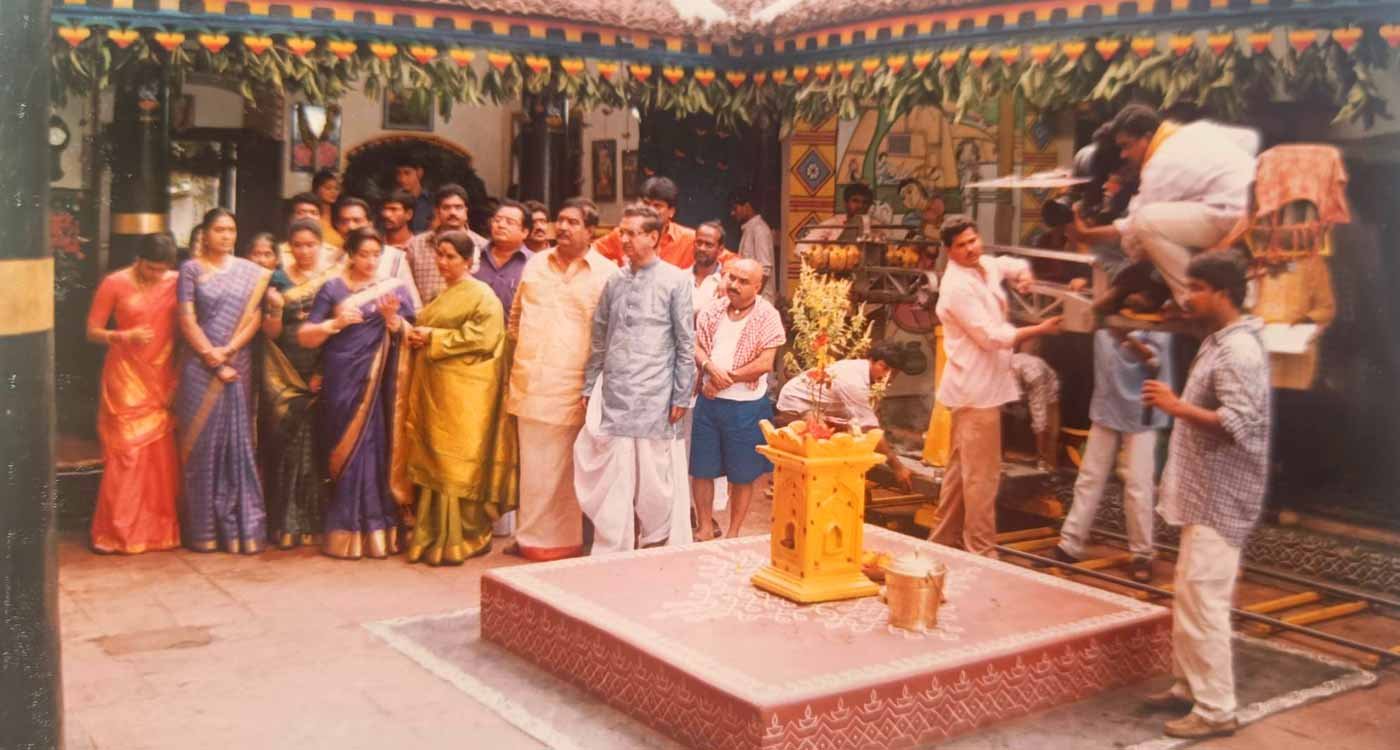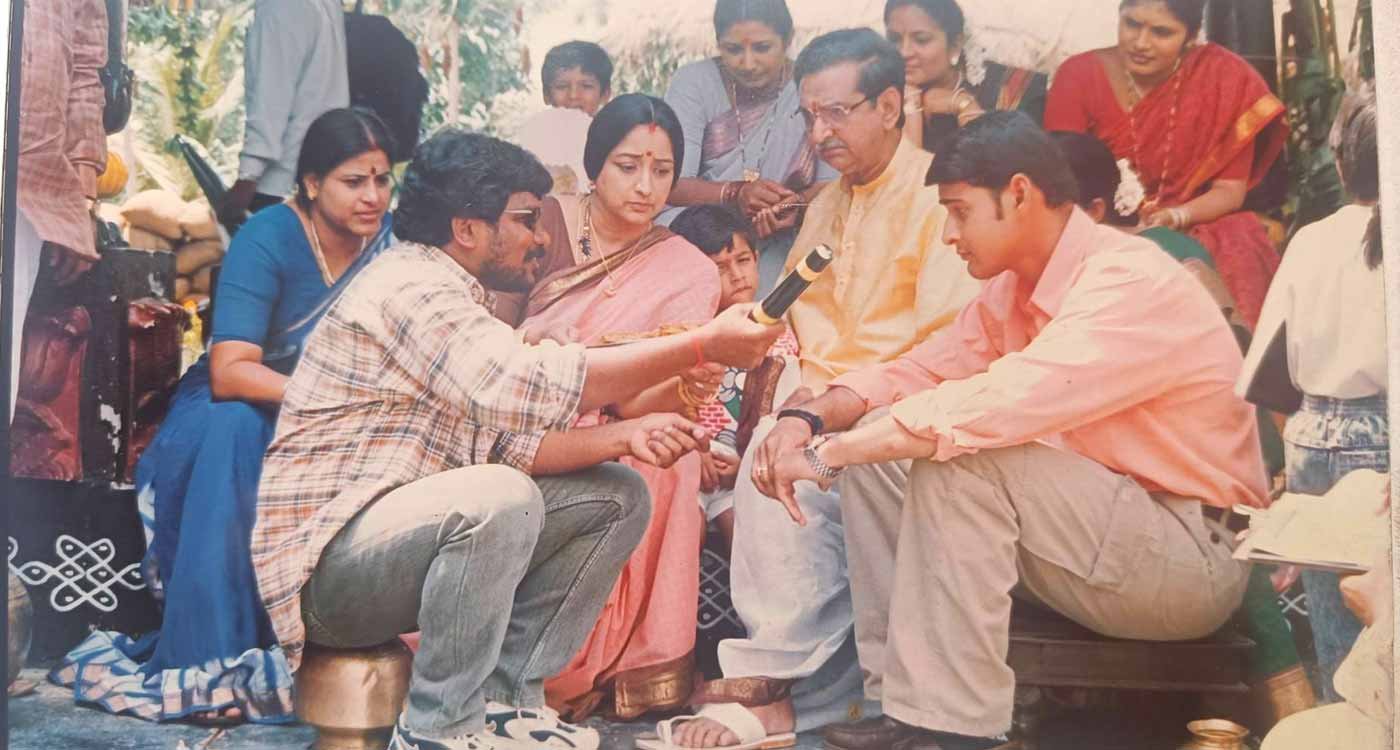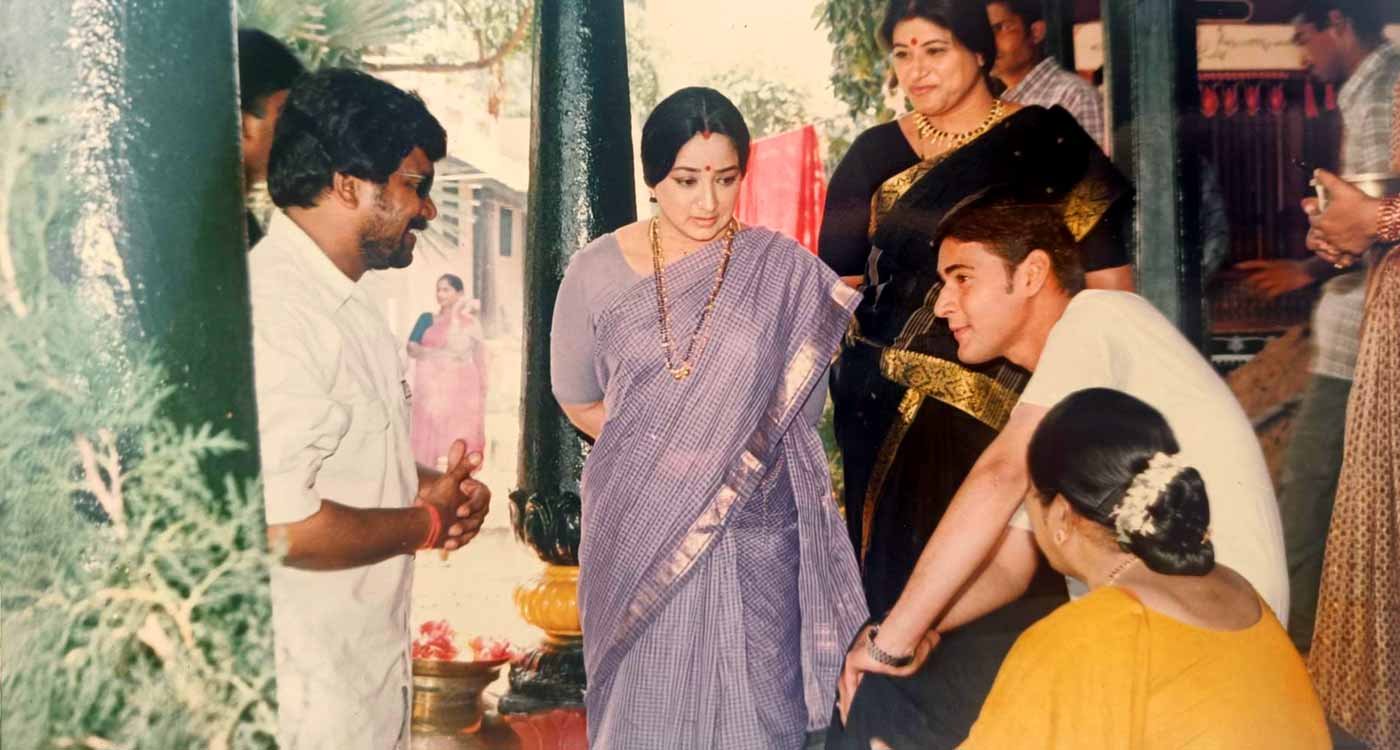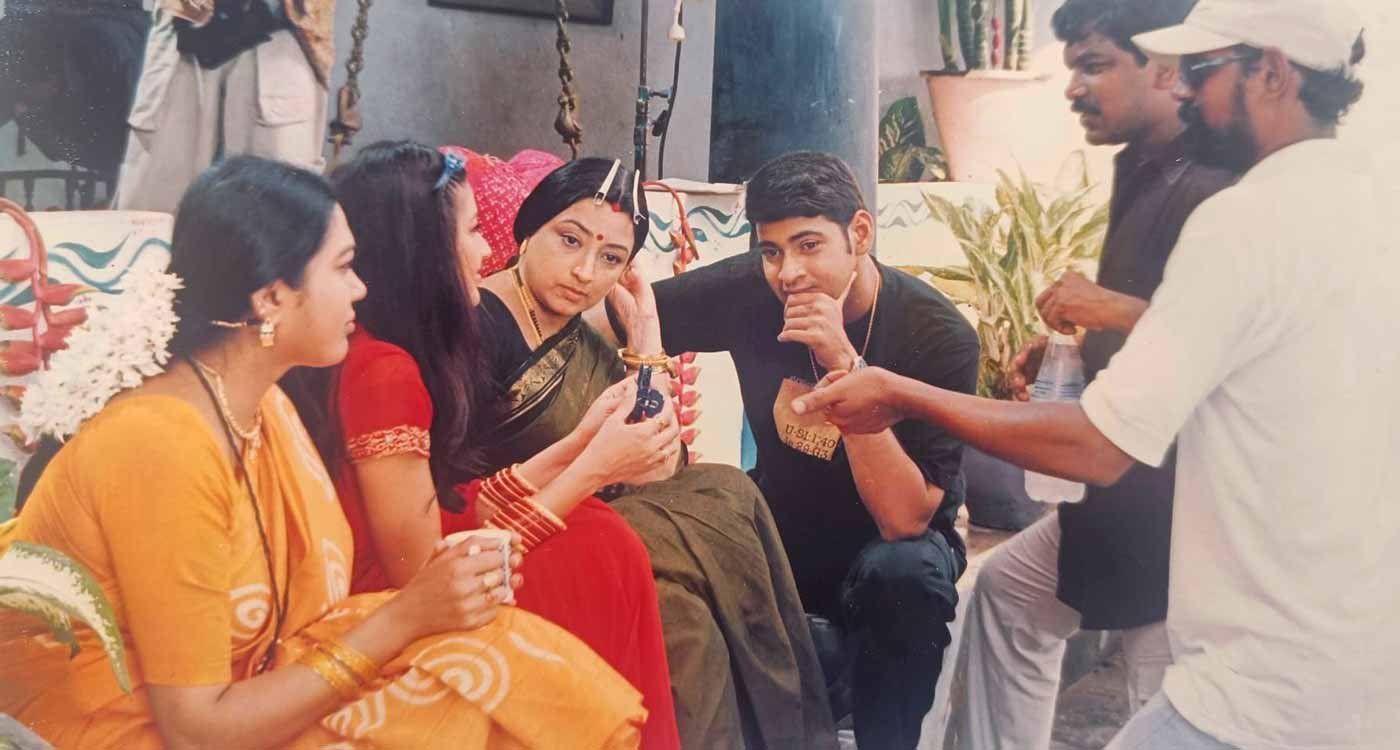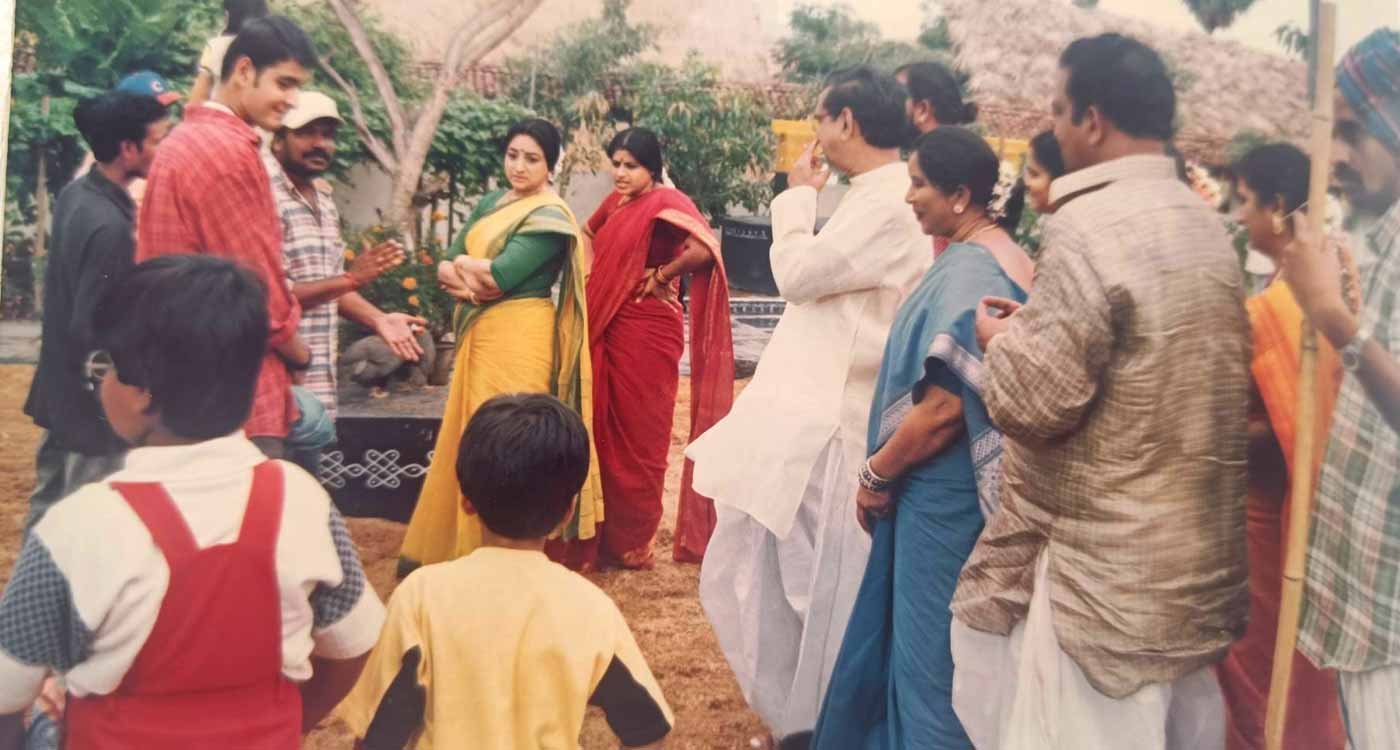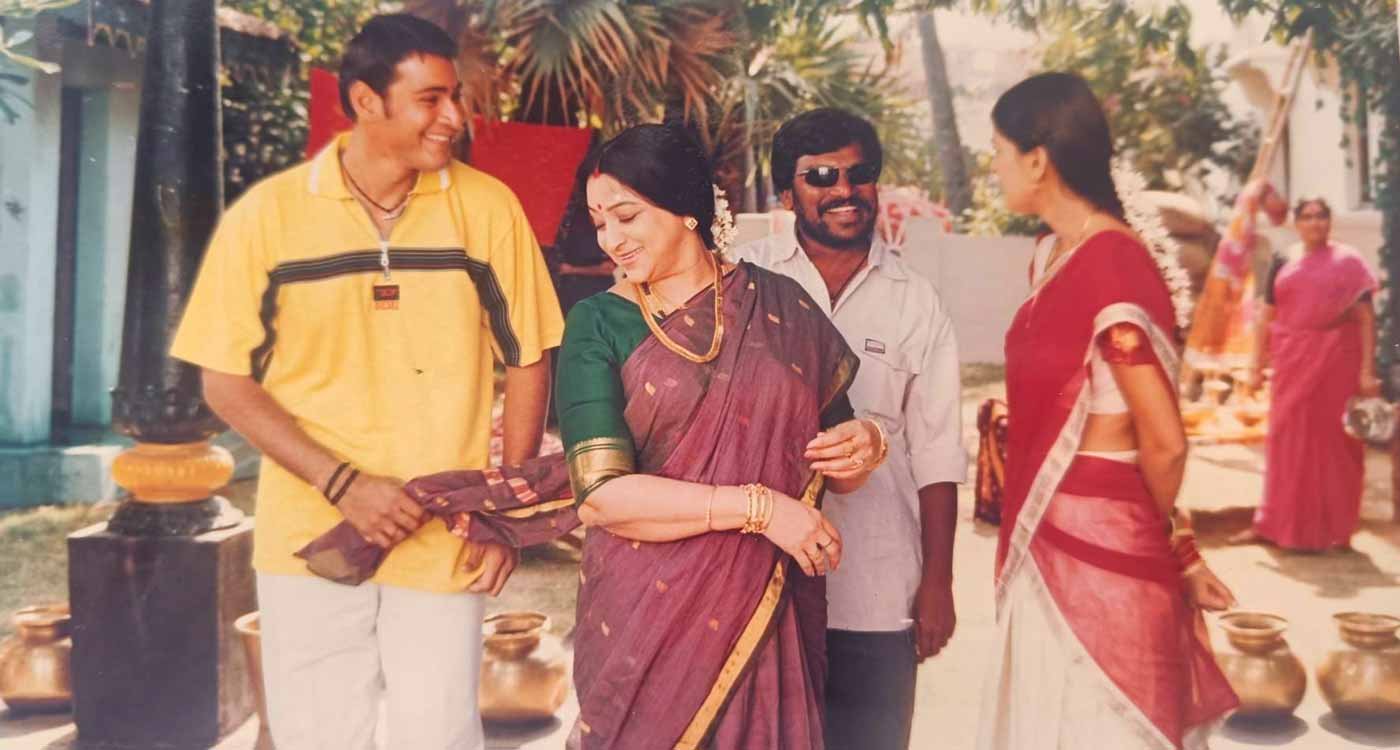


With Murari returning to theatres on December 31, the film is being revisited not just as a nostalgic favourite but as a work that quietly altered the emotional grammar of mainstream Telugu cinema. Released in 2001 and directed by Krishna Vamsi, Murari became a blockbuster at a time when formula-driven action dramas dominated the industry. Yet its success came from a very different place — a deep trust in character, cultural memory and emotional continuity.
Over the years, Krishna Vamsi has spoken about Murari across interviews, television retrospectives and social media responses, often returning to the same core idea: cinema must begin with people, not plot. That philosophy is etched into every layer of Murari, making it a film that continues to feel relevant even decades later.
The Story Arc: Destiny as Emotional Inheritance
At its surface, Murari revolves around a curse that claims the lives of three brothers in a family. But the film never treats destiny as a spectacle or a mystery to be solved. Instead, fate becomes an inherited emotional condition — something passed down through fear, silence and ritual.
Krishna Vamsi has explained in interviews that he was not interested in presenting destiny as a supernatural gimmick. In one of his interactions with Times of India, he stated that his stories emerge from emotional questions rather than genre expectations, saying that every film must originate from a genuine emotional need rather than a desire to repeat success. This approach shaped Murari’s unhurried narrative rhythm, where tension grows not from events but from anticipation.
The curse does not arrive suddenly; it hovers. Weddings, festivals, jokes and moments of intimacy all unfold under its shadow. This narrative choice allows the audience to experience the same anxiety as the characters — waiting, hoping and fearing alongside them. The story arc thus becomes less about defeating destiny and more about how people choose to live while carrying it.
Characterisation: People Before Symbols
Murari’s lasting power lies in its characterisation. Murari himself is written as neither a conventional hero nor a passive victim. He is affectionate, impulsive and emotionally transparent, deeply rooted in his family and village. His vulnerability is central to the film’s emotional pull.
Krishna Vamsi has repeatedly emphasised that his cinema begins with observing people. In the same Times of India interview, he noted that silences, fears and relationships interest him more than scenes or set pieces. That belief is visible in Murari’s supporting characters as well.
The elders are not authoritarian figures; they are carriers of memory and fear. The grandmother’s concern is not melodramatic but instinctive, shaped by lived trauma. The family does not speak openly about the curse, mirroring how real families often deal with inherited anxieties — through avoidance rather than confrontation.
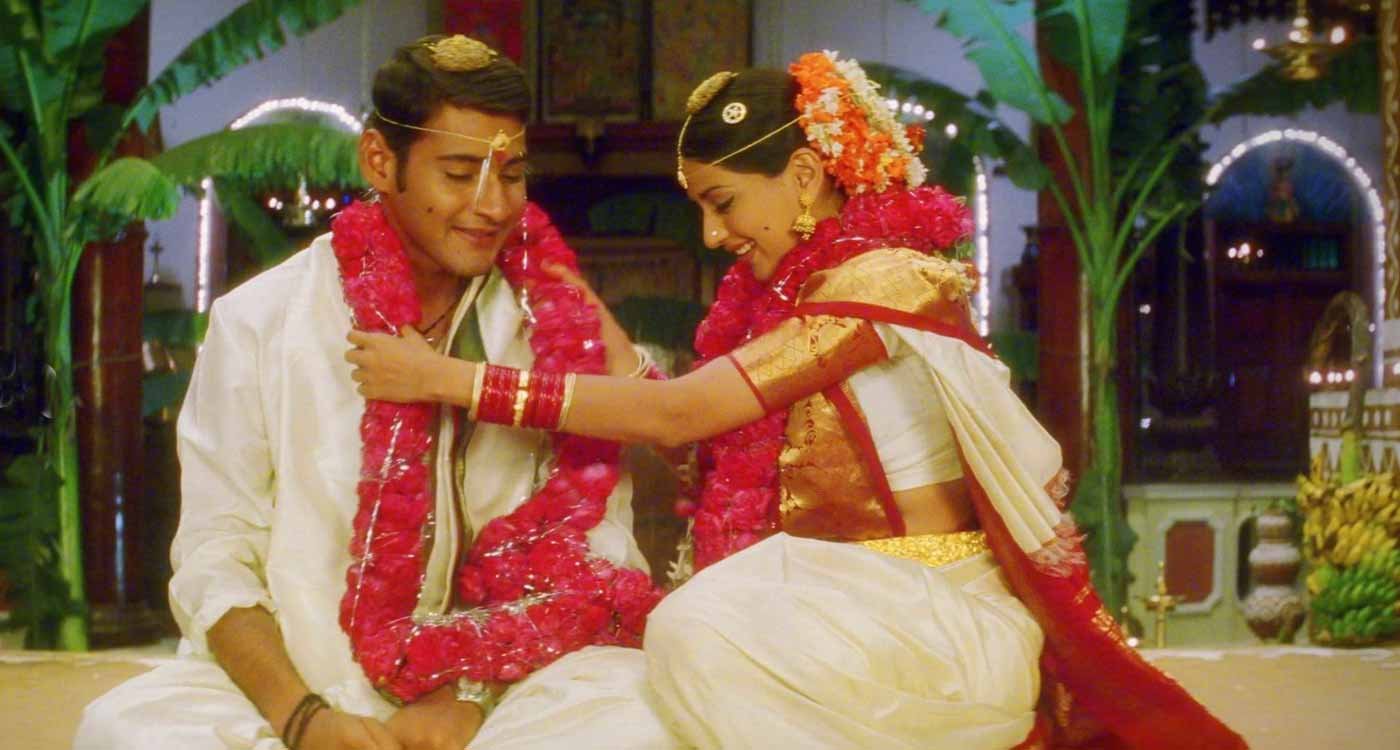
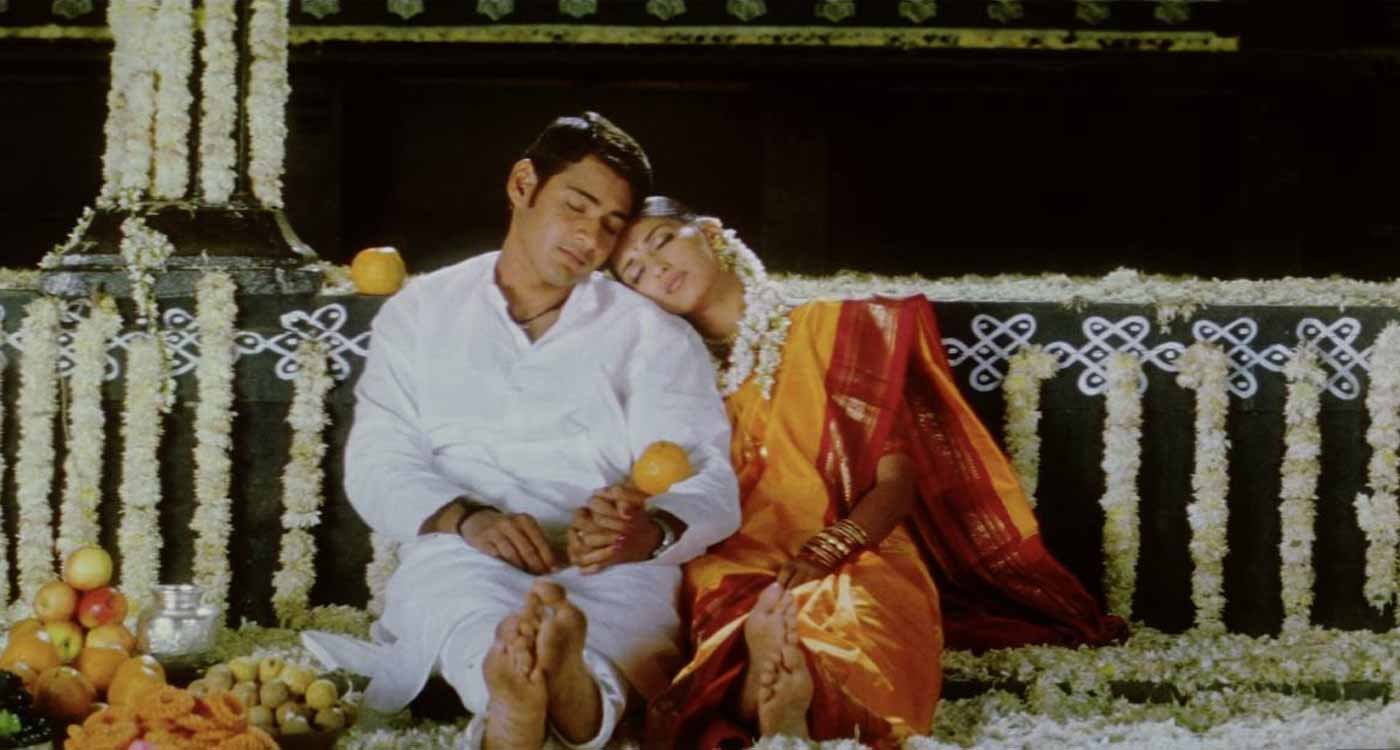
The female lead functions as an emotional counterbalance. Her presence represents life continuing despite uncertainty — laughter, romance and companionship existing alongside fear. Krishna Vamsi has discussed in television retrospectives how he wanted the romantic portions to feel organic, not escapist, ensuring they remained emotionally connected to the story rather than detached from it.
Filmmaking Style: Restraint, Rootedness and Rhythm
Murari’s filmmaking style is marked by restraint. Krishna Vamsi avoids dramatic excess, allowing scenes to unfold in lived-in spaces rather than heightened cinematic environments. The camera observes rather than dictates, often lingering on reactions rather than actions.
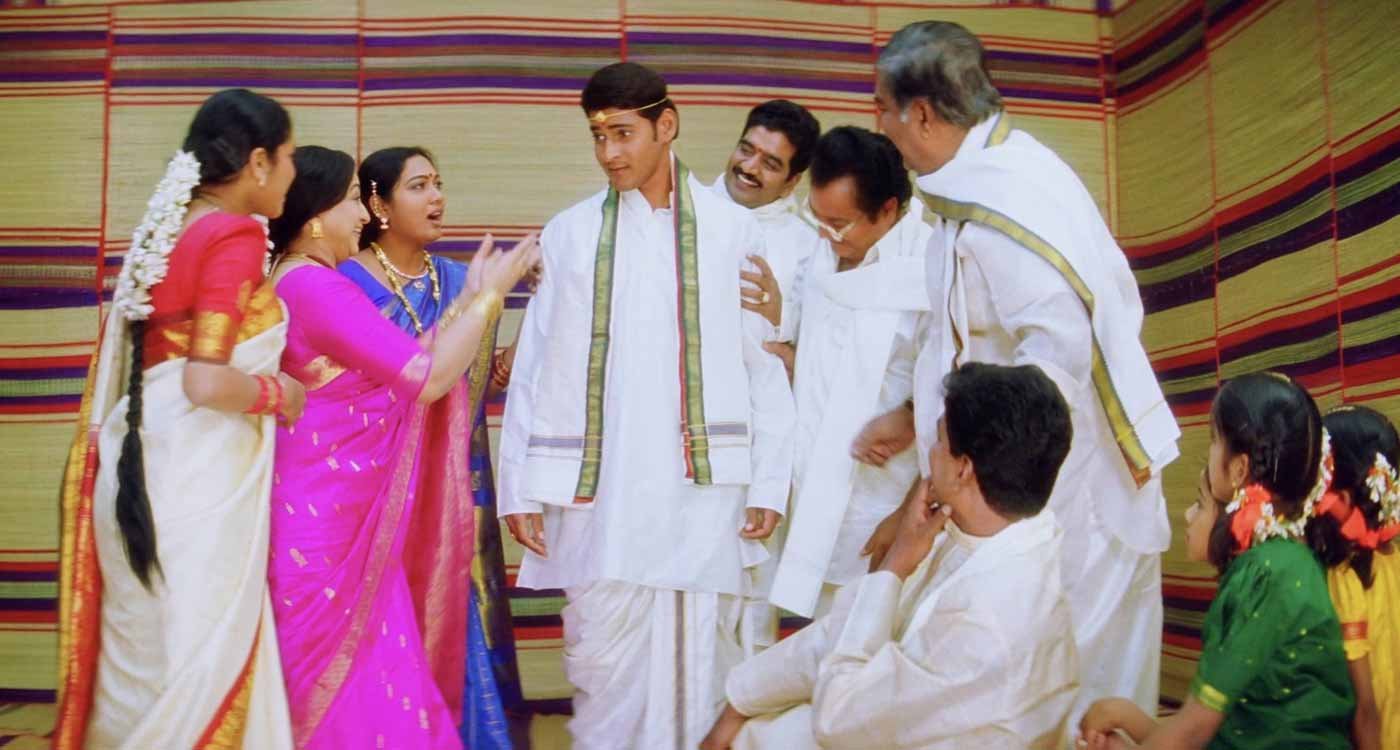
In a Sakshi TV interview reflecting on Murari, Krishna Vamsi remarked that he wanted the film to belong to the village, not the other way around. This philosophy explains the film’s visual language — temples, homes and streets are not decorative backdrops but active participants in the narrative.
Music, too, follows the film’s emotional rhythm. Songs emerge naturally from relationships and situations, reinforcing mood rather than disrupting it. This integration of music into narrative flow later became a reference point for several family dramas that followed.
Faith Without Mockery or Moralising
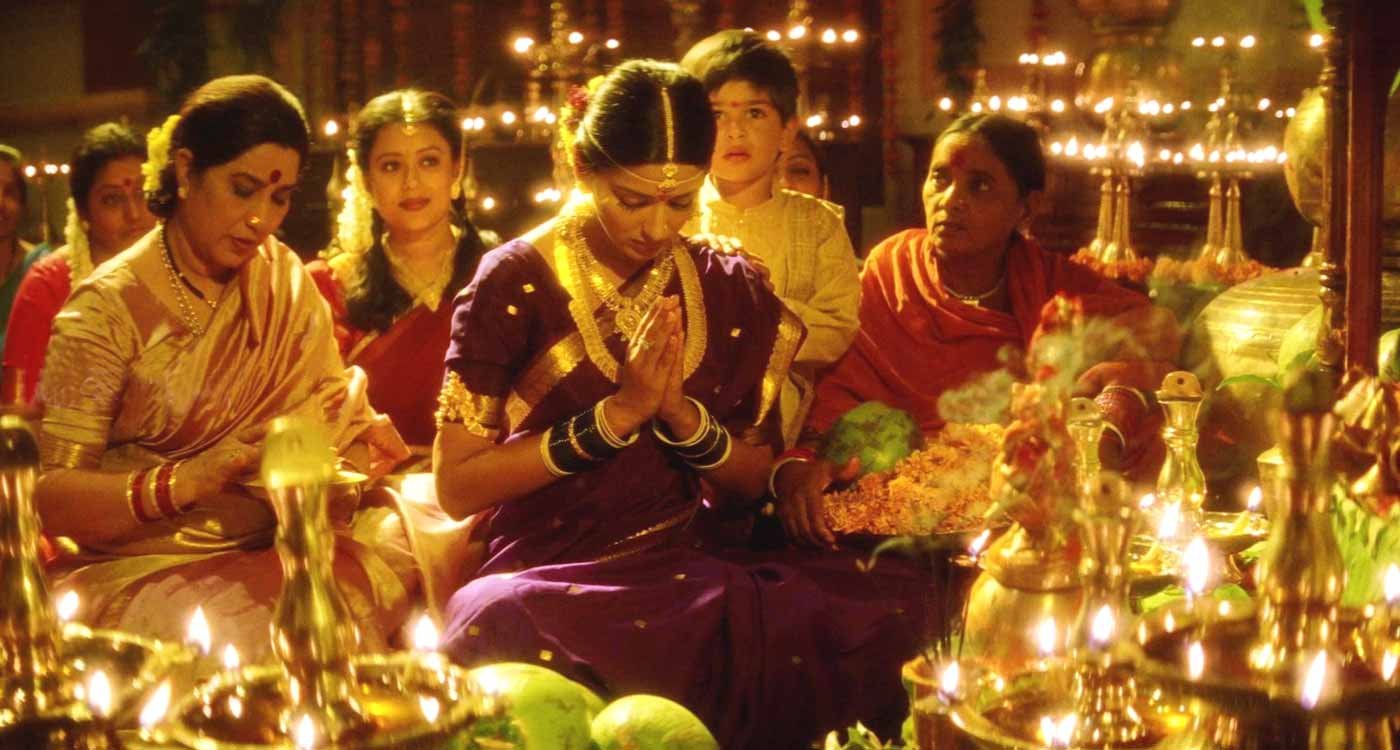
One of Murari’s most distinctive achievements is how it treats faith. The film neither mocks belief nor glorifies it uncritically. Rituals, prayers and traditions are presented as emotional coping mechanisms — ways people negotiate fear when logic offers no comfort.
Krishna Vamsi’s social media reactions during the Murari re-release underline this perspective. When videos from theatres showed exaggerated fan behaviour, including a wedding conducted during a screening, he responded by urging restraint and respect for rituals, as reported by Ragalahari and 10TV. His response was not dismissive of emotion but reflective of his belief that cultural practices carry meaning and should not be trivialised.
This balanced portrayal of faith — empathetic but grounded — is one reason Murari still connects with audiences across generations.
Impact on Telugu Cinema After Murari
Murari’s success proved that mainstream audiences were open to emotionally layered narratives that did not rely on villains or action-heavy conflict. The film influenced a wave of post-2001 Telugu cinema that placed greater emphasis on family psychology, internal conflict and atmosphere.
It also marked a crucial turning point in Mahesh Babu’s career, establishing him as an actor capable of quiet emotional depth. Industry retrospectives published by Times of India over the years consistently identify Murari as one of the defining films of his early career.
For Krishna Vamsi, Murari reinforced his identity as a filmmaker willing to challenge conventions while remaining accessible. Many films that followed borrowed elements from Murari — the slow-burn structure, emotionally rooted characters and cultural specificity — even if few replicated its balance.
Why Murari Still Matters
Murari remains relevant because it speaks to fears that do not age — fear of loss, inherited trauma, and the uncertainty of life. It does not offer easy answers or dramatic triumphs. Instead, it asks viewers to sit with discomfort and recognise themselves in it.
As Murari finds a new audience through its re-release, it stands as a reminder of a period when Telugu cinema expanded its emotional vocabulary. It is not merely a successful film from the past but a quietly influential work that continues to shape how stories about family, faith and fate are told on screen.