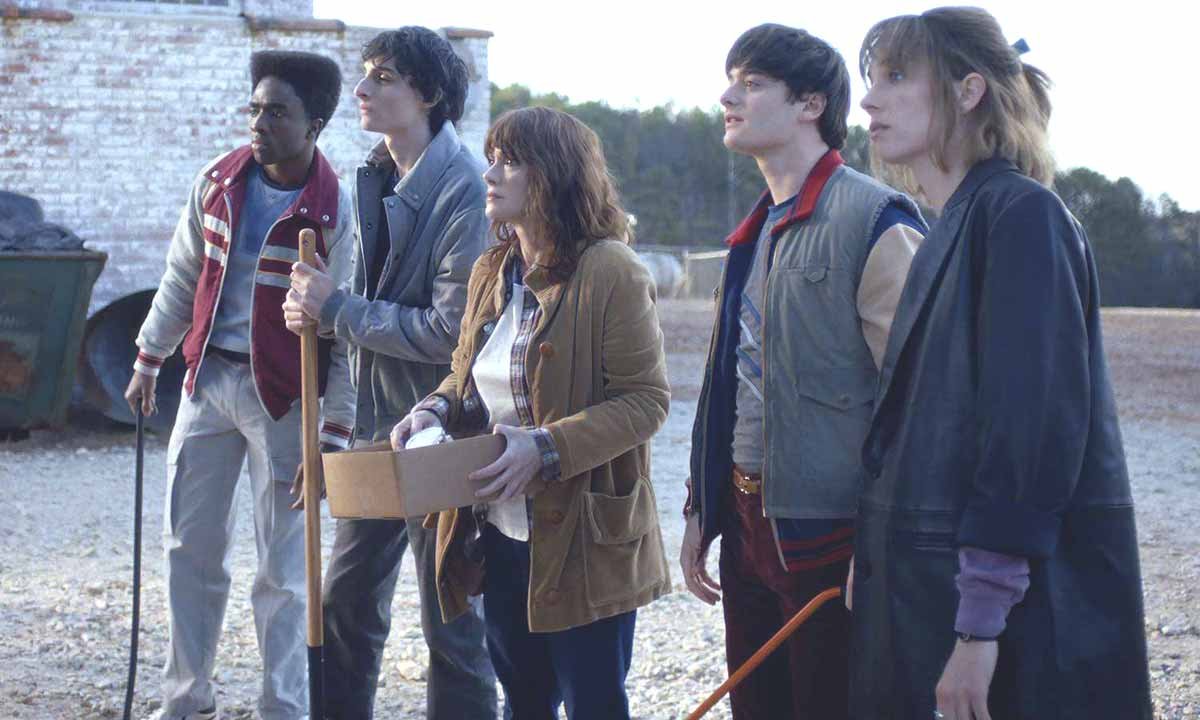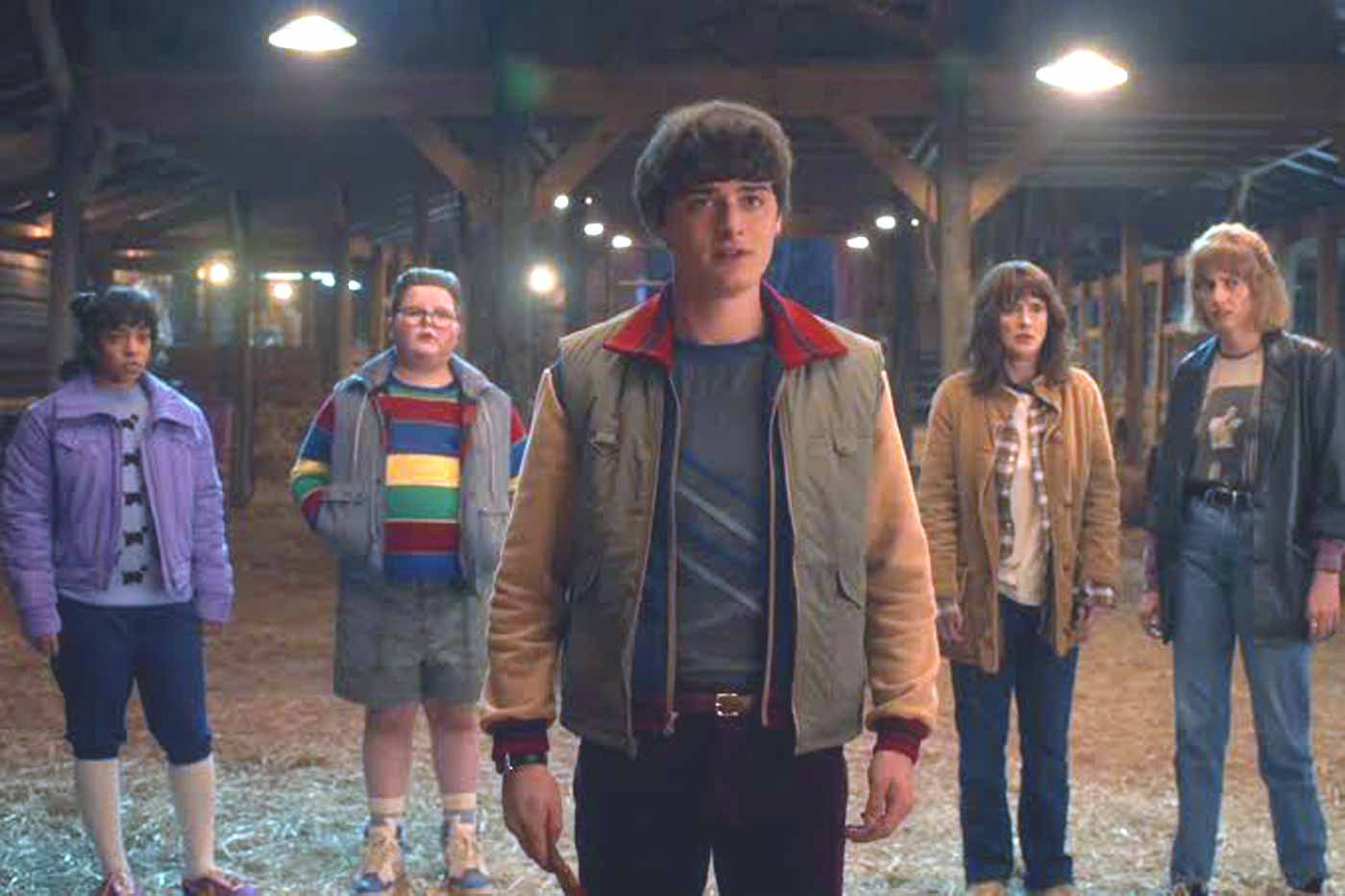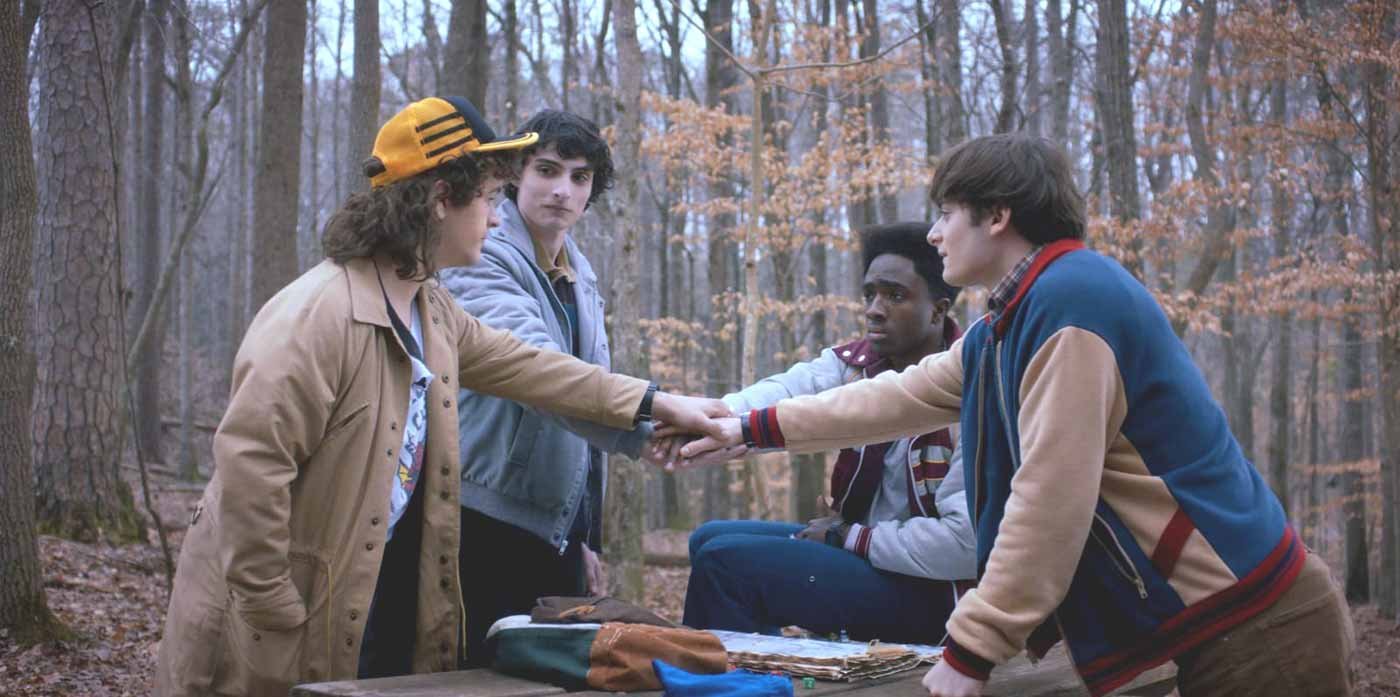

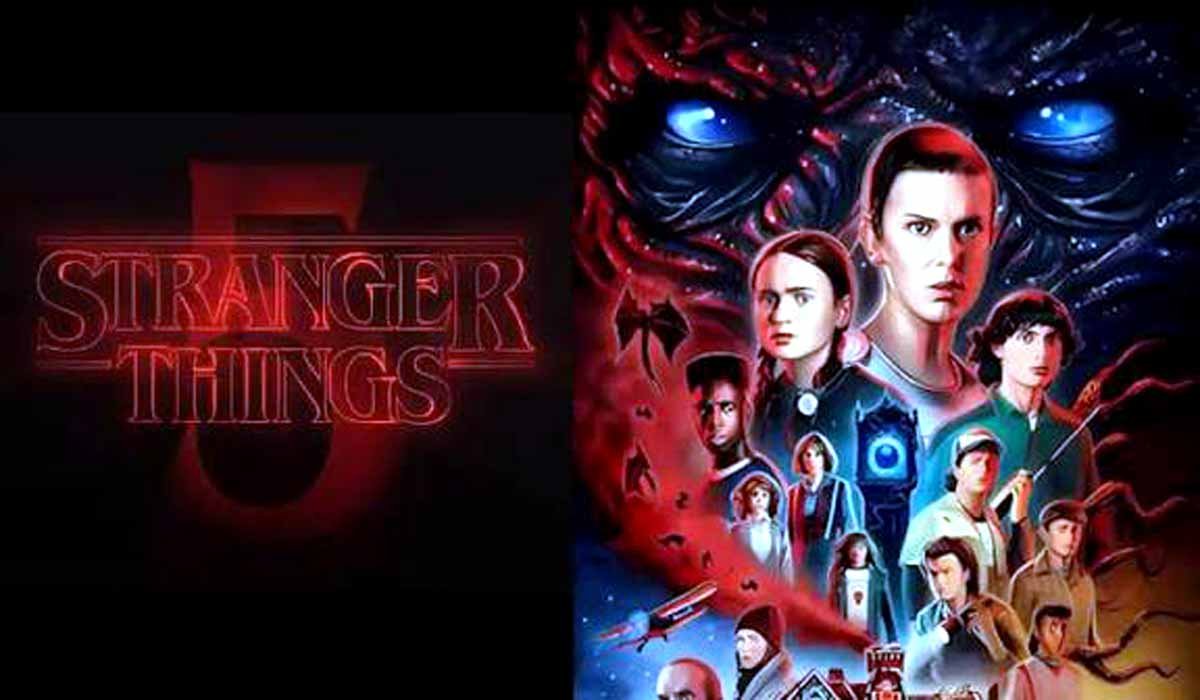
From nostalgia to emotional storytelling, Stranger Things’ latest season has become a global pop culture moment. Here’s what makes it special.
If your Twitter (or X) feed has suddenly turned into a flood of Hawkins references, Upside Down theories, synth music clips and emotional memes, you’re not imagining it. Stranger Things is trending again—and not just because it’s back, but because the latest season feels like a pop-culture moment rather than a routine streaming drop.
Nearly a decade after it first premiered, Stranger Things has returned with a season that feels designed to be experienced collectively. Fans are live-tweeting reactions, revisiting old scenes, arguing over theories and celebrating characters who feel less like fictional creations and more like shared emotional history.
This isn’t just hype. It’s payoff.
Why This Season Has Everyone Talking
One reason Stranger Things is dominating social media is timing. The show arrives at a moment when nostalgia-driven reboots are everywhere, but few have managed to evolve as confidently as this one. Instead of leaning only on callbacks, the latest season signals that the story is moving forward, emotionally and thematically.
The conversation online is also fueled by the sense that this chapter matters. Viewers can feel the weight of culmination. Even without spoilers, there’s a visible tonal shift—darker, more introspective, but still driven by the same sense of adventure that made the show iconic in the first place.
Add to that Netflix’s staggered release strategy, which has turned each drop into an event, and you get a season that invites discussion rather than binge-and-forget consumption. Every episode becomes a talking point. Every pause becomes speculation.
What Makes Stranger Things a Pop Culture Giant
Stranger Things didn’t become popular just because of monsters or retro aesthetics. It became a phenomenon because it understood emotion as spectacle.
At its heart, the show is about friendship under pressure. Kids facing fear before they’re ready. Adults haunted by regret. A town that keeps pretending nothing is wrong even as reality cracks open. Genre is the wrapper; human vulnerability is the core.
The series also mastered something rare in the streaming era: cross-generational appeal. Older viewers see echoes of 80s cinema and music culture. Younger audiences see characters growing up in real time, dealing with loneliness, identity, and belonging. Everyone meets in the middle—at feeling.
Music has played a huge role in this. Stranger Things treats its soundtrack like storytelling, not background noise. Songs don’t just accompany scenes; they define eras, moods, and emotional memory. It’s no accident that every season revives old tracks and sends them back into global playlists.
What’s Special About the Latest Season
Without giving anything away, this season feels more confident about slowing down when it needs to. The scale is larger, yes, but the focus is sharper. The show isn’t trying to shock for attention—it’s letting character journeys drive the tension.
There’s also a noticeable emotional maturity. Characters aren’t just reacting to danger anymore; they’re carrying the psychological weight of everything that’s happened before. That evolution is resonating strongly online, where fans are discussing arcs, relationships, and moments of quiet as much as spectacle.
It’s this balance—between chaos and calm—that’s making the season feel rich rather than overwhelming.
What Viewers Can Expect
Audiences tuning in can expect high emotional stakes rather than empty twists, moments that invite reflection as much as adrenaline, and storytelling that rewards long-term investment.
This is not a season that rushes to impress. It builds atmosphere, lets relationships breathe, and trusts viewers to stay engaged without constant noise. Expect tension, tenderness, and the kind of scenes that spark threads, edits, and late-night debates online.
Why the Twitter Trend Makes Sense
Stranger Things trending isn’t about one scene or one reveal. It’s about shared anticipation. Fans revisiting old seasons. First-time viewers finally catching up. Emotional reactions unfolding in real time. The sense that something familiar is changing—and that everyone wants to witness it together.
In an age where most shows vanish from conversation a week after release, Stranger Things continues to dominate because it understands community. Watching it alone is enjoyable. Watching it while the internet reacts with you is the experience.
More Than a Series, a Cultural Goodbye-in-the-Making
Stranger Things no longer needs to prove its popularity. What this season proves instead is endurance. The show has grown with its audience, trusted its characters, and allowed emotion to lead spectacle rather than the other way around.
Whether you’re here for the nostalgia, the friendships, the music, or simply the thrill of being part of something everyone is talking about, this season reminds us why Stranger Things was never just a show.
It’s a shared memory—one episode at a time.