
By Anna Rao Gangavalli
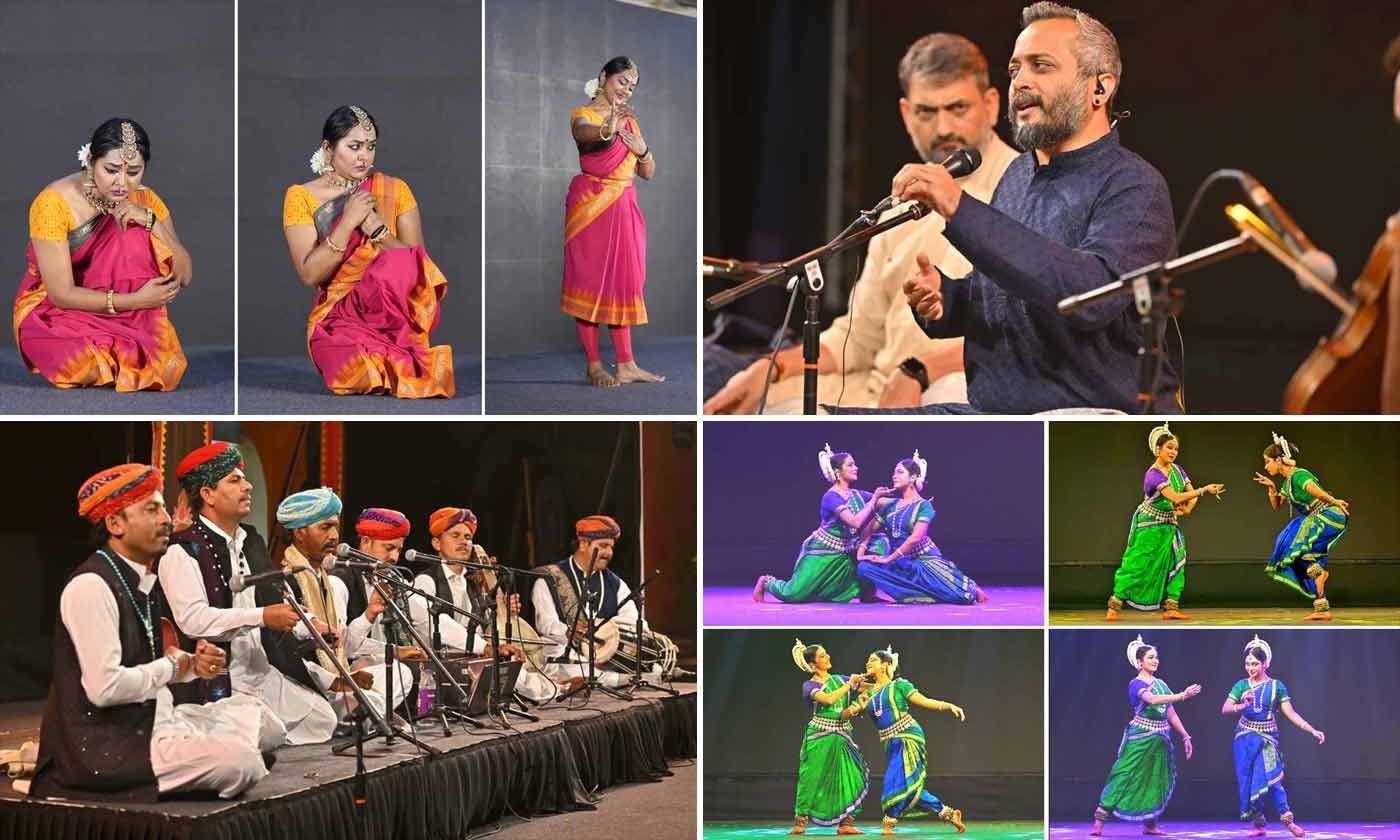
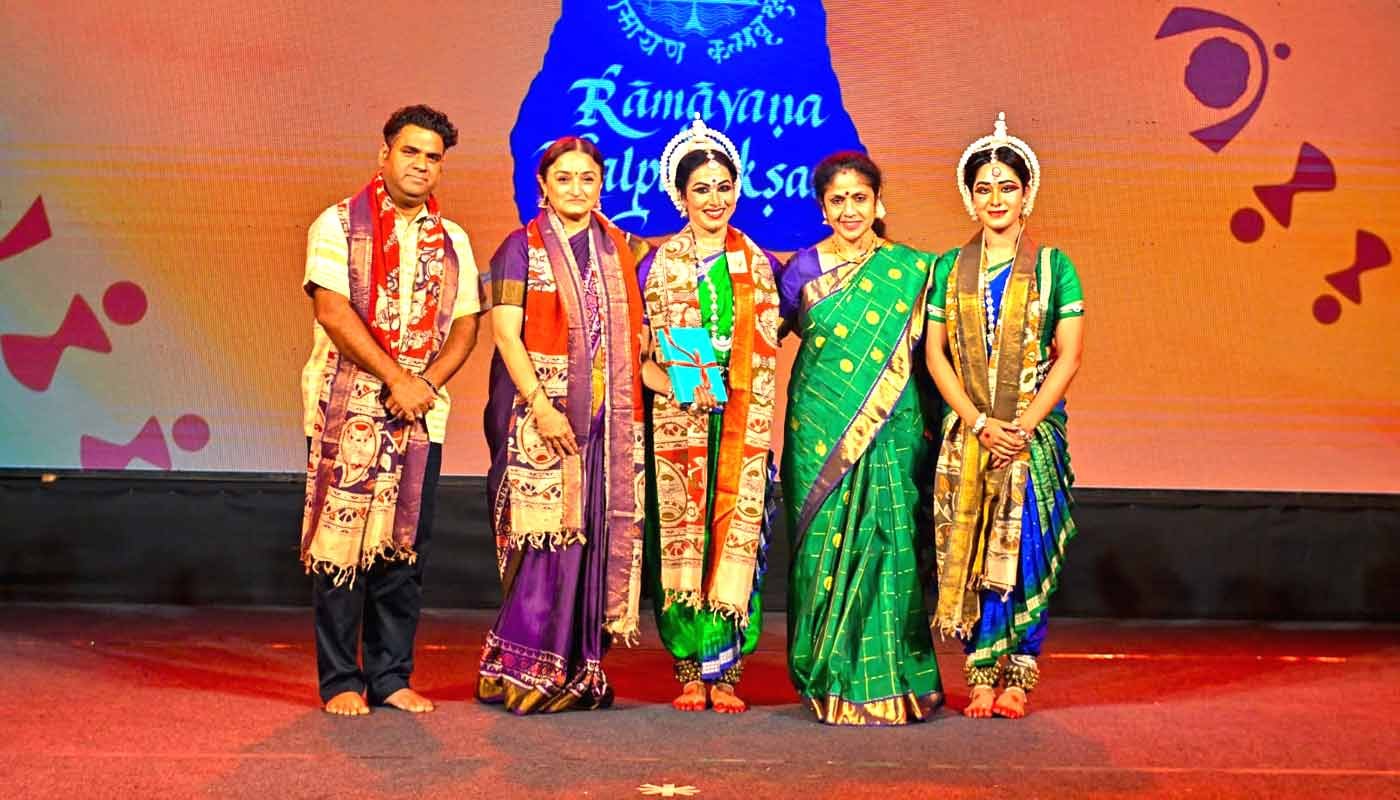
The three-day Ramayana Kalpavrksam Festival, held at CCRT, Madhapur Amphitheatre from January 30 to February 1, and curated and conceptualised by Padmashri Dr. Ananda Shankar Jayant, presented a dazzling array of performances and talks that left a lasting impression on the city’s cultural landscape.
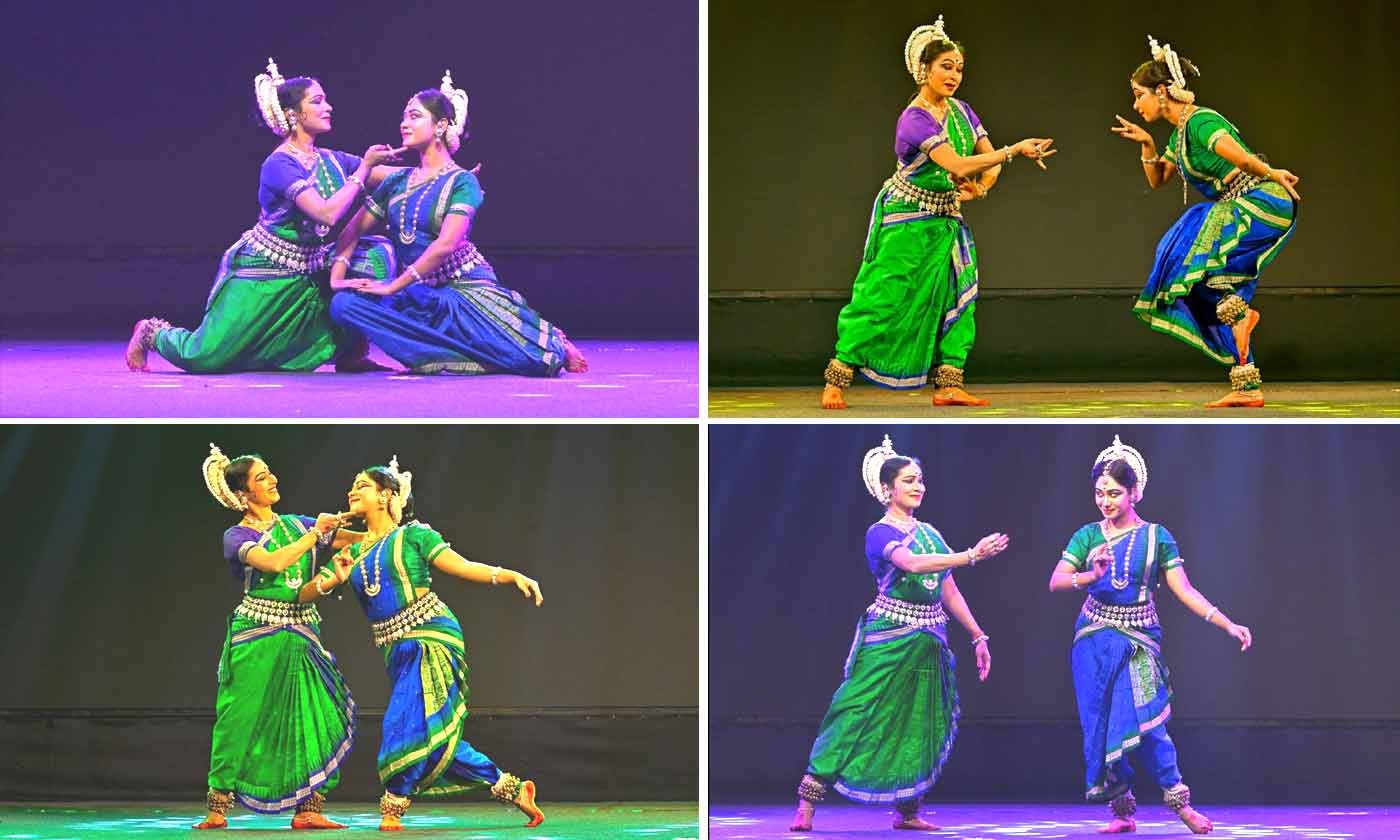
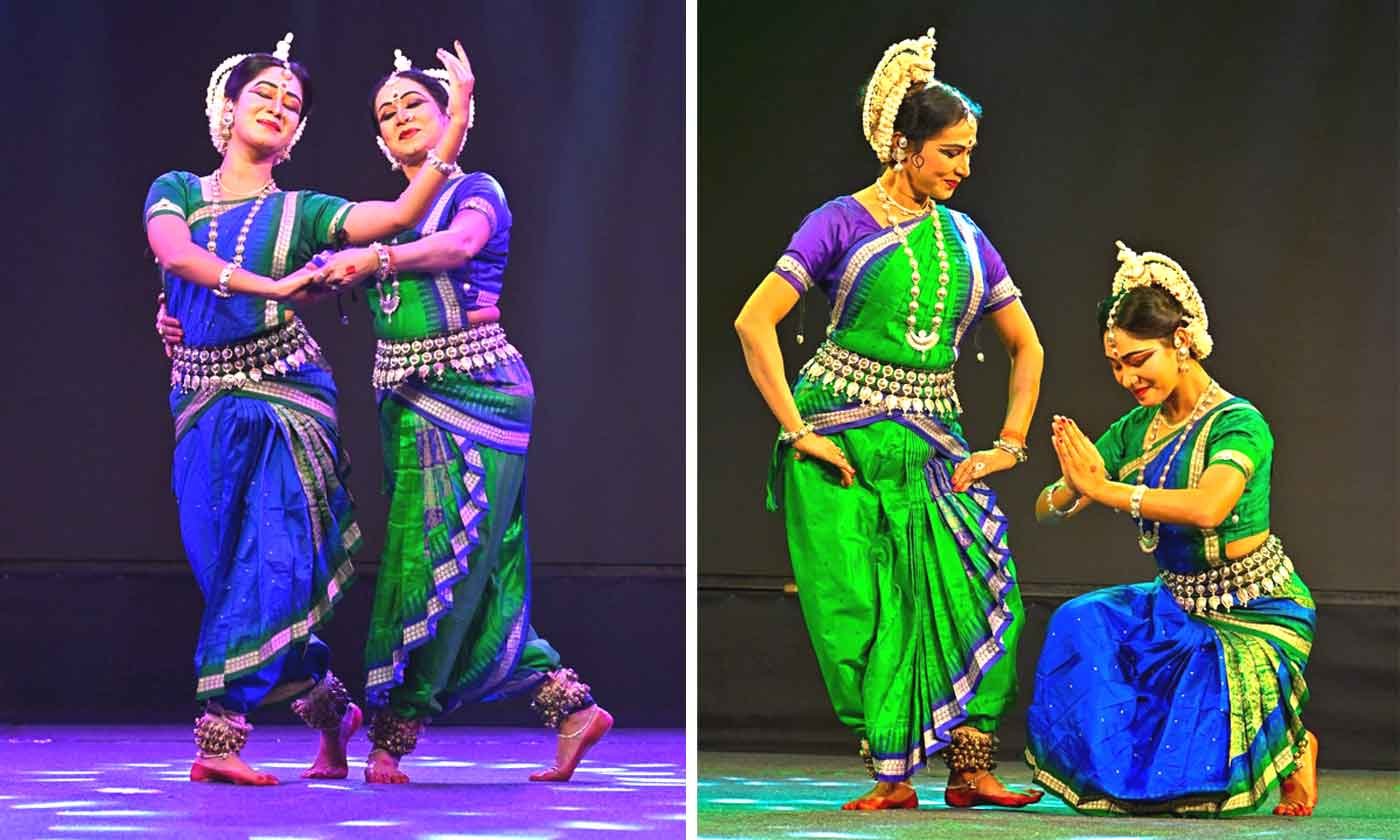
The inaugural lamp was lit by the Chief Guest, Dr. Sandhya Purecha, Chairperson of the Sangeet Natak Akademi. The large evening audience was treated to a beautiful Odissi duet performance by Dr. Sujata Mohapatra and Preetisha Mohapatra titled Seeta Haran.
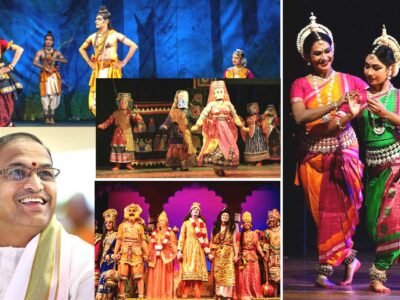
With Lakshmana on guard, Rama and Seeta share tender moments during their forest exile. Sringara rasa is kindled as Seeta presents Rama with a garland made from flowers she has picked. Sujata and Preetisha, resplendent in blue and green costumes, rendered the scene with grace and emotional depth. Maricha appears in the guise of the golden deer and Rama sets out in pursuit. As a result of the demon’s trickery, Lakshmana leaves Seeta, setting the stage for Ravana to abduct her. Luring Seeta, Ravana throws off his mendicant guise and places her in his flying chariot.
As Jatayu, the King of Vultures, superbly enacted by Sujata, attempts to rescue Seeta from Ravana’s clutches, he is defeated and mortally wounded. The dying Jatayu expires in Rama’s lap, receiving moksha. The lighting design by Debiprasad Mishra subtly enhanced the visual appeal.
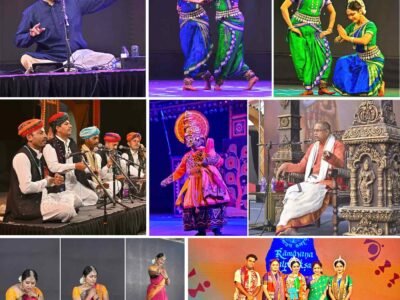
Carnatic classical vocalist Sandeep Narayan, with emotive expression and mastery over intricate musical forms, sent the audience into rapturous delight. A splendidly enunciated Ma Janaki by Tyagaraja in Kambhoji, with a majestic alapana, was the main item. The thrummingly sonorous Nannu Vidichi in Reeti Gowla, also by Tyagaraja, was equally evocative.
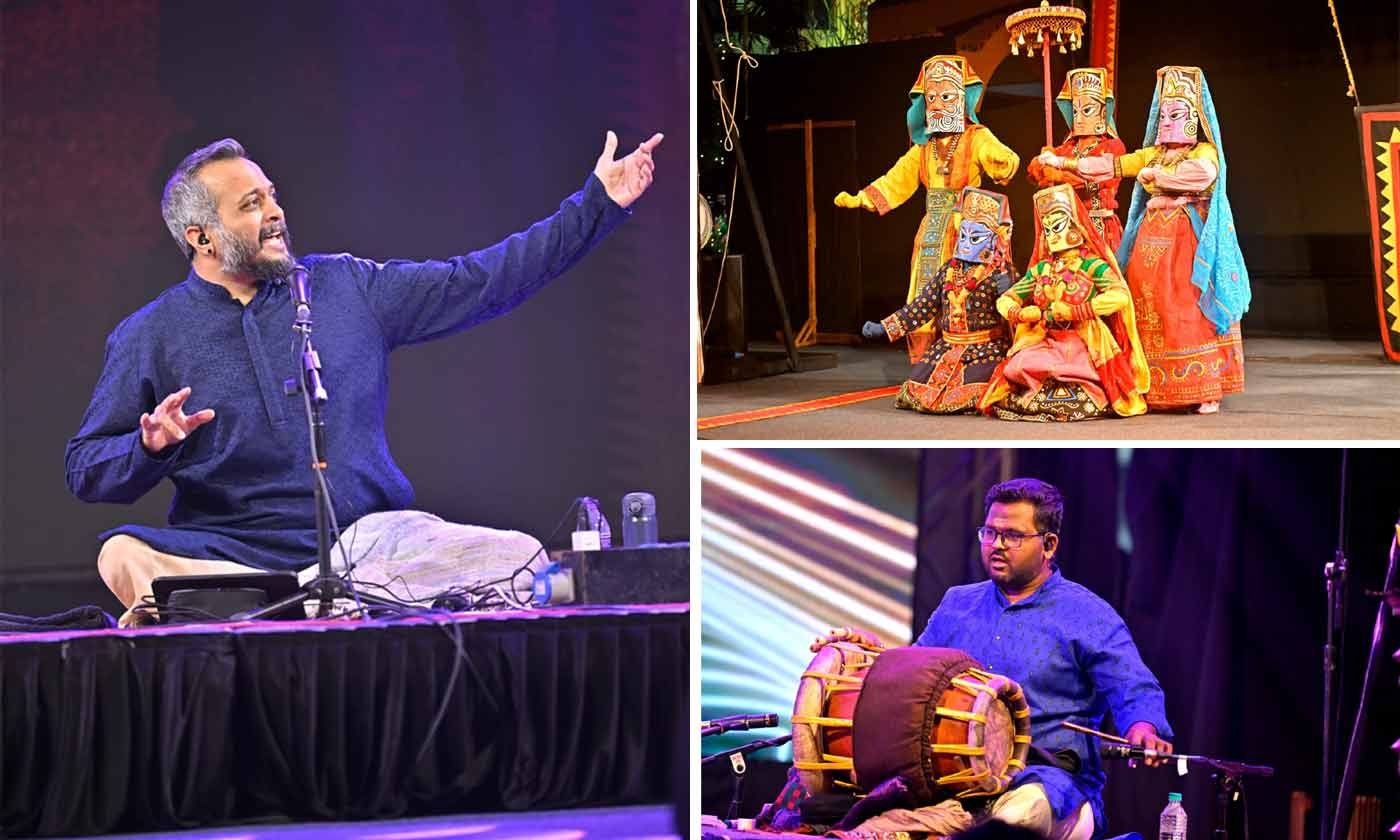
A Tamil piece centred on Nandanar, Siva and Nandi was a bhakti-filled outpouring. The song visualises the plight of a great devotee of Siva who, unable to perceive the Lord, requests Him to command the stone Nandi to move and clear his field of vision. The miracle that occurs forms the climax of the song. The Nandi image in that particular temple is still said to be off-centre, honouring the Nayanmar.
Other compositions by Ramadasu, Balamurali Krishna and Papanasam Sivan set the stage alight with crescendos of bravura exposition. Some of the compositions were audience requests, gracefully accepted by Sandeep.
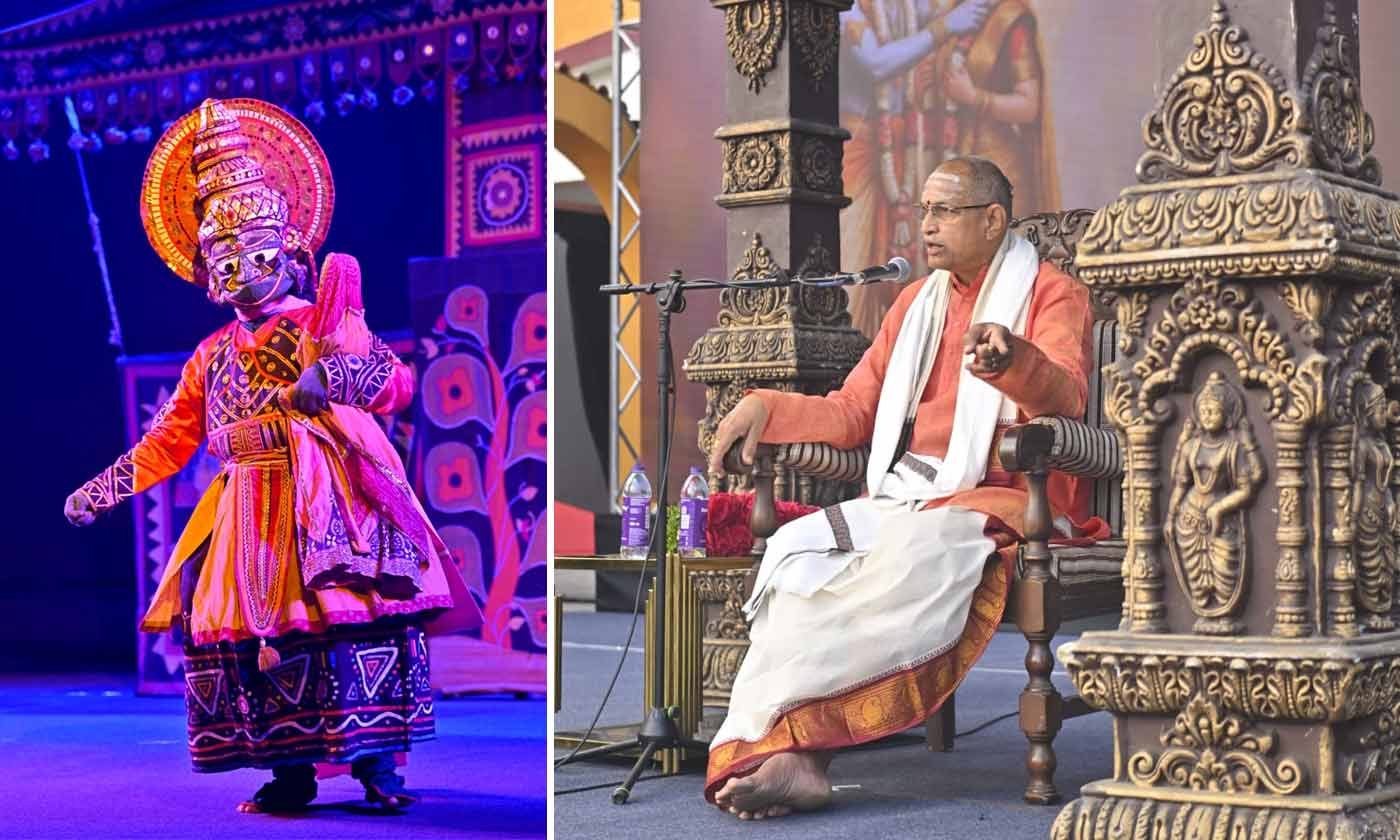
Two Ramamrita Pravachanams delivered with profound spiritual insight yet lucid simplicity by Brahmasri Chaganti Koteswara Rao were masterpieces of exposition on the mornings of the second and third days of the festival. Sitarama Kalyanam, he explained, is not merely a royal event but a sacred union exemplifying ideal grihastha dharma. The Valmiki Ramayana remains authoritative, a timeless guide to human relationships and moral living. Elaborating on Sita Kalyanam, he emphasised that the marriage was a crucial step in the unfolding of Ramavataram, with Sita central to the moral necessity of Ravana’s destruction.
His discourse on Hanumat Darshanam, delivered in his inimitable style, underscored the importance of Hanuman in the Ramayana by likening him to the connecting strand in a flower garland. Hanuman embodies spiritual symbolism, devotion and strength.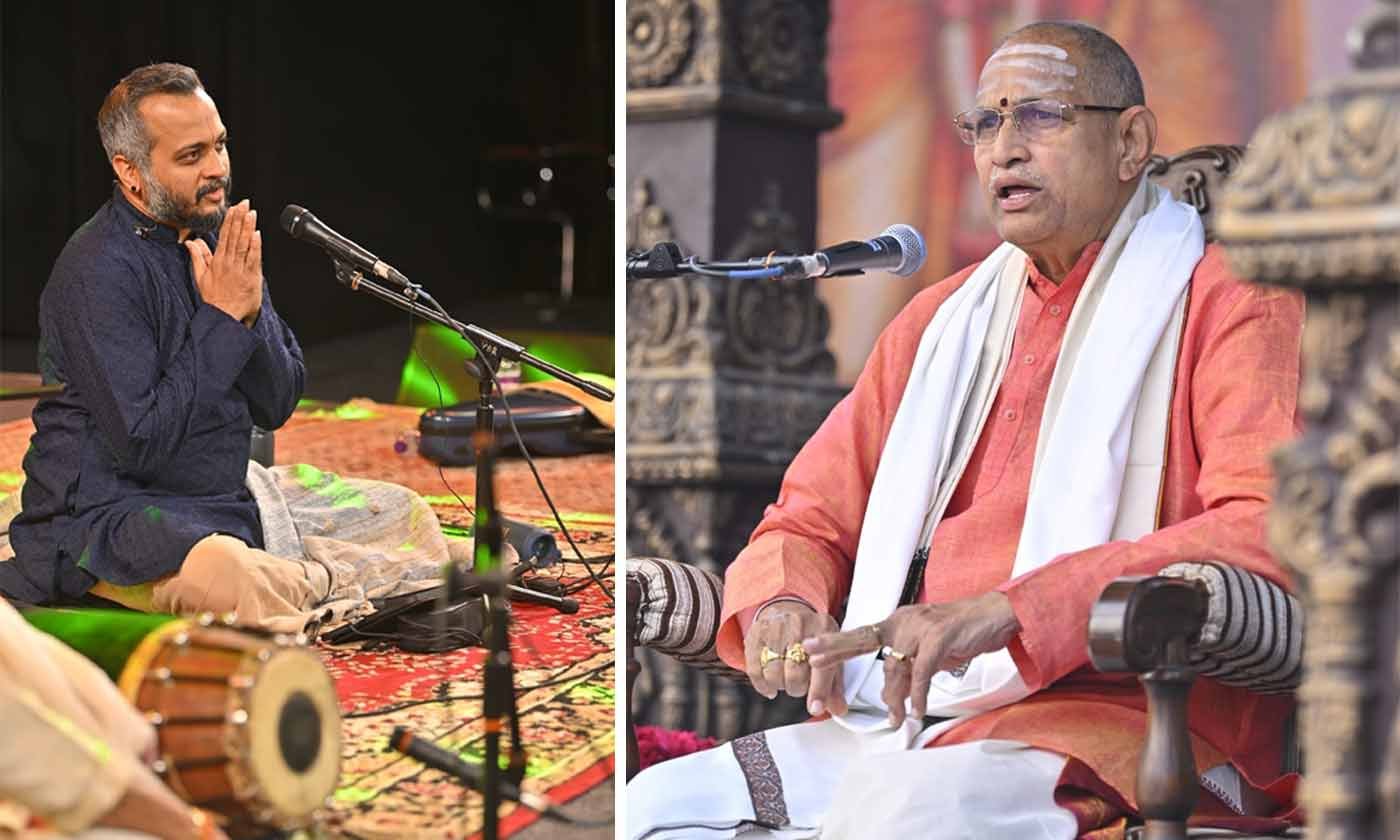
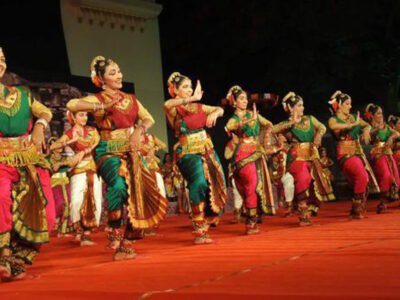
Charusmitha Rao described the Navarasas using theories from social psychology, examining how we experience emotions and questioning social norms. Shivaranjani Harish, through Bharatanatyam, interpreted the Navarasas through Ramayana narratives, blending design and storytelling creatively. The rasas were brought to life through Shivaranjani’s precise and captivating abhinaya, portraying the emotions of various characters from the Ramayana. This presentation titled I’m F 9: Navarasa through the Ramayana was an Indic brand showcase by Coolture Designs on the afternoon of January 31.
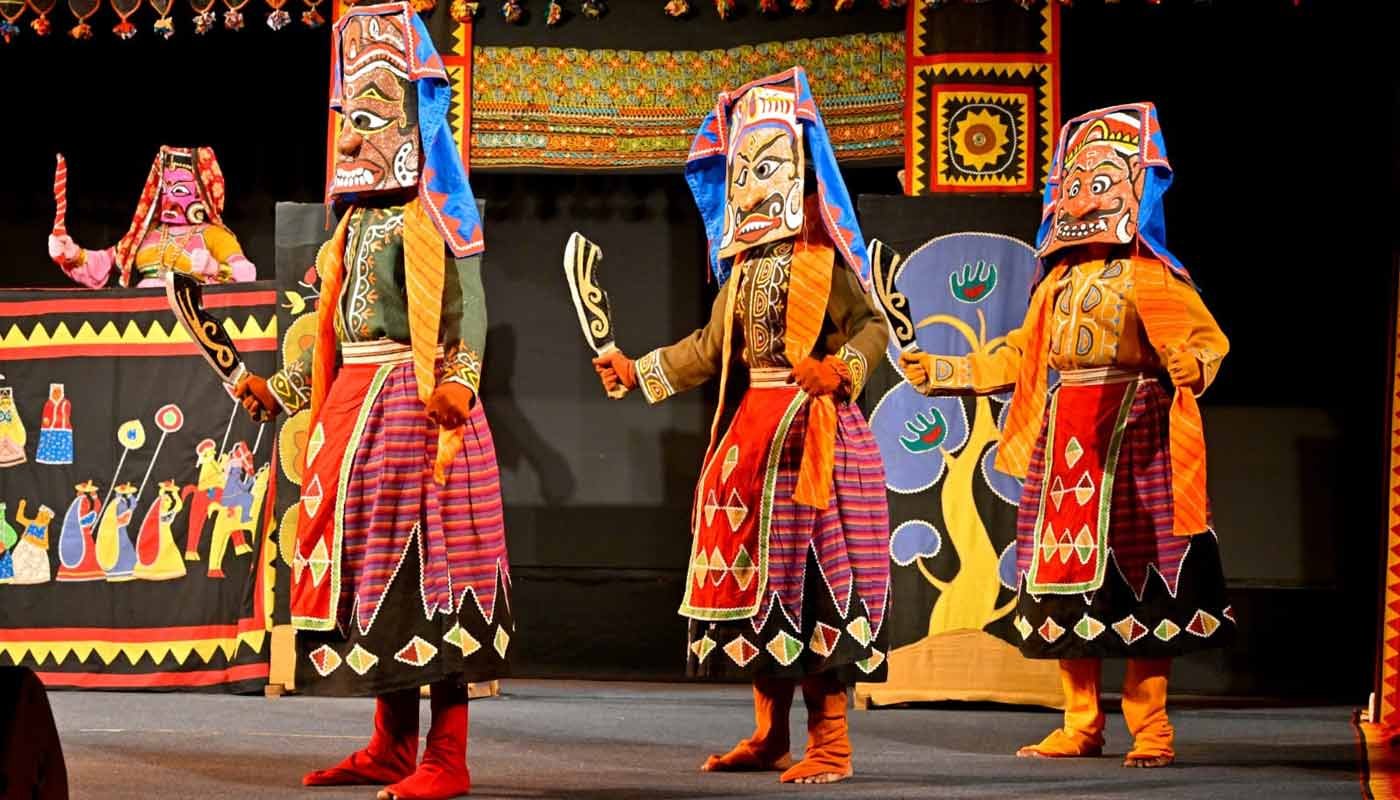
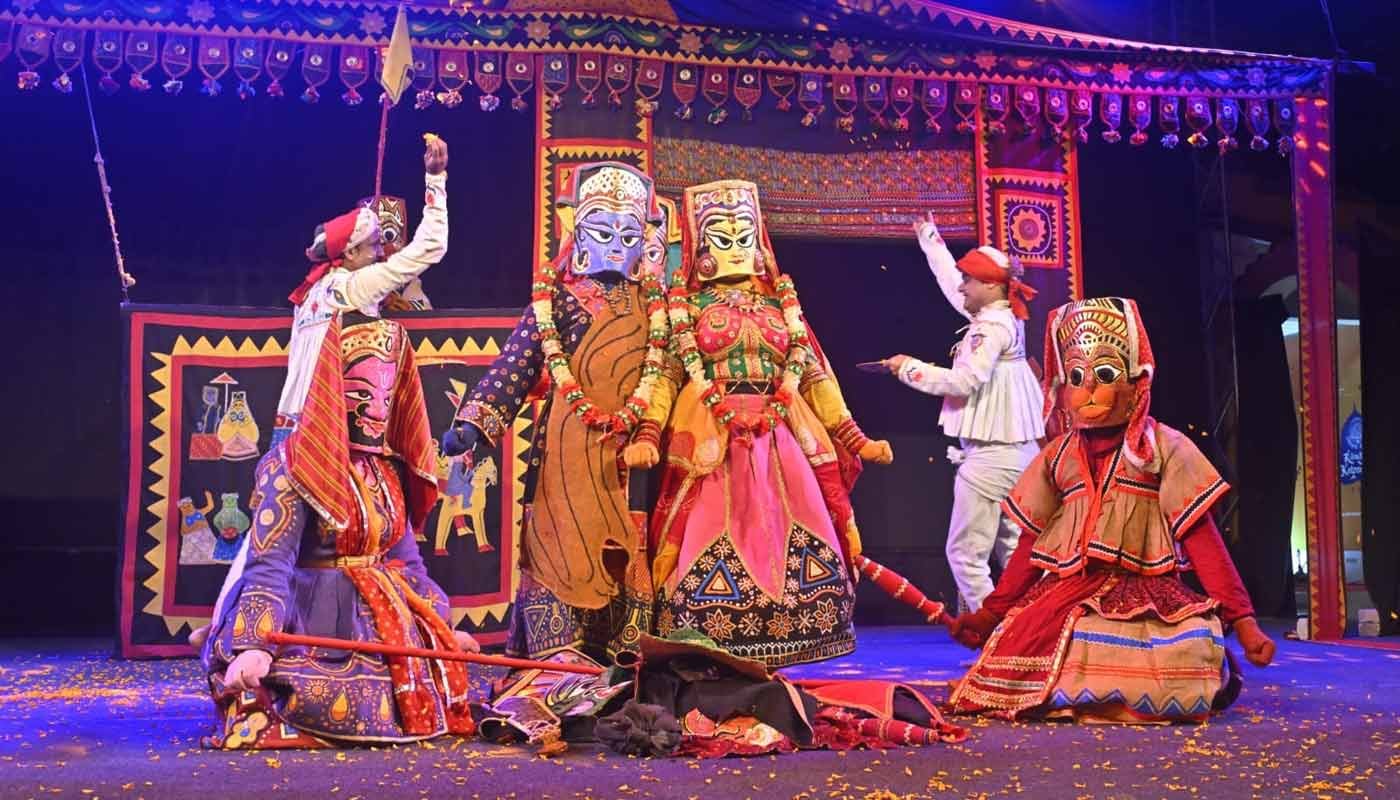
The evening of the second day opened with a rare puppet-style dance drama, The Ramayana, by the Rangasri Little Ballet Theatre, Bhopal. Combining theatre with Rajasthani traditions, it was a riot of colour, with actors donning puppet-like costumes and moving as though guided by unseen strings. Choreographed by Shanti Bardhan, the masked performers, through stylised movements set to music, enacted the Ramayana with striking emotional clarity.
Tracing the storyline from Rama’s exile to his final triumph, it was a surreal and extravagant experience of prismatic rainbow hues on stage, transporting spectators to a different world, an experience that had to be seen to be believed.
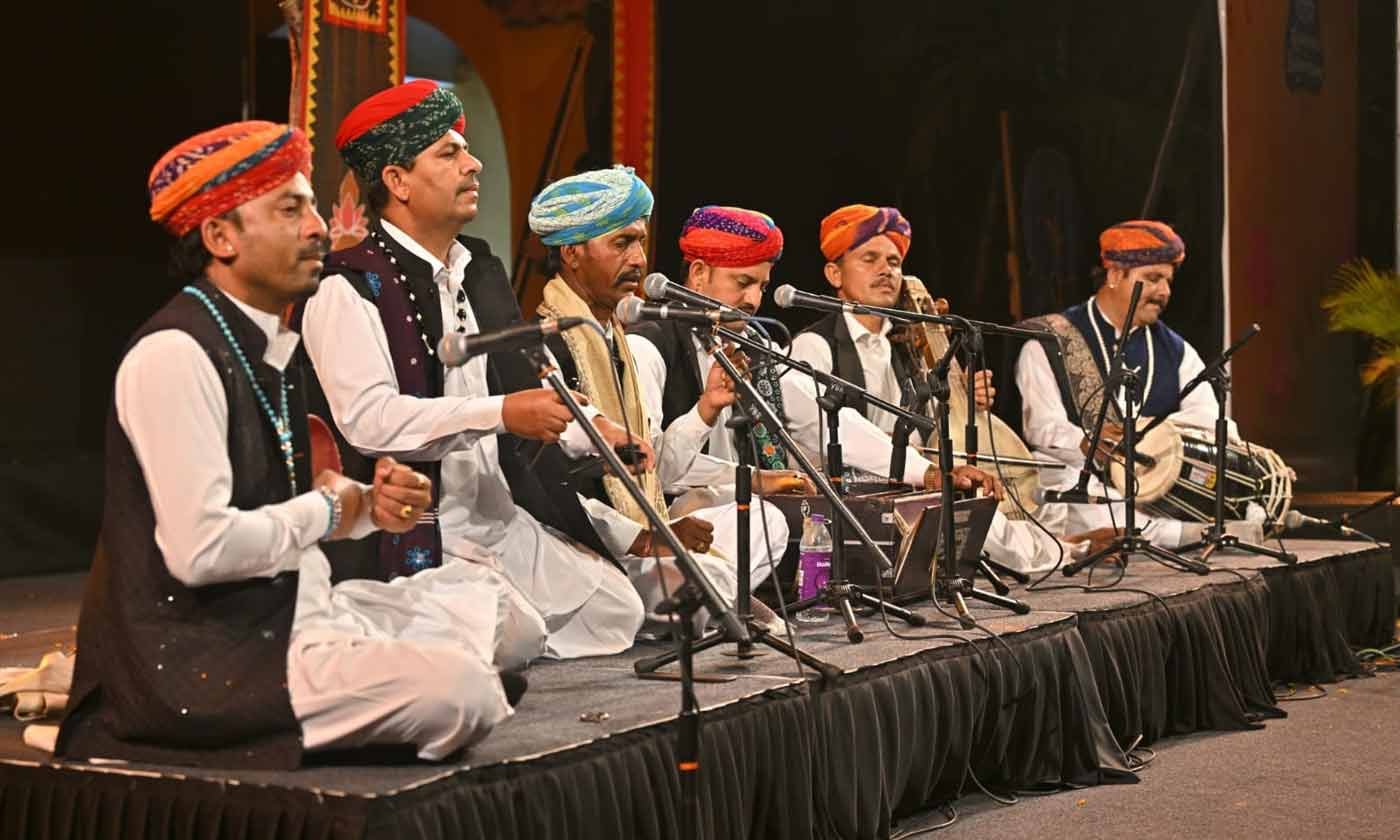
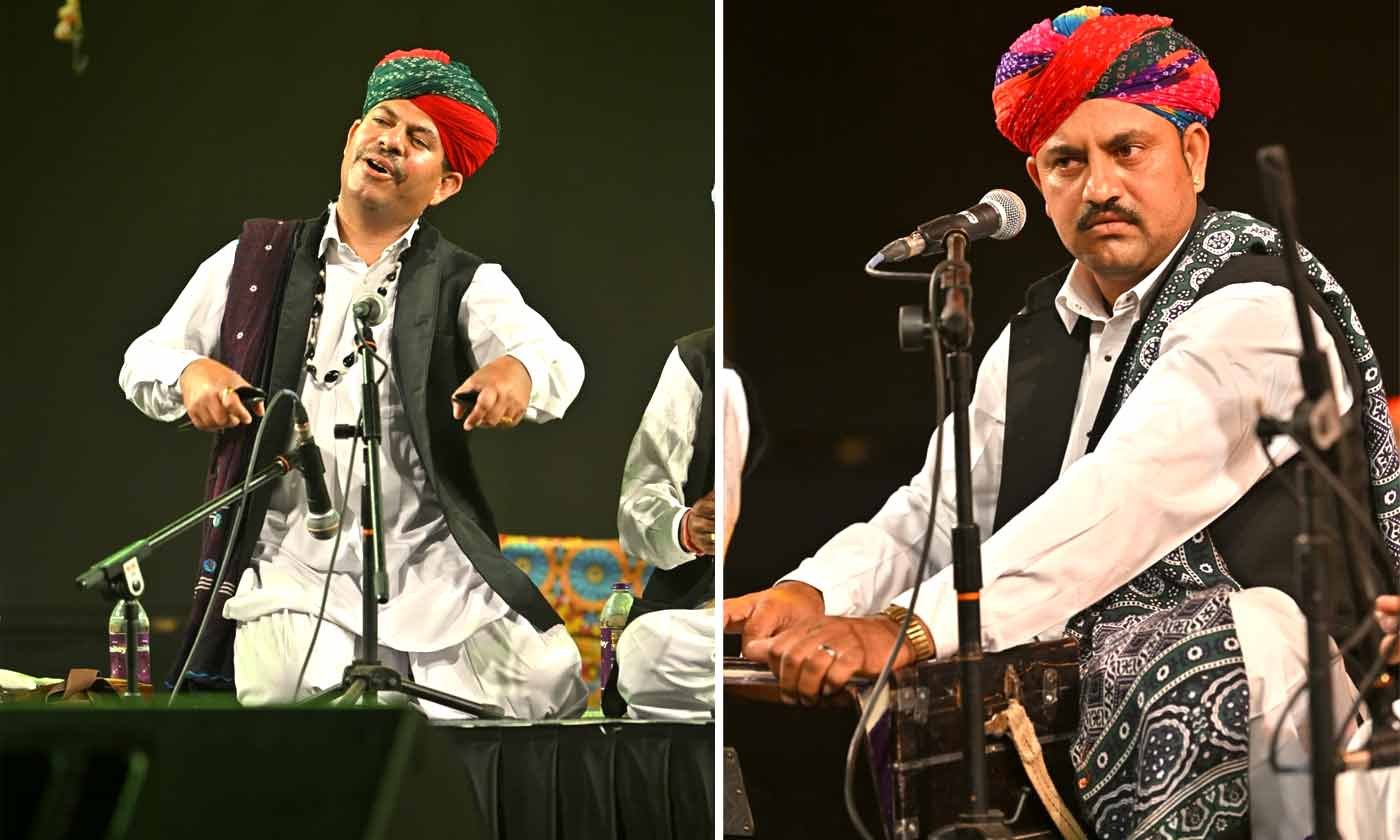
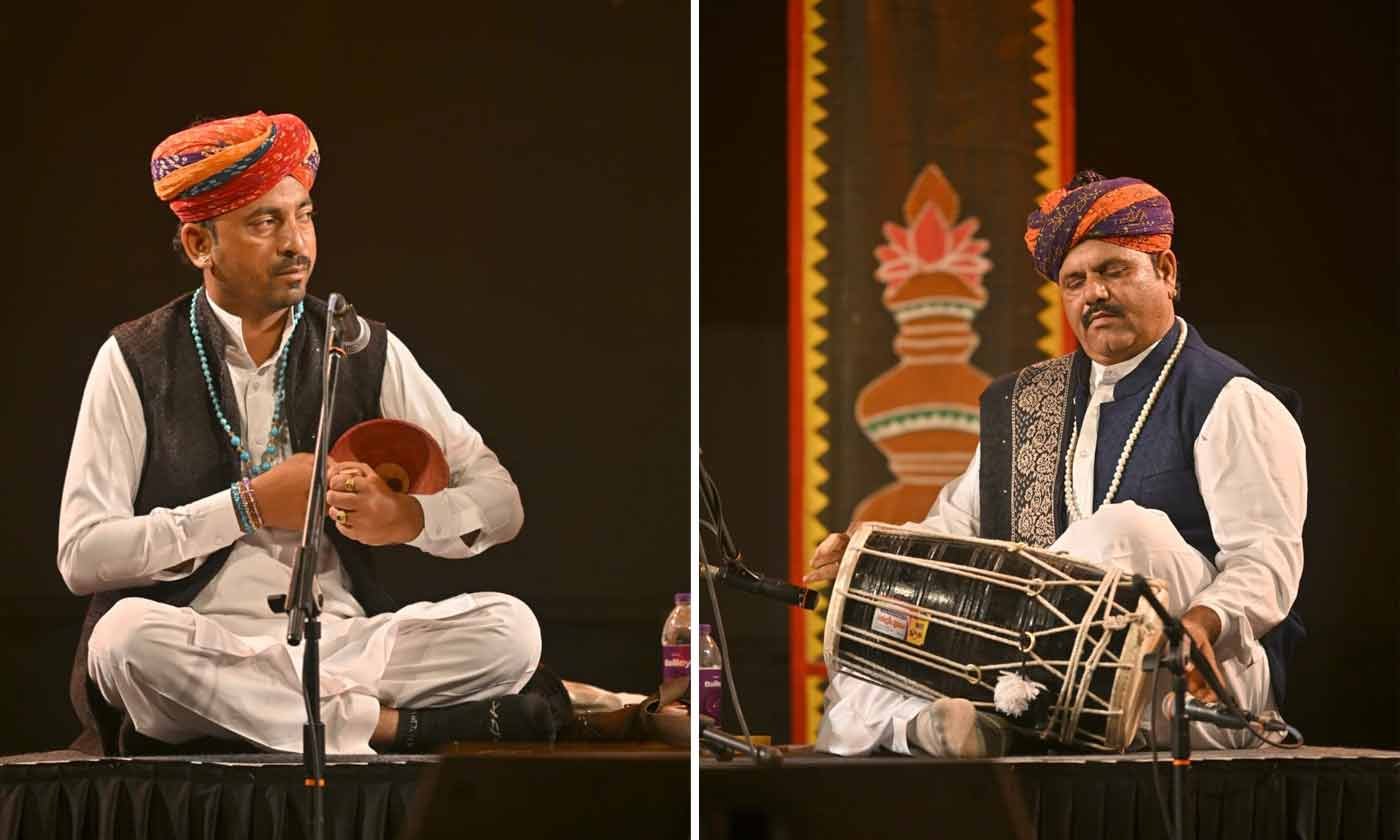
The second day concluded with vibrant folk music by Bhungar Khan, a seventh-generation exponent of Manganiyar music, and his troupe Dharohar from Barmer, Rajasthan. The fast-paced beats and rhythms energised the audience, distilling the plaintive strains of desert music. Dressed in vividly striated turbans and traditional attire, the troupe brought the sands of Rajasthan alive on stage.
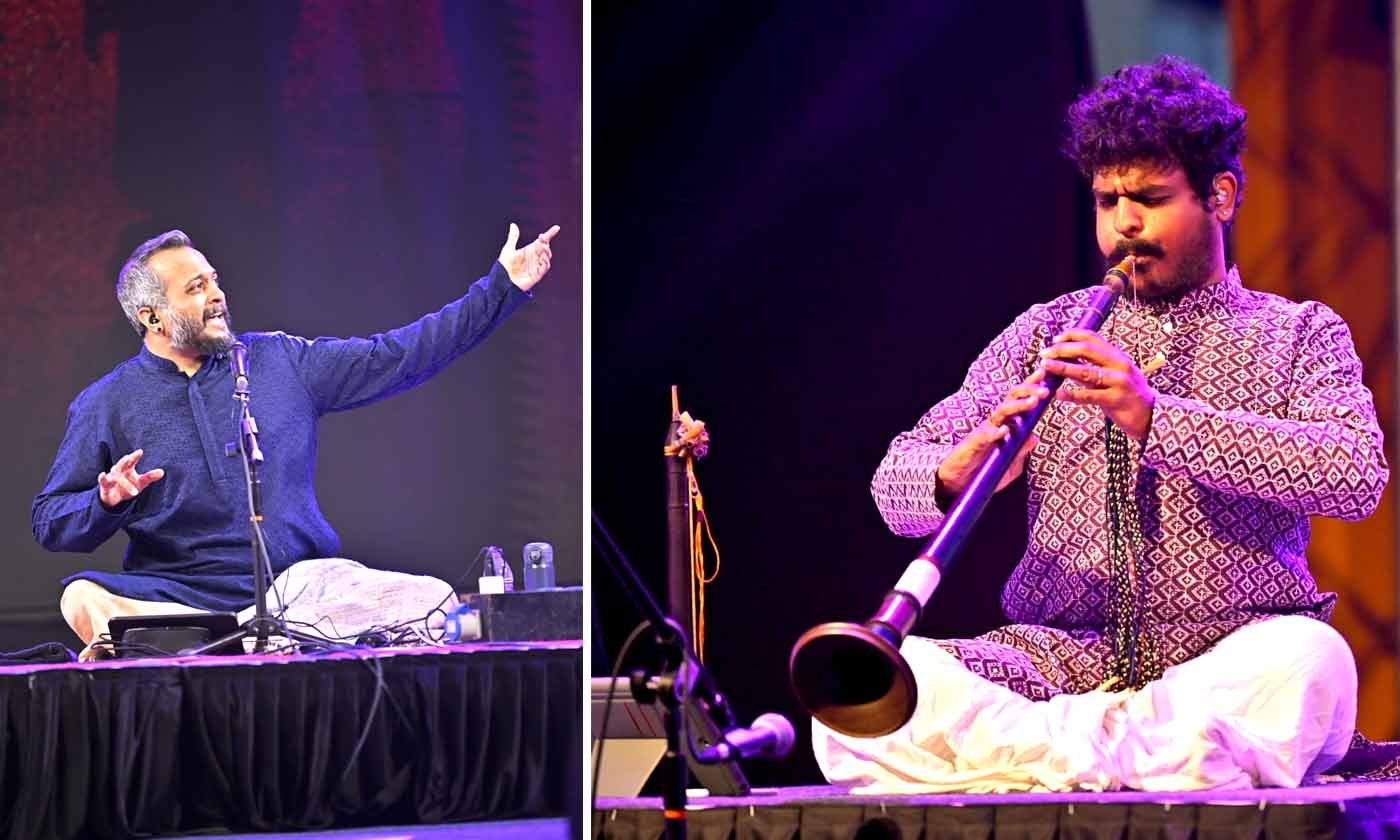
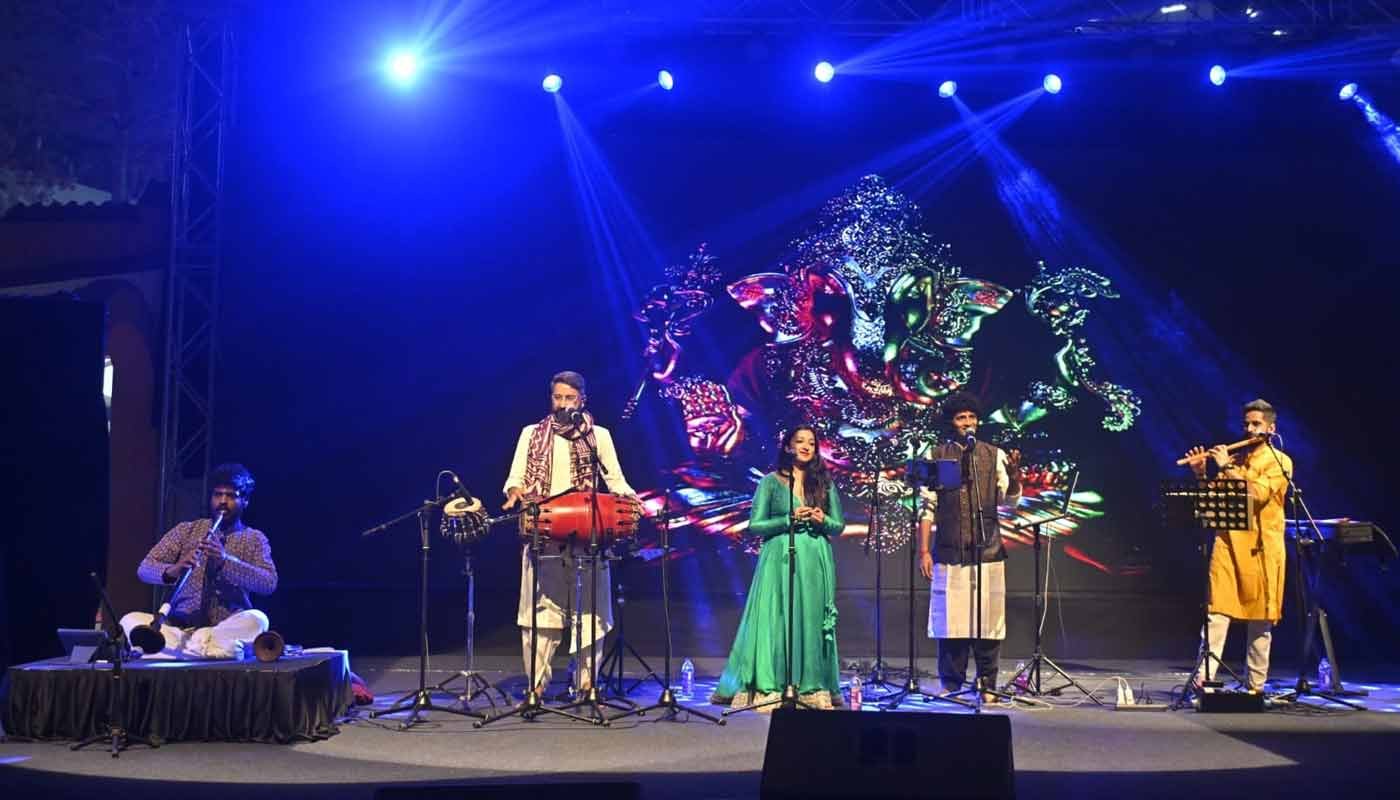
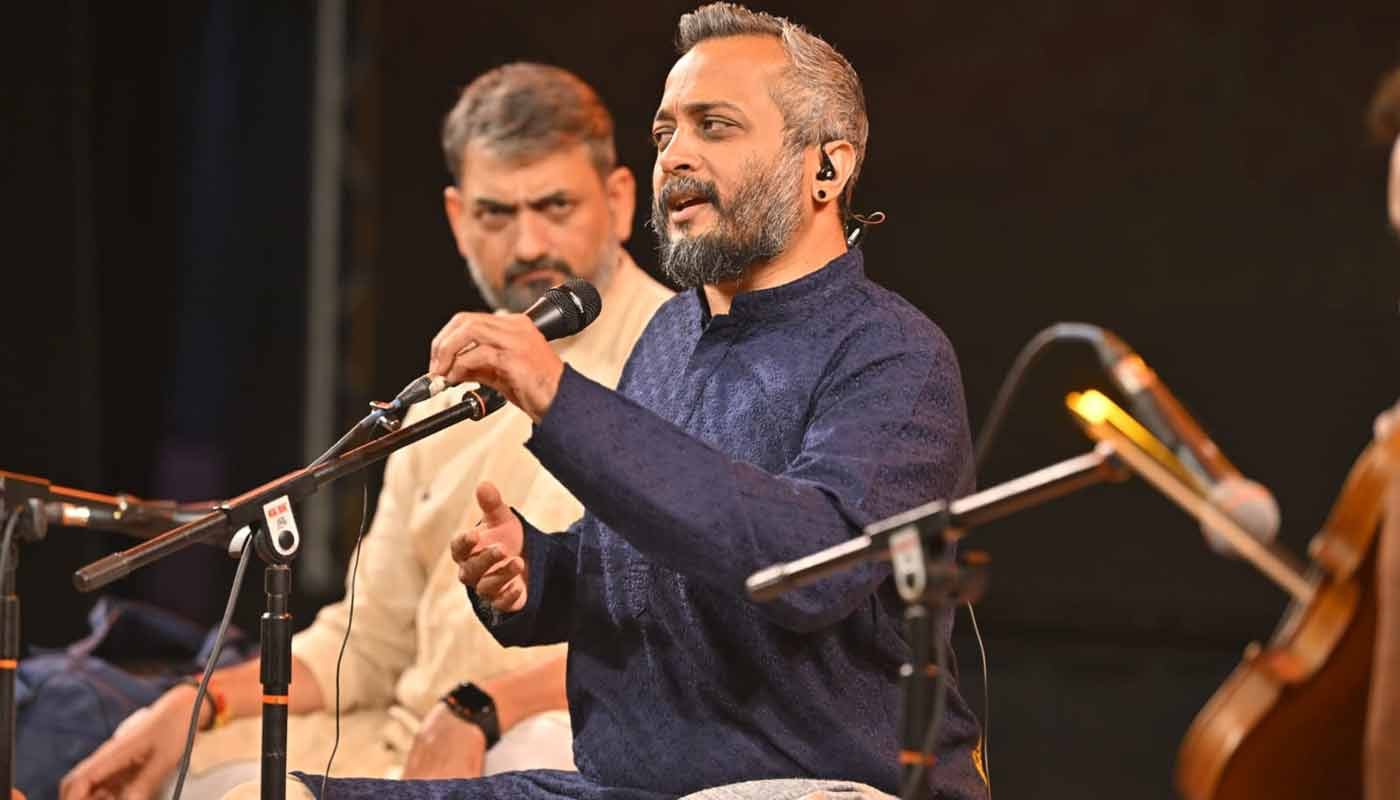
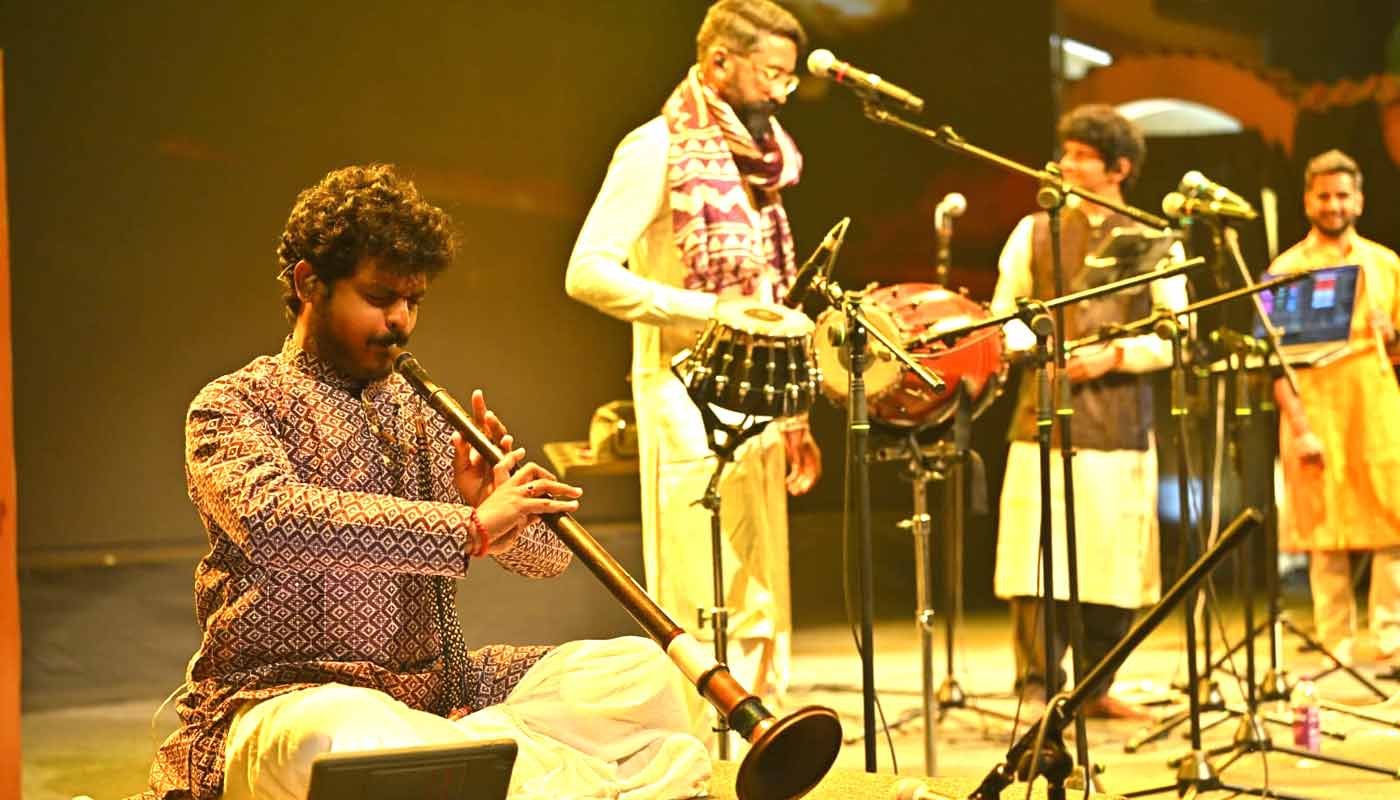
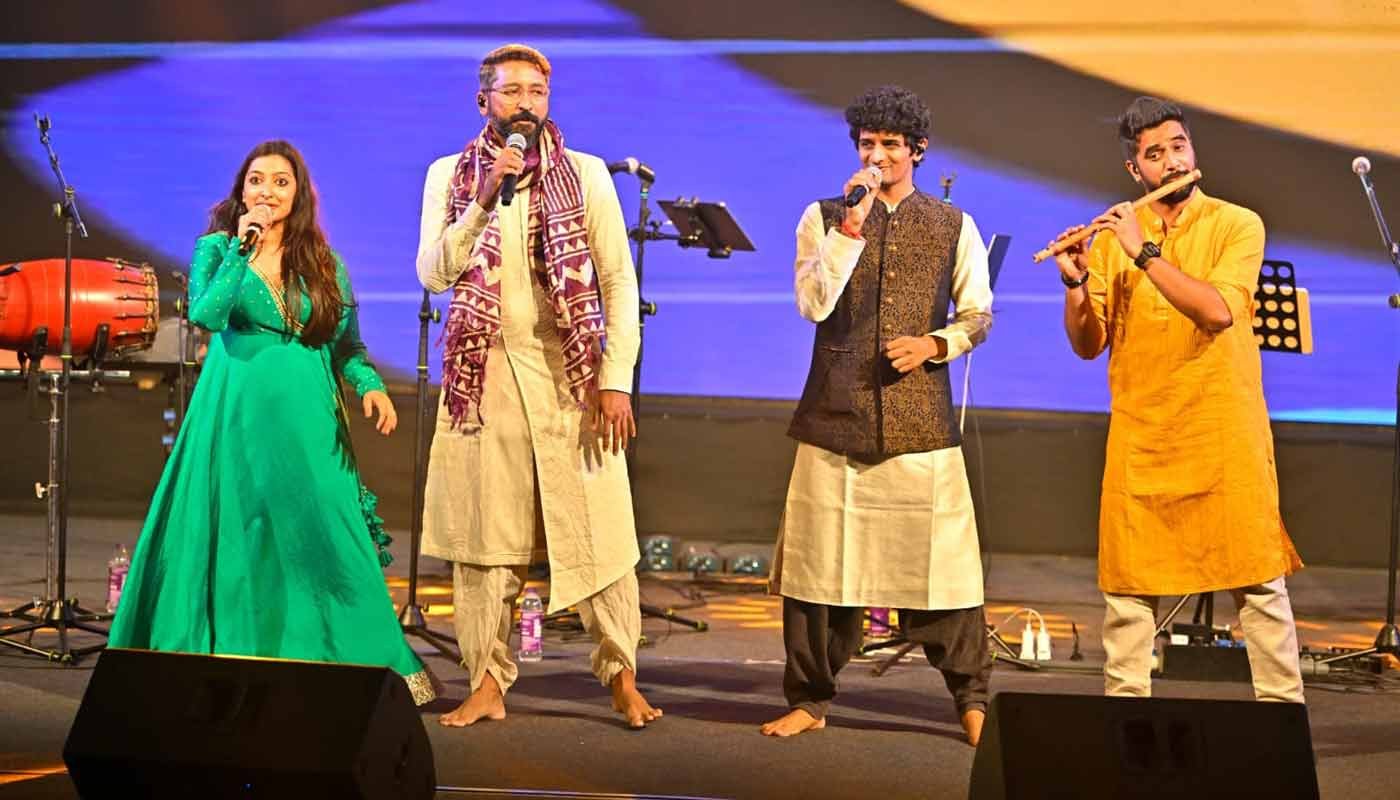
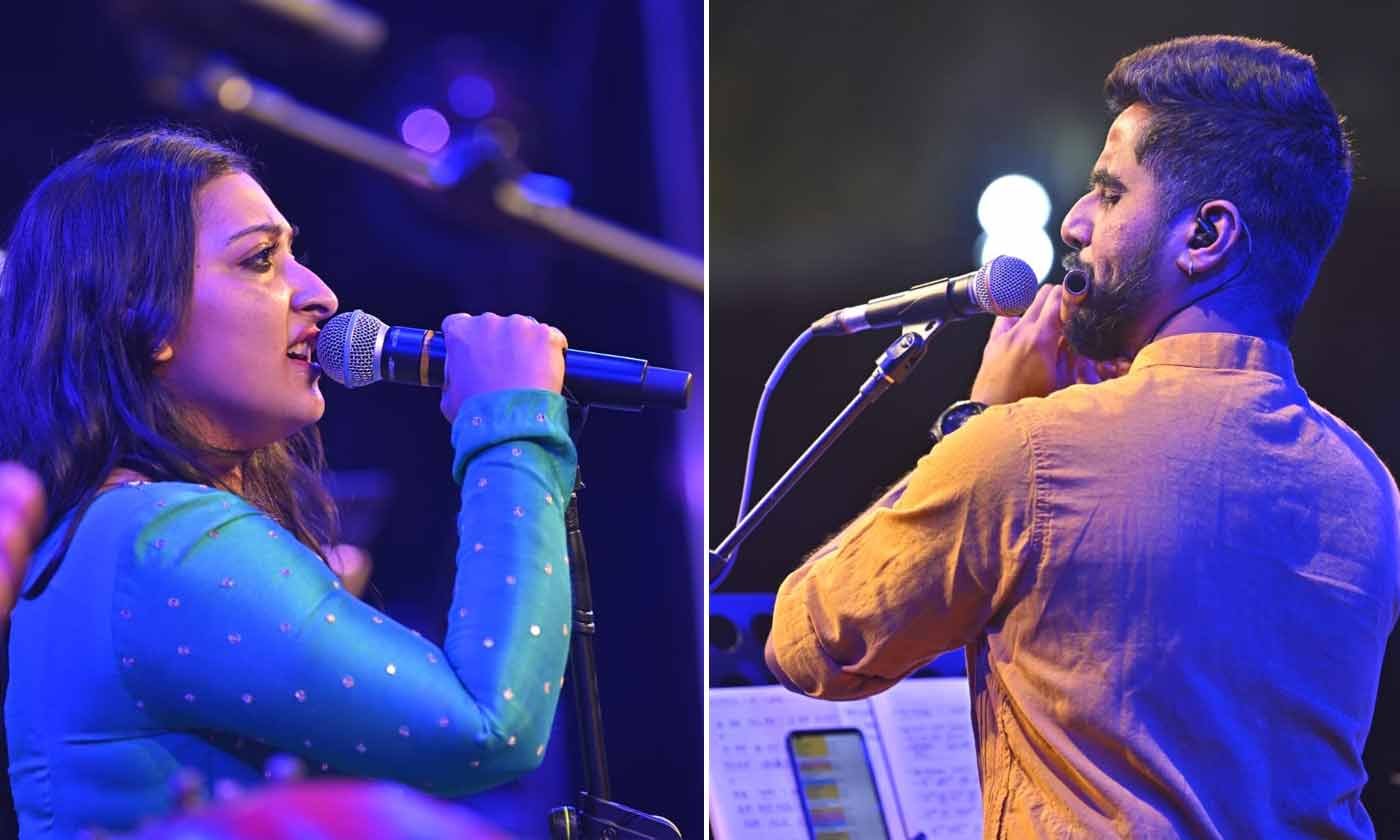
The final day concluded with a vibrant classical fusion concert titled Tradition Reimagined by Carnatic 2.0, led by music producer Mahesh Raghavan. The band’s scintillating performance set the audience swaying as favourite Carnatic pieces were reimagined while remaining rooted in tradition. Maha Ganapathim, Dhanashree Tillana, Marugelara, Bho Shambo and Alai Payuthey resonated with fresh reinterpretations as swirling patterns of light were projected in sync with the musical mood.
This sparkling finale marked a perfect conclusion to the fourth edition of Ramayana Kalpavrksam 2026, now firmly established as a bright star in the cultural firmament of the Twin Cities.