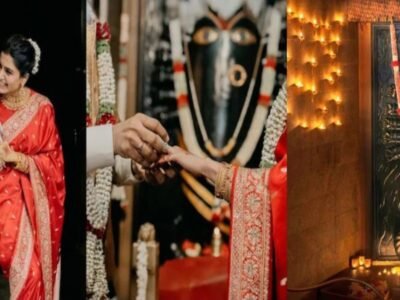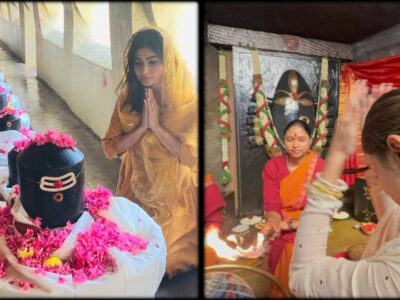

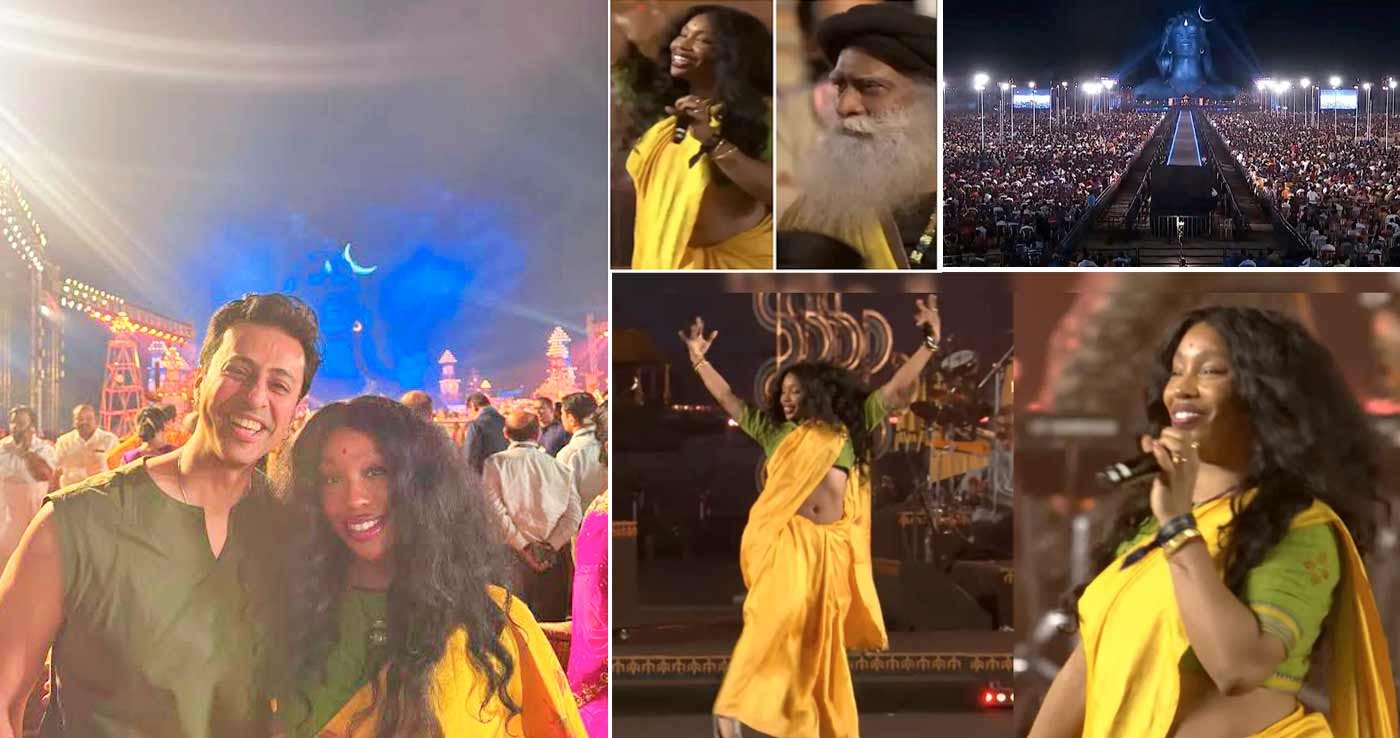
“Shambho Shiva Shambho” echoed through the Isha Yoga Center this Mahashivratri, voiced unexpectedly by global music artist SZA.
When SZA appeared at the Isha Foundation during Mahashivratri celebrations this year, the moment quickly travelled far beyond the meditation grounds. A short clip of the Grammy-winning artist chanting “Shambho Shiva Shambho” during the night-long event has since triggered a wave of discussion, fascination, and debate across digital platforms.
SZA’s presence at the annual Mahashivratri gathering, hosted at the Isha Yoga Center in Tamil Nadu, was unexpected. Known globally for her contemporary R&B sound and deeply personal songwriting, the singer’s participation in a spiritual event rooted in Shaivite tradition stood out amid a programme that typically features yogic practices, classical performances, and devotional music. The moment gained traction after videos circulated showing her joining the chant, a phrase associated with devotion to Lord Shiva and commonly heard during Mahashivratri observances.
An Unexpected Presence at Mahashivratri
The appearance came at a time when Mahashivratri continues to draw an increasingly international audience. Over the years, the Isha Foundation’s celebrations have evolved into a global spectacle, livestreamed across continents and attended by visitors from diverse cultural backgrounds. SZA’s presence, while brief, added a new layer to this global visibility, prompting questions about cultural exchange, spiritual curiosity, and the porous boundaries between popular culture and religious tradition.
When Popular Culture Meets Spiritual Tradition
The chant itself became the focal point of online conversation. “Shambho Shiva Shambho,” repeated rhythmically during the night, is traditionally associated with surrender and stillness, key themes of the festival. For many viewers, seeing a globally recognised pop artist engage with the chant symbolised curiosity and respect for a tradition outside her cultural upbringing. For others, it sparked debates on appropriation, intent, and the fine line between participation and performance.
What stood out, however, was the absence of spectacle. SZA did not perform her own music, nor did she take centre stage. Her participation was understated, blending into the broader atmosphere of the event rather than reshaping it around celebrity presence. This restraint contrasted sharply with the usual dynamics of global pop appearances and contributed to the intrigue surrounding the moment.
Mahashivratri as a Global Cultural Convergence
The trending clips also reflect a broader shift in how spiritual spaces are intersecting with global culture. Events like Mahashivratri at Isha are no longer insulated from international attention. They are increasingly becoming points of convergence, where tradition is observed not only by practitioners but also by global audiences encountering it through digital circulation.
As the buzz continues, the moment raises a larger question about visibility and meaning. Does global attention dilute spiritual practice, or does it create new pathways for cultural understanding? SZA’s brief chant did not offer definitive answers, but it did underline how contemporary culture often encounters tradition in fragments, moments that travel faster than context.
As dawn broke over the Isha Yoga Center, the chants faded, but the conversation did not. In a single line, echoed across thousands of screens, an ancient invocation found itself at the centre of a modern cultural moment, reminding audiences that tradition, once shared, rarely stays contained.
Image Credit By – Sadhguru, Youtube Channel
Picture Captions – Grammy Winner, SZA Graces Isha Yoga Centre stage on Mahashivratri, with chants and celebrating Oneness.