
The state government recalibrates its flagship support scheme to strengthen agrarian resilience and rural incomes
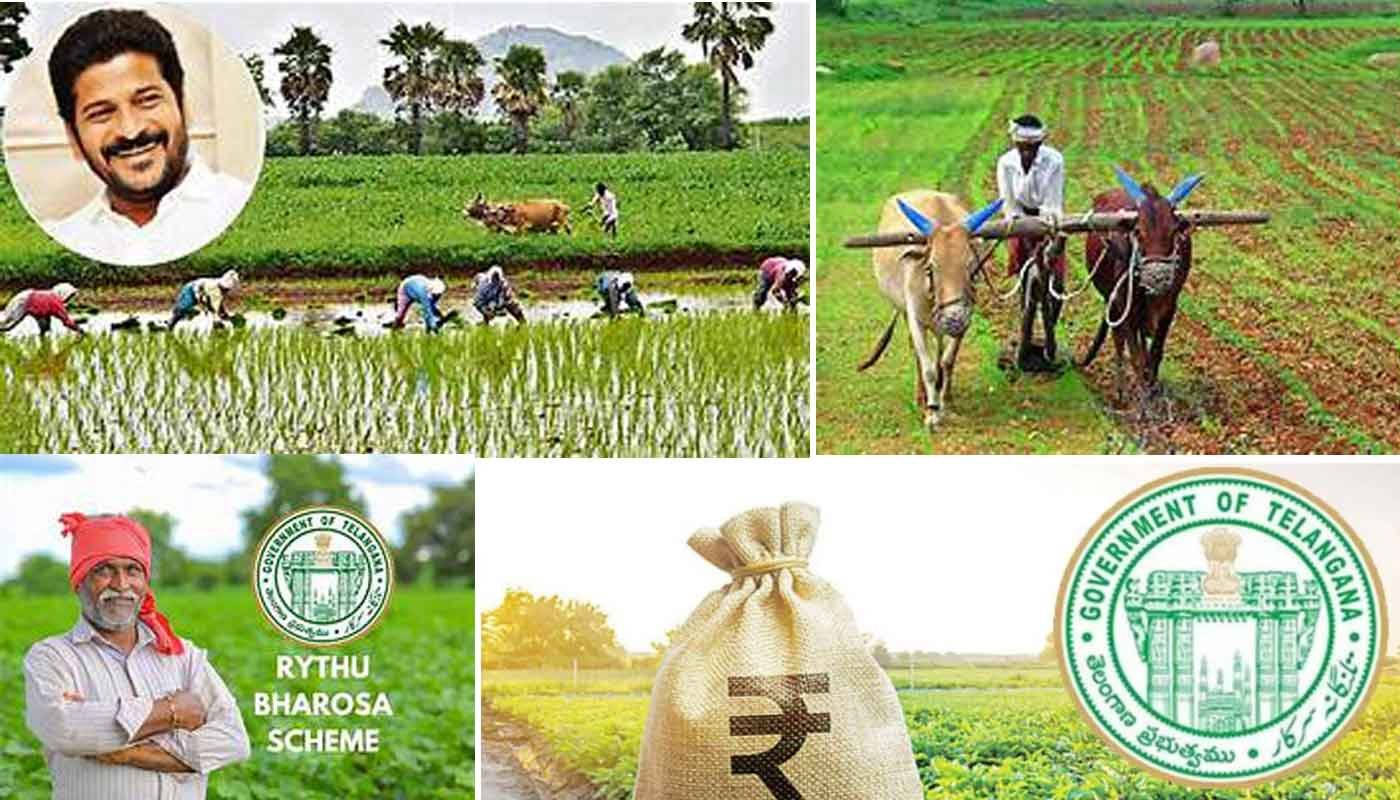
The Rythu Bharosa scheme has re-entered the policy spotlight in Telangana, as Chief Minister Revanth Reddy signals a recalibrated approach to farmer welfare. Positioned as a cornerstone of the state’s agrarian support architecture, the scheme is being reviewed to ensure sharper targeting, fiscal prudence, and timely disbursal.
Originally conceived as a direct benefit transfer (DBT) initiative, Rythu Bharosa aims to provide financial assistance to farmers to meet pre-sowing and cultivation expenses. The current administration is reportedly working to streamline beneficiary identification, with a renewed focus on inclusivity, particularly tenant farmers and marginal landholders who often remain at the periphery of formal support systems.
Policy insiders indicate that the government is also evaluating overlaps with central schemes such as PM-Kisan Samman Nidhi to optimise resource allocation and avoid duplication. This convergence strategy is expected to improve efficiency while ensuring that assistance reaches the most vulnerable segments of the farming community.
Beyond fiscal transfers, the broader intent appears to be structural: stabilising farm incomes in a sector frequently exposed to climatic volatility and market unpredictability. With agriculture continuing to underpin rural livelihoods across Telangana, the redesign of Rythu Bharosa is being framed as both an economic imperative and a political commitment.
As implementation details evolve, the scheme’s effectiveness will hinge on execution, accurate databases, transparent disbursal mechanisms, and accountability at the grassroots. For now, the government’s renewed focus signals an attempt to align welfare delivery with the lived realities of Telangana’s farmers.