


French literary heavyweight Marie Ndiaye brings a haunting, introspective narrative to global readers with The Witch, now available in English for the first time in India. Originally one of her most celebrated works in France, the novel has gained renewed attention after being shortlisted for the Booker Prize, aligning with the award’s ongoing theme of “Fiction beyond borders.”
Published in English by Hachette and translated by Jordan Stump, The Witch offers a deeply unsettling yet darkly humorous exploration of womanhood, motherhood, and inherited identity.
At the heart of the novel is Lucie, a woman born into a long lineage of witches where magical powers are passed down from mother to daughter. Unlike her formidable mother, Lucie’s abilities are frustratingly weak. She can occasionally glimpse the future, but more often finds herself seeing fragmented and trivial images of distant places — a scrap of fabric, a fleeting sky — visions that feel almost useless.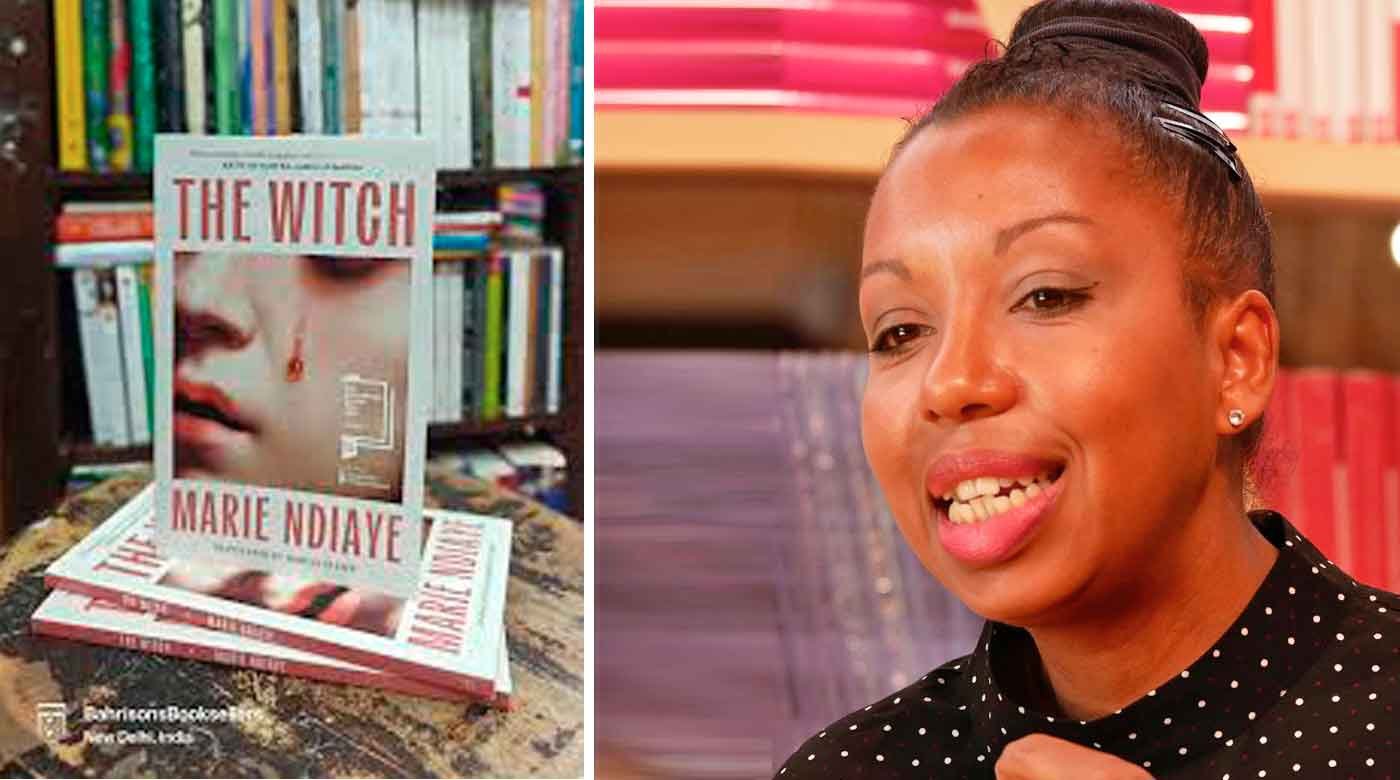
Her mediocrity extends beyond magic into her personal life, as she navigates a strained marriage and the burden of expectations tied to her lineage. The story takes a sharp turn when her twin daughters, Maud and Lise, come of age and display powers far stronger than her own. Their transformation is marked by eerie signs — tears of blood — before they quite literally fly away, leaving Lucie behind.
What unfolds is not merely a tale of witches, but a layered reflection on abandonment, generational disconnect, and the emotional cost of motherhood. Ndiaye uses the fantastical not as spectacle, but as a tool to examine what realism often struggles to articulate — the quiet grief of giving everything and being left with unanswered questions.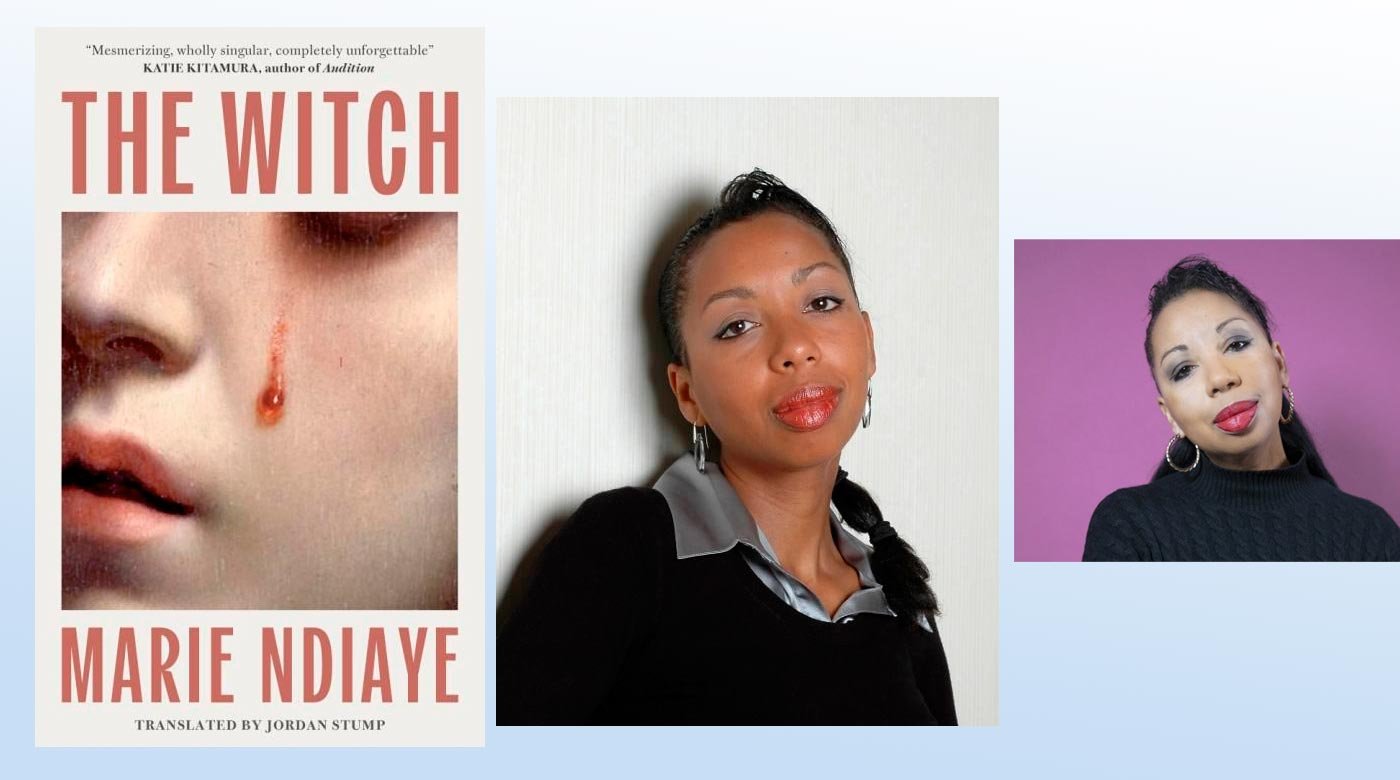
The novel’s tone shifts seamlessly between wit and melancholy. Lucie’s voice is marked by dry humor and subdued despair, making her both relatable and unsettling. As relationships fracture and expectations collapse, the narrative raises difficult questions: Who is responsible when families fall apart? What does it mean to nurture when those you nurture choose to leave?
Ndiaye herself has described the story as that of “a poor witch who struggles with a power she never asked for,” grounding the magical premise in the reality of modern anxieties. When she first wrote the book, she envisioned a contemporary witch — uncertain, self-conscious, and disconnected from the romanticised versions found in folklore.
Translator Jordan Stump, known for bringing French literature to English audiences, captures this delicate balance of the mundane and the magical. His translation preserves the novel’s understated emotional intensity, allowing Lucie’s quiet voice to resonate deeply with readers across cultures.
A recipient of prestigious honours including the Prix Femina and Prix Goncourt, Ndiaye has long been a defining voice in contemporary French literature. With The Witch now accessible to English readers, her work finds a wider audience at a time when global storytelling continues to transcend linguistic and cultural boundaries.
In its unsettling beauty, The Witch lingers long after the final page — not for its magic, but for its piercing honesty about love, loss, and the fragile bonds that shape our lives.