

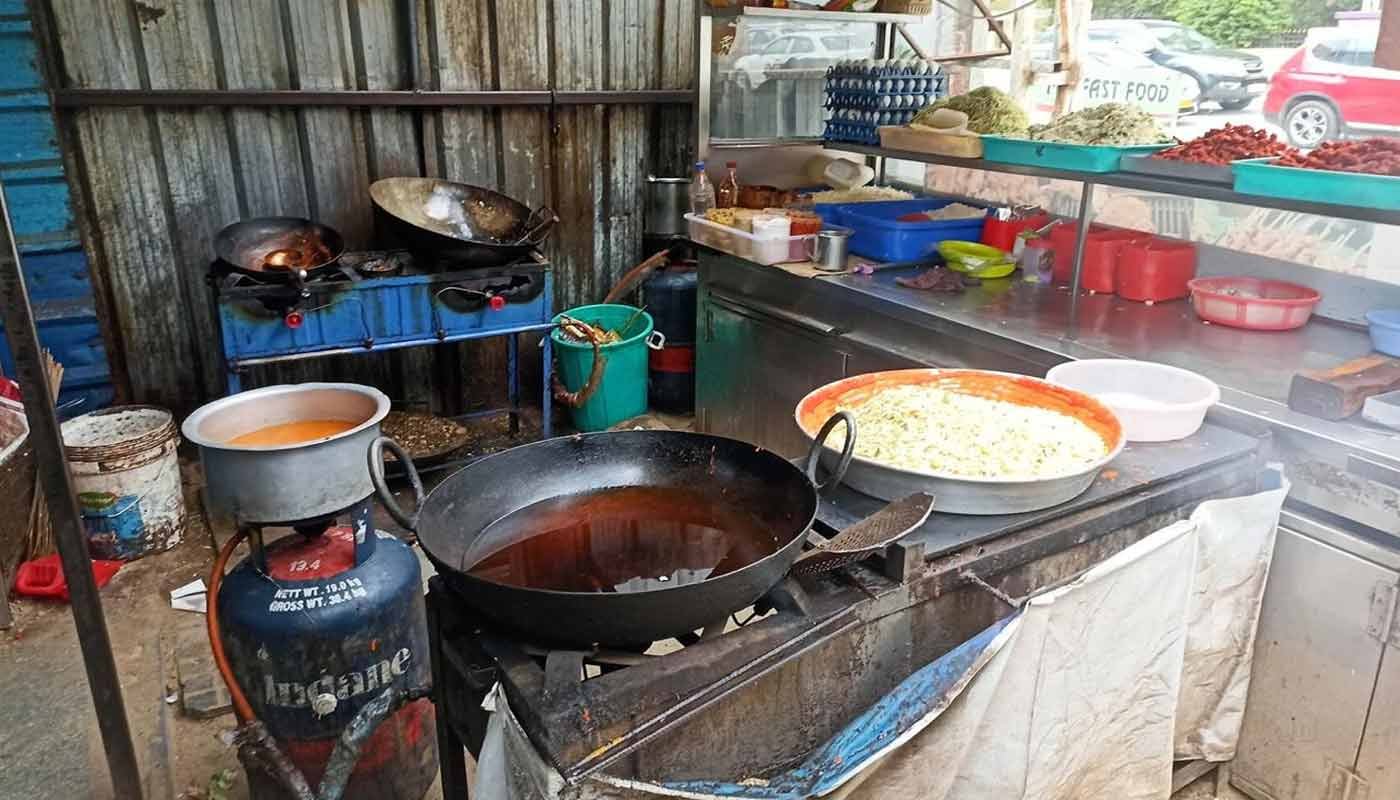
Hyderabad may be celebrated as one of India’s culinary capitals, famous for its biryani, kebabs, haleem, and bustling cafés, but a recent report has raised an uncomfortable question:
How hygienic is the food we’re eating?
According to the Food Safety and Standards Authority of India (FSSAI), Hyderabad has ranked last among India’s major metro cities in food hygiene ratings. Out of nearly 75,000 licensed food establishments across the city, only 361 eateries have received official hygiene ratings—amounting to less than 2% of all licensed outlets. The numbers paint a worrying picture.
While thousands of Hyderabadis eat out every day, very few restaurants have voluntarily undergone the hygiene assessment process that certifies whether kitchens, storage facilities, food handling practices, and sanitation standards meet FSSAI guidelines.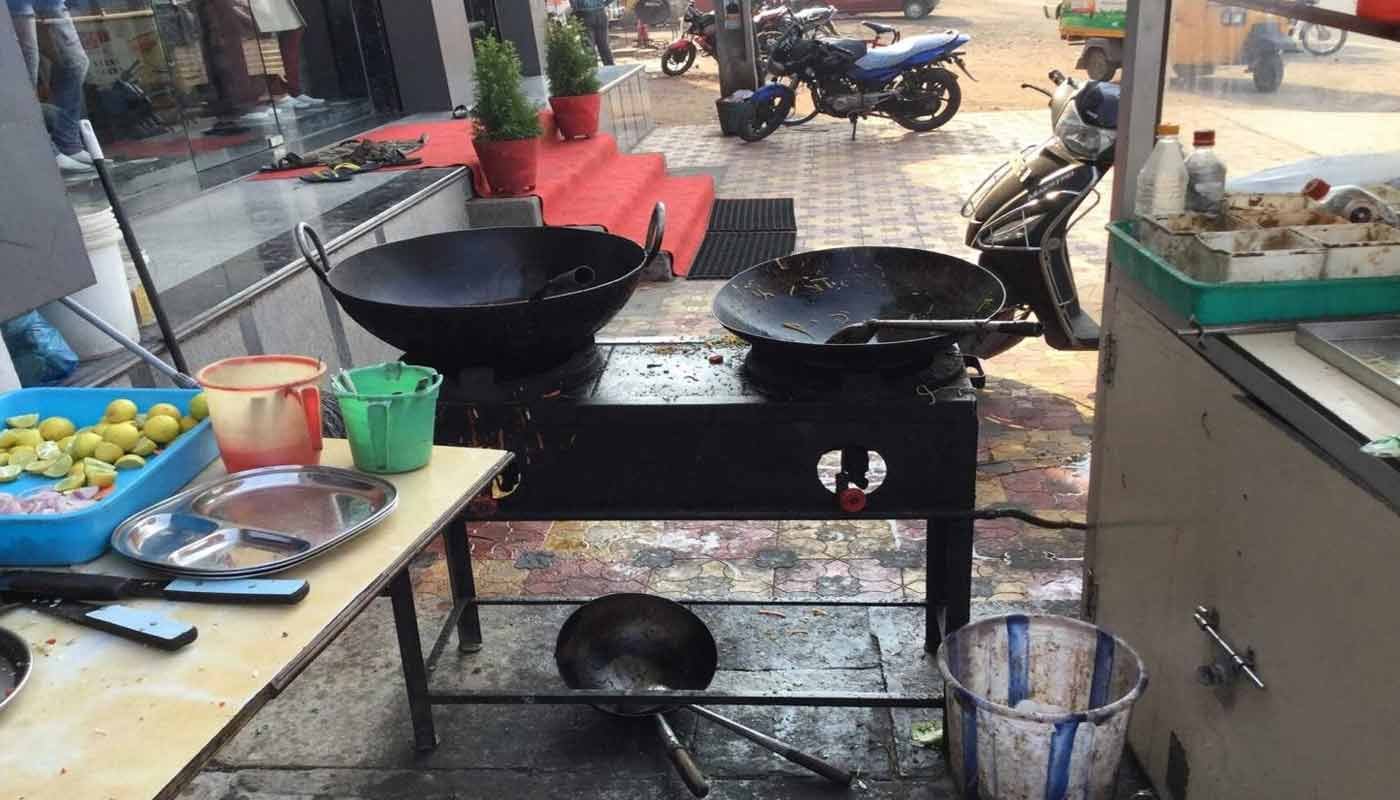
The report comes at a time when food safety inspections across Hyderabad have repeatedly uncovered disturbing violations.
In recent months, surprise inspections conducted by food safety officials have revealed dead cockroaches inside dosa batter, insects found in urad dal, houseflies swarming kitchen areas, open drainage systems, improper food storage, poor waste disposal, and unsanitary cooking environments at several well-known establishments, including popular chains such as Shah Ghouse and Mehfil.
Several outlets were also found operating with expired food ingredients, unhygienic refrigerators, uncovered raw materials, and kitchens lacking even the most basic cleanliness standards. These aren’t isolated incidents.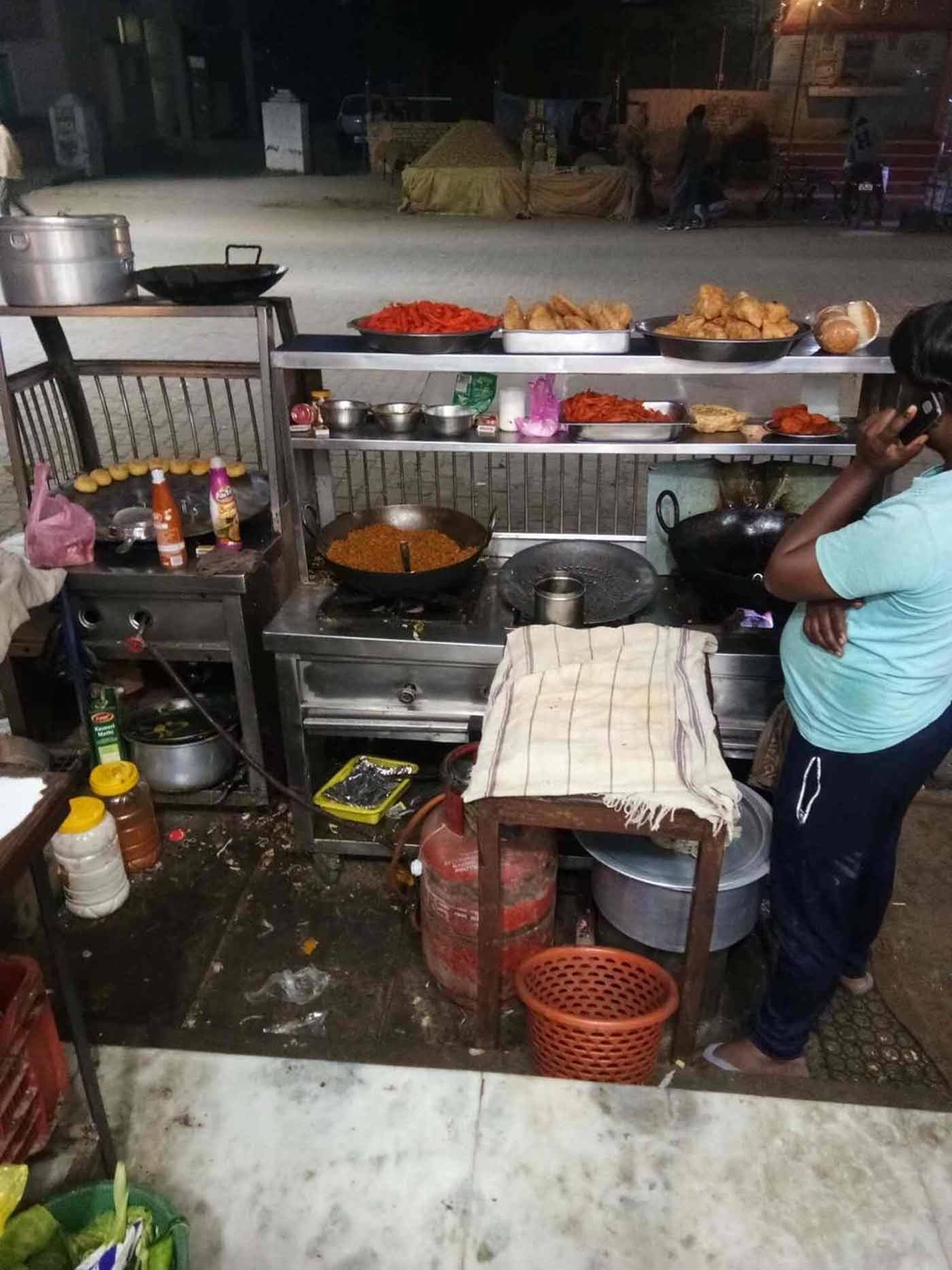
Over the past year, Telangana’s food safety teams have conducted numerous surprise inspections, repeatedly highlighting similar violations across restaurants, bakeries, cafés, and cloud kitchens. Each inspection has served as a reminder that popularity doesn’t always translate to hygiene. The concern extends beyond dirty kitchens.
Food contamination can lead to food poisoning, bacterial infections, stomach illnesses, and long-term health complications, especially for children, senior citizens, and individuals with weakened immune systems. What’s perhaps more alarming is that many consumers assume famous restaurants automatically maintain better hygiene. The FSSAI data suggests otherwise.
A restaurant’s reputation, long queues, or social media popularity do not necessarily reflect the cleanliness of its kitchen. This is where hygiene ratings become important. Much like hotel star ratings, FSSAI’s hygiene certification offers customers a transparent way to understand whether an establishment follows prescribed food safety standards. Cities such as Mumbai, Delhi, Chennai, and Bengaluru have witnessed significantly higher participation in hygiene certification, whereas Hyderabad continues to lag behind. The responsibility, however, does not lie solely with restaurant owners. Consumers, too, have a role to play.
Checking food hygiene ratings, reporting unsafe food practices, and supporting establishments that invest in cleanliness can gradually encourage better compliance across the industry.
Hyderabad’s food culture is one of its greatest identities.
But great taste should never come at the cost of public health.
The next time you’re tempted by a viral food reel or a packed restaurant with a long waiting list, it might be worth asking one simple question before placing your order:
How clean is the kitchen behind the meal?