

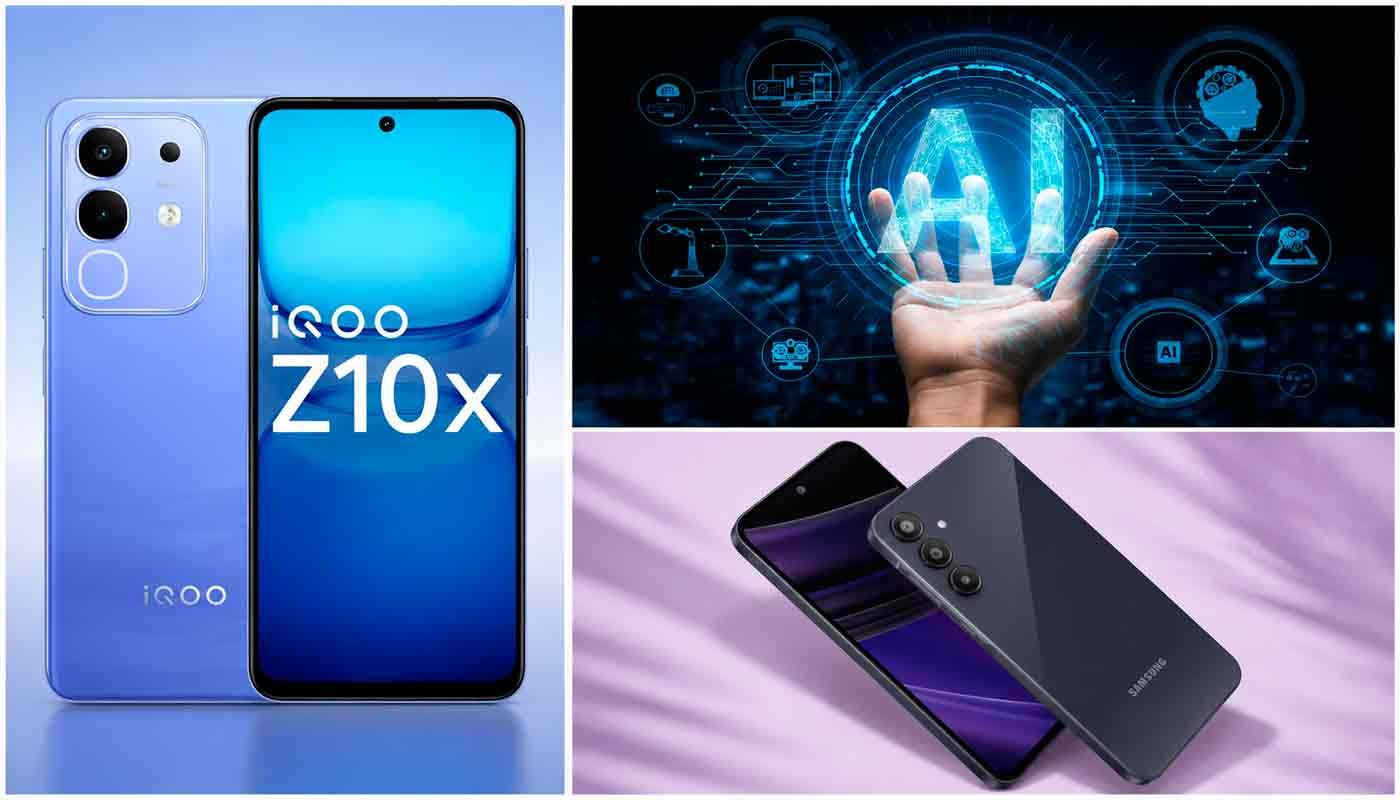
The smartphone industry has entered a new phase. For years, brands competed over bigger batteries, faster processors, higher megapixel cameras, and brighter displays. Every launch revolved around hardware upgrades. Today, however, the conversation has noticeably shifted. With Samsung’s upcoming Galaxy launches and iQOO’s latest teaser campaigns dominating tech discussions online, one question continues to surface.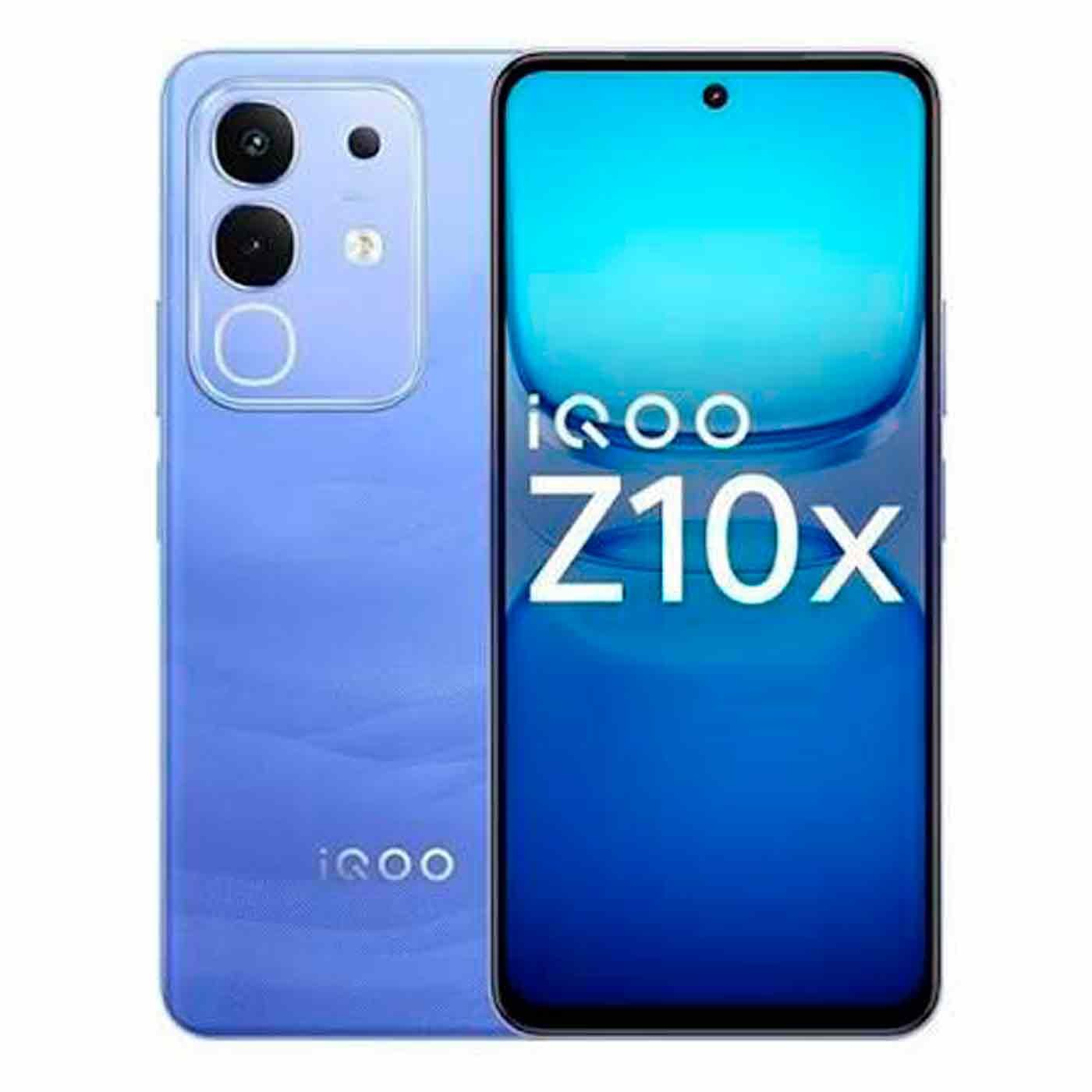
Is artificial intelligence now the biggest reason to buy a new smartphone? The answer increasingly appears to be yes.
Samsung has spent the past year aggressively positioning Galaxy AI as the centrepiece of its flagship ecosystem. Promotional campaigns are no longer led solely by processor benchmarks or camera sensors. Instead, Samsung highlights features such as real-time language translation during calls, AI-assisted photo editing, intelligent writing tools, document summarisation, Circle to Search, transcription services, and personalized recommendations. The company’s message is clear. A smartphone is no longer just hardware. It is becoming a personal AI assistant.
Meanwhile, iQOO has generated considerable buzz with teasers for its upcoming devices, emphasizing not only gaming performance and fast charging but also AI-powered photography, smarter battery optimisation, intelligent gaming assistance, and productivity enhancements. Even brands traditionally associated with raw performance are beginning to market software intelligence alongside powerful chipsets.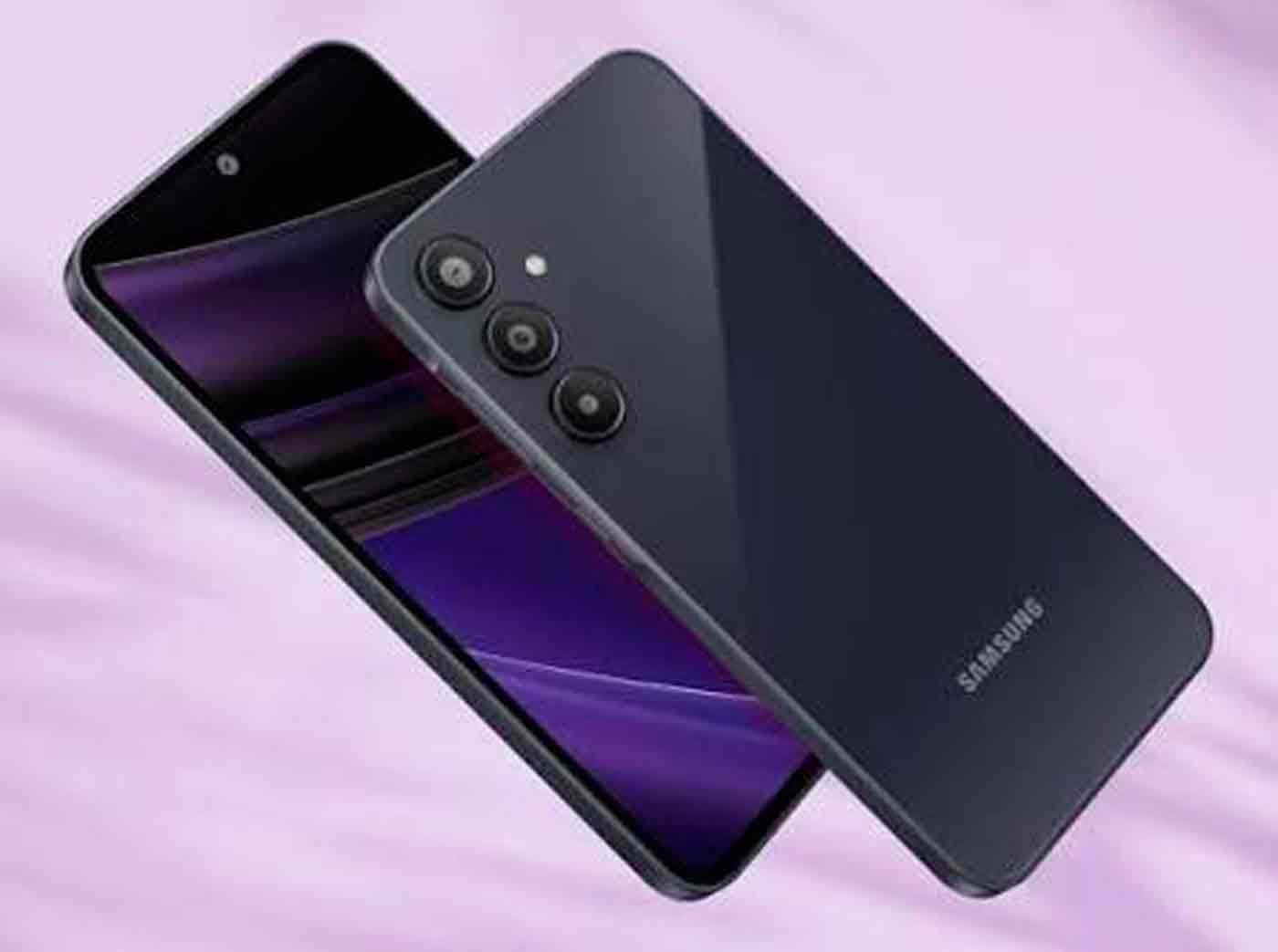
The shift reflects a broader transformation happening across the smartphone industry.
Today’s flagship phones already feature exceptional cameras, vibrant AMOLED displays, high-refresh-rate screens, powerful processors, and batteries that comfortably last an entire day. Improvements still happen every year, but they are becoming increasingly incremental. For many users, the jump from one generation of hardware to the next is no longer dramatic enough to justify an upgrade. Artificial intelligence changes that equation.
Consumers are now being introduced to phones capable of removing unwanted objects from photographs with a single tap, translating conversations in real time, generating text, organising schedules, summarising lengthy articles, enhancing voice recordings, editing videos automatically, and even learning user habits to improve battery life and app performance. Increasingly, the experience feels less like using a phone and more like interacting with an intelligent companion. This evolution is also being accelerated by competition.
Apple has expanded its AI ecosystem through Apple Intelligence, Google continues to enhance Android with Gemini-powered experiences, Samsung is integrating Galaxy AI more deeply into One UI, while brands like iQOO, Vivo, Xiaomi, OPPO, and OnePlus are introducing their own AI-powered features. The race is no longer simply about building the fastest phone. It is about building the smartest one. That does not mean hardware has become irrelevant.
Powerful processors remain essential because they enable on-device AI processing. Advanced camera sensors provide the raw data that AI later enhances. Larger batteries are needed to support increasingly sophisticated software. Hardware remains the foundation, but artificial intelligence has become the layer that consumers interact with most frequently. There are, however, important questions that accompany this transition.
As smartphones become more intelligent, concerns surrounding privacy, data security, and transparency become increasingly significant. Users are beginning to ask where their information is processed, how AI models are trained, and whether these features genuinely improve daily life or simply exist as marketing buzzwords. The success of AI smartphones will ultimately depend not only on innovation but also on trust.
Another challenge lies in accessibility. While flagship devices showcase the latest AI capabilities, many consumers still rely on affordable smartphones. The next major test for manufacturers will be bringing meaningful AI experiences to mid-range and budget devices without compromising performance.
The smartphone industry has always evolved around one defining feature. There was the touchscreen revolution, the camera revolution, the era of bezel-less displays, and the race for 5G connectivity.
Now, the spotlight belongs to artificial intelligence.
Samsung’s upcoming launches and iQOO’s teaser campaigns are not merely announcing new phones. They are signalling a broader shift in the industry, where intelligence is becoming just as valuable as silicon.
The question is no longer, “How powerful is your smartphone?”
It is becoming, “How intelligently can it work for you?”