
For years, women are told that pregnancy is beautiful. Natural. Powerful. A miracle. And then the body actually changes and suddenly, everyone has an opinion.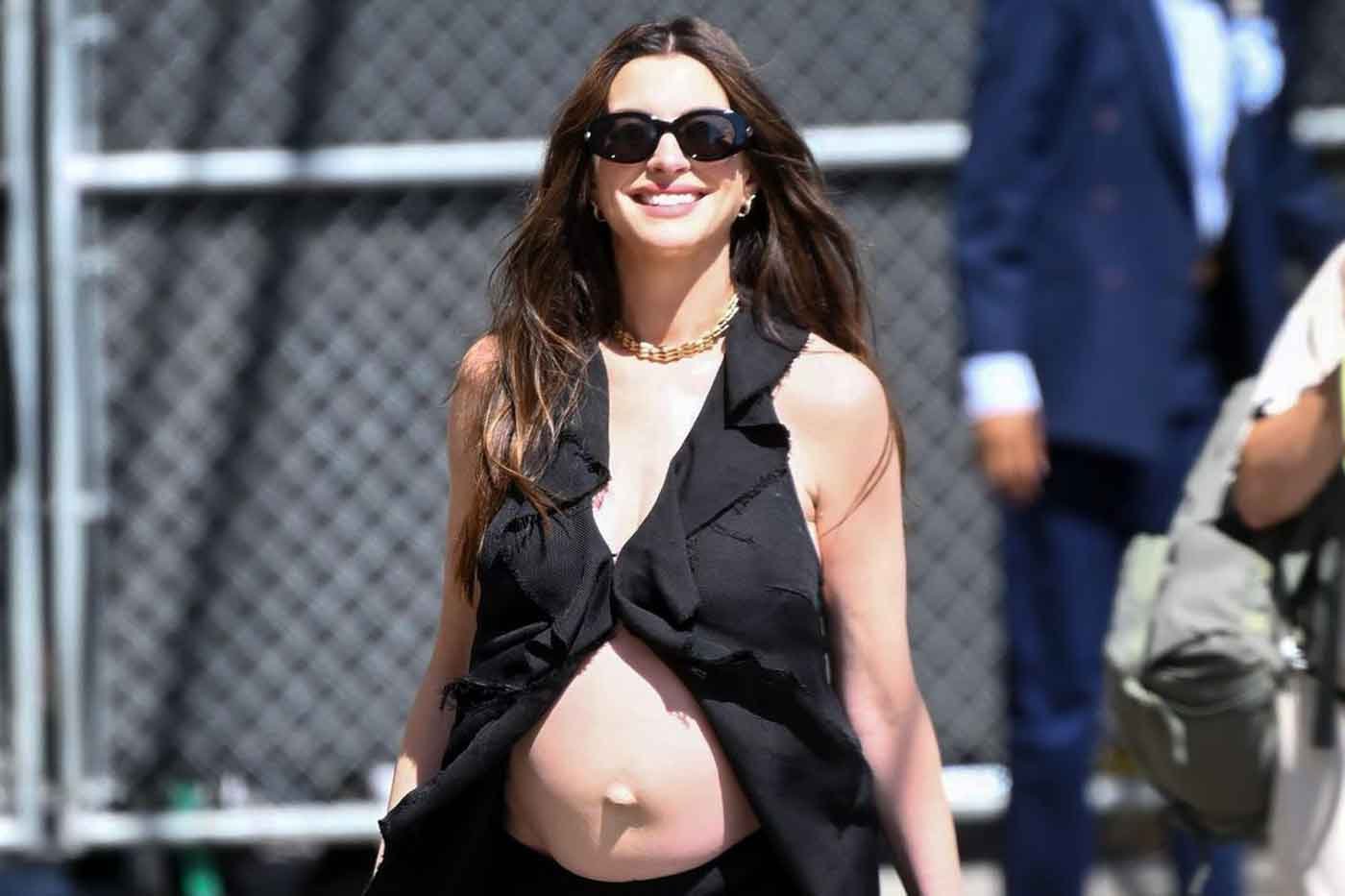
Too big. Too small. Too much skin. Not enough of a baby bump. Too glamorous. Too casual. Too thin. Too heavy. The contradiction is almost absurd. We celebrate pregnancy in theory, but often struggle to accept what pregnancy actually looks like.
And celebrity pregnancies make this contradiction impossible to ignore. Because when a famous woman becomes pregnant, her body stops being treated as entirely her own. It becomes a public conversation, a fashion debate, a subject for speculation and, increasingly, a target for unsolicited criticism.
The latest example is Anne Hathaway.
Anne Hathaway and the Question Nobody Should Have Asked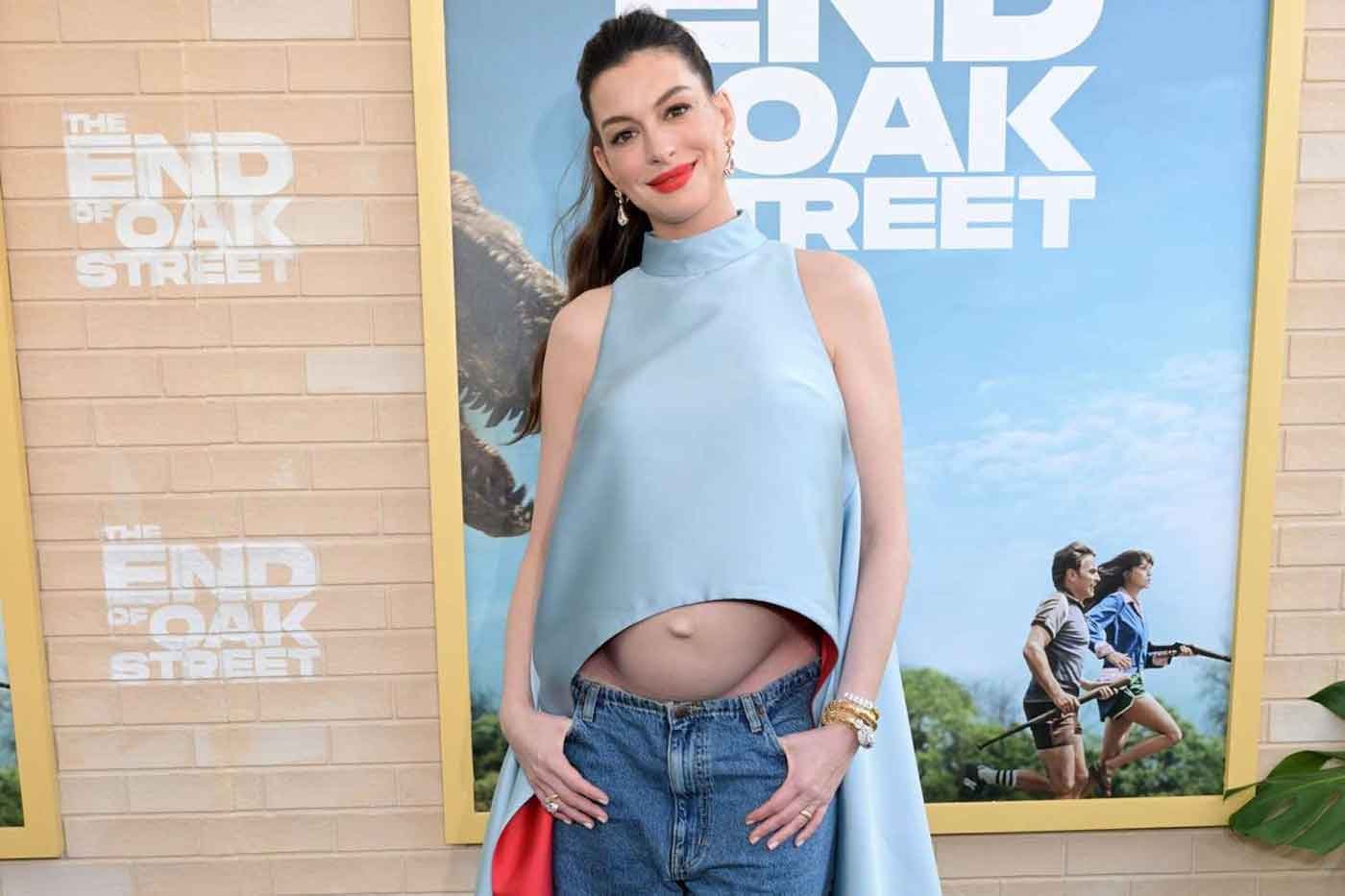
Hathaway announced her third pregnancy in June 2026. Since then, she has continued appearing publicly, including on film promotional events, while embracing rather than concealing her changing body.
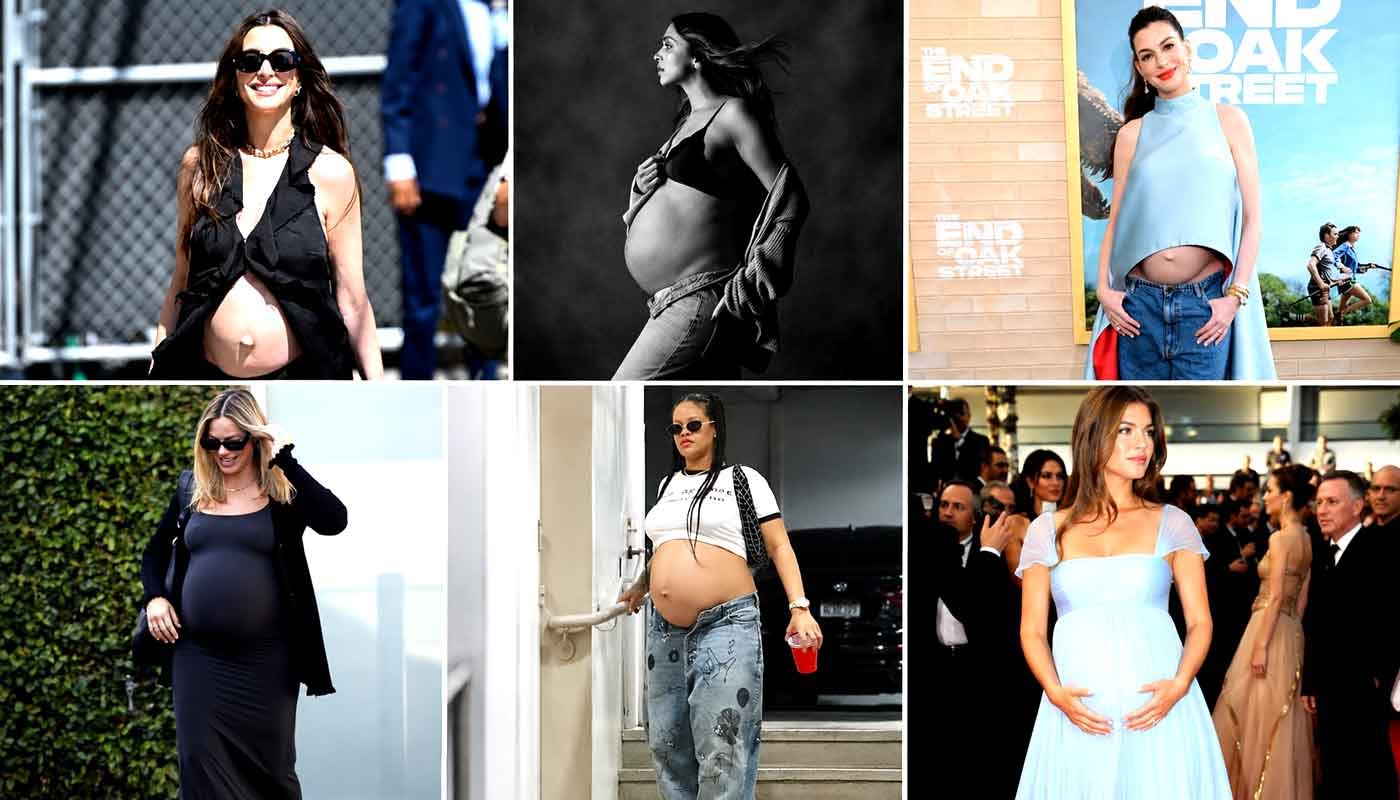
At the Los Angeles premiere of The End of Oak Street, Hathaway wore a custom Prabal Gurung look featuring a cropped, flowing top paired with low-rise jeans, deliberately drawing attention to her baby bump. It was glamorous, theatrical and unmistakably her.
Yet instead of simply discussing the outfit or celebrating the actor’s appearance, parts of the internet began questioning whether her pregnancy was even real.
Yes, really. Hathaway was forced to respond to speculation that she was somehow faking her pregnancy, while actor Jennifer Love Hewitt publicly defended her against the body-shaming.
Think about how bizarre that is. A pregnant woman’s body changes differently from one pregnancy to another. Baby bumps can appear early or late. They can be high, low, wide, narrow, prominent or comparatively subtle.
There is no universal pregnancy silhouette. Yet we have somehow created the expectation that there should be.
Deepika Padukone Faced the Same Suspicion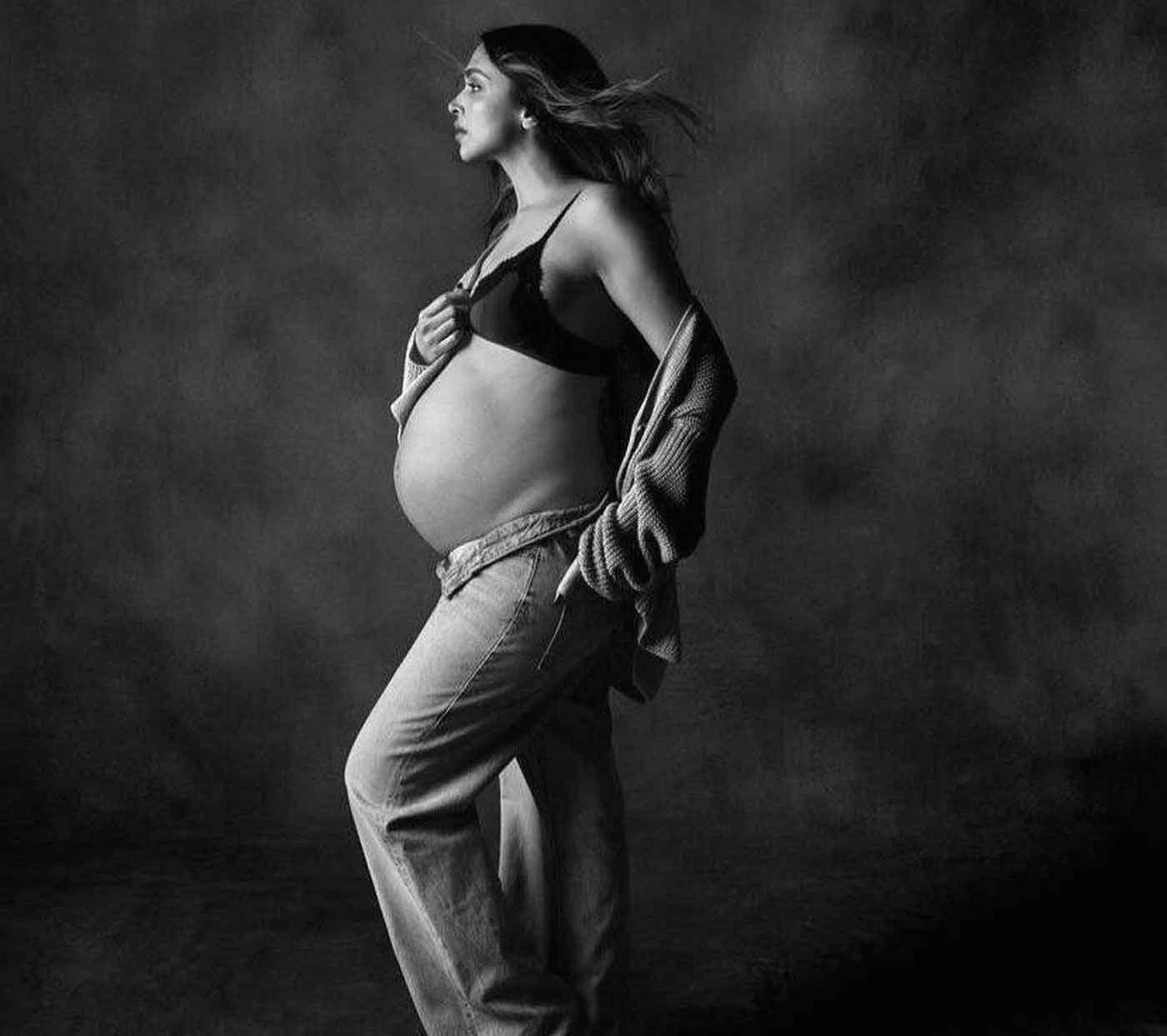
This isn’t merely a Hollywood problem. When Deepika Padukone was pregnant with her first child in 2024, sections of social media questioned the appearance of her baby bump and even accused her of wearing a prosthetic belly. Others criticised her for wearing heels while pregnant.
The scrutiny became so intrusive that actor Richa Chadha responded to the criticism with the now-famous sentiment: “No uterus, no opinion.”
The irony was that Padukone herself had already been openly embracing her pregnancy. She appeared publicly in body-conscious clothing, shared photographs highlighting her bump and eventually released a maternity photoshoot featuring everything from a sheer Sabyasachi outfit to a Louis Vuitton pantsuit.
The internet responded with both admiration and suspicion. Some celebrated her. Others wanted to investigate her body. And that distinction matters.
Because pregnancy is not a performance that needs to pass an authenticity test.
Rihanna Asked a Different Question: Why Should Pregnancy Mean Covering Up?
Then there is Rihanna, who challenged an entirely different expectation. When Rihanna was pregnant in 2022, she refused to suddenly transform herself into the stereotypical version of a “modest” expectant mother.
She wore crop tops. Low-rise trousers. Sheer fabrics. Lingerie-inspired looks. Jewellery across her bare bump. At the Dior show, she appeared in a sheer black ensemble that made her pregnancy impossible to ignore. The response was predictable: people debated whether such clothing was “appropriate” for a pregnant woman.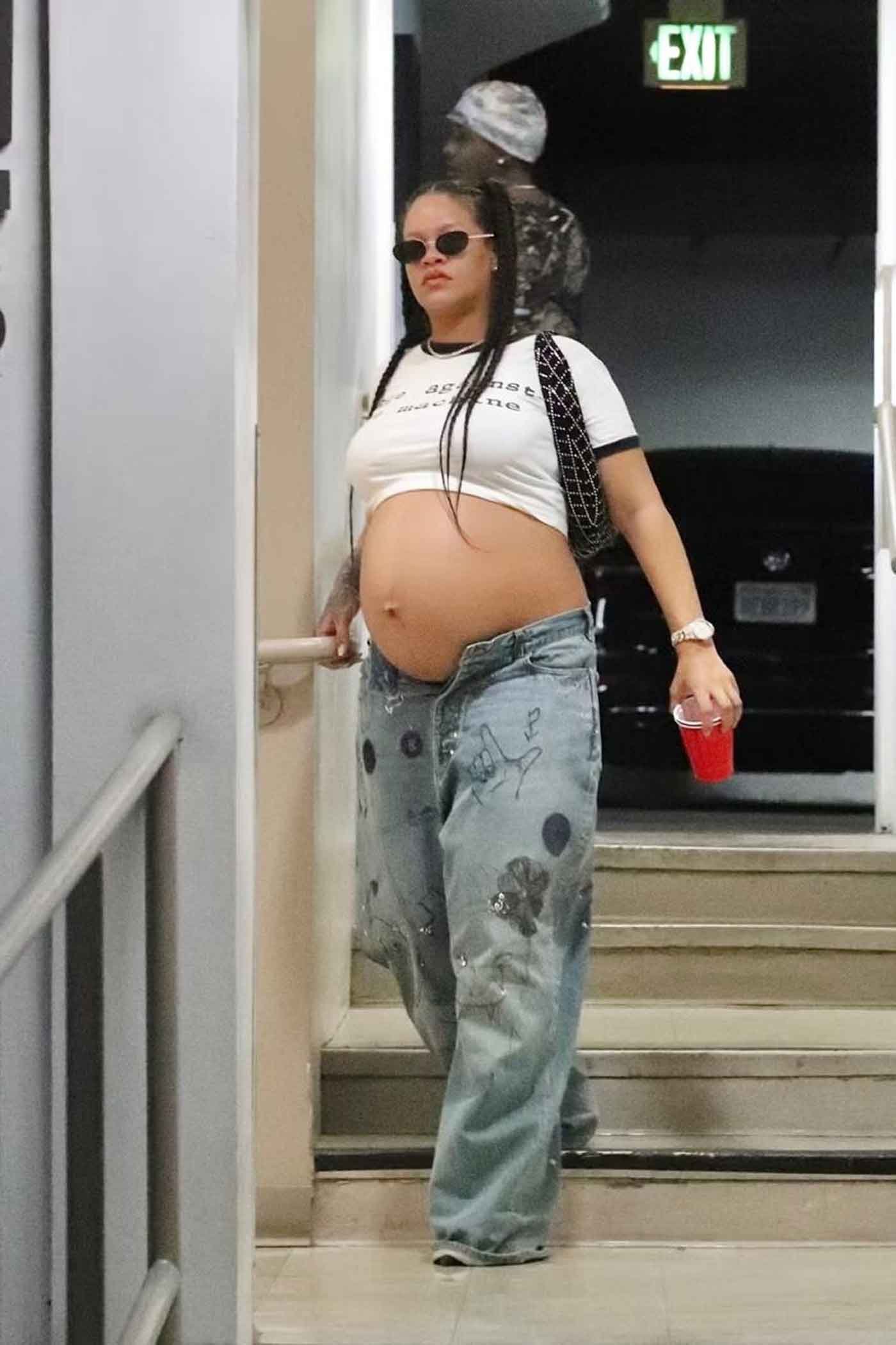
But Rihanna’s point was bigger than fashion. Why should becoming pregnant mean becoming less visible? Why should motherhood require women to abandon sexuality, individuality or personal style?
Her maternity wardrobe challenged the assumption that pregnancy automatically transforms a woman into a softer, quieter, more covered-up version of herself.
And it exposed another form of body policing. A pregnant woman can be told to hide her body. She can also be told she is showing too much of it.
Either way, someone else is deciding what her body is supposed to mean.
Margot Robbie and the Pregnant Body as Public Property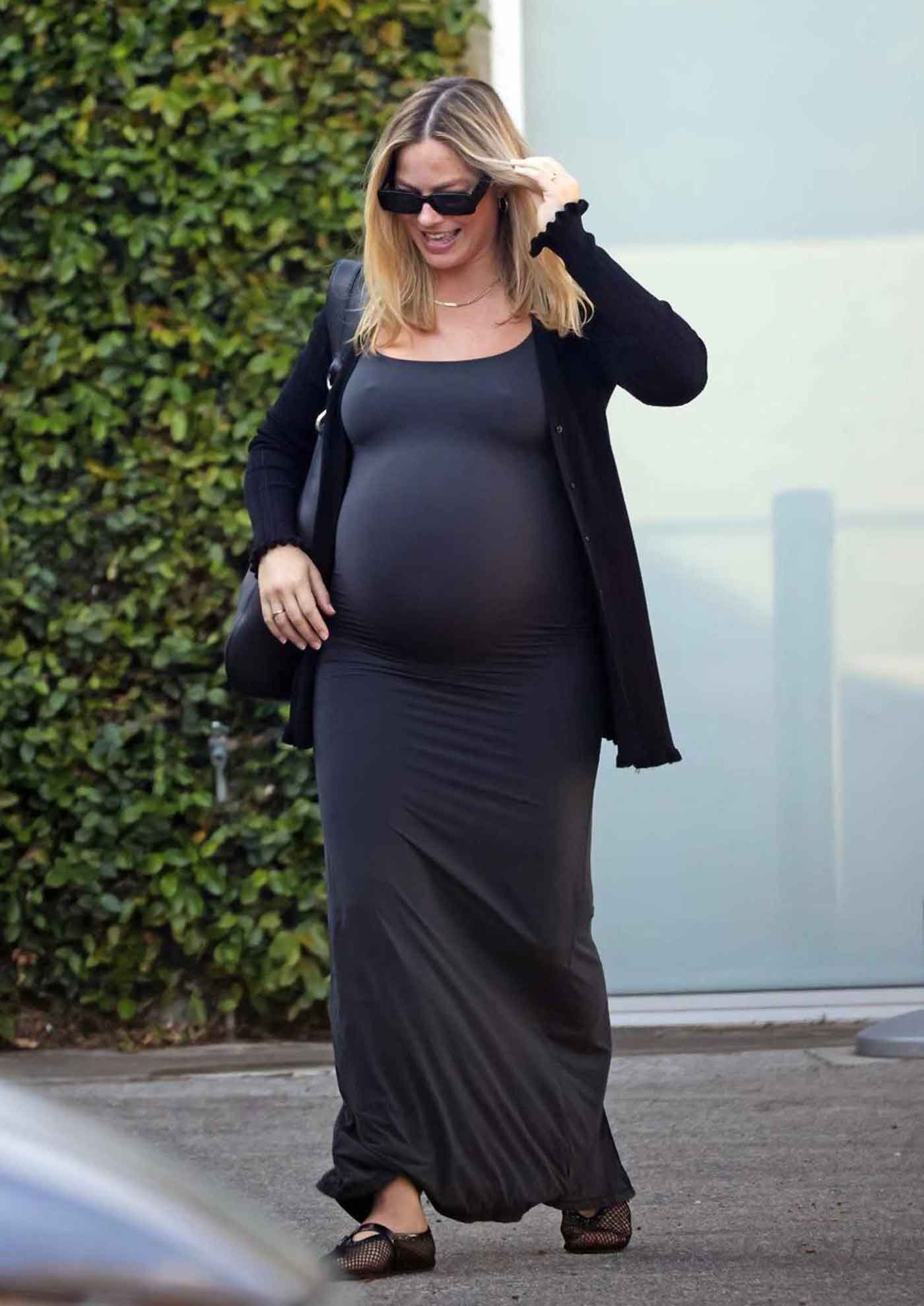
Margot Robbie’s pregnancy revealed yet another version of this problem. During her first pregnancy in 2024, photographs of the actor quickly became fodder for online commentary about her changing body. British Vogue directly addressed the barrage of comments surrounding her appearance, pointing out the bizarre entitlement with which strangers were analysing the body of a woman who was simply going through pregnancy.
Robbie, meanwhile, continued to dress in ways that reflected her existing aesthetic rather than suddenly disappearing beneath oversized maternity clothing.
She wore body-conscious silhouettes. She embraced fashion. She didn’t seem interested in pretending her body hadn’t changed. And perhaps that is precisely what made the commentary so revealing.
People often say they want pregnant women to “embrace their bodies.”
What they frequently mean is: Embrace your body, but only in a way that makes us comfortable.
Then There Is the “Perfect” Pregnancy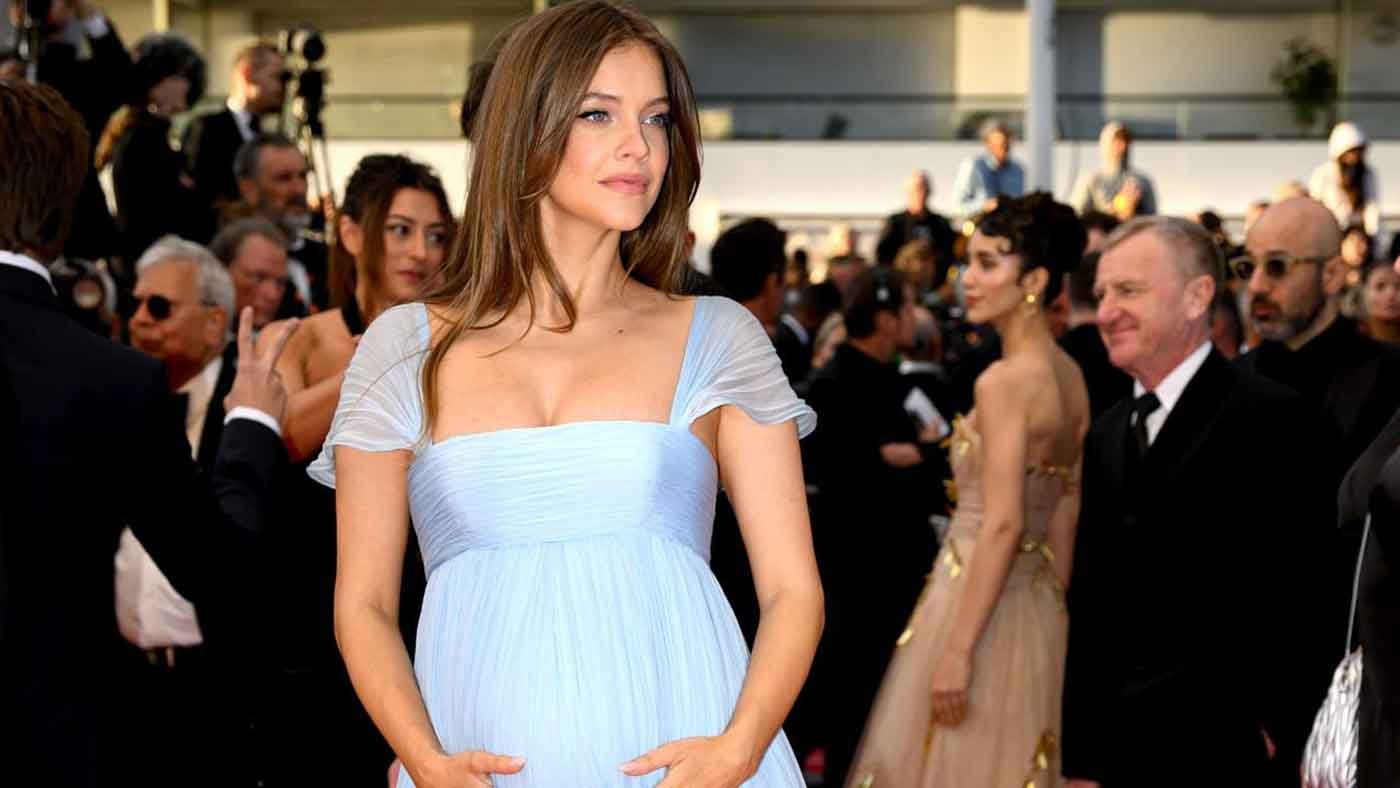
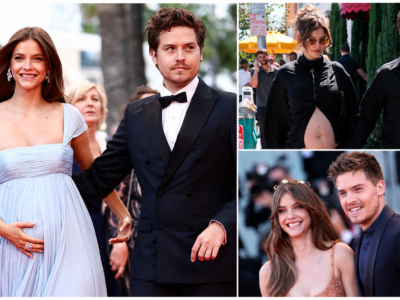
And this brings us to Barbara Palvin. At Cannes in 2026, Palvin announced her pregnancy with husband Dylan Sprouse and subsequently appeared on the red carpet in a series of highly polished maternity looks from a fitted white shirt and black ball skirt to a romantic Grecian-style gown. Fashion coverage celebrated her as radiant, elegant and effortlessly glamorous.
There is absolutely nothing wrong with looking beautiful during pregnancy. The problem begins when this becomes the preferred template. The glowing mother. The elegant bump. The perfect skin. The carefully styled hair. The effortlessly chic maternity wardrobe. That version of pregnancy is beautiful. But so is the woman who doesn’t look like that.
The woman with acne. The woman whose body changes dramatically. The woman who gains more weight than expected. The woman who doesn’t gain much. The woman who wears a saree. The woman who wears sweatpants. The woman who wants to show her bump. The woman who wants to hide it. The woman who feels beautiful. The woman who doesn’t. All of them are pregnant.
one of them owe us an aesthetic.
Why Do We Police Pregnant Bodies So Closely?
Part of the answer lies in the impossible expectations placed on women’s bodies generally. Women are taught to control their bodies constantly. Lose weight. Stay youthful. Be thin, but not too thin. Be attractive, but not “trying too hard.” Look natural, but somehow flawless.
Pregnancy disrupts that entire system. The body becomes visibly larger. The waist expands. The breasts change. The skin can change. Hair can change. The face can change.
And perhaps most importantly, the body begins doing something that cannot be fully controlled. That makes pregnancy particularly uncomfortable for a culture obsessed with controlling female appearance.
Instead of accepting that reality, we try to create rules around it. Pregnant women should dress this way.
They should gain this much weight. They should look radiant. They should hide their stomach until a certain point. Then they should proudly reveal it. They should exercise. But not too much.
They should rest. But remain glamorous. There is always another contradiction waiting.
Pregnancy Does Not Need a Dress Code
The evolution of maternity fashion itself tells this story. For generations, maternity clothing was largely designed around concealing the pregnant body. Rihanna’s 2022 fashion choices helped push the opposite idea into mainstream culture: that pregnancy could be visible, fashionable and even sensual without compromising motherhood. Fashion coverage at the time described her approach as a challenge to long-standing expectations around how pregnant women should dress.
Today, celebrities such as Hathaway and Palvin are demonstrating that there isn’t one correct direction for maternity fashion
The Real Problem Isn’t Pregnancy. It’s Entitlement.
Perhaps the most uncomfortable question is why strangers feel entitled to comment on pregnant women’s bodies in the first place.
Why must we know whether the bump is “big enough”? Why do we speculate about weight? Why do we question clothing? Why do we analyse whether a woman looks pregnant enough? Why do we assume that pregnancy makes someone’s body public property?
Anne Hathaway’s experience is a particularly absurd reminder of where this can lead: a pregnant woman can literally have her pregnancy questioned because strangers think her body doesn’t look the way pregnancy is supposed to look.
Deepika Padukone experienced something remarkably similar. Rihanna was criticised for revealing too much. Margot Robbie was analysed for changing. Barbara Palvin was celebrated for embodying the polished ideal.
Different women. Different pregnancies. Different aesthetics. The same underlying problem.
We keep trying to decide what pregnancy should look like.
Maybe it is time to stop. Pregnancy does not need to be beautiful for other people.