
At Living Temple Chapter 2 Art Festival, renowned temple architect highlights increasing interest in traditional architectural studies, the scientific knowledge behind India’s ancient temples and the importance of preserving indigenous knowledge systems.
Hyderabad: Traditional Indian temple architecture is witnessing renewed interest among young people keen to learn ancient architectural techniques and pursue careers in temple design and sculpture. With more temples being constructed across the country, opportunities for trained architects, sculptors and artisans are also expanding, observed renowned temple architect and Shilpa Shastra expert D.N.V. Prasad Sthapathy, Chief Sthapathy of the Statue of Equality and Chief Architect of the Swarnagiri Sree Venkateswara Swamy Temple at Bhuvanagiri.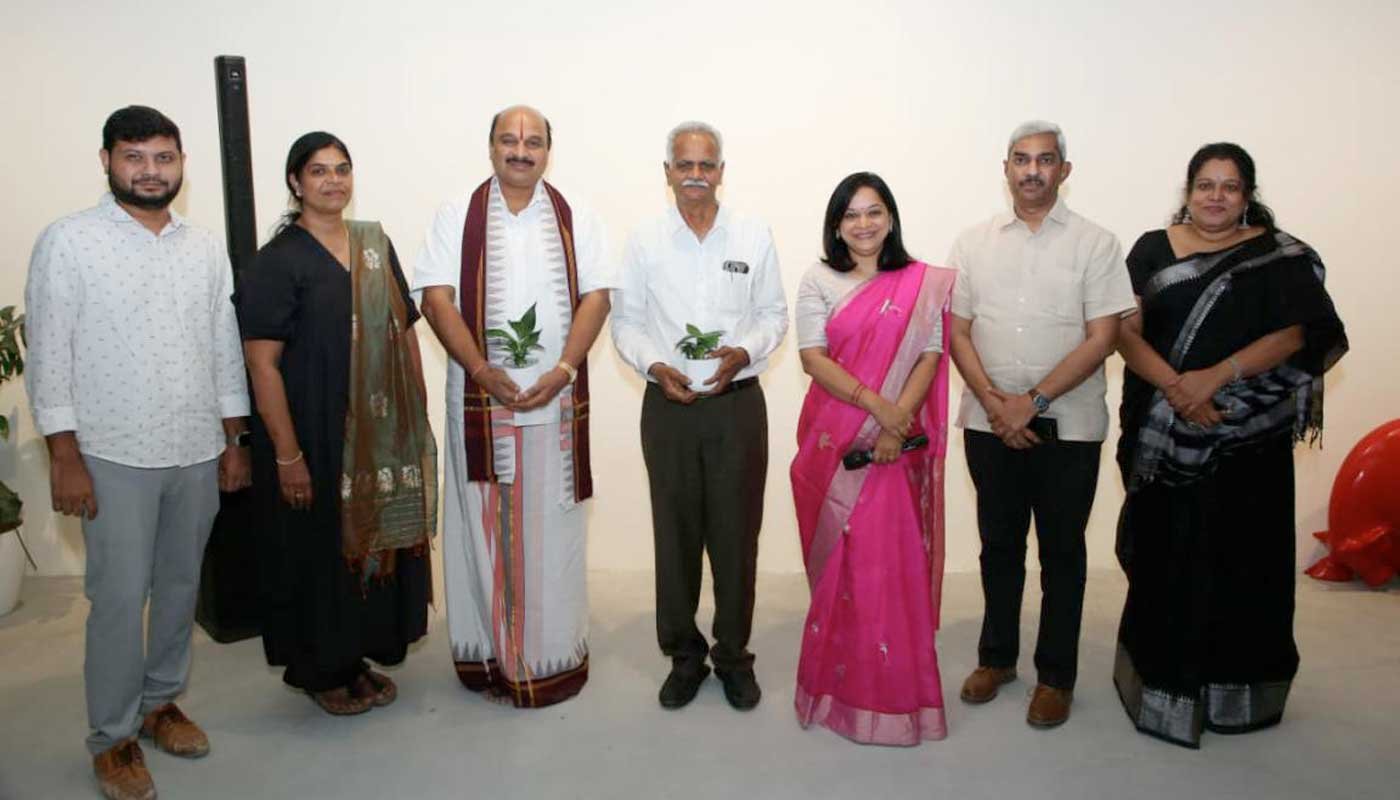
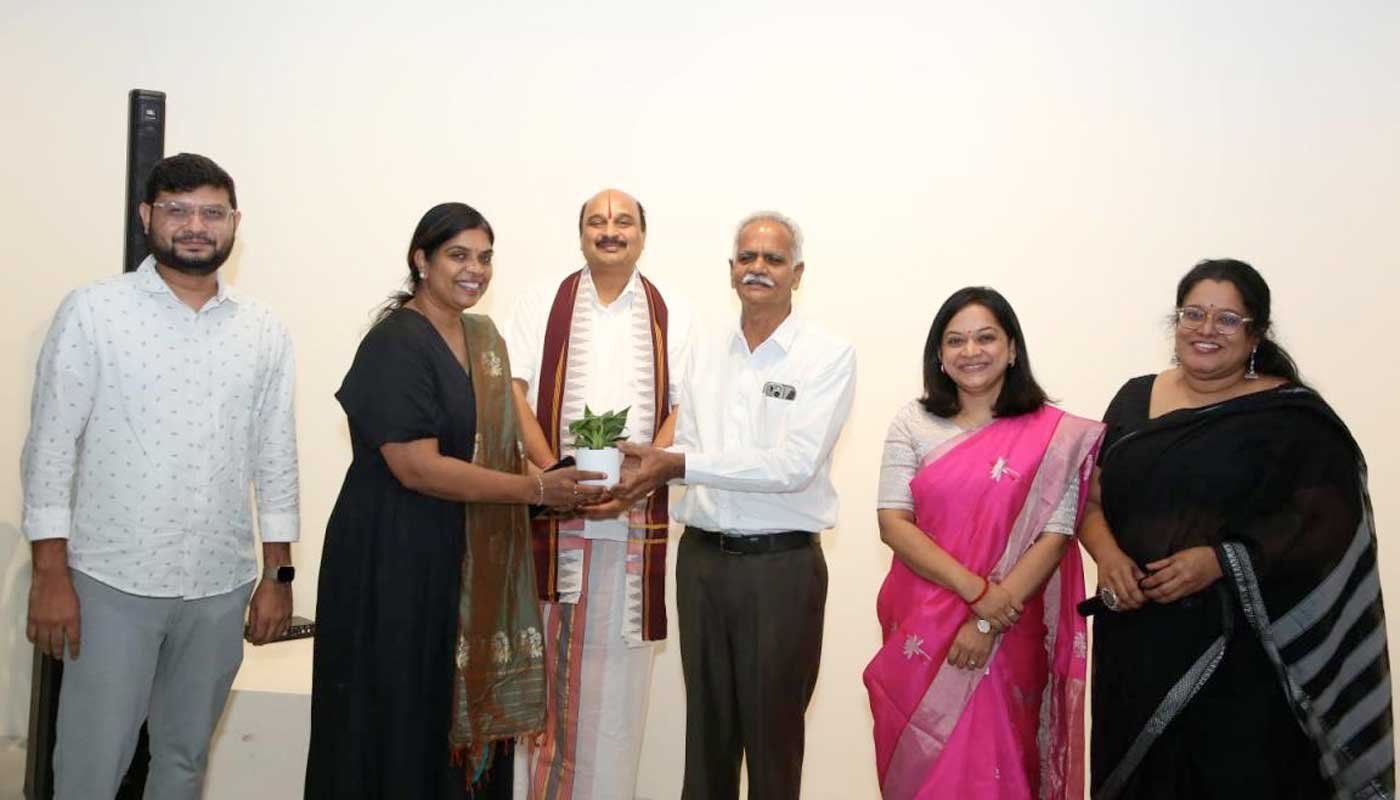
Speaking at an expert talk on “Significance of Indian Temple Architecture”, organised as part of the ongoing Living Temple Chapter 2 Art Festival at EkChitra Art Gallery, Hyderabad, he highlighted the scientific foundations of temple architecture and the importance of preserving India’s traditional knowledge systems.
Recalling his student days at the Sri Venkateswara Institute of Traditional Sculpture and Architecture in Tirupati, run by Tirumala Tirupati Devasthanams, Prasad Sthapathy said there were 60 available seats, but barely 30 students enrolled. Of his batchmates, only three continued practising in the field.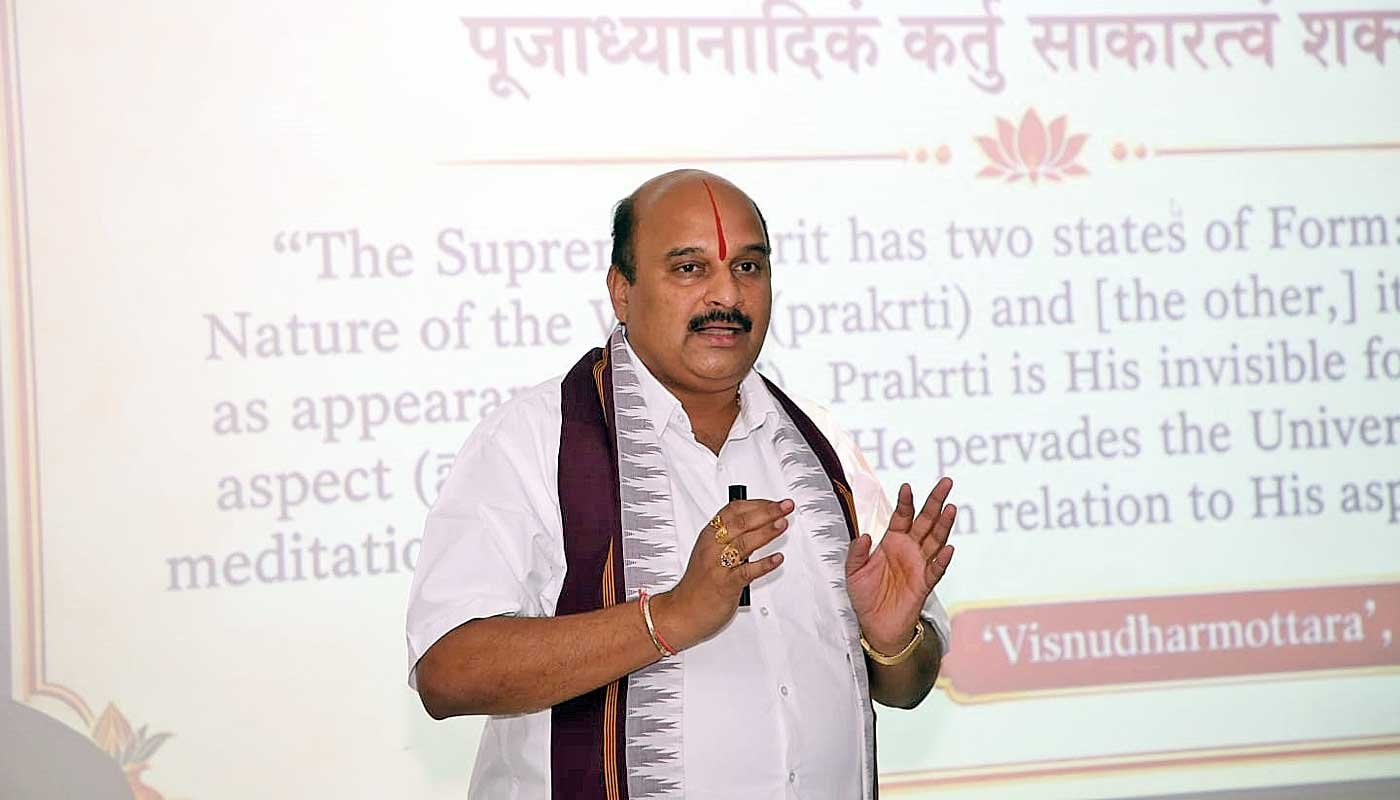
Today, he noted, more than 200 students are pursuing studies in traditional temple architecture and sculpture, reflecting growing enthusiasm among the younger generation to learn these specialised disciplines. He attributed this renewed interest partly to the increasing number of temples being constructed and the demand for skilled practitioners trained in traditional architectural methods.
Elaborating on the scientific principles of temple construction, Prasad Sthapathy explained that ancient Indian architecture incorporated sophisticated knowledge of astronomy, spatial orientation, natural elements and Vastu Shastra. Temple design, he said, was not merely an exercise in aesthetics but involved precise planning based on traditional architectural sciences.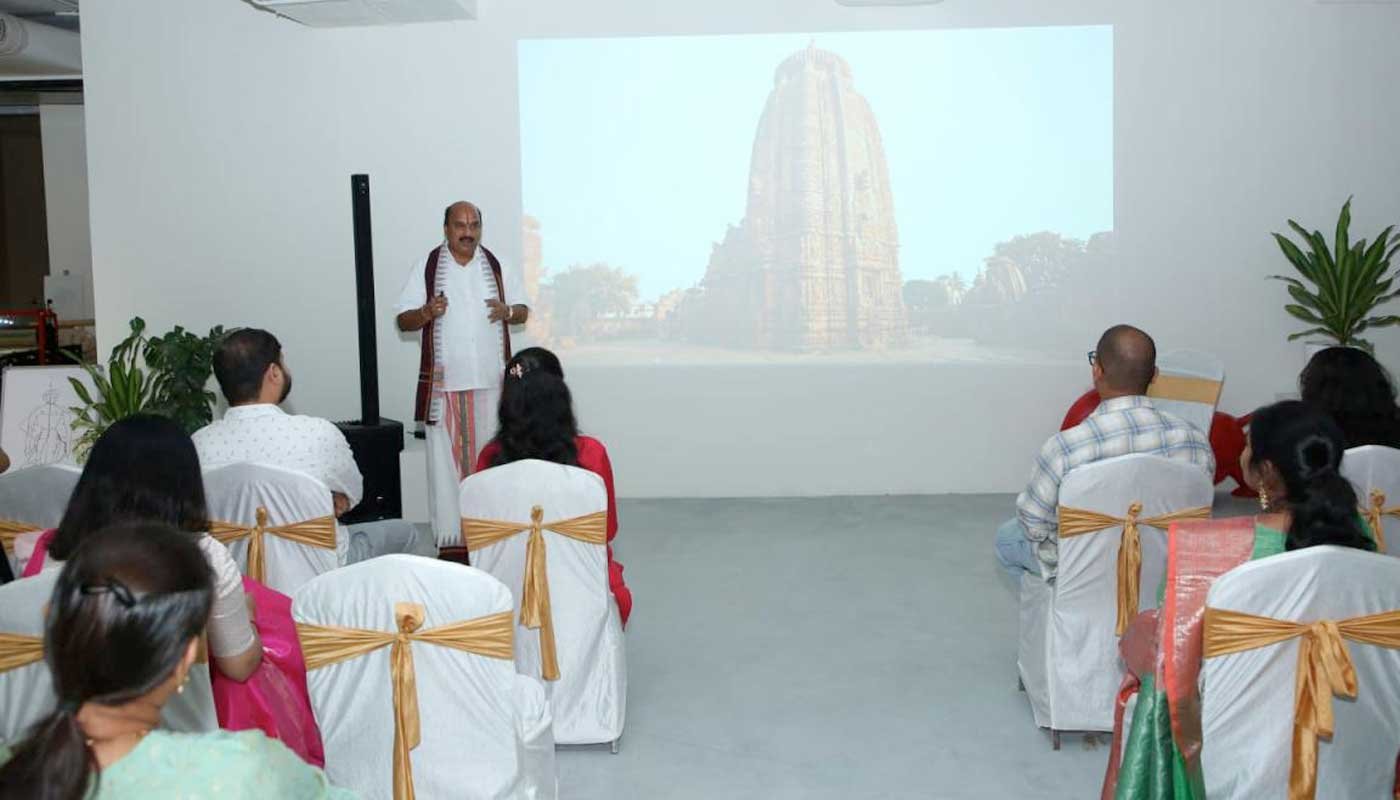
Citing the Swarnagiri Sree Venkateswara Swamy Temple at Bhuvanagiri, where he served as Chief Architect, he explained how sunlight falls directly on the feet of the presiding deity during February and March. He described this as an illustration of the precision with which traditional architects aligned temple structures with the movement of the sun.
He also discussed the relationship between Vastu Shastra and Vastu Mandala, explaining how these principles informed the planning of sacred spaces.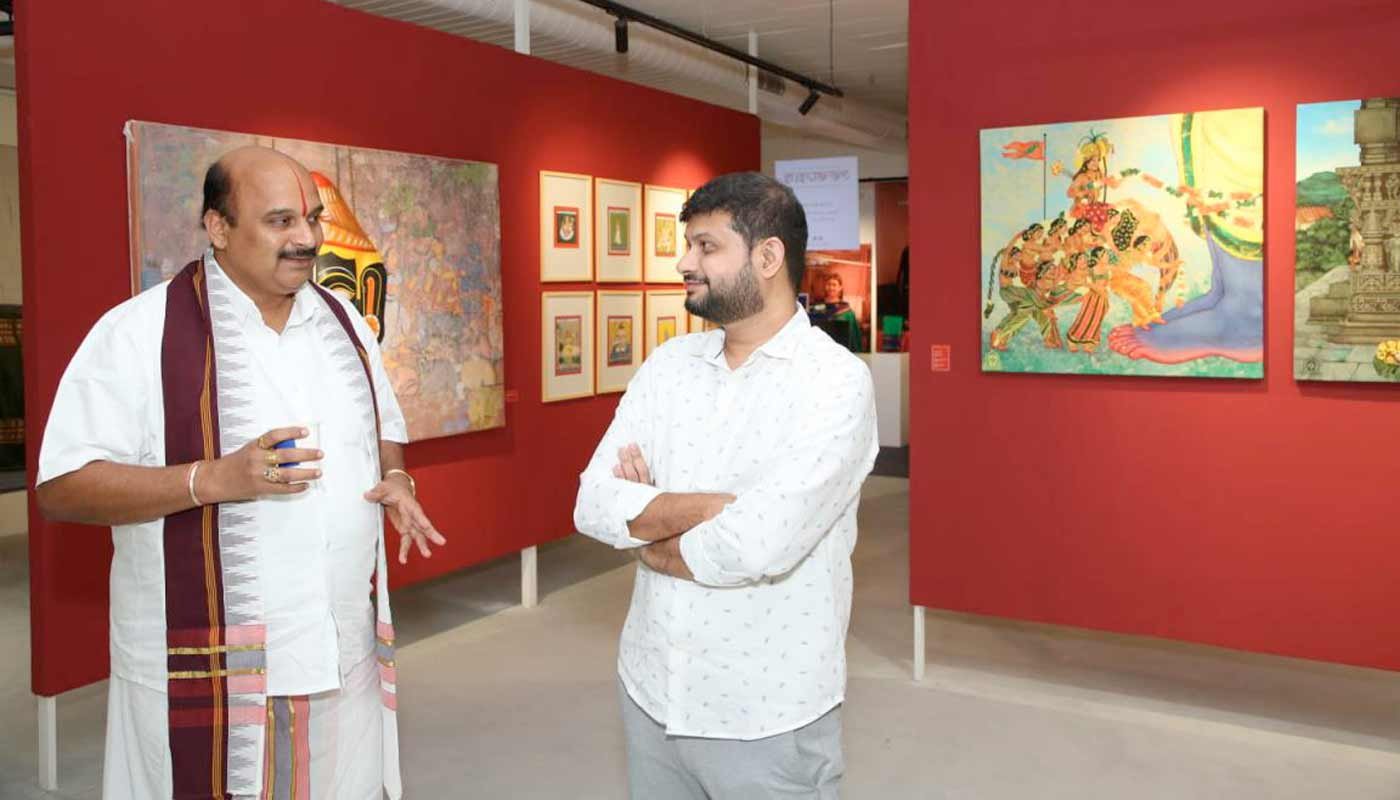
Speaking about his experience designing the Statue of Equality, he said, “It was a once-in-a-lifetime opportunity for me to design the Statue of Equality. We started on virgin land, and what we created reflects the diverse temple architectural styles from across India that have enriched our cultural heritage.”
Highlighting Telangana’s architectural traditions, he referred to the Yadagirigutta temple and the continuing relevance of traditional temple-building practices. He emphasised that specialised institutions and training programmes were essential to ensuring that these skills and knowledge systems were passed on to future generations.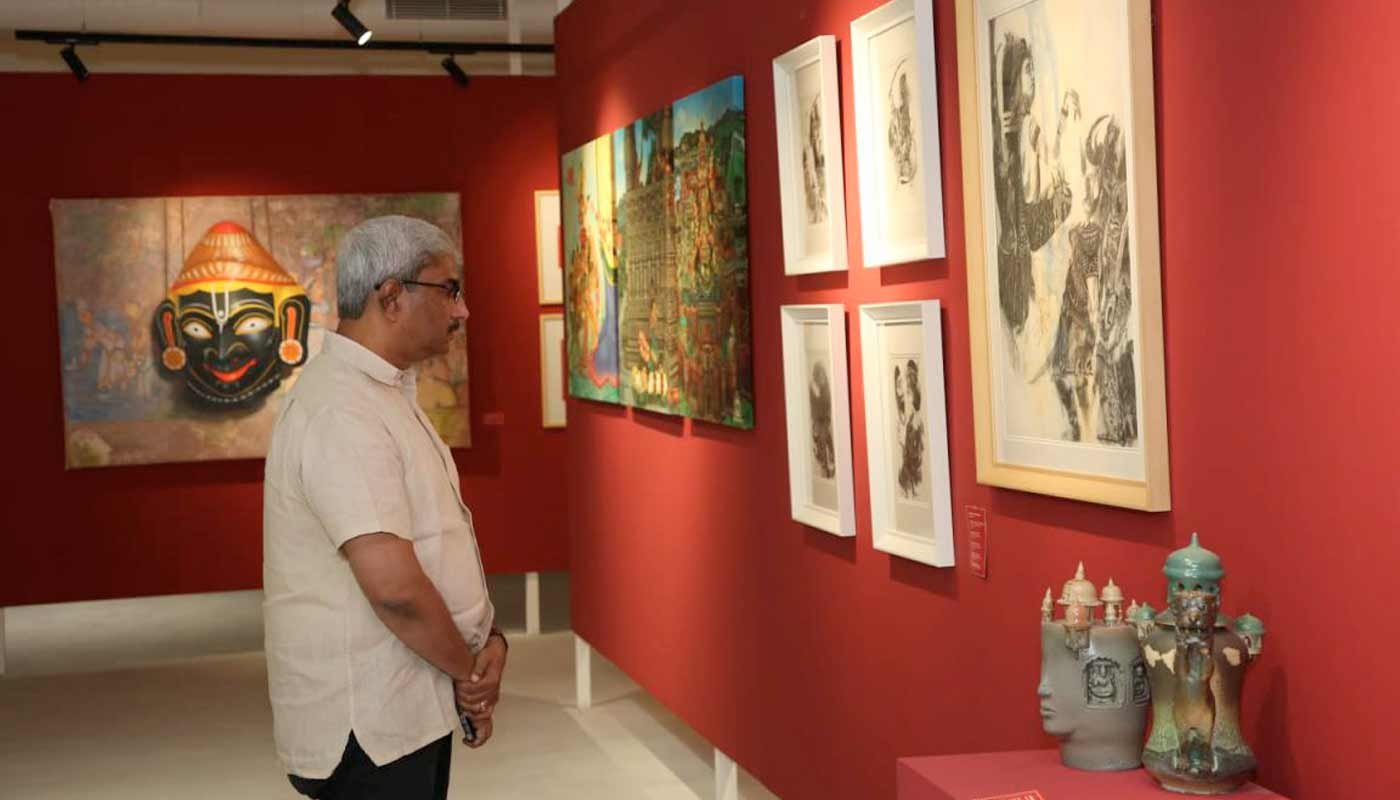
The session was also attended by Kalpana Ramesh, water conservationist and founder of The Rainwater Project, known for her work in restoring Hyderabad’s historic stepwells, including Bansilalpet Baoli; G. Srinivas Murthy, architect; and Dr Emani Sivanagi Reddy, Indian archaeologist and heritage conservationist.
Concluding his address, Prasad Sthapathy urged greater appreciation of temples beyond their religious significance, describing them as repositories of India’s scientific, architectural, artistic and cultural heritage. He called for greater awareness of traditional knowledge systems and sustained efforts to preserve the craftsmanship and expertise associated with temple construction.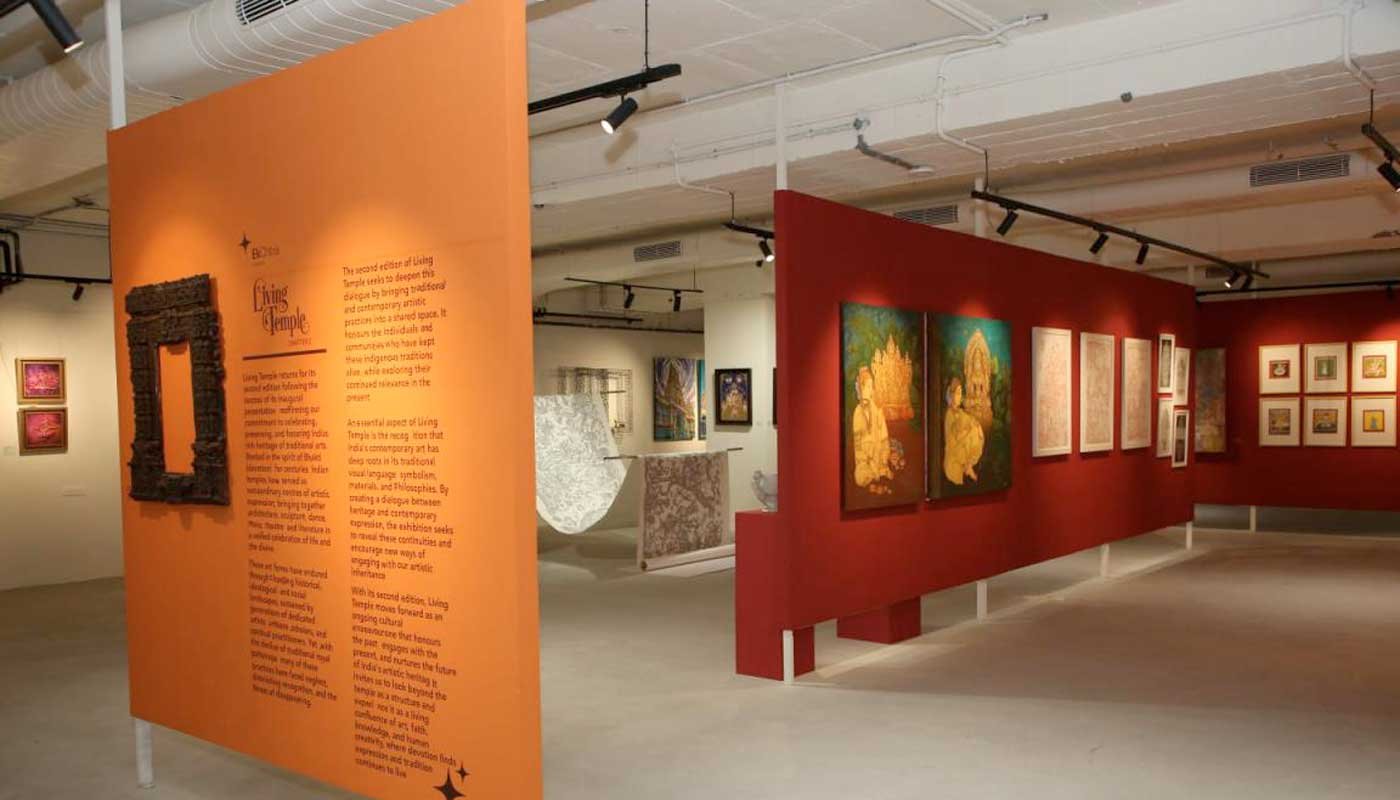
About Living Temple Chapter 2
Curated by artist and curator Annapurna Madipadiga, Living Temple Chapter 2 explores the temple’s historic role as a centre of art, craftsmanship, knowledge and community life. The month-long festival at EkChitra Art Gallery features over 30 artists and practitioners, with paintings, sculptures, traditional crafts, textiles, photography, monumental installations and expert conversations.
Through exhibitions and cultural programming, EkChitra seeks to connect India’s artistic heritage with contemporary creative expression, while celebrating the artists and artisans who sustain these traditions.
The exhibition continues until 29 November 2026 at EkChitra Art Gallery, Hyderabad.