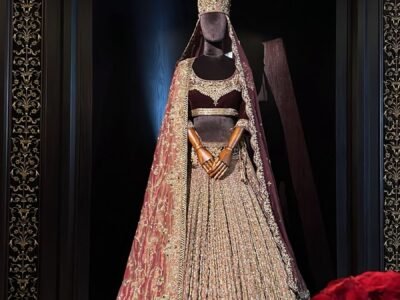

Rooted in legacy and rich with Nizami influence, Divani by Sanya Dhir brings authentic zardosi craftsmanship to Hyderabad, redefining couture as timeless heirlooms rather than passing trends.
In a world chasing fleeting trends, Divani by Sanya Dhir emerges as a rare ode to permanence, where every thread, motif, and metallic glint (Thar) narrates a legacy meant not just to be worn, but inherited.
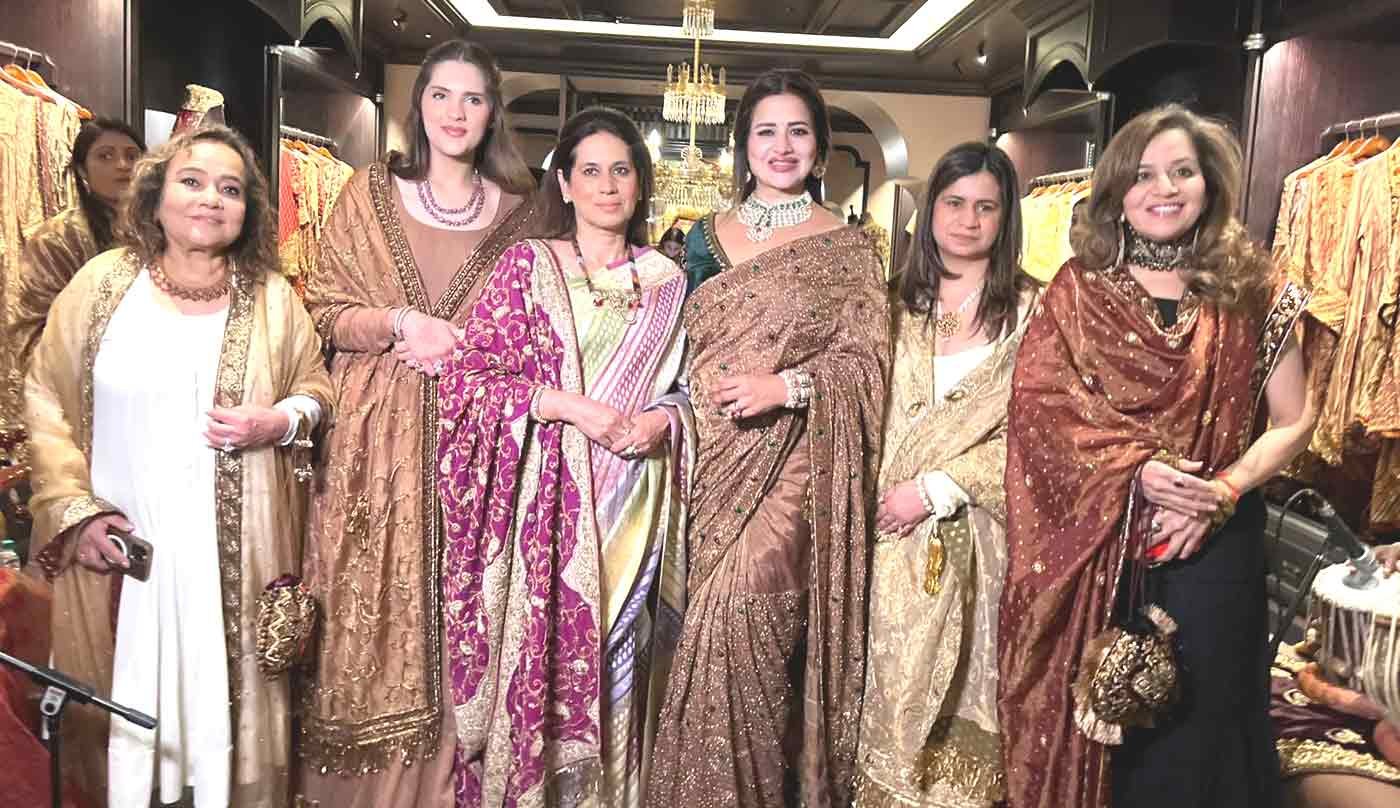
The launch of Divani, The Hindustani Couture in Hyderabad unfolded as an intimate yet opulent celebration of craftsmanship, legacy, and cultural continuity. The evening saw an elegant gathering of tastemakers and patrons of fine fashion, with Namrata Shirodkar, Divya Boppana, Sudha Reddy, and Meenakshi Chaudhary gracing the occasion, lending it both glamour and gravitas.
At its core, Divani is not merely a label; it is a philosophy. Founded in 2013 in Delhi, the brand is deeply rooted in generational artistry. “Craft flows in my bloodline,” shares Sanya Dhir, a third-generation torchbearer of textile heritage. With her father and grandfather entrenched in the textile sector, Dhir’s journey is less about invention and more about revival, resurrecting techniques that risk fading into obscurity.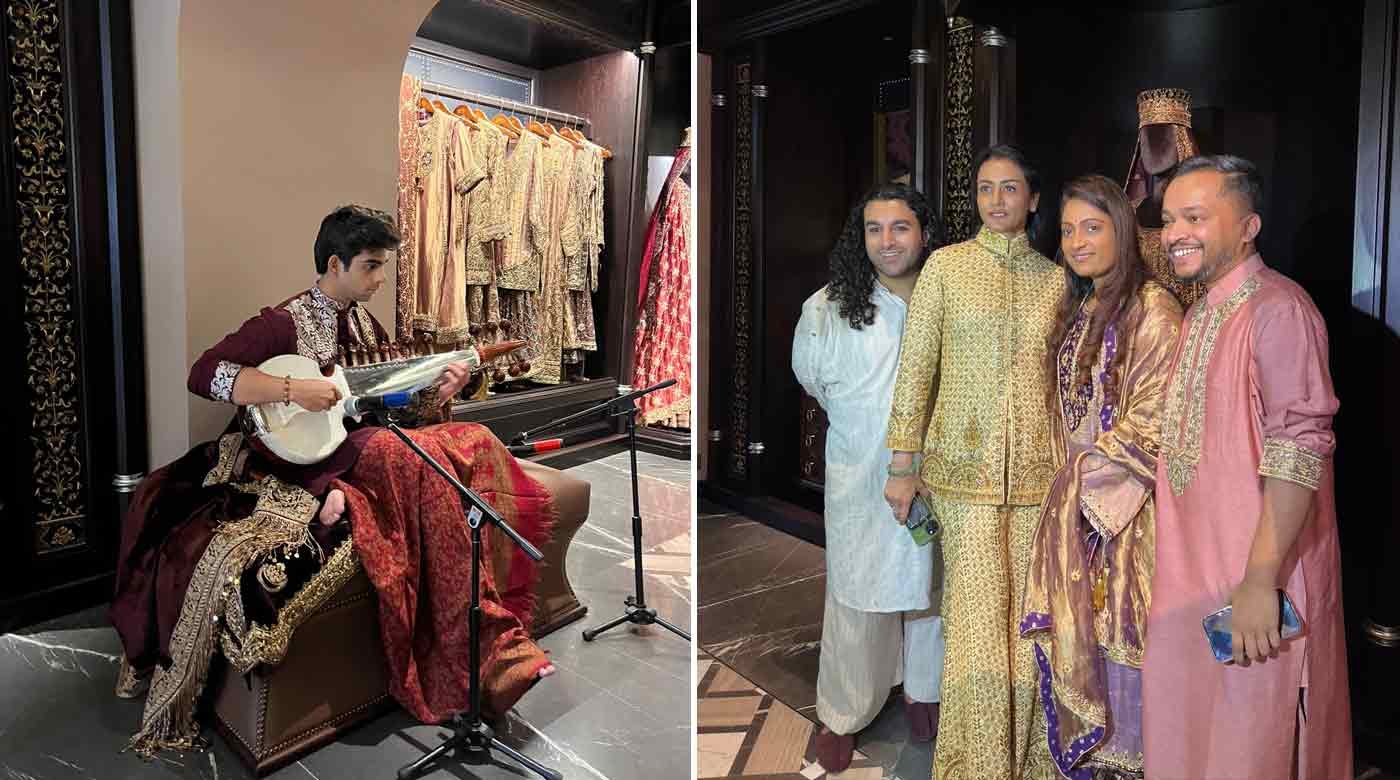
Designer’s Insights
What sets Divani apart is its unwavering commitment to zardozi, a centuries-old embroidery technique synonymous with regal India. In an era where machine-made embellishments dominate, Dhir draws a firm line between authenticity and approximation. “Zardozi has become a word loosely used,” she notes, highlighting how many contemporary adaptations dilute its essence with machine interventions like salma-sitara (Textile). True zardozi, she insists, is painstaking, expensive, and demands the trained eye and hand of master craftsmen.
Divani’s atelier works closely with artisans from Lucknow, the historical epicentre of zardozi, as well as Faridabad, ensuring not just preservation but revival. “If we don’t own our roots, they will disappear,” Dhir emphasizes, underlining her mission to sustain the livelihoods and legacy of these artisans.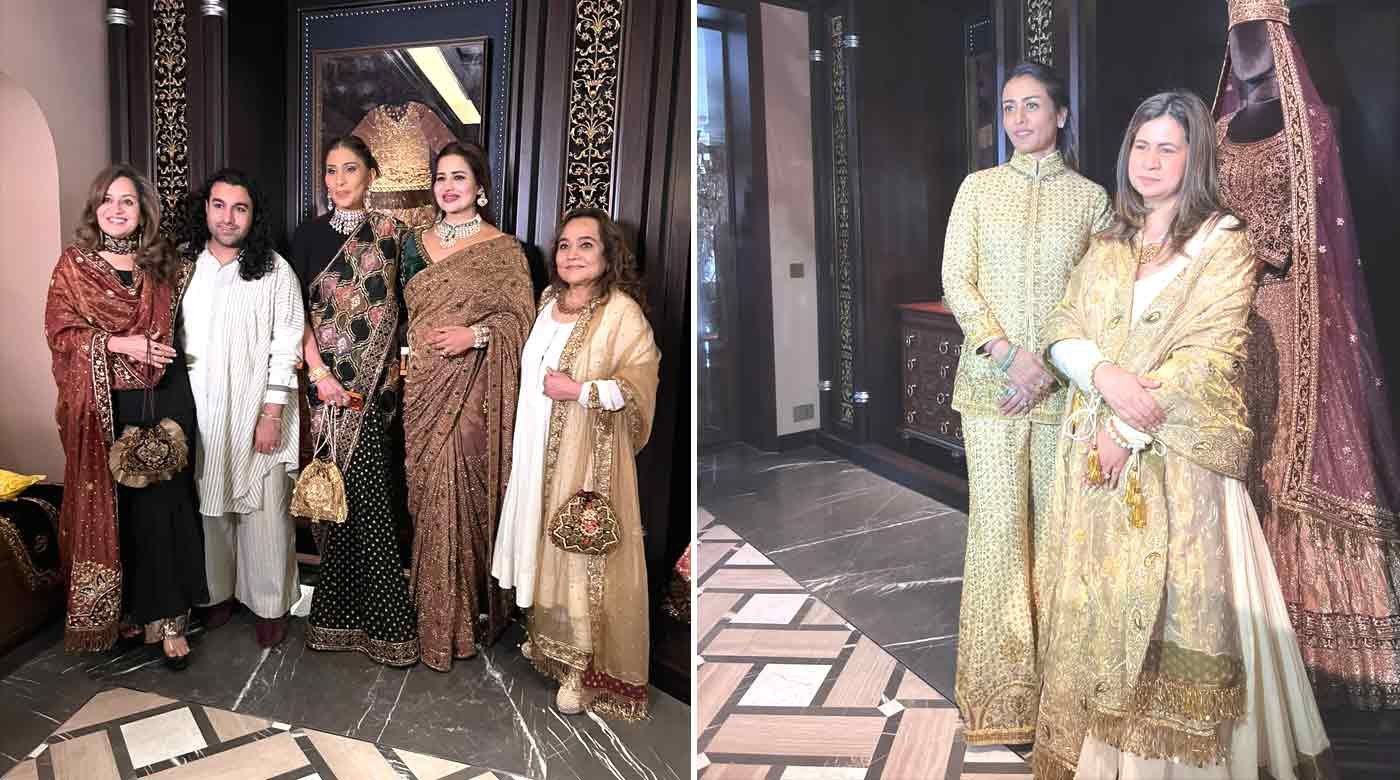
Reviving the true art of Zardosi
Interestingly, the brand’s journey began with copper craftsmanship before evolving into intricate embroidery using gold, silver, and copper threads. Today, each Divani piece is conceived as an heirloom, crafted not for seasons, but for generations. “It’s not fashion, it’s an investment,” Dhir explains. “Every garment is meant to be passed down.”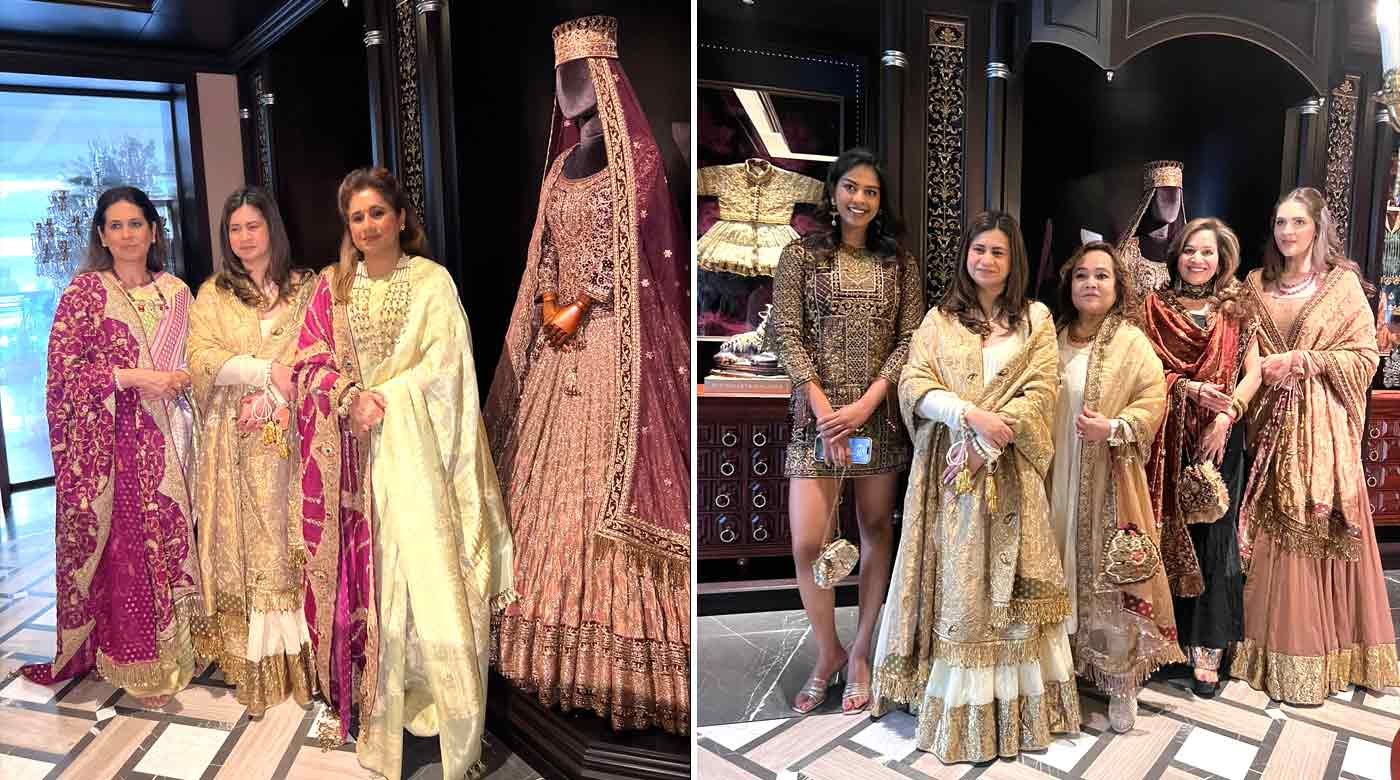
Hyderabad’s Nizami Influence in Every Thread
The Hyderabad store introduces a collection deeply inspired by the city’s historic opulence. At its heart lies the iconic kada dupatta, reimagined through Divani’s lens. Rich in Mughal and Nizami influences, the collection mirrors Hyderabad’s affinity for grandeur. “Hyderabad is about opulence, and so is Divani,” says Dhir, drawing a seamless connection between the city’s cultural identity and her design ethos.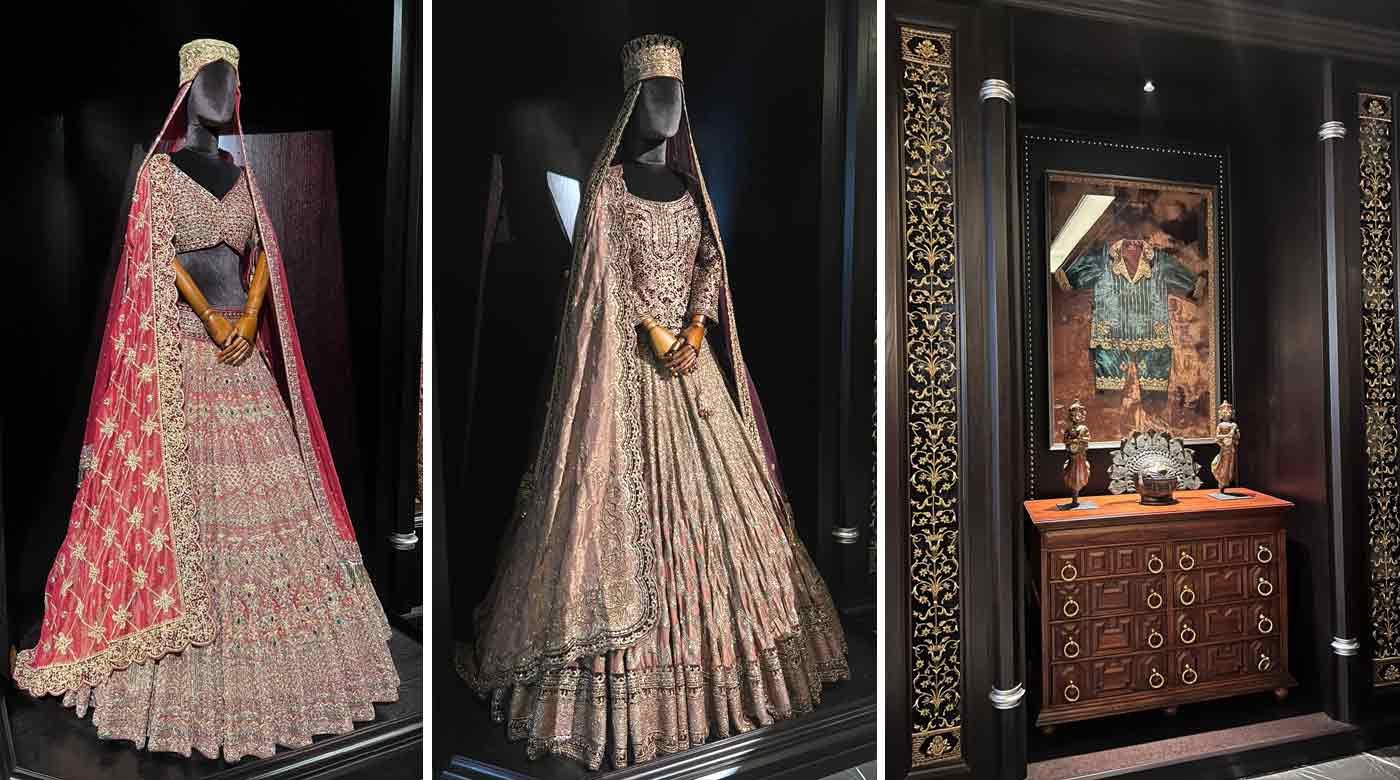
Among the standout pieces is the one Dhir herself adorned, a breathtaking 100-metre mul Anarkali Peshwa, crafted from a single-thread tissue. Equally remarkable is her favourite archival revival: a century-old rangkaat textile, intricately woven with pure silver threads, restored with meticulous borders and paired with a classic choli. These creations are not garments; they are living archives.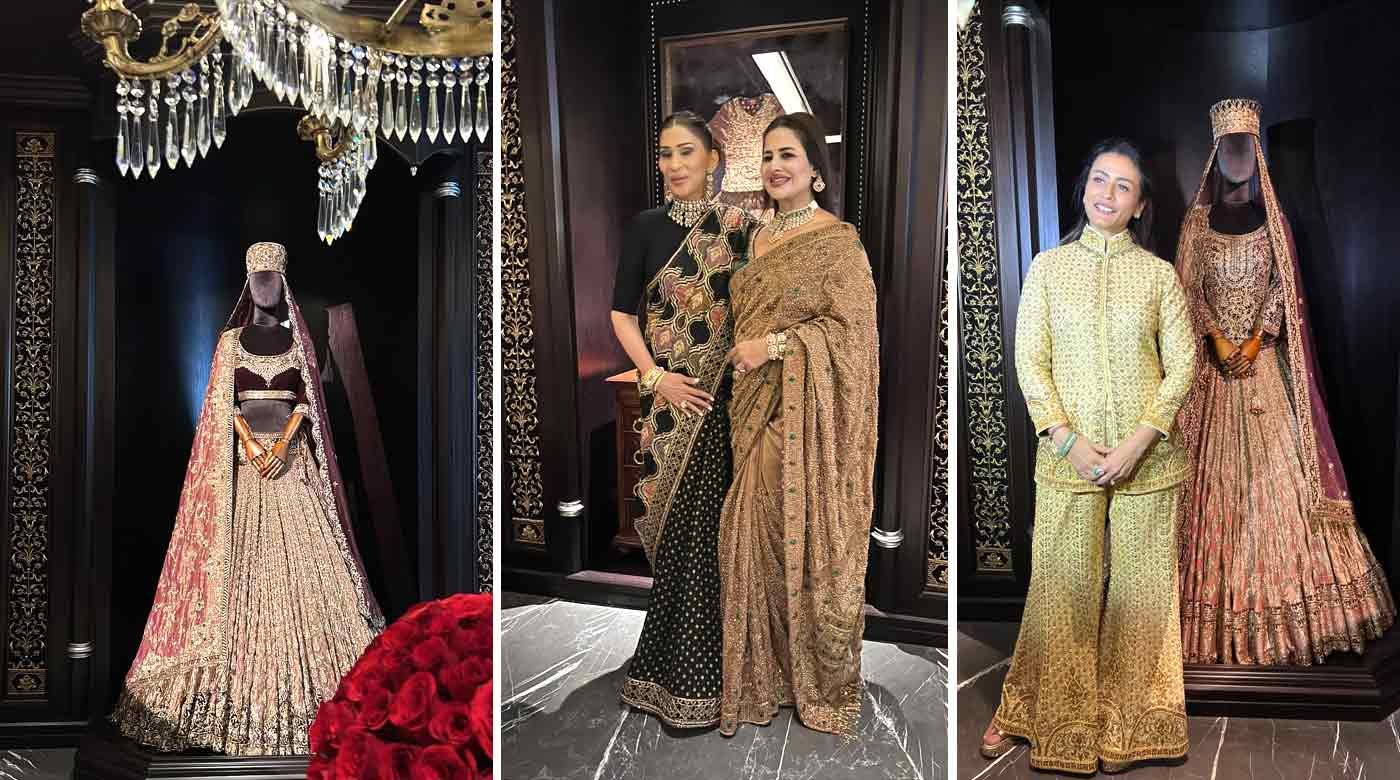
Beyond bridal couture, Divani expands into a holistic design universe, offering interiors, ceiling art, accessories, and heritage textiles like tablecloths, mats, and masads. Each creation echoes the same commitment to detail and legacy.
Echoing this sentiment, Namrata Shirodkar remarked on the rarity of authentic zardozi today, applauding Divani as a homegrown brand that honours true craftsmanship. In a landscape saturated with fast fashion, Divani stands as a quiet rebellion, where heritage is not replicated but revered.
In essence, Divani is where craft, culture, and couture converge, reminding us that true luxury is timeless, and legacy is the most exquisite fabric of all.
By Vaishnavi