
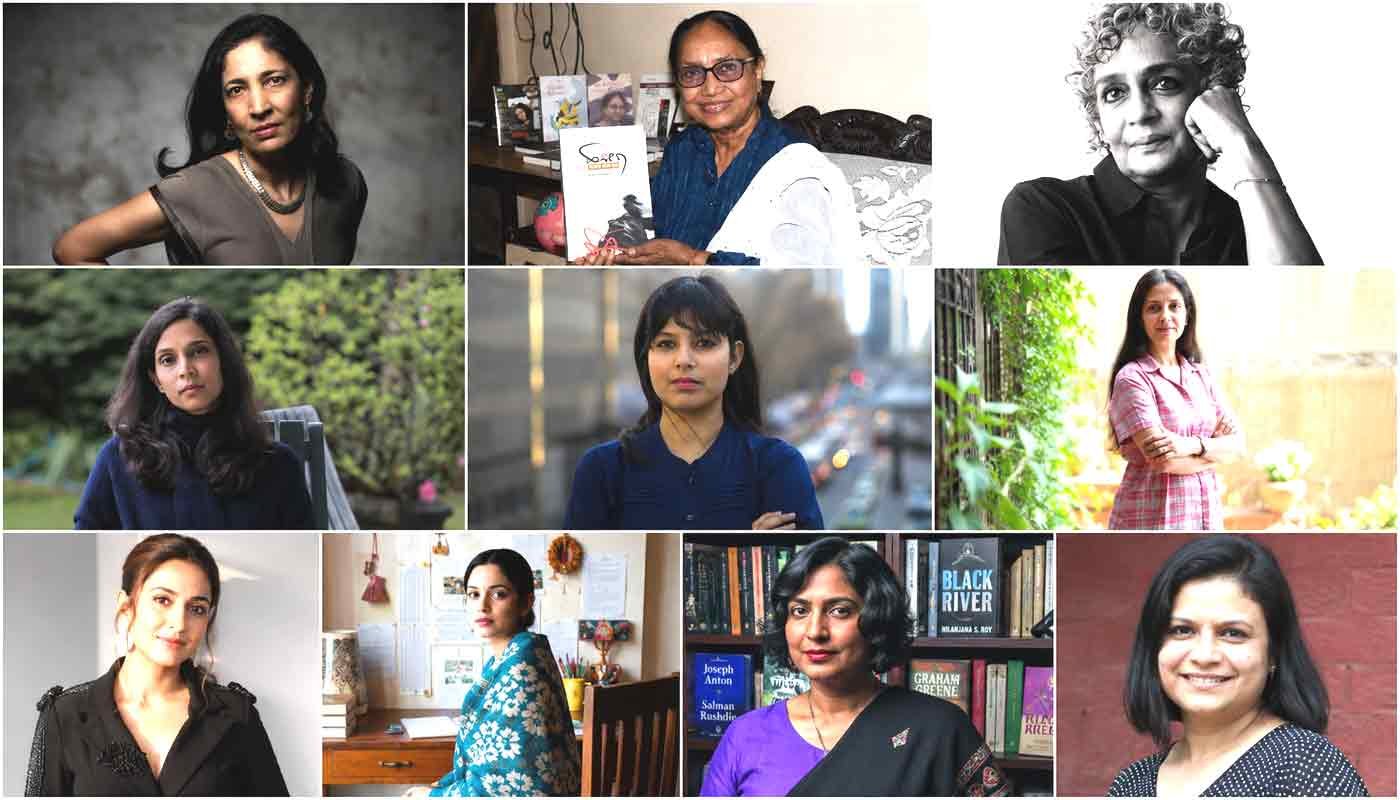
Indian literature has entered a remarkable new chapter, and women are leading the narrative. Through fiction, memoirs, journalism, historical narratives, and social commentary, these writers have challenged conventions, amplified marginalized voices, and crafted stories that resonate far beyond India’s borders. Their works explore identity, gender, politics, migration, memory, caste, and belonging, proving that literature is not merely about storytelling, it’s about changing conversations
Banu Mushtaq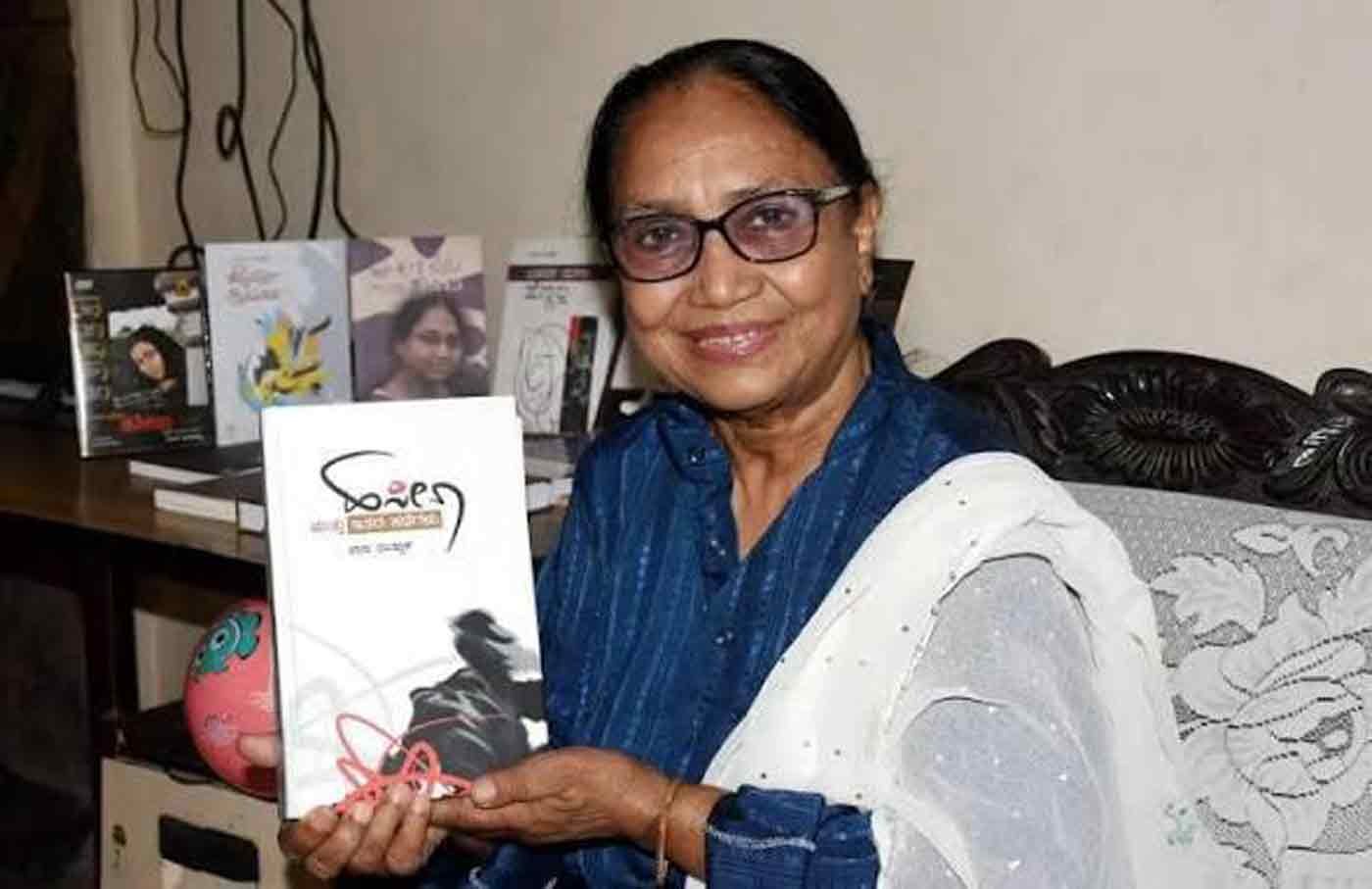
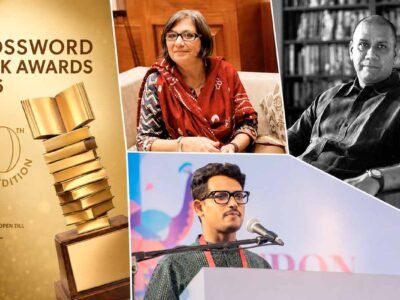
Fresh off international recognition for her powerful Kannada writing, Banu Mushtaq has become one of India’s most significant literary voices. A lawyer, activist, and writer, she is known for portraying the lives of Muslim women and marginalized communities with honesty and compassion. Her stories blend everyday realities with profound social commentary, giving voice to people often absent from mainstream literature.
Arundhati Roy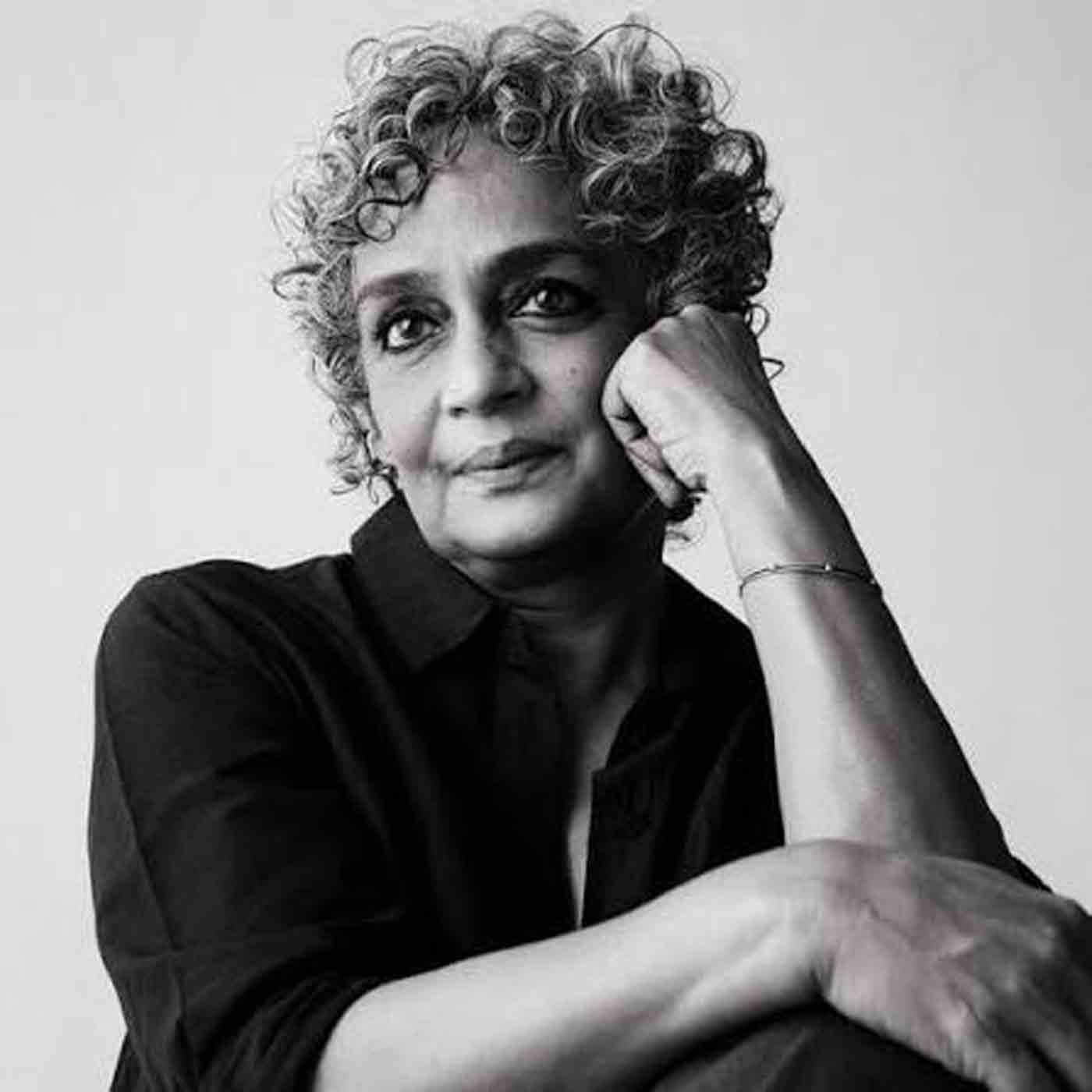
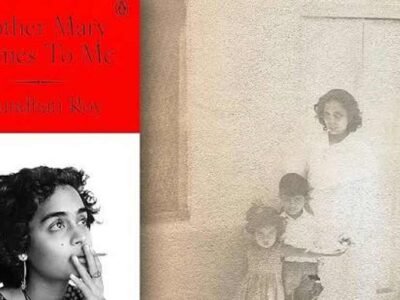
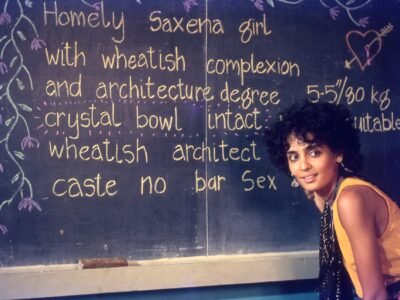
Few Indian writers have shaped global literary discourse like Arundhati Roy. Her Booker Prize-winning novel The God of Small Things remains one of India’s most celebrated works of fiction, while her essays on politics, environmental justice, Kashmir, and civil liberties have established her as one of the country’s most influential public intellectuals. Roy’s lyrical prose and fearless opinions continue to spark conversations worldwide.
Kiran Desai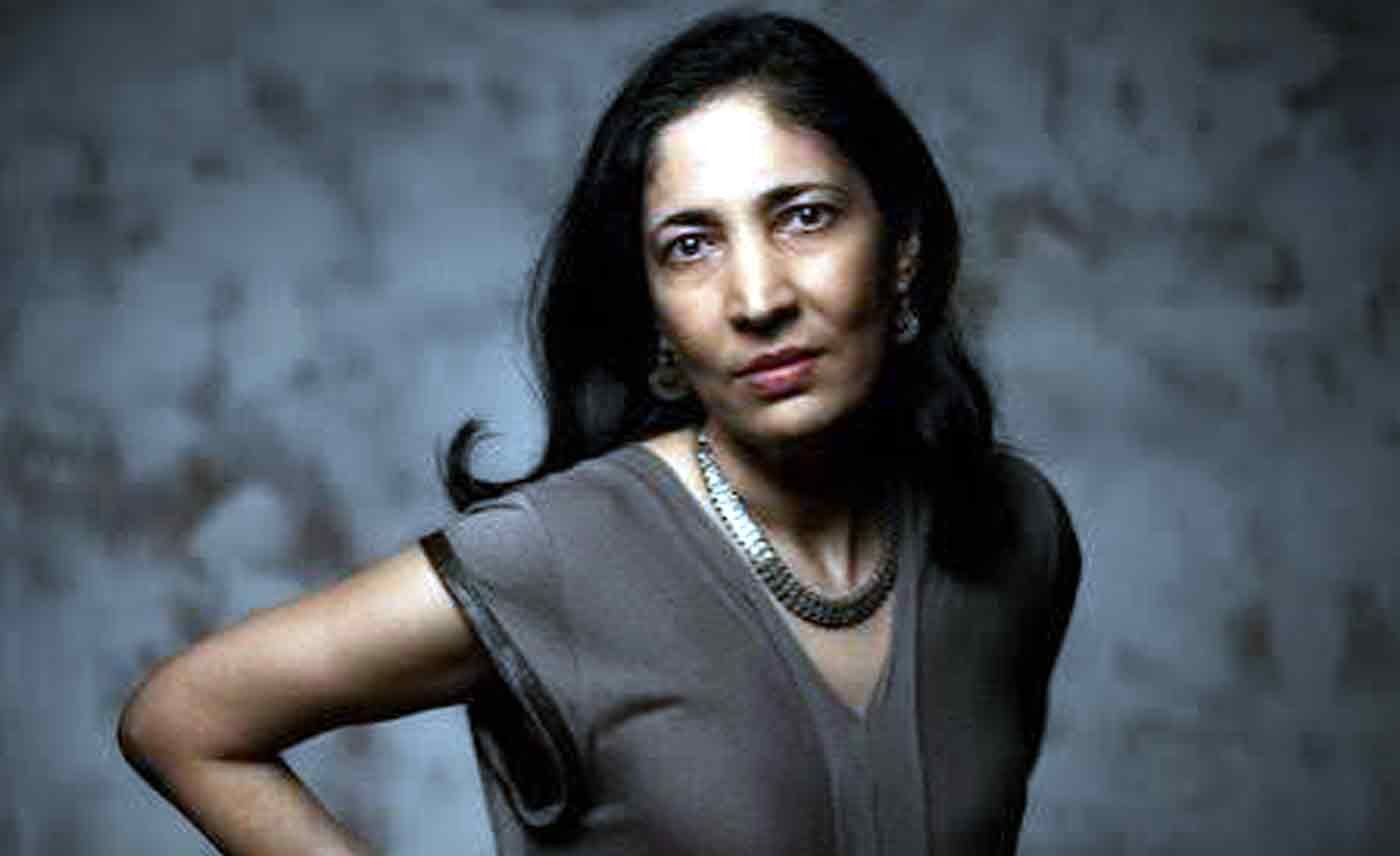
Winner of the Booker Prize for The Inheritance of Loss, Kiran Desai is celebrated for her elegant exploration of migration, colonialism, globalization, and identity. Her novels capture the emotional complexities of displacement and belonging, making her one of the most admired contemporary Indian novelists on the international stage.
Annie Zaidi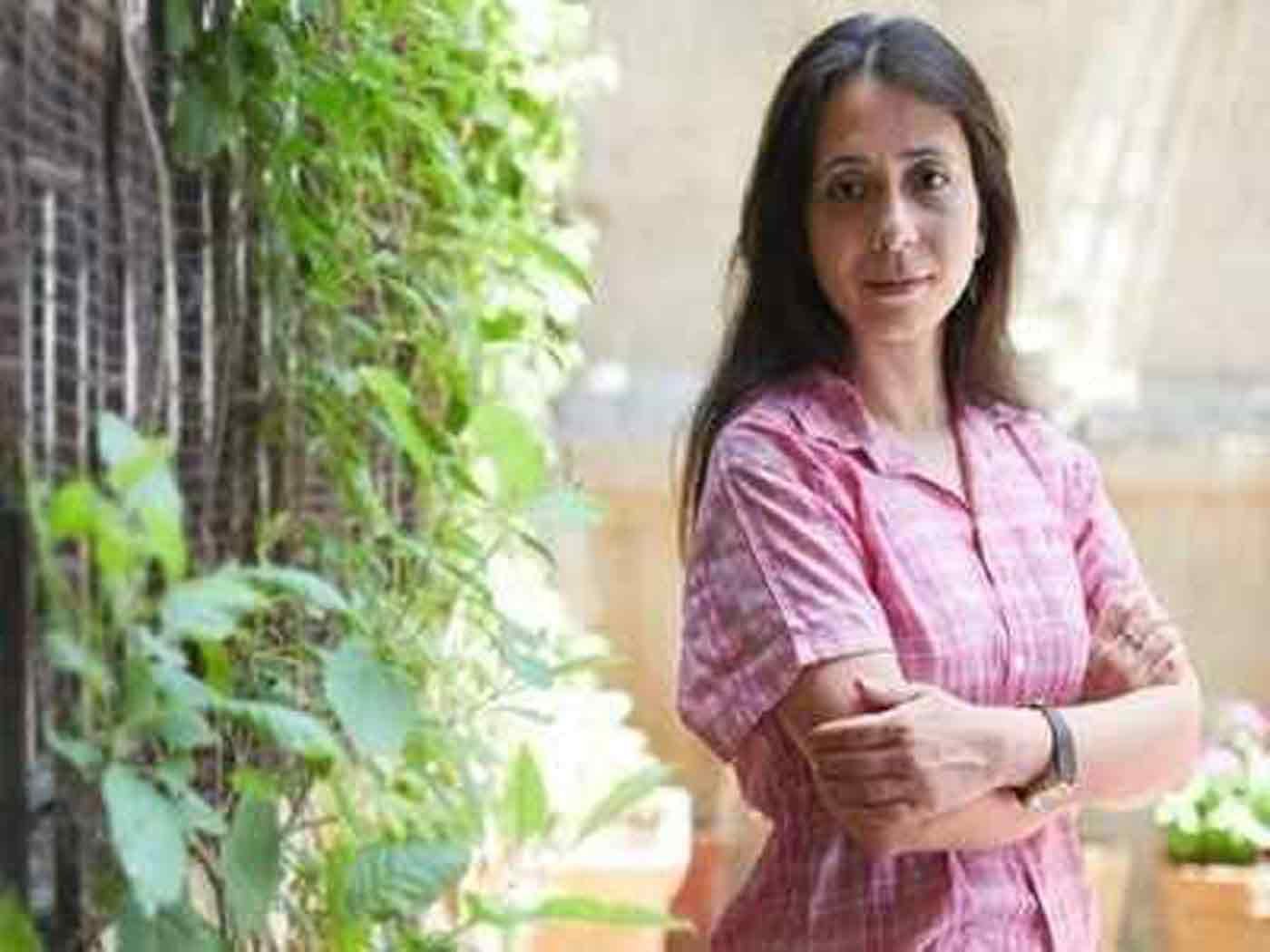
Journalist, playwright, poet, and novelist, Annie Zaidi effortlessly moves across literary forms. Her fiction and non-fiction tackle themes of gender, freedom, religion, and urban life with remarkable sensitivity. Known for her nuanced storytelling, Zaidi has earned acclaim for giving equal importance to personal emotions and larger political realities.
Devika Rege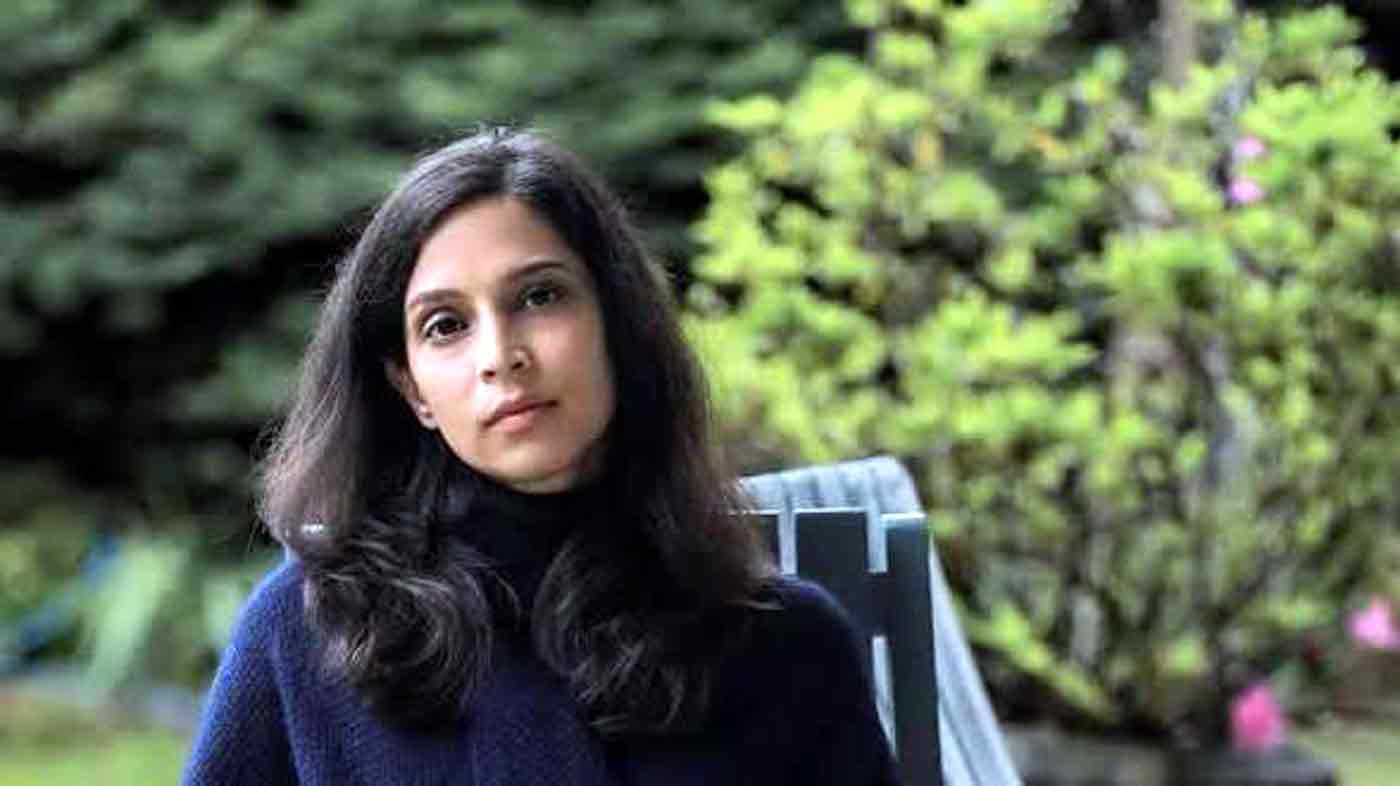
Devika Rege emerged as a compelling literary voice with Quarterlife, a novel that explores class, privilege, ambition, and modern India’s changing social landscape. Her sharp observations and layered characters have positioned her among the country’s most promising contemporary novelists.
Radhika Iyengar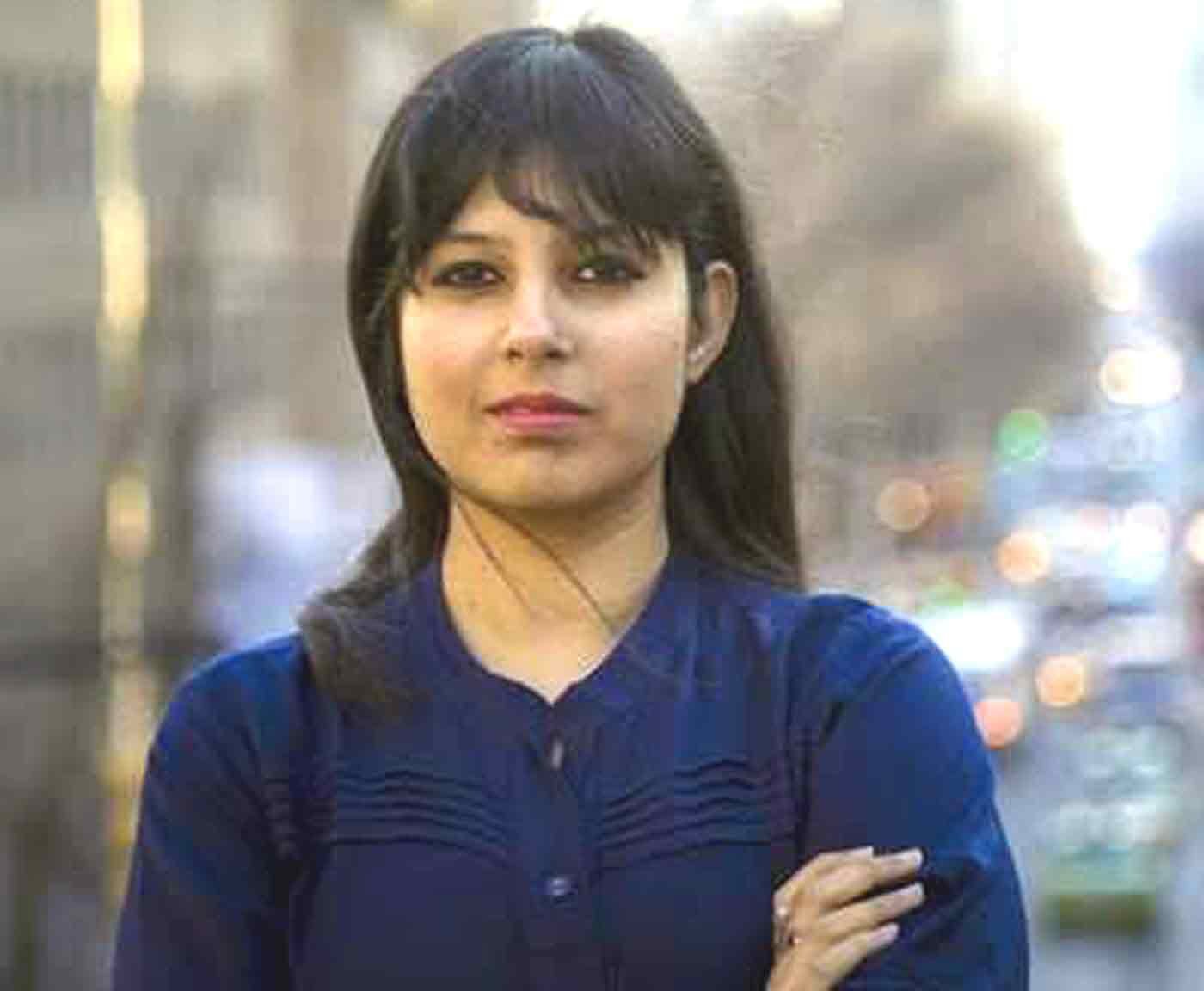
Known for blending emotional realism with contemporary themes, Radhika Iyengar explores relationships, identity, and modern Indian life through relatable characters and accessible prose. Her writing reflects the aspirations and dilemmas of a rapidly evolving generation.
Anjali Kajal 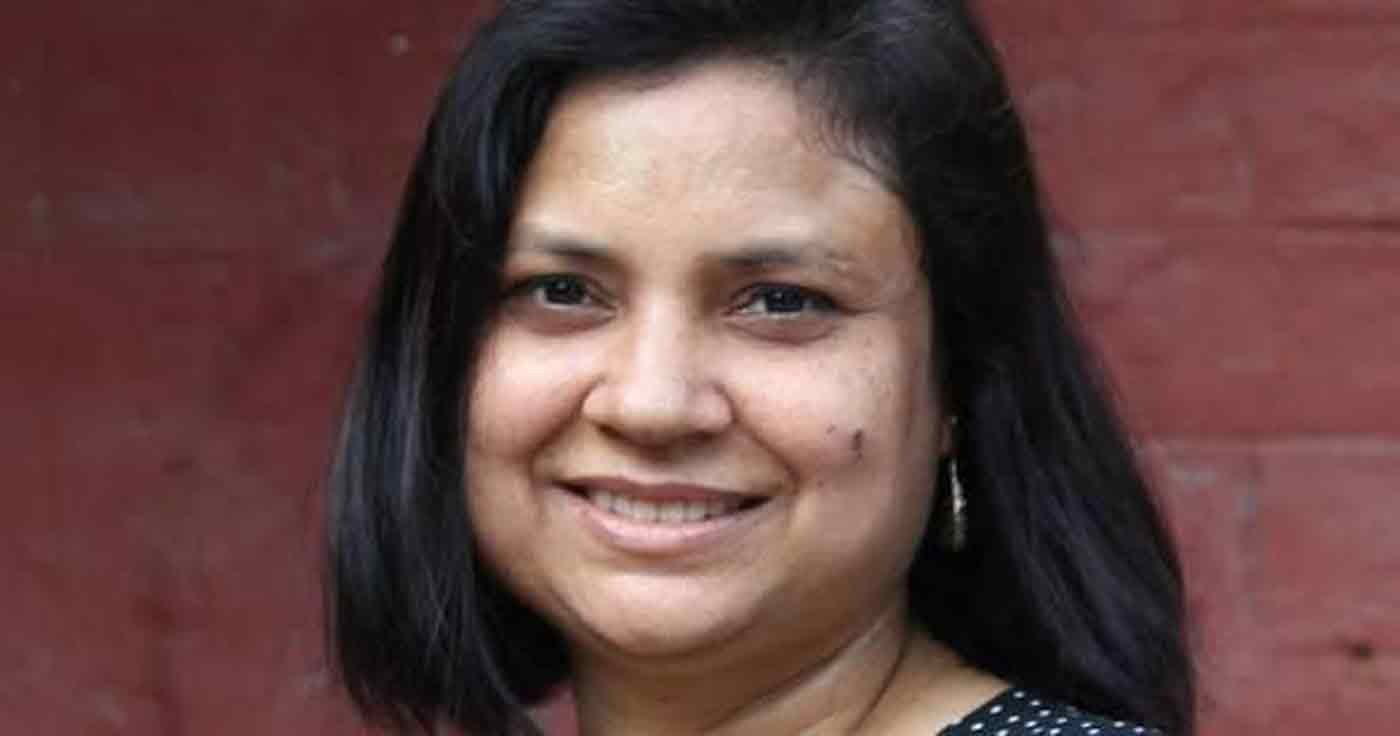
Anjali Kajal represents the new generation of Indian writers whose work focuses on everyday experiences, personal identity, and changing social dynamics. Her storytelling combines emotional depth with contemporary relevance, making her an emerging voice worth watching.
Aanchal Malhotra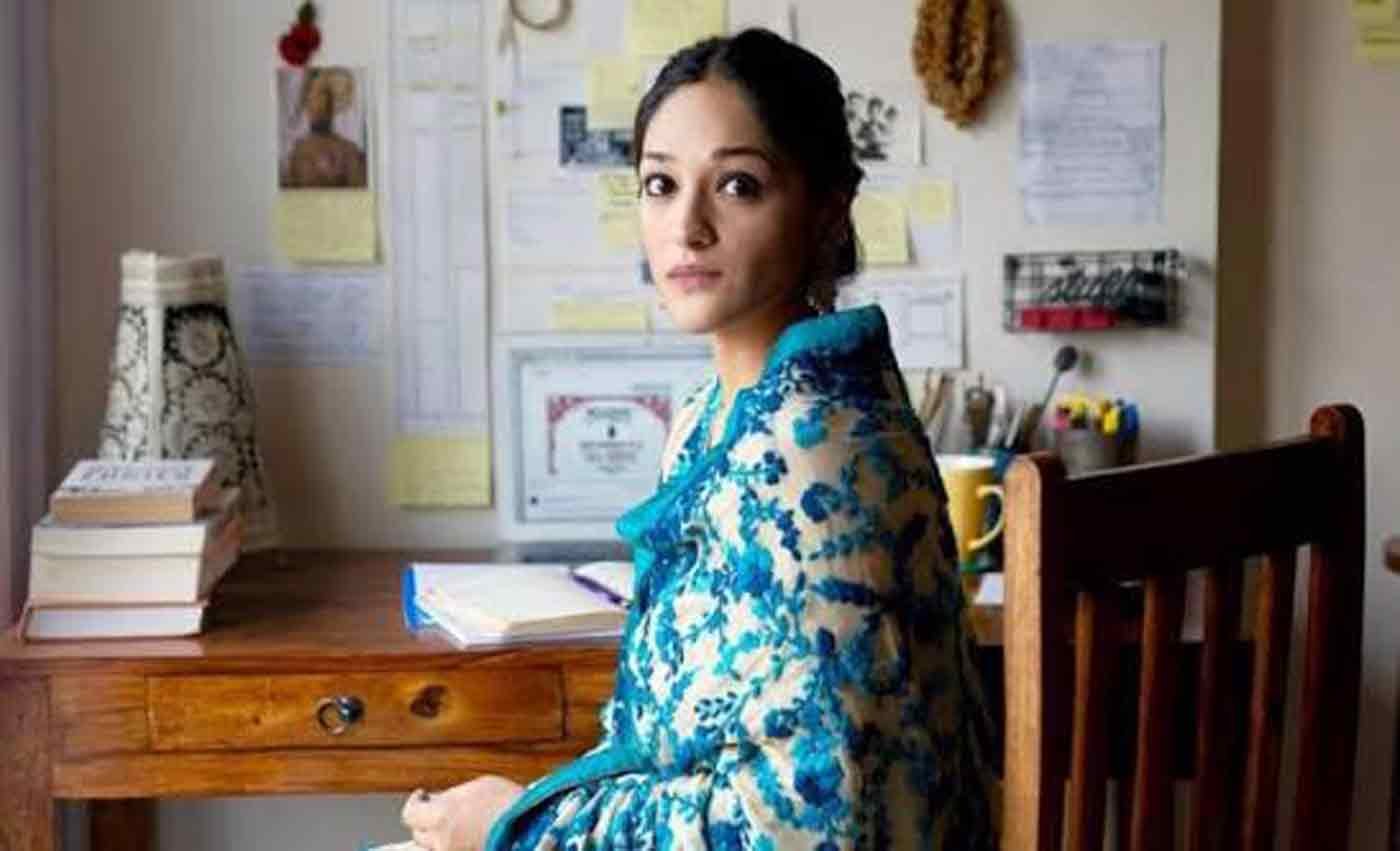
Historian and author Aanchal Malhotra has transformed the way Partition is documented through books like Remnants of a Separation. By collecting personal heirlooms and oral histories, she preserves memories that official history often overlooks, making history deeply personal and profoundly moving.
Nilanjana S. Roy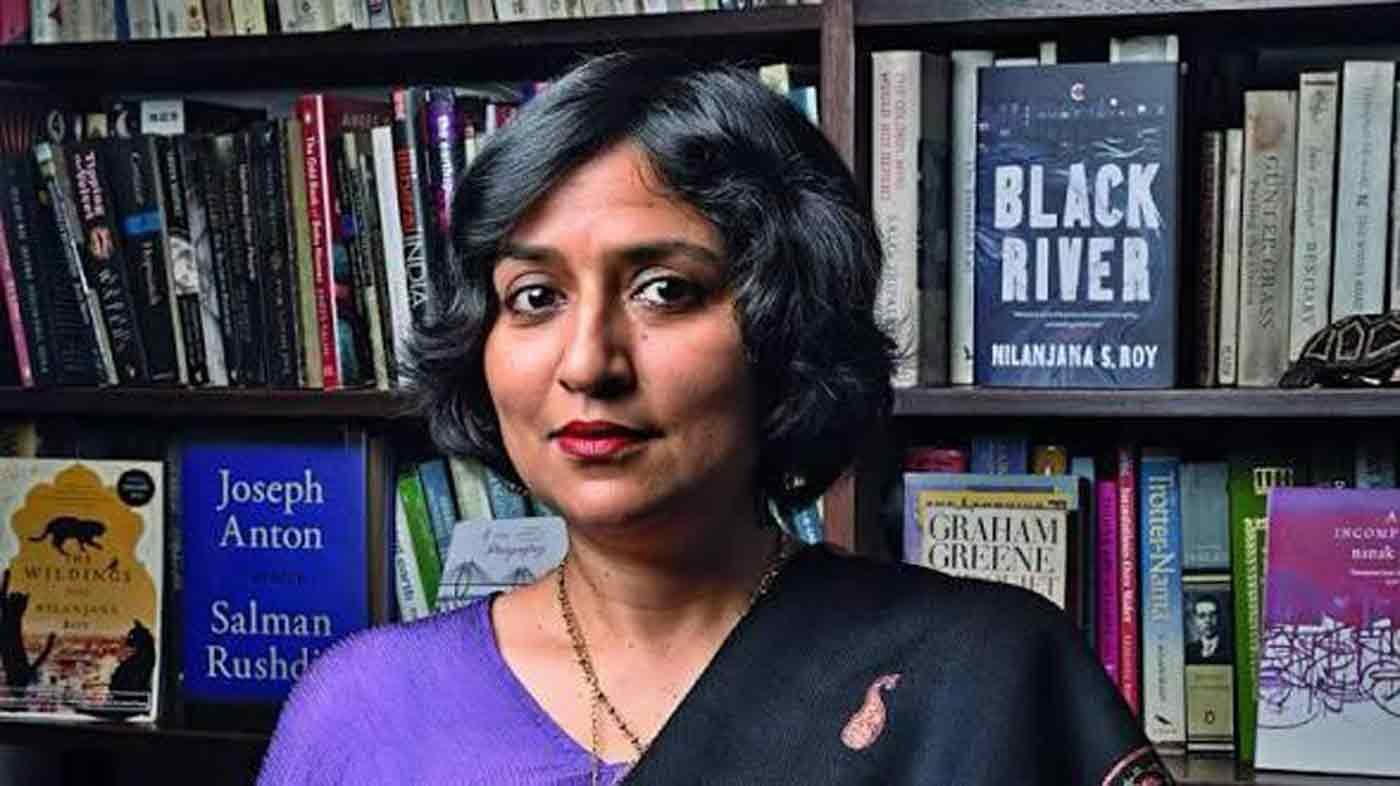
Critic, novelist, and columnist Nilanjana S. Roy is admired for her literary fiction as well as her thoughtful cultural commentary. Her writing frequently explores politics, freedom of expression, urban life, and the evolving role of literature in contemporary society, earning her respect among readers and critics alike.
Janice Pariat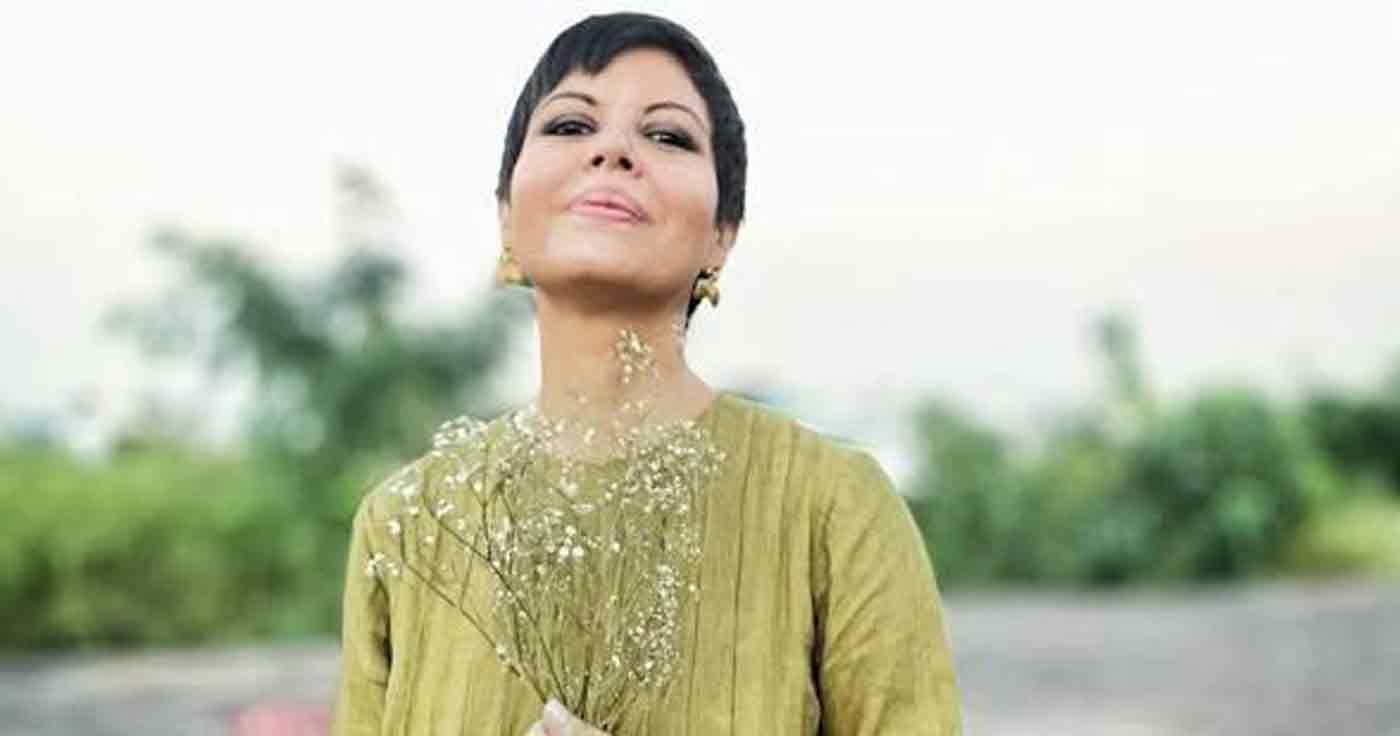
Hailing from Meghalaya, Janice Pariat is celebrated for her lyrical prose and evocative storytelling. Her novels and short stories beautifully intertwine memory, landscape, folklore, and human relationships, bringing Northeast India into the mainstream literary imagination while showcasing its rich cultural heritage.
Writing the India of Today
These women are doing far more than writing books—they are documenting history, questioning power, preserving memories, and giving voice to communities that have long remained unheard. Whether through award-winning novels, investigative journalism, memoirs, or historical narratives, they continue to redefine what contemporary Indian literature can be. In an era where stories shape public discourse as much as headlines do, these writers remind us that the pen remains one of society’s most powerful instruments for change.