
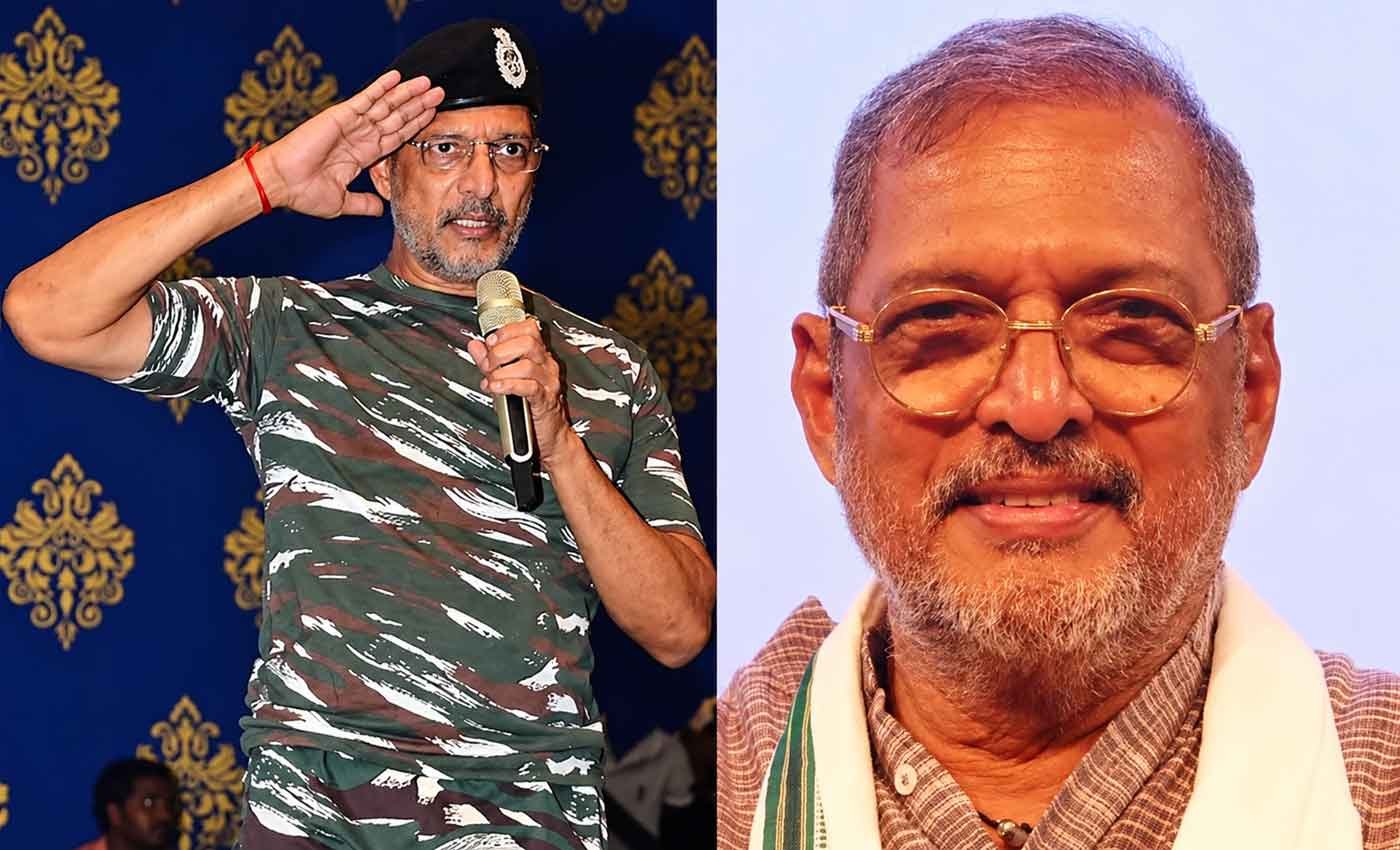
Nana Patekar, the 75-year-old legend who redefined intensity on screen, died of a cardiac arrest at his Goa home early on October 8, 2026. But beyond the dialogues and the glare, his life was a masterclass in choosing duty over fame, from Kargil’s frontlines to Maharashtra’s drought-hit farms.
The Career That Refused to Be Pigeonholed
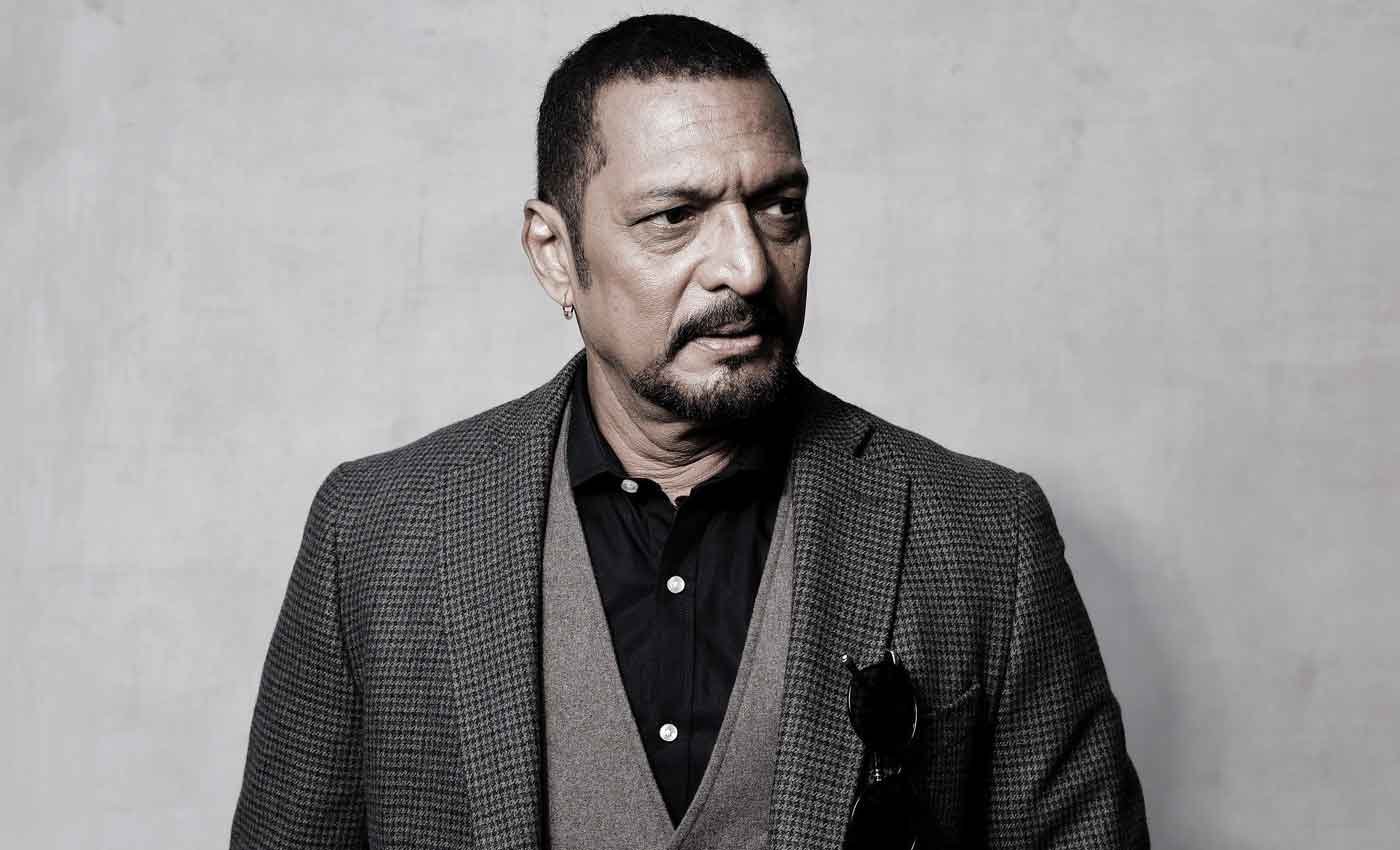
Bollywood actor Nana Patekar
Born Vishwanath Patekar in 1951, he debuted with Gaman in 1978, but it was Parinda (1989) that announced the arrival of a force. As Anna, the crime lord with a twisted moral code, he won the National Film Award for Best Supporting Actor and a Filmfare, proving that villains could be Shakespearean.
Then came Krantiveer (1994), where he played a disgraced gambler who transforms into a people’s voice, earning him the National Award for Best Actor. He could switch from the terrifying intensity of Angaar (Filmfare Best Villain) to the comic timing of Welcome without missing a beat. He directed Prahaar: The Final Attack, acted in Khamoshi: The Musical, Raju Ban Gaya Gentleman, and later stunned audiences with Natsamrat, a Marathi masterpiece about an aging actor’s emotional collapse.
In an era of safe, brand-friendly heroes, Nana was the actor who made discomfort cinematic.
Kargil: When the Star Put the Uniform Before the Spotlight
In 1999, while Bollywood was busy with Y2K parties, Nana did something almost unthinkable: he paused his career to join the Army during the Kargil War. Commissioned into the Territorial Army in 1988 as a captain, he held the rank of major by 1999 and secured special permission from Defence Minister George Fernandes to visit the frontline.
He spent around 60 days with troops in Dras, Leh, Kupwara, Baramulla, and Sopore, even joining a Quick Reaction Team and helping at a military hospital in Srinagar where martyred soldiers’ bodies were prepared for their final journey home. This wasn’t a photo-op; it was a choice that said: duty matters more than dialogue delivery.
The Farmer Who Never Left the Soil
If Kargil showed his patriotism, his work with farmers showed his soul. In 2015, after years of drought and rising farmer suicides in Maharashtra, Nana and fellow actor Makarand Anaspure founded the NAAM Foundation.
What started as financial aid to families of suicide victims grew into a movement: water conservation (“Paani Adva, Paani Jirva”), restoring canals, desilting water bodies, and improving groundwater availability in Vidarbha and Marathwada. He once told distressed farmers, “If you feel suicidal, call me,” turning his phone number into a lifeline.
There’s a story of a woman in Beed who received a sewing machine from him and rebuilt her life; there are hundreds more like it. In a time when celebrity charity often means a branded Instagram post, Nana’s work was quiet, sustained, and deeply personal.indiatoday
The Personal Life: Simple, Stubborn, Uncompromising
Off-screen, he was famously frugal. He once saved for years to buy a ₹1.5-crore car, only to abandon the idea after seeing news of farmer suicides. He lived simply, spoke bluntly, and refused to play the PR game, even when it cost him roles.
Atul Kasbekar recently shared that Nana had planned his own funeral, asking people not to cry but to remember him with a smile. That’s the man: controlling the narrative till the end, on his own terms.
Nana Patekar didn’t just act, he lived his roles, from the battlefield to the farmer’s field, proving that true stardom is measured in service, not applause. As the curtain falls, the stage feels emptier, but the lessons he left behind are louder than any dialogue he ever delivered.