
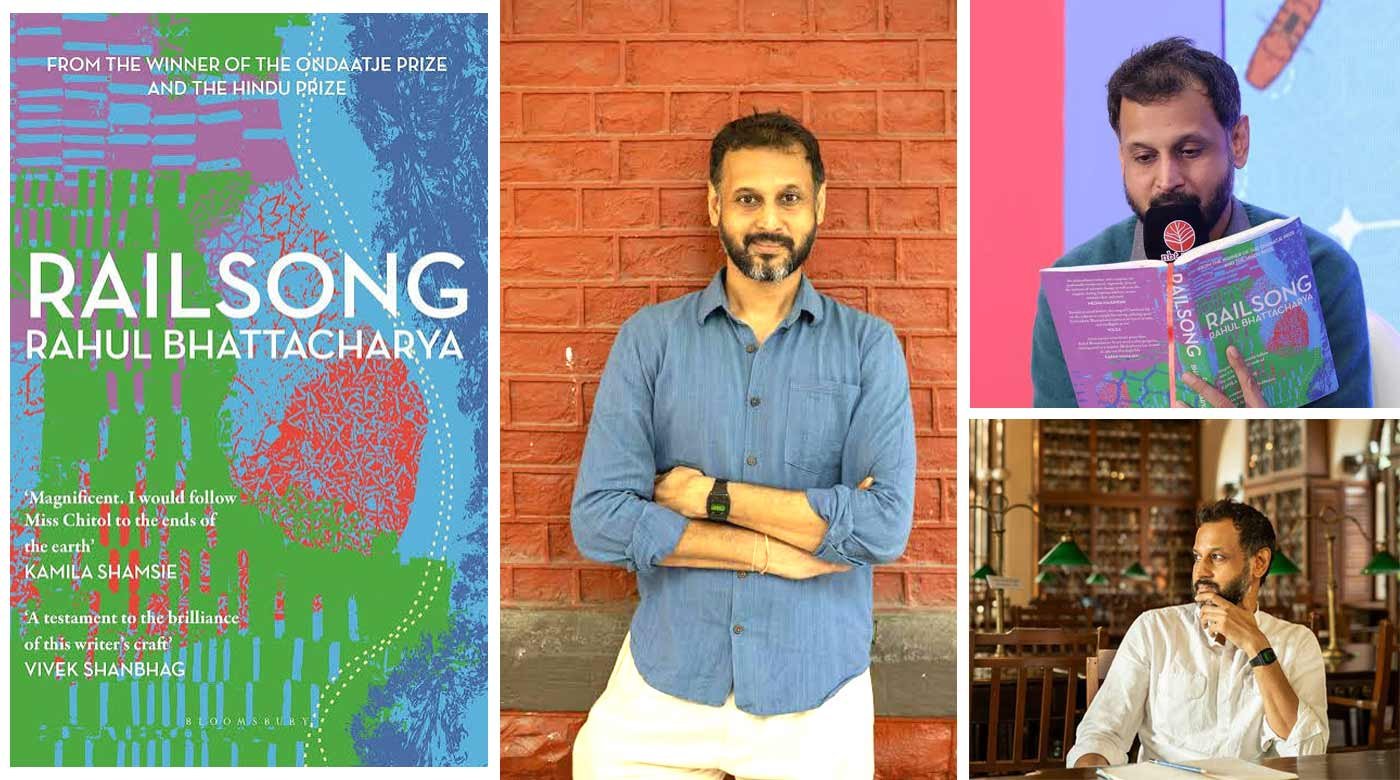
Few images are as deeply woven into India’s memory as trains.
Railways have carried migration, aspiration, love stories and history itself. Now writer Rahul Bhattacharya places them at the centre of his new novel Railsong.
The novel marks Bhattacharya’s major return to fiction after the acclaimed The Sly Company of People Who Care.
Set in newly independent India, Railsong follows Charu, daughter of a railway worker, as she moves through a country transforming around her. Steam engines give way to diesel, towns change and the promise of modern India unfolds across railway tracks.
Charu eventually leaves home for Bombay, beginning a journey that becomes both personal and national.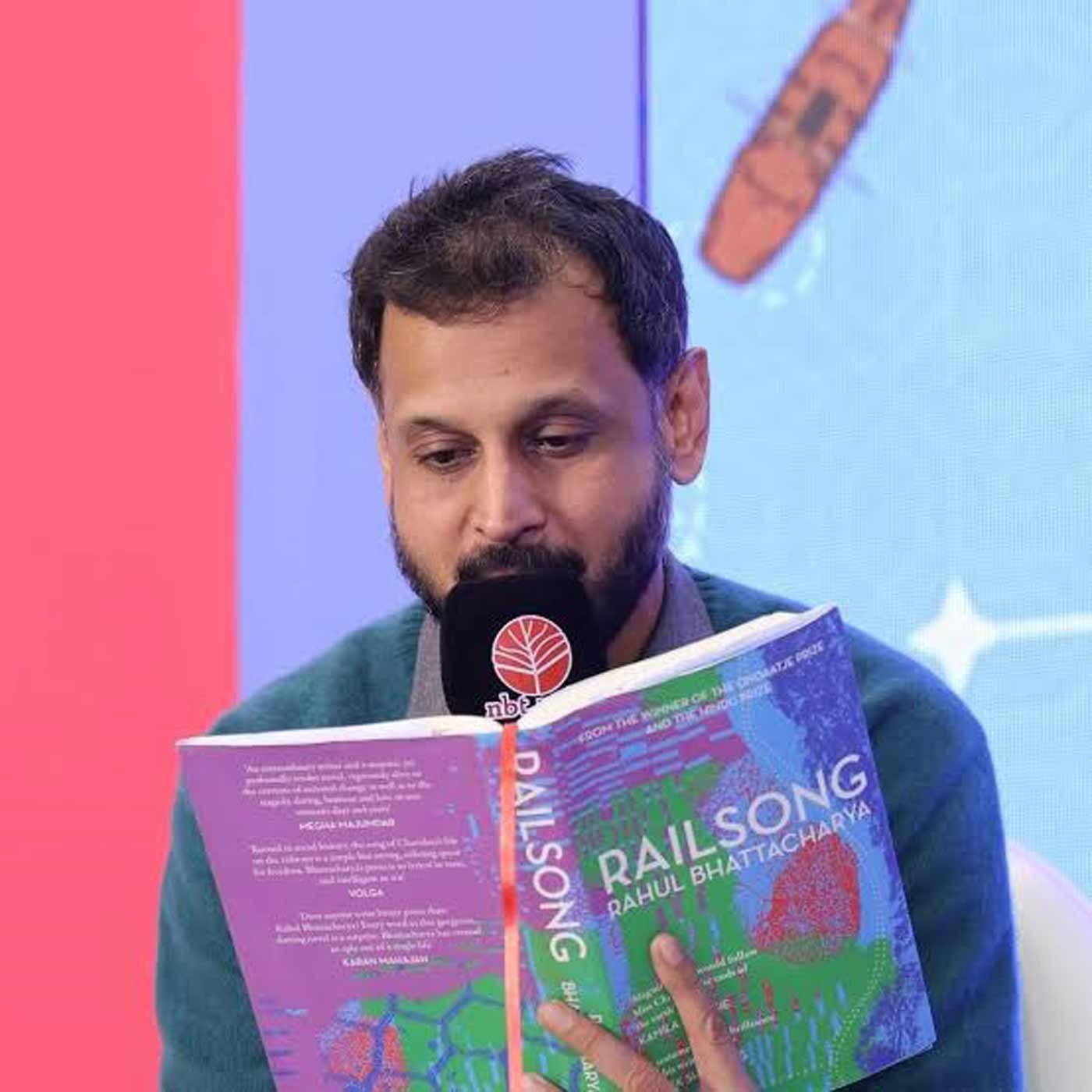
The railway setting is not incidental.
Indian literature has long returned to trains as symbols of transition and memory.
From Train to Pakistan to The Great Indian Railway Stories, railways have often represented journeys larger than geography.
Early responses suggest Railsong continues that tradition while centring a female protagonist navigating work, independence and social change.
At a time when Indian fiction increasingly turns towards intimate stories, Railsong appears to embrace scale.
It is a railway novel, a social novel and perhaps most importantly a story about movement itself.
From The Book
Bloomsbury’s published description offers an early glimpse into Charu’s world.
“In a newly independent India charged with national vigour, Charu, the motherless daughter of a railway worker, pines for freedom from the shackles of her impoverishment and meagre prospects.”
The passage establishes both the emotional tone and historical setting of the novel.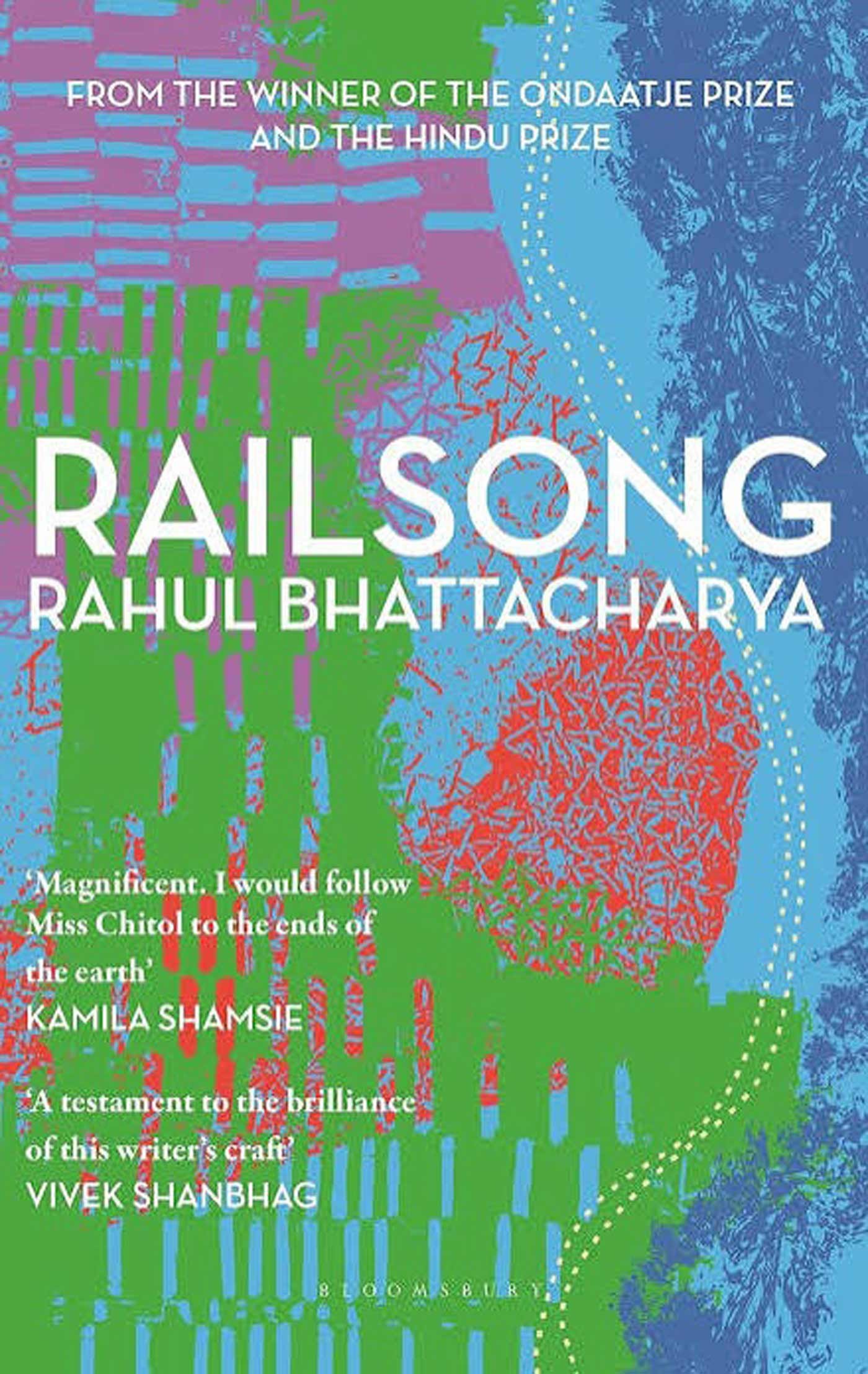
Book Details
Railsong
Author: Rahul Bhattacharya
Publisher: Bloomsbury India
Price: Hardcover ₹799