

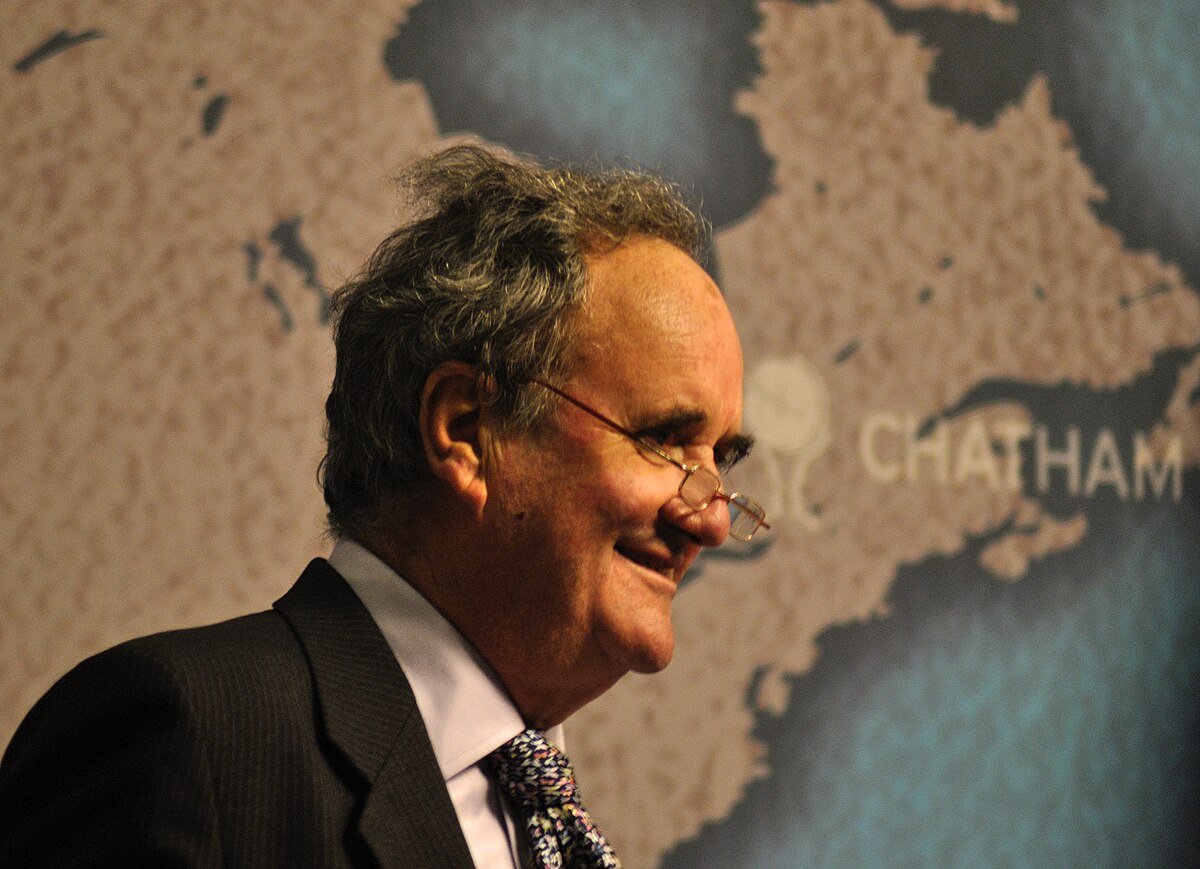
Legendary BBC journalist Sir Mark Tully, India’s unflinching chronicler, passes at 90, leaving a legacy of truth, empathy, and unmatched insight.
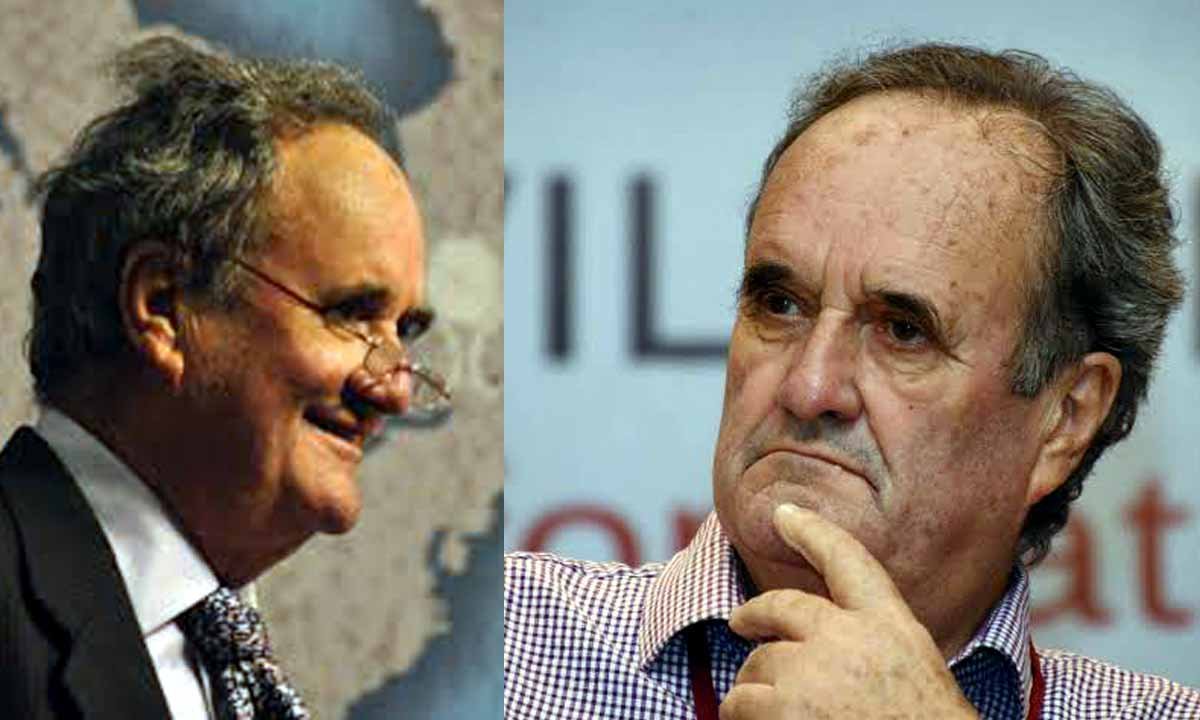
Sir Mark Tully at his cherished Nizamuddin East home in New Delhi, embodying decades of quiet wisdom and cultural immersion.
“No one who has lived in India can fail to be moved by the beauty and tragedy of this extraordinary country.” With these words from his seminal book No Full Stops in India (1991), Sir Mark Tully captured the essence of a nation he called home for over three decades. The Anglo-Indian knight, born in Calcutta in 1935, embodied the bridge between East and West, his voice a steady anchor amid India’s turbulent post-independence era. From his base in Delhi, Tully reported for the BBC with a rare blend of rigor and reverence, shunning sensationalism for stories that peeled back the layers of India’s complexities.
Young BBC correspondent Mark Tully in 1971 Bangladesh, capturing the war’s human toll with raw, on-the-ground grit.
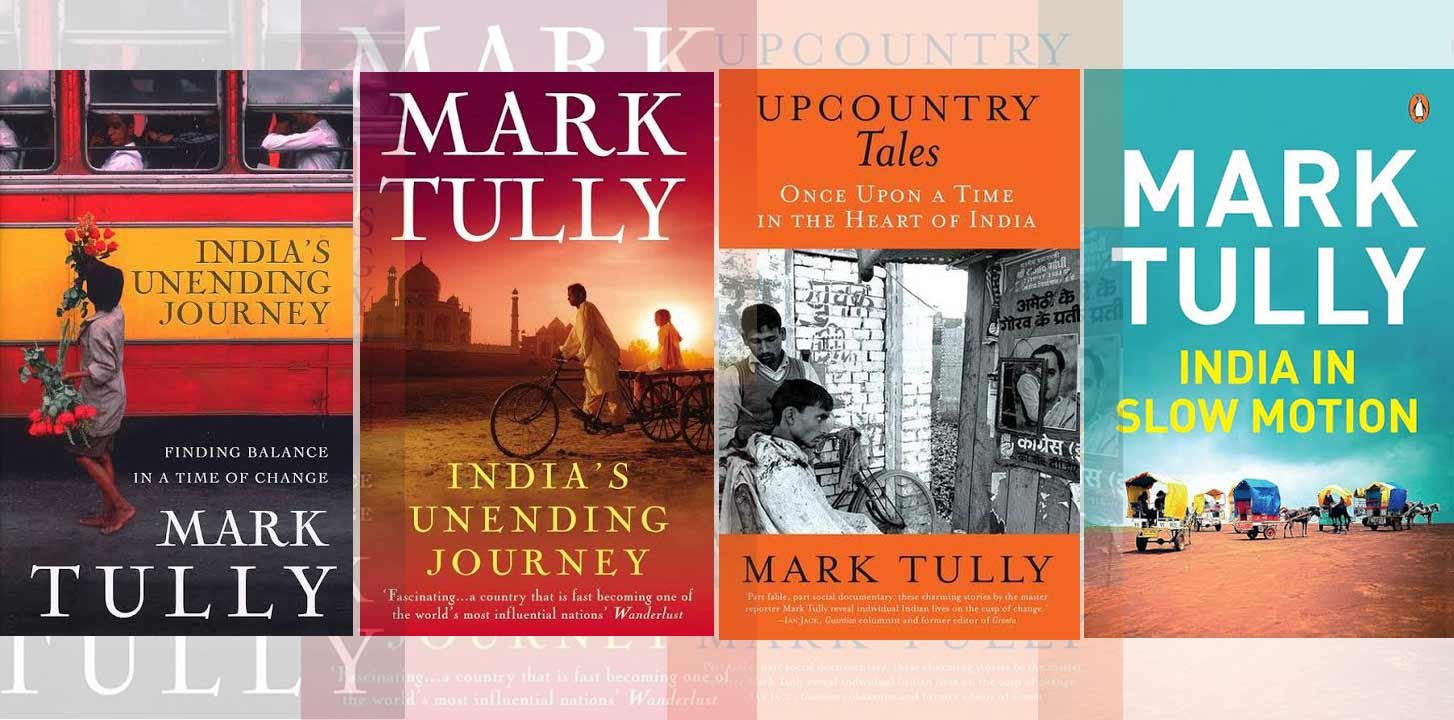
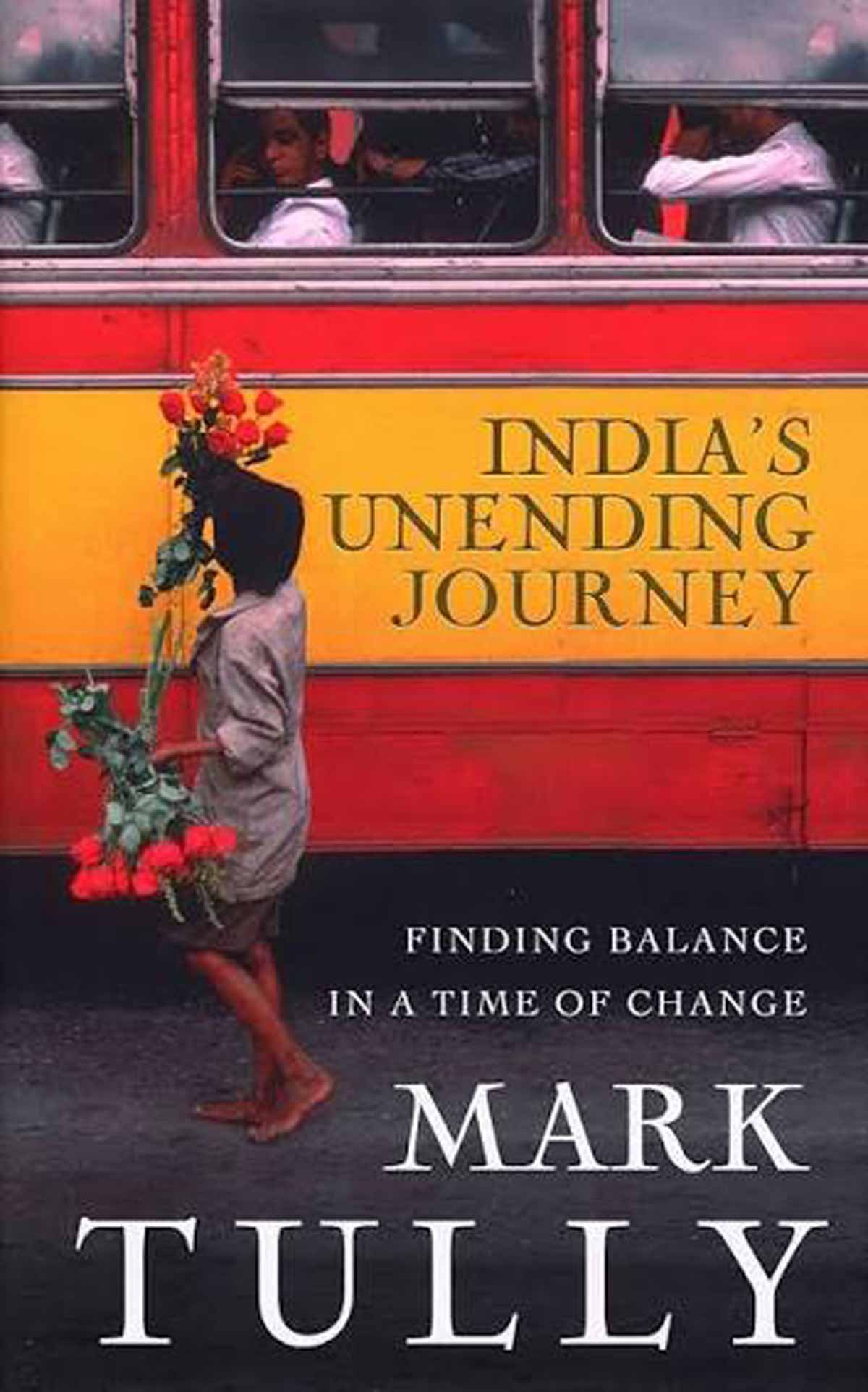
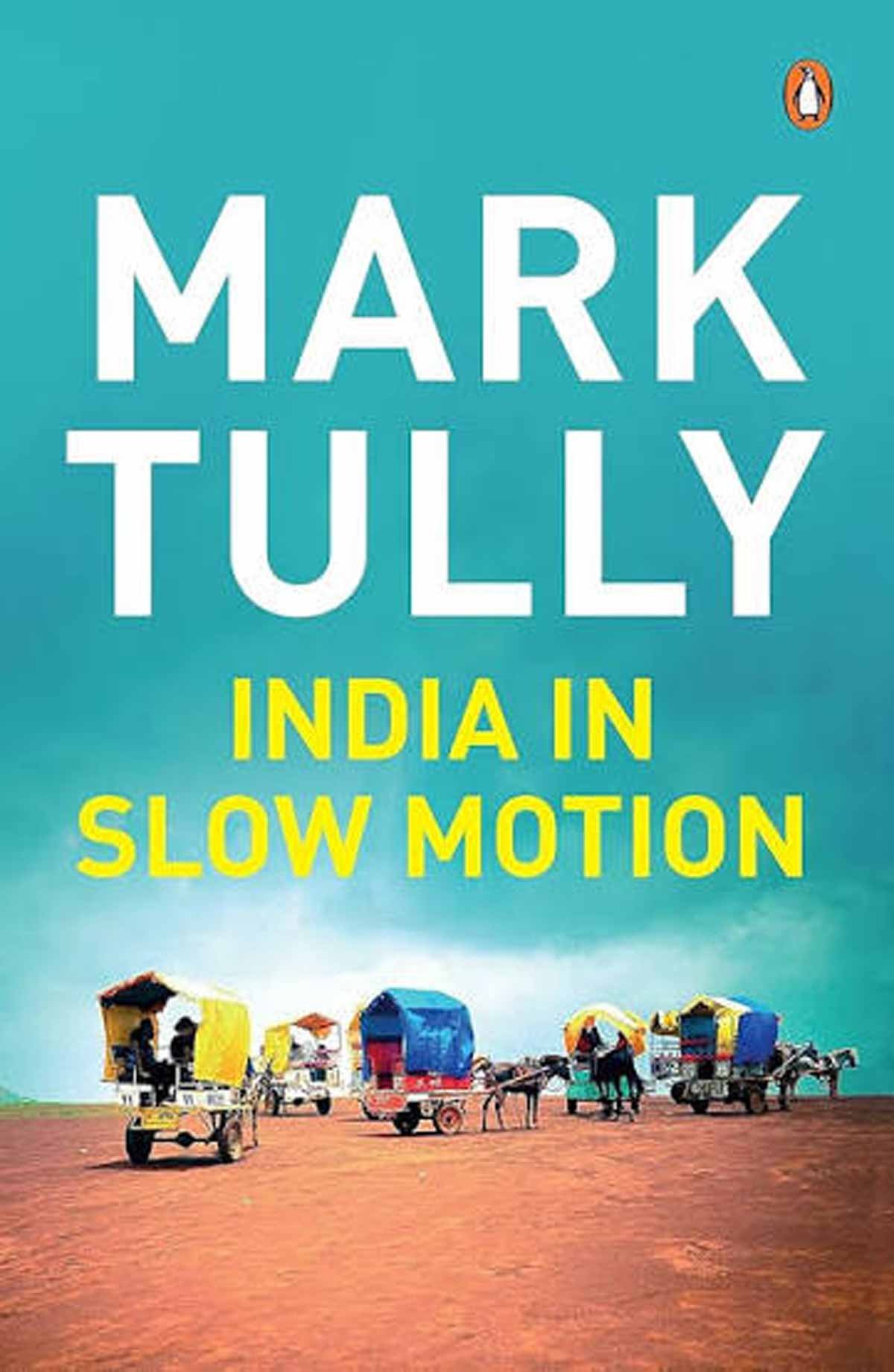
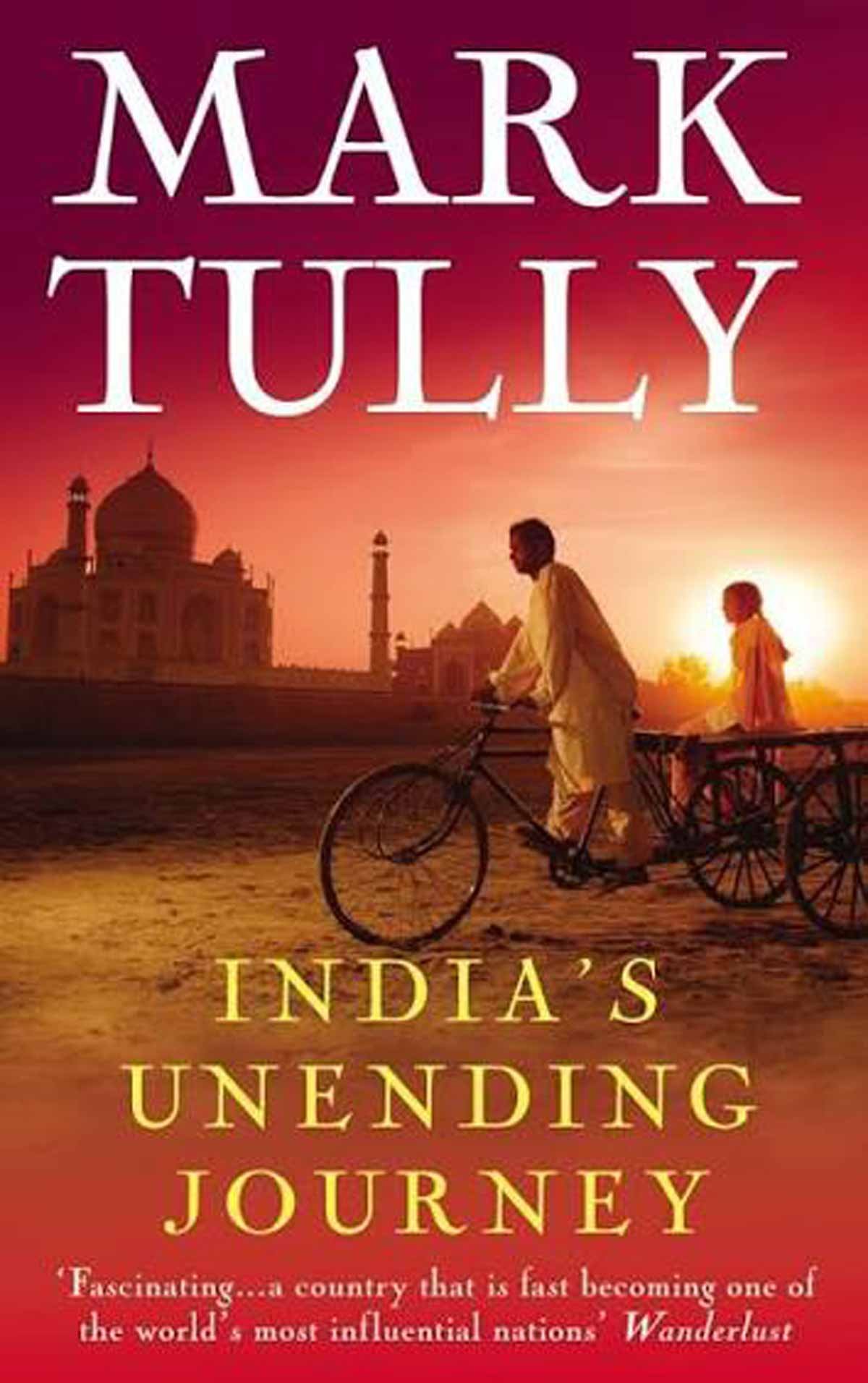
Tully’s oeuvre as an author redefined India for global audiences, blending sharp journalism with literary finesse. His books: India’s Unending Journey (2007), Non-Stop India(2011), and India in Slow Motion (co-authored with Gillian Wright, 2005), dissected democracy’s frailties, rural resilience, and urban frenzy with unflagging optimism. Over nine works, he illuminated the lives of ordinary Indians, from Punjab’s farmers to Mumbai’s underclass, earning accolades like the Padma Shri (2002) and knighthood (2002). His prose, crisp yet compassionate, influenced a generation of writers, proving that true reporting transcends borders.
Tully in traditional kurta amid India’s rural heartlands, voicing the aspirations of ordinary lives he championed.
His lifetime contributions extended far beyond the airwaves, shaping India’s narrative on the world stage. As BBC India correspondent from 1964 to 1994, Tully covered the Emergency, the Bhopal disaster, and the rise of liberalization with impartiality that won him trust across divides. Post-retirement, he championed rural voices through ventures like the Tully Center for Investigative Journalism and his radio show Something Understood. In Hyderabad’s vibrant media circles, his shadow loomed large, inspiring freelancers and reporters to prioritize depth over deadlines, much like the cultural chroniclers of our own Deccan heritage.
Mark Tully receiving his birth certificate in Kolkata, a poignant nod to his Calcutta roots and lifelong India bond.
Tully’s empathy for India’s spiritual undercurrents—from Sufi shrines to Himalayan ashrams, infused his work with a poetic humanism rare in broadcast journalism. He critiqued Western arrogance while celebrating indigenous wisdom, fostering dialogues that bridged colonial scars. His final book, The Heart of India (2024), reflected on faith’s role in national unity, a fitting capstone to a career that humanized 1.4 billion lives.
Sir Mark Tully at a Delhi lecture, his distinctive voice echoing insights from books like No Full Stops in India.
In Tully’s spirit, let us chase truth with quiet courage. India’s story endures, urging every voice to speak boldly and listen deeply.