
Tharun Bhascker on the remake, Om Shanti Shanti Shantihi: Every Choice Was Made With Care
By Kausalya Rachavelpula
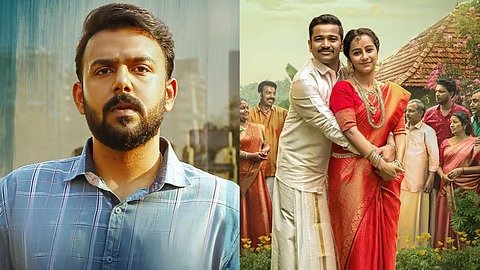
Filmmaker Tharun Bhascker, known to make sensible and comedy movies like Pelli Choopulu, Ee Nagaraniki Emindi, has said that every creative decision in his latest film, Om Shanti Shanti Shantihi, was made with careful consideration and sensitivity, even though the ending has been altered from the original Malayalam film Jaya Jaya Jaya Jaya Hey.
The original film, Jaya Jaya Jaya Jaya Hey, starred Darshana Rajendran and Basil Joseph and received widespread acclaim for its strong feminist undertones. The film stood out for the way it addressed domestic violence, taking an unconventional narrative approach that balanced social commentary with humour and emotional depth. Audiences and critics alike praised it for presenting a woman’s perspective with clarity and courage, while still remaining accessible.
Om Shanti Shanti Shantihi is a remake of the Malayalam hit, with Tharun Bhascker stepping in not only as a writer and director but also as an actor. Speaking about the adaptation, Tharun Bhascker acknowledged the legacy of the original while emphasising that the remake was never intended to be a scene-by-scene recreation.
According to him, every choice made for Om Shanti Shanti Shantihi was “carefully written with all sensibilities in mind”. He added that while the core themes remain intact, certain narrative changes, particularly the ending, were necessary to suit the cultural context and the emotional rhythm of the new version. “An ending works not just because it is powerful, but because it feels honest to the world the film has created,” he reportedly said.
The decision to alter the climax has already sparked conversations among fans of the original, many of whom hold Jaya Jaya Jaya Jaya Hey in high regard for its bold feminist stance. However, Bhascker has maintained that the essence of the story, addressing gender dynamics and domestic abuse, has been handled with the same responsibility and intent.
As a filmmaker known for blending realism with humour and social insight, Tharun Bhascker’s involvement in the remake has raised expectations. By placing himself within the narrative as an actor, he also takes on a more personal stake in how the story is received.
With Om Shanti Shanti Shantihi, Bhascker appears keen to honour the spirit of the original while offering a version that speaks directly to a new audience, proving that remakes, when handled thoughtfully, can stand on their own terms.