

Why Do Male Protagonists Get Involved in the Scripts of Female-Directed Films
Cinema is often celebrated as a collaborative art form, but collaboration becomes complicated when questions of power and authorship enter the conversation. A recurring and uncomfortable question has emerged in recent debates: if a male actor is dissatisfied with a script, why does he choose to reshape it instead of rejecting the project and moving on? And is this tendency more visible in female-directed films—where male protagonists may feel empowered to intervene, explain, or even patronise?
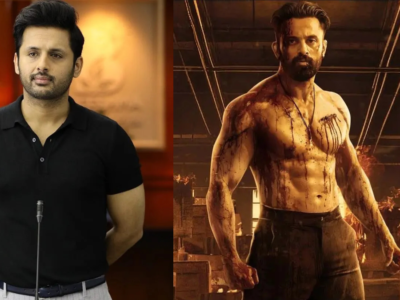
This question has gained urgency with recent female-directed films where male leads have played an active role in shaping the script. Two prominent examples are Telusu Kada, directed by Neeraja Kona, and Toxic, directed by Geethu Mohandas. In both cases, women helm the projects, yet the male protagonists’ involvement in scripting has raised concerns about whose voice ultimately shaped the narrative.
Geethu Mohandas, speaking to Screen, described her collaboration with Yash on Toxic as a creative partnership. “It is both a privilege and a thrill to have co-written this world alongside a mind that sees the extraordinary where others see the ordinary,” she said, framing the process as a meeting of artistic vision and commercial storytelling. However, this collaboration has also drawn scrutiny. Journalist Urmimala Banerjee questioned whether Toxic risks blurring the line between teamwork and power imbalance, asking if the project edges towards ghost-directing when a male star with immense commercial capital becomes deeply involved in the script.
A similar dynamic played out with Telusu Kada. Director Neeraja Kona stated that when Siddhu Jonnalagadda stepped in, the film became “an edgier romance.” Both Kona and Jonnalagadda said multiple times before the film’s release that the actor was involved in altering the script, with Jonnalagadda noting that the original version had a softer tone. After release, Telusu Kada received overwhelming negative reviews, particularly for its misogynistic undertones. Critics pointed out that the narrative consistently centred the male protagonist’s worldview, reducing female characters to functional devices. The backlash was striking precisely because this was a female-directed film, expected by many to offer a more balanced gender perspective.
The mixed response to Toxic’s teaser has revived similar anxieties. While some viewers praised its ambition and stylised visuals, others criticised it for being excessively loud and carrying traces of misogyny. Even at the teaser stage, the film has prompted questions about whether it will interrogate toxic masculinity or aestheticise it.
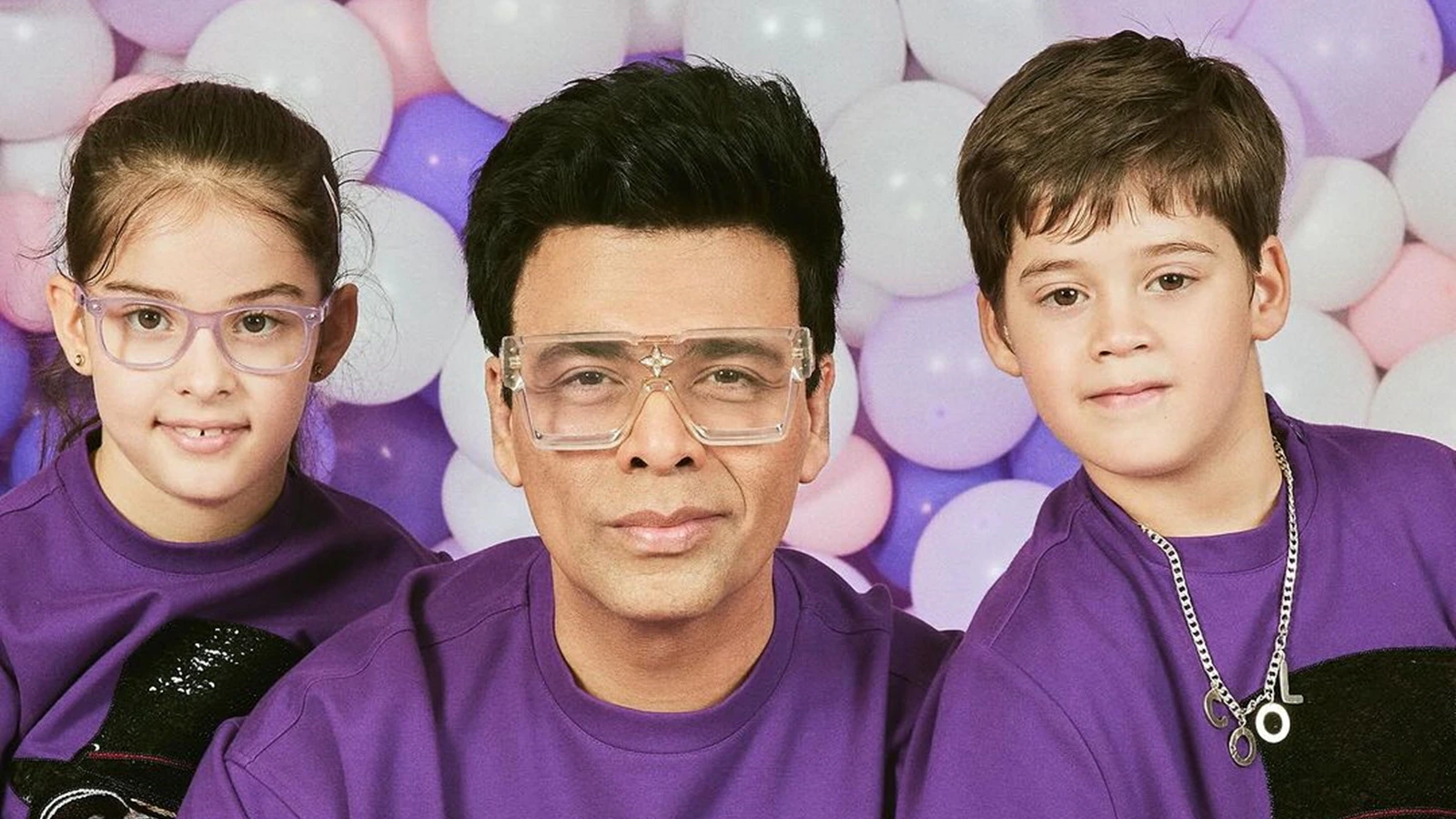
Industry voices suggest that these cases reflect deeper structural issues. Filmmaker Karan Johar has acknowledged that Indian cinema needs to “get its gender politics right,” noting that male-star-driven narratives no longer guarantee success. Industry analyses published in The Times of India have further observed that stardom often limits a filmmaker’s creative liberty, as scripts are reshaped to align with a male actor’s established screen persona rather than the director’s original vision.
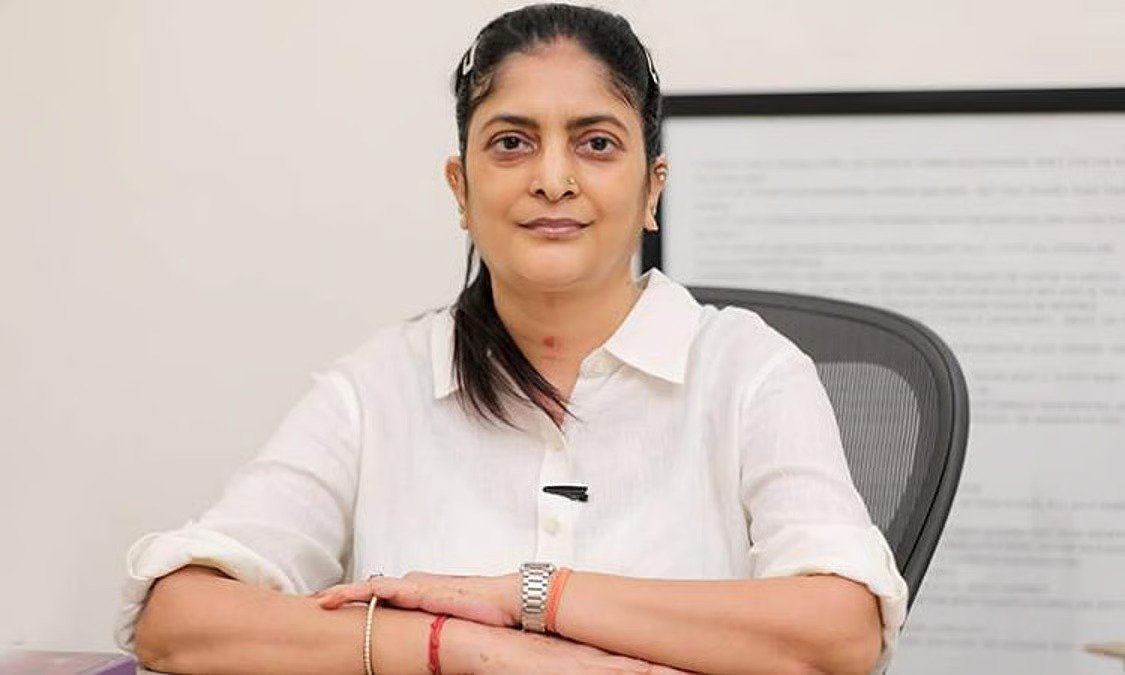
Sudha Kongara
Director Sudha Kongara has spoken about the need to dismantle gender hierarchies in cinema, stressing that collaboration should not erase a director’s authority. Her remarks highlight a crucial distinction between healthy creative exchange and uneven control.
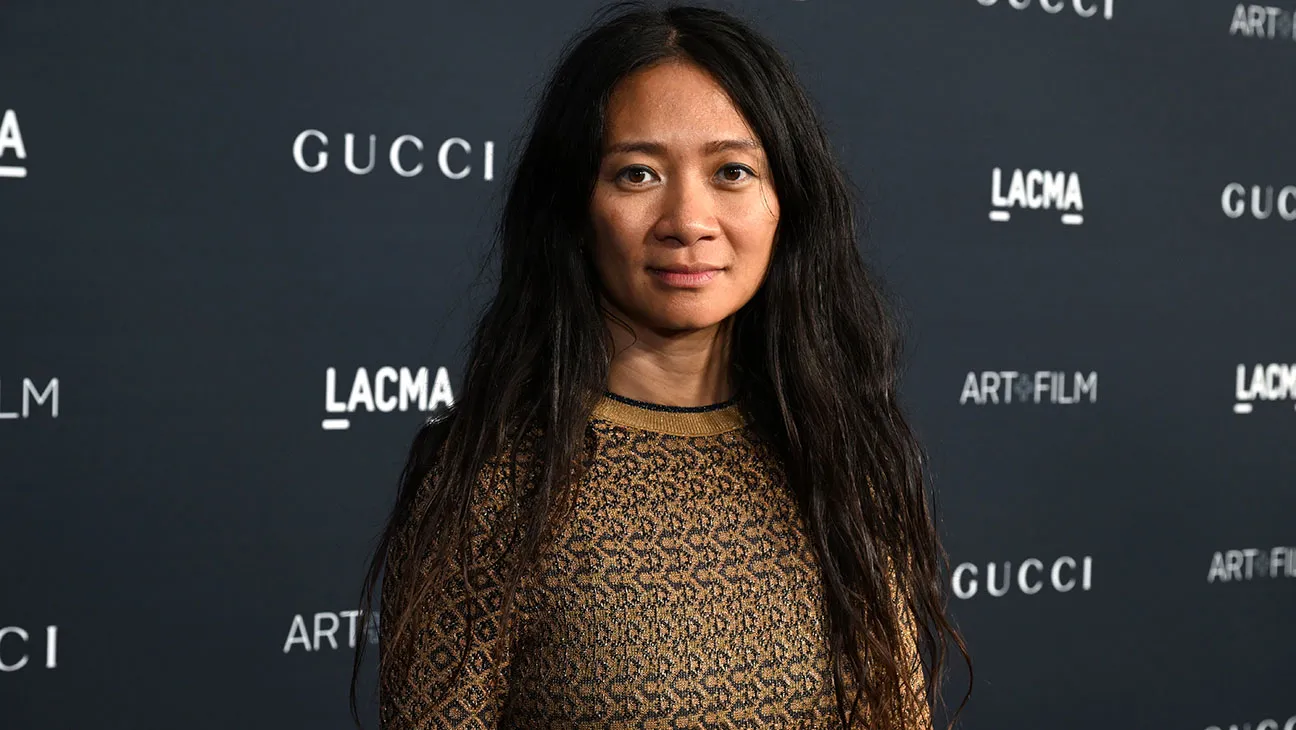
Chloé Zhao
International filmmakers and researchers echo these concerns. Oscar-winning director Chloé Zhao has argued that existing industry structures are often incompatible with what she calls a “feminine consciousness,” suggesting that even when women direct, dominant power frameworks can dilute their vision. Supporting this, a study from the University of Washington found that male characters are consistently given greater agency and narrative power in film scripts, regardless of who writes or directs them—revealing how deeply embedded gender bias is within storytelling itself.
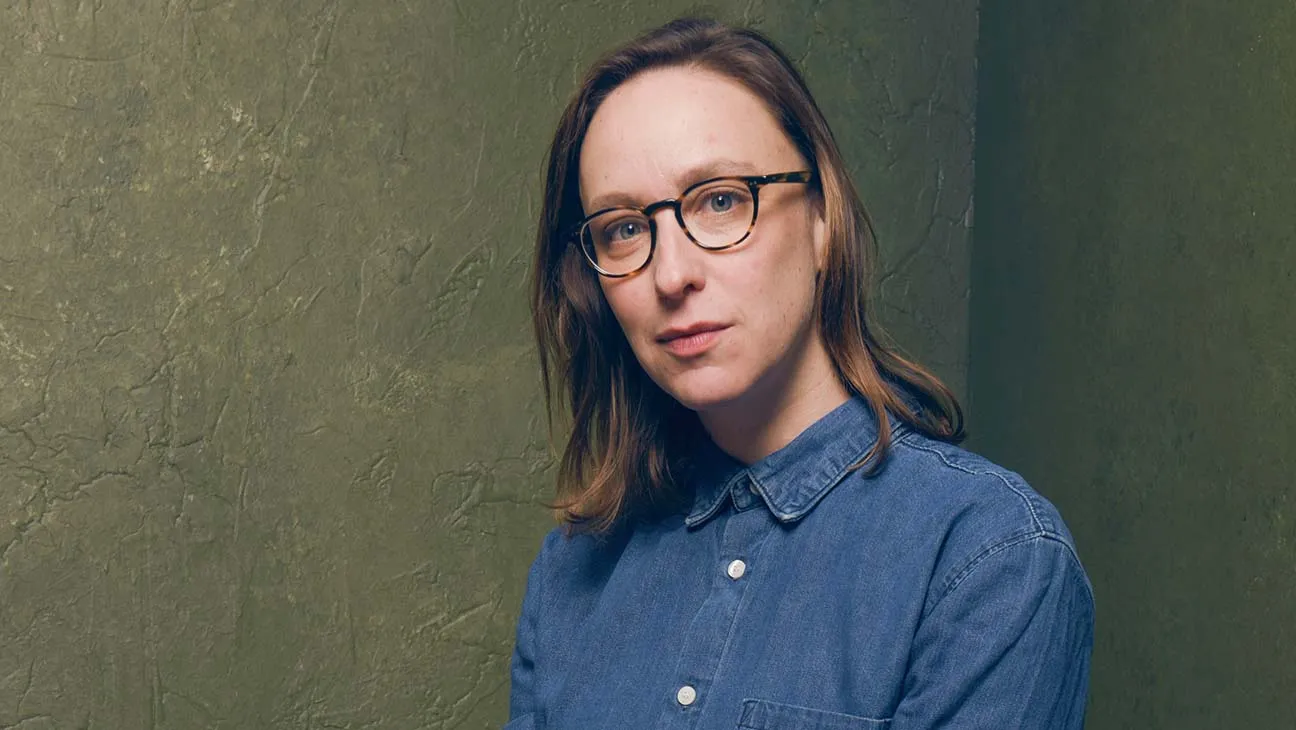
Céline Sciamma
French filmmaker Céline Sciamma has long critiqued cinema’s reliance on the male gaze, arguing that it persists beyond the gender of the filmmaker and continues to shape how stories are told and whose perspectives dominate. Actor Ishaan Khatter, reflecting on working with female directors, has also spoken about how traditional ideas of masculinity influence performance and narrative expectations—acknowledging that men are often conditioned to assert authority rather than unlearn it.
Taken together, these perspectives suggest that male protagonists’ involvement in scripts is not merely about collaboration, but about power—commercial, cultural, and narrative. In female-directed films, this imbalance becomes more visible and more contentious.
This is not an argument against collaboration, nor an indictment of women directors. It is a call to interrogate how authorship functions in practice. Representation behind the camera means little if narrative control is repeatedly ceded elsewhere.

Telusu Kada
The debates around Telusu Kada and Toxic underline a pressing need for accountability. As cinema evolves, the industry must ask harder questions about why male protagonists feel entitled to intervene in scripts—and whether female-directed films are truly being afforded the creative autonomy they deserve.