
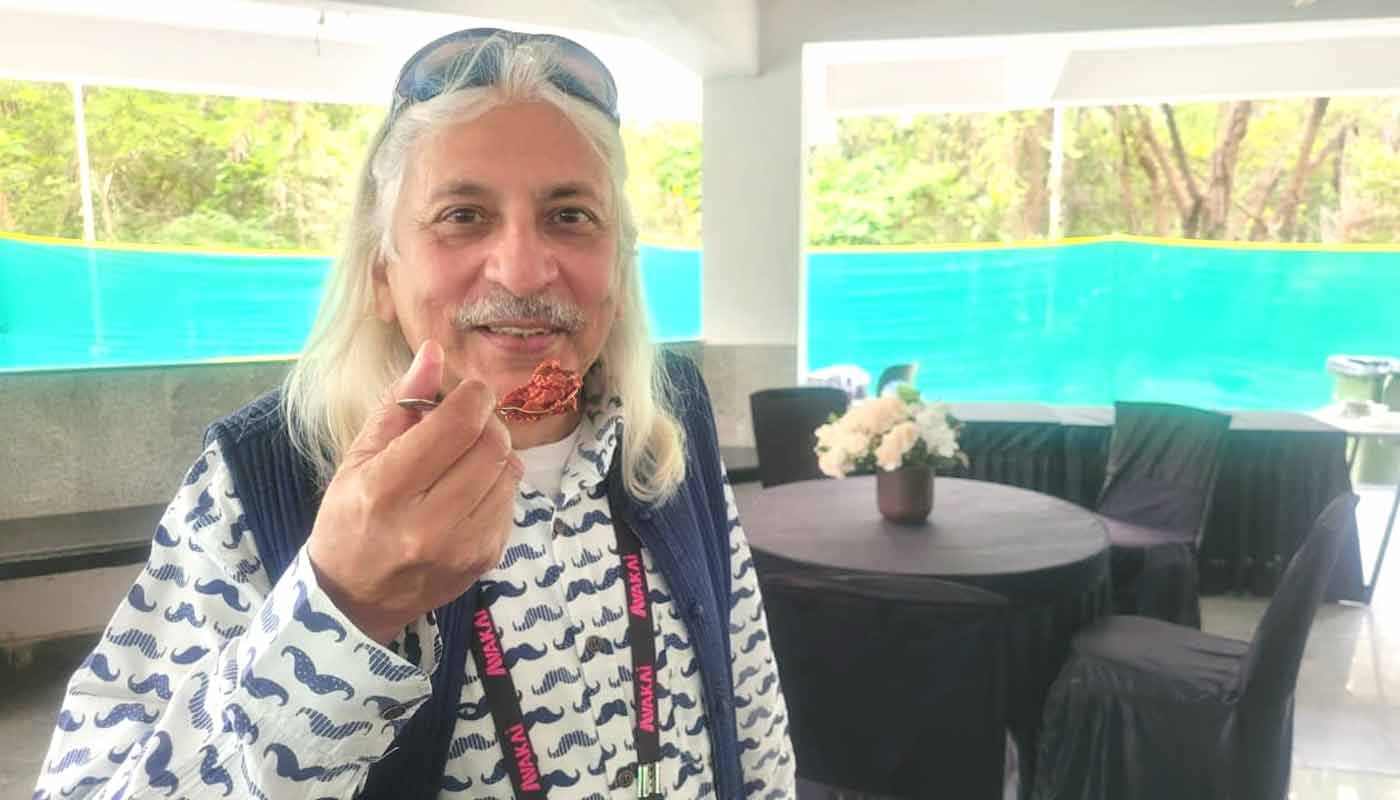
Sanjoy K Roy on Building Cultural Ecosystems, One Festival at a Time
As Jaipur Literature Festival 2026 begins, Sanjoy K Roy—Co-Founder of JLF and Managing Director of Teamwork Arts—reflects on culture, cities and the power of ideas. Fresh from the debut edition of the Avakai Amaravati Festival in Vijayawada, he speaks about building new cultural platforms, transforming public spaces through festivals, and why openness and inclusivity remain central to meaningful dialogue.
By Rajeshwari Kalyanam
For over three decades, Sanjoy K Roy has quietly but decisively reshaped India’s cultural landscape. As Managing Director of Teamwork Arts, he has been at the helm of an organisation that today produces over thirty acclaimed performing arts, visual arts and literary festivals across nearly forty cities in India and around the world. At the heart of this extraordinary journey lies the Jaipur Literature Festival, now widely recognised as the world’s largest free literary gathering—an event that has not only put Jaipur on the global cultural map but has inspired more than 200 literature festivals worldwide.
In early 2026, Roy added another significant milestone to this journey with the conceptualisation and organisation of the Avakai Amaravati Festival of Cinema, Literature and Culture in Vijayawada, held at the Bhavani Islands. Even as this new southern chapter unfolds, he is already gearing up for the next edition of the Jaipur Literature Festival in Jaipur—an annual ritual that continues to redefine democratic access to ideas.
From Theatre Roots to Teamwork Arts
Roy’s journey into the arts began long before festivals became his calling card. Deeply immersed in theatre in his early years, he was part of TAG (Theatre Action Group) alongside stalwarts like Barry John, eventually becoming its executive head. Theatre, however, was not considered a “job” in the conventional sense. As Roy often recounts with humour, even his future father-in-law struggled to understand how theatre could support a family.
The turning point came in the late 1980s, when Indian television was just opening up. With no established pool of television professionals, people from the arts were suddenly in demand. Sanjpy K Roy joined forces with filmmaker Bobby Bedi, and in 1989, Teamwork Arts was born as a production company. By the mid-1990s, Teamwork was producing 14 to 15 daily and weekly television shows—soap operas, game shows, food shows and news programmes—running relentlessly, day after day.
But success came at a cost. The punishing pace of television left the team creatively exhausted. In 1995–96, Roy made a radical decision: Teamwork would exit television and return to the arts. The move nearly bankrupted the company, compounded by broadcasters who refused to pay dues. Yet, in hindsight, this was the crucible that forged Teamwork Arts’ enduring philosophy.
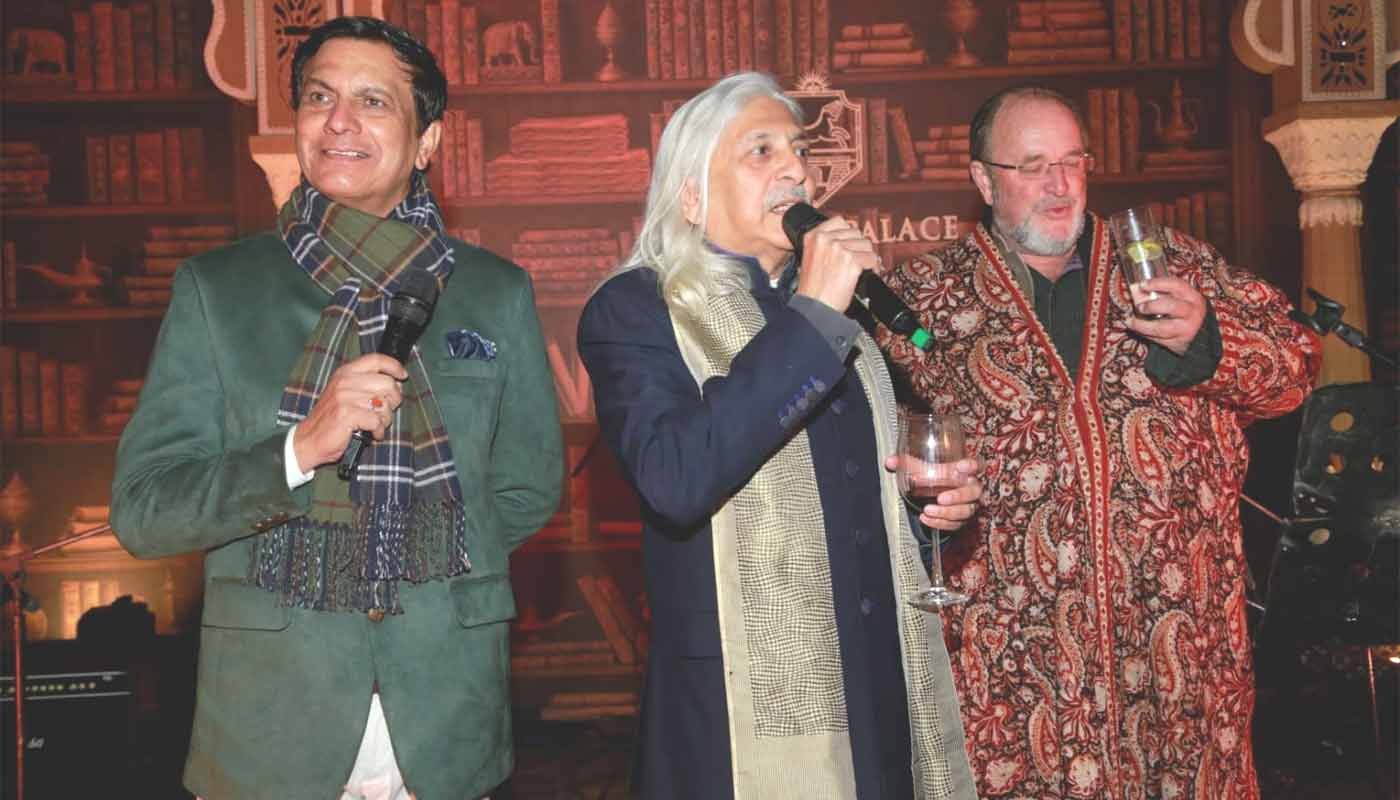
Reclaiming the Arts and Taking India to the World
The return to the arts began with platforms like Friends of Music, which nurtured independent bands and musicians long before the indie scene became fashionable. Theatre, dance and new writing followed, with commissions for contemporary voices and collaborations with leading practitioners.
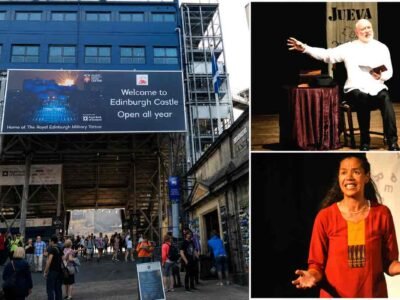
Roy’s extensive international travel revealed another gap: despite India’s rich artistic traditions, its work was rarely visible on mainstream global stages. Determined to change this, Teamwork Arts took Indian productions to the Edinburgh Festival Fringe—one of the world’s largest arts festivals. That single stamp of credibility opened doors across continents.
Soon after, Teamwork set up its first international office in Singapore, playing a role in the city-state’s push to build a creative economy. Roy’s insistence on artistic freedom—even refusing funding unless censorship was off the table—became a defining stance. It is a principle he continues to uphold: creativity cannot flourish under control; it needs trust, policy support and infrastructure, not interference.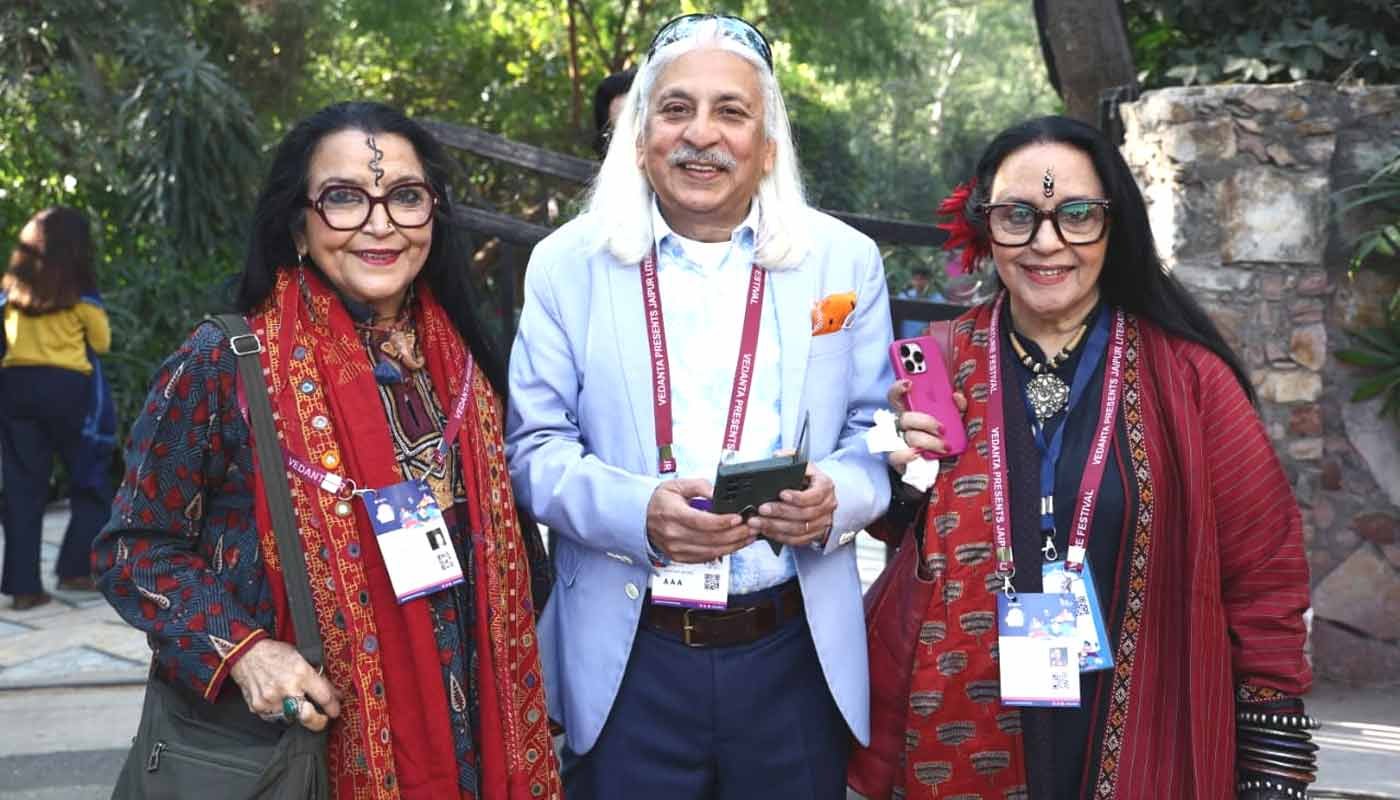
The Accidental Birth of the Jaipur Literature Festival
The Jaipur Literature Festival, now Teamwork Arts’ most celebrated intellectual property, was never planned as a global phenomenon. Its origins lie in a modest heritage initiative aimed at preserving Jaipur’s historic buildings by activating them with cultural programming. When the larger heritage festival faltered, Roy and his team stepped in to rescue the small literature component.
What followed was organic growth driven by four core ideas: creating value for built heritage through the arts; democratic access without exclusivity; inclusivity of languages, ideas and political viewpoints; and providing informed spaces for young people to engage with the world.
From those early days at Diggi Palace, the festival grew steadily—without rigid long-term plans—into a global cultural force. Today, more than 230 festivals across the world formally acknowledge being inspired by the Jaipur Literature Festival.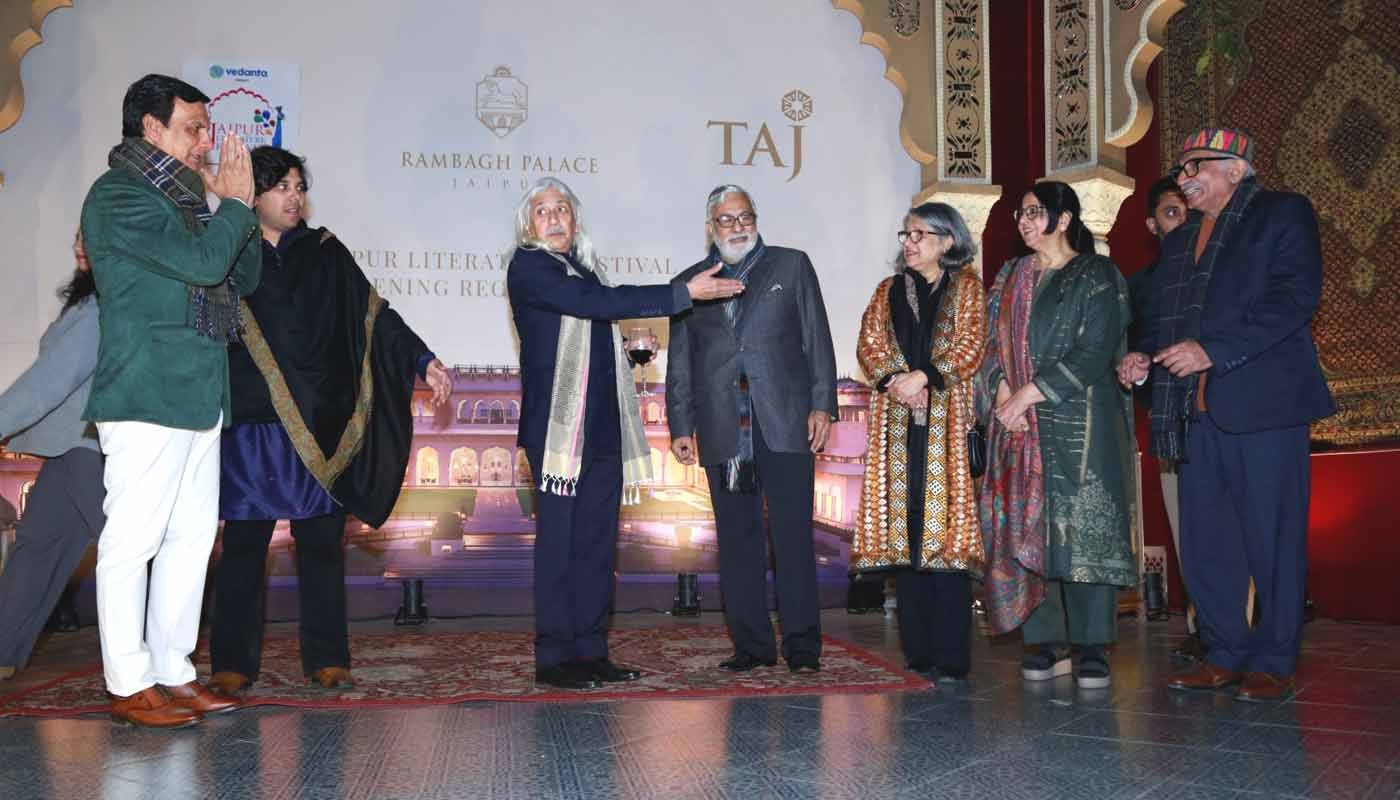
Avakai Amaravati: A Southern Turn
Despite Teamwork Arts’ vast footprint, Roy’s entry into Andhra Pradesh came relatively late. The Avakai Amaravati Festival of Cinema, Literature and Culture in Vijayawada marks his first major foray into the region and was, by his own admission, almost accidental.
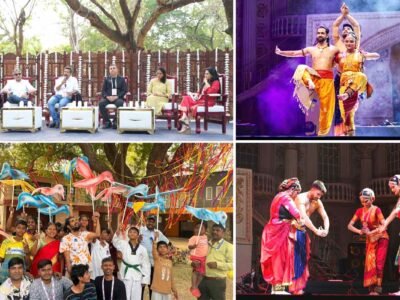
When discussions began about doing something in the South, several locations were explored, including Pondicherry and Madurai. Vijayawada emerged through a convergence of curiosity, opportunity and vision. The name Avakai encapsulates Roy’s approach: instantly recognisable, layered, collaborative and rooted in local culture. Like the pickle it is named after, the festival brings together cinema, literature, theatre, martial arts, puppetry and tribal traditions into a shared cultural experience.
Held at Bhavani Islands, the festival reflected Roy’s focus on cleanliness, sustainability and efficient design. Working closely with the Andhra Pradesh government, while retaining complete independence over programming, Teamwork Arts helped reimagine the riverfront as a public cultural space. For Roy, Avakai is not a one-off experiment; once a festival begins, he believes, it is forever.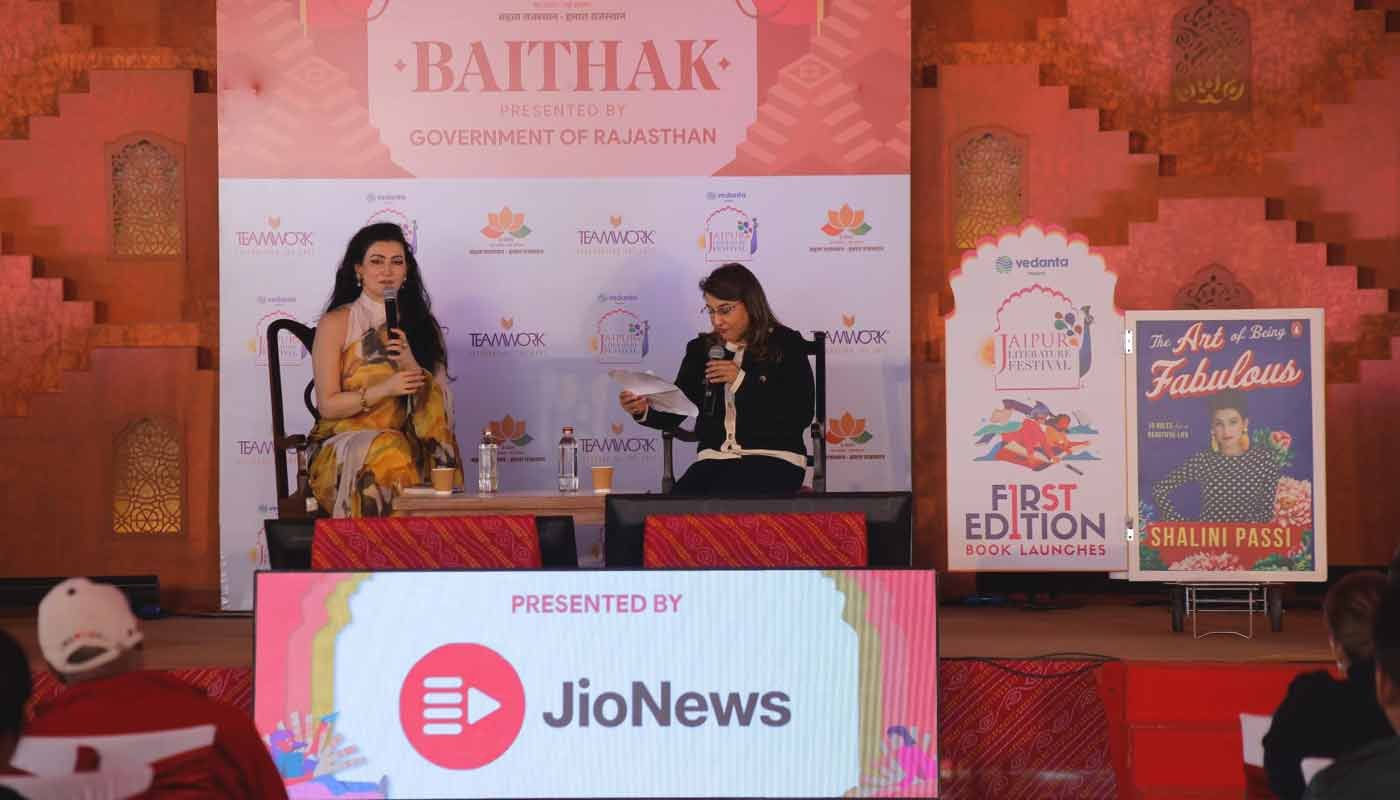
A Festival Philosophy, Not an Event Factory
Today, Teamwork Arts operates across multiple verticals, including the Jaipur Literature Festival series, international India-focused festivals, sacred festivals centred on mind, body and soul, heritage festivals and children’s festivals such as the Ishara International Puppet Festival.
With over 30 festivals in 40 cities and a permanent team of more than 110 people—expanding to thousands during flagship events like JLF—Teamwork Arts functions as a cultural ecosystem rather than a conventional company. Roy resists ownership over formats or ideas. For him, success lies in setting examples others can adapt, not in monopolising cultural space.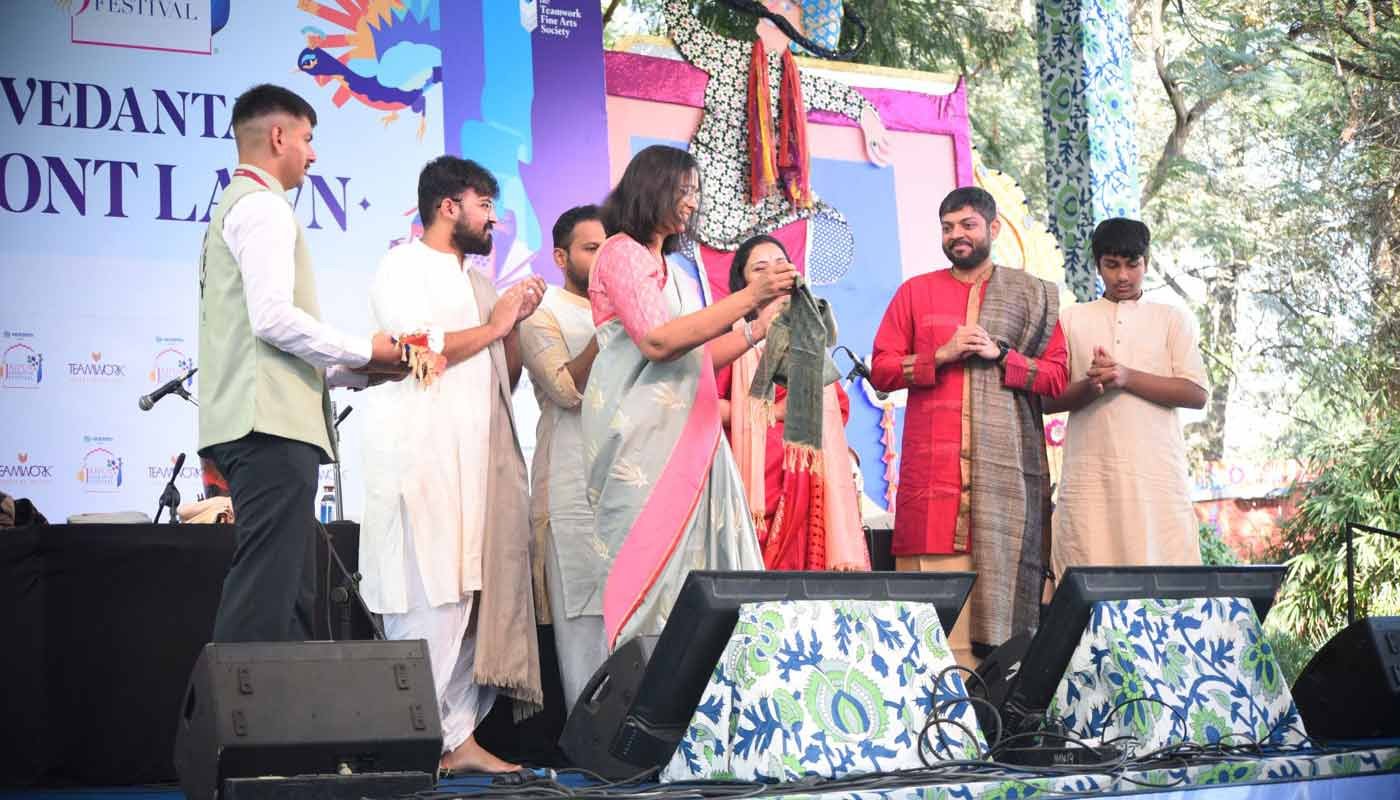
Looking Ahead
As the Jaipur Literature Festival approaches its landmark 20th edition, Roy remains focused on substance over spectacle. Writers, thinkers, economists and public figures gather not for status, he insists, but because they have something meaningful to say. Themes emerge organically from the times—economics, geopolitics, marginalised voices, and evolving cultural concerns.
From theatre rehearsals and television studios to global festivals and riverfront transformations, Sanjoy K Roy’s journey underscores a simple belief: creativity is not decoration, it is infrastructure. Whether in Jaipur or Vijayawada, Madrid or Varanasi, his work continues to argue that open, inclusive cultural spaces are essential to building thoughtful and innovative societies.
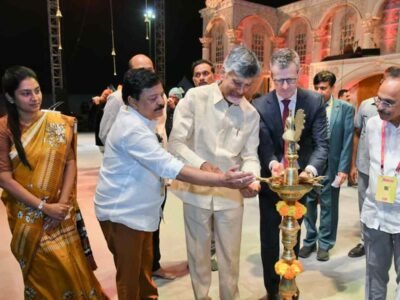
(Pictures from recently concluded Avakai Amaravati Festival & Opening Day of Jaipur Literature Festival 2026)