
Shiva Temples in Telangana come alive on Shivaratri – one of the major festivals in this part of the world. Many of them are centuries old temples, some celebrated still while others languish in neglect writes Rajeshwari Kalyanam
(with inputs from historian and archeologist Emani Shiva Nagireddy)
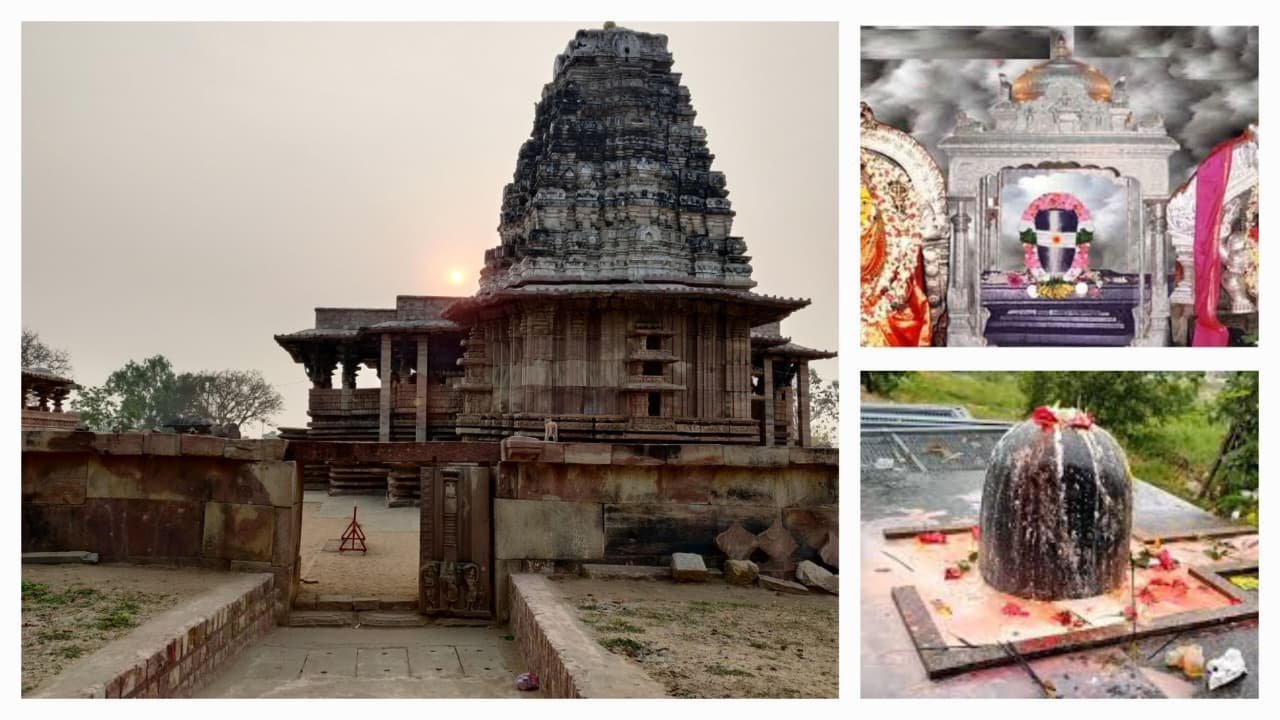
Telangana is home to 100s of Shiva temples that claim centuries old history. World Heritage Site Ramappa Temple, 1000 Pillar Temple in Hanumakonda and the Shvayambhu Temple at Fort Warangal, the Chaya Somesawaralayam of Nalgonda, the many Shivalingas that one can find in the Shiva temple at Kolanupaka, and even Keesaragutta are just a few of the many that this region can boast of. Some are brilliant architectural marvels, a few of them are flourishing still thanks to the local patronage and the Jataras, while hundreds languish in neglect.
Srisailam Mallana (now in Andhra), Vemulkawada Rajarajeswara Swamy, Kaleswaram Muktheswara Swamy temples and the Karimnagar Kotilingala, Yedu Payala Vana Durga Bhavani Temple, Komaravelli Mallanna, Alampur Navadurga continue to attract devotees – and these temples go back to centuries. They are testimony to the flourishing Shaivism in Telangana and even parts of Andhra Pradesh most of them built by the Kakatiyas and their vassal kings.
The region that is part of the Dakshina Pada with its Dravidian culture has always been majorly under the influence of Shaivism going back to 1000s of years. Shaivism was adapted by the Kakatiya rulers who thanks to their earlier Rashtrakuta and Kalyani Chalukya lineage followed Jainism initially. The shift to Shaivism was for political and social reasons believe historians.
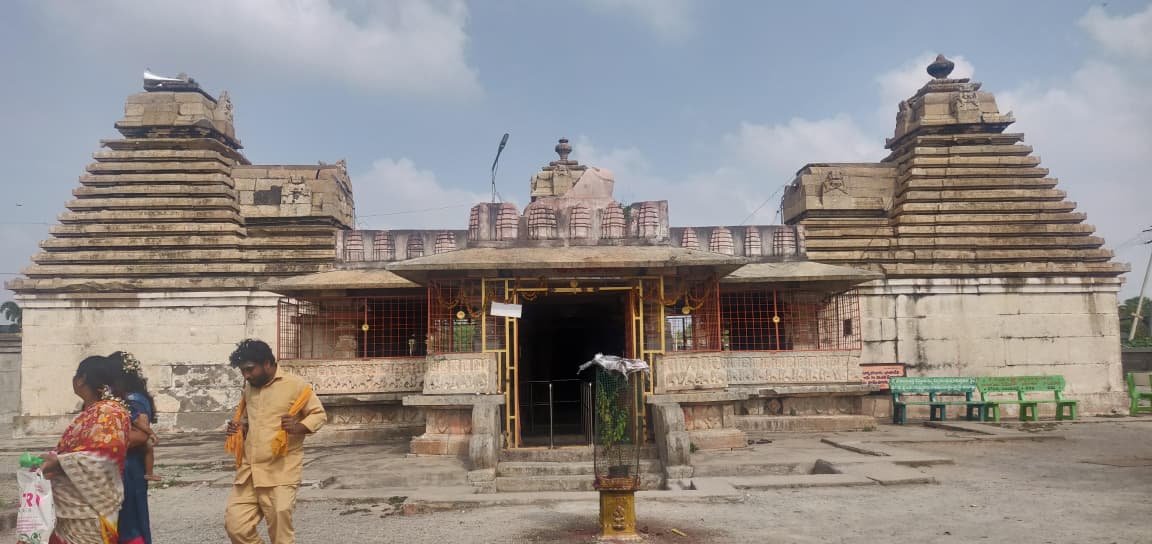
Chaya Someswaralayam, Panagal
Shiva has always been considered the God of the poor – and the hero of the folk lore. Even the tribals of the region prayed to Shiva in various forms. He was worshipped by people belonging to all communities not just Brahmins. There were the affluent and the working class, who followed Shaivism. In order to appease the majority Rudra Deva – during whose rule the Kakatiyas became independent of the Kalyani Chalukyas – began to build Shiva temples. He was initiated into Shaivism under the guidance of his spiritual Guru as was the tradition then.
One of the major temples that he built during his reign was the 1000 Pillar temple. Built in star shape, triple shrine model using sand box technique for the foundation – the temple was dedicated to Rudreshwara – a form of Shiva. Even though the Trikuta style was already existing, it was the Kaktiyas who made it famous. The Veyyi Sthabhala Gudi (1000 Pillar Temple) has the shrines dedicated to Vasudeva and Aditya – the Sun God in addition to the Shiva Linga. This Rudradeva did in order to appease the Vaishnavites who still made for the important section of society.
The Trikuta form of having three shrines facing each other with a central mandapa and the star shaped elevated corridor – the upa peetha would go on to become the main architectural features of the temples built by Kakatiyas. Many of the temples built by them also boast of intricate carvings and artistic design.
Take Ramappa temple for example. The sandbox technique, the floating bricks and the stunning Madanika sculptures brought in the World Heritage Tag to this beautiful temple.
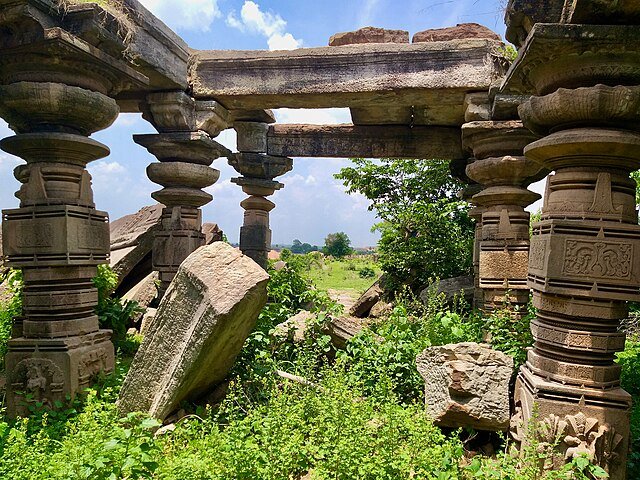
Ruins of Shiva Temple in Khammampally near Manthani
During the Kakatiya rule there was so many Shiva temples being built and many amongst them under the patronage of the various communities considered the Shudras. They needed the priests who were called in from the now Tamil Nadu region. These priest were the Nambis, the Jangams who also took Shaivism with them to other parts.
With advent of Ramanuja Charya in the 11th century Shaivism took a back seat. However, Shiva as the protector and God is continued to be worshipped with ardent fervour in Telangana and its many temples.
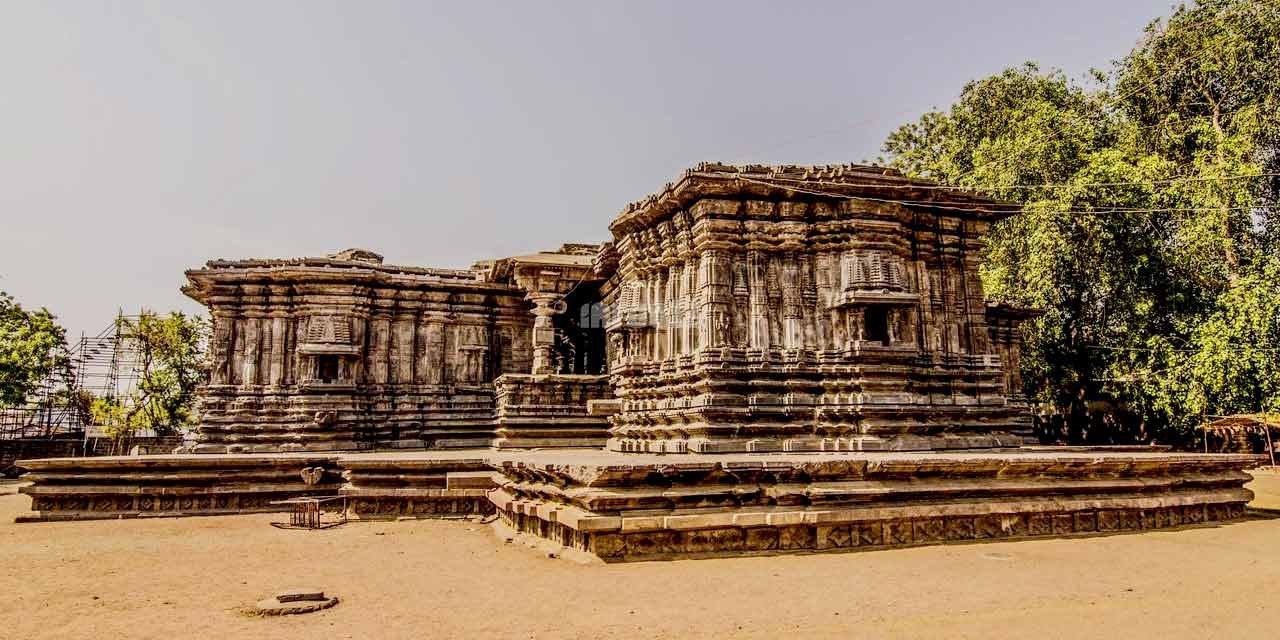
1000 Pillar Temple in Hanamkonda, Warangal
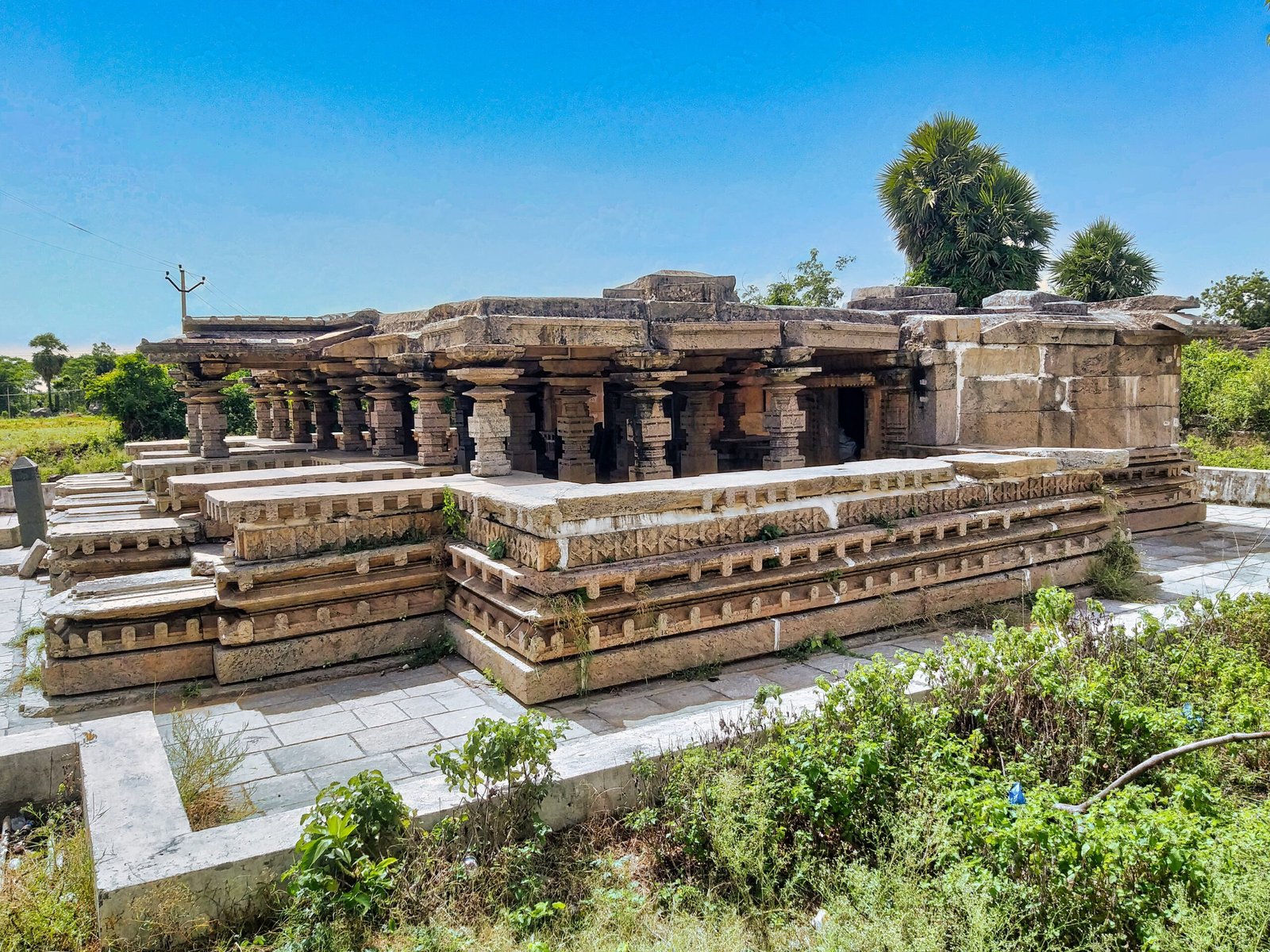
Mukteswaralayam, Kosumanchi
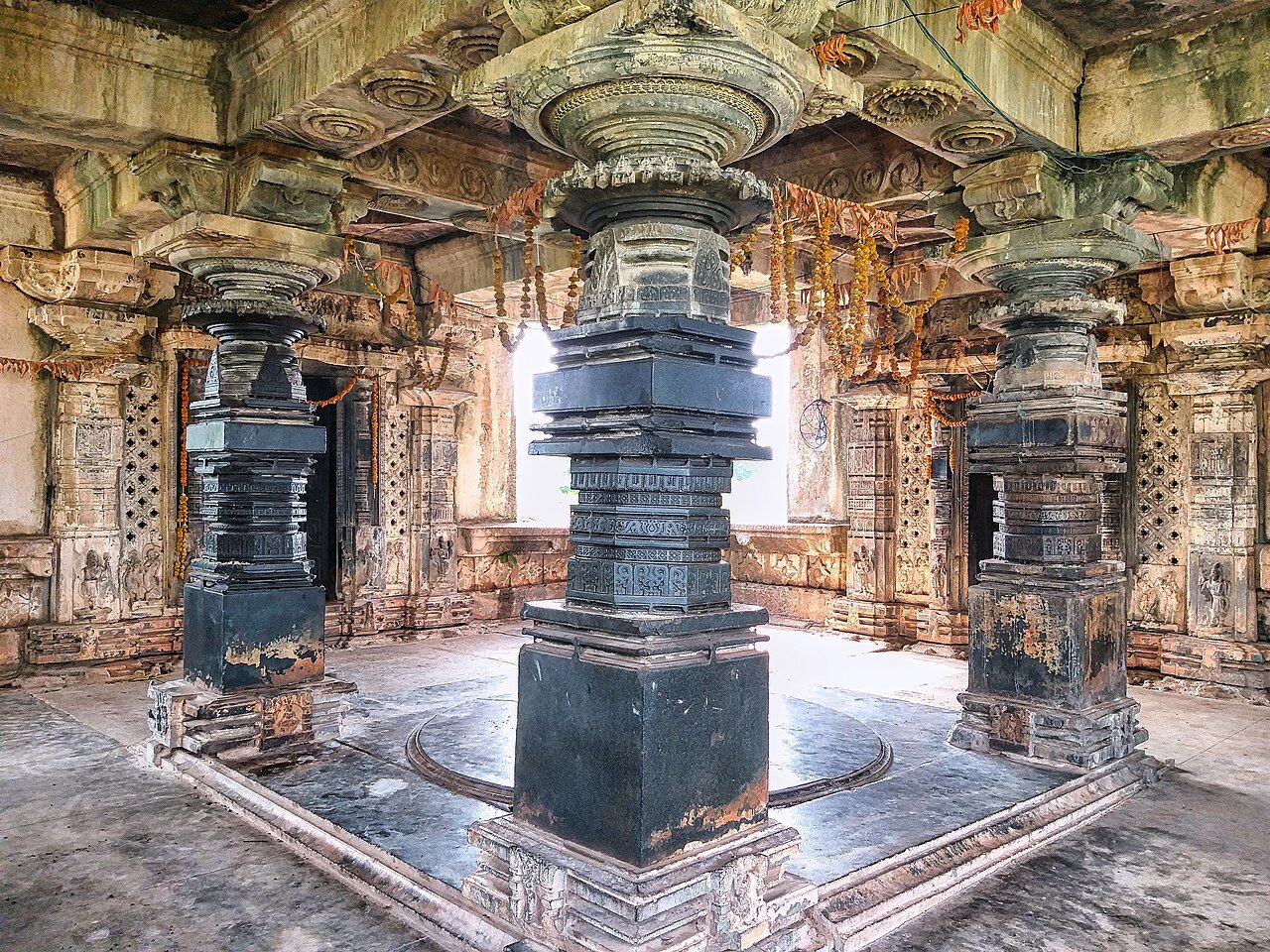
Godisala Trikuta Temple Ruins, Karimnagar
These temples bring together communities for the temple festivals (jataras) and auspicious days like the Shivaratri and follow rituals that are unique to the region. They are not just spiritual centres, but standing testimony to the cultural richness and historical significance of the region. It is time, they are restored not just given a facelift.
The restoration must happen in consultation with experts in a scientific manner by treating them as cultural treasures that need protection.