

“AI is not a replacement, but a powerful second opinion”: Dr Soma Raju
“The true wealth of a city stands quietly in its trees,” : Environmental storyteller, Uday Krishna
“How would you react if know a tree saved 150 lives, sheltered 20 robbers, or valued at ₹100 crore? From saving lives to shaping history, trees hold stories we rarely notice.” — Environmental storyteller Uday Krishna
“We don’t just need better politicians—we need deeper politicians,” Hemakshi Meghani, co-founder of the ISD
“We don’t need more women in politics simply to soften it—we need leadership rooted in integrity, purpose, and conviction,”: Co-founder of the Indian School of Democracy
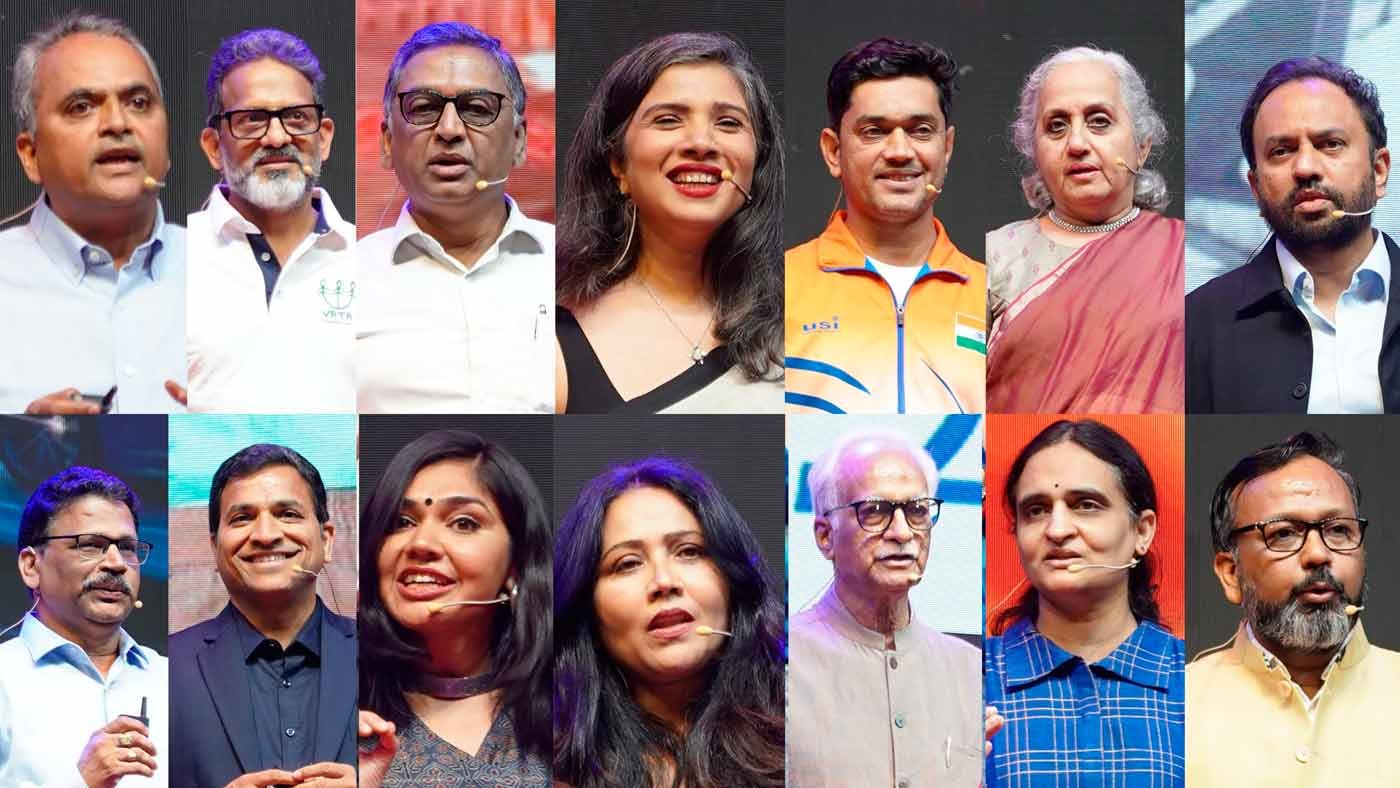
TEDxHyderabad 2026 held on Sunday at Akshaya Convention, Vattinagulapally, near Financial District, Gandipet, Hyderabad, bringing together a powerful lineup of 14 thinkers, creators, and changemakers under the theme “FIRE-UP.” Over 1,200 attendees, including prominent personalities such as Allu Arvind, witnessed inspiring ideas and journeys. Four curated performances added vibrancy to the day-long event.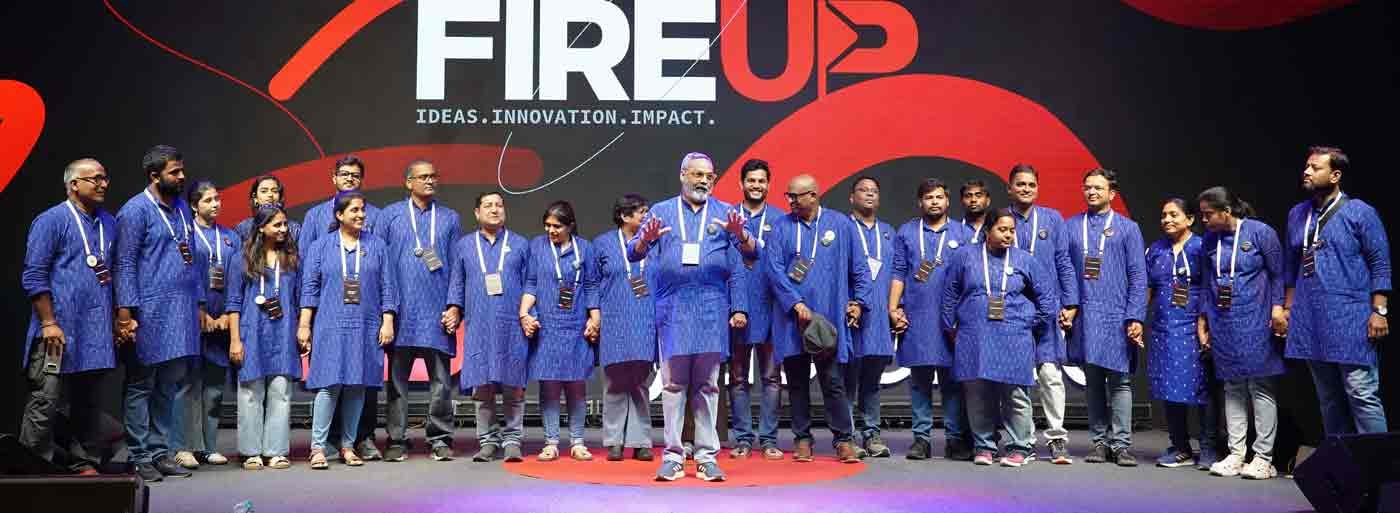
Now in its 11th year, the TEDxHyderabad community has impacted over 7,000 individuals and continues to be a platform for ideas that drive real-world change.
The event opened with a dynamic percussion performance by Vikram Venkatapuram, setting the tone for a day of powerful storytelling.
Dr. M. Subrahmanyam, founder of Sparsh Hospice, spoke on compassionate end-of-life care. “When cure is not possible, care must step in. Every soul has the right to die with dignity,” he said, highlighting how his initiative has served over 15,000 patients. He emphasized the urgent gap in palliative care, noting that while 15 lakh cancer cases emerge annually in India, less than 5% receive such care. “Death is not the failure of medicine,” he added.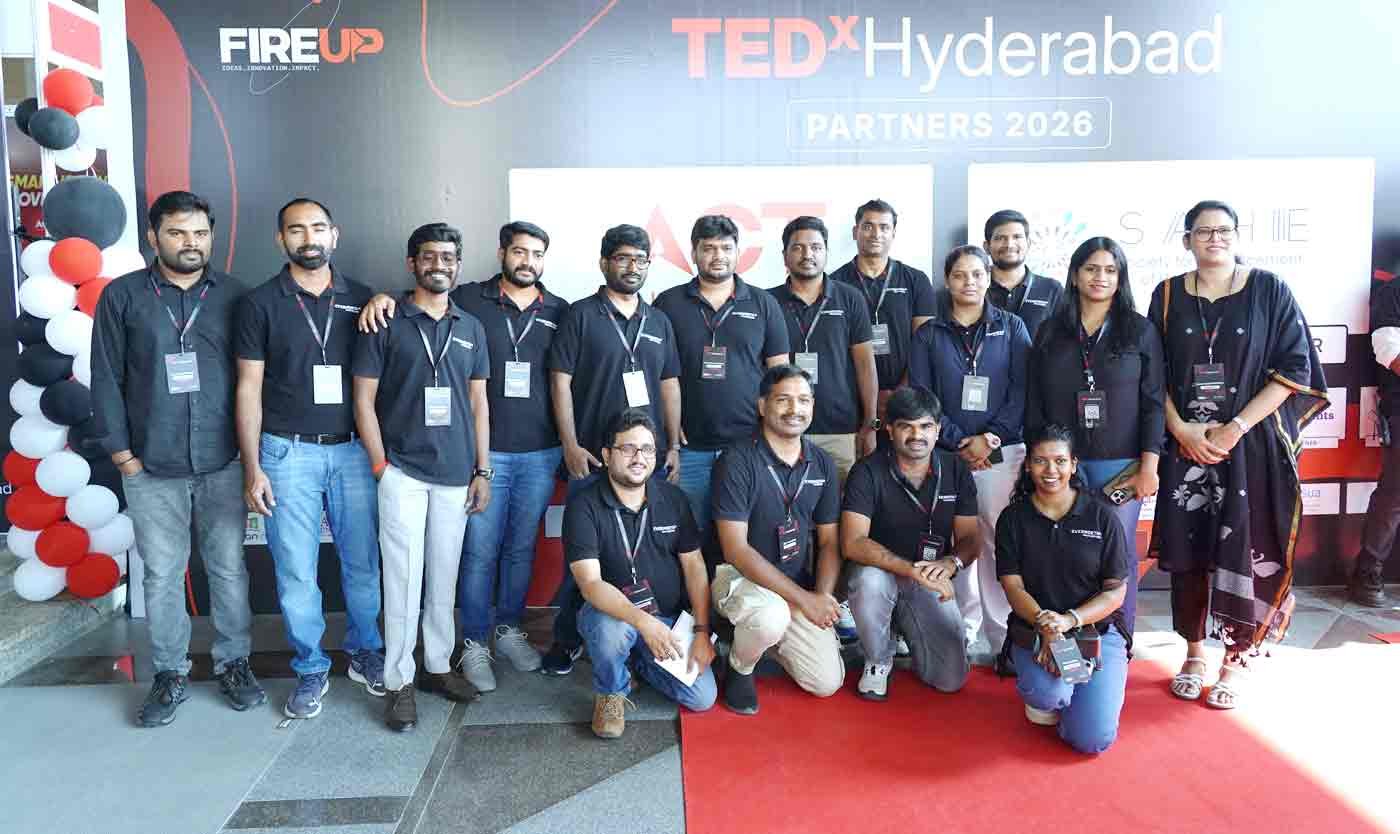
Pediatrician Dr. Sivaranjani Santosh shared her eight-year legal battle against misleading ORS products. She warned against deceptive marketing practices, stating, “Misinformation in something as basic as oral rehydration can cost lives,” and called for greater public awareness and regulation.
Karate coach Ritesh Tiwari from Madhya Pradesh highlighted the power of “skill as service.” Over 25 years, he has trained more than 67,000 individuals, especially young girls, in self-defence. “I may not have wealth, but I have a skill—and I chose to give it away,” he said, urging society to value sports and confidence-building.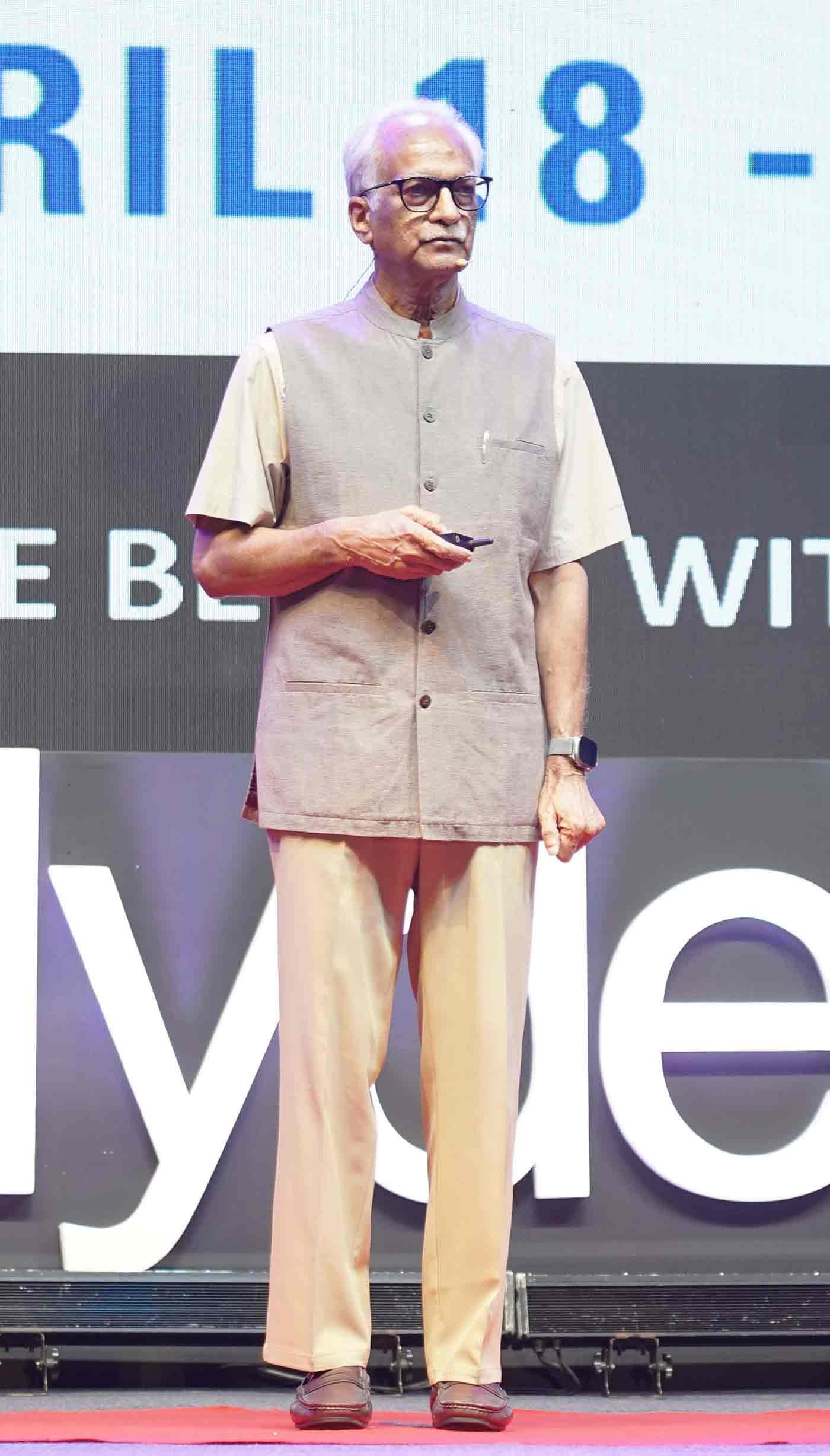
Uttam Kumar brought attention to the realities of deafblindness, reminding the audience that for over 500,000 Indians, this is everyday life. He emphasised that the real barrier lies in societal design, not disability, calling for inclusion with dignity.
The fifth speaker, Dr Soma Raju, shared valuable insights into recent innovations in medicine. He highlighted the Kalam–Raju stent, an indigenously developed coronary stent created in collaboration with A. P. J. Abdul Kalam. Priced at approximately ₹15,000, the stent significantly improved access to life-saving cardiac treatment compared to costly imported alternatives.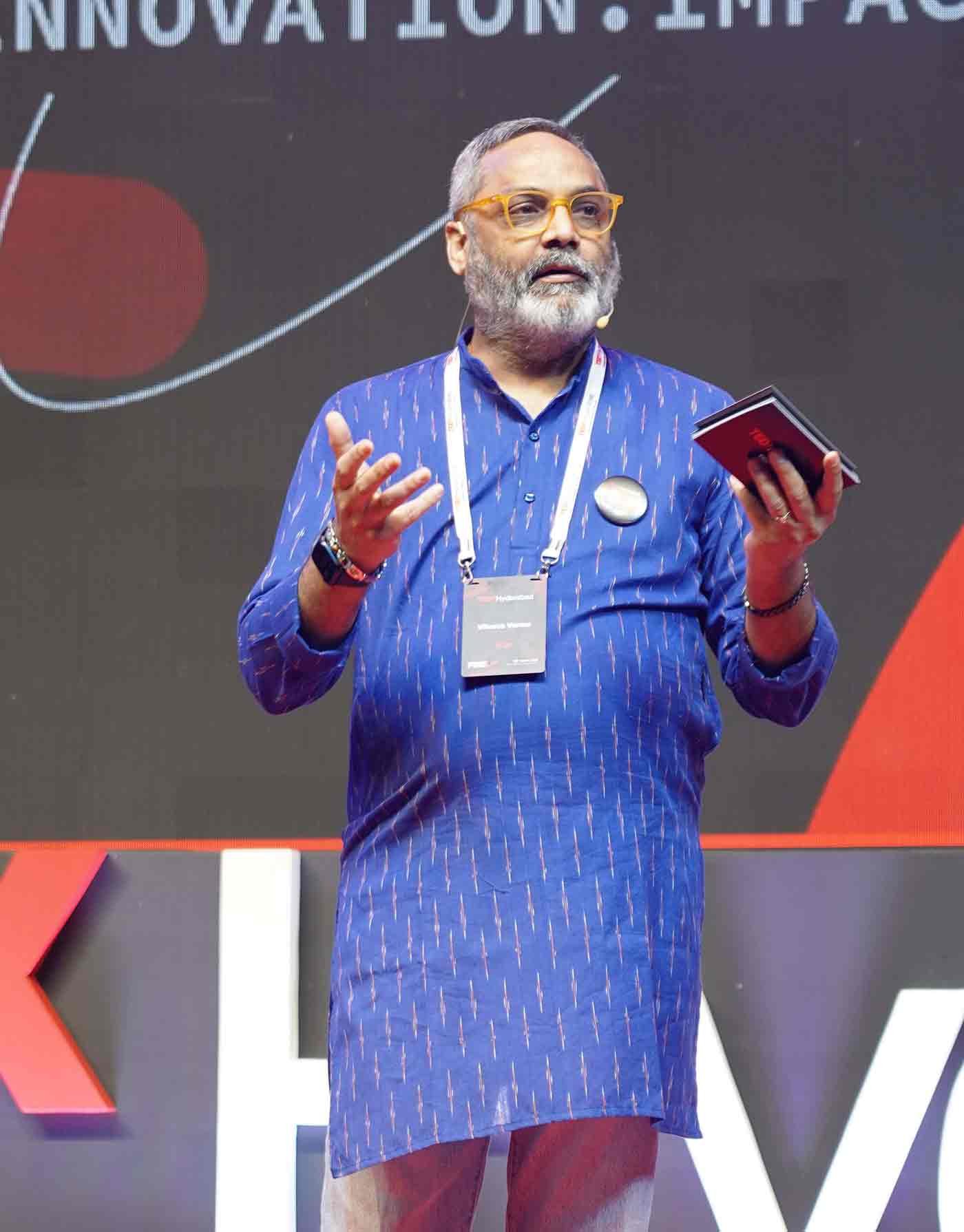
He noted that advancements in medical technology are transforming patient care, with procedures now enabling treatment of the heart without the need for open-chest surgery—marking a major shift toward less invasive interventions.
Dr Raju also spoke about the growing role of artificial intelligence in medicine, describing it as an extension of the physician and an enhancement of medical knowledge. Dispelling the myth that AI will replace doctors, he emphasised its complementary role: “AI is the great second opinion today.”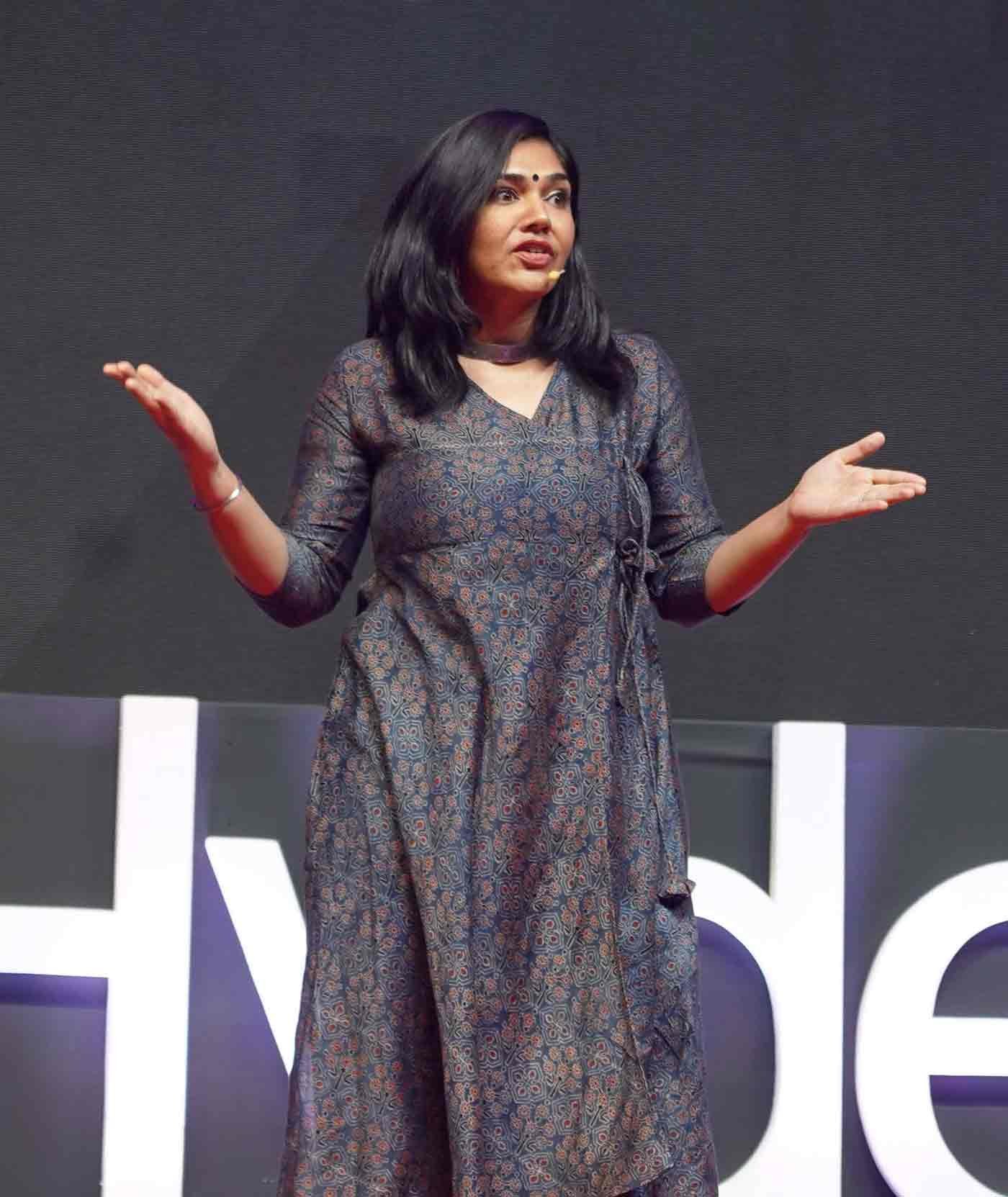
He further outlined five key pillars of healthcare—hospitals, universities, technology institutes, public health foundations, and software companies—underscoring the importance of their integration to drive meaningful progress in modern medicine.
In her powerful talk, Dr Suravi Kumar challenges the way we think about menopause—not as an ending, but as a critical turning point for brain and long-term health.
Environmental storyteller Uday Krishna captivated the audience with stories of India’s heritage trees. Having travelled over 40,000 km and helped save over 5,000 trees, he urged people to rethink how cities measure wealth. “The true wealth of a city stands quietly in its trees,” he said.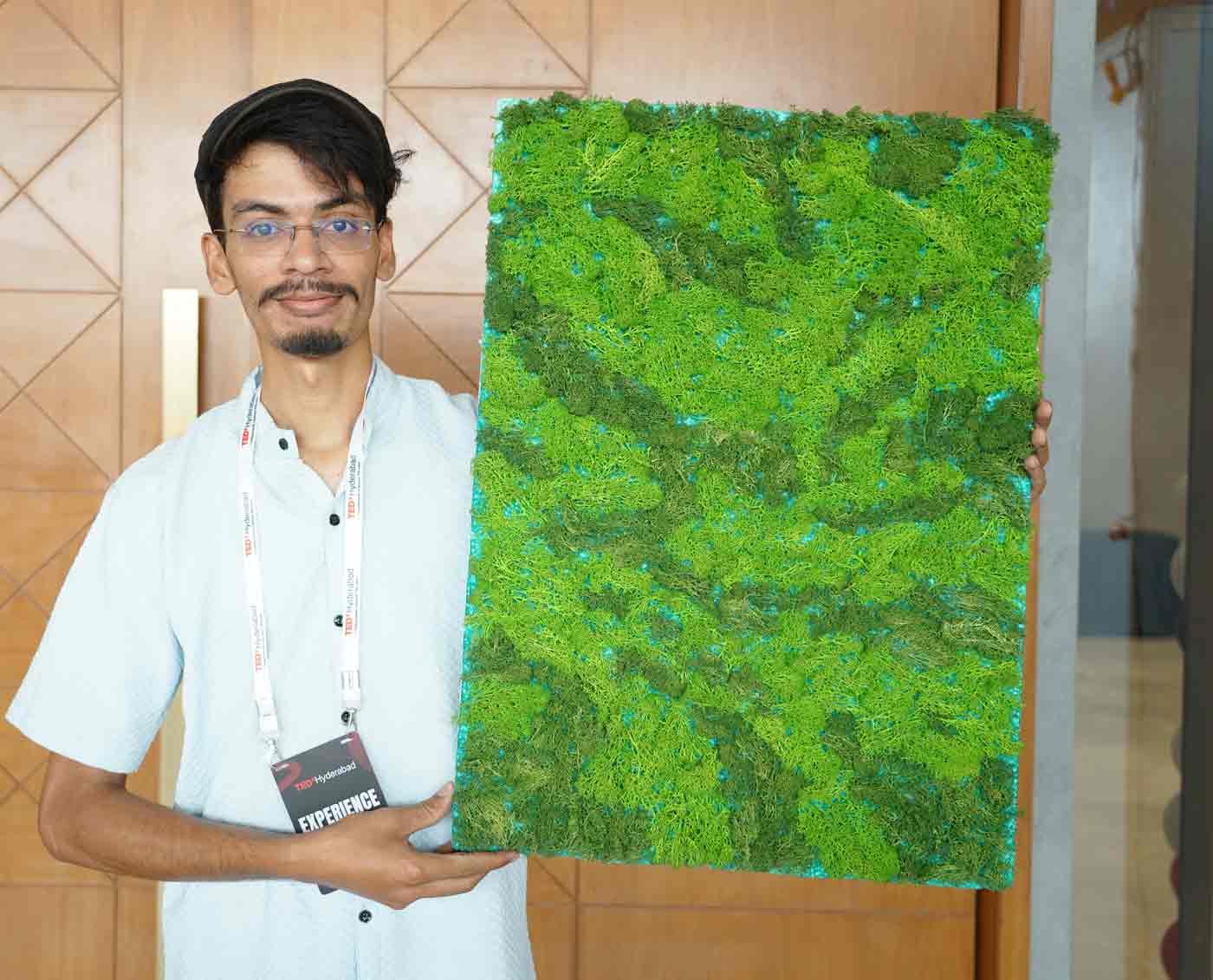
“How would you react if I told you that a tree once saved 150 people during the Musi floods, another in a city sheltered 20 robbers, one is valued at ₹100 crore, a tree in Goa attracts visitors from across the world, and there even exists a ‘walking’ mango tree? All of these exist in our country—but how many of us have truly noticed them?”
With this thought-provoking opening, Uday Krishna, a Heritage Tree Guardian, began narrating his journey before a packed, pin-drop silent audience. “Over the past few years, I have travelled nearly 40,000 kilometres in search of these trees. Until then, they were just part of the landscape for me—places for shade or hiding,” he reflected.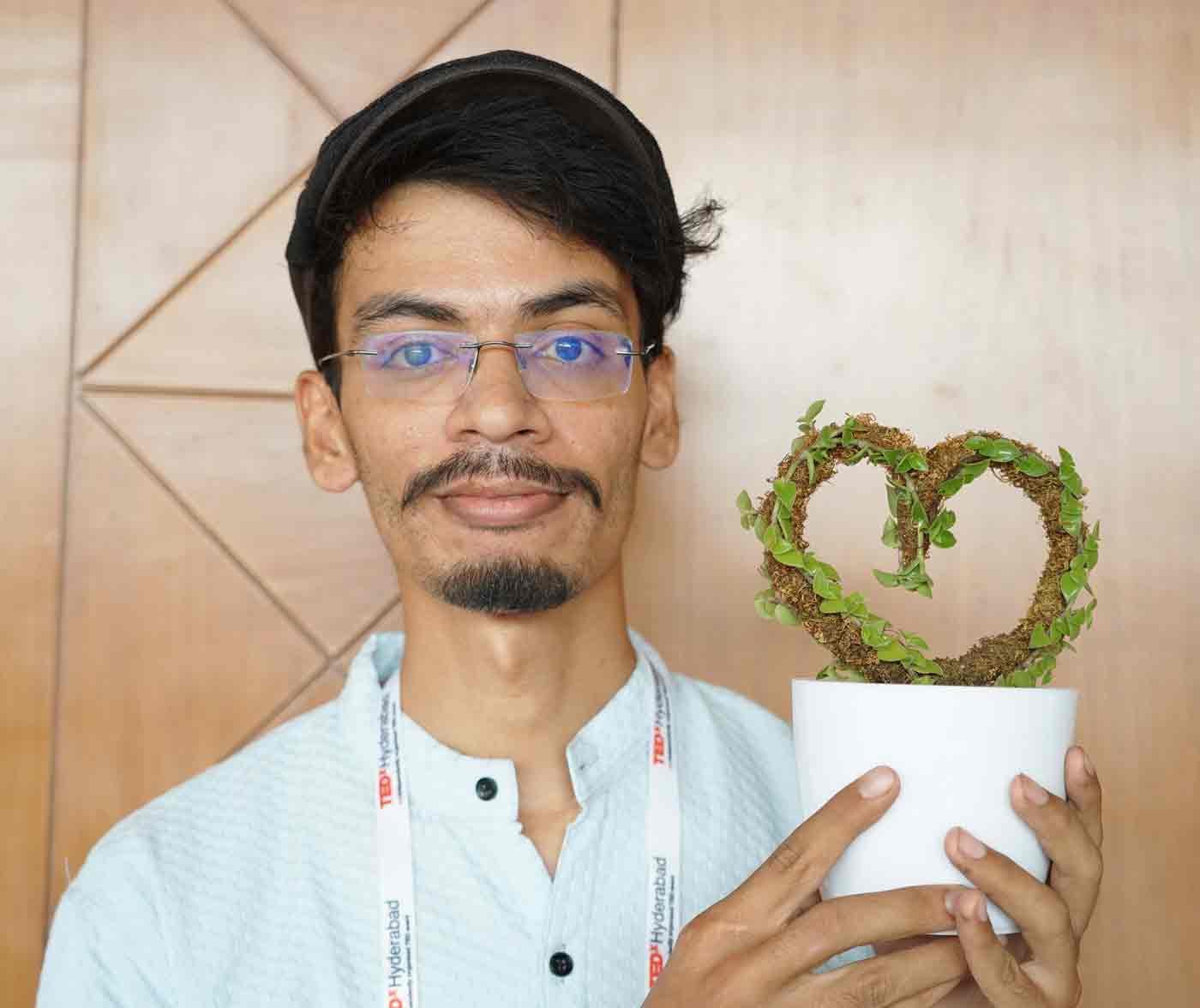
He recounted a defining moment when the construction of a foot overbridge required the removal of several trees. Choosing a different path, he led the translocation of 16 trees, of which 13 survived. “Since then, we have gone on to save over 5,000 trees,” he shared.
Speaking about India’s natural heritage, he described his 18-month journey to locate one of the country’s oldest trees in the Himalayas, estimated to be over 2,000 years old. He also spoke of historic banyan trees in Nirmal and Kanpur that silently witnessed history, even sheltering freedom fighters during the 1857 Sepoy Mutiny.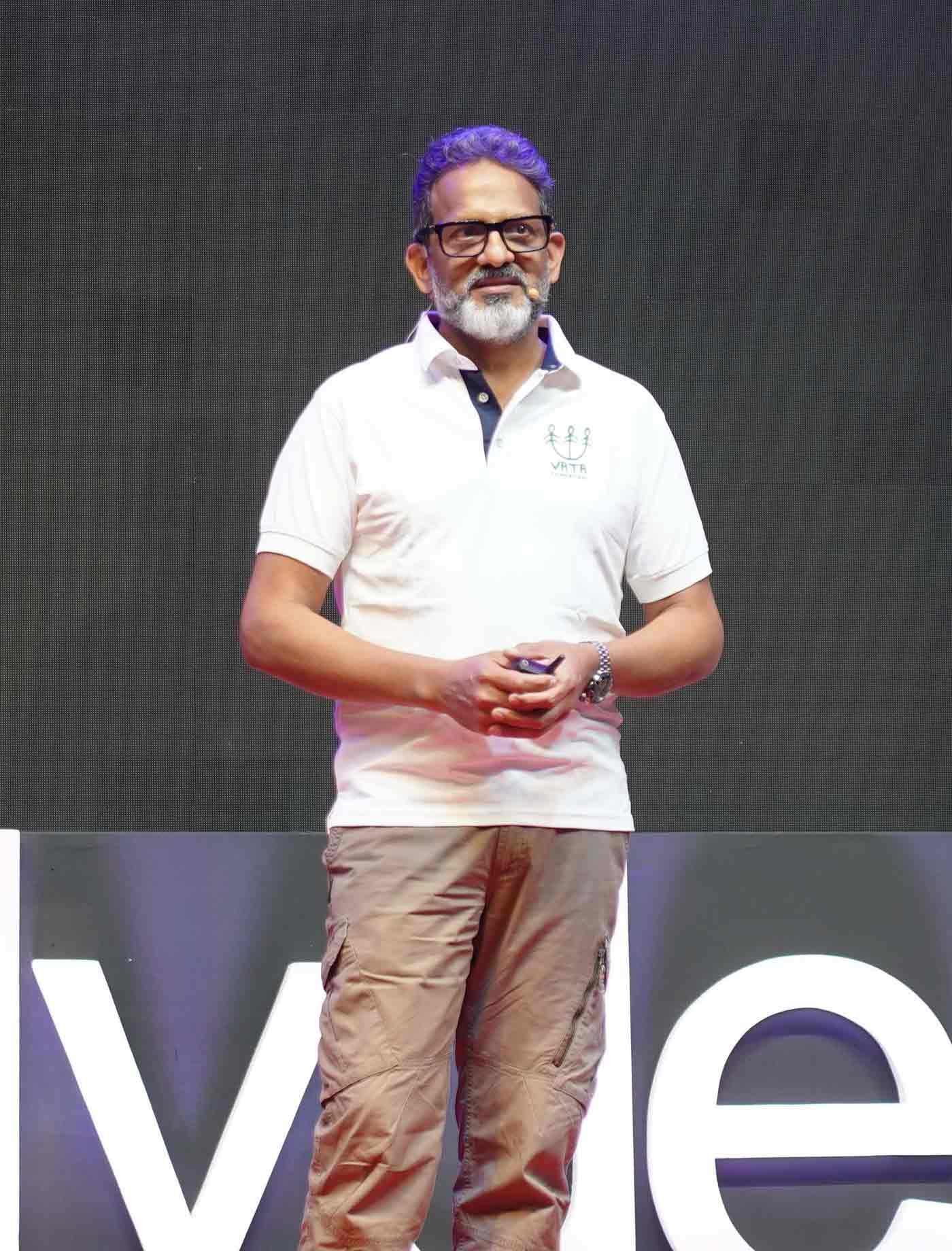
“The trees we save are not just part of nature—they are shaping people and society,” he emphasized.
He concluded with a powerful reflection: “We measure our cities by flyovers, foot overbridges, and land valued at ₹100 crore per acre. But the true wealth of a city stands quietly in its trees. Throughout history, trees have saved us; we have rarely saved them. As you step out of this hall, think about the trees that give us everything, asking for nothing in return.”
Shezzi M shared her unconventional journey from finance to radio, emphasising courage and authenticity. “Fortune favours the brave,” she remarked.
Education innovator Pavan Goyal challenged rote learning systems, stating that 80% of students struggle with memorisation. “What matters today is not what you learned, but what you built,” he said, advocating for innovation-driven education.
Cybersecurity expert Krishna Sastry Pendyala warned about the future of digital risks, emphasising that trust in technology is critical. “The real danger isn’t technology—it’s treating cybersecurity as an afterthought,” he noted.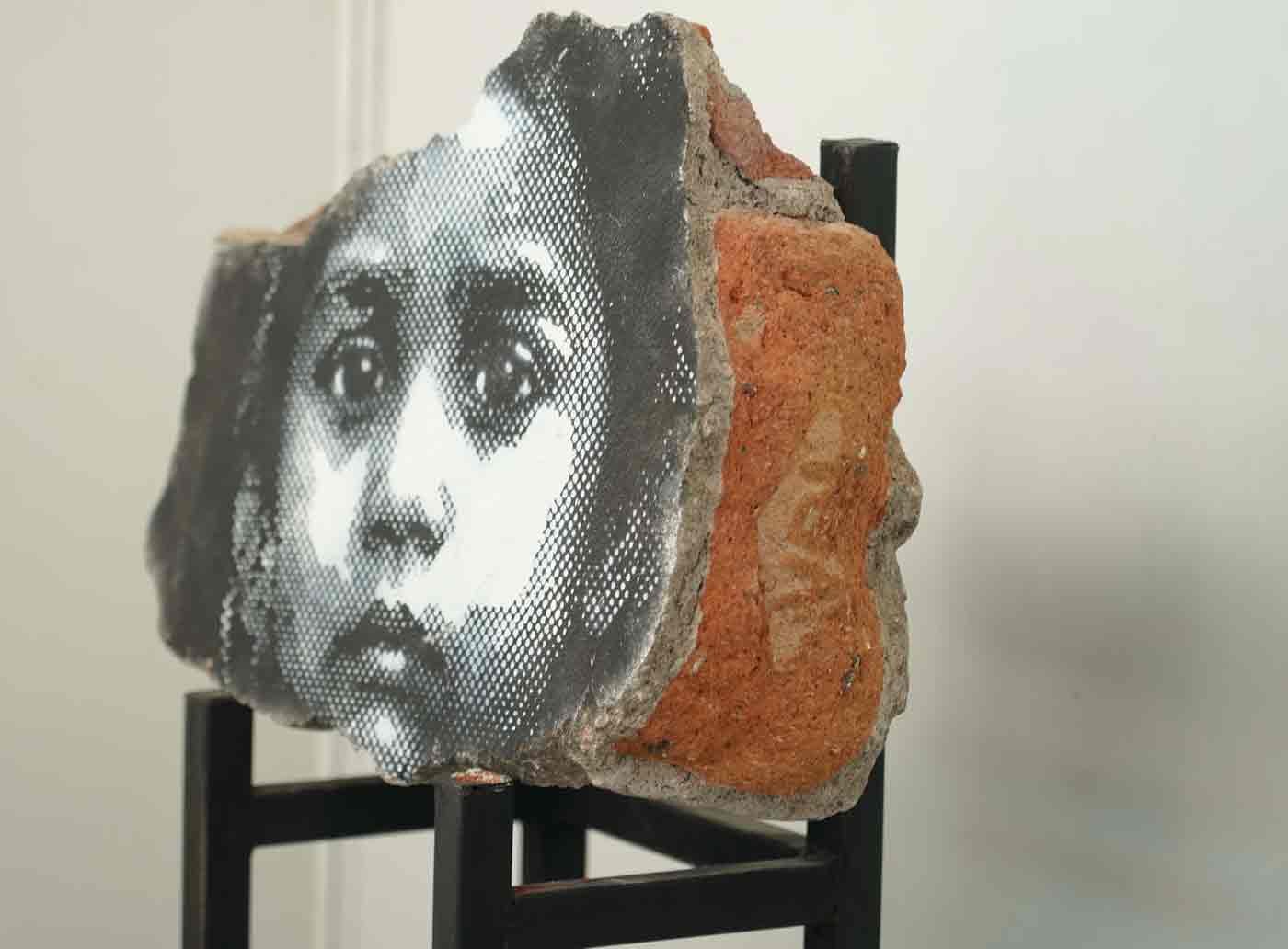
Srikanth Badiga spoke about dignity in death, sharing the inspiration behind Mahaprasthanam crematorium. “Cremation grounds are a mirror of society,” he said, highlighting the need for humane infrastructure.
Hemakshi Meghani, co-founder of the Indian School of Democracy, called for principled political leadership. “We don’t just need better politicians—we need deeper politicians,” she said, urging citizens to actively engage in shaping democracy.
“We often say politics is a dirty space—one that good people avoid. But I couldn’t look away; I grew up watching Lok Sabha TV,” she reflected. Drawing a powerful analogy, she added, “If the water itself is poisoned, what’s the point of fixing the pipes?”—underscoring that meaningful change must begin at the source.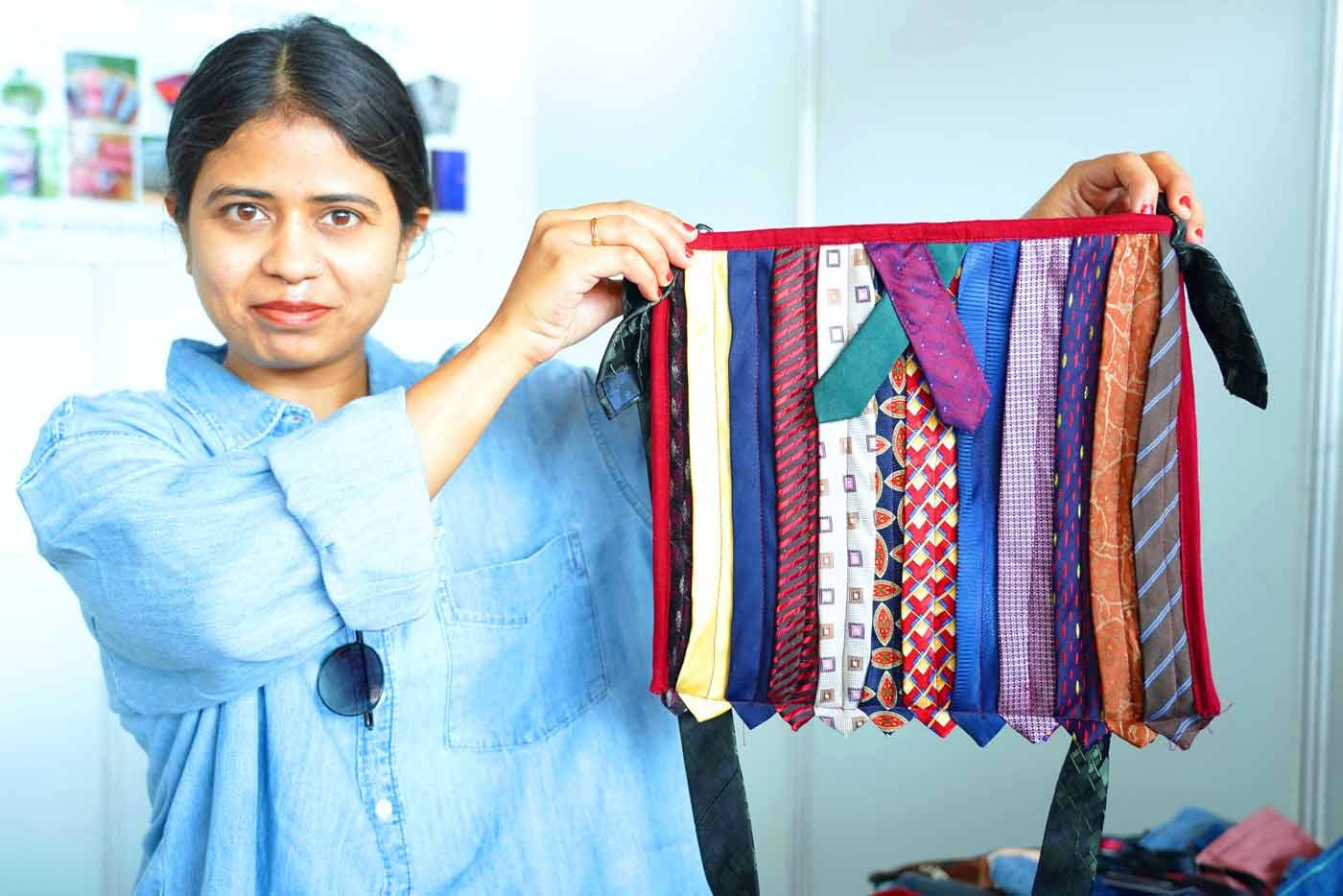
She also challenged the perceived divide between politics and spirituality, noting that power, when divorced from values, can become dangerous. “We need responsible stewards to strengthen our democracy. We cannot remain silent and simply blame the system,” she emphasised.
Framing politics as a powerful avenue to realise human potential, she called for a shift in mindset: “We don’t just need better politicians—we need deeper politicians.” She further added, “It’s not about increasing representation for its own sake; it’s about fostering leadership rooted in integrity, purpose, and courage.”
“We don’t need more women in politics simply to soften it—we need leadership rooted in integrity, purpose, and conviction,” she further added.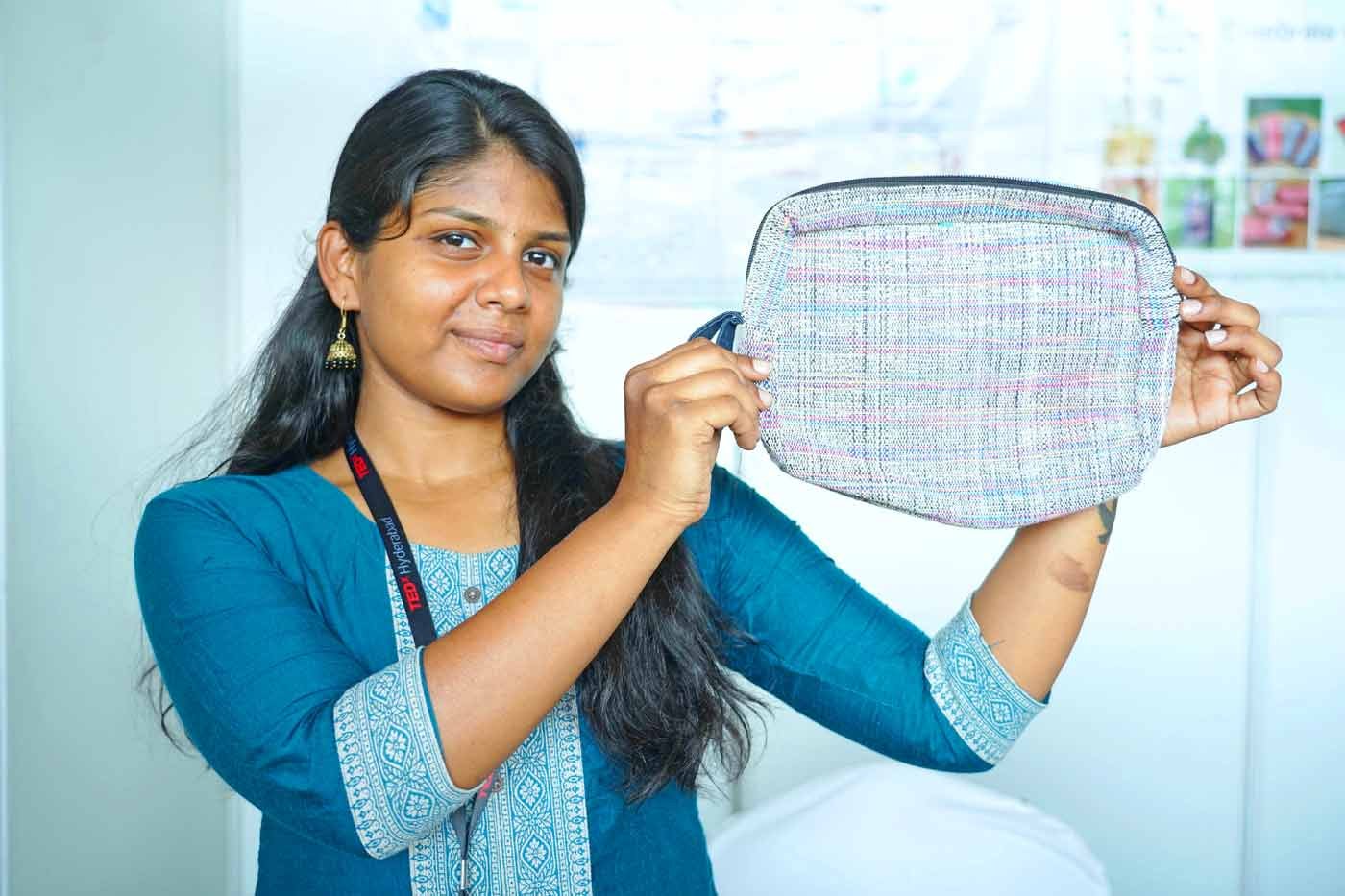
Rajiv Chilaka, creator of Chhota Bheem, spoke about building a global animation brand from India. Quoting Netflix CEO Reed Hastings, he noted that over 27 million households outside India watched Mighty Little Bheem. “If you are afraid, don’t do it. If you do it, don’t be afraid,” he advised entrepreneurs.
The day concluded with Rajni Bakshi, who reflected on nonviolence and humane economics. “If violence is a choice, so is compassion—we must consciously choose the world we want to build,” she said.
The event also featured other captivating performances, including sitar by Ramprapanna Bhattacharya, handpan by Vikrant Dhadwal and Trilok Chander, and a fusion set by “A Sonic Voyage.”
At the engagement zone, artists Swathi and Vijay drew attention with their “End Begging Mafia” campaign through evocative art on construction debris, while Navid Ahmed showcased “Planterior Design,” integrating plants into interiors, with over 240 projects completed. Goonj showcased innovative products made from repurposed clothing and utility materials, including a bag that costs Rs 650/- crafted from discarded ties.
Viiveck Verma, Curator & Licensee, said, “TEDxHyderabad has always been about ideas that inspire action. FIRE-UP reflects the urgency of turning ideas into impact.”
Ramesh Loganathan added, “It’s the diversity of ideas and people that creates lasting conversations beyond the stage.”
TEDxHyderabad, active since 2015, has curated 29+ events, engaged over 20,000 attendees, featured 113 speakers, and garnered over 15 million views globally.