

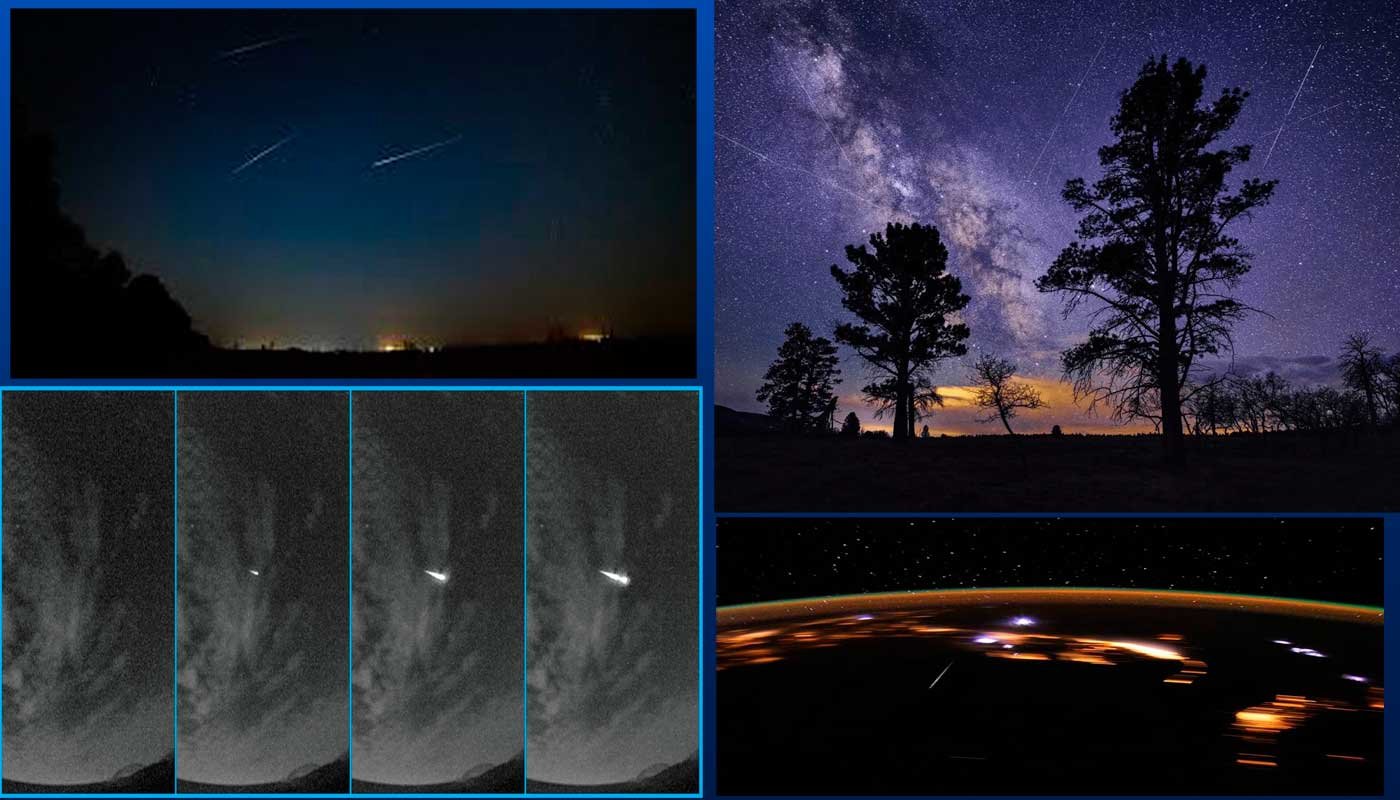
Lyrid Meteor Shower 2026 Peaks Today: When and How to Watch in Hyderabad, Explained Simply
Every April, the night sky stages one of its oldest recorded spectacles—the Lyrid meteor shower. This year, it peaks on April 23 in India offering a brief but beautiful window for skywatchers, including those in Hyderabad, to catch streaks of light racing across the darkness.
But what exactly are you looking at?
At its simplest, a meteor shower is cosmic debris burning up in Earth’s atmosphere. The Lyrids originate from a long-period comet called Comet Thatcher. Discovered in 1861, this comet orbits the Sun once every 400-plus years. As it travels, it leaves behind a trail of dust and tiny particles in space.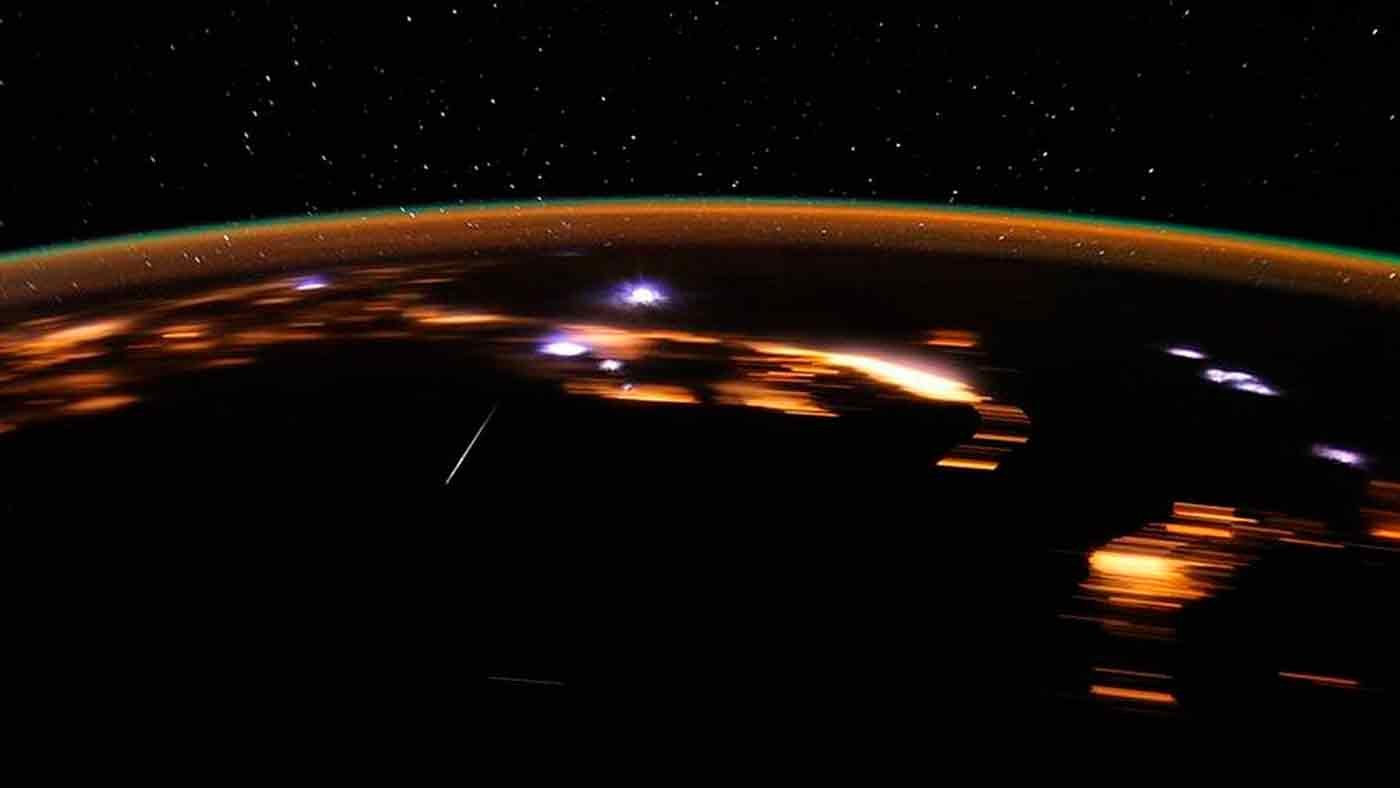
Each year in April, Earth passes through this dusty trail. When these particles hit our atmosphere at high speed, they burn up due to friction, creating bright streaks of light—what we commonly call “shooting stars.”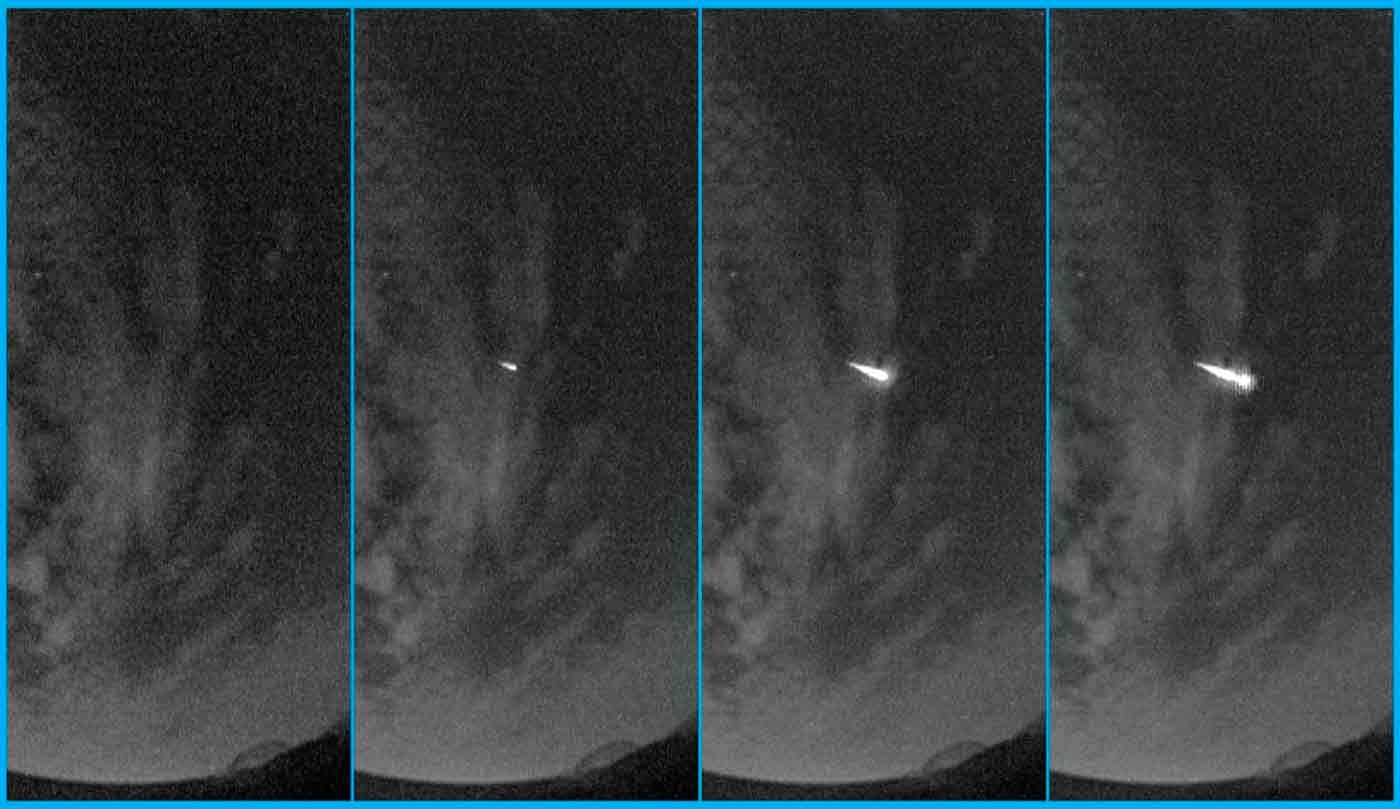
Why “Lyrids”? The name comes from the constellation Lyra, because the meteors appear to radiate from that part of the sky. You don’t need to spot the constellation itself—but knowing the direction helps.
What makes the Lyrids special is their unpredictability. While the average rate is about 15–20 meteors per hour, there have been rare outbursts—like in 1803 and 1982—when counts surged dramatically. Occasionally, they also produce bright flashes known as “fireballs,” which are larger particles burning more intensely.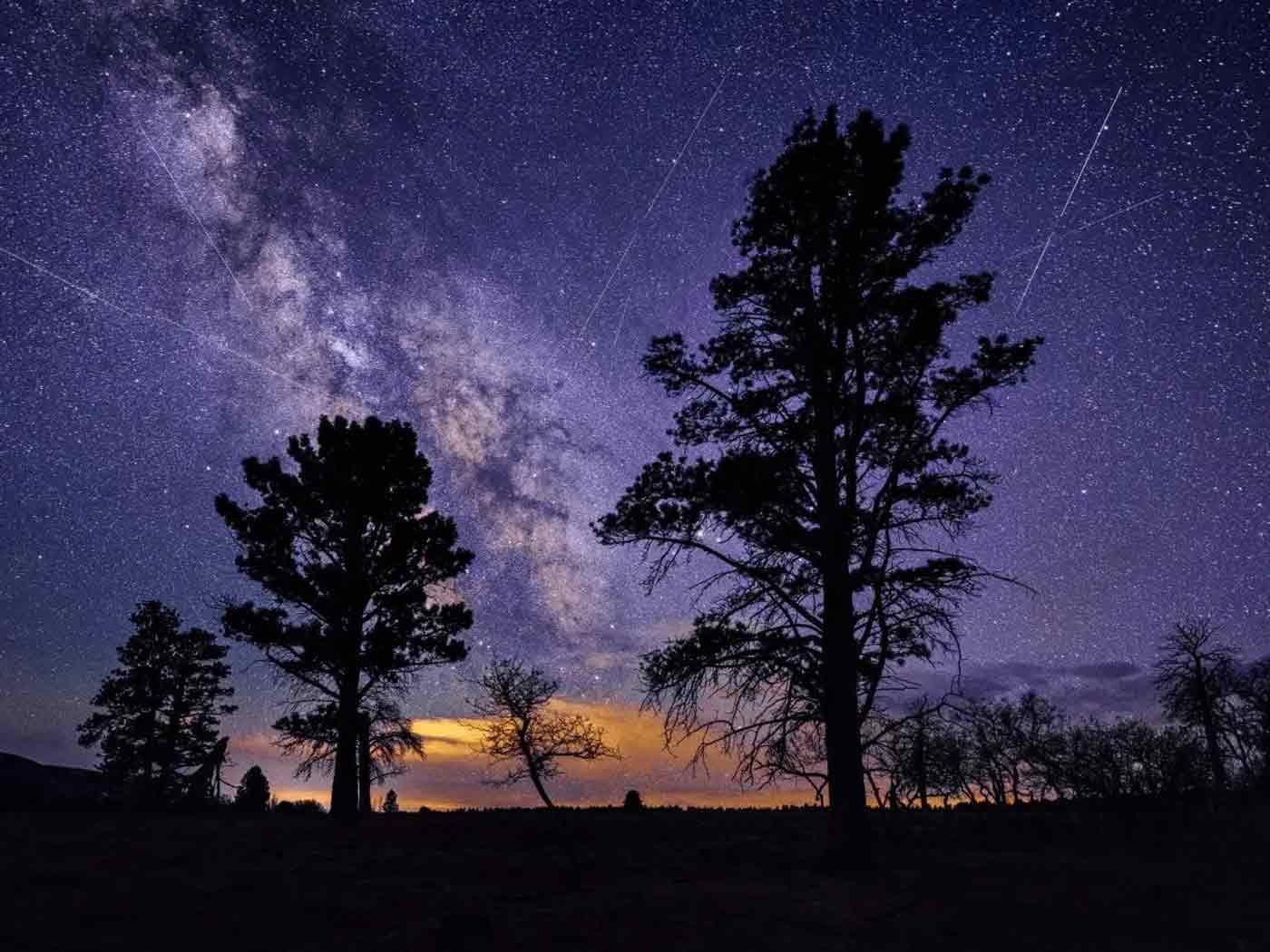
Can You See the Lyrids in Hyderabad?
Yes, you absolutely can—but with a few conditions.
Hyderabad falls in the Northern Hemisphere, making it well-positioned for viewing the Lyrids. However, visibility depends heavily on light pollution and sky clarity.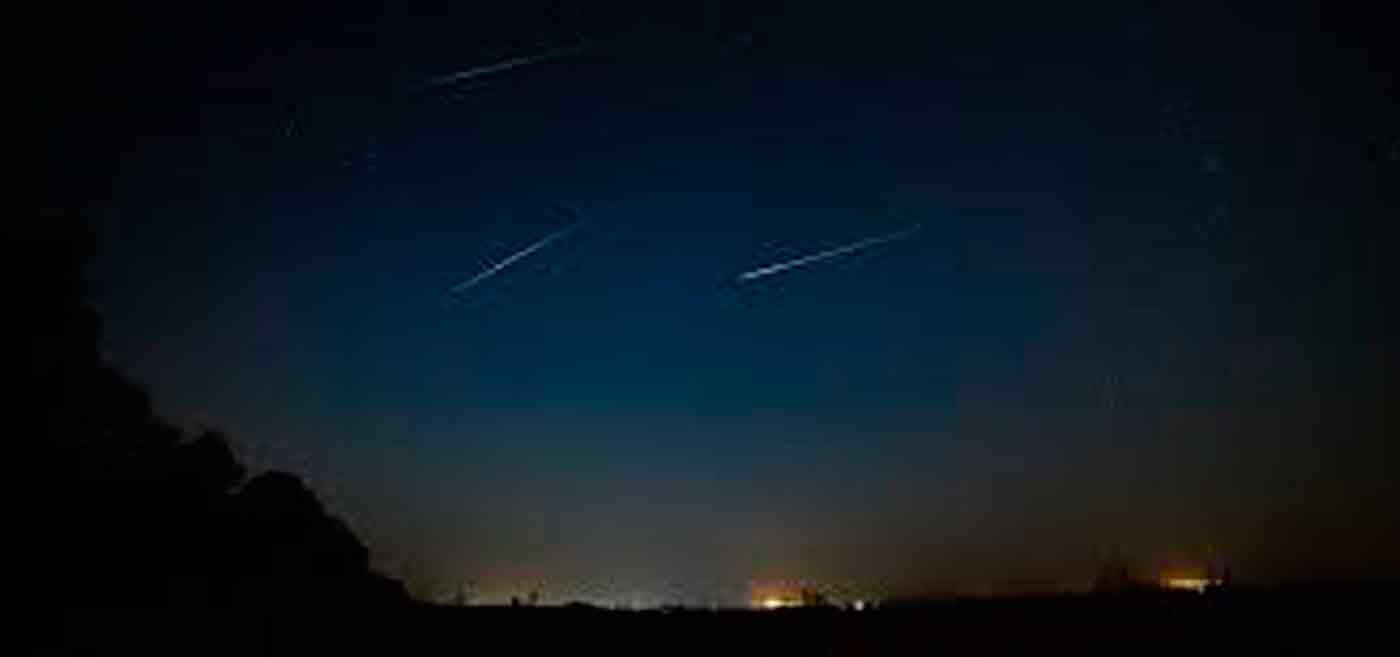
When to watch:
The best time is between 12:00 am and 5:00 am IST, with peak visibility usually between 3:00 am and 5:00 am. These are the hours when the sky is darkest and the radiant point is higher.
Where to look:
Face towards the eastern to northeastern sky. You don’t need a telescope—just your eyes. In fact, telescopes can limit your field of view.
How to watch:
Find a dark, open space—terraces, outskirts, or areas away from city lights work best. Lie back and give your eyes about 20–30 minutes to adjust to the darkness. Avoid checking your phone constantly; even small amounts of light can reset your night vision.
What to expect:
Under city conditions, you may see fewer meteors—perhaps a handful per hour. But if you head slightly outside the city, the experience improves significantly.
Why You Might Miss It
Urban light pollution is the biggest challenge in Hyderabad. Haze, clouds, or even mild pollution can reduce visibility. So while the Lyrids are happening above you, seeing them clearly depends on how dark your surroundings are.
Still, even spotting one or two meteors can be surprisingly magical—especially when you realise you’re watching particles from a comet that last passed Earth in the 19th century.
A Glimpse from Space
Images shared by NASA show the Lyrids as brief, bright streaks without long glowing trails—unlike some other meteor showers. Occasionally, they flare into brilliant fireballs, making the moment even more striking.
For those interested in following such celestial events regularly, reliable sources include NASA, European Space Agency, and platforms like Space.com, which offer updated skywatching guides and imagery.
A Timeless Sky Event
The Lyrids are among the oldest recorded meteor showers, with observations dating back over 2,700 years. Yet, each appearance feels personal and fleeting—a reminder of how Earth quietly moves through cosmic history.
If the skies stay clear over Hyderabad this week, it’s worth stepping out, looking up, and waiting. The universe doesn’t rush—but every now and then, it puts on a show.