
Sleep Tourism may be the next big thing in the luxury tourism segment with international brands already working towards sleep packages
For years, luxury travel was sold as movement.
More destinations. More experiences. More photographs. More stories.
The perfect holiday itinerary looked exhausting on paper — sunrise hikes, packed city schedules, curated food trails, wellness sessions squeezed between sightseeing and a race against time to “do everything.”
But around the world, a quieter travel movement is beginning to emerge.
People are now travelling to sleep.
Not metaphorically. Quite literally.
Called sleep tourism, the trend is becoming one of the fastest-rising segments in wellness travel, with hotels, retreats and wellness destinations designing experiences around rest, recovery and restorative sleep. Industry forecasts estimate the global sleep tourism market could approach USD 149 billion by the next decade as hospitality brands respond to growing consumer demand for sleep-focused experiences.
Because increasingly, sleep itself has become scarce.
And nowhere is this more relatable than Hyderabad.

The New Lifestyle Problem: The Sleep Crisis
Hyderabad’s transformation into an IT, startup and corporate powerhouse has also changed how the city lives.
Long workdays in Financial District and HITEC City, lengthy commutes, global work schedules, social commitments and perpetual screen exposure have quietly altered everyday rhythms.
The result?
Fatigue has become normalised.
Globally, sleep researchers and wellness studies continue to flag poor sleep as a growing lifestyle issue. Adults are recommended to sleep between seven and nine hours, yet sleep deficits continue to rise amid digital overload, work pressure and stress.
Travel industry reports increasingly describe sleep as the new luxury commodity.
Luxury once meant excess.
Now it means recovery.
The traveller of 2026 is not merely asking:
“Where should I go?”
They are asking:
“How do I want to feel when I come back?”
From Packed Itineraries to Purposeful Rest
Sleep tourism differs significantly from traditional luxury travel.
A regular luxury stay gives guests beautiful rooms, spa treatments and indulgent experiences.
Sleep tourism redesigns the stay around physiology.
Hotels entering the category are introducing:
* Sleep concierge services
* Pillow menus and customised bedding
* Circadian lighting systems
* Blackout environments
* Soundproof rooms
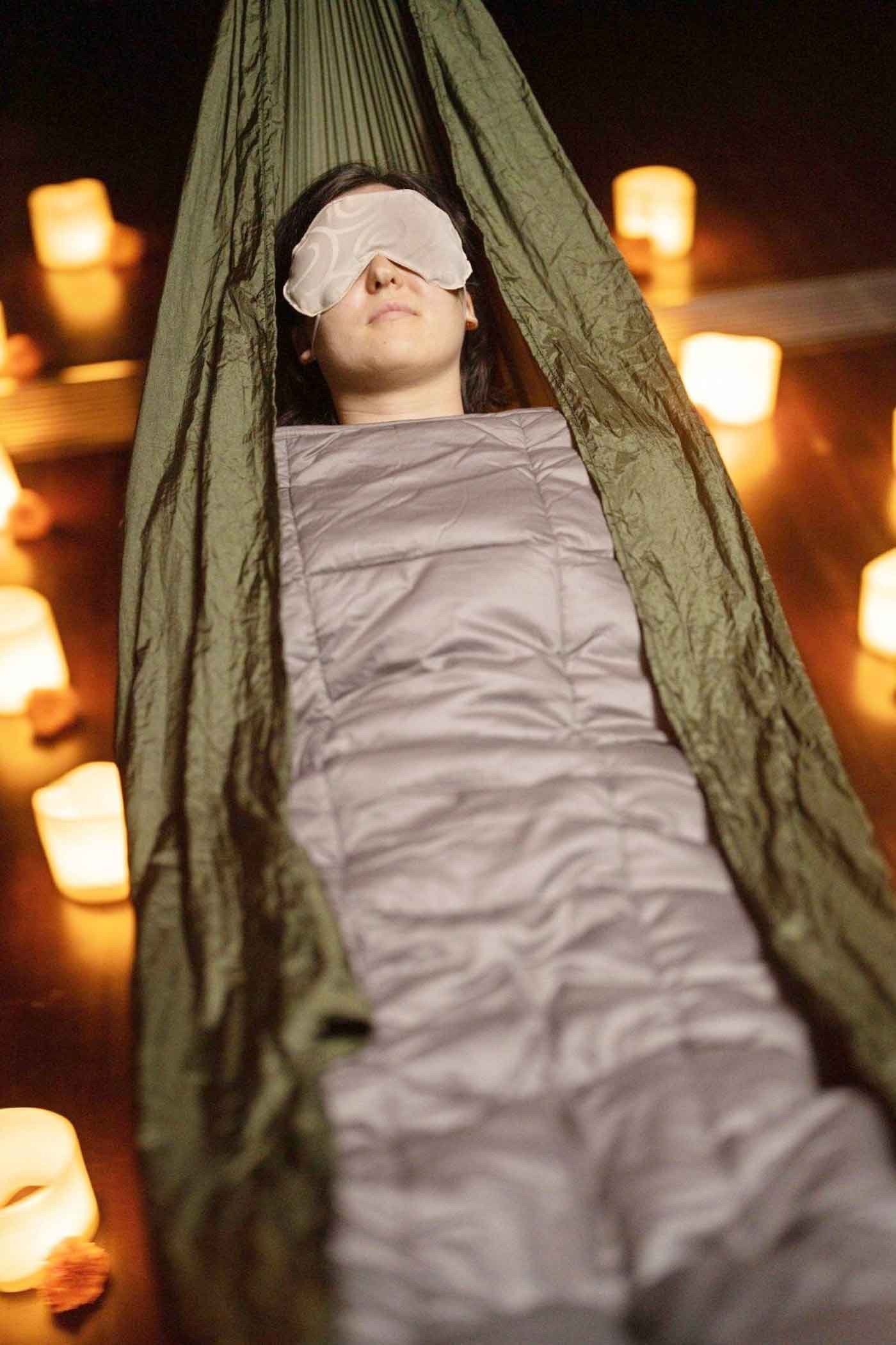
* Guided meditation and yoga nidra
* Aromatherapy sleep rituals
* Breathwork sessions
* Sleep coaching and diagnostics
* Digital detox programmes
* Nutrition plans designed for better rest
Some international properties even include sleep trackers and consultations with wellness specialists.
The objective is simple:
Return home rested rather than exhausted.
How Hotels Around the World Are Selling Sleep
Global hospitality brands have moved quickly.
At Six Senses properties, wellness programmes increasingly include sleep assessments, mindfulness practices and restorative therapies.
Kimpton Fitzroy London launched “Room to Dream,” an immersive sleep experience centred around lucid dreaming and relaxation.
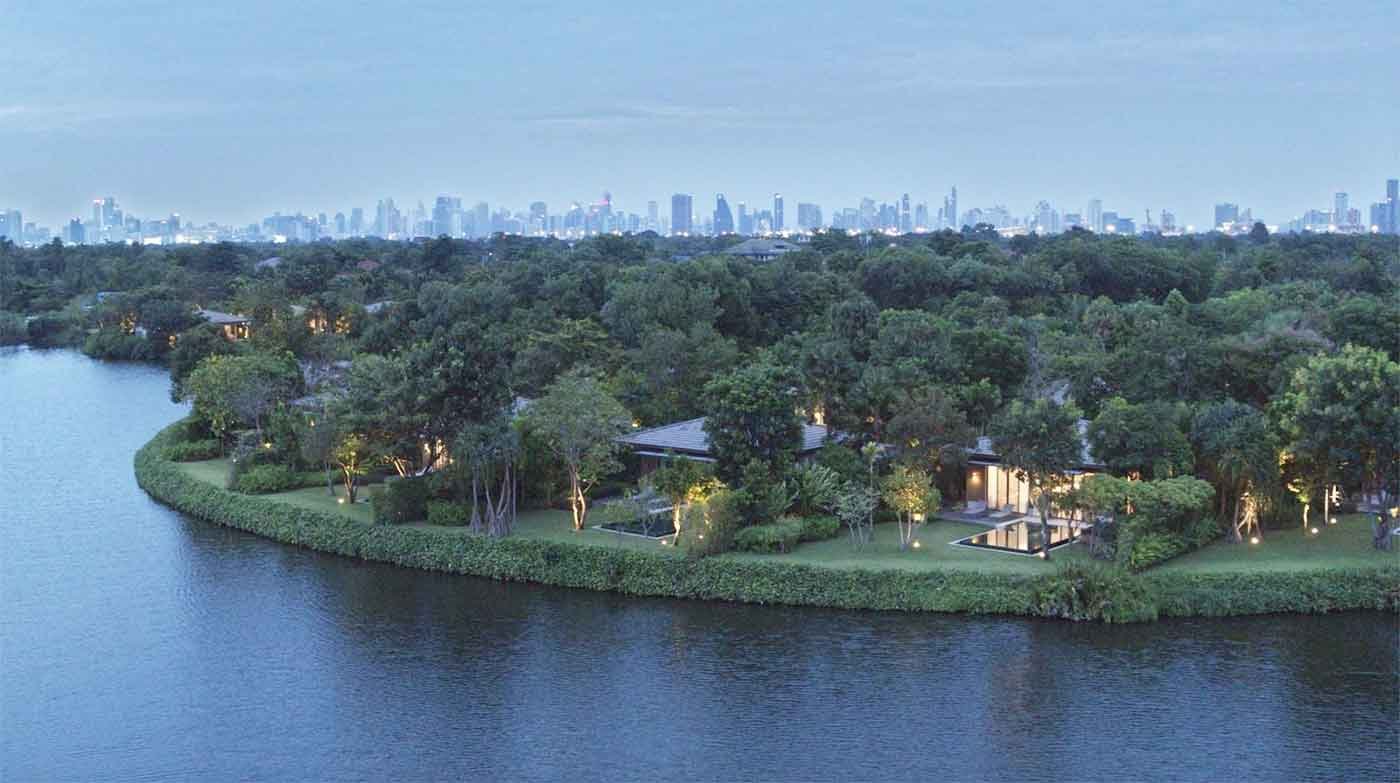
Thailand’s wellness destination RAKxa Integrative Wellness offers science-backed restorative programmes designed around physical and mental recovery.
Luxury hotels in destinations including Bali and Europe have also started incorporating circadian lighting systems, advanced mattresses and sleep environments as premium offerings.
The message is clear:
People are no longer paying only for views and experiences.
They are paying for restoration.
Why Hyderabad Luxury Travellers Should Pay Attention
Hyderabad’s luxury traveller has evolved.
Earlier, aspirational travel meant Dubai shopping trips, Europe circuits or quick Goa weekends.
Today’s traveller increasingly wants wellness, slower itineraries and meaningful experiences.
Wellness travel, Ayurveda retreats, silent escapes and digital detox experiences have already found audiences among affluent Indian travellers.
Sleep tourism feels like the next step.
Especially for:
IT professionals dealing with burnout
Entrepreneurs operating around global schedules
Creative professionals
Young parents
Frequent flyers
Luxury travellers seeking mindful experiences
Unlike extreme detox retreats, sleep tourism asks for very little.
Slow down.
Rest.
Recover.
That accessibility could make it the next big wellness category in India.
Where Hyderabad Travellers Can Experience Sleep Tourism in India
India may not yet aggressively market “sleep tourism,” but many wellness properties already offer experiences aligned with the philosophy.
Ananda in the Himalayas
Located in the Himalayan foothills near Rishikesh, Ananda remains one of India’s best-known luxury wellness destinations.
Programmes integrate Ayurveda, yoga, meditation and personalised wellness consultations.
Travel from Hyderabad: Direct flight plus road transfer
Ideal stay: 4–7 days
Experience style: Luxury wellness immersion
Shreyas Retreat Near Bengaluru
This boutique wellness retreat focuses on yoga, mindful living, vegetarian cuisine and digital disconnection.
Its slower pace makes it suitable for travellers seeking emotional and physical recovery.
Travel from Hyderabad: Short flight or overnight road trip
Ideal stay: Weekend to 5 days
Experience style: Quiet luxury
SwaSwara, Gokarna
Set beside the Arabian Sea, SwaSwara combines art therapy, yoga, wellness cuisine and nature immersion.
There are no packed schedules here.
The philosophy is restorative living.
Travel from Hyderabad: Flight plus drive
Ideal stay: 3–5 days
Experience style: Coastal slow travel
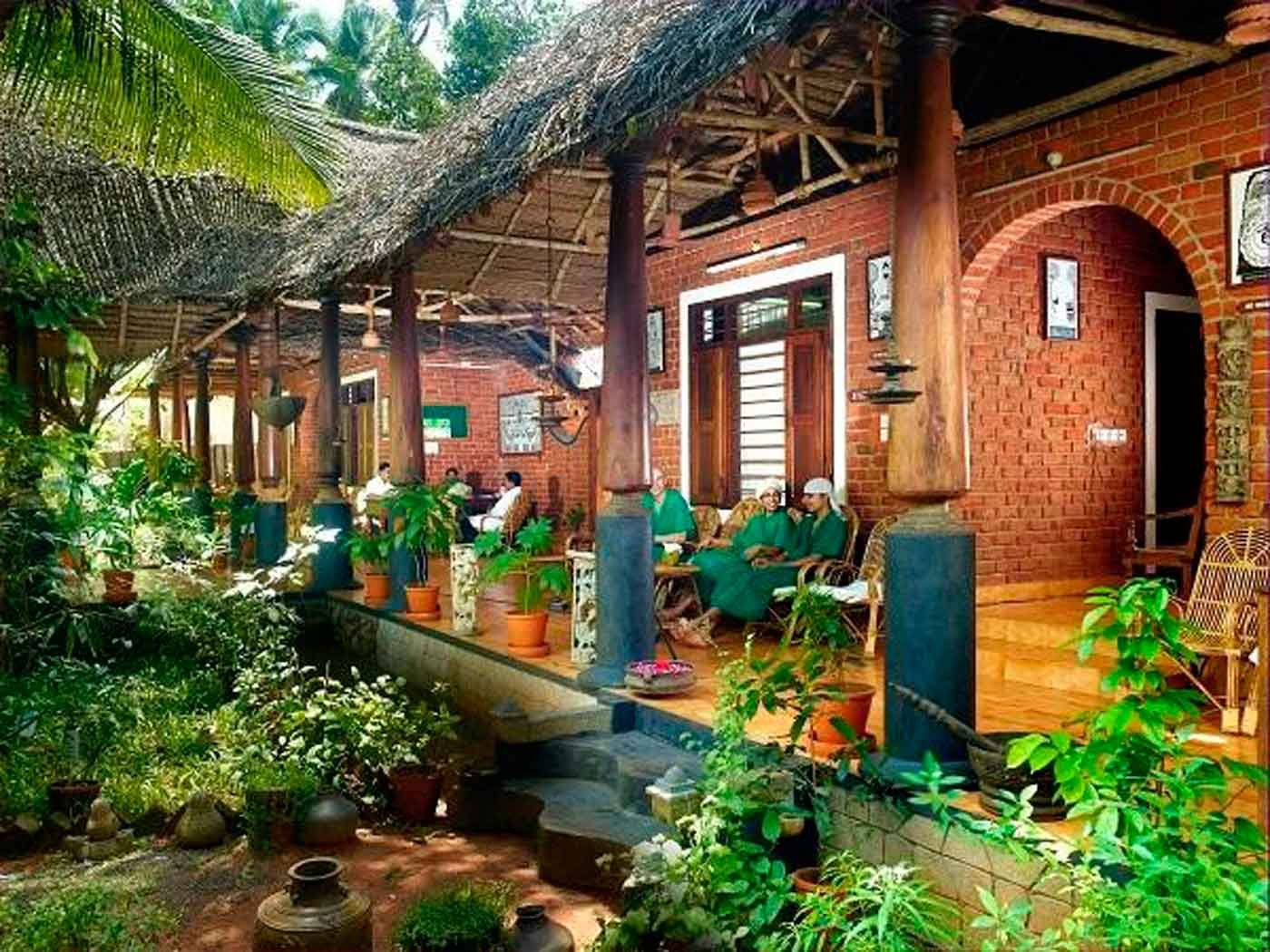
Somatheeram Ayurveda Village, Kovalam
Kerala arguably practised restorative travel long before the term sleep tourism existed.
Somatheeram blends Ayurveda therapies with structured wellness experiences designed around balance and recovery.
Travel from Hyderabad: Direct flight connections
Ideal stay: 5–10 days
Experience style: Ayurveda wellness
Atmantan Wellness Resort, Mulshi, Maharashtra
A favourite among urban wellness travellers, Atmantan offers programmes focused on detox, sleep, emotional wellbeing and fitness.
Travel from Hyderabad: Flight plus transfer
Ideal stay: 3–5 days
Experience style: Luxury wellness retreat
Sleep Tourism Versus Traditional Travel: What Changes?
Traditional vacation:
Packed schedules
Multiple attractions
Social media documentation
Late nights
Travel fatigue
Sleep tourism:
Fewer activities
Intentional stillness
Wellness routines
Early nights
Recovery-led travel
It may sound simple.
But for urban travellers accustomed to measuring holidays by productivity, the shift is radical.
Could Hyderabad Build Its Own Sleep Tourism Story?
The concept remains new in Hyderabad.
Yet the city already has luxury resorts, wellness destinations and growing interest in mindful travel.
As wellness tourism expands, there is potential for Hyderabad’s hospitality industry to explore sleep-focused stays, restorative weekend escapes and wellness programmes closer to home.
Because perhaps the future luxury traveller will not seek another hectic itinerary.
Perhaps they will seek silence.
A slower morning.
A device-free evening.
Eight uninterrupted hours of sleep.
And in a world obsessed with optimisation, that may become the ultimate luxury experience.