

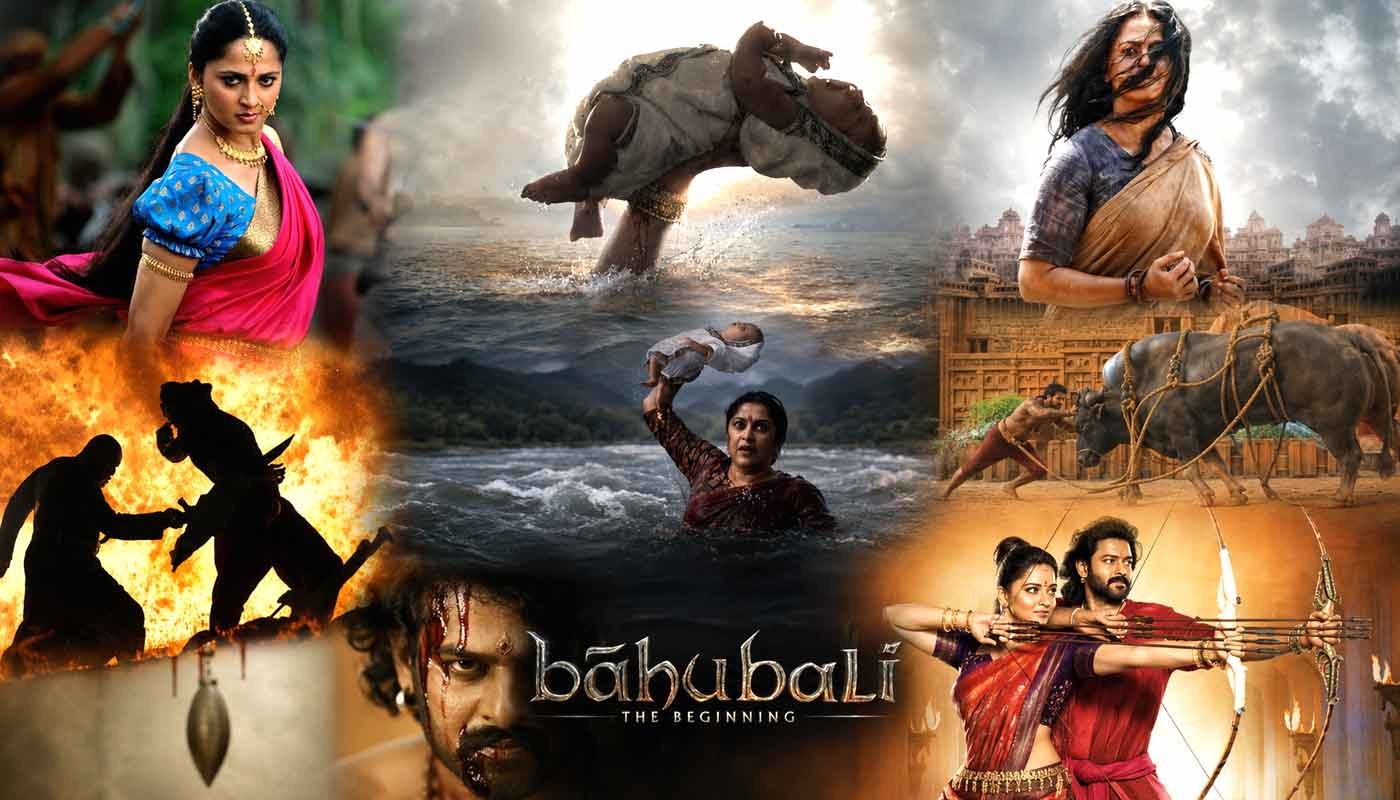
Eleven years after Baahubali: The Beginning first stormed into theatres, S.S. Rajamouli‘s magnum opus remains more than just a blockbuster. It became a cultural phenomenon that redefined what Indian cinema could achieve. From breathtaking action to emotionally charged storytelling, Baahubali delivered scene after scene that continues to live rent-free in the minds of audiences. Even today, a single background score or dialogue is enough to send chills down the spine.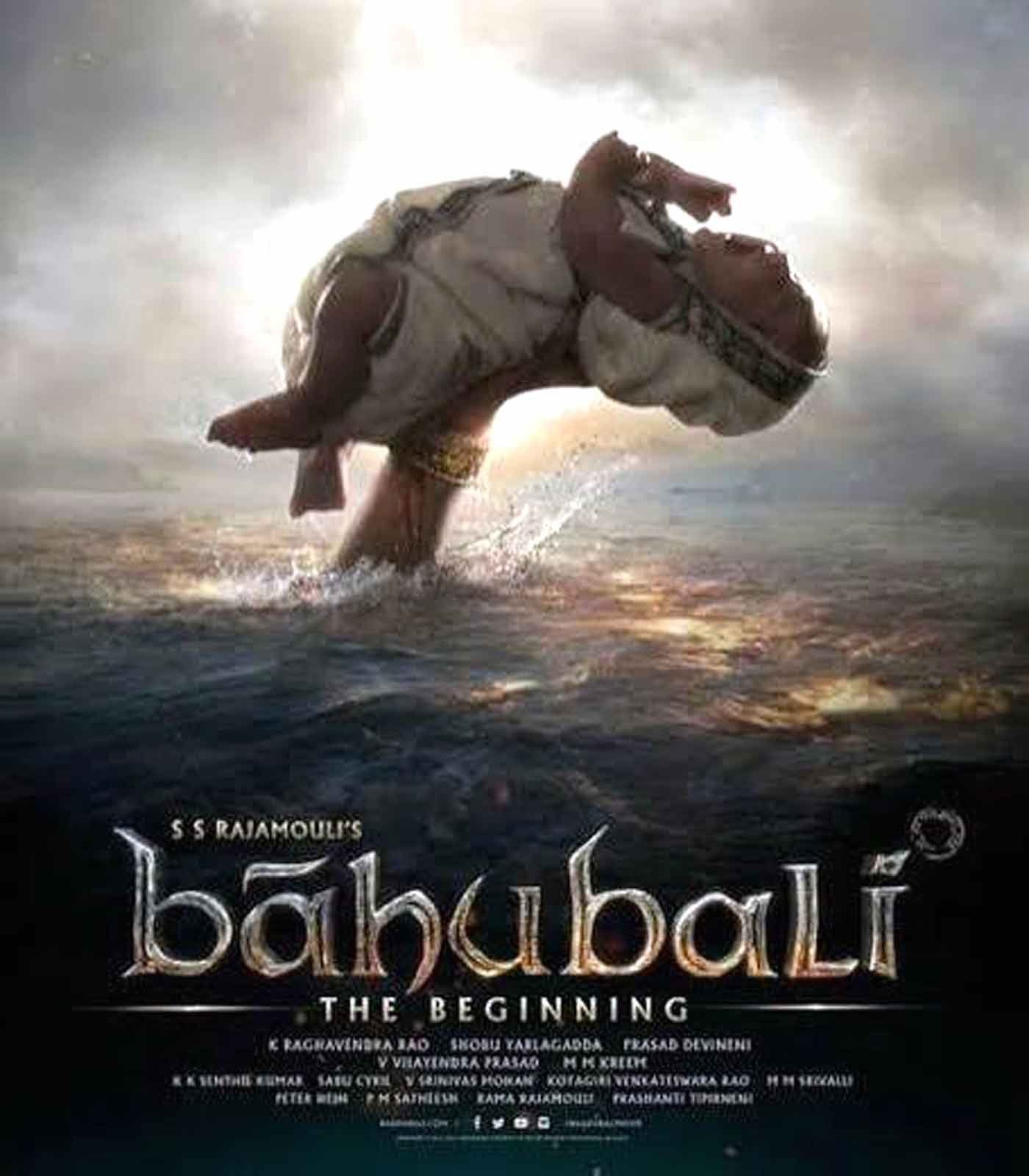
One of the franchise’s most unforgettable opening moments belongs to Rajamatha Shivagami. Holding the infant Mahendra Baahubali above the raging river while sacrificing her own life, she ensures the survival of the kingdom’s future king. The image of a mother refusing to let destiny drown alongside her became one of Indian cinema’s most powerful visual metaphors. Before audiences even knew the story, Rajamouli established that this was a saga built on sacrifice.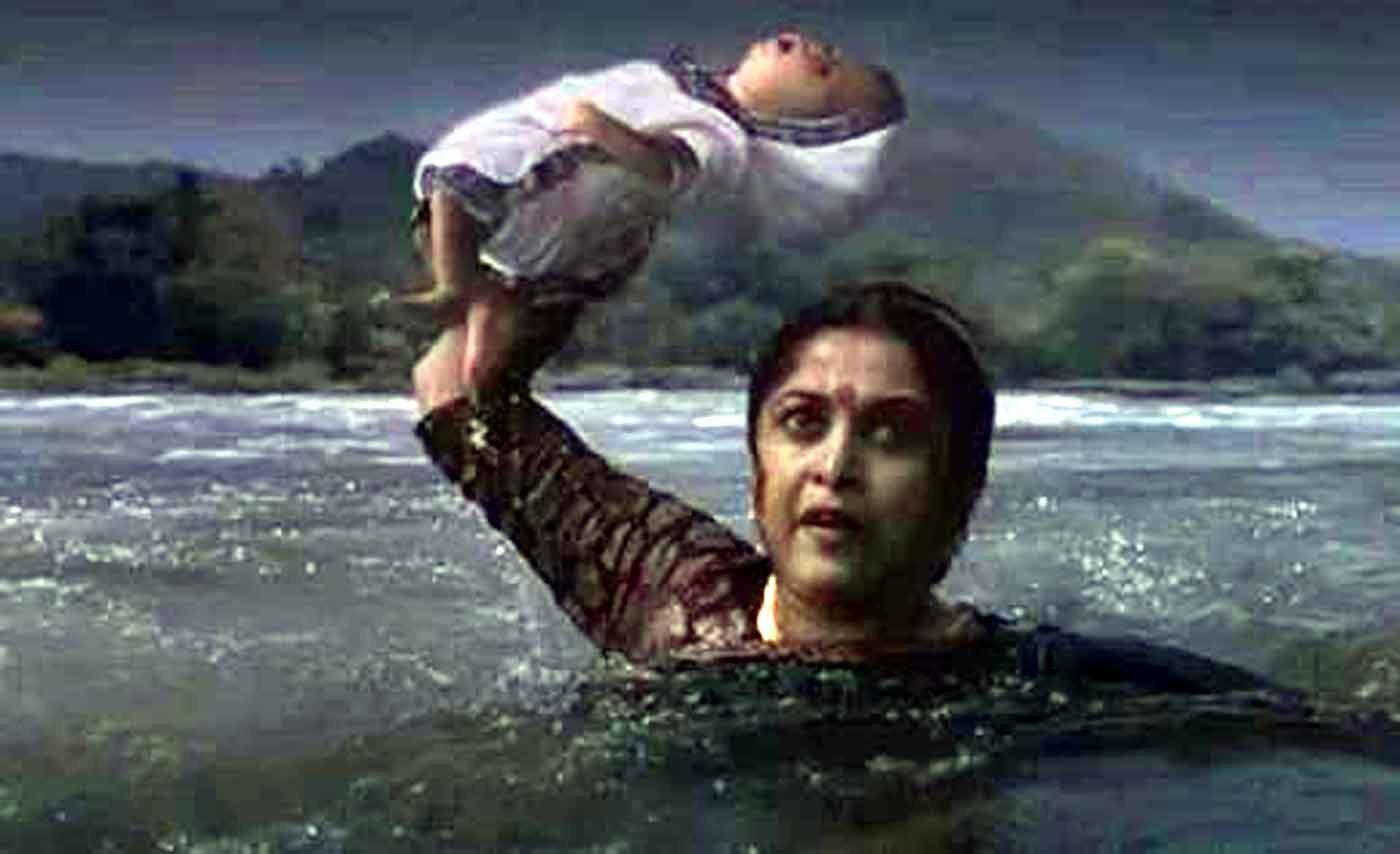
Then comes the moment that fans still revisit countless times on YouTube. As Mahendra Baahubali finally returns to Mahishmati, Devasena senses his arrival before anyone else. The haunting background score rises, the atmosphere changes, and she utters the now-iconic dialogue: “Mahishmati upiri pilchuko… naa koduku vachchadu.” It lasts only a few moments, yet it perfectly captures the emotional weight of a son reclaiming the kingdom that had been stolen from his father. Few scenes in Indian cinema have carried such an overwhelming aura.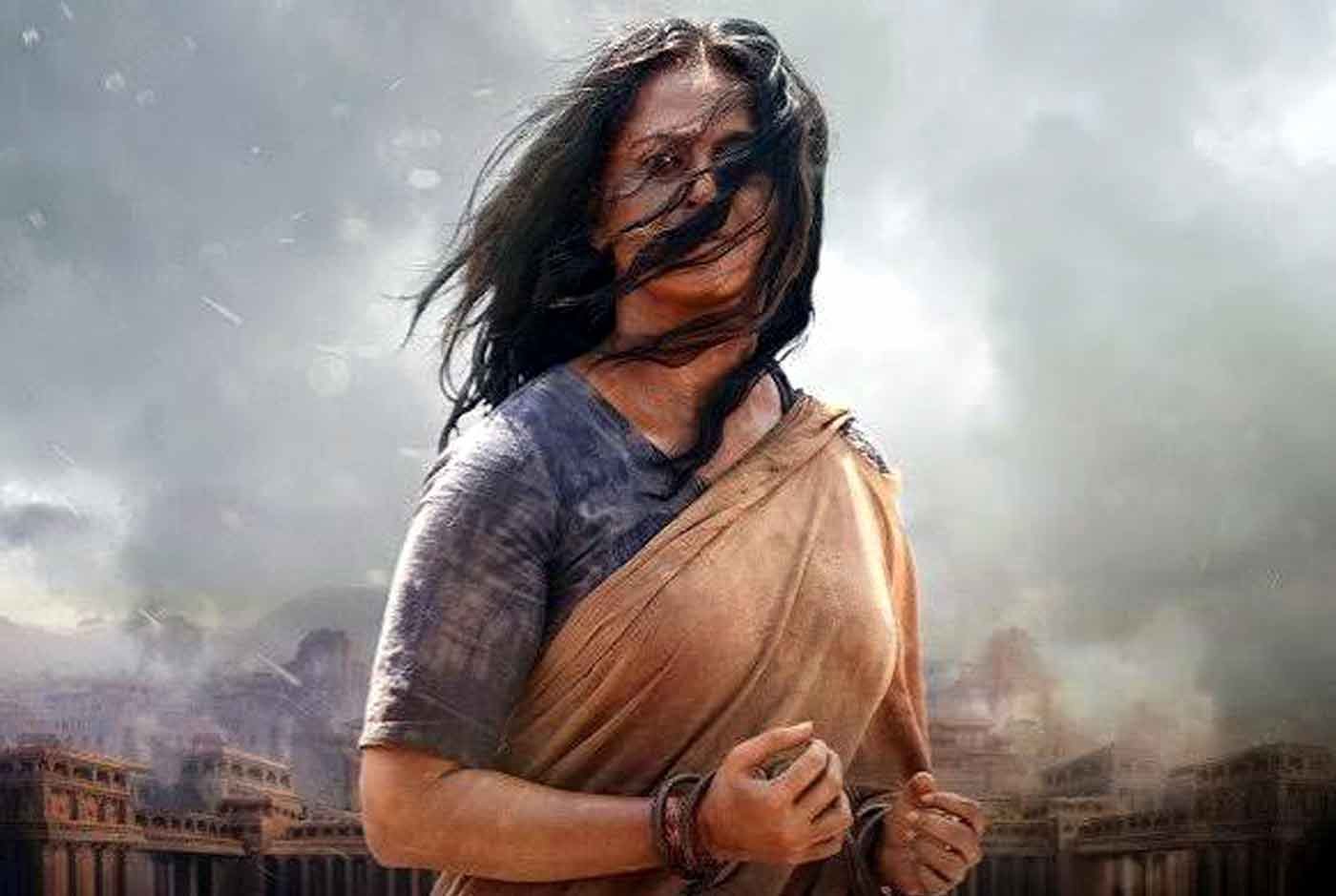
Equally unforgettable is Bhallaladeva’s confrontation with the raging bison. The sequence serves as a dramatic introduction to his immense physical strength and fearlessness while simultaneously foreshadowing the arrogance and brutality that define his character. It remains one of the franchise’s most visually striking action moments.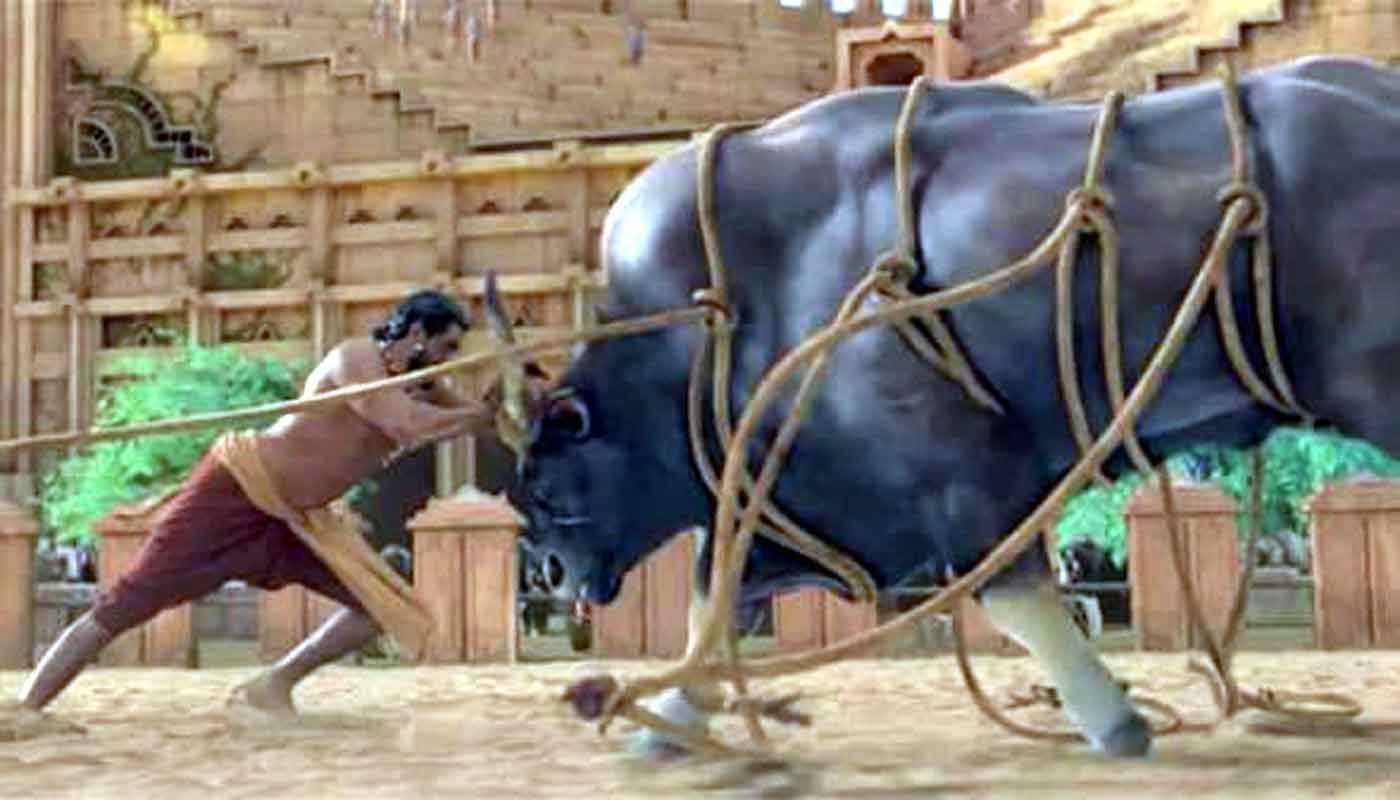
Of course, no list would ever be complete without perhaps the biggest cinematic cliffhanger in Indian history.
“Kattappa ne Baahubalini enduku champadu?”
The revelation that Kattappa himself killed Amarendra Baahubali instantly became a nationwide obsession. For nearly two years, the question dominated conversations, memes, news debates, college canteens, and social media timelines. When the truth was finally revealed in Baahubali 2, audiences witnessed one of the most heartbreaking betrayals in Indian cinema as Kattappa, bound by loyalty to the throne, fatally stabbed the very man he loved and respected.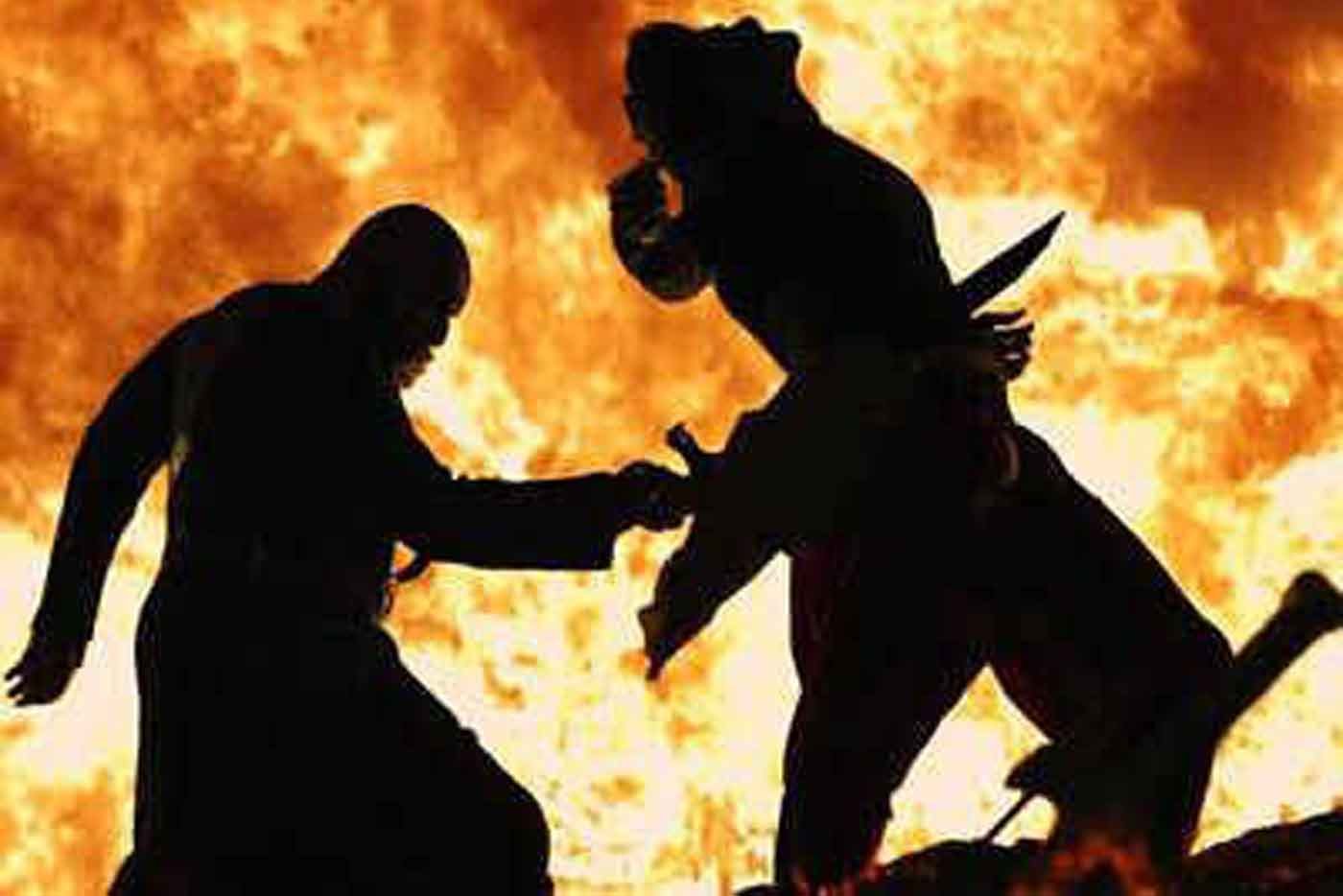
Among the quieter yet equally memorable scenes is the first meeting between Amarendra Baahubali and Devasena. Disguised as an ordinary man, Baahubali watches her confidence, courage, and unmatched skill with the bow. Rather than falling in love with beauty alone, he is captivated by her strength, independence, and fearlessness. Their romance felt refreshing because it was built on admiration before affection.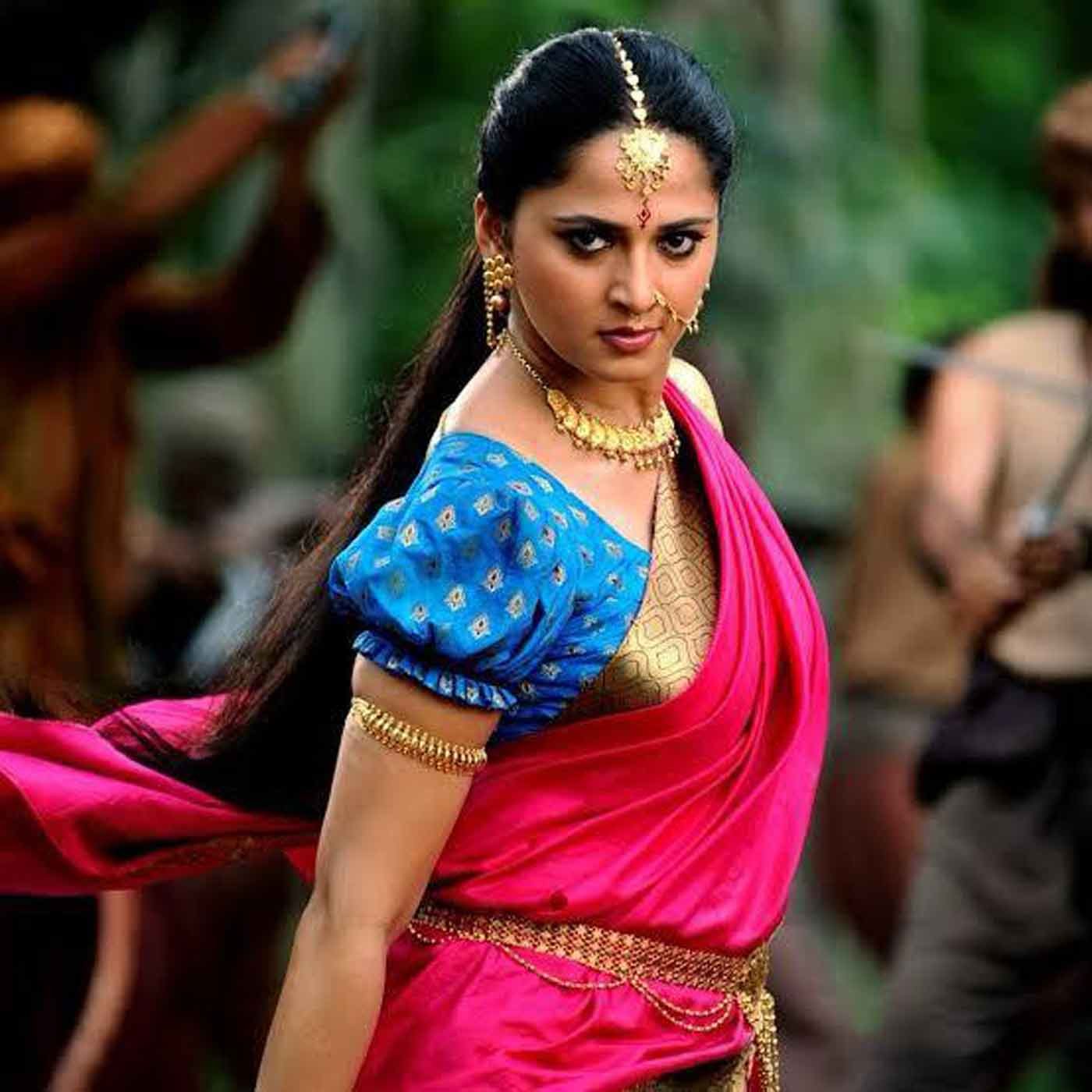
Another visually breathtaking sequence arrives when Mahendra Baahubali, wounded in battle, places his bloodied hand upon the Shivalinga. As blood flows over the sacred idol, Rajamouli creates a stunning image that blends devotion, sacrifice, and destiny into a single frame. It is symbolic, spiritual, and unforgettable.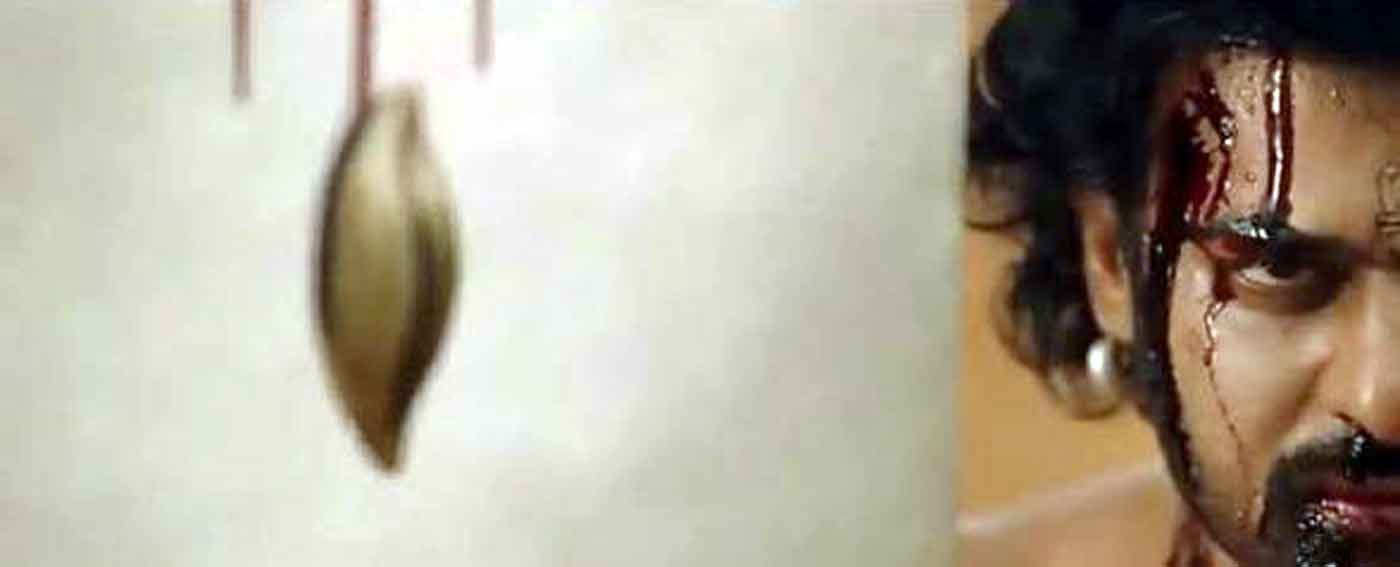
The Kuntala Kingdom battle remains another fan favourite. When dacoits attack the palace, Amarendra Baahubali and Devasena fight side by side in one of the franchise’s most elegantly choreographed action sequences. Instead of relying purely on brute force, the battle resembles a carefully orchestrated dance. The swirling movements, synchronized combat, and effortless chemistry between the two characters transformed the fight into a visual spectacle that remains unmatched.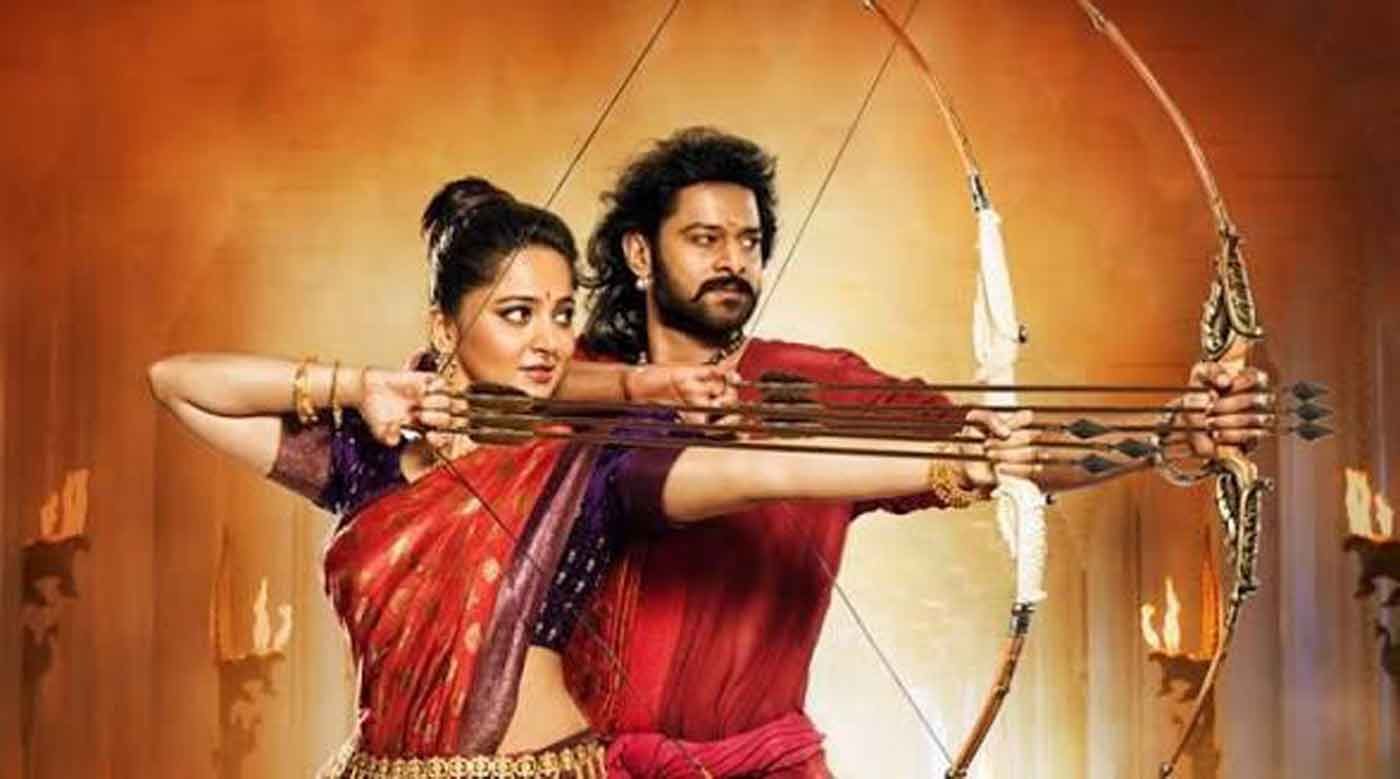
What made these scenes extraordinary was not simply their scale. They were driven by emotion. Every battle had purpose. Every dialogue carried weight. Every triumph and every loss felt earned. Rajamouli combined mythology, history, fantasy, and human emotion into a cinematic language that audiences across the world could understand.
Even today, Baahubali continues to influence Indian filmmaking, from ambitious world-building to large-scale action and visual storytelling. It proved that regional cinema could become global cinema without compromising its cultural identity.
Eleven years later, audiences may remember the grand sets, the VFX, and the breathtaking battles. But what truly made Baahubali timeless were the moments that made us cheer, cry, gasp, and sit in stunned silence. Some films entertain. Baahubali became an emotion. And eleven years later, that emotion still refuses to fade.