

Gut health has become one of wellness culture’s biggest buzzwords.
From probiotic beverages and microbiome testing kits to specialised supplements, digestive wellness has become a global industry. Yet as researchers continue to study the relationship between food, microbes and health, attention is increasingly returning to traditional food systems — and India’s culinary heritage is finding renewed relevance.
Long before kombucha cafés and kefir bowls entered urban wellness menus, Indian households routinely included fermented foods as part of everyday eating habits.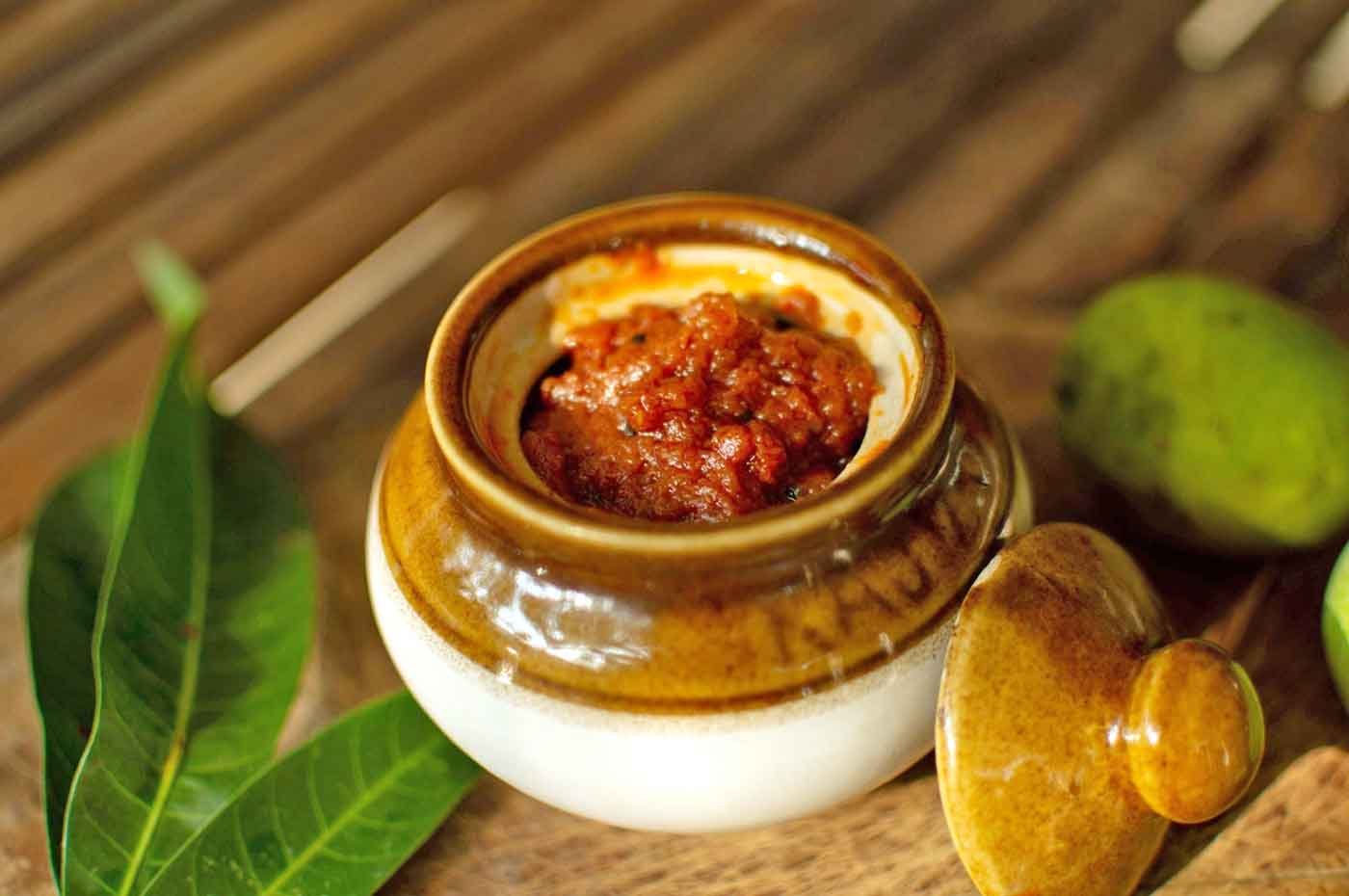
Across regions, fermentation was not a trend. It was tradition.
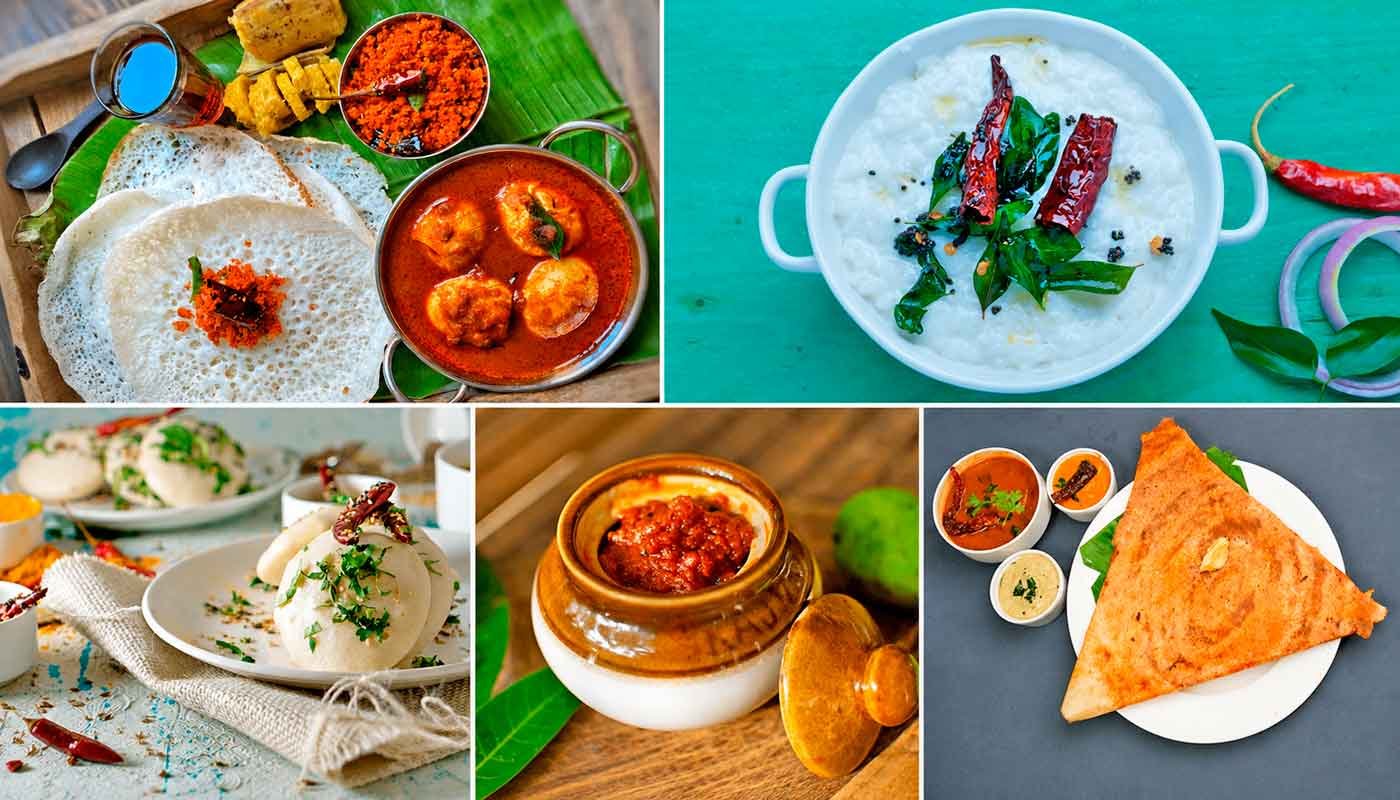
In South India, idli and dosa batter — prepared through natural fermentation of rice and lentils — has been a breakfast staple for generations. The overnight fermentation process encourages microbial activity while also improving digestibility and nutrient availability.
In Karnataka, dishes such as neer dosa and local fermented rice gruels coexist with kanji traditions, particularly rice-based preparations consumed in homes and rural communities. Variants of fermented rice water and soaked rice preparations are also seen across neighbouring Kerala and coastal belts.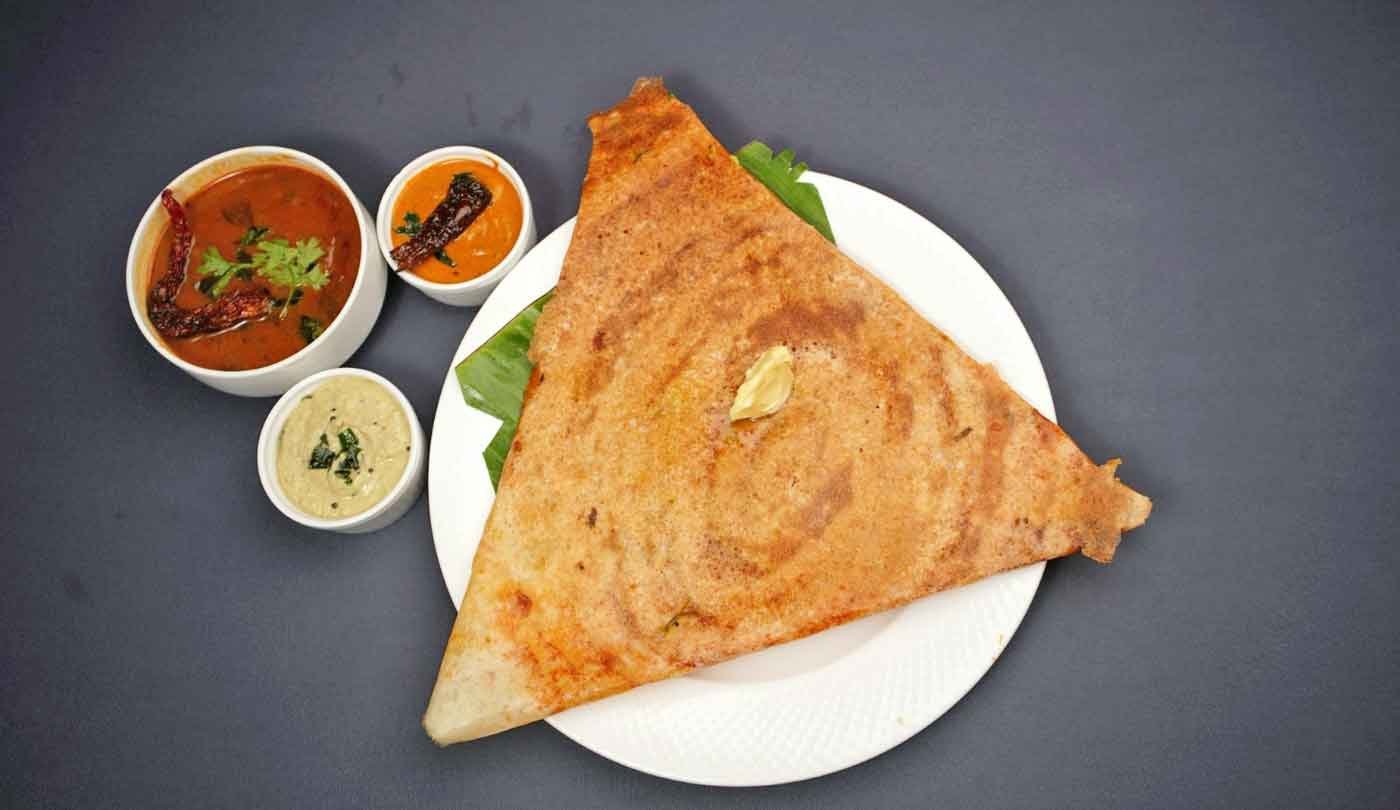
In Bengal and Odisha, pakhala bhata and panta bhat — lightly fermented rice dishes — have long been summer foods associated with hydration and gut comfort.
The North-East presents another rich microbial landscape with foods such as fermented bamboo shoots, soybean preparations including axone and tungrymbai, and fish ferments integrated into local cuisines.
In Himachal Pradesh and Uttarakhand, traditional preparations like siddu and fermented millet foods continue to survive in local food cultures.
Even buttermilk, curd rice and chaas — everyday staples in many Indian homes — represent living food traditions with microbial significance.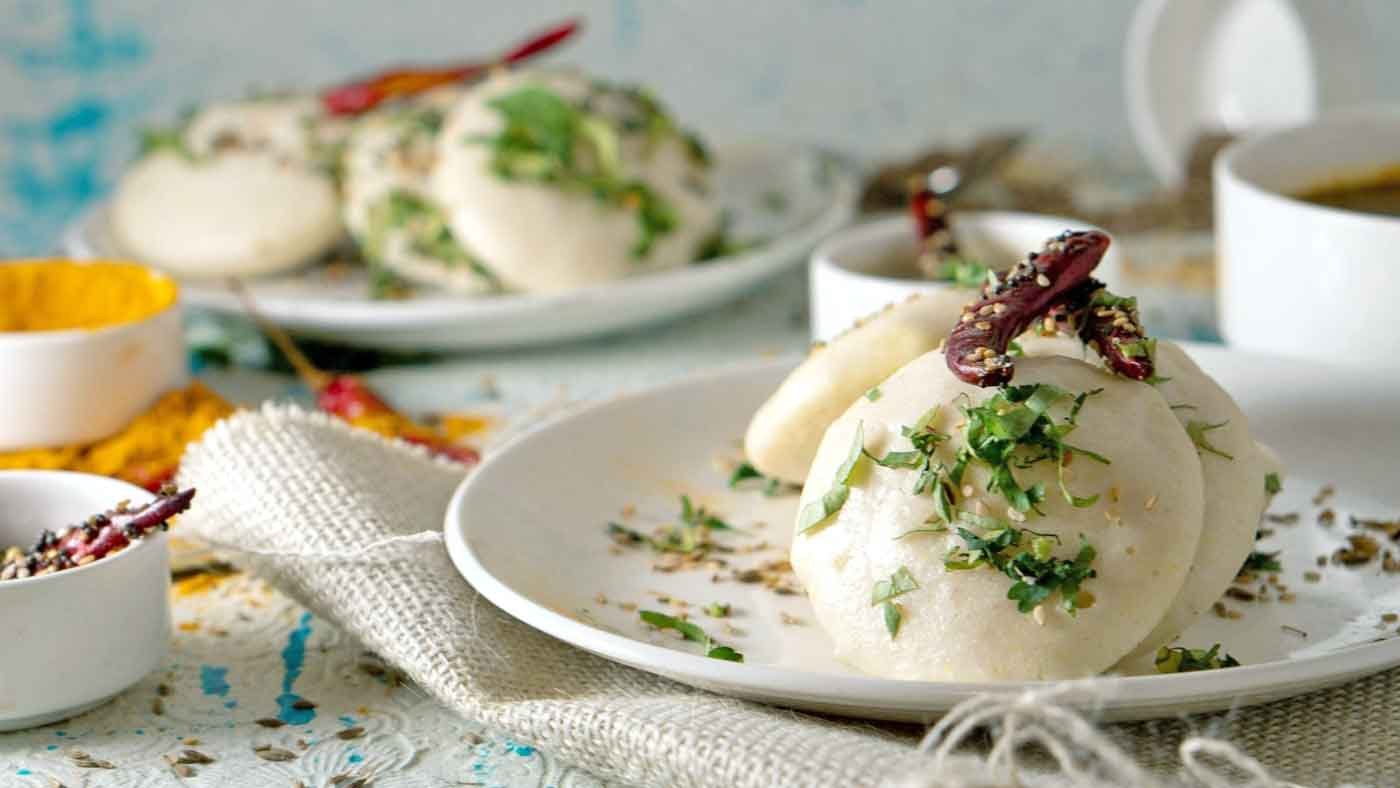
India’s food diversity extends further into millet ferments, indigenous soy products, rice beers and regional batters that developed over centuries through climate adaptation, preservation needs and local food wisdom.
A review published in Foods Journal examining Indian fermented foods highlights this diversity, describing traditional Indian ferments as reservoirs of microbial communities and bioactive compounds with possible implications for digestive and metabolic health. The review also notes the breadth of indigenous fermented foods across India and the importance of preserving these food traditions as nutrition and microbiome science evolve.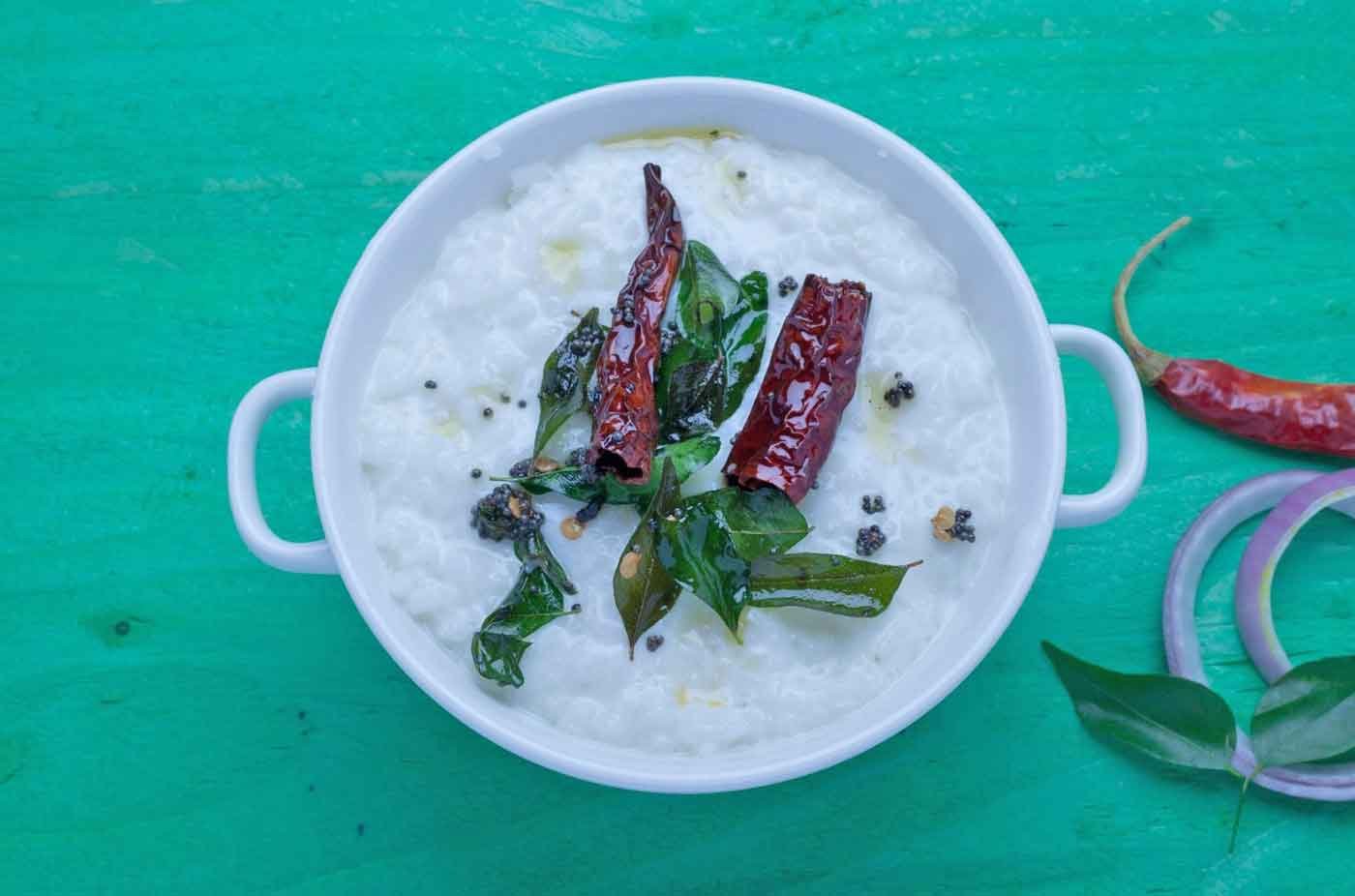
Why does this matter?
The gut microbiome — the ecosystem of microorganisms living in the digestive tract — is increasingly being studied for links with digestion, immunity, metabolism and overall health. While the science continues to evolve, dietary diversity remains one of the recurring themes in nutrition research.
The Indian Council of Medical Research – National Institute of Nutrition (ICMR-NIN), through its dietary guidance and recommendations promoting balanced traditional diets, has also emphasised food diversity, minimally processed foods and regionally appropriate eating patterns — principles that closely align with many traditional Indian food systems.
Nutrition experts frequently recommend increasing fibre intake, consuming diverse plant foods, including fermented foods where appropriate and reducing ultra-processed food consumption.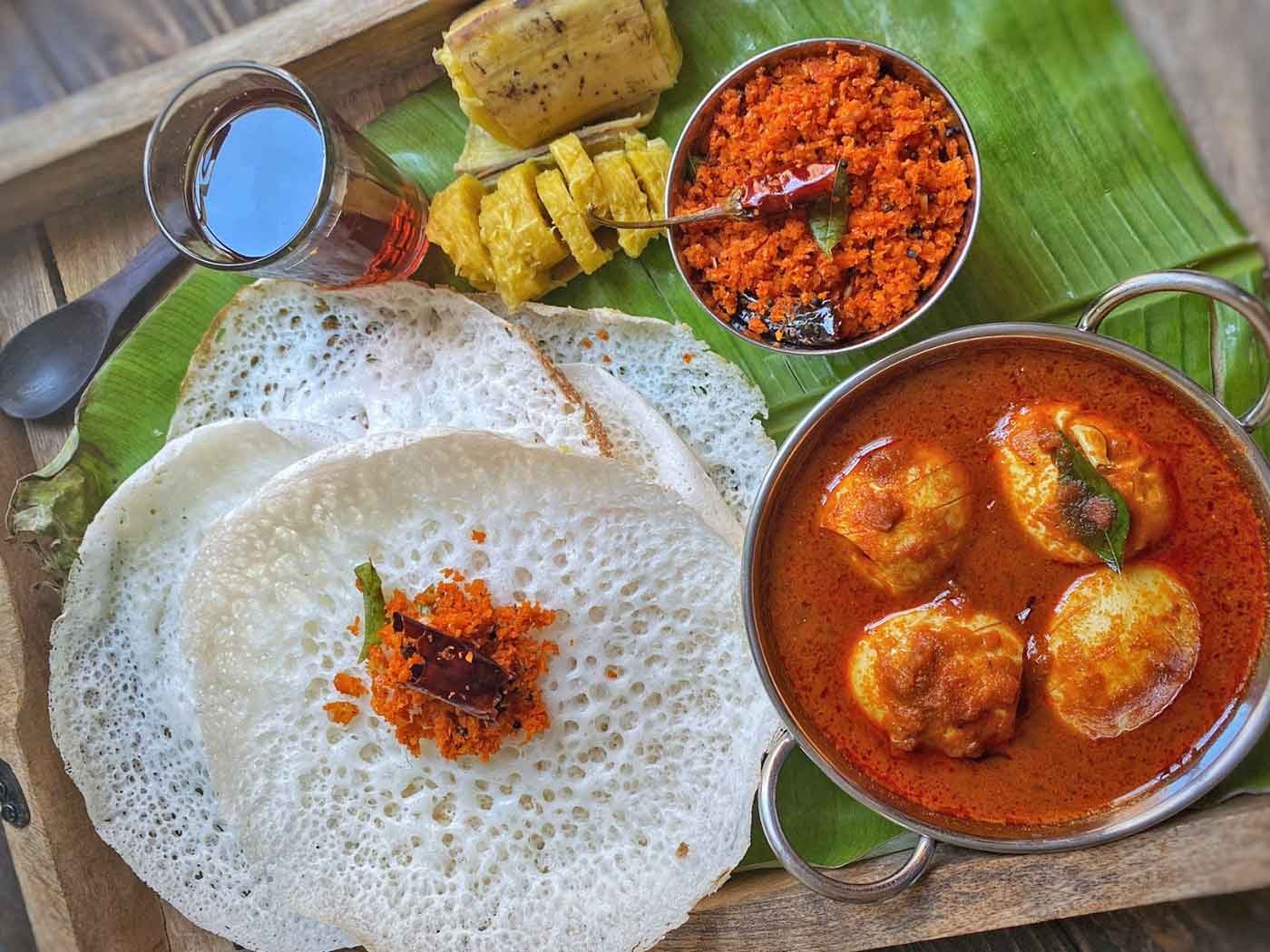
Another interesting discussion emerging within Indian food traditions concerns pickles.
Traditional Indian pickles — particularly naturally fermented versions rather than vinegar-preserved commercial variants — are increasingly being discussed in relation to gut health because fermentation can support the development of beneficial microorganisms.
At the same time, many pickle ingredients themselves may function as prebiotics.
Prebiotics differ from probiotics. While probiotics are beneficial microorganisms, prebiotics are compounds that nourish and support gut microbes.
Traditional Indian pickles often contain ingredients such as garlic, mustard seeds, fenugreek, turmeric, raw mango, gooseberry and regional spices. Several of these contain fibre, polyphenols and bioactive compounds that researchers are studying for their potential prebiotic effects.
Experts, however, also recommend moderation because many traditional pickles can be high in salt and oil.
Importantly, fermented foods are not universal remedies. Their microbial composition varies according to ingredients, geography, preparation methods and storage conditions, and researchers continue to study their population-specific effects.
For Indian readers, this global gut-health movement presents an interesting reversal.
For years, wellness culture celebrated imported superfoods. Today, science is prompting a second look at foods that already existed in Indian kitchens — the idli batter left overnight, grandmother’s kanji, summer pakhala, homemade curd and jars of seasonal pickle maturing in the sun.
Perhaps the future of gut health may not be entirely new.