
Governor movie revisits India’s 1991 economic crisis, the gold pledge episode and RBI Governor S. Venkitaramanan’s role, while raising questions about historical accuracy.
Governor Movie Review by A L Sharada

As the spouse of an RBIite, I was excited to watch the film Governor. Over the years, I have heard enough conversations about central banking, economic crises and policymaking to know that many of the people who shape the country’s destiny work quietly behind the scenes and are rarely known outside a small circle. A film on RBI Governor S. Venkitaramanan, therefore, immediately caught my attention.
The film does an excellent job of bringing alive the economic crisis of 1990-91. Watching India scramble to find foreign exchange, the painful decision to mortgage the country’s gold reserves, and the fear of a possible default reminded me just how serious the situation was. It also gives due credit to Prime Minister Chandra Shekhar and the difficult decisions taken by his government.
One aspect I found particularly interesting was the portrayal of Atal Bihari Vajpayee as a statesman willing to place national interest above party politics. While that portrayal did not surprise me, it did make me wonder whether the film was merely recounting an episode from 1991 or subtly inviting viewers to rethink the conventional narrative around the reforms that followed.
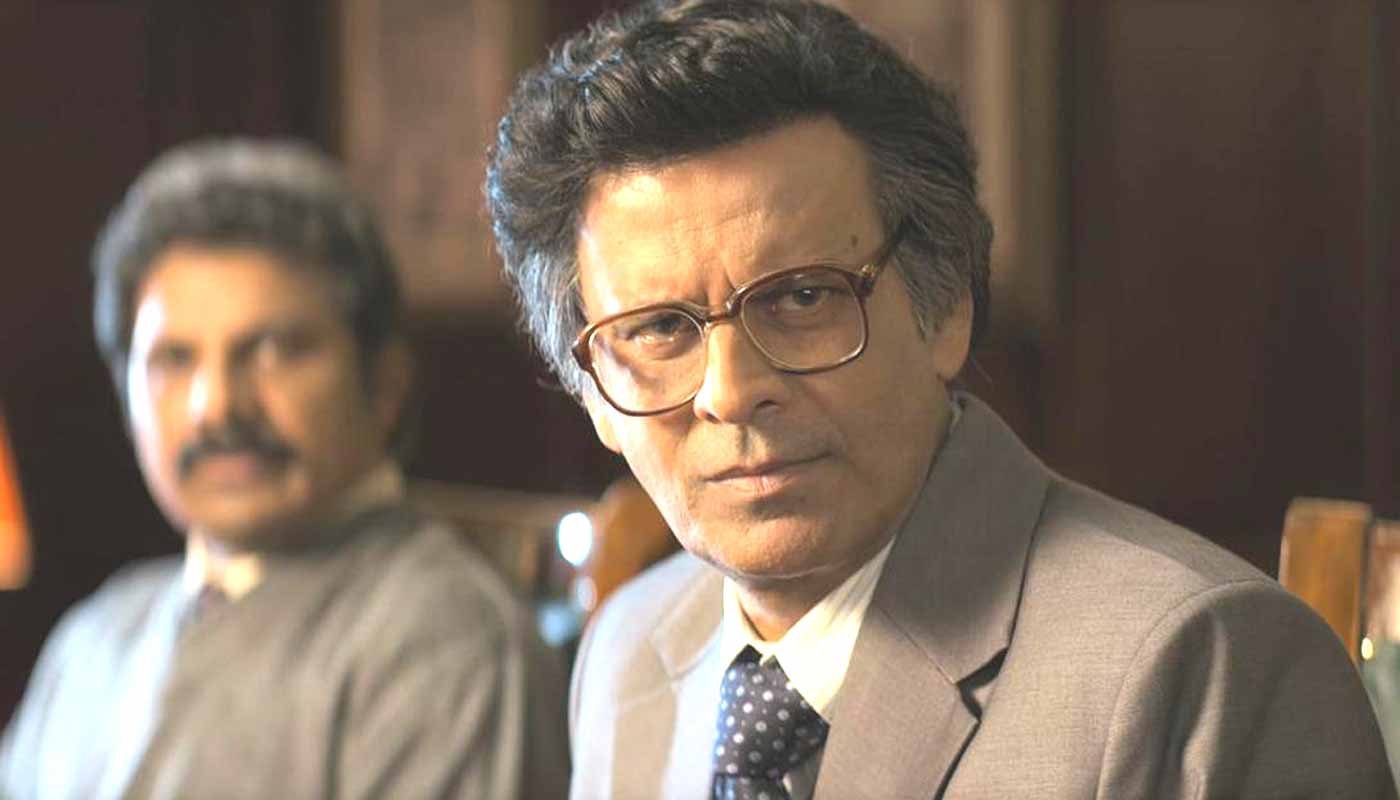
What I liked most was that the film introduces viewers to a man most Indians know very little about. Venkitaramanan emerges as a competent, calm and committed public servant trying to navigate an impossible situation. The film portrays him not just as a crisis manager but as someone who understood that India needed to rethink its economic model and engage more openly with the world.
Introduction
What really happened during India’s 1991 economic crisis? Governor brings RBI Governor S. Venkitaramanan’s role into focus, but the film also raises intriguing questions about where documented history ends and cinematic storytelling begins writes A L Sharada
Governor Review: A Story of 1991
As the spouse of an RBIite, I was excited to watch the film Governor. Over the years, I have heard enough conversations about central banking, economic crises and policymaking to know that many of the people who shape the country’s destiny work quietly behind the scenes and are rarely known outside a small circle. A film on RBI Governor S. Venkitaramanan, therefore, immediately caught my attention.
The film does an excellent job of bringing alive the economic crisis of 1990-91. Watching India scramble to find foreign exchange, the painful decision to mortgage the country’s gold reserves, and the fear of a possible default reminded me just how serious the situation was. It also gives due credit to Prime Minister Chandra Shekhar and the difficult decisions taken by his government.
One aspect I found particularly interesting was the portrayal of Atal Bihari Vajpayee as a statesman willing to place national interest above party politics. While that portrayal did not surprise me, it did make me wonder whether the film was merely recounting an episode from 1991 or subtly inviting viewers to rethink the conventional narrative around the reforms that followed.
What I liked most was that the film introduces viewers to a man most Indians know very little about. Venkitaramanan emerges as a competent, calm and committed public servant trying to navigate an impossible situation. The film portrays him not just as a crisis manager but as someone who understood that India needed to rethink its economic model and engage more openly with the world.
But as I watched the film, and even more after I came home, I found myself asking a simple question: how much of this actually happened?
There is a scene where the lift malfunctions as he enters the RBI building and he is not recognised in the confusion. It makes for good cinema, but I could not find any evidence that the incident actually took place. The same question crossed my mind during the scenes showing him accompanying the gold shipment, riding pillion on a scooter on a rainy day, or during the film’s suggestion that he was among the earliest and strongest advocates of opening up the Indian economy.
Maybe all of it happened. Maybe some of it did. Maybe some of it is symbolic. I honestly don’t know.
An interesting postscript came after the film, when I heard some RBIites comment that the movie does not accurately depict the organizational culture of the RBI. I found that observation fascinating. Having never worked there myself, I decided to take it at face value. It also reinforced my curiosity about where the film was drawing from documented history and where it was using creative licence.
The most interesting choice Governor film makes is where it ends. Just as P.V. Narasimha Rao and Manmohan Singh enter the picture, the film stops, with Venkitaramanan advising the incoming Finance Minister to open the doors of the country to the world. I couldn’t help wondering whether the film was trying to correct a historical omission or gently steer the audience towards a different understanding of who deserves credit for India’s economic turnaround.
I am glad I watched Governor. It made me revisit a fascinating period in India’s history and learn more about people whose contributions are not widely known.
The more I read after watching the film, the more I realized that the story of 1991 is far more complex than the versions most of us have grown up with. Perhaps that was the film’s biggest contribution for me. It made me curious enough to go back and revisit that history for myself.
But it also left me wondering where history ended and storytelling began. A day after watching the film, that is the question I am still thinking about.
Governor Movie Review
Rating : 3 / 5

AL Sharada is the Director of Population First, a non-profit organisation focused on population and gender issues. She is the founder of Laadli, a premier advocacy initiative and media campaign designed to promote gender sensitivity in journalism and advertising.