
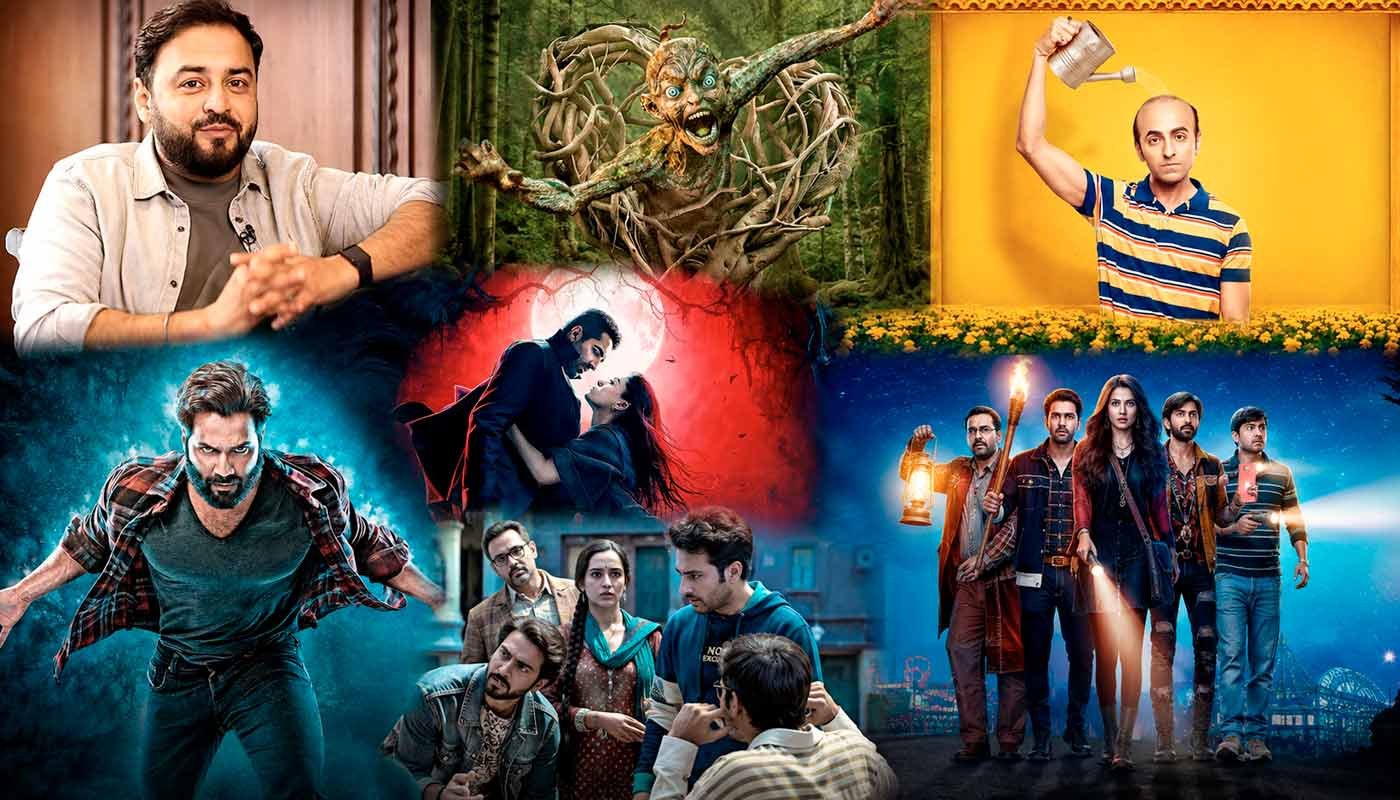
Few filmmakers have reshaped a genre as dramatically as Amar Kaushik. At a time when horror-comedies in Bollywood often relied on slapstick or predictable scares, Kaushik introduced something refreshingly different: small-town settings, rooted folklore, sharp social commentary, and characters that felt authentic. His films don’t merely entertain; they turn local myths into compelling cinematic universes while seamlessly balancing humour, horror, and emotion.
On his birthday, here’s a look at the films that have established Amar Kaushik as one of the most exciting directors working in Indian cinema today.
Stree (2018): The Film That Started a Phenomenon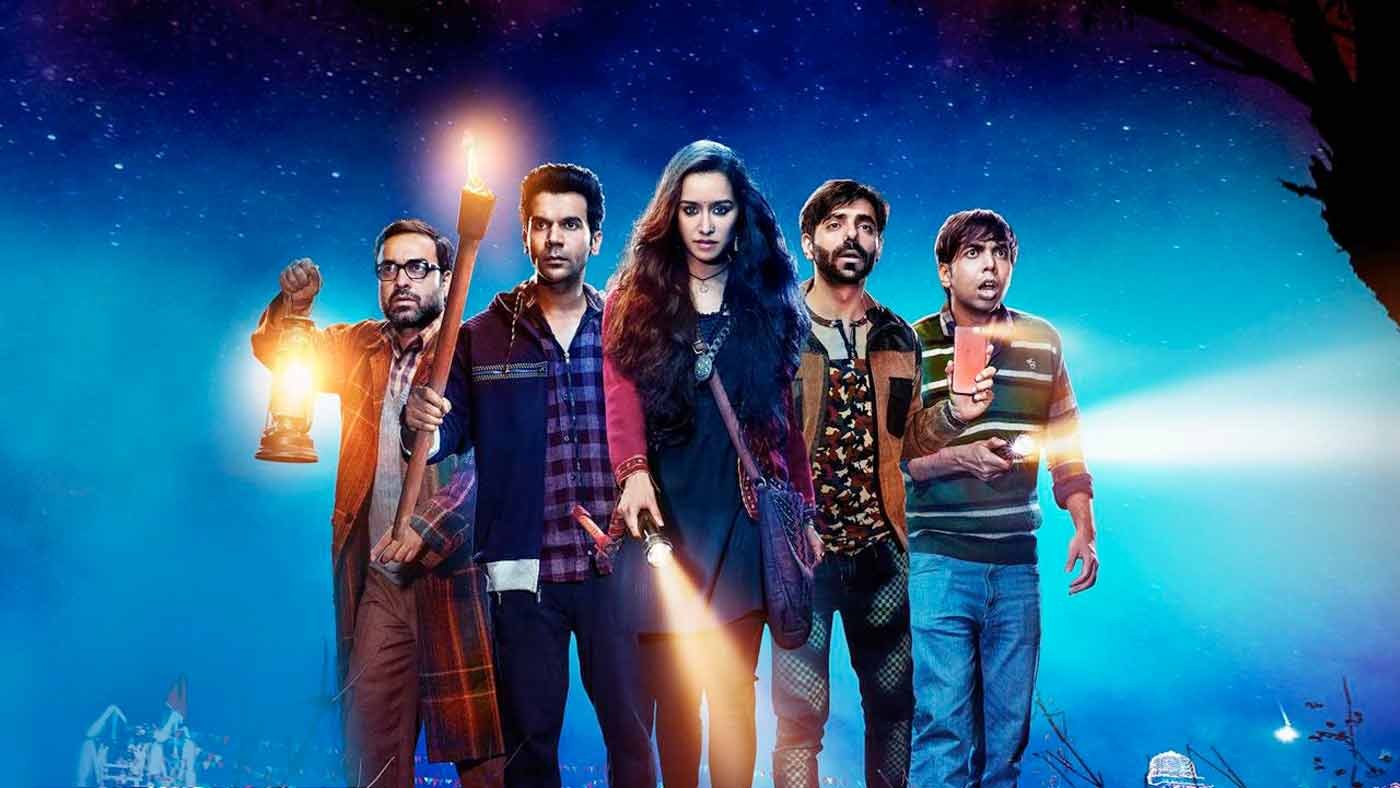
It all began in the sleepy town of Chanderi, where an eerie legend warns residents about a mysterious female spirit who appears during an annual festival and abducts only men. Terrified villagers paint “O Stree, Kal Aana” (“Oh woman, come tomorrow”) on the walls of their homes, believing the ghost will return another day instead of entering.
Starring Shraddha Kapoor, Rajkummar Rao, Aparshakti Khurana, Abhishek Banerjee, and Pankaj Tripathi, Streep cleverly blends supernatural horror with witty humour while quietly questioning patriarchal attitudes and gender stereotypes. Rather than portraying women as victims, the film flips traditional horror conventions on their head, making its central ghost one of Bollywood’s most memorable characters. Its sharp writing, memorable dialogues, and unpredictable storytelling transformed it into a modern cult classic and laid the foundation for the Maddock Horror Comedy Universe.
Stree 2 (2024): Expanding the Horror Universe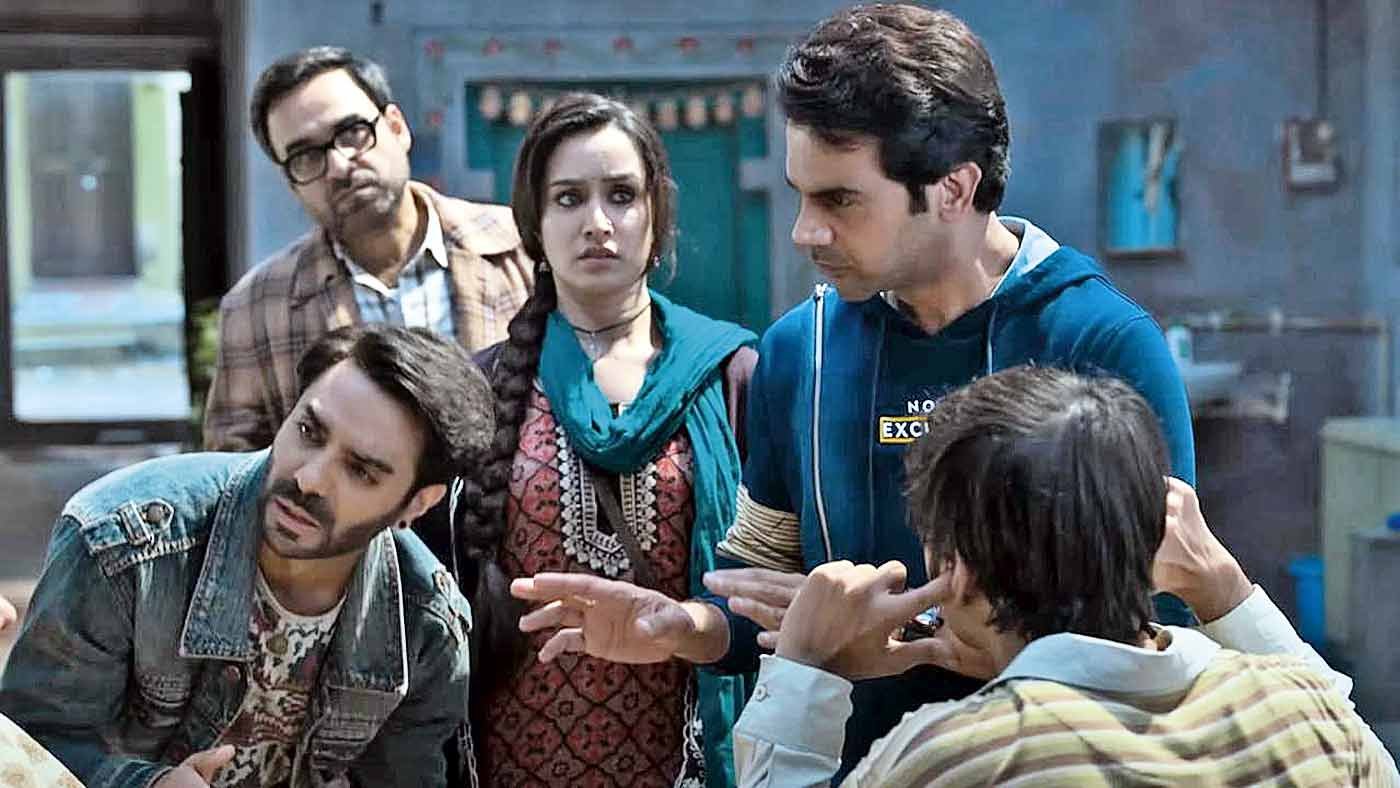
With expectations sky-high after the success of the original, Stree 2 returned audiences to Chanderi while significantly expanding the franchise’s mythology. As a terrifying new supernatural threat begins haunting the town, familiar faces reunite to protect their community while uncovering deeper mysteries surrounding Stree herself.
The sequel successfully balances larger visual spectacle with the humour and emotional warmth that made the original beloved. It also strengthens the interconnected universe linking Stree with Bhediya and Munjya, proving that Indian cinema is capable of building a shared supernatural franchise rooted in indigenous folklore rather than borrowed Western horror tropes.
Bhediya (2022): A Werewolf Story with an Environmental Heart
With Varun Dhawan in the lead alongside Kriti Sanon, Bhediya took Amar Kaushik’s storytelling into new territory. The film follows Bhaskar, a road contractor who travels to the forests of Arunachal Pradesh for a development project. After being bitten by a mysterious wolf, he gradually discovers that he’s transforming into a werewolf himself. What begins as a supernatural comedy soon evolves into a thoughtful story about environmental destruction, indigenous communities, and humanity’s relationship with nature.
Despite its entertaining creature-comedy premise, Bhediya quietly delivers a strong ecological message while showcasing impressive visual effects rarely seen in Indian horror cinema. The film also introduced one of the most exciting crossovers in the Maddock Horror Comedy Universe.
Munjya (2024): Folklore Becomes a Blockbuster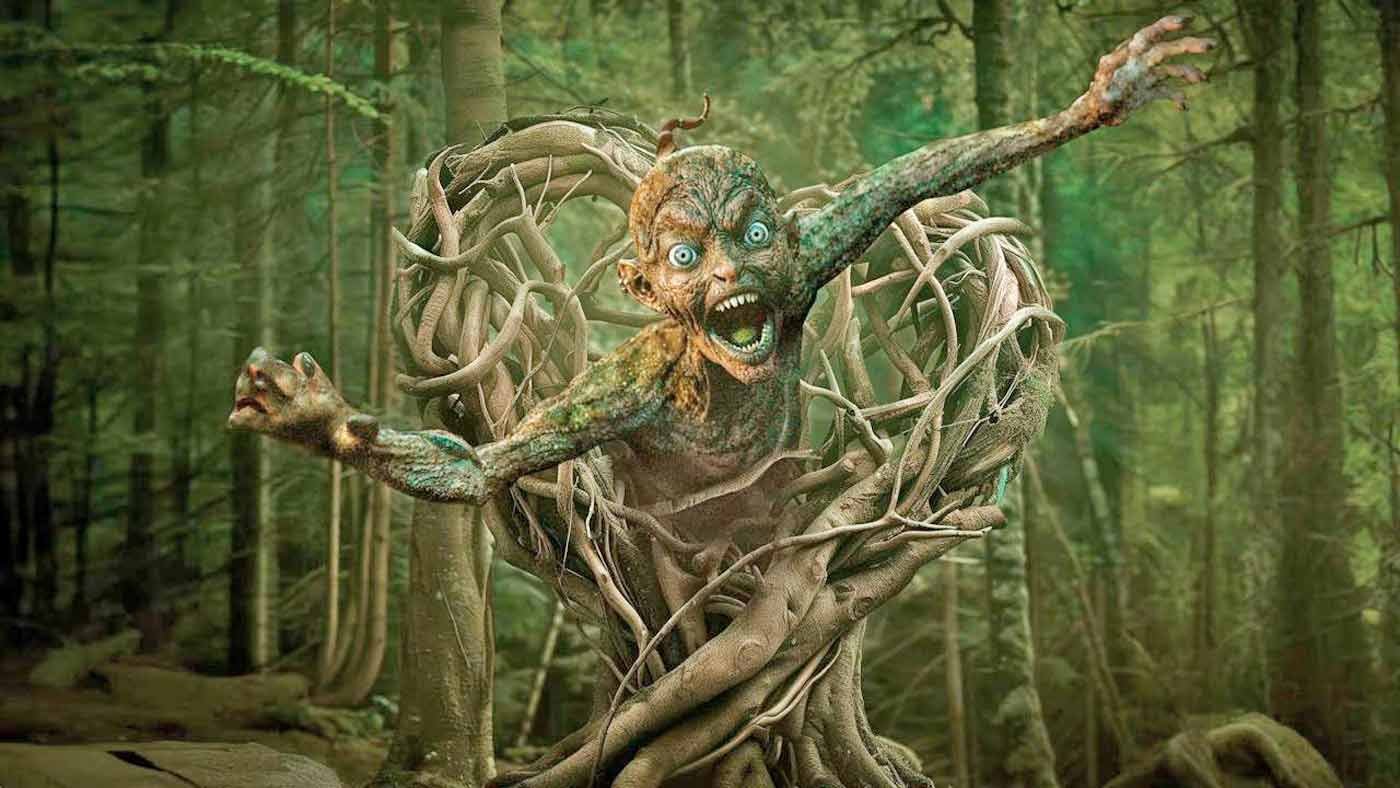
Inspired by a little-known Maharashtrian folk legend, Munjya proved that regional mythology still has enormous cinematic potential. The story follows a young man whose life is turned upside down after he accidentally awakens Munjya, the restless spirit of a boy whose unfulfilled desire for marriage keeps him trapped between worlds. Equal parts creepy and hilarious, the film blends supernatural folklore with family drama, romance, and comedy, creating one of the year’s biggest surprise hits.
Instead of relying on familiar ghosts or demons, Amar Kaushik’s production brought an overlooked Indian legend into mainstream cinema, demonstrating how deeply local stories can resonate with national audiences.
Bala (2019): A Comedy About Appearance and Self-Worth
Unlike his supernatural films, Bala tackles an entirely different fear, society’s obsession with physical appearance. Starring Ayushmann Khurrana, Bhumi Pednekar, and Yami Gautam, the film follows Bala, a young man who experiences premature baldness and struggles with declining confidence in a society that equates appearance with success. As he desperately searches for solutions to hide his condition, the film explores insecurities surrounding beauty standards, skin colour, confidence, and self-acceptance.
With empathy, humour, and social relevance, Bala became far more than a comedy about hair loss. It evolved into an honest commentary on how deeply appearance influences identity and self-esteem in contemporary India.
Thaama: The Next Chapter in the Horror-Comedy Universe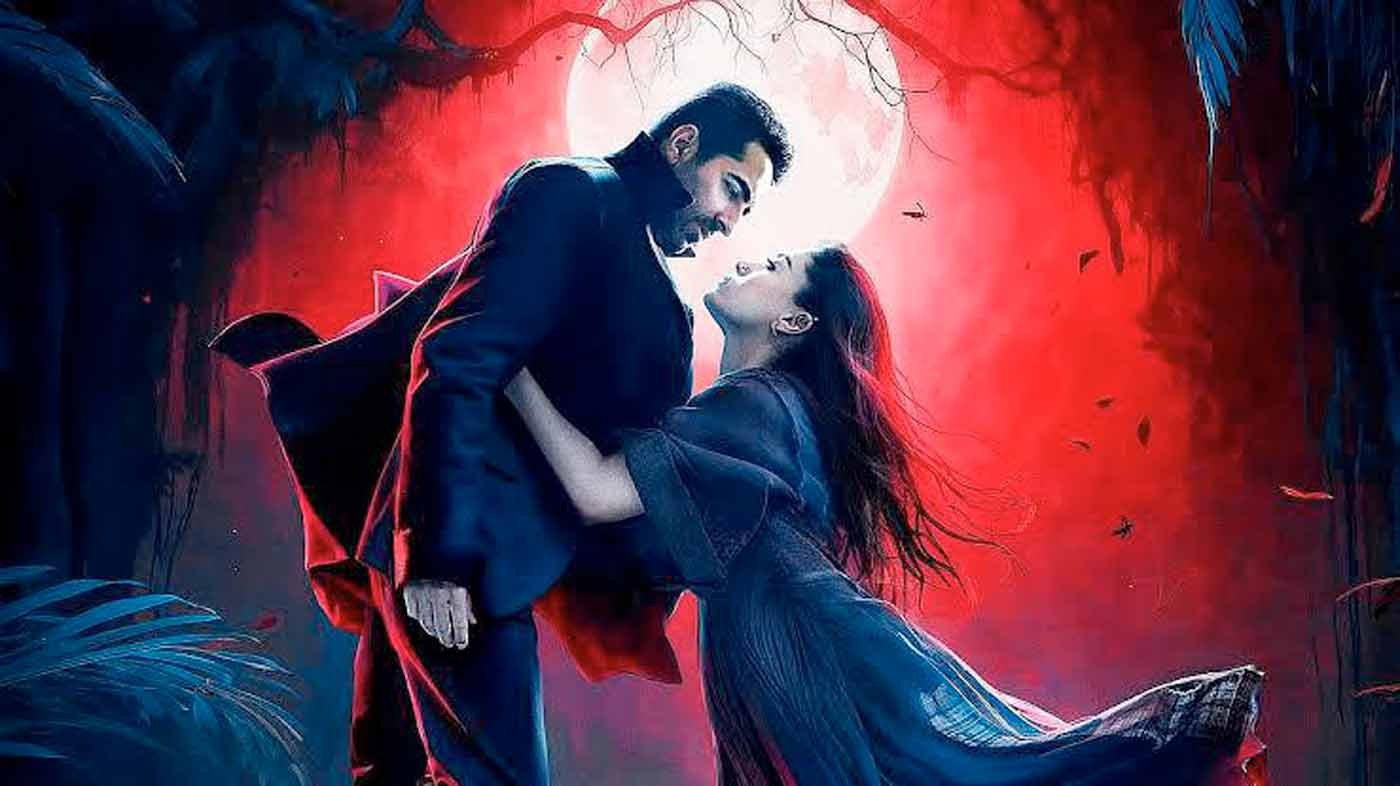
Among Amar Kaushik’s most anticipated upcoming projects is Thaama, starring Ayushmann Khurrana and Rashmika Mandanna. Set within the expanding Maddock Horror Comedy Universe, Thaama is expected to explore Indian vampire mythology, introducing audiences to stories inspired by ancient legends surrounding vestals and blood-drinking supernatural beings. Rather than borrowing conventional Western vampire lore, the film promises to reinterpret these creatures through an Indian cultural lens while retaining the franchise’s trademark blend of humour, folklore, romance, and horror.
Although plot details remain closely guarded, Thaama is already generating significant excitement as another major addition to one of Indian cinema’s most ambitious interconnected universes.
A Filmmaker Who Made Folklore Mainstream
What sets Amar Kaushik apart isn’t simply that he makes horror-comedies. It’s that he has consistently demonstrated how India’s own myths, legends, ghost stories, and folk traditions can become blockbuster entertainment without losing their cultural authenticity.
From haunted villages and werewolves to ancient spirits and vampires, his films celebrate stories deeply rooted in Indian traditions while making them accessible to modern audiences. Few contemporary filmmakers have managed to build a cinematic identity so distinctive, and fewer still have transformed an entire genre along the way.
On his birthday, Amar Kaushik’s filmography stands as proof that sometimes the most compelling cinematic universes don’t come from comic books, they emerge from the stories we’ve been telling around campfires and village streets for generations.