
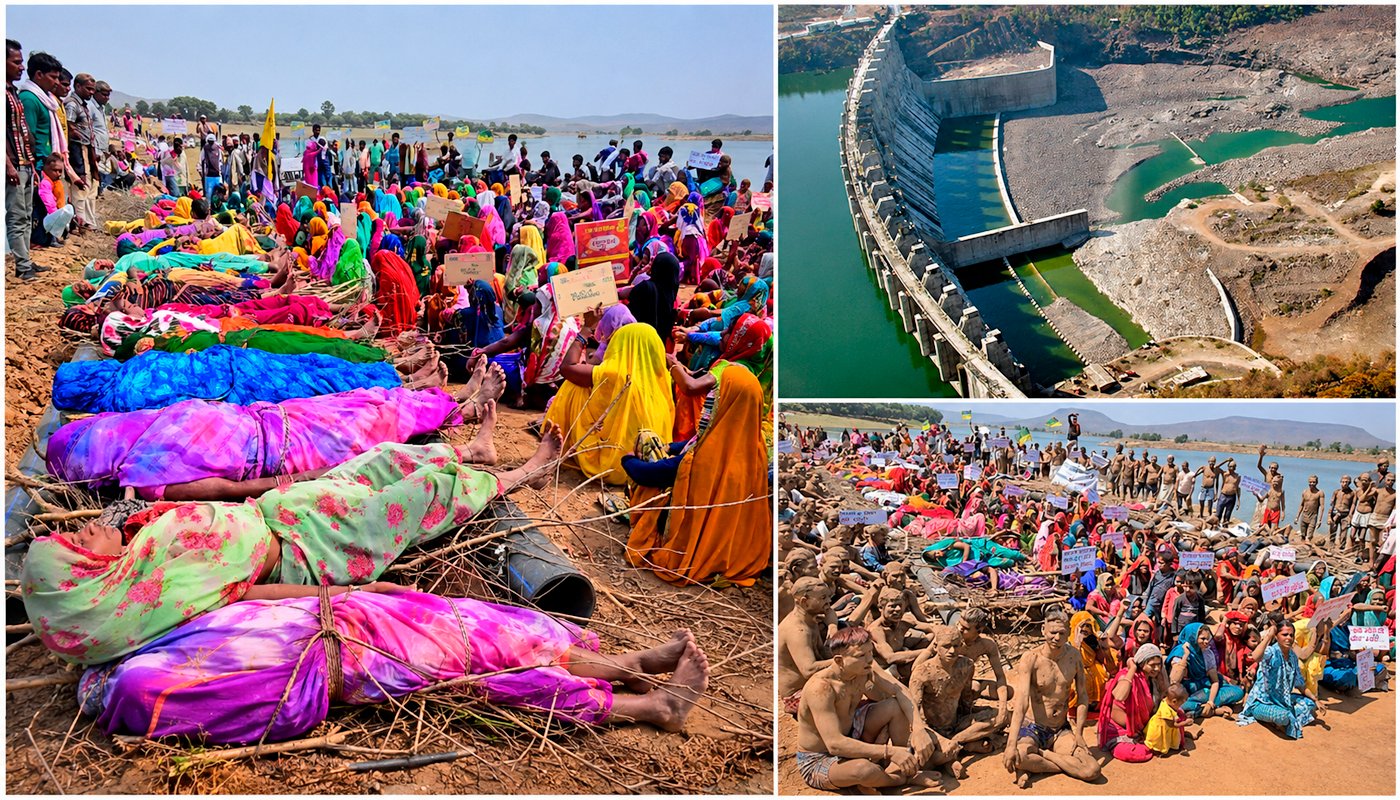
There are protests that dominate television screens for days. Then there are protests that continue in near silence. The Adivasi Chita Andolan in Madhya Pradesh belongs to the latter.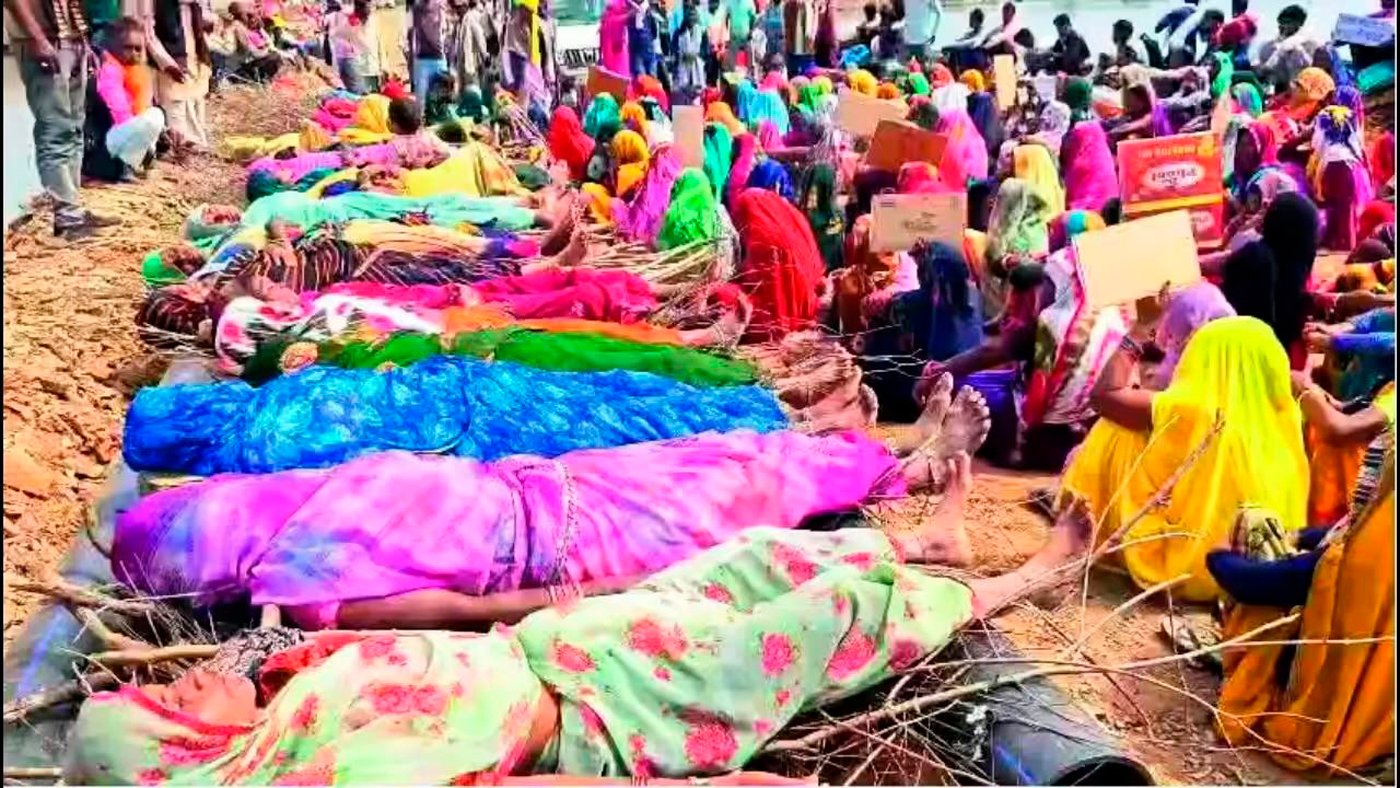
For days, tribal families affected by the Ken-Betwa River Linking Project have continued a symbolic protest that is as heartbreaking as it is powerful. Men and women have lain on symbolic funeral pyres, stood with nooses around their necks, and declared a simple message:
“Give us justice or let us die.”
Their demonstrations are not calls for violence. They are symbolic expressions of what many protesters describe as the emotional death that comes with losing their ancestral land, forests, homes, and way of life.
Why Are They Protesting?
The demonstrations are centred around the Daudhan Dam, the largest component of the ambitious Ken-Betwa River Linking Project, India’s first major river-linking initiative.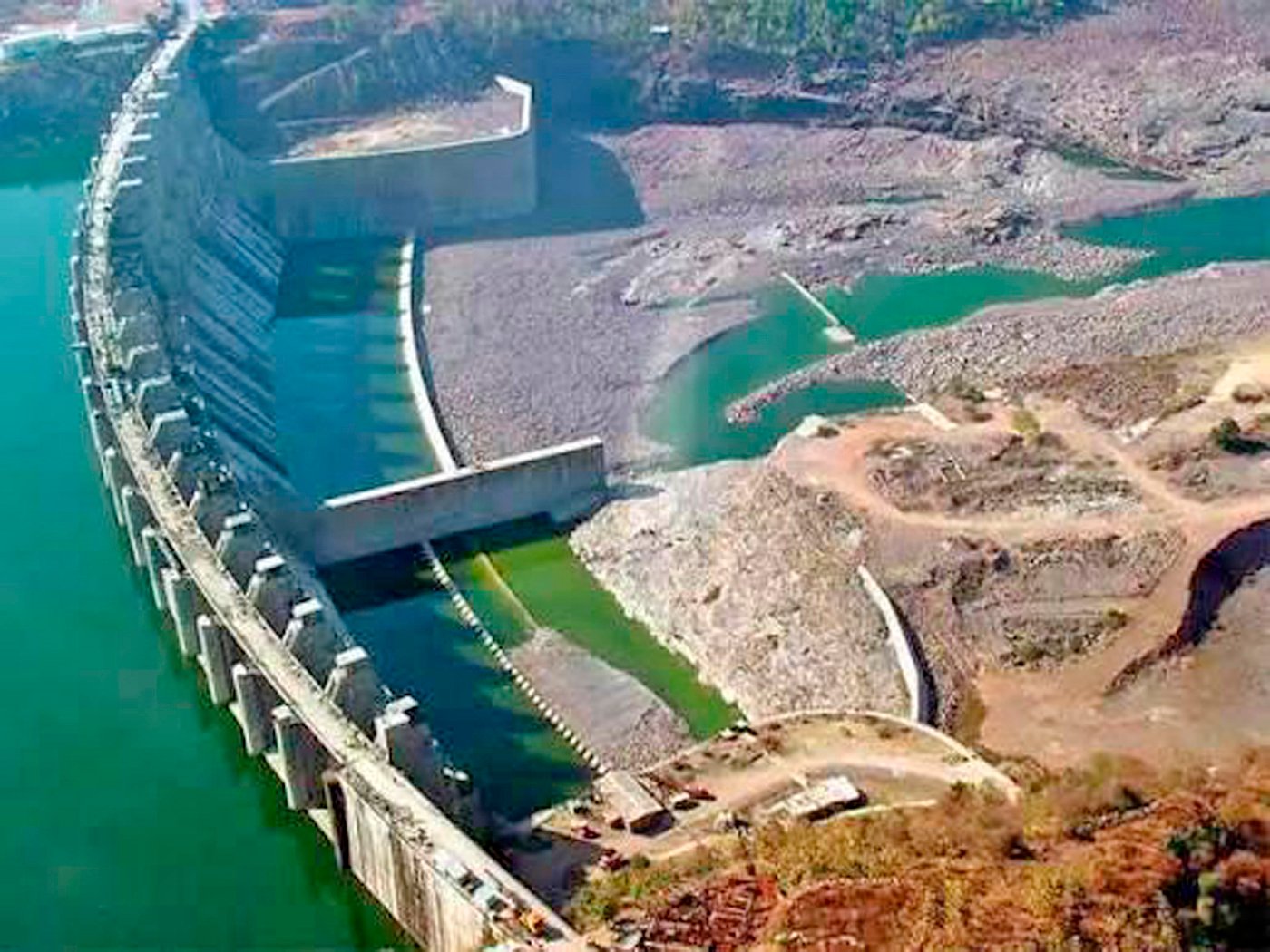
The government argues that the project will transform drought-prone Bundelkhand by improving irrigation, providing drinking water, and generating electricity for millions of people.
But thousands of families, many from Gond and Kol tribal communities, say they are being asked to sacrifice everything for development while receiving inadequate or disputed compensation and uncertain rehabilitation. Protesters have demanded:
- Fair and transparent compensation.
- Proper rehabilitation and resettlement.
- Equal compensation rights for women.
- An independent investigation into alleged irregularities in the compensation process.
A Protest Built on Symbols
The movement has become known for its striking visual demonstrations. Some protesters lie on symbolic funeral pyres in the Chita Andolan.
Others participate in Mitti Satyagraha, covering themselves with soil, or stand with ropes around their necks to symbolize that displacement is equivalent to death.
These demonstrations reflect a sentiment repeatedly expressed by the protesters: losing ancestral land is not simply losing property—it is losing identity, culture, memory, and generations of history. 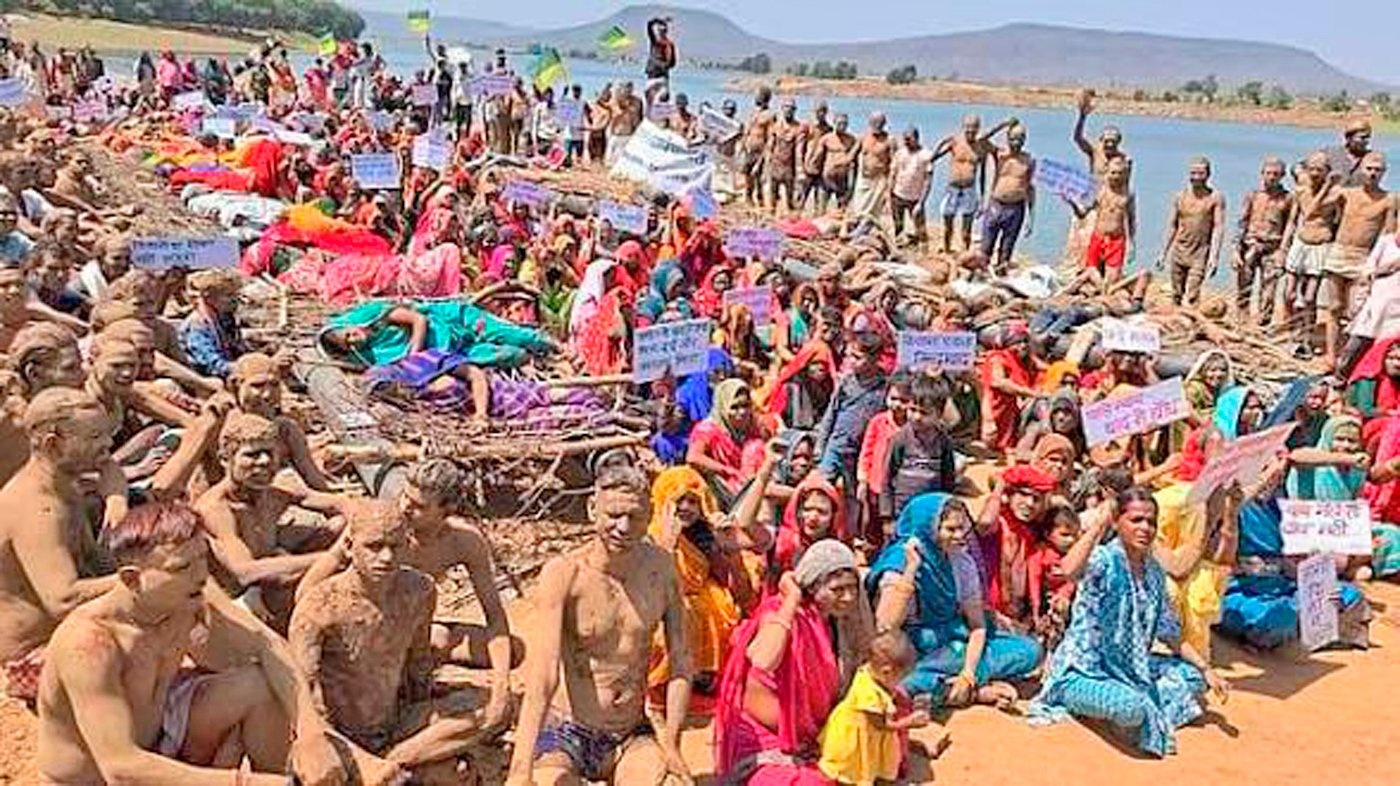
Development vs. Displacement
This protest raises a question that India has grappled with for decades:
Can development be called successful if the communities paying its greatest price feel unheard?
Large infrastructure projects inevitably involve trade-offs. The Ken-Betwa project promises significant long-term benefits for water security in Bundelkhand. At the same time, displaced communities argue that rehabilitation must be meaningful, not merely financial, and that indigenous relationships with forests and land cannot always be measured in rupees.
The Debate Goes Beyond Compensation
For many tribal families, this is not solely about money. It is about belonging. About graves of ancestors. About forests that provide livelihoods. About traditions that cannot simply be relocated.
Supporters of the project emphasize its potential to improve agriculture, drinking water access, and regional development. Critics argue that those benefits should not come at the expense of communities that feel excluded from decisions affecting their future.
Why This Story Matters
Whether one supports or opposes the Ken-Betwa River Linking Project, the protest highlights a larger democratic principle. Development projects are often judged by kilometres of canals built, megawatts generated, or hectares irrigated.
Perhaps they should also be judged by how fairly they treat the people asked to give up their homes in the process. The Adivasi Chita Andolan is ultimately a reminder that infrastructure is not only about concrete and engineering. It is also about people. And before any nation builds its future, it must ensure that those standing in its path are not left feeling that they have been forgotten.