

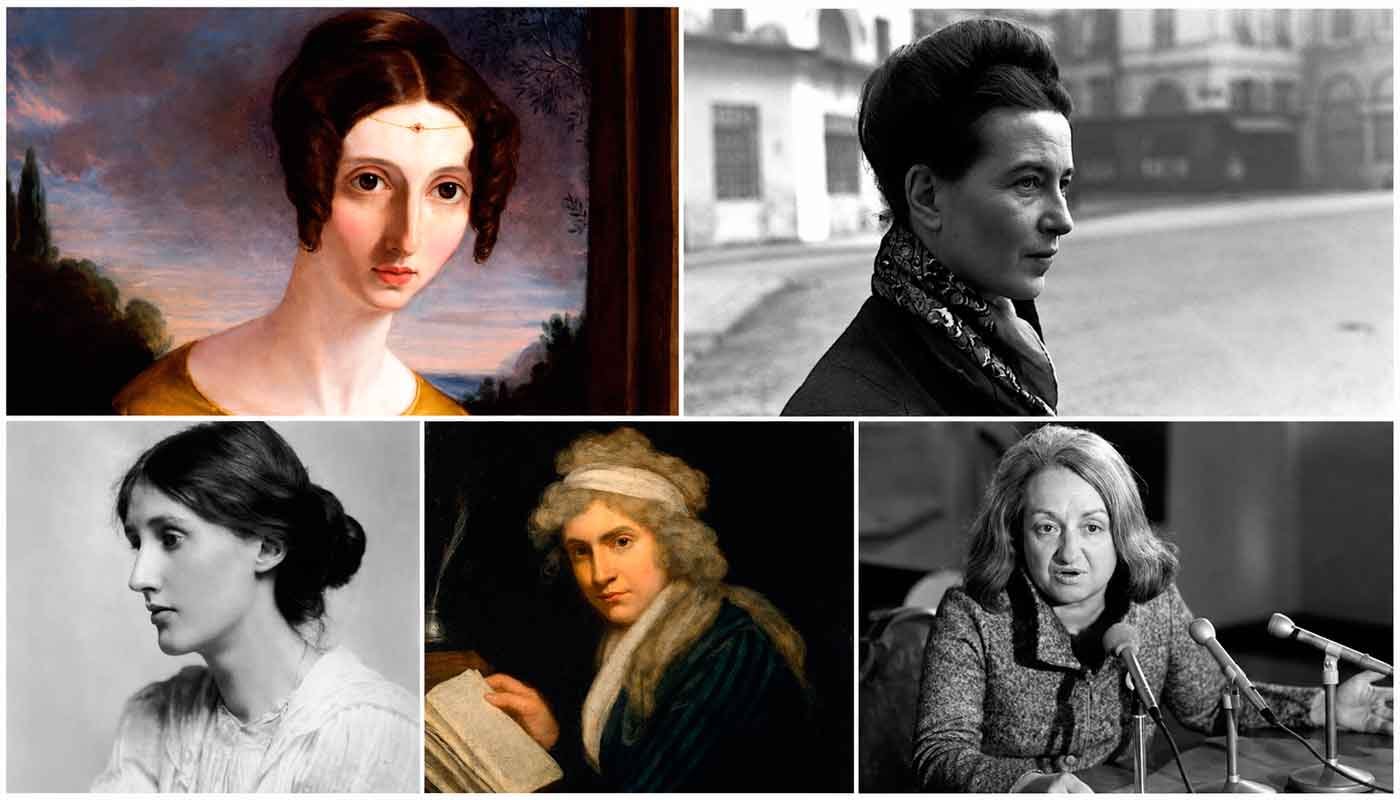
For centuries, influential male philosophers argued that women were naturally inferior, intellectually incapable, and destined for domestic life. Their ideas shaped laws, education systems, and social norms that excluded women from public life for generations.
Yet history is equally shaped by the women who challenged these assumptions. They didn’t merely criticize sexism, they dismantled it with reason, evidence, philosophy, and lived experience. Their writings transformed feminism from a social movement into an intellectual tradition that continues to influence politics, education, and human rights across the world. Here are five feminist philosophers whose work fundamentally changed the conversation on gender equality.
Mary Wollstonecraft (1759–1797)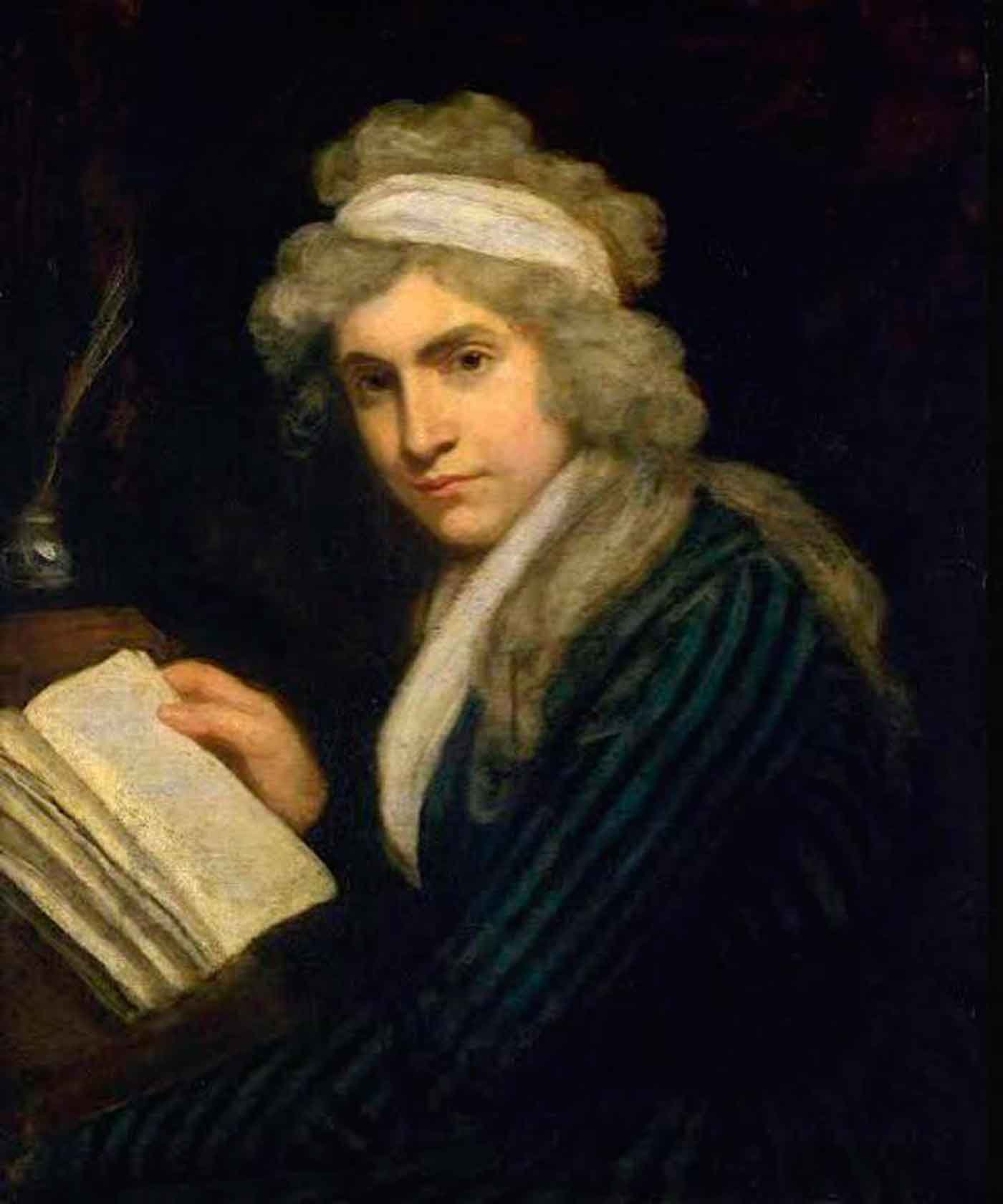
Often regarded as the mother of modern feminism, Mary Wollstonecraft directly confronted philosopher Jean-Jacques Rousseau’s belief that women existed solely to serve men.
In her groundbreaking 1792 work, A Vindication of the Rights of Woman, Wollstonecraft argued that women were never naturally inferior to men, they only appeared so because they had been systematically denied education and opportunities.
Rejecting the idea that women should merely become obedient wives and mothers, she insisted that reason was a universal human capacity and that women deserved equal access to education, employment, and political participation. Her revolutionary argument transformed equality from a moral aspiration into a philosophical principle and laid the intellectual foundation for liberal feminism.
Harriet Taylor Mill (1807–1858)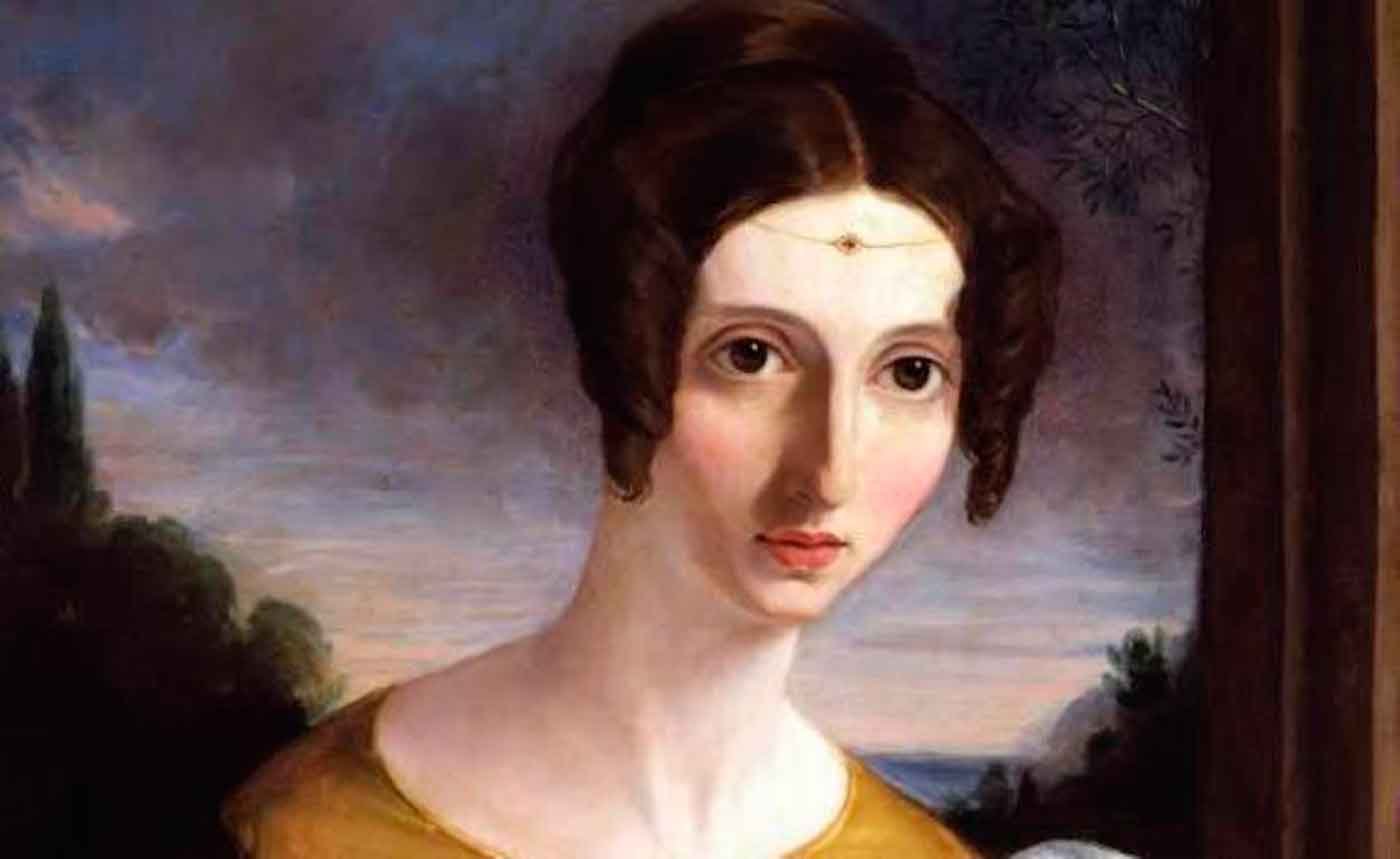
Although history often remembers John Stuart Mill, many scholars acknowledge that Harriet Taylor Mill played a profound role in shaping his feminist ideas.
Long before women had legal rights over property or political representation, Harriet argued that gender inequality was entirely artificial. In her essays and later through The Subjection of Women, she maintained that women’s apparent inferiority resulted from generations of systematic oppression rather than biology.
She advocated for equal education, equal employment opportunities, voting rights, and legal independence, arguing that society itself would flourish when women were free to contribute alongside men. Her work connected women’s liberation with democracy, liberty, and social progress.
Simone de Beauvoir (1908–1986)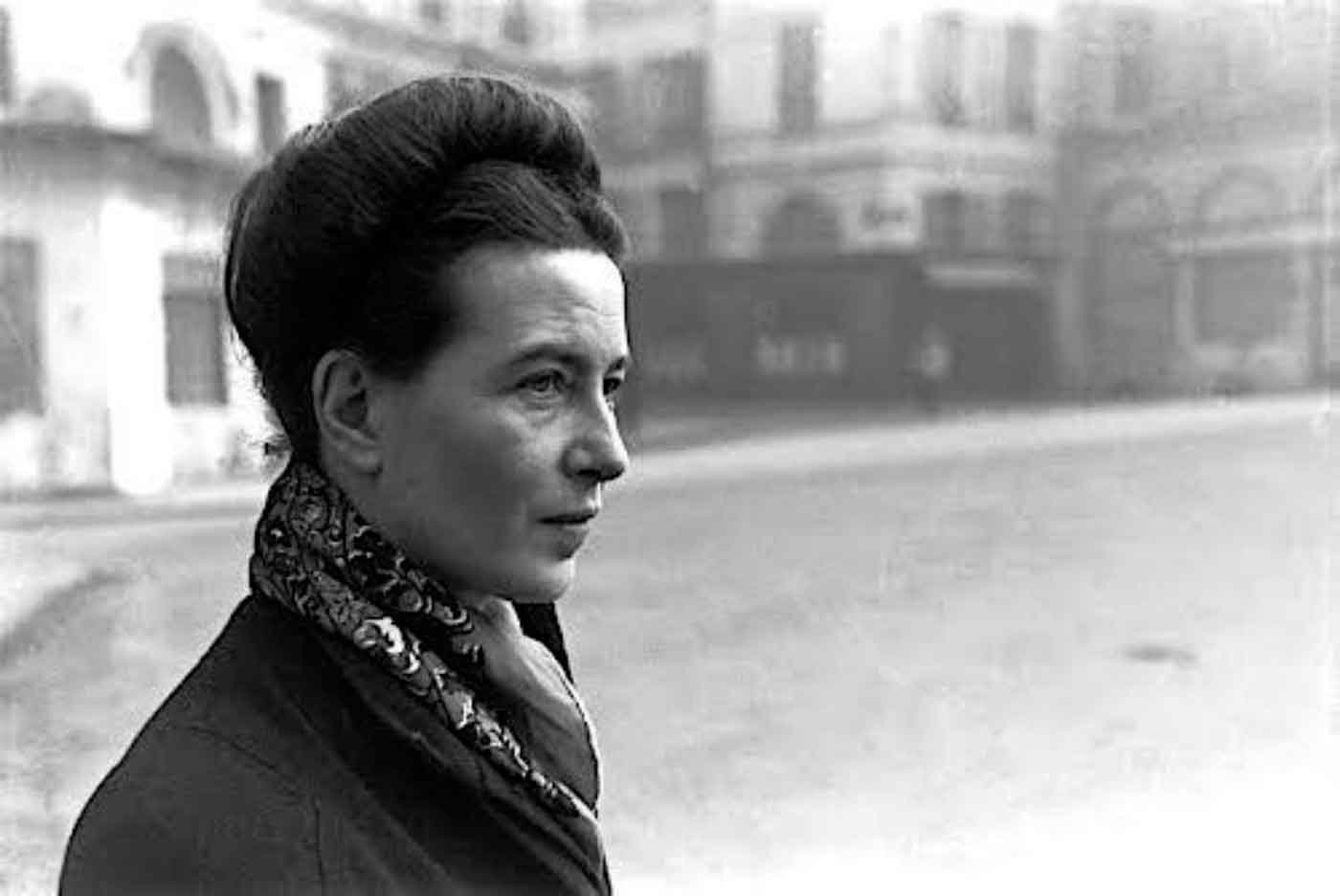
Few books have influenced modern feminism as profoundly as The Second Sex, published by French philosopher Simone de Beauvoir in 1949.
Her now-famous declaration—
“One is not born, but rather becomes a woman.”
—challenged centuries of biological determinism.
Beauvoir argued that femininity is not an inevitable consequence of biology but a social construct created through culture, education, religion, and tradition. She introduced the idea that women had historically been positioned as “the Other,”defined only in relation to men rather than as independent individuals.
Her existential philosophy encouraged women to reject imposed identities and instead define themselves through freedom, choice, and personal agency. The book remains one of the most influential philosophical texts of the twentieth century.
Virginia Woolf (1882–1941)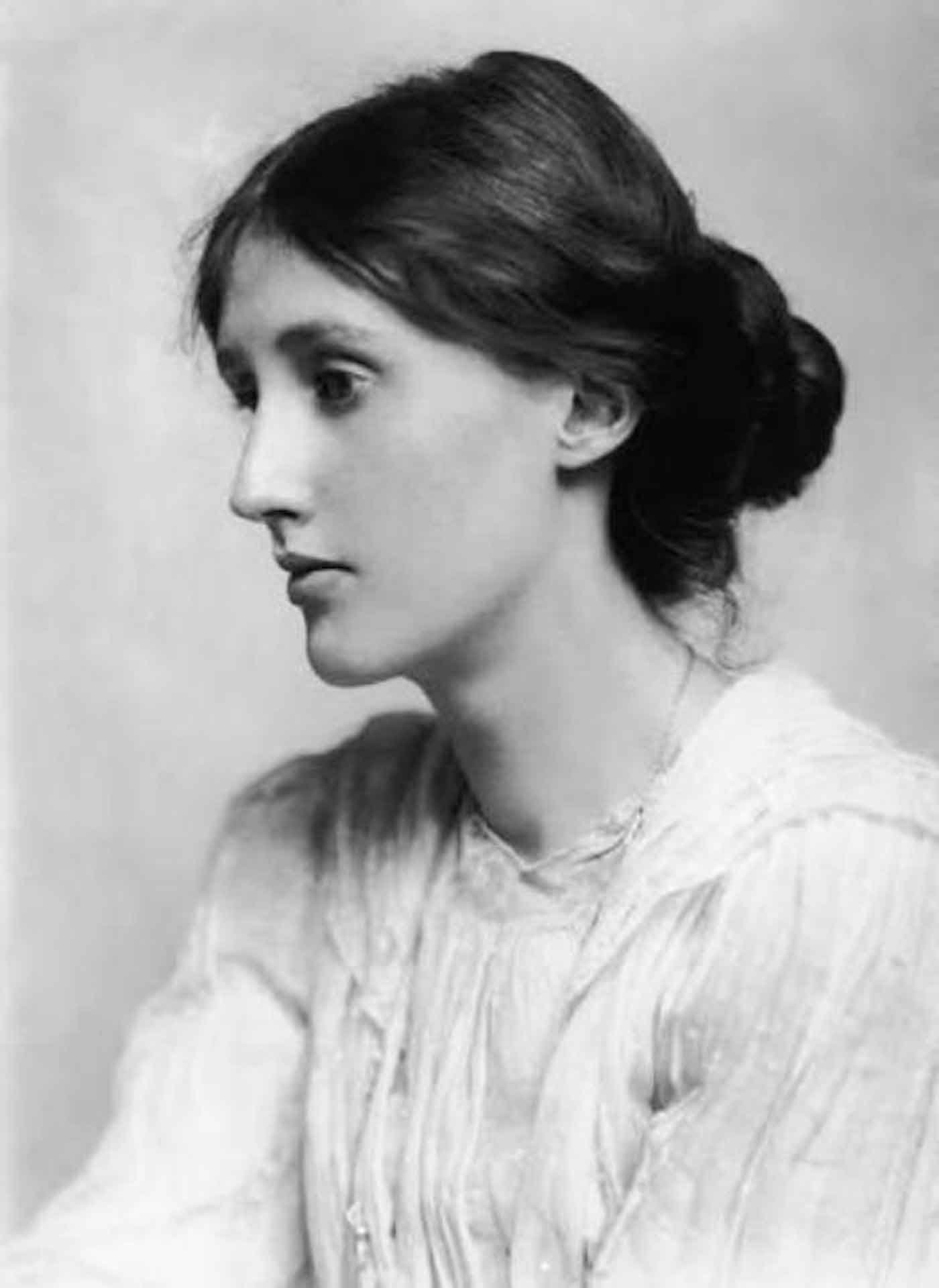
British novelist and essayist Virginia Woolf exposed the structural barriers that prevented women from participating fully in intellectual and artistic life. In her landmark essay A Room of One’s Own, Woolf argued that genius alone was never enough. Women required financial independence, education, and personal space to create literature, scholarship, and art.
She famously imagined Shakespeare’s equally talented sister, explaining that despite possessing identical brilliance, she would never have achieved greatness because society denied women the opportunities available to men.
Rather than accepting the historical absence of female authors as evidence of inferiority, Woolf demonstrated that exclusion, not ability, was responsible. Her work continues to influence discussions surrounding education, creative freedom, and institutional inequality.
Betty Friedan (1921–2006)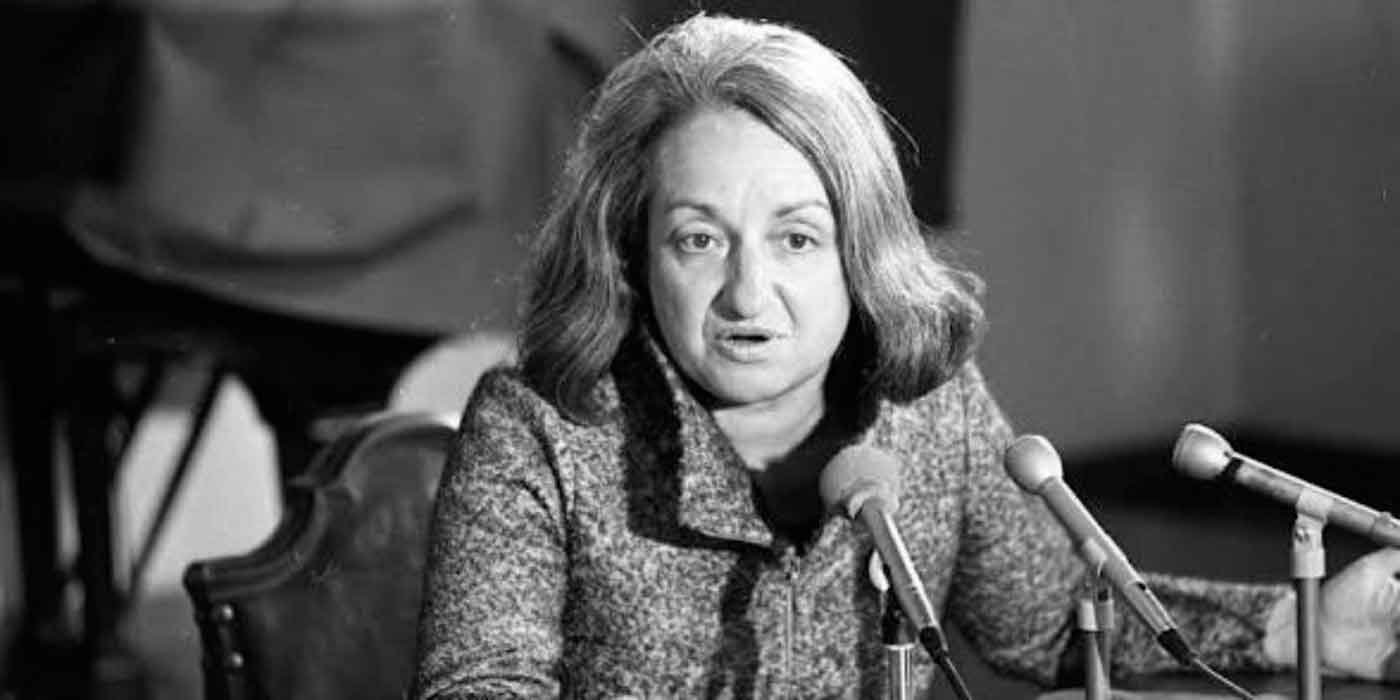
Following the Second World War, many societies promoted the idea that women’s greatest fulfillment came through marriage, homemaking, and raising children.
In The Feminine Mystique (1963), Betty Friedan challenged this narrative by exposing what she famously called “the problem that has no name.”
Interviewing countless American women, Friedan found widespread dissatisfaction hidden beneath the image of the perfect suburban housewife. She argued that reducing women solely to domestic roles denied their intellectual potential, ambitions, and individuality, often leading to profound emotional distress.
Her book became a catalyst for second-wave feminism, inspiring renewed campaigns for workplace equality, reproductive rights, educational opportunities, and legal reform across much of the world.
Why Their Work Still Matters
These philosophers accomplished something remarkable: they transformed women’s equality from a moral appeal into a rigorous intellectual argument.
They demonstrated that inequality was never inevitable or biologically ordained. Instead, it was created, and therefore could also be dismantled, through changes in education, law, culture, economics, and political institutions.
Their ideas continue to shape contemporary conversations on equal pay, reproductive rights, workplace representation, education, gender identity, and freedom of choice. More importantly, they remind us that philosophy is never merely abstract thought, it can determine who gets to learn, lead, create, and live with dignity.
The history of feminism is therefore not simply a history of resistance. It is also the history of ideas powerful enough to challenge centuries of exclusion and redefine what equality truly means.