
One of the most common arguments made against LGBTQIA+ identities is that they are a “Western import”, a modern idea imposed upon Indian culture.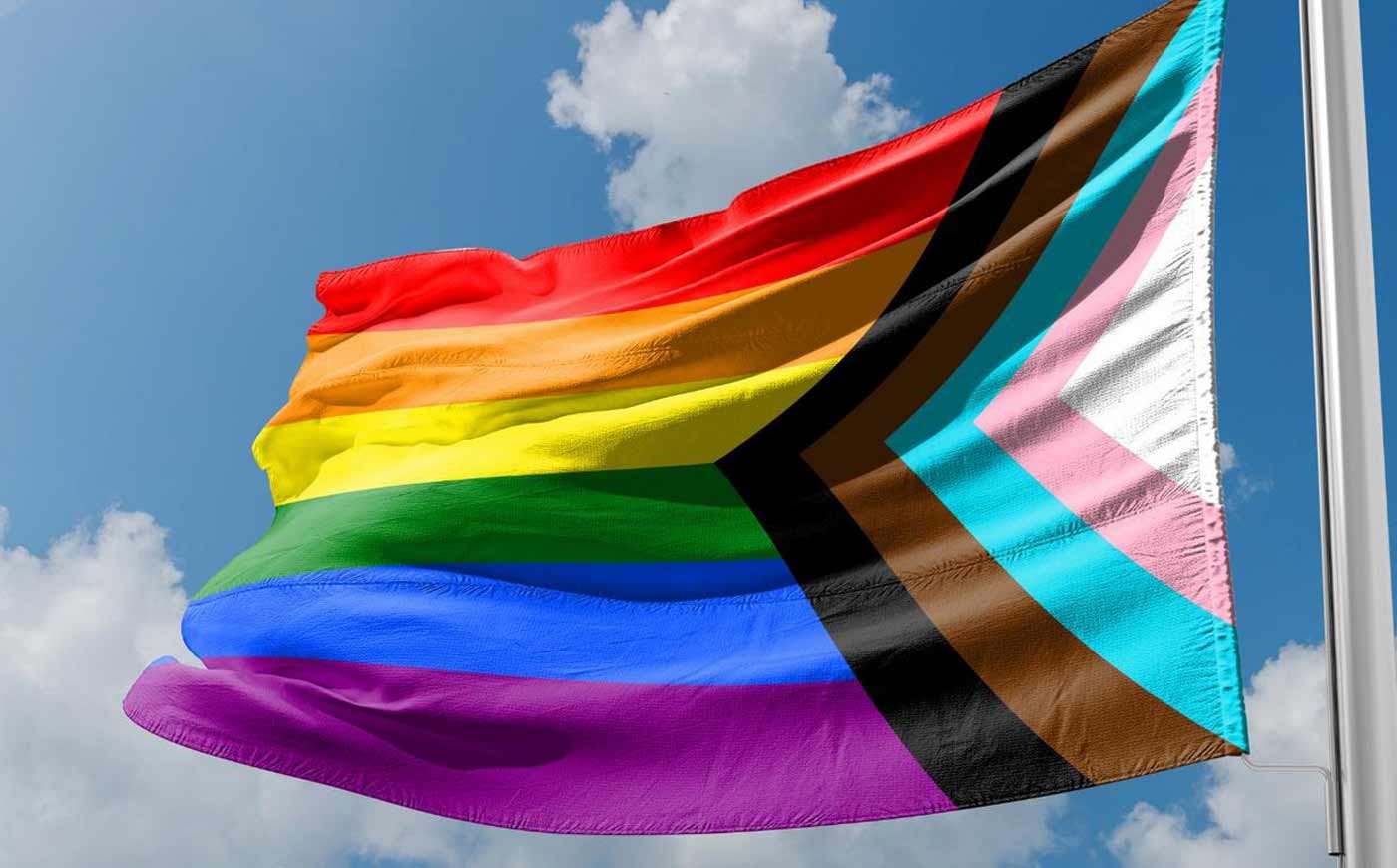
History tells a far more complex story. Long before the words lesbian, gay, bisexual, or transgender entered modern vocabulary, Indian mythology, literature, and spiritual traditions contained stories that explored gender transformation, fluid identities, and relationships that existed beyond rigid binaries.
These narratives do not perfectly map onto today’s LGBTQIA+ identities, and it would be historically inaccurate to claim that ancient figures “were LGBTQIA+” in the modern sense. However, they do show that questions surrounding gender and identity have existed in the Indian imagination for centuries.
Here are some of the most remarkable examples.
Mohini: When Vishnu Became a Woman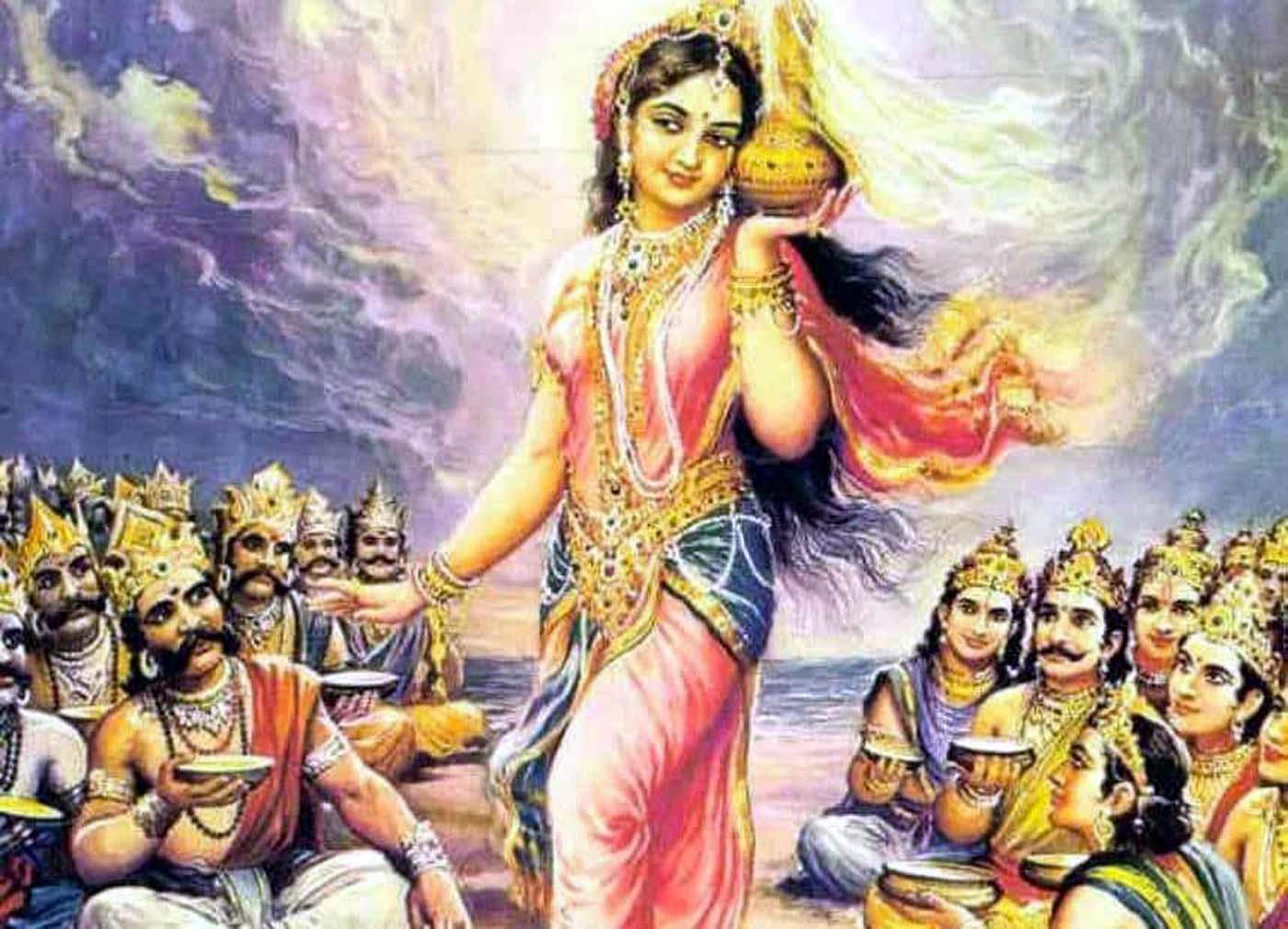
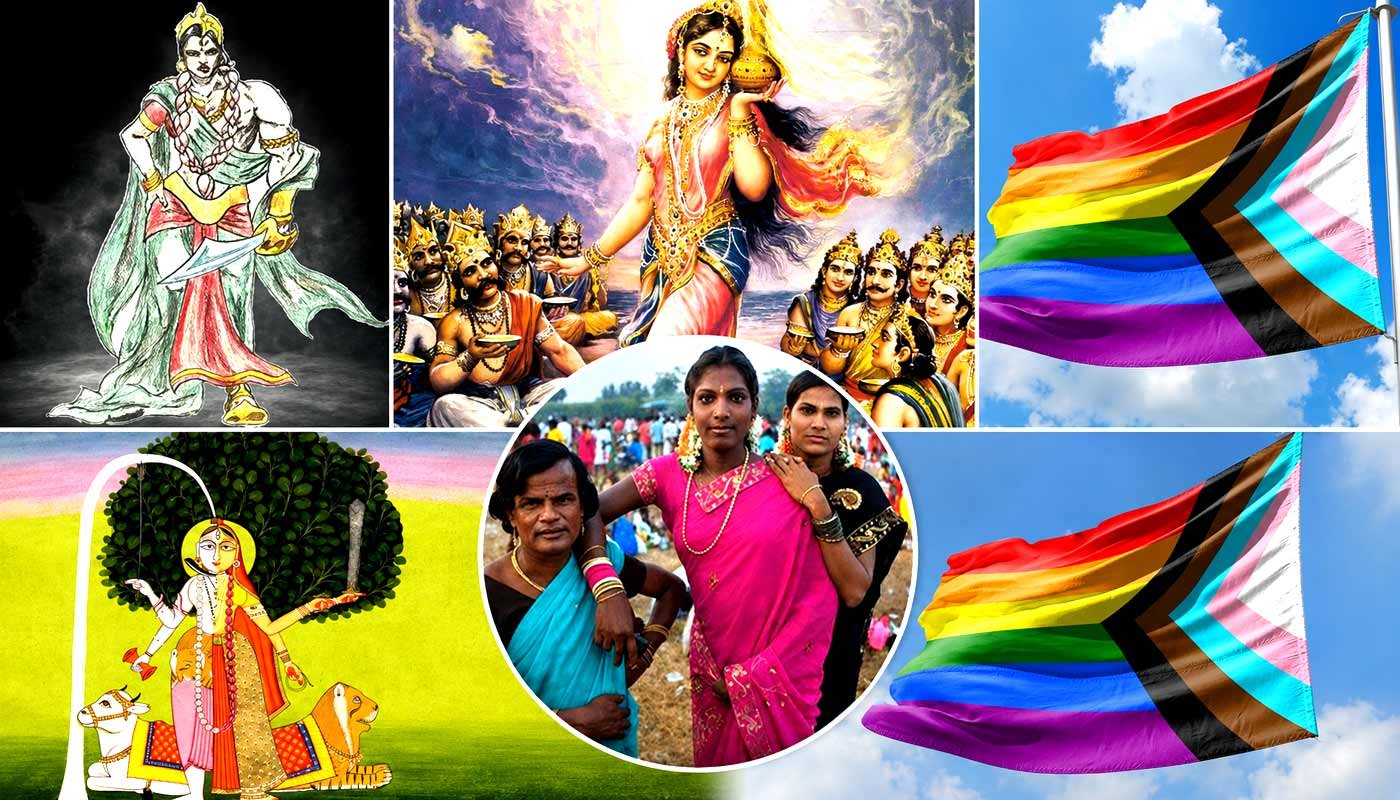
One of the best-known examples comes from the Samudra Manthana. To prevent the Asuras from obtaining the nectar of immortality (amrita), Lord Vishnu assumed the form of Mohini, an extraordinarily beautiful woman whose intelligence and charm allowed her to outwit the demons and distribute the nectar to the Devas.
Mohini appears in several Hindu scriptures and is not portrayed as an illusion to be mocked, but as a powerful divine manifestation of Vishnu. In later traditions, Mohini also appears in stories with Lord Shiva, illustrating that divine forms in Hindu mythology are capable of transcending fixed ideas of gender.
Shikhandi: The Warrior Who Changed the Course of the Mahabharata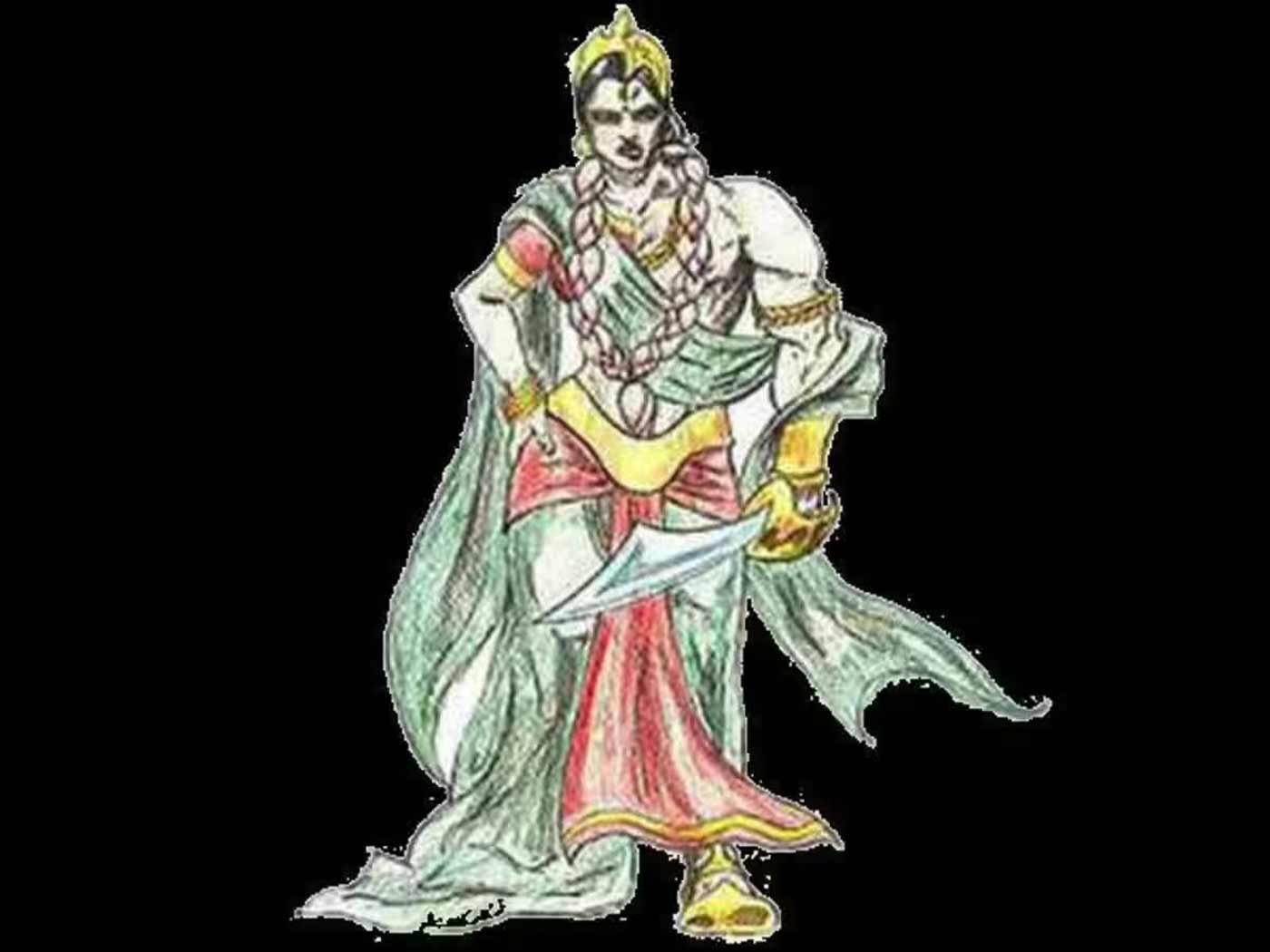
Among the Mahabharata’s most compelling characters is Shikhandi. Born as Amba, a princess who sought justice after being wronged by Bhishma, Amba was reborn as Shikhandi to fulfil a destiny that stretched across lifetimes.
Raised as male and later recognised as a warrior, Shikhandi ultimately became instrumental in Bhishma’s defeat during the Kurukshetra War. The story explores identity, destiny, and social perception in ways that continue to inspire discussions about gender today.
Ardhanarishvara: Beyond the Gender Binary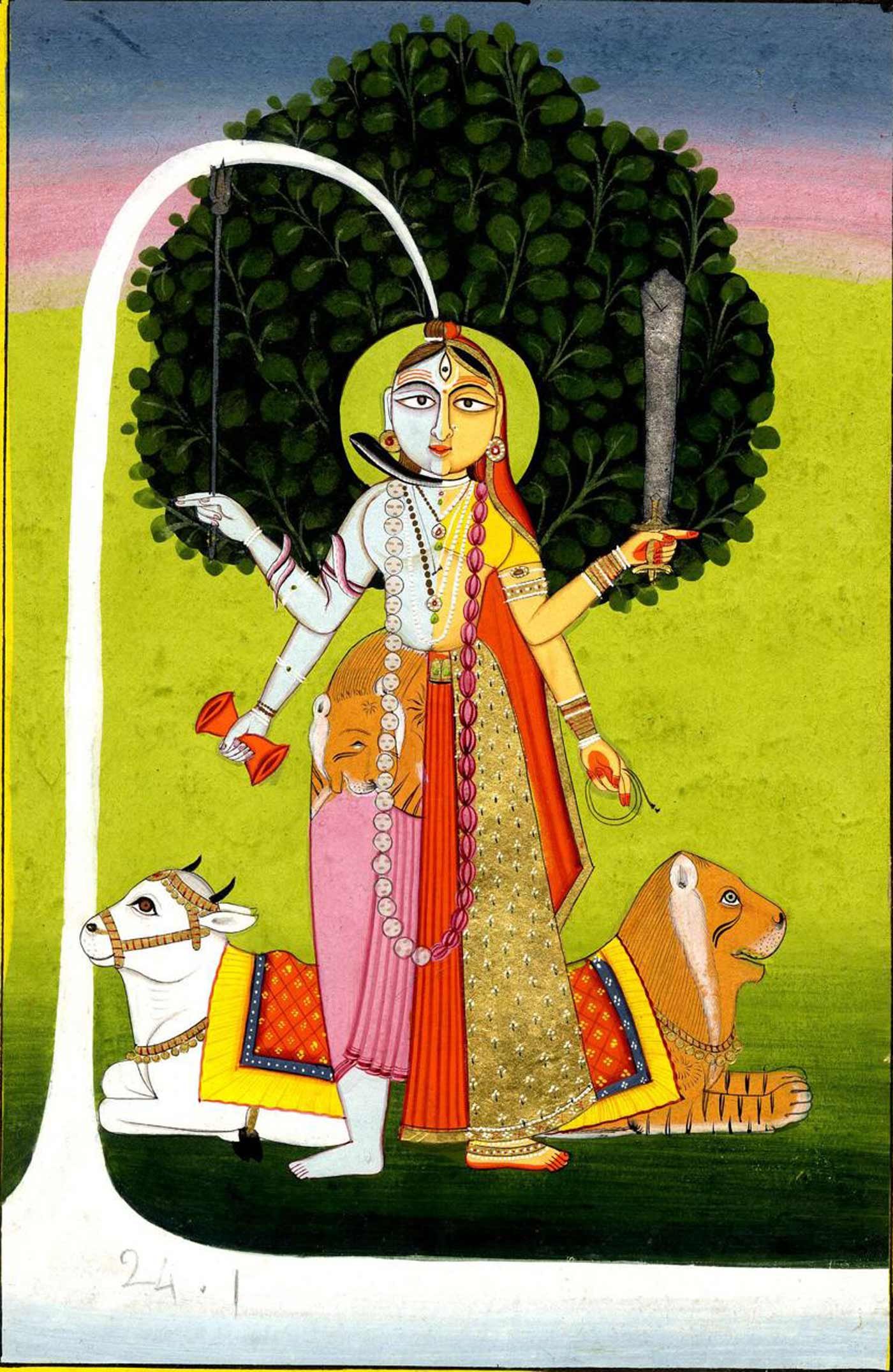
Perhaps no image better represents the philosophical understanding of gender in Hinduism than Ardhanarishvara. Depicted as half Shiva and half Parvati, the deity symbolises the inseparable union of masculine and feminine energies.
Rather than presenting these qualities as opposites, Ardhanarishvara suggests that creation itself depends upon their coexistence. For many scholars, this form represents balance rather than hierarchy, an idea that challenges simplistic notions of gender as strictly binary.
More Than Mythology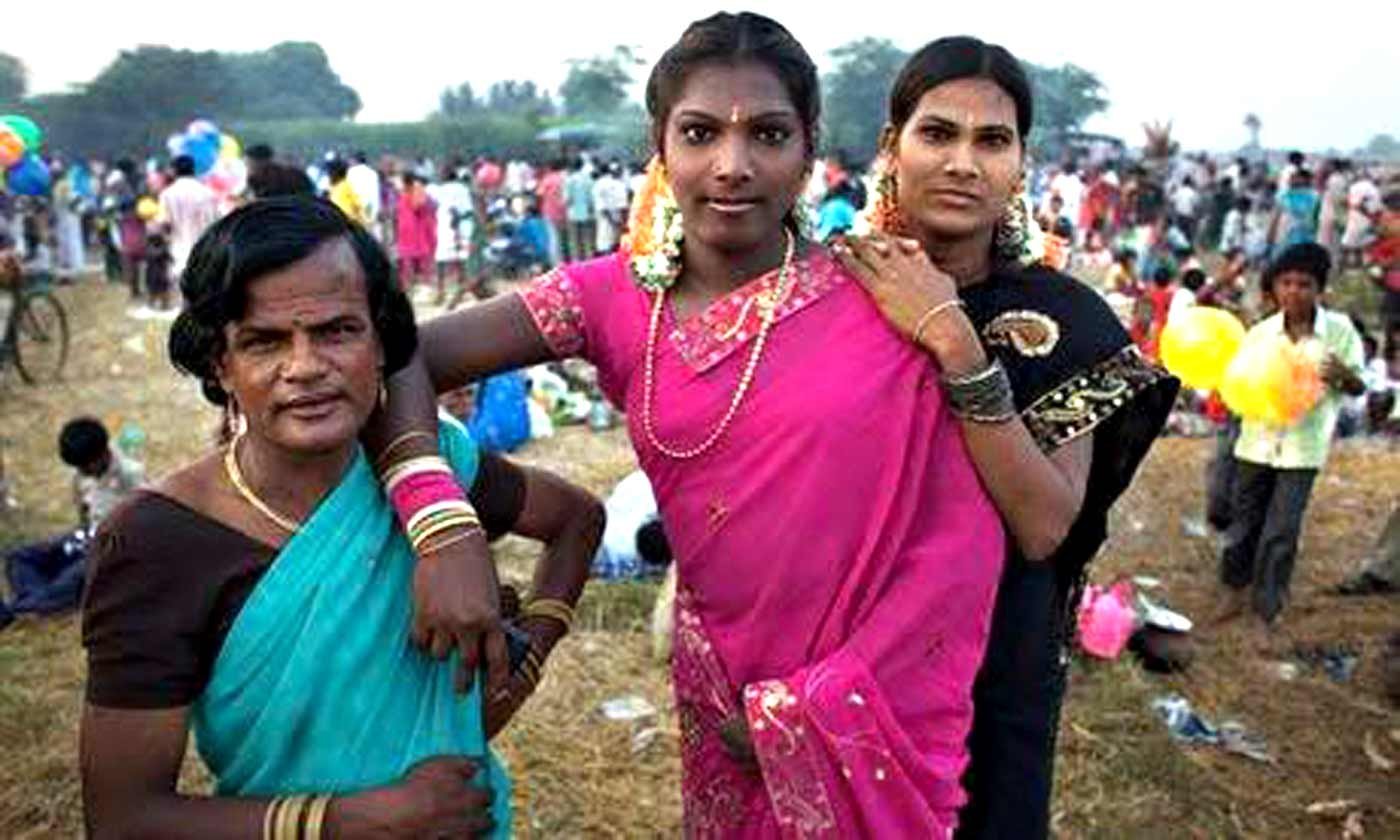
Indian history contains many other examples that challenge the claim that gender diversity is entirely foreign to the subcontinent. The Hijra community has existed in South Asia for centuries and historically held recognised ceremonial and cultural roles in several kingdoms.
Ancient temple sculptures, Sanskrit literature, regional folklore, and medieval texts also depict a wide range of relationships and identities that resist simple categorisation.
While these traditions should not be interpreted through a purely modern lens, they demonstrate that conversations about gender and identity are deeply rooted in India’s own cultural history.
History Is Often More Diverse Than We Remember
Whether one supports LGBTQIA+ rights or not, history deserves to be understood in its full complexity. The idea that discussions around gender diversity began only in the modern West overlooks centuries of Indian mythology, literature, philosophy, and cultural practice.
Sometimes the question is not whether these stories existed. It is whether we chose to remember them. India’s past was never as simple or as rigid as many modern narratives suggest.