
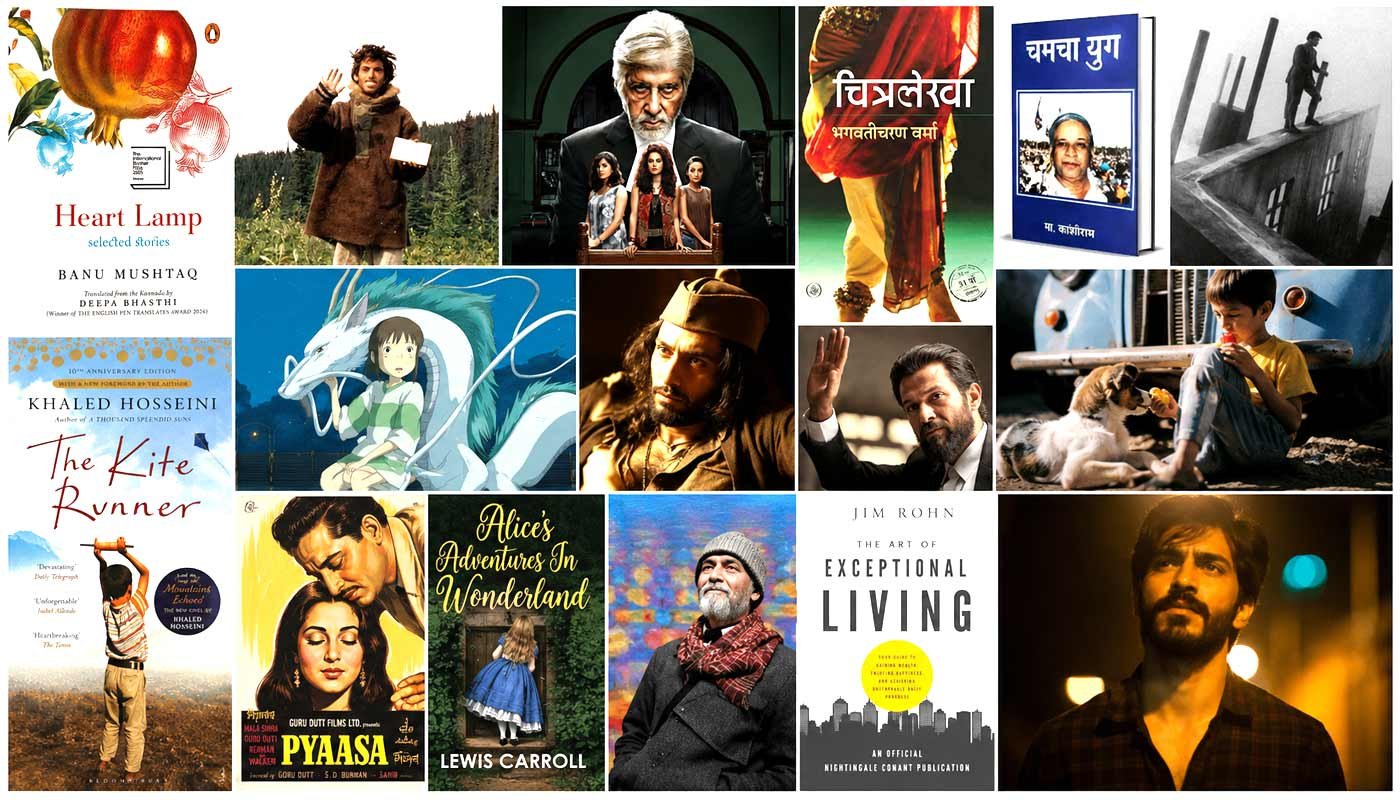
Protests are not only sustained by slogans, they are also shaped by stories. During the recent Citizens for Justice and Peace (CJP) protest at Jantar Mantar, several participants were asked a simple question: Which books or films would you recommend to someone trying to understand society, injustice, or resistance? Their answers formed an eclectic reading and watch list spanning philosophy, politics, psychology, literature, and cinema.
Here is why each recommendation remains relevant, not only as a work of art, but also in understanding why people protest.
Heart Lamp – Banu Mushtaq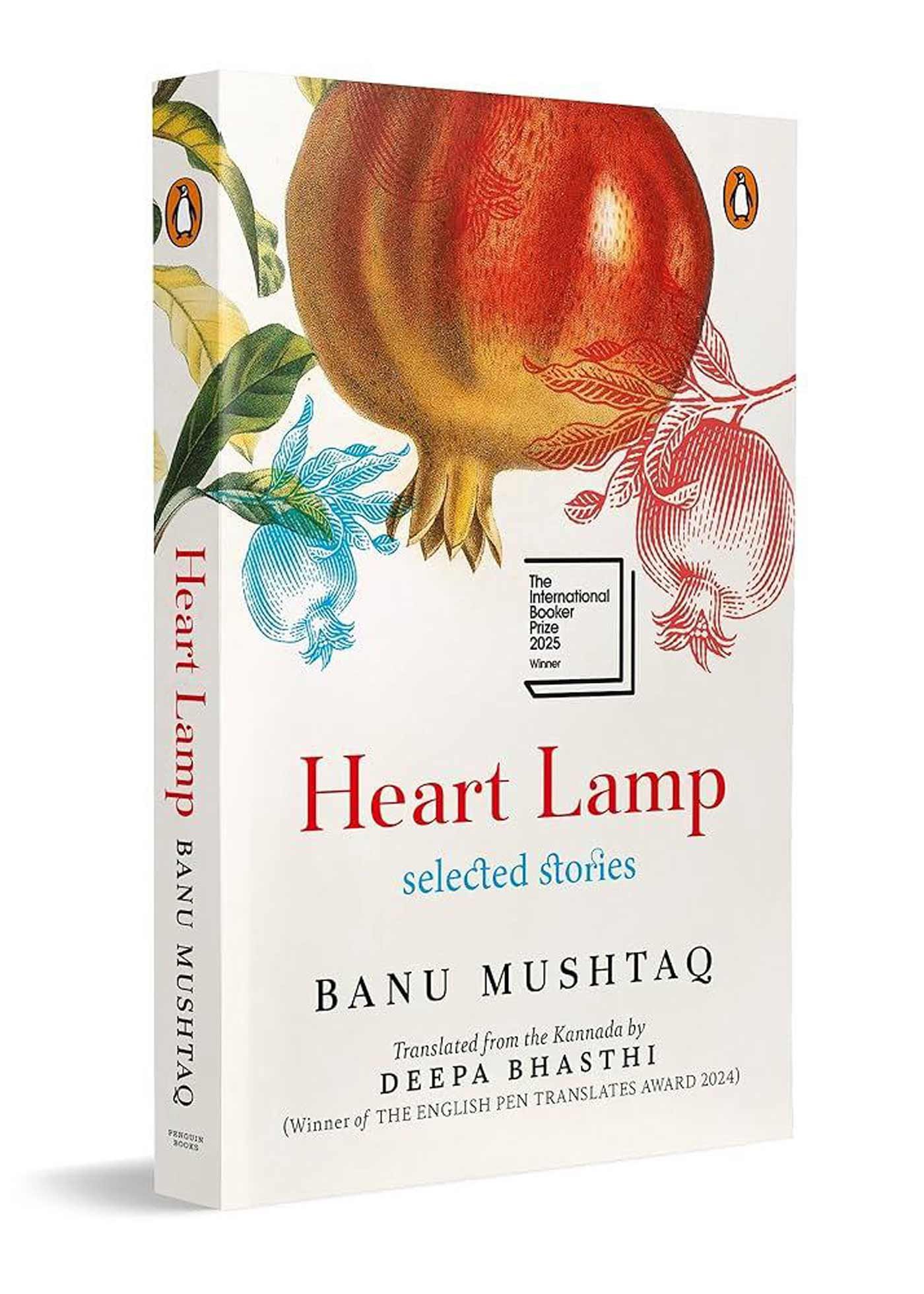
Winner of the 2025 International Booker Prize, Heart Lamp is a collection of short stories centred on Muslim women’s lives in southern India. Through ordinary yet deeply moving narratives, Banu Mushtaq examines patriarchy, identity, faith, dignity, and survival. At a protest demanding justice and accountability, Heart Lamp reminds readers that political struggles often begin inside ordinary homes, where voices long ignored demand to be heard.
Chitralekha – Bhagwati Charan Verma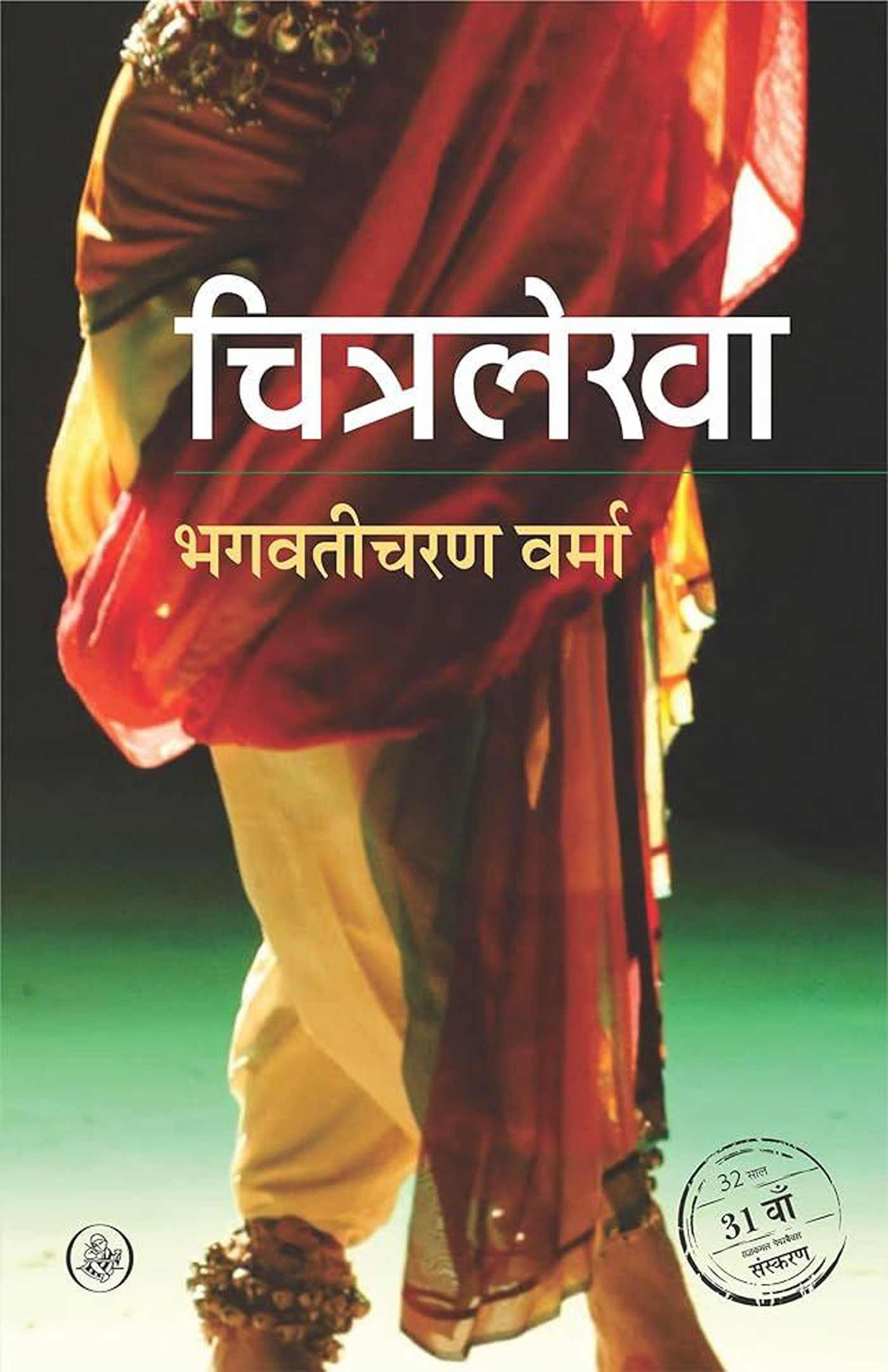
One of Hindi literature’s greatest philosophical novels, Chitralekha questions the very nature of sin, morality, and righteousness. Rather than offering easy answers, it forces readers to ask whether society judges actions fairly or merely through power and circumstance. For protesters questioning authority, the novel becomes a reminder that morality is rarely as simple as those in power claim.
Into the Wild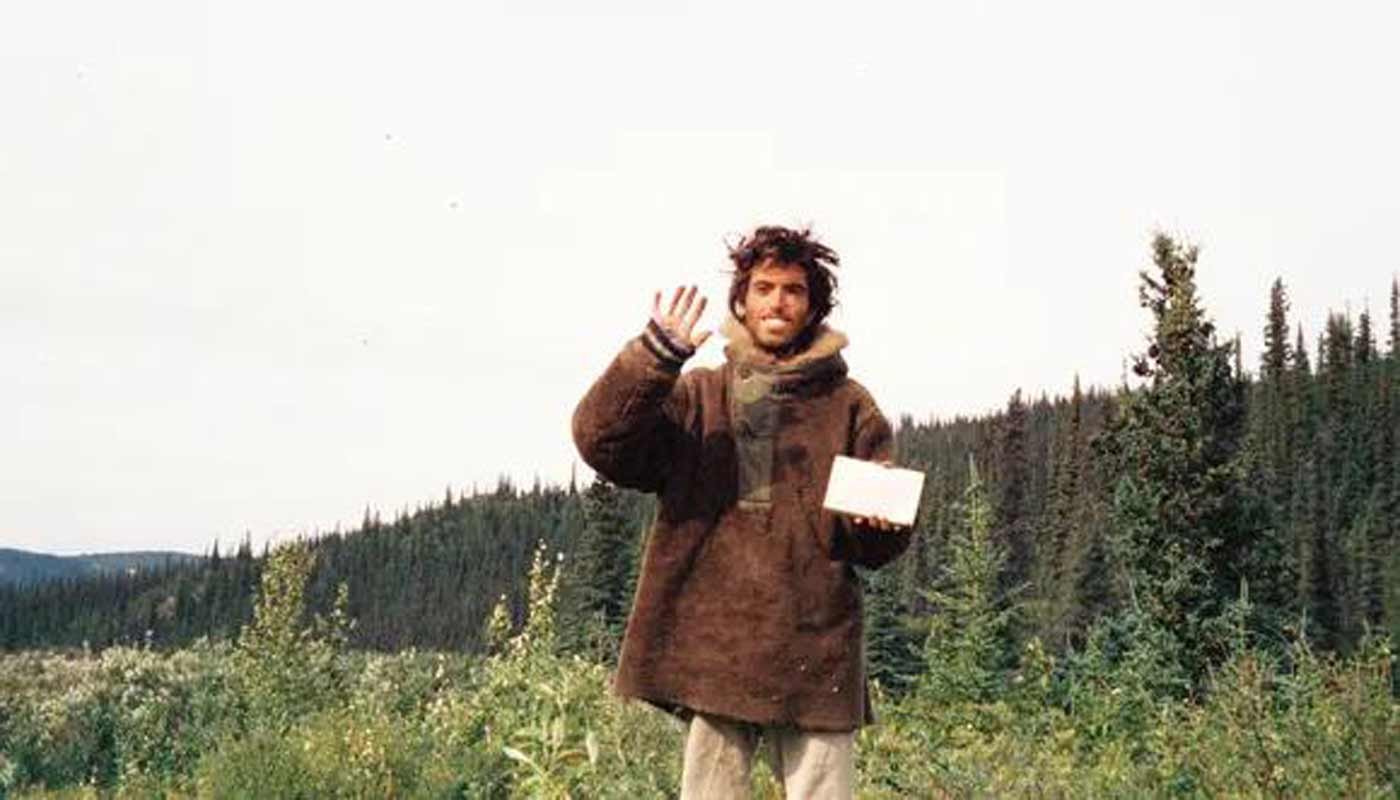
Based on the true story of Christopher McCandless, Into the Wild explores freedom, individualism, and the rejection of material success. While not overtly political, the story resonates with those who question systems and choose conviction over comfort. Like many activists, McCandless sought authenticity even when it demanded enormous personal sacrifice.
Pink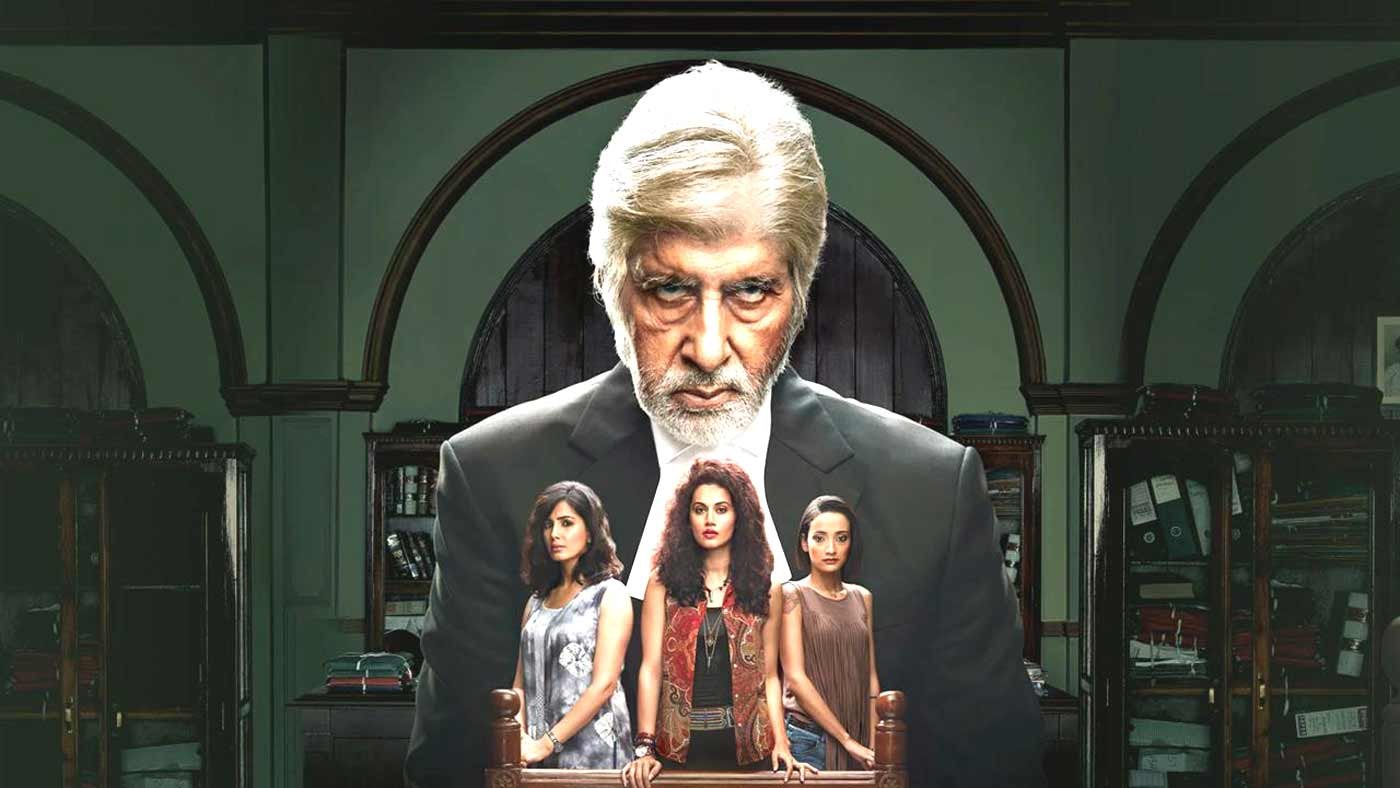
Aniruddha Roy Chowdhury’s Pink transformed one phrase into a national conversation: “No means No.” Beyond consent, the film explores prejudice, victim-blaming, and institutional bias. It remains one of India’s most important courtroom dramas because it demonstrates how justice often requires speaking against deeply entrenched societal assumptions—something every democratic protest attempts to do.
Spirited Away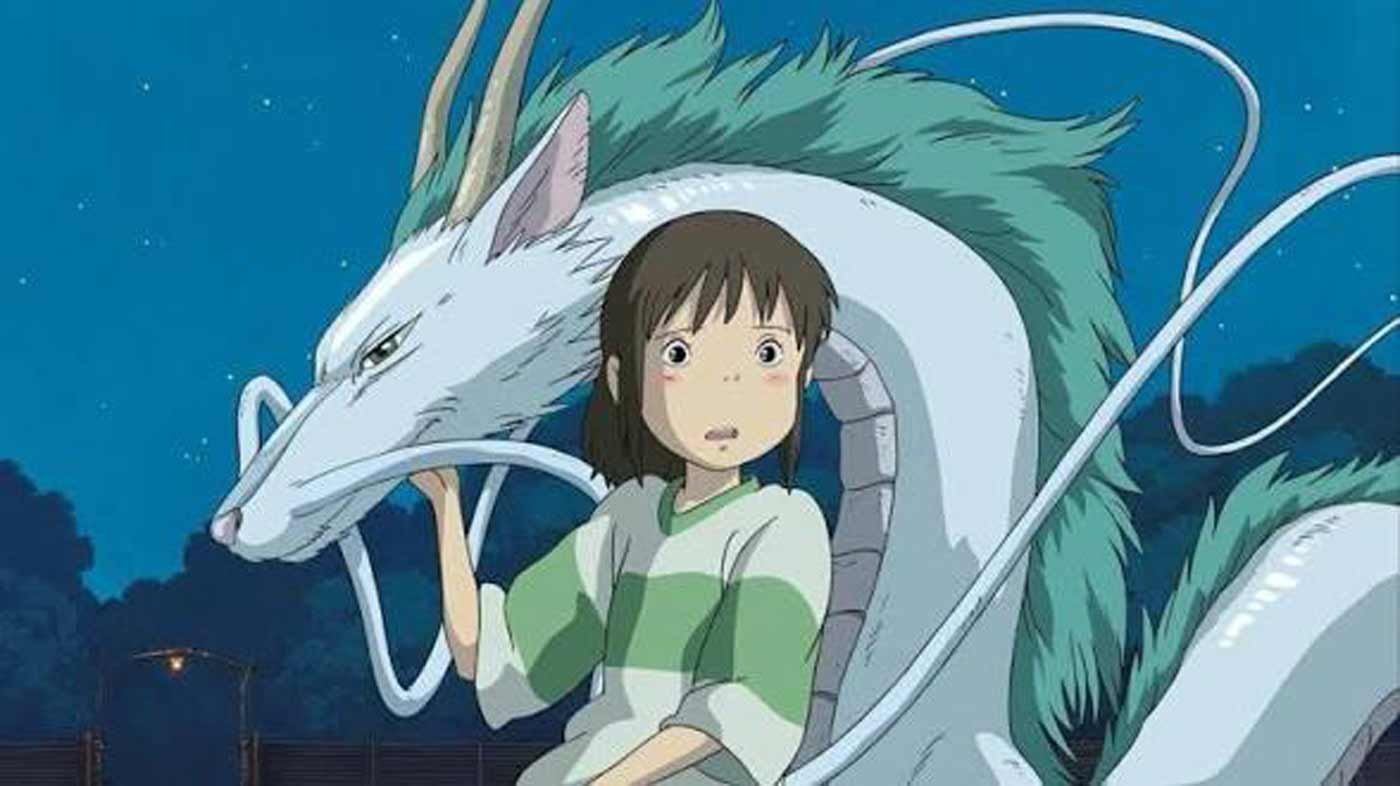
Hayao Miyazaki’s Academy Award-winning masterpiece is much more than an animated fantasy. It explores identity, greed, consumerism, courage, and resilience through the journey of a young girl navigating an unfamiliar world. Protesters often see Chihiro’s refusal to lose herself as a metaphor for preserving one’s humanity amid powerful institutions.
The Cabinet of Dr. Caligari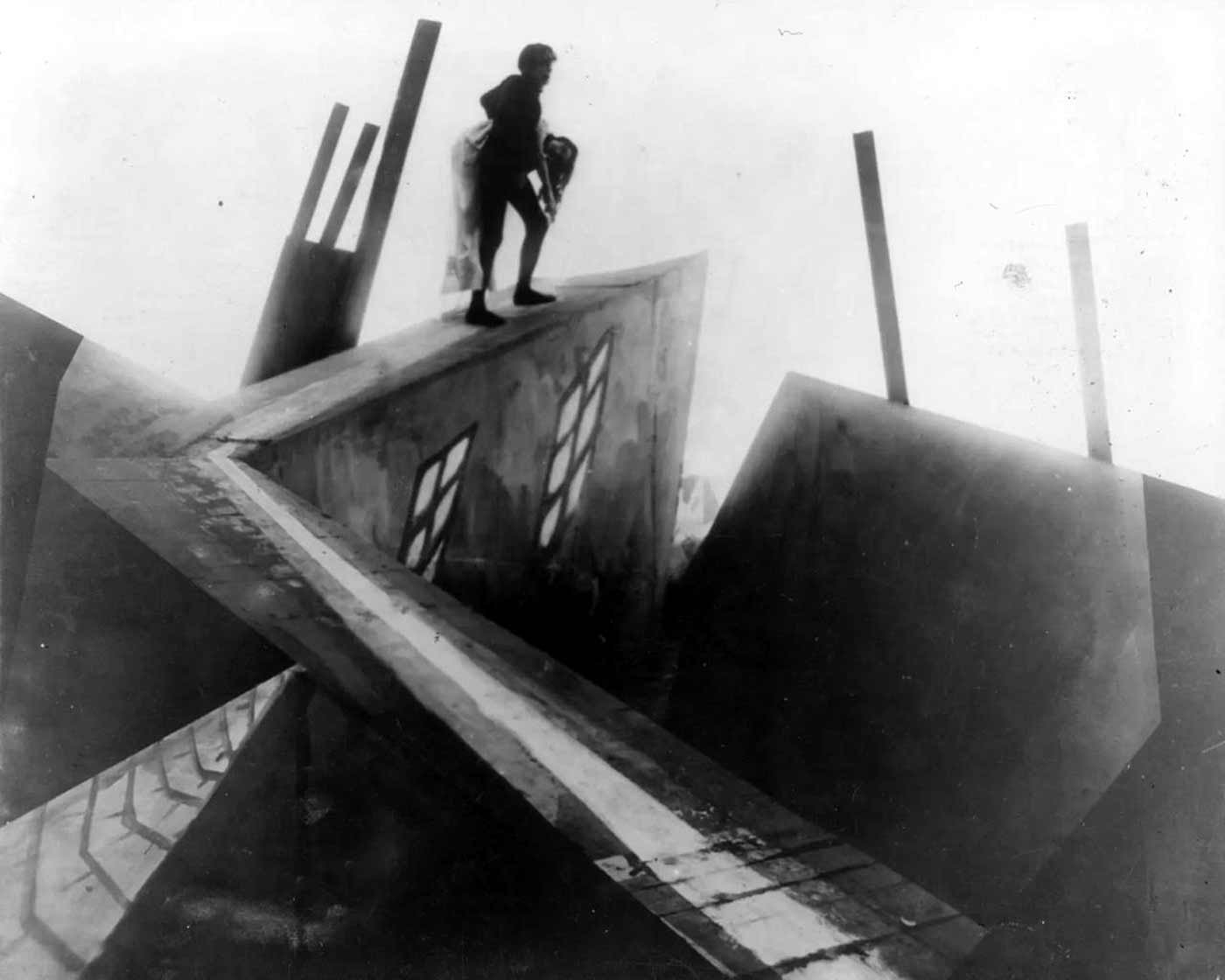
Widely regarded as one of cinema’s greatest psychological thrillers, this 1920 German expressionist classic explores manipulation, authority, and the abuse of power. Many scholars interpret it as a warning against authoritarianism. Its themes continue to resonate whenever questions arise about state power and public obedience.
The Kite Runner – Khaled Hosseini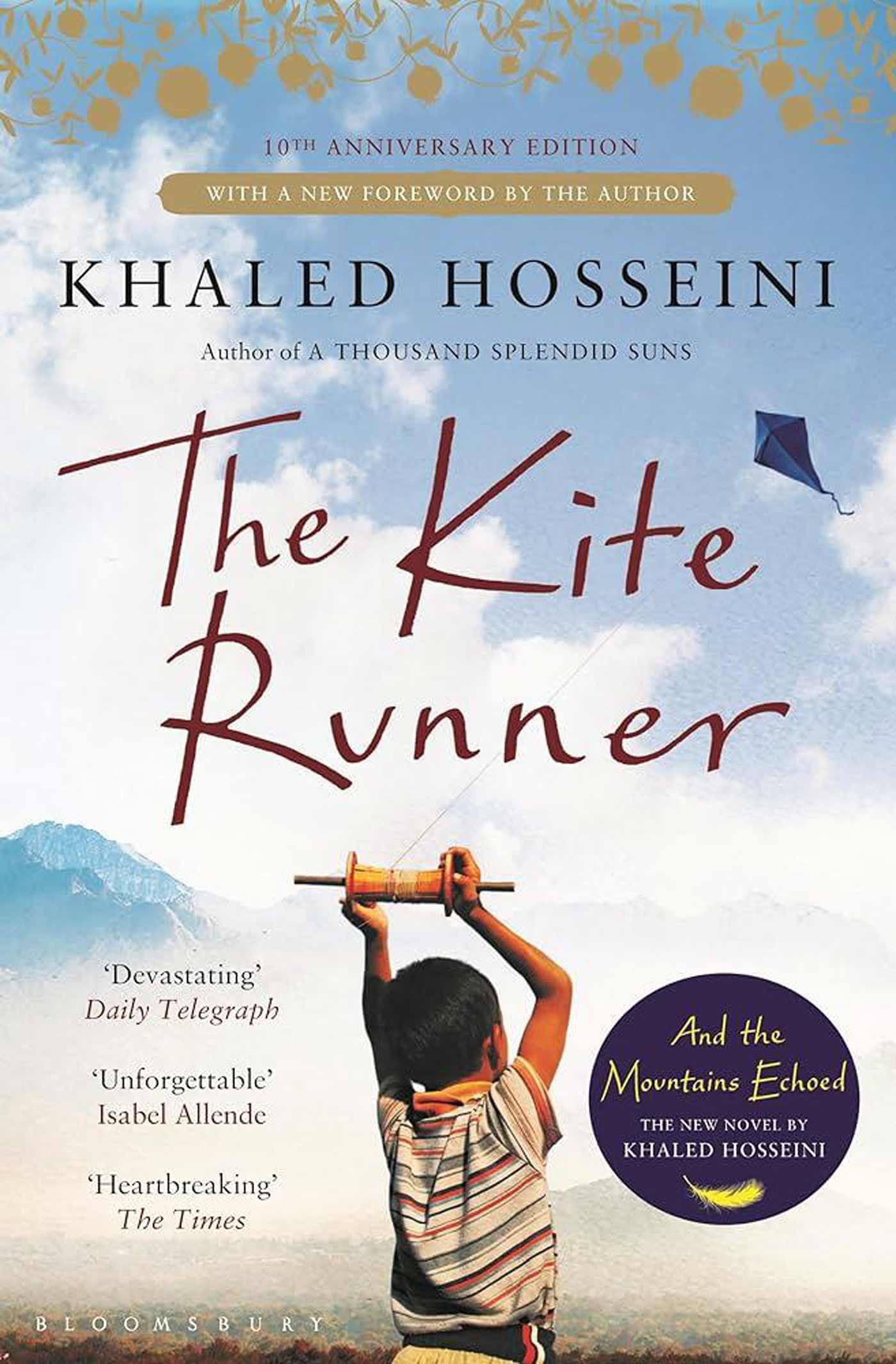
Set against Afghanistan’s turbulent history, The Kite Runner explores friendship, guilt, betrayal, redemption, and the devastating consequences of political conflict. Hosseini reminds readers that political upheaval is never merely about governments, it transforms ordinary human lives forever.
Chillar Party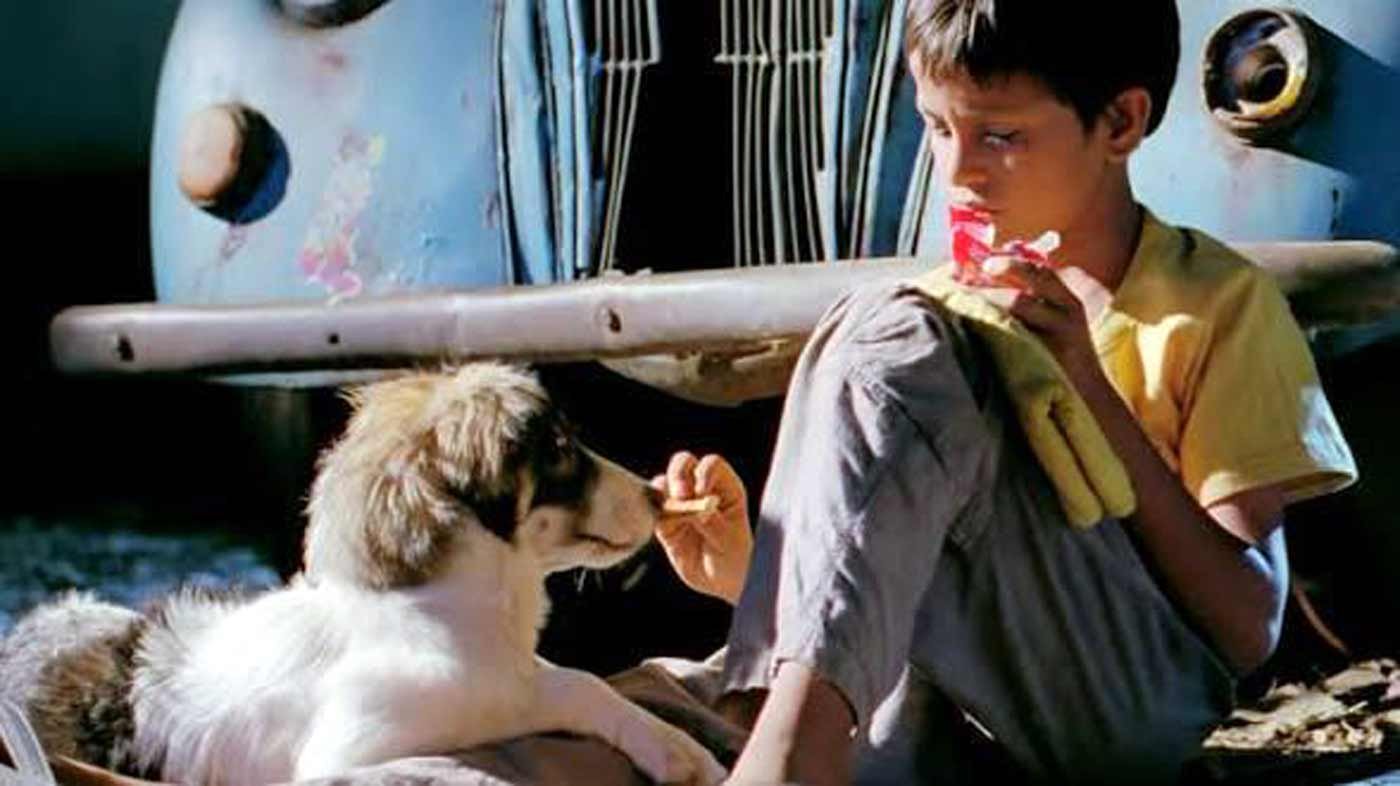
On the surface, it is a heartwarming children’s film. Beneath its humour lies a story about collective action, standing up to authority, and protecting those without power. It demonstrates that civic courage is not defined by age but by the willingness to defend what is right.
Rockstar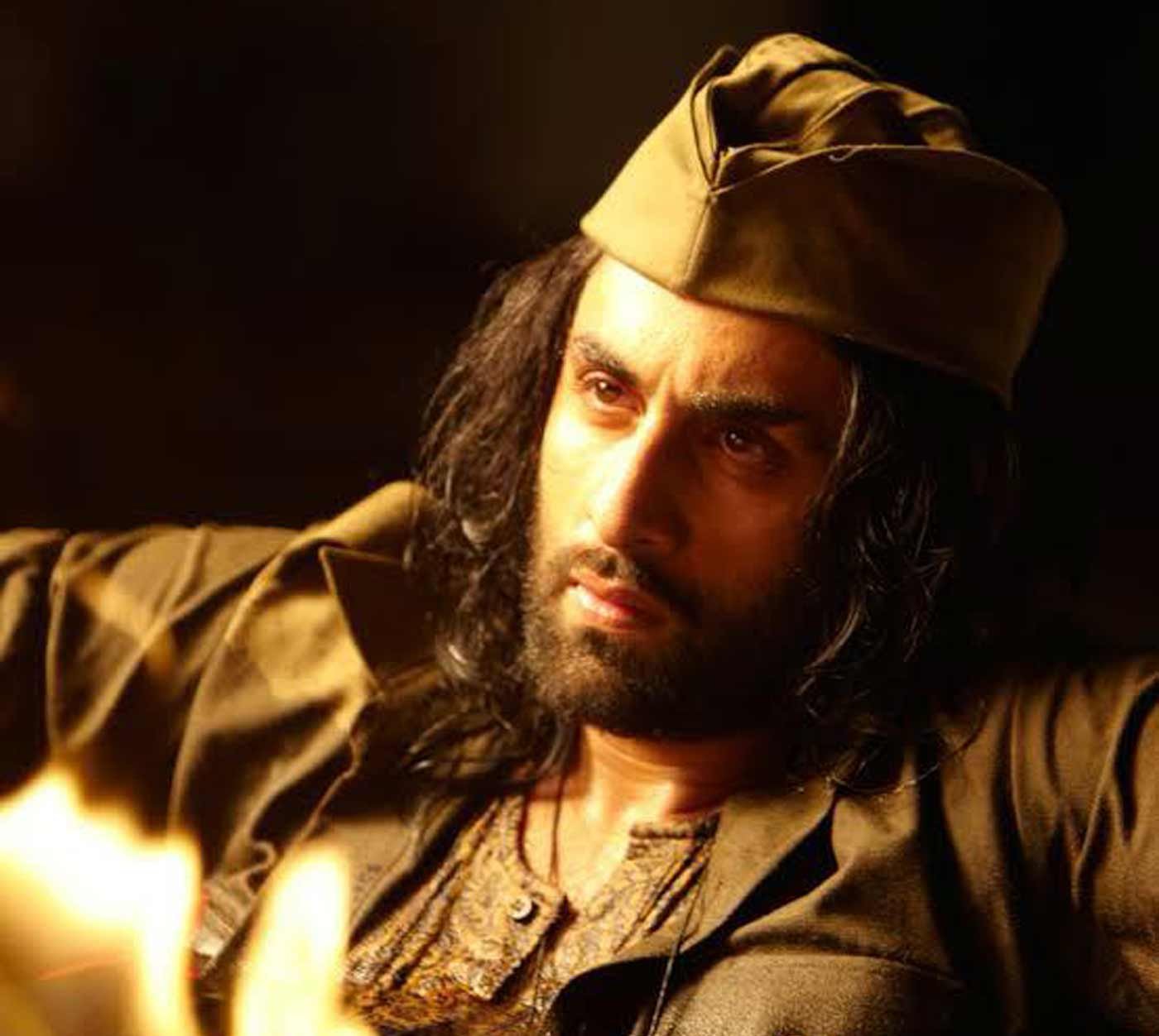
Imtiaz Ali’s Rockstar explores art, pain, freedom, and rebellion. Jordan’s refusal to conform mirrors the struggles of many young people who challenge societal expectations. The film argues that authentic expression often emerges from resistance rather than comfort.
Janaganamana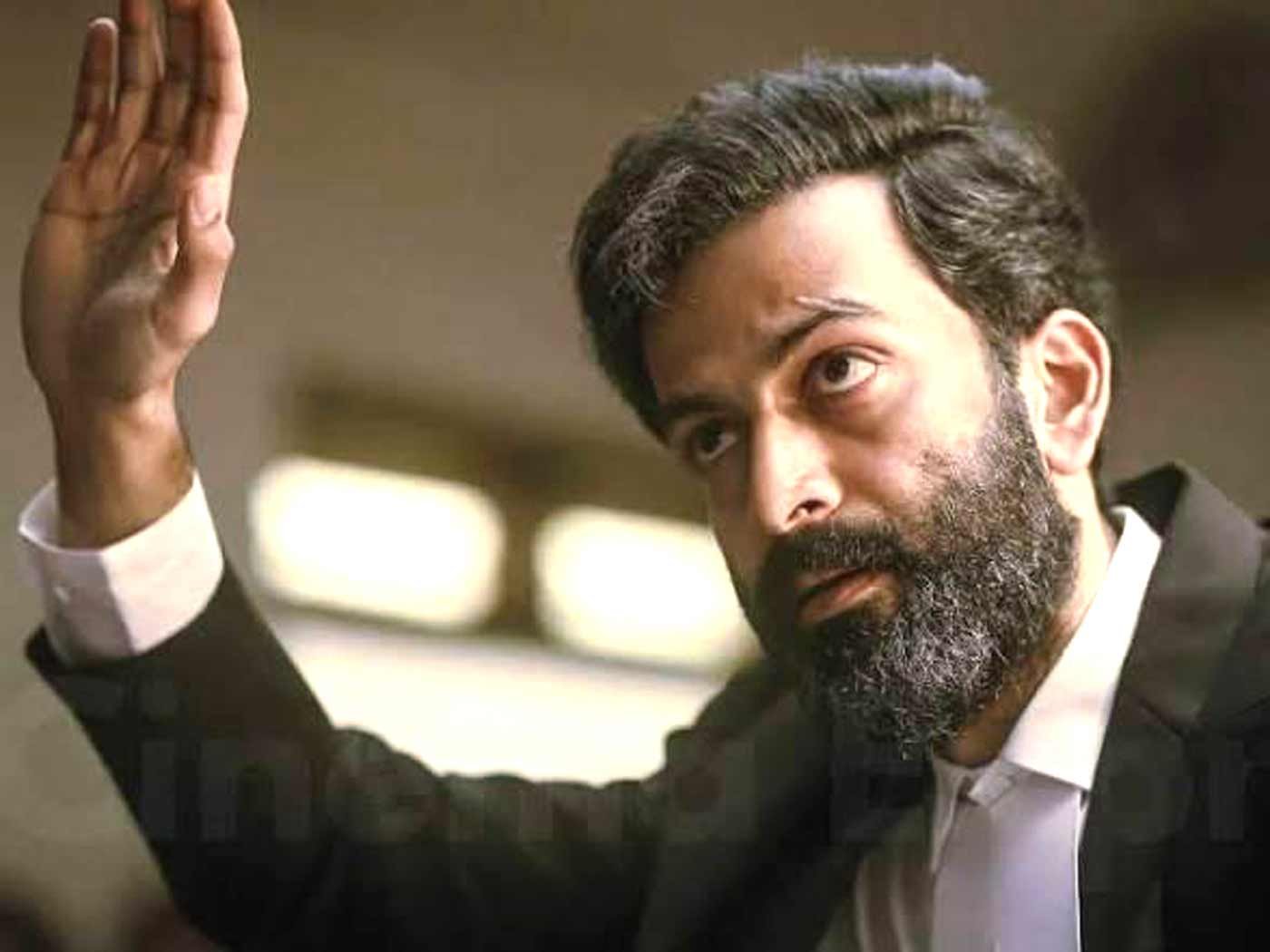
This Malayalam political thriller examines institutional accountability, media narratives, and the complexities of justice. Rather than presenting simple heroes or villains, it challenges viewers to question how truth is constructed and how power shapes public perception and questions central to every democracy.
The Art of Exceptional Living – Jim Rohn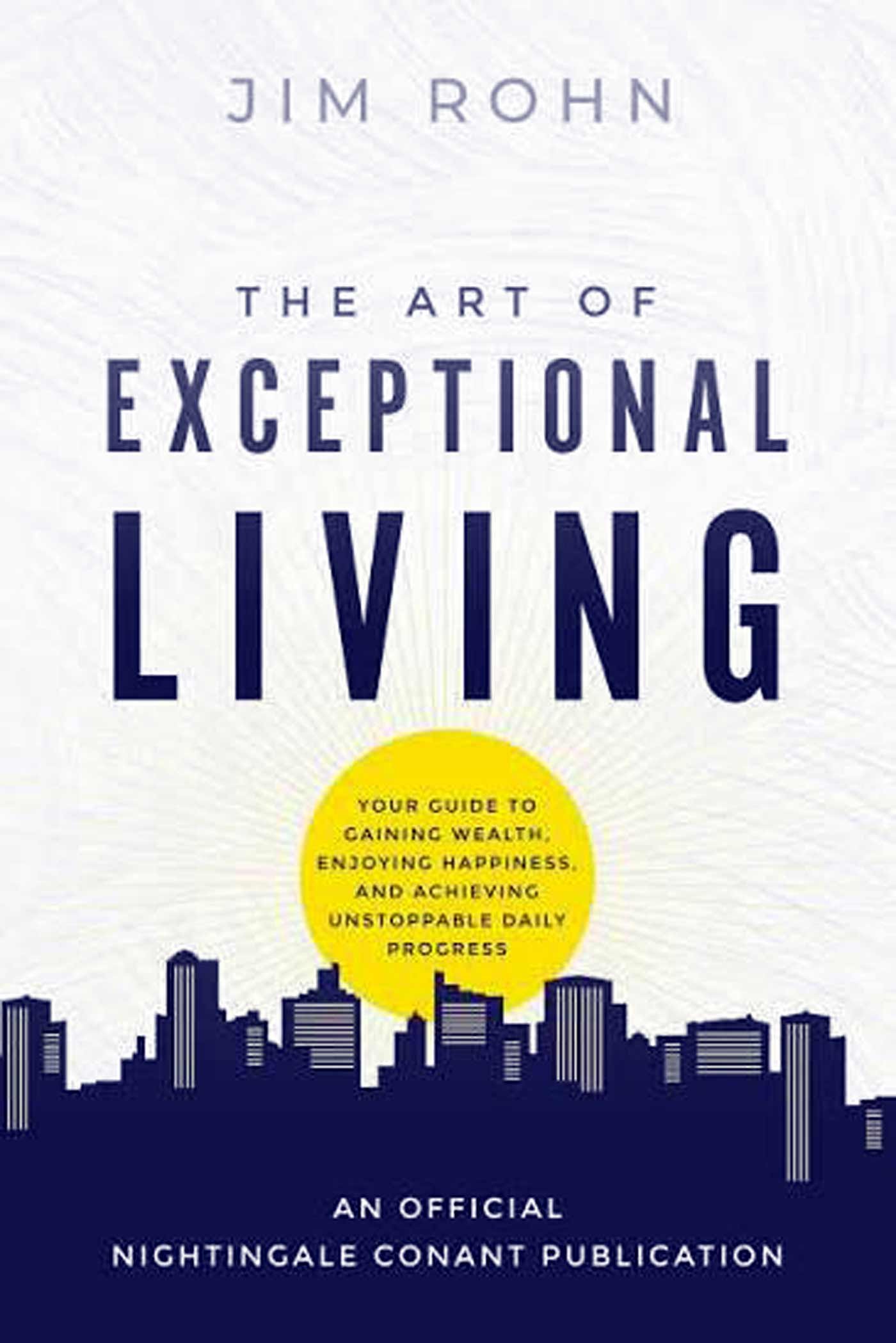
Jim Rohn’s classic self-development book focuses on discipline, responsibility, leadership, and personal growth. While different from political literature, it reflects the belief that lasting social change begins with individuals willing to improve themselves and lead by example.
Pyasa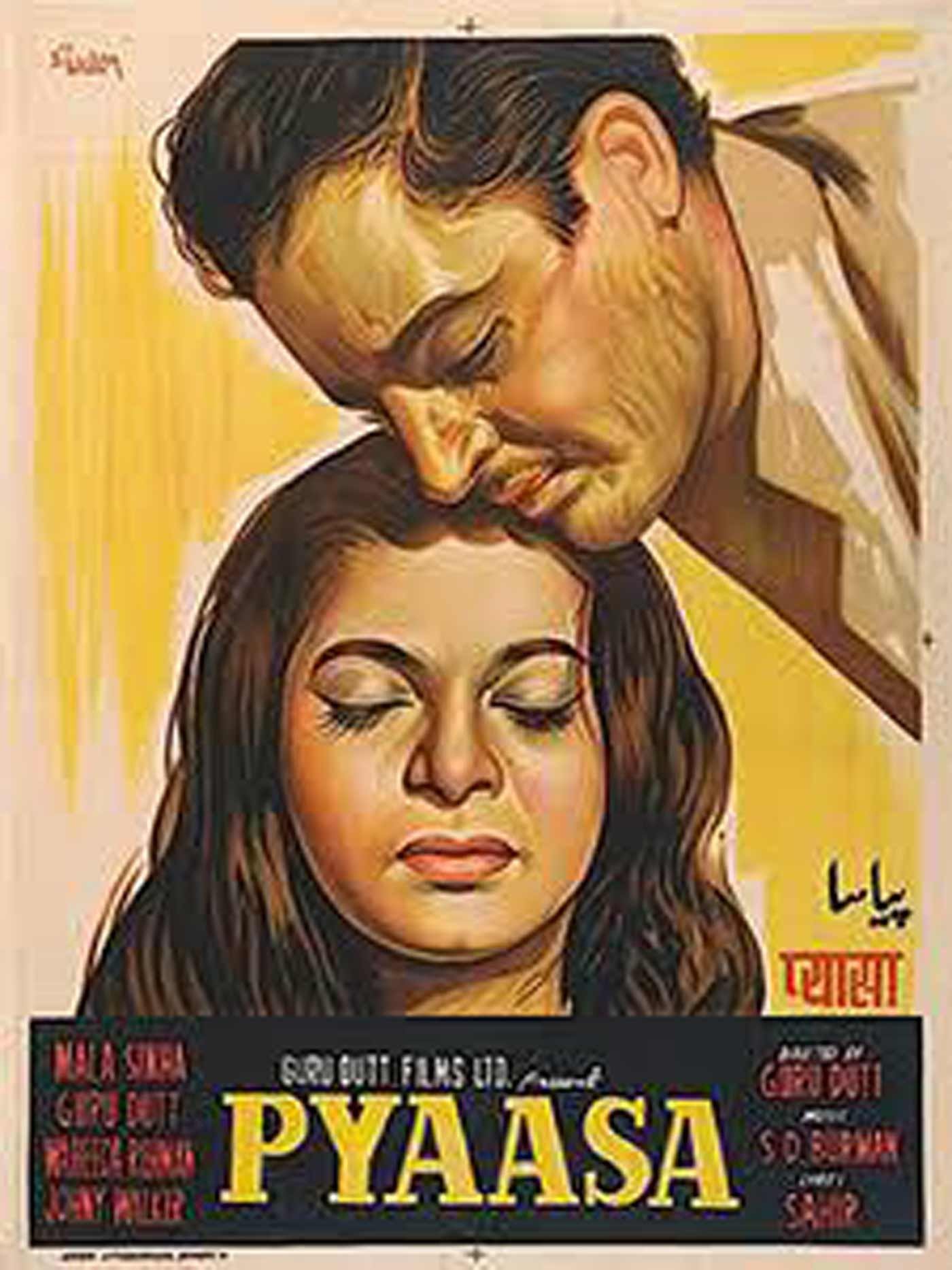
Guru Dutt’s timeless masterpiece remains one of Indian cinema’s greatest critiques of materialism, hypocrisy, and a society that often recognises artists only after they suffer. Its emotional honesty continues to resonate with anyone who believes compassion has become secondary to success.
Alice’s Adventures in Wonderland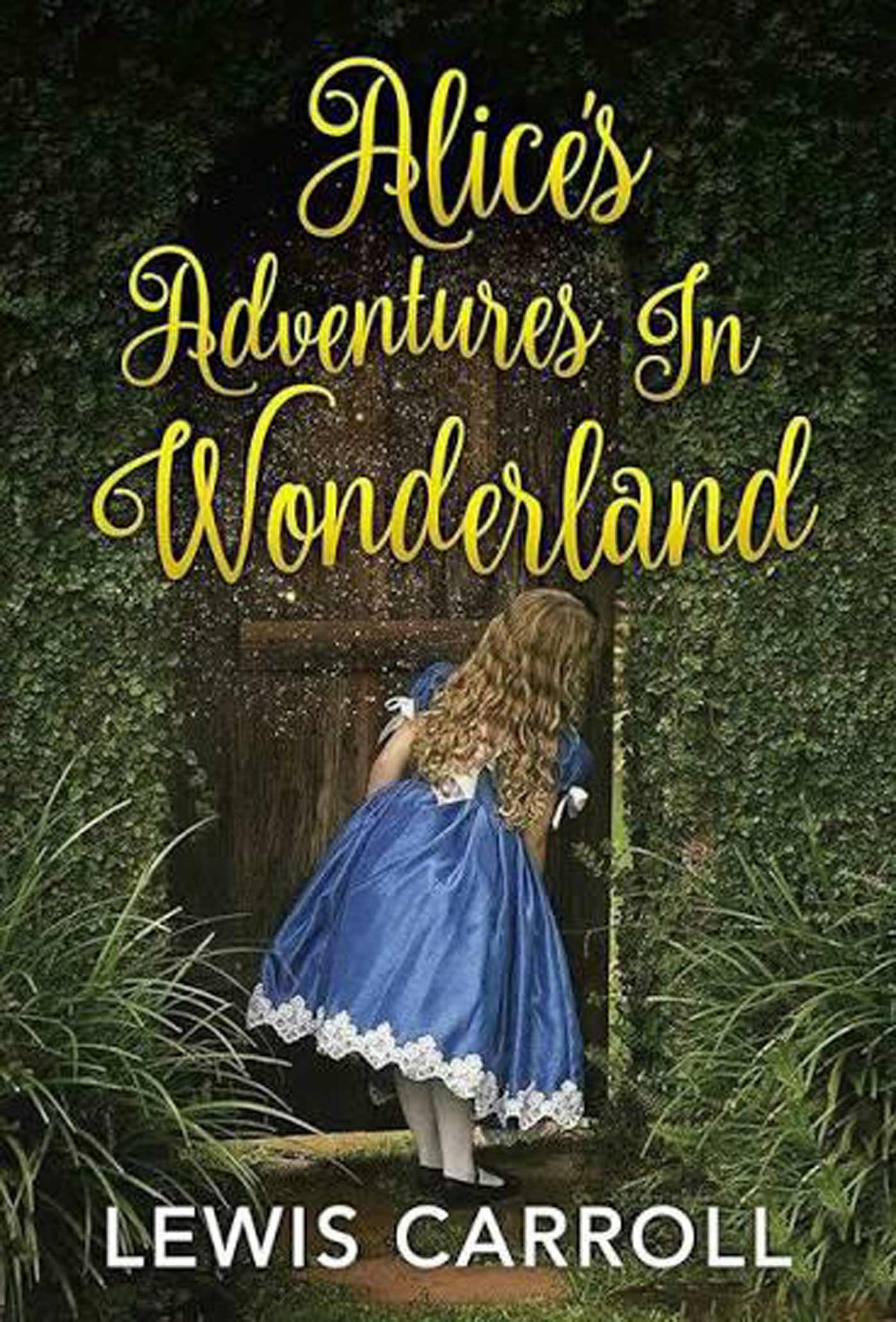
Lewis Carroll’s classic appears whimsical but is rich with satire, absurdity, and psychological symbolism. By turning logic upside down, it encourages readers to question authority, accepted truths, and the nature of reality itself, an essential quality in every critical thinker.
Aankhon Dekhi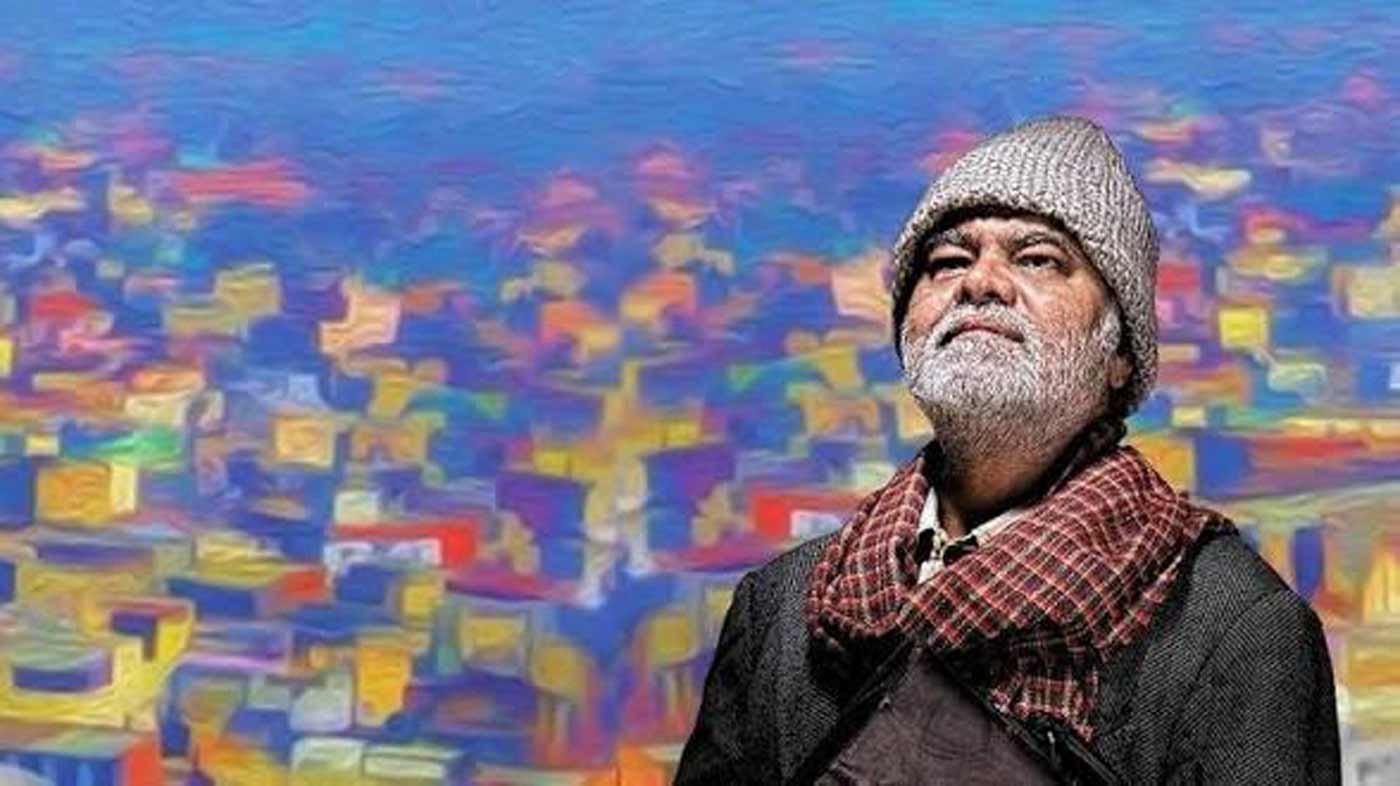
Rajat Kapoor’s acclaimed film follows a middle-aged man who decides to believe only what he experiences firsthand. The result is a profound meditation on truth, conformity, and independent thinking. In an age of misinformation, its message feels more relevant than ever.
A Thousand Splendid Suns – Khaled Hosseini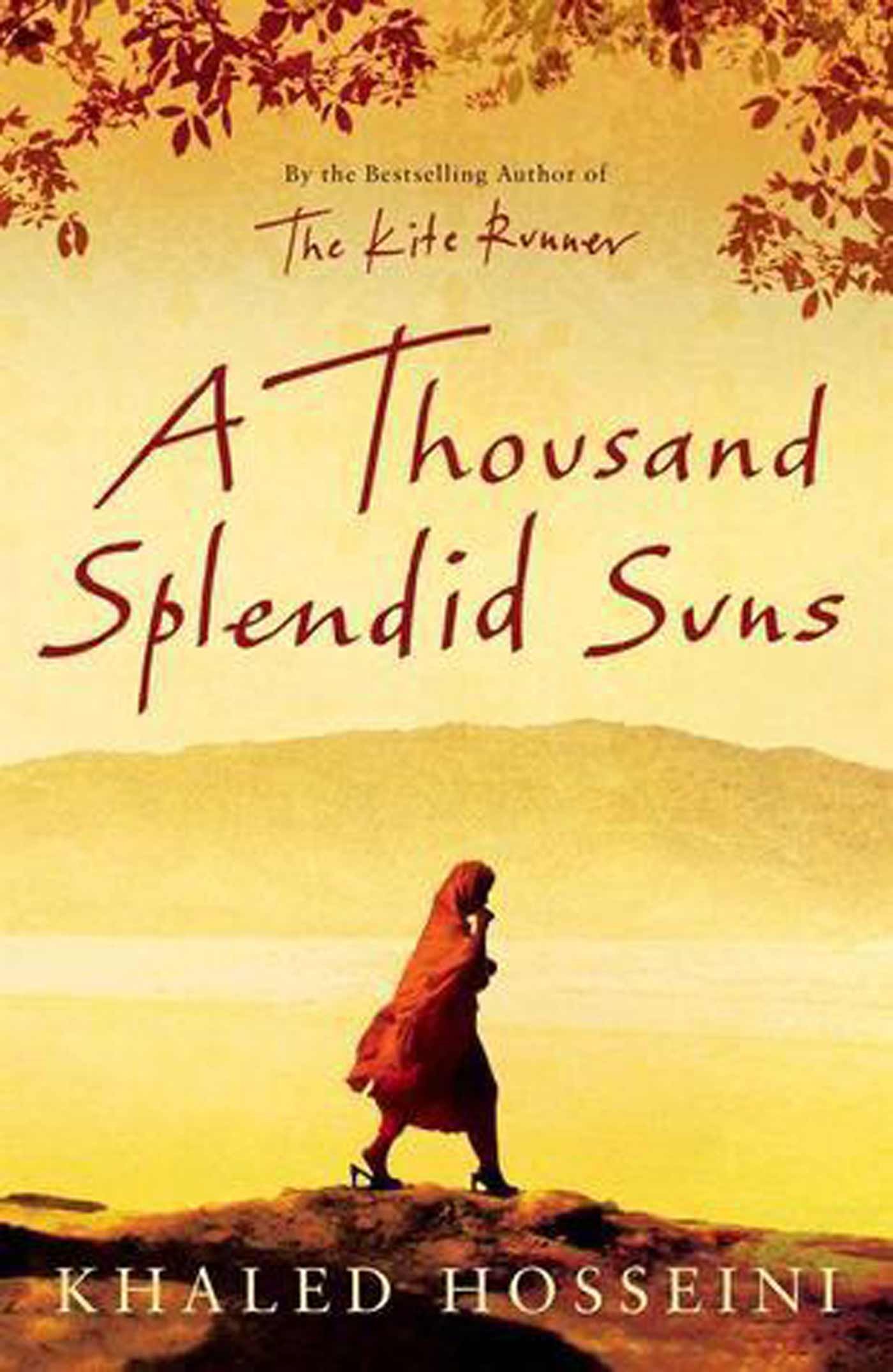
Through the intertwined lives of Mariam and Laila, Hosseini presents a deeply moving portrait of women’s resilience amid war, patriarchy, and political oppression. The novel celebrates solidarity in the face of unimaginable hardship, making it one of the most powerful literary explorations of resistance.
Bhavesh Joshi Superhero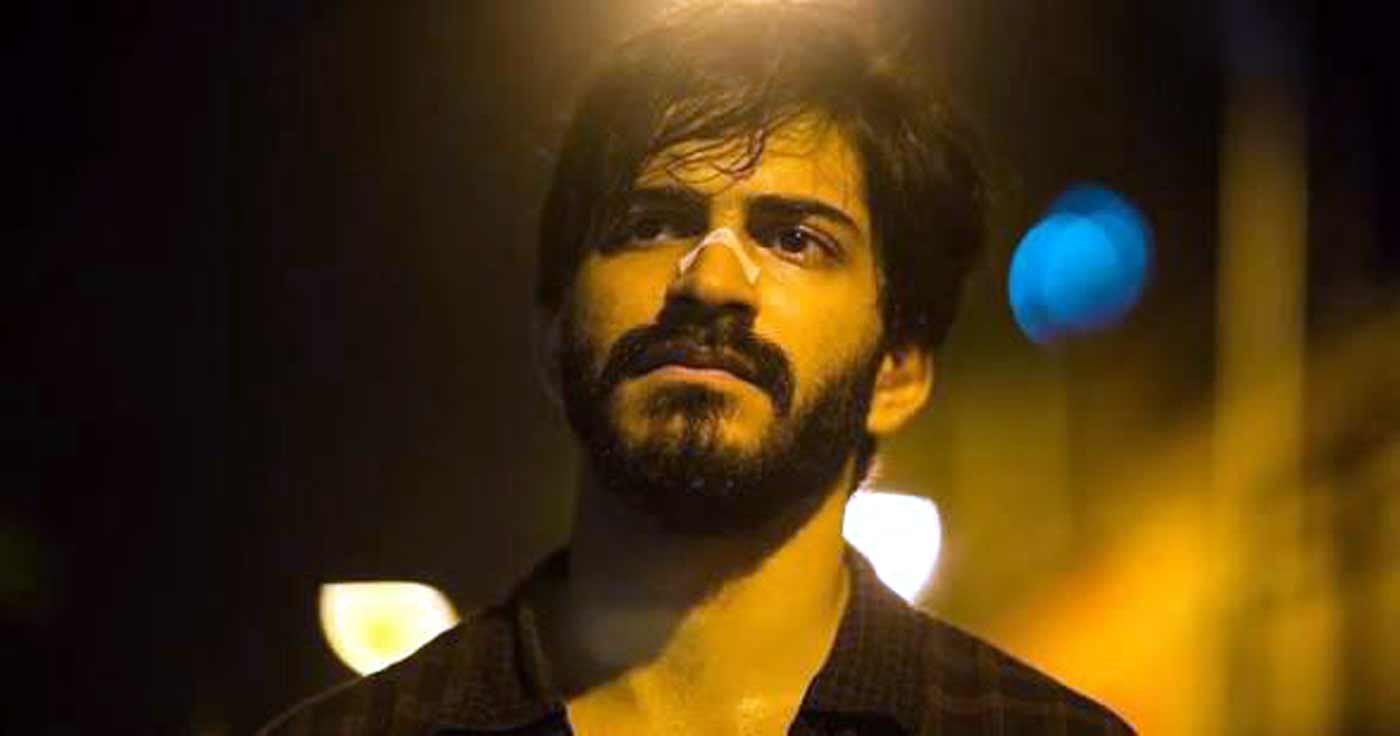
Unlike conventional superhero films, Bhavesh Joshi Superhero asks what happens when ordinary citizens confront corruption themselves. It explores civic responsibility, activism, and the cost of standing against powerful systems, making it especially meaningful in the context of youth-led democratic movements.
Stories That Inspire Action
What unites these recommendations is not genre, language, or country of origin. Some are philosophical novels, others children’s films, political thrillers, psychological dramas, or epics written thousands of years apart.
Yet each, in its own way, asks the same enduring questions: Who holds power? What is justice? When should we question authority? And what responsibility do ordinary people have when faced with injustice?
Perhaps that is why these stories found a place at a protest. They remind us that before movements reshape history, ideas reshape minds.