
Bad news travels fast. Open any social media feed and within seconds, there is another war, another political crisis, another disaster or another reason to feel like the world is falling apart.
But somewhere beneath all that noise, something else is happening too. People are recovering. Animals are returning. Communities are becoming more inclusive. Governments are changing policies. Scientists are experimenting with new solutions. And sometimes, progress is happening quietly enough that it never becomes a headline.
So here are some of the positive stories from around the world that deserve a little more attention.
Michael Jordan Is Expanding Access to Healthcare
Basketball legend Michael Jordan is continuing to invest in healthcare access in his home state of North Carolina. In February 2025, the fourth Novant Health Michael Jordan Family Medical Clinic opened in the state, with the latest facility located in Wilmington. The clinic was designed to provide primary care to everyone, including people who are uninsured or underinsured. Jordan’s partnership with Novant Health has now helped establish two clinics in Charlotte and two in Wilmington.
The clinics don’t simply provide routine medical appointments. Their model also connects patients with community health workers and other resources, recognising that health is often shaped by factors such as housing, food security and access to preventive care.
It is a reminder that philanthropy can go beyond writing a cheque. Sometimes, it can mean helping build infrastructure that communities can continue using for years.
Several Indian Cities Are Making Progress on Air Quality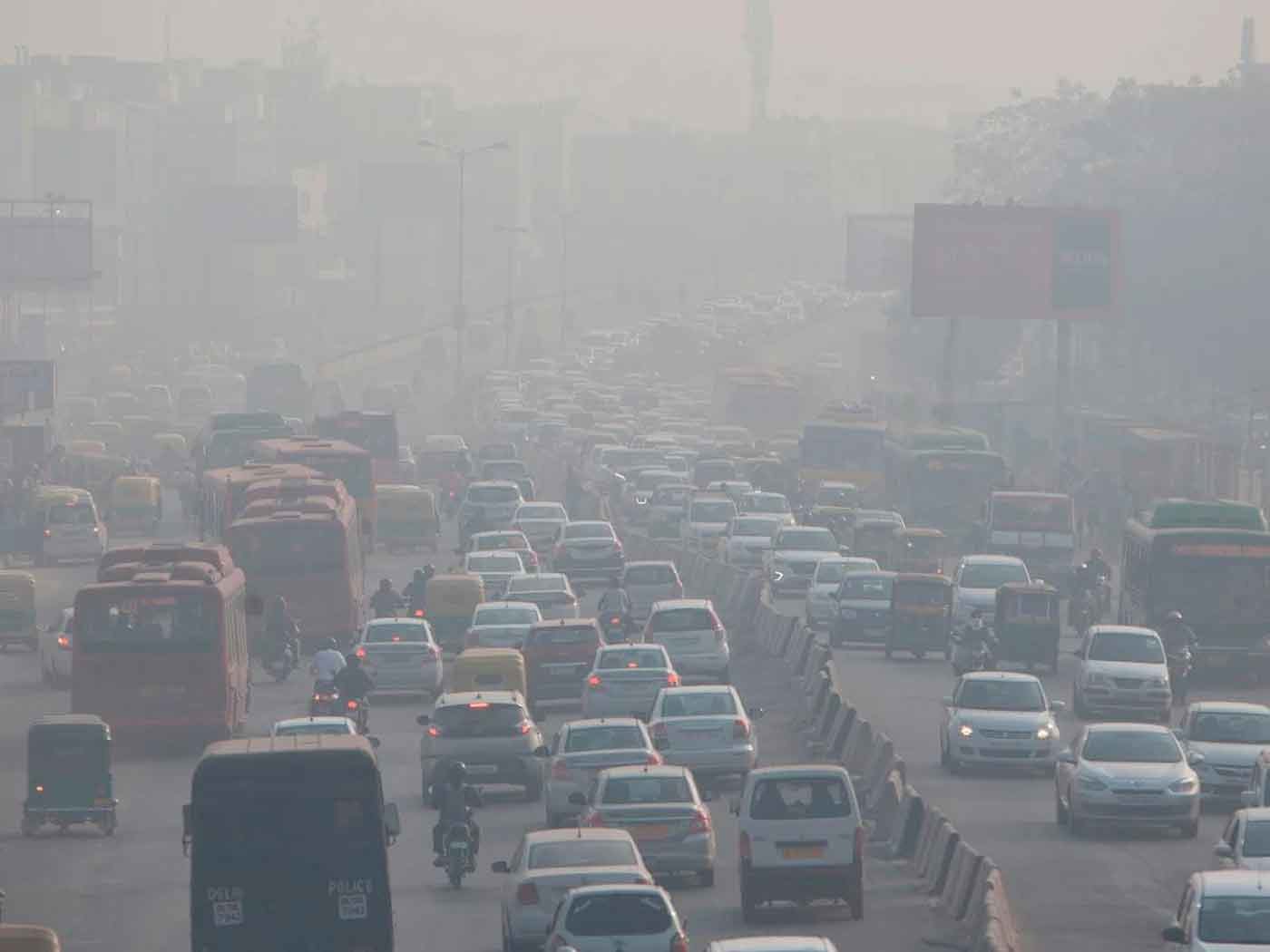
India’s air pollution crisis is far from solved, but there are encouraging signs in several cities. Under the government’s National Clean Air Programme (NCAP), cities have been implementing action plans covering transport, industrial emissions, road dust, construction, waste burning and other pollution sources. The government’s PRANA portal tracks implementation across India’s non-attainment cities.
An analysis by the Centre for Research on Energy and Clean Air found that 77 of the 100 NCAP cities studied recorded reductions in PM10 concentrations, although only 51 initially met the programme’s earlier 20–30% reduction target and many cities still remain above national standards.
That distinction matters. India’s air is not suddenly clean. But measurable reductions in pollution in dozens of cities show that regulation and sustained intervention can make a difference.
The good news is not that the problem has disappeared. It is that progress is possible.
The UK’s Robotic Fish Is Tackling Microplastics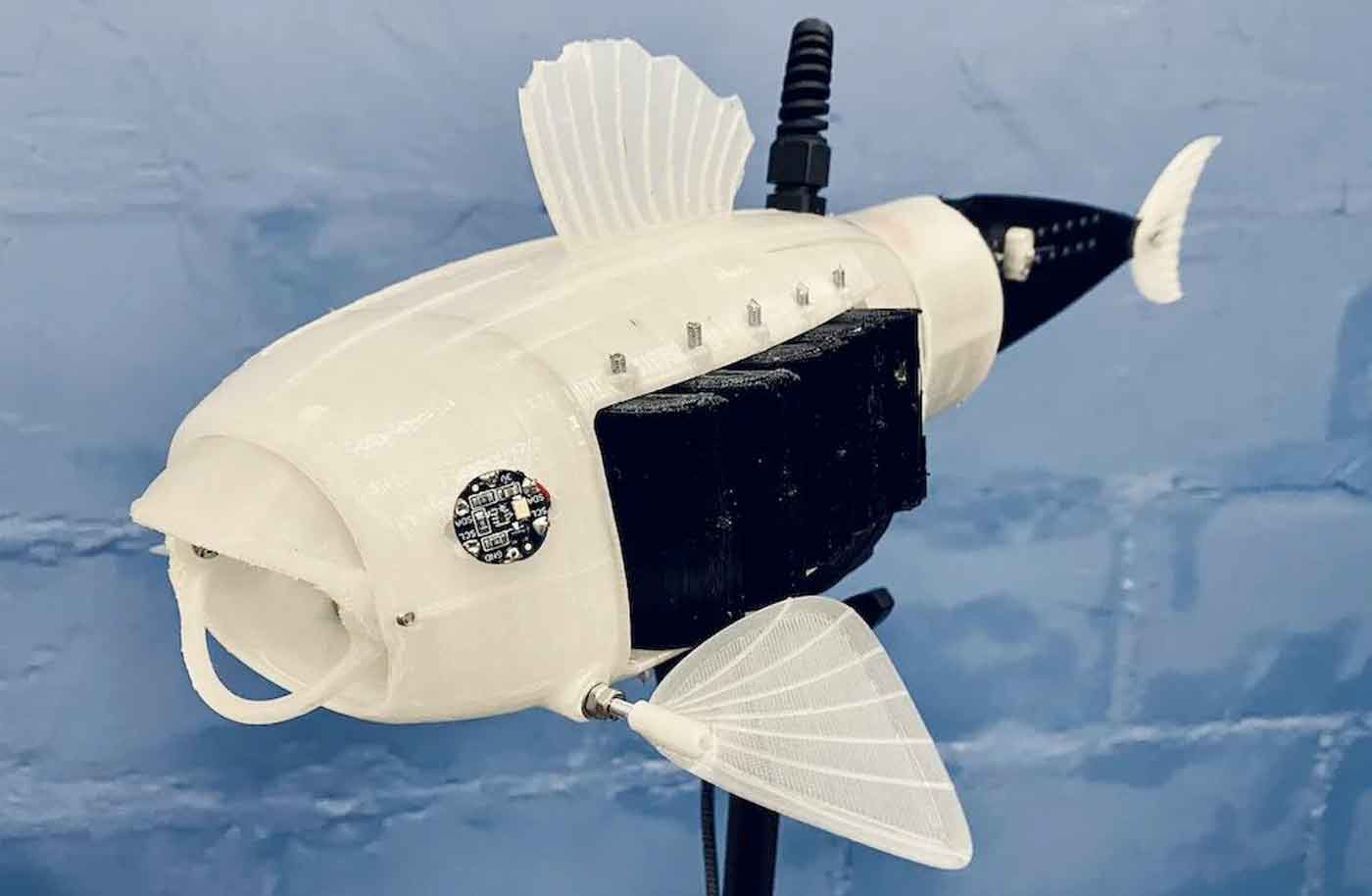
A tiny robotic fish developed in the UK offers an unusual approach to one of the ocean’s most difficult pollution problems: microplastics. Known as Gilbert, the bio-inspired robot was developed from a winning concept in the University of Surrey’s Natural Robotics Contest. Researchers subsequently turned the design into a working prototype capable of moving through water and filtering tiny plastic particles.
The robot was designed to swim like a fish while collecting particles through mesh filters in its gills. But there is an important caveat: viral descriptions often make it sound as though the robot literally eats and digests plastic.
It doesn’t. It filters plastic particles from water, making it an experimental research tool rather than a ready-made solution to ocean pollution. Still, the idea itself is fascinating: instead of trying to clean every polluted body of water with conventional machinery, researchers are exploring whether nature-inspired robots could work alongside ecosystems to detect and collect pollution.
The Bald Eagle Has Become a Conservation Success Story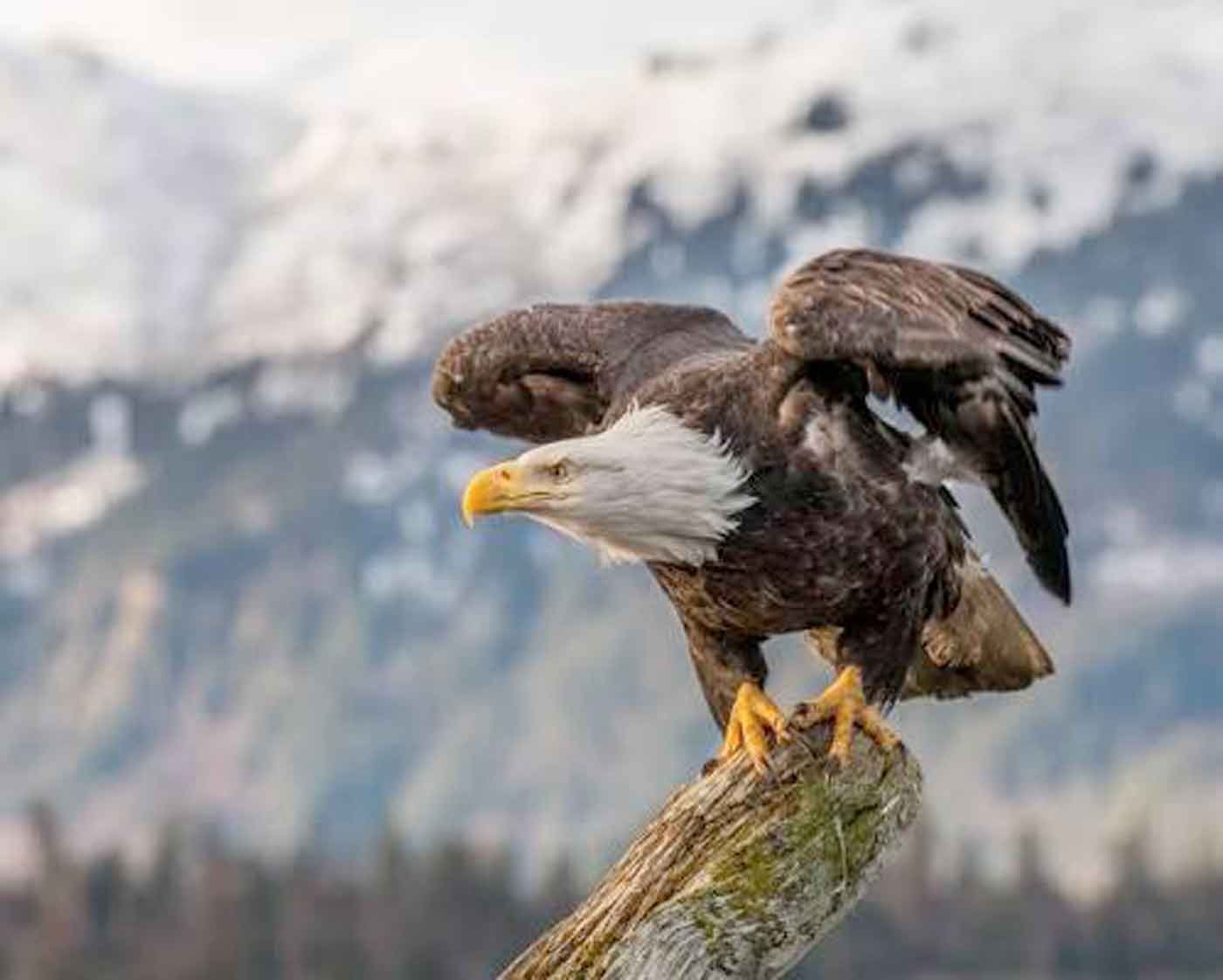
Few wildlife recoveries are as symbolic as that of America’s bald eagle. During the 20th century, habitat destruction, illegal shooting and particularly the widespread use of DDT caused the species’ population to collapse. In 1963, the lower 48 states had only around 417 breeding pairs.
Then came decades of conservation. DDT was banned for general use in the United States in 1972, while habitat protection, legal safeguards and conservation programmes helped the population recover dramatically.
By 2007, the bald eagle had recovered sufficiently to be removed from the federal endangered and threatened species list. Later estimates showed the population continuing to climb, with the U.S. Fish and Wildlife Service estimating more than 316,000 individual bald eagles in the lower 48 states in 2018–19, including more than 71,000 breeding pairs.
The bald eagle is now one of America’s most powerful conservation success stories. A species once pushed dangerously close to extinction is once again a familiar sight across the country.
Wolves Have Returned to Germany — Naturally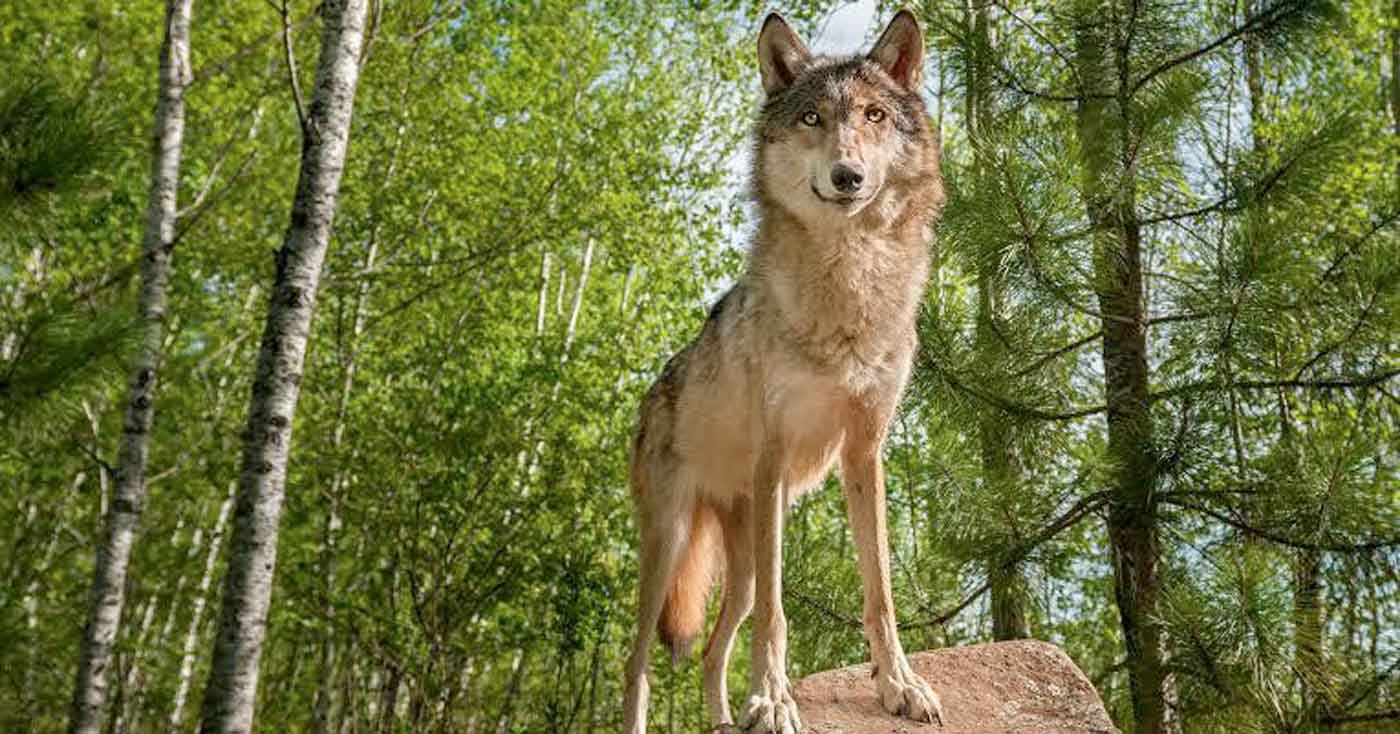
For generations, wolves were absent from much of Germany. Then, in 2000, a wild wolf pack produced the first documented wild-born wolf pups in modern Germany.
What makes the story particularly remarkable is that the animals returned naturally. Germany’s Federal Ministry for the Environment says there is no credible evidence that wolves were deliberately transported, released or reintroduced into the country.
Today, wolves live across multiple parts of Germany. Their return is considered an important conservation success, although it has also created difficult conversations around livestock protection, hunting and coexistence between humans and large carnivores. Germany has recently adjusted its management approach as the population expands.
The story is a powerful reminder that conservation does not always mean putting animals back into the wild. Sometimes, it means giving them enough space and protection to find their way home themselves.
Finland Is Still the World’s Happiest Country
Apparently, Finland isn’t giving up its crown anytime soon. The Nordic nation was ranked the world’s happiest country for the ninth consecutive year in the 2026 World Happiness Report.
The ranking isn’t based on how often people smile or how cheerful a country looks on Instagram. It is based primarily on people’s own assessments of their quality of life, using multi-year data from the Gallup World Poll. The report also examines factors associated with wellbeing, including social support, healthy life expectancy, freedom, generosity and perceptions of corruption.
Finland’s continued position at the top is therefore less about being perpetually happy and more about how people perceive their lives. Sometimes, the best news is simply that a country has managed to build systems in which people consistently feel that their lives are worth living.
South Korea Is Moving Towards the End of the Dog-Meat Industry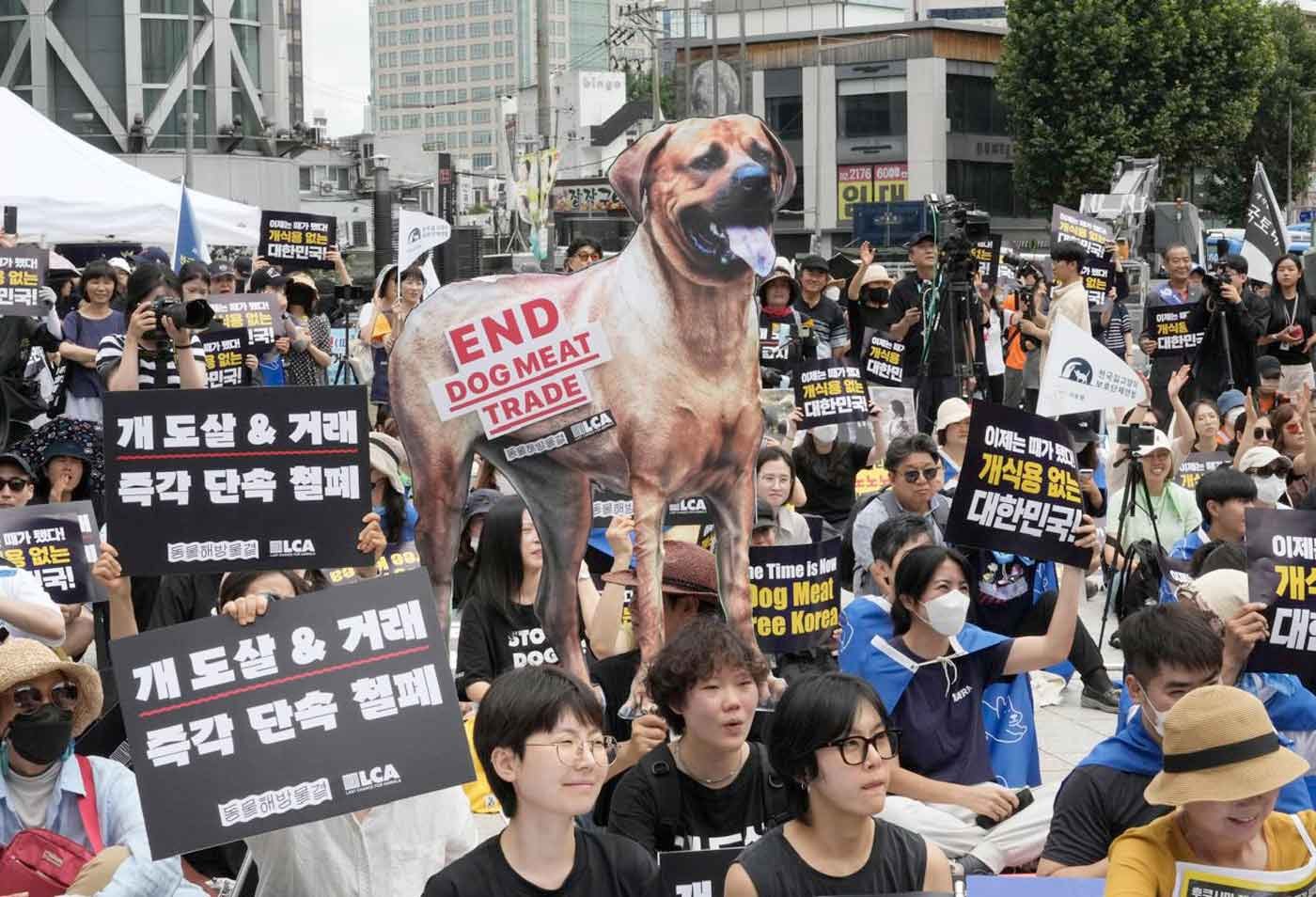
South Korea’s transition away from the dog-meat industry is another major social shift. The country passed landmark legislation in 2024 banning the breeding, slaughter, distribution and sale of dogs for human consumption. The full ban is scheduled to take effect in February 2027.
The transition is already well underway. By May 2026, the government said 82% of registered dog-meat farms had closed, with authorities accelerating efforts to shut the remaining operations before the law comes fully into force.
The often-repeated figure of 80,000 dogs relates primarily to the former scale of the Moran Market, once South Korea’s largest dog-meat market, rather than the number newly “saved every year” by the national ban. The market’s trade has already effectively disappeared, and the broader industry is rapidly shrinking.
So the real story is even more interesting than the viral statistic: an entire industry is being phased out through a combination of changing public attitudes, legislation and government support for businesses leaving the trade.
Norway Is Keeping Forest Loss Relatively Low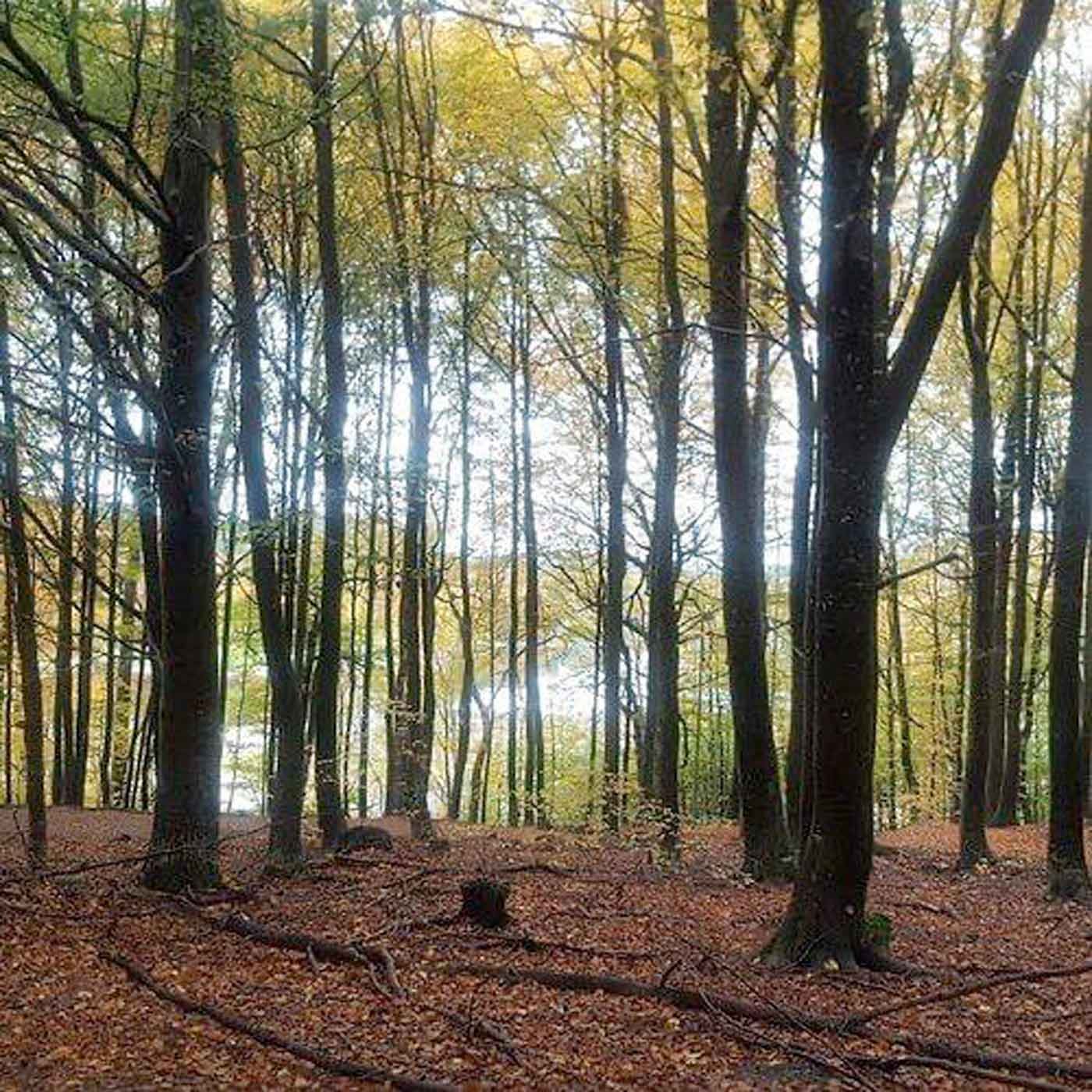
Norway is often included in lists celebrating countries with exceptionally low deforestation, but the reality needs a little nuance. The country does not have a zero-deforestation rate.
Norway’s own biodiversity reporting estimates an annual deforestation rate of around 0.05% of its forest area, with development being the biggest driver of forest loss. At the same time, some of that decline is offset by the natural expansion of forests into previously open land.
That still makes Norway an interesting case in forest management. The lesson isn’t that Norway has eliminated deforestation altogether. It is that strong planning, environmental regulation and conservation policies can help keep forest loss relatively limited while maintaining substantial forest cover.
In an era of accelerating global habitat loss, even incremental progress matters.
Four Friends With Down Syndrome Built Their Own Door Into the Workplace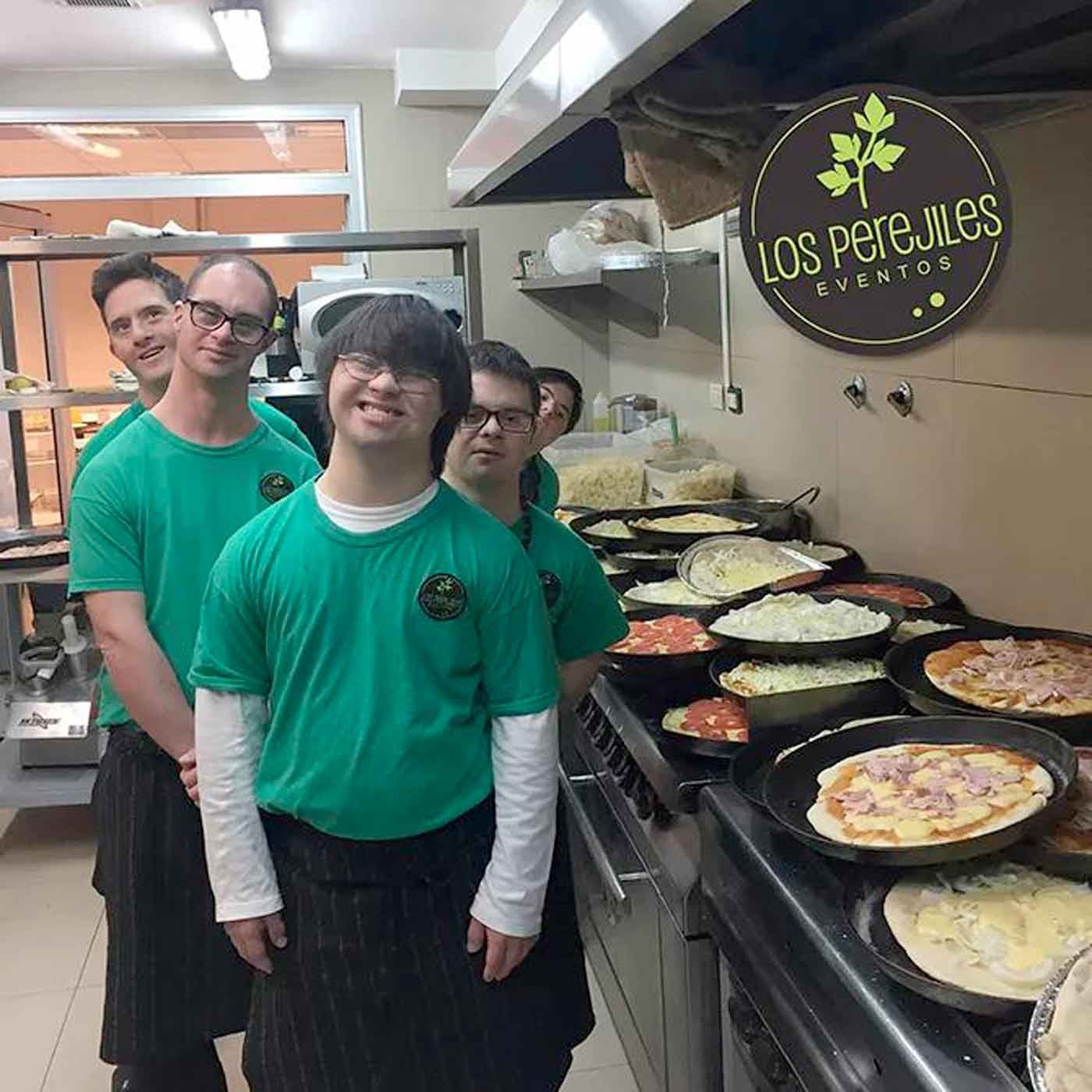
Sometimes the most inspiring stories begin with rejection. In Argentina, four friends with Down syndrome—Mateo Kawaguchi, Leandro López Padros, Franco Noseda and Mauricio Rolden—decided to create their own employment opportunity after facing discrimination in the conventional job market.
They launched Los Perejiles, a mobile pizza-catering business in Buenos Aires. The business was designed not merely to sell pizza but to create meaningful employment for people with Down syndrome.
The four founders eventually became employers themselves, with reports from the period saying the company went on to employ 23 additional young people with Down syndrome.
It is a particularly powerful example of inclusion because the message isn’t simply that people with disabilities deserve opportunities. It is that they can create opportunities for others, run businesses and become employers themselves.
Maybe the World Isn’t Only What Our Feeds Show Us
None of these stories mean the world’s problems have disappeared. The bald eagle’s recovery doesn’t mean every endangered species is safe. Cleaner air in some Indian cities doesn’t mean pollution is solved. Germany’s wolves have returned, but their presence has created legitimate conflicts. South Korea’s dog-meat ban is still being implemented. And experimental robots aren’t going to clean the entire ocean overnight.
But that is precisely why these stories matter. Progress is rarely perfect. It is usually incremental, complicated and unfinished. Sometimes it looks like a wolf crossing a border it disappeared from generations ago. Sometimes it is a clinic opening its doors to someone without insurance. Sometimes it is a community of entrepreneurs creating jobs after the world told them they couldn’t work. And sometimes, it is simply a species that was almost gone, becoming common again.
The world is still messy. But it is not only bad. There is progress happening everywhere. We just don’t always stop scrolling long enough to see it.