


Scroll through any news feed and it can sometimes feel as though the world is falling apart. Wars, political crises, climate disasters, economic uncertainty and social unrest dominate our screens so consistently that it becomes easy to forget something equally important: good things are still happening.
Across the world, governments are introducing more inclusive policies, conservation programmes are bringing endangered animals back from the brink, communities are finding new ways to care for vulnerable people, and scientific research continues to open doors to possibilities that once seemed unimaginable.
Scotland Made Period Products Free
Scotland made history by becoming the first country in the world to provide free period products universally through legislation. The policy, which came into effect in 2022, requires local authorities and educational institutions to make products such as sanitary pads and tampons freely available to anyone who needs them.
The move represents more than a convenience. Menstrual products are essential healthcare items, yet their cost can create a significant burden for people with limited incomes. Period poverty can also affect attendance at school, university and work.
By making menstrual products freely accessible, Scotland placed menstrual health firmly within the conversation around public health, dignity and equality.
It is an example of how a relatively simple policy can have an enormous impact on everyday life.
Mexico Took a Major Step for Animal Welfare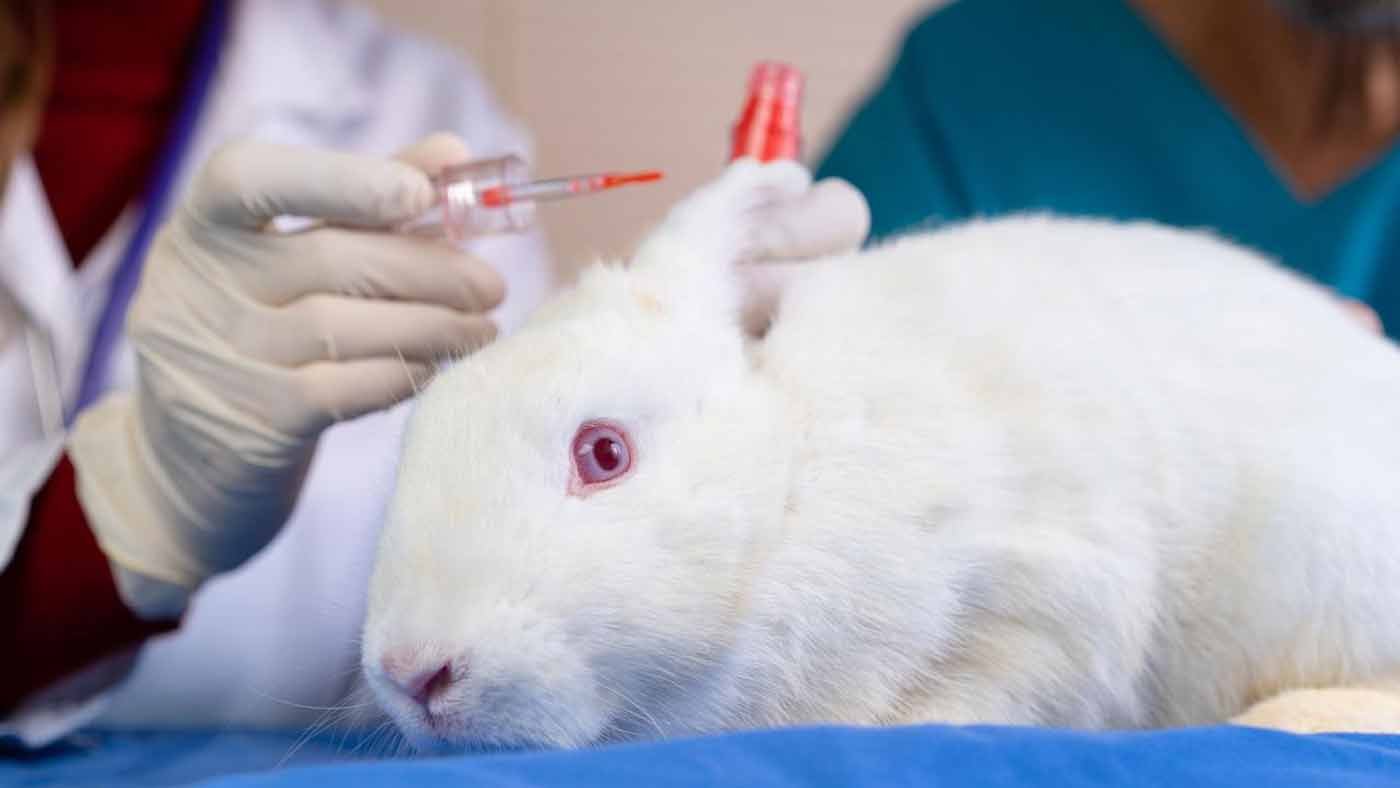
Mexico became the first country in North America to introduce a nationwide ban on cosmetic testing on animals. The legislation reflects a broader global movement towards replacing animal testing with alternative methods when developing cosmetics and personal-care products.
For consumers, the change also highlights how advances in science can make it increasingly possible to evaluate the safety of products without relying on animals.
The decision adds Mexico to a growing international movement questioning whether animals should continue to bear the cost of developing products designed for human use.
The Netherlands Built a Village Designed Around Dementia Care
What if a person living with dementia could continue to experience something resembling ordinary life instead of spending their days in a conventional hospital-like environment?
The Netherlands explored exactly that idea with Hogeweyk, a dementia-focused community often described as a “dementia village.”
Residents live in a carefully designed environment that resembles a normal neighbourhood, complete with streets, gardens, communal spaces, shops and restaurants.
The people working around them, including caregivers, can take on roles resembling those of neighbours, shopkeepers and other members of a community rather than constantly appearing as medical staff.
The philosophy is simple: care does not necessarily have to look like a hospital. By creating a familiar environment while maintaining around-the-clock professional support, the model attempts to preserve independence, social interaction and dignity for people living with advanced dementia.
Mexico’s Jaguar Population Is Recovering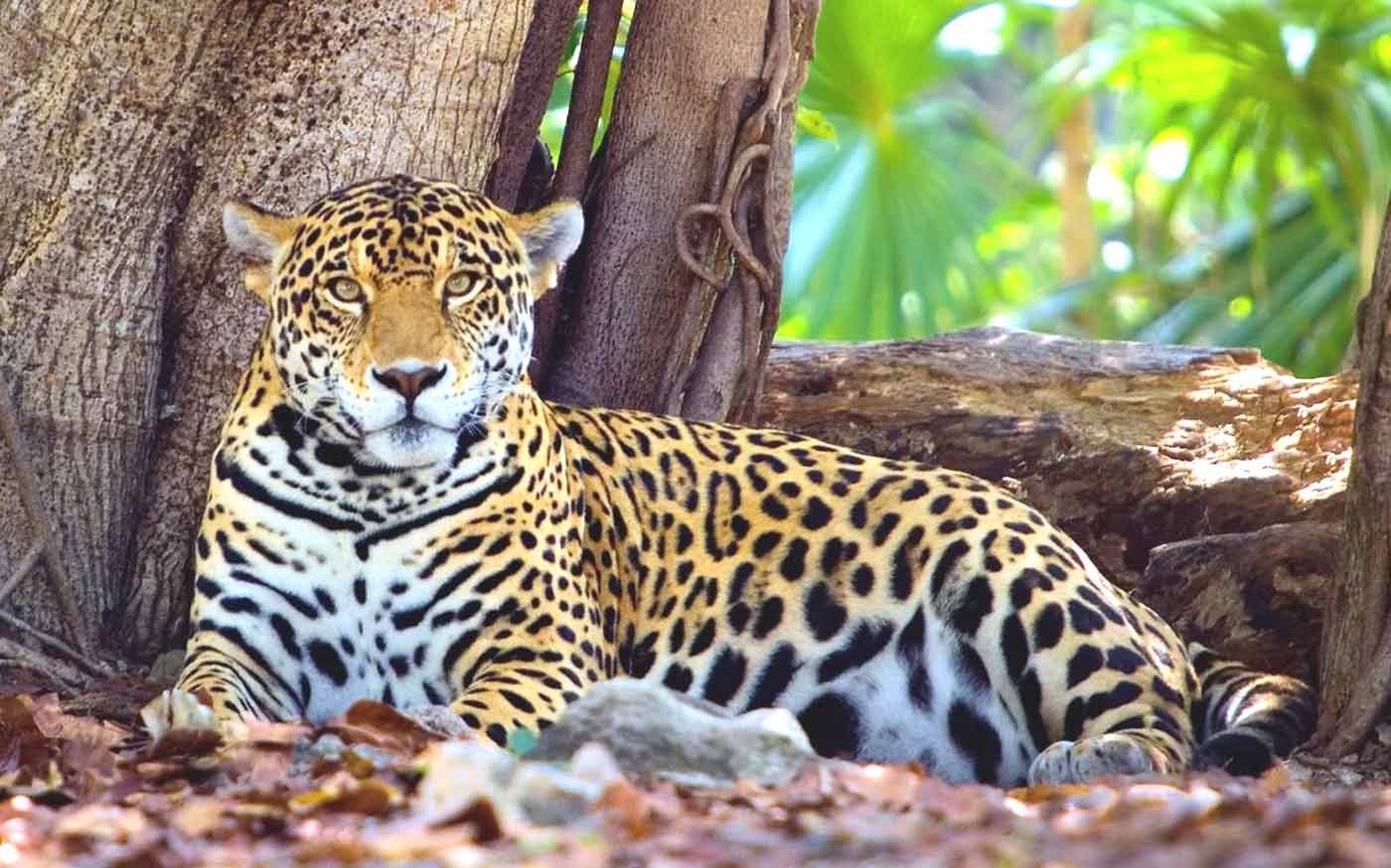
There is also encouraging news from Mexico’s forests. The country’s wild jaguar population has shown significant growth since 2014, with estimates reaching more than 5,000 animals.
Jaguars once faced enormous pressure from habitat loss, hunting and human-wildlife conflict. Conservation initiatives have focused on protecting forests, maintaining wildlife corridors and reducing threats to the species.
The increase demonstrates what long-term conservation can achieve when governments, researchers and local communities work together. It is also an important reminder that endangered species are not necessarily destined for extinction. With the right protection, populations can recover.
A Dandelion Study Offers an Interesting Scientific Lead but It Is Not a Cancer Cure
One of the more widely circulated positive science stories involves dandelion root extract. A laboratory study found that dandelion root extract showed promising effects against certain cancer cells under experimental conditions, with some reports describing substantial cell death within 48 hours.
But there is an extremely important distinction here.
This was laboratory research, not evidence that dandelion root cures cancer in humans.
Results observed in isolated cells do not automatically translate into an effective or safe medical treatment. Researchers would need substantially more evidence, including further laboratory research, animal studies and properly designed human clinical trials, before any medical conclusions could be drawn.
Still, studies like these can be valuable because they identify biological effects that researchers may investigate further. Sometimes promising science begins with a question rather than an immediate cure.
The Birds That Inspired Rio Returned to the Wild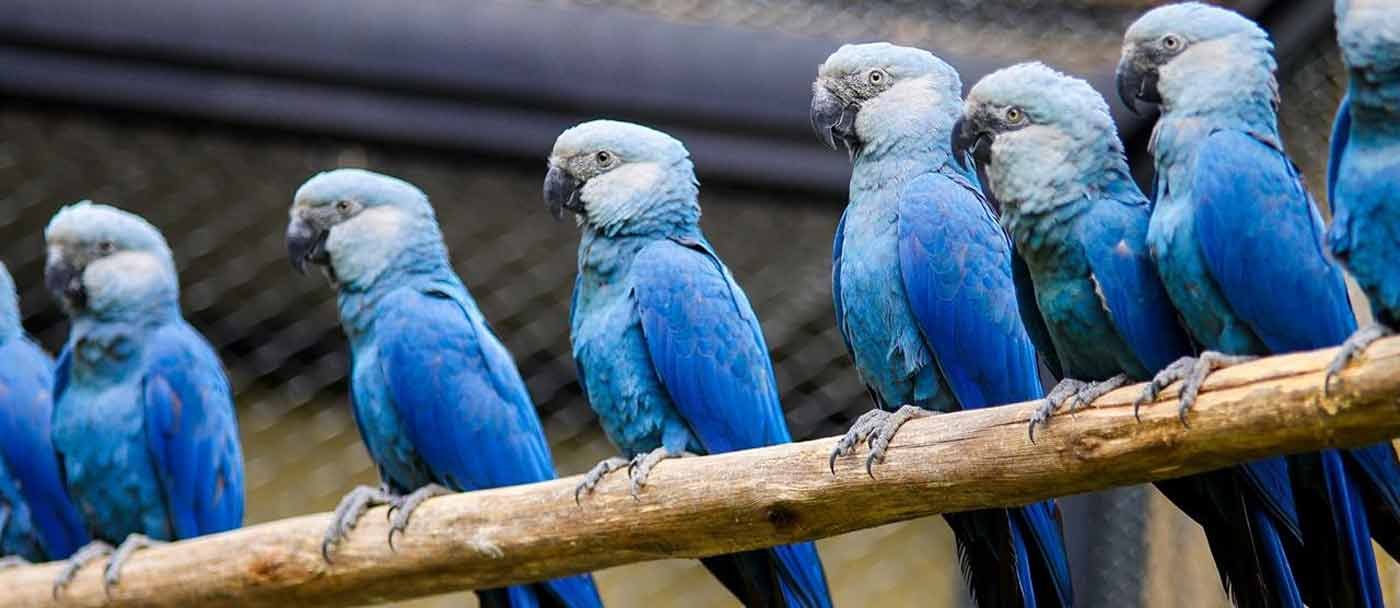
The Spix’s macaw, the striking blue parrot that inspired the animated film Rio, has experienced one of conservation’s most remarkable comebacks.
The species was declared extinct in the wild in the early 2000s after habitat destruction, illegal trapping and the pet trade contributed to its disappearance from its natural environment.
After decades of captive-breeding programmes and conservation work, Spix’s macaws were eventually reintroduced into their native habitat in Brazil.
The return was especially significant because conservationists were not simply protecting a species that still existed in the wild, they were attempting to restore a wild population after its disappearance.
The story demonstrates how painstaking breeding, habitat restoration and international cooperation can give endangered species another chance.
Przewalski’s Horses Are Back in the Wild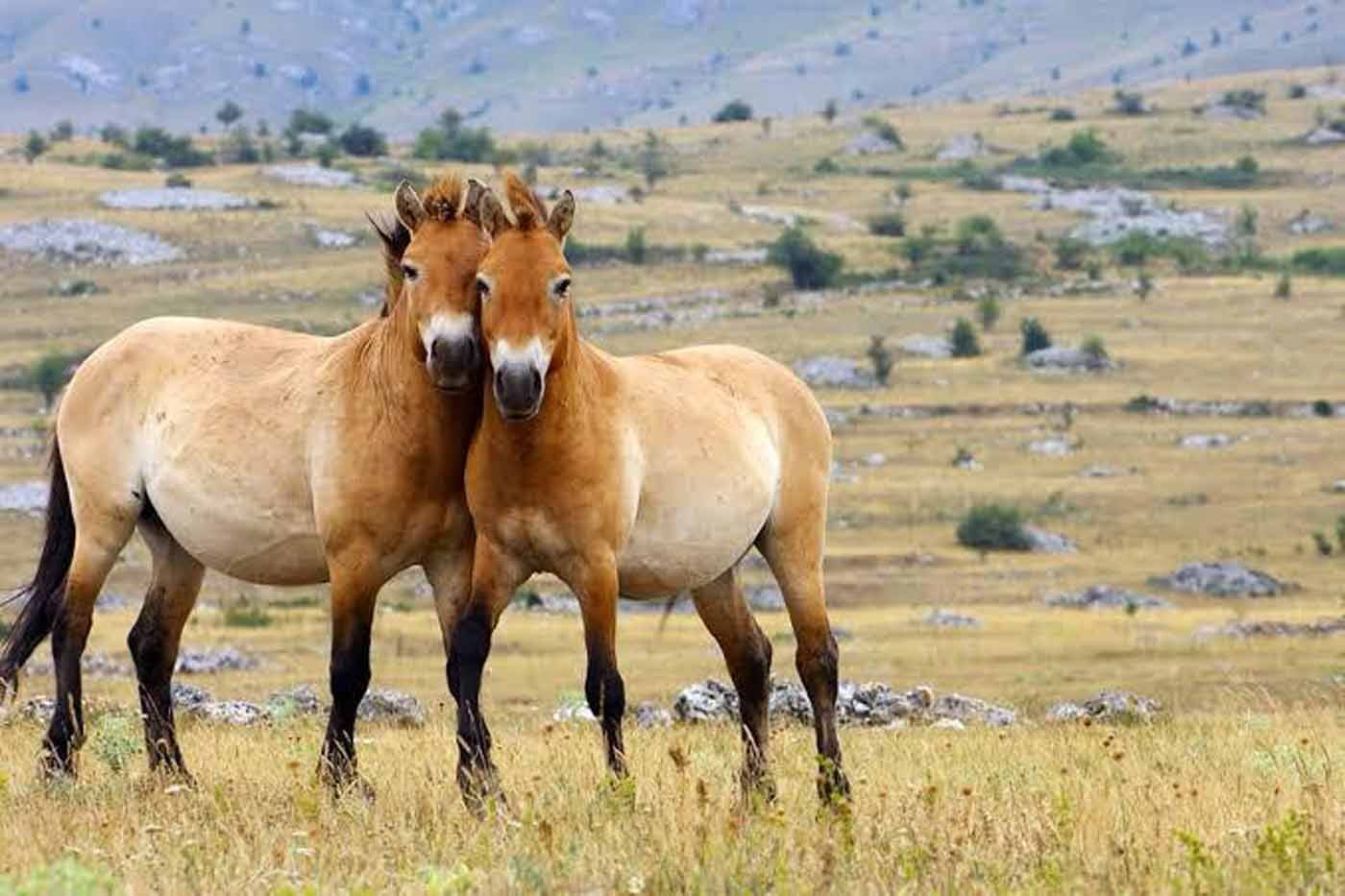
Another extraordinary conservation success involves Przewalski’s horses, widely regarded as the world’s last surviving truly wild horse species. Unlike domesticated horses that have returned to the wild, Przewalski’s horses have a distinct evolutionary history and were once completely absent from the wild.
The species was declared extinct in the wild in the twentieth century, but carefully managed captive-breeding programmes helped preserve the remaining genetic population.
Conservationists subsequently began reintroducing the horses into protected habitats across parts of Central Asia and Mongolia. Their return is a powerful example of conservation extending beyond simply protecting what remains. Sometimes, conservation means bringing a species home.
Finland Remains One of the Best Places to Raise a Family
And then there is Finland, which continues to receive international recognition for its family-friendly environment. The country is frequently praised for policies supporting parents and children, including generous parental leave, accessible healthcare, high-quality education and strong social support systems.
Finland’s approach treats raising children not solely as an individual family’s responsibility but as something supported by wider society. From its education system to childcare policies and parental benefits, the country demonstrates how public policy can directly influence the experience of family life.
The World Is Complicated—but It Is Not Only Bad
None of these stories erase the enormous problems facing the world. But that is precisely why they matter.
A free sanitary pad can change someone’s experience of school or work. A conservation programme can bring an extinct-in-the-wild species home. A dementia community can give vulnerable people greater dignity. A scientific discovery can inspire years of research. A family policy can make raising children a little easier.
Progress rarely arrives as one dramatic moment. Sometimes it happens through small policy decisions, years of conservation work, an experiment in a laboratory, or a community deciding to do things differently.
The next time the news feels overwhelmingly bleak, it may be worth remembering this:
The world is still changing and sometimes, it is changing for the better.