
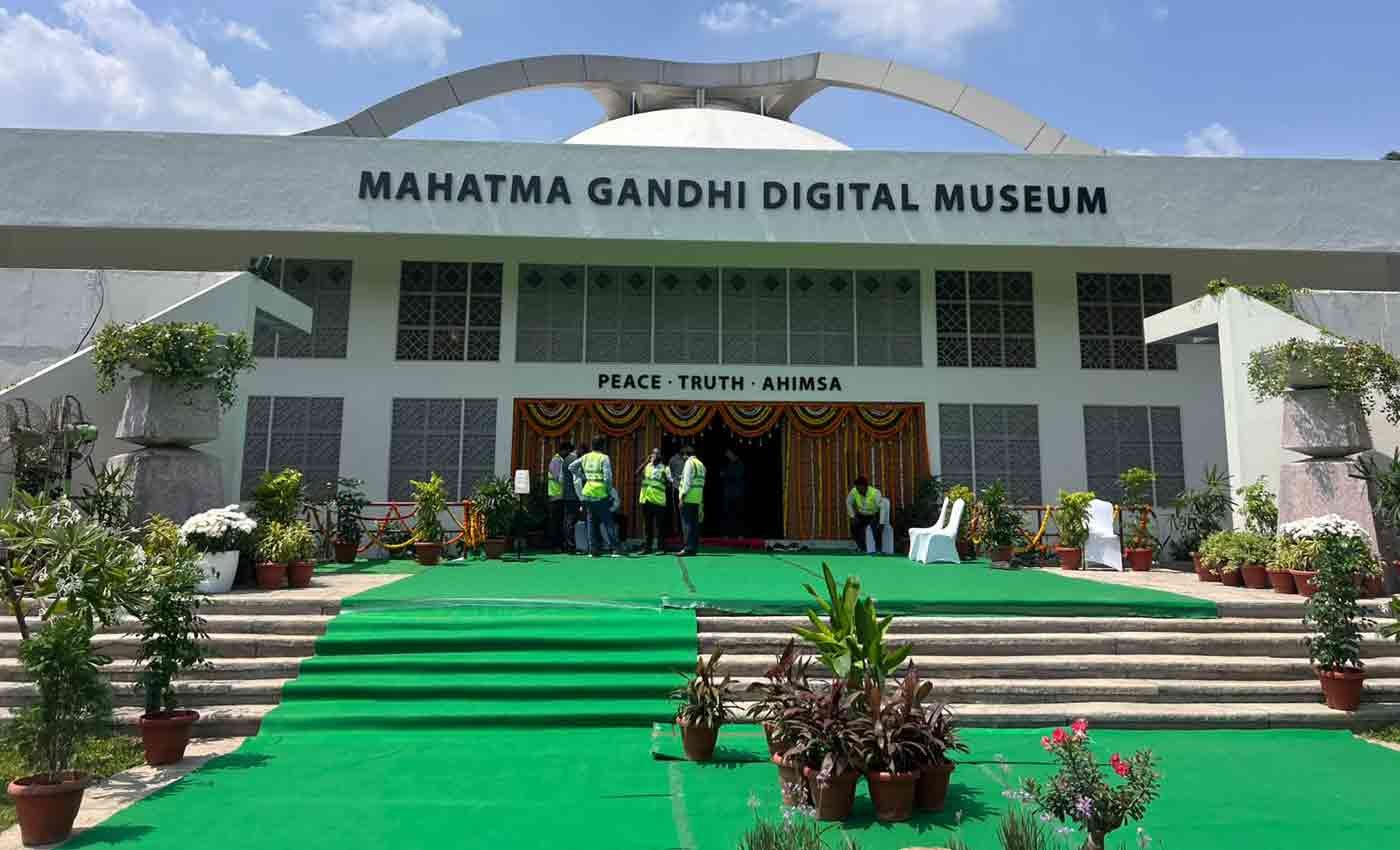
On a riverbank where a nation once said goodbye to Bapu, Hyderabad is now whispering a daring question to its youth: what if Gandhi isn’t history, but your next big idea? At Bapu Ghat, an interactive digital museum is turning “Peace, Truth, Ahimsa” into something you can touch, scan, play with, and maybe even live. Hyderabad’s Bapu Ghat re-curated, youth-focused digital museum that asks one big question: how relevant is Mahatma Gandhi today? Conceived and curated by Gandhian ideologue Birad Rajaram Yajnik, the space blends storytelling, design and technology to turn philosophy into an interactive experience.
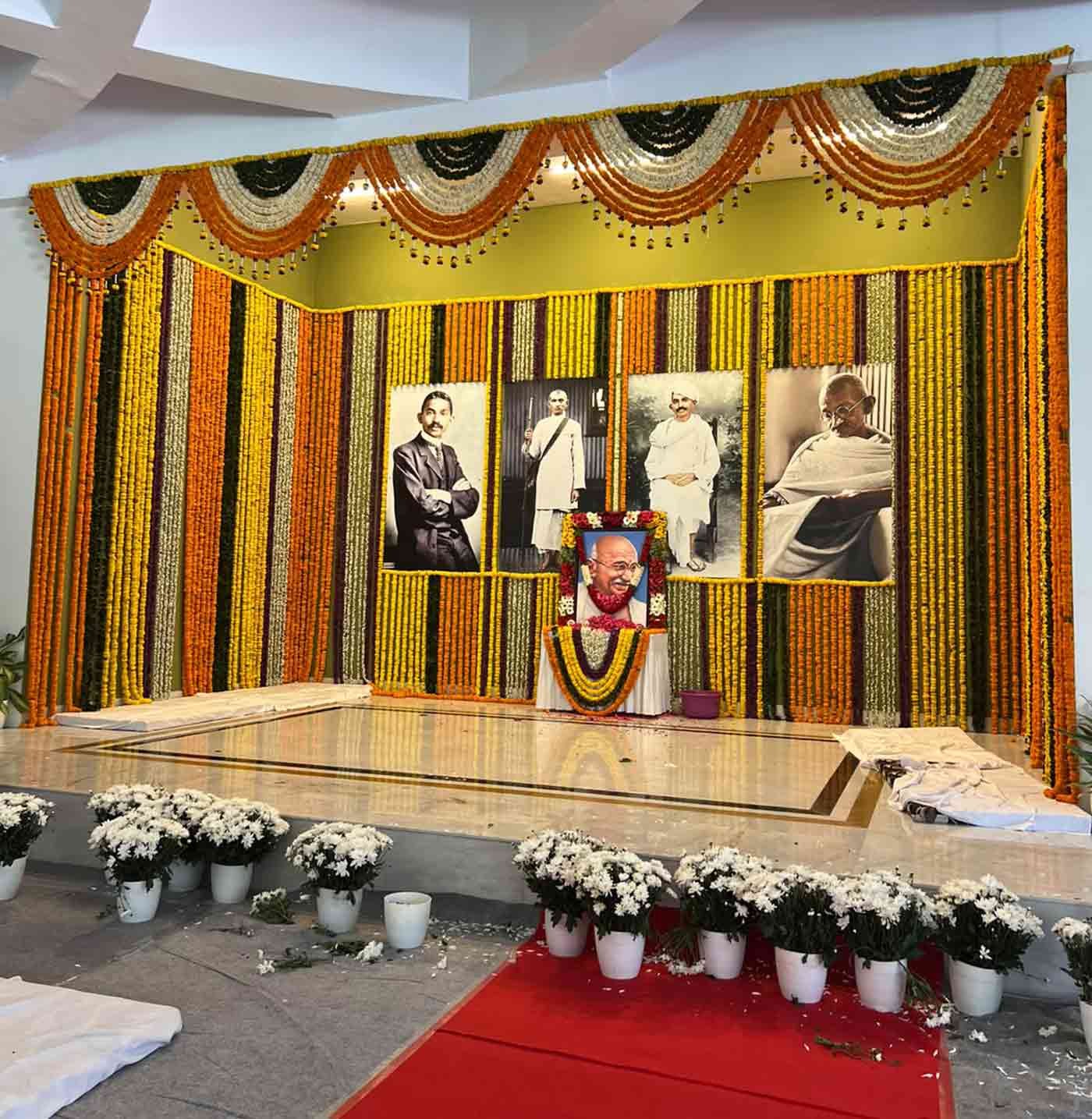
Hyderabad’s Bapughat at Langar Houz commemorates the immersion of Mahatma Gandhi’s ashes at the confluence of the Musi and Esi rivers in February 1948. The adjoining Gandhi museum preserves his message of truth, peace and non-violence through photographs, exhibits and interactive displays. Together, the memorial museum connect Hyderabad’s history with Gandhi’s enduring ideals and legacy. Also reflects the city’s celebrated Ganga-Jamuna Tehzeeb, a living tradition of secular harmony, shared customs and mutual respect.
The Mahatma Gandhi Digital Museum started in 2012 at Bapu Ghat, Langar Houz, the historic spot where Gandhi’s ashes were immersed in the Musi river on 12 February 1948. It was India’s first permanent interactive museum on “Peace, Truth, Ahimsa”, designed specifically to engage students and young people with Gandhi’s life and ideas. After a decade of operation and a pandemic shutdown, the museum was renovated and refreshed with learnings from its global travels, aiming to speak more directly to a generation growing up in a world marked by conflict and digital noise.
The core idea: “My life is my message”
Birad frames the museum around two of Gandhi’s most quoted lines:
- “My life is my message.”
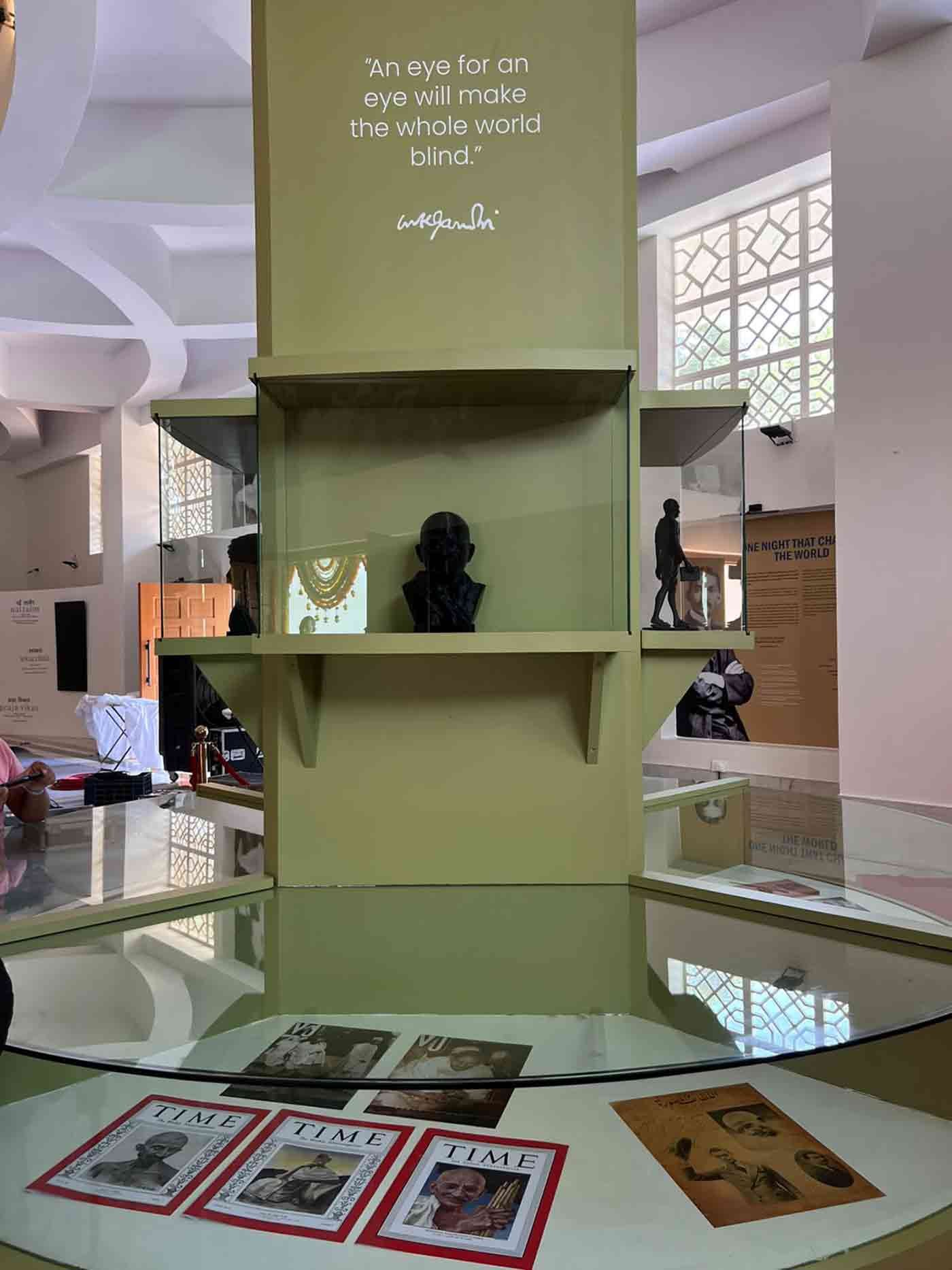
- “An eye for an eye will make the whole world blind.”
These aren’t just wall quotes; they shape the entire visitor journey, from violence to nonviolence, from biography to global impact.
Walkthrough: From Himsa to Ahimsa
The curation is deliberately experiential:
- Wall 1 – Himsa (Violence): A global timeline of wars, conflicts and atrocities over the last few centuries sets a stark context for why nonviolence matters.
- Wall 2 – Ahimsa (Nonviolence): Gandhi’s philosophy is unpacked through concepts like Satyagraha, Sarvodaya(welfare of all), and everyday ethical choices, illustrated with anecdotes from his life (including stories he recounts in The Story of My Experiments with Truth).
- Global voices on Gandhi: Panels show what leaders and thinkers- from Albert Einstein to Barack Obama- have said about him, underlining his continuing moral resonance.
The world’s largest interactive Gandhi wall
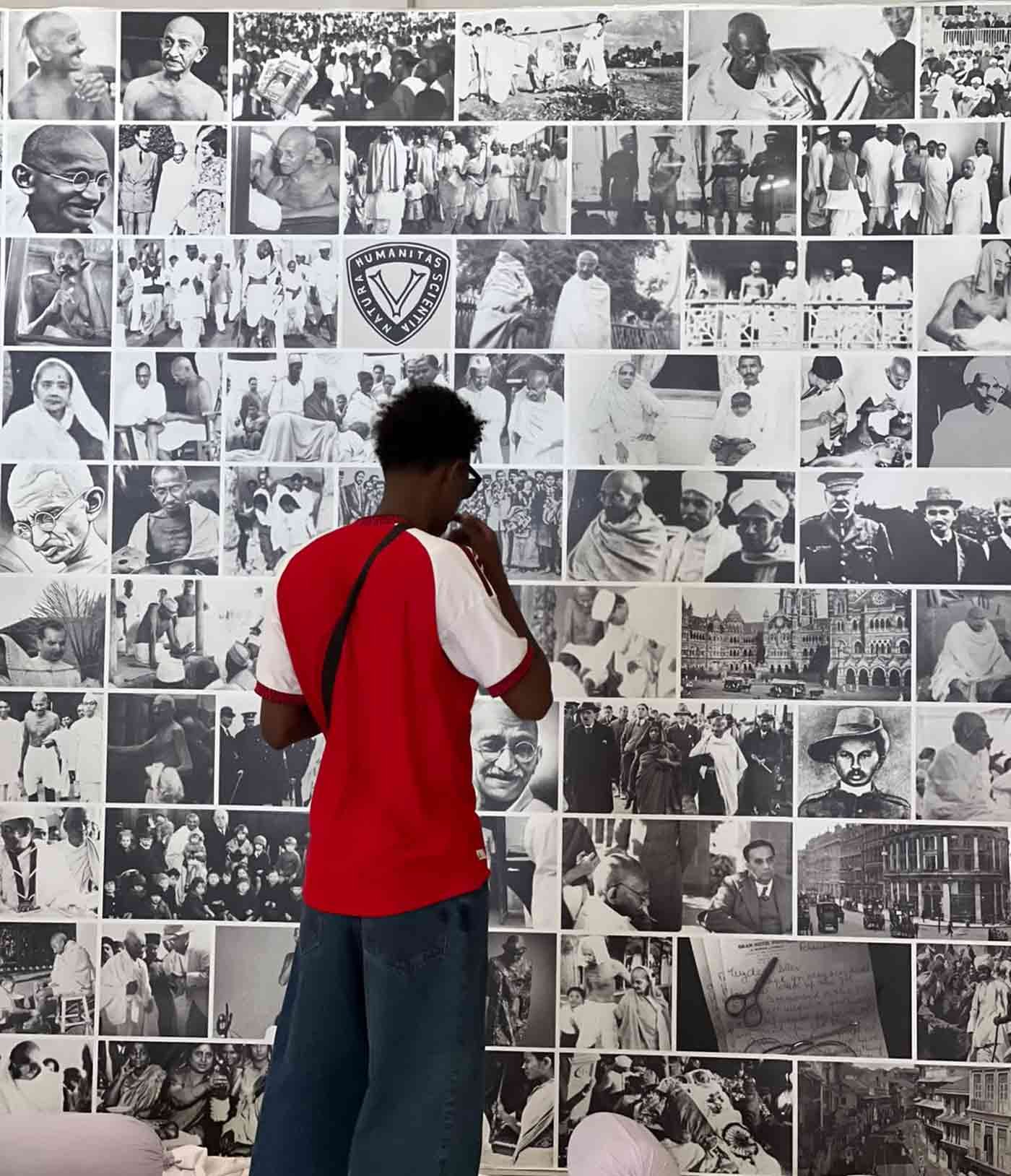
One of the museum’s centrepieces is a 78 ft × 9–10 ft photo-collage wall with 400+ images from Gandhi’s life, enhanced with: QR codes that play videos or reveal deeper stories when scanned.
Birad calls it the “world’s largest interactive wall on Mahatma Gandhi.”
Films, quizzes and memory triggers
Inside, the experience goes further:
- A 28-minute film, The Triumph and Tragedy of Mahatma Gandhi (originally by 20th Century Fox, narrated by Walter Cronkite), is screened as a key narrative anchor. [–23 context on Cronkite; museum description from interview]
- A “Memoria” table reimagines Gandhi beyond the rupee-note “Bapu” image- showing him as a young lawyer, as the South Africa returnee in 1915, and as the elder statesman we recognise.
Artefacts that spark curiosity
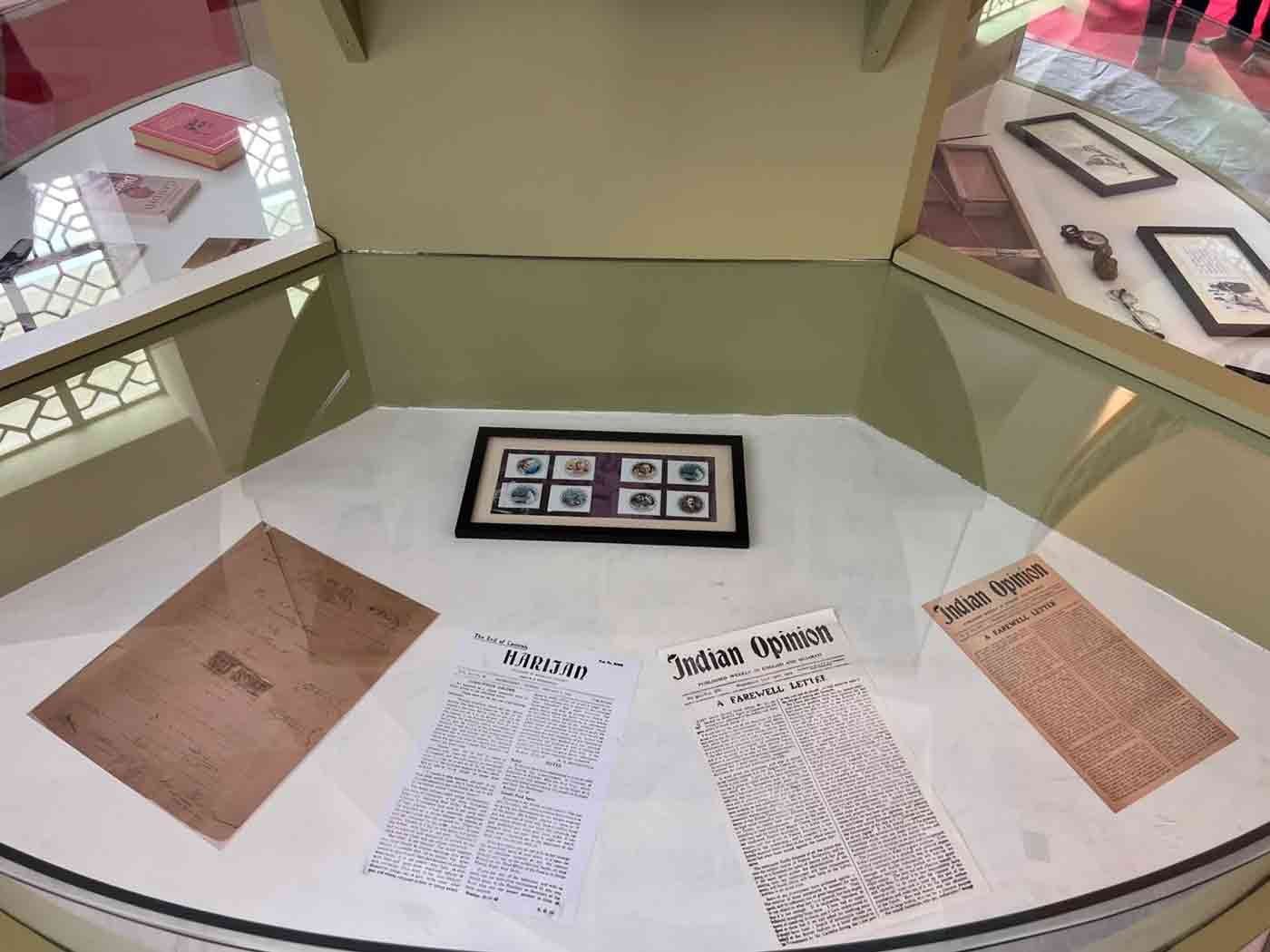
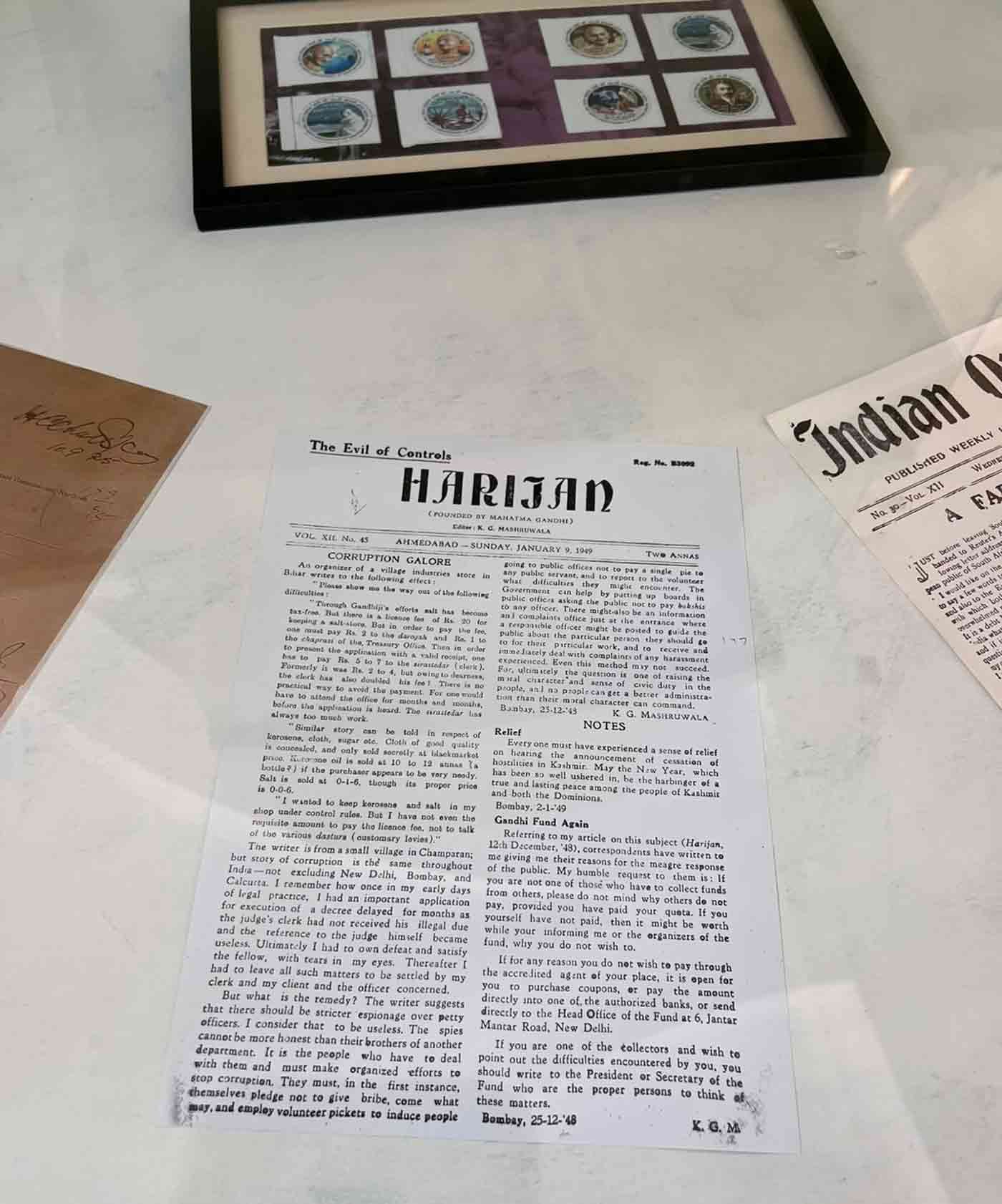
Four showcases display replicas and reproductions meant to act as “catalysts” for further reading:
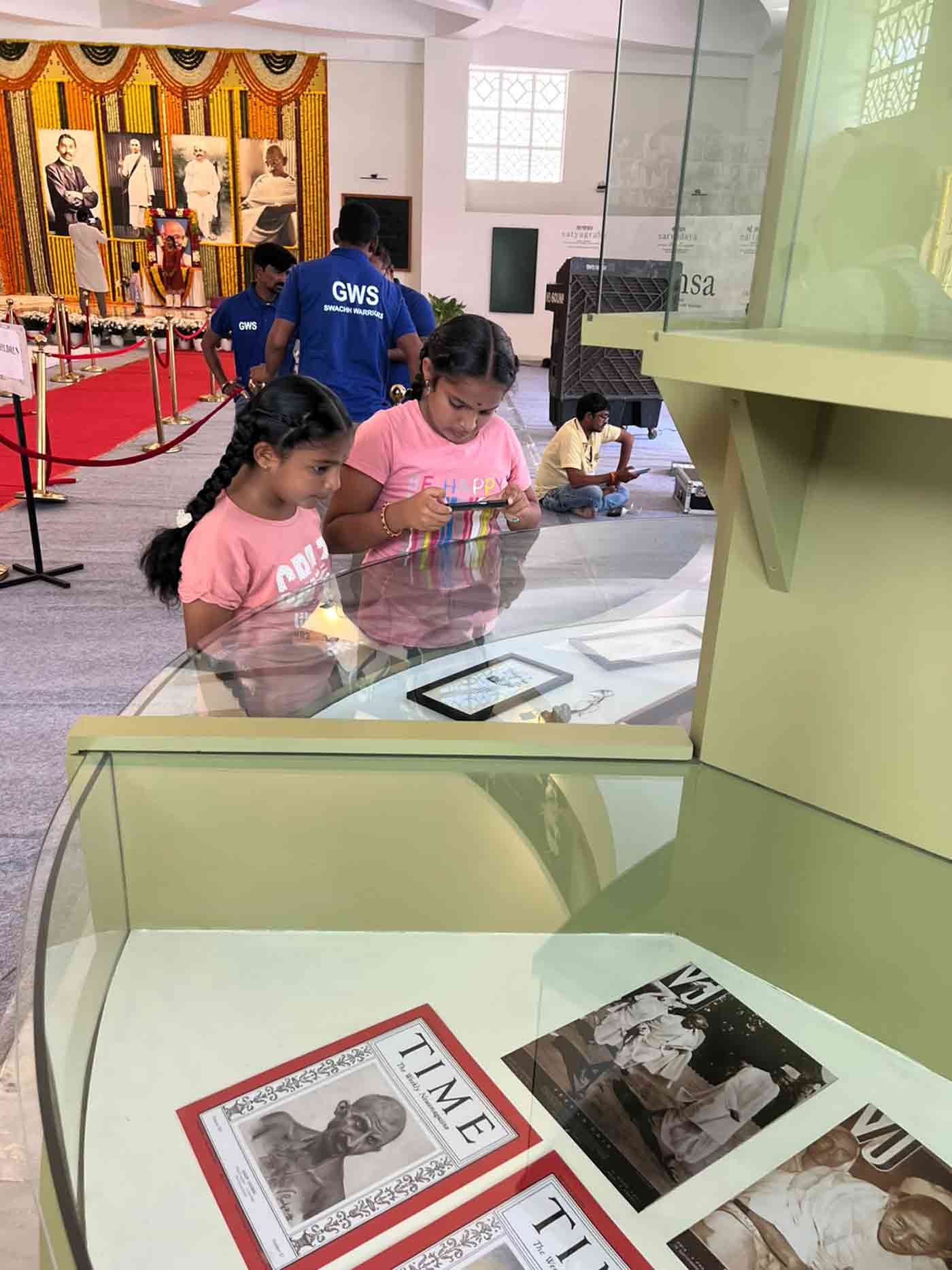
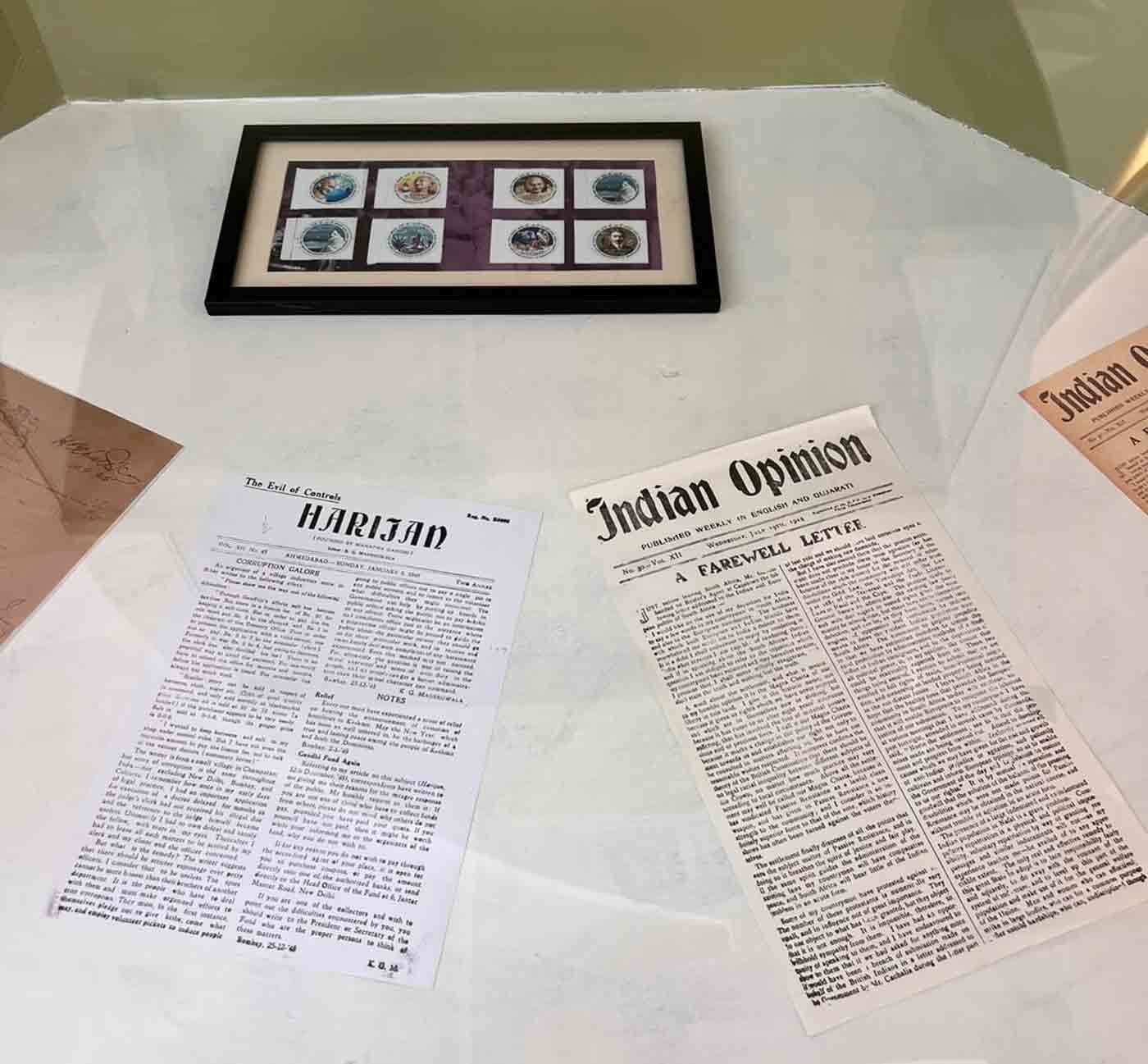
- Time magazine covers featuring Gandhi.
- An Arabic newspaper front page from 21 April 1930, during the Salt March.
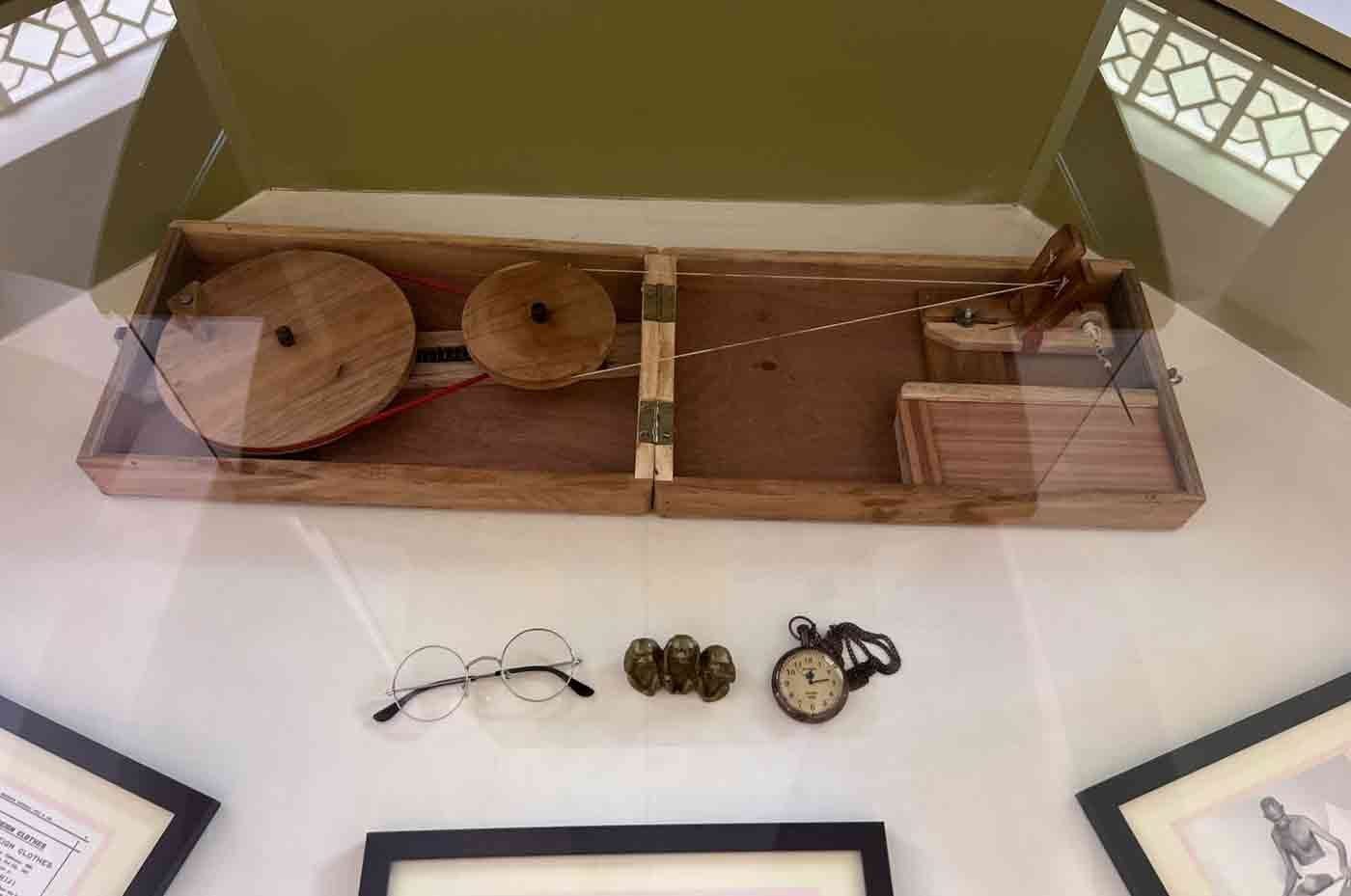
- Replicas of his spinning wheel (charkha), pocket watch, spectacles, and the iconic “three monkeys” (see no evil, hear no evil, speak no evil).
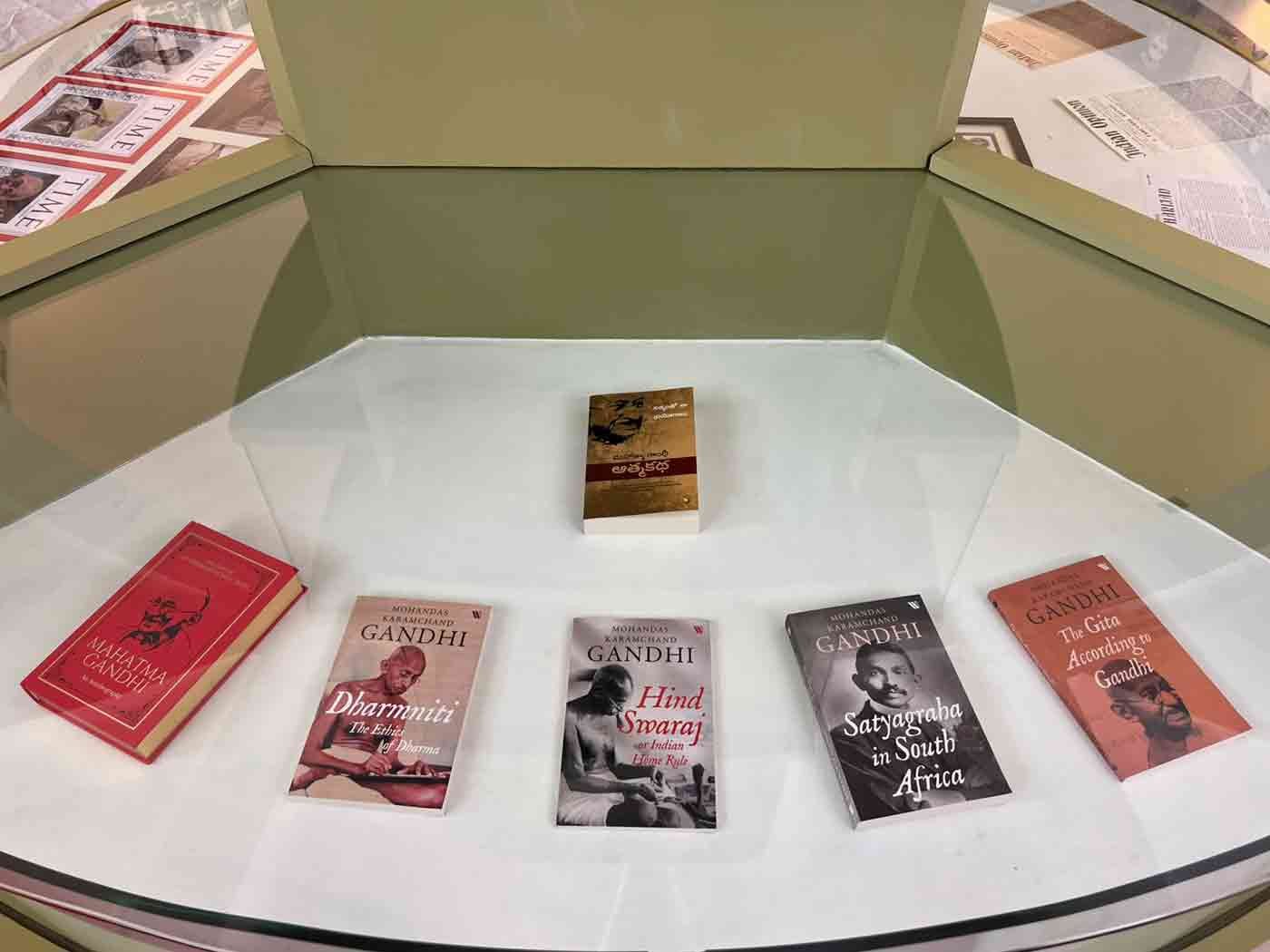
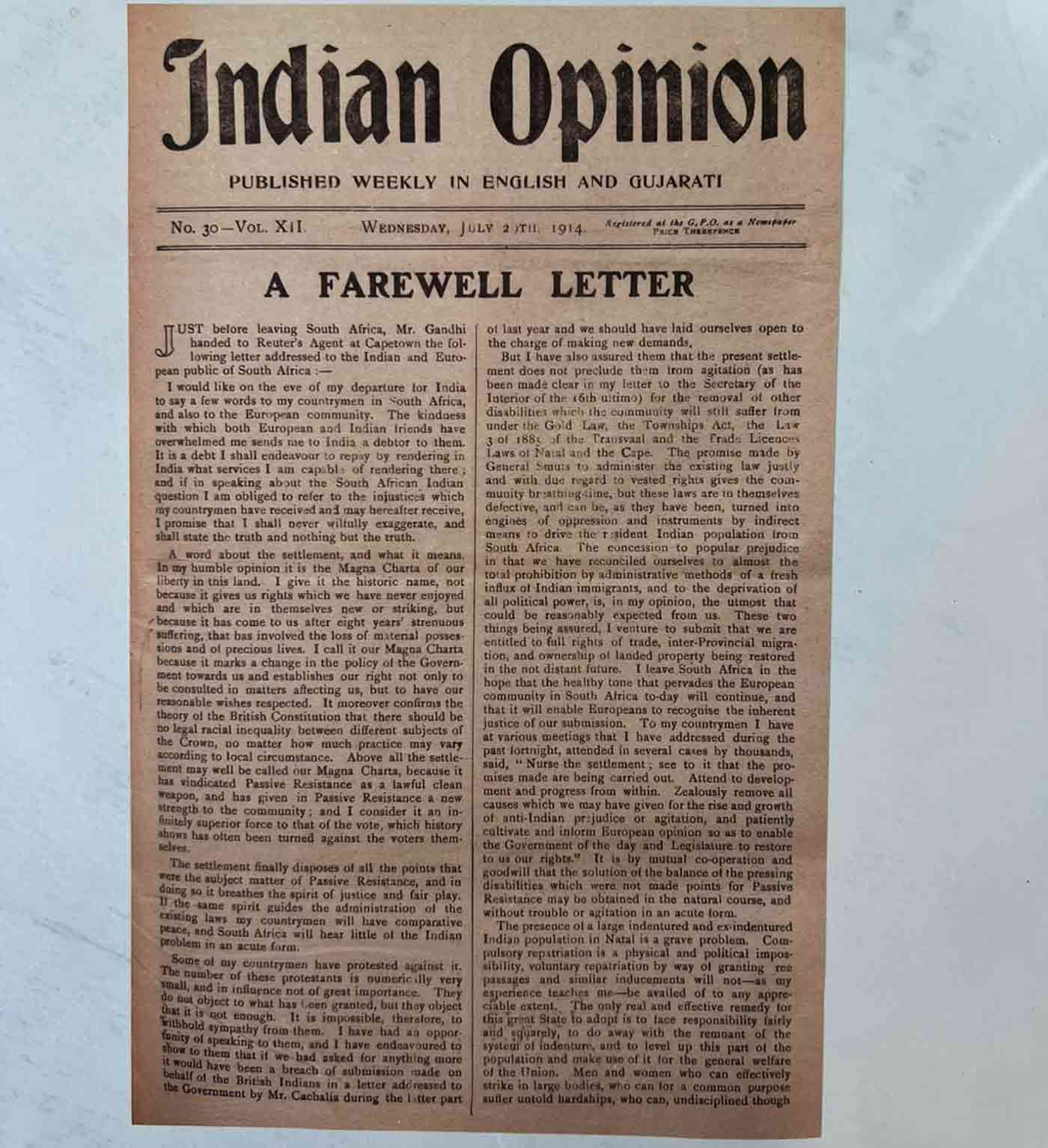
- Editions of his key books, including “The Story of My Experiments with Truth” in English and Telugu, plus Hind Swaraj and other titles, placed intentionally for a Telangana audience.
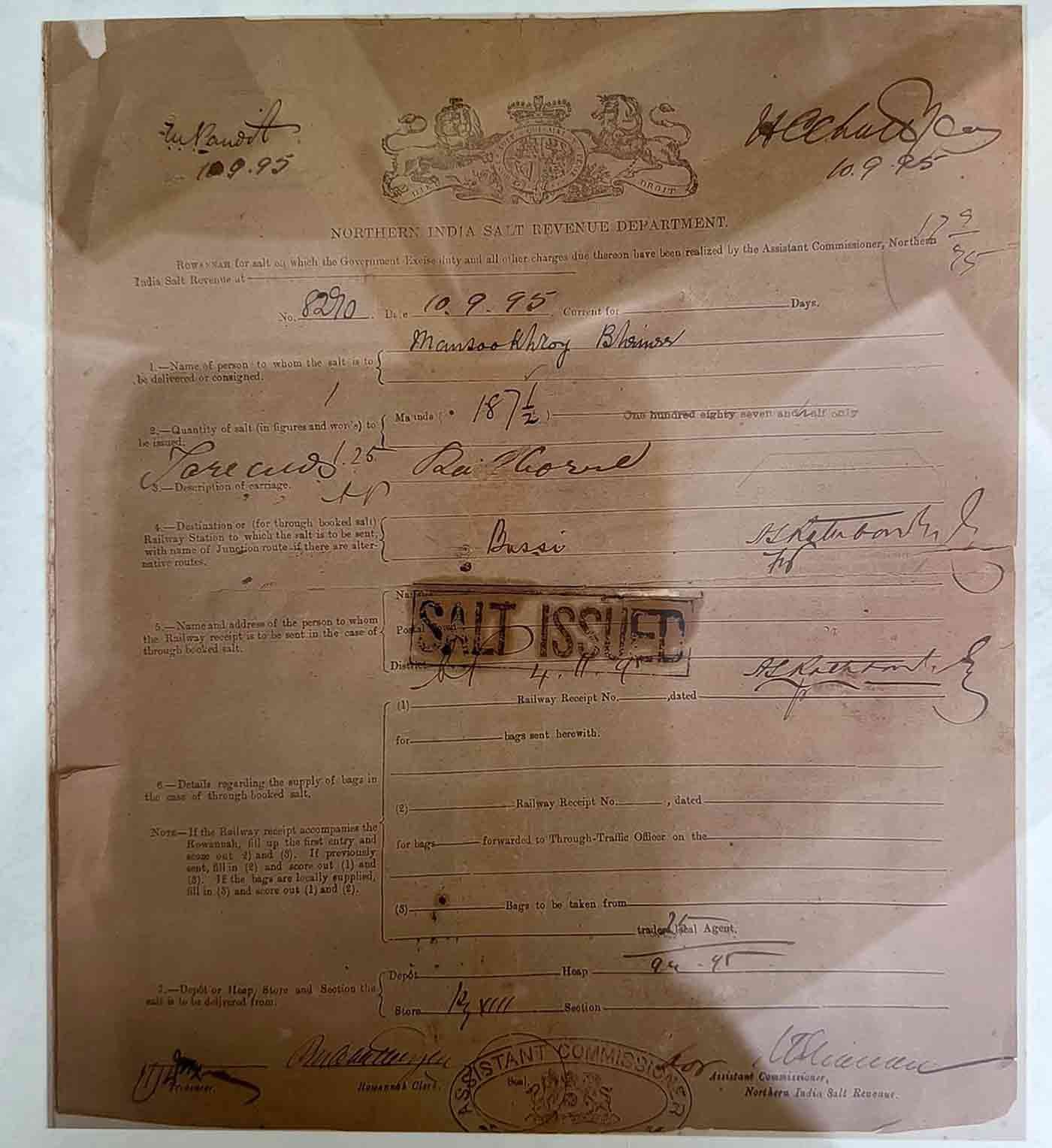
The idea, as Birad puts it, is not to tell visitors everything, but to trigger a memory that sends them to buy a book, watch a film, or start a conversation.
Birad notes that each international iteration fed back into the Hyderabad upgrade, making the reopened space richer and more globally informed.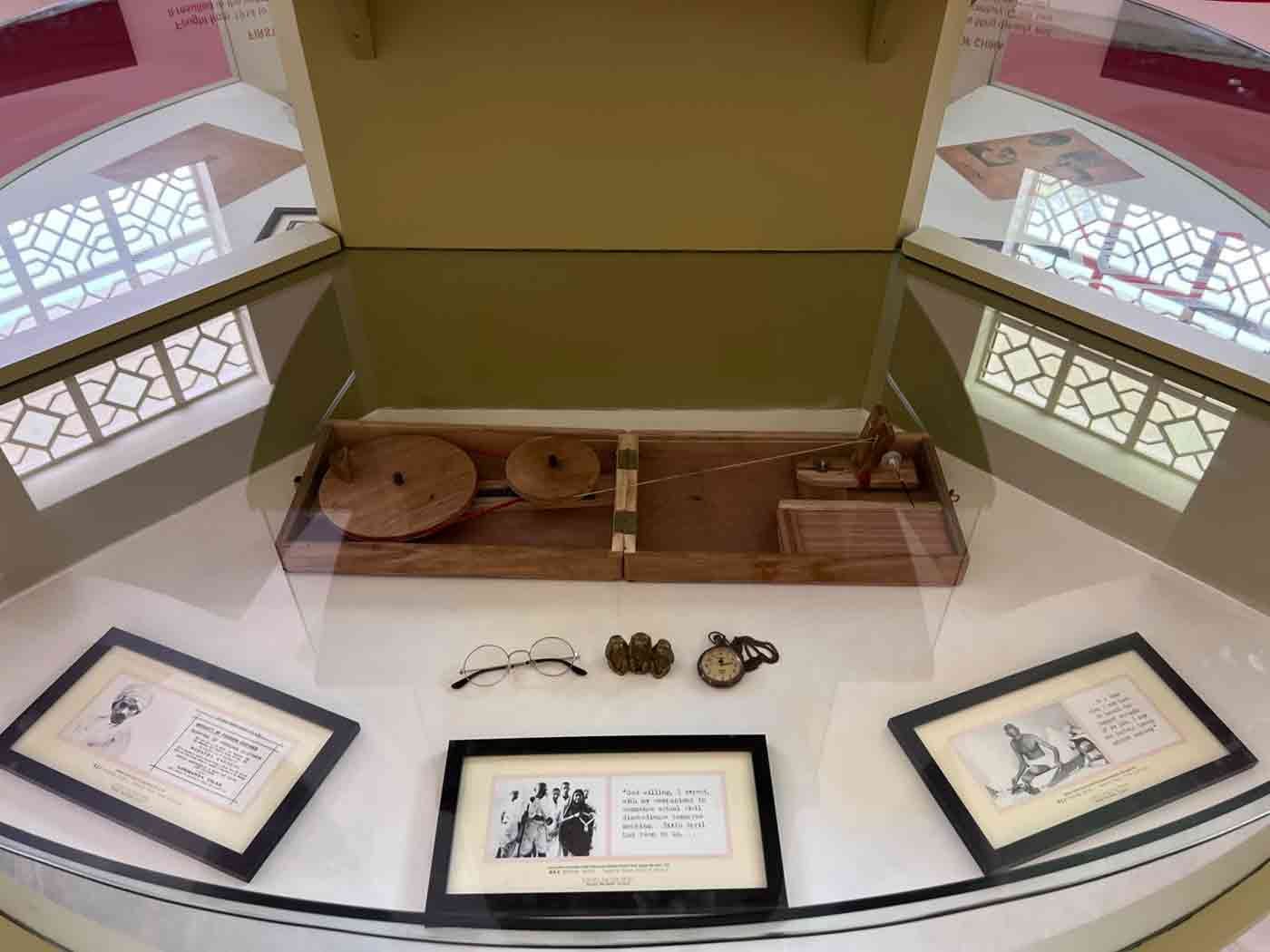
Why this matters for youth now
For Birad, the museum is not about creating more “Gandhians” in a doctrinal sense, but about finding the next Gandhi in ordinary people. He has said:
“We are looking for the next Gandhi. This could be anybody. There is a Gandhi in all of us and we have to keep a lookout. It is a slow process.”
“The desperate need of the hour is not to turn everyone into a Gandhian, but to find the next Gandhi. The future of the world depends on it.”
In a world saturated with images of violence, the museum’s arc- from Hinsa to Ahimsa – is a deliberate counter-narrative aimed at young minds: Gandhi as a flawed, evolving human whose tools of truth and nonviolence remain practical, not just idealistic.
Visiting note
- Location: Bapu Ghat, Langar Houz, Hyderabad (near the Musi river).
- Experience length: Roughly 60–90 minutes to move through the walls, interactives, film and artefacts.
- Audience: Designed especially for school groups, college students and young families, with programmes like “I am Gandhi” and “Invoking Gandhi” run alongside the static exhibits.
- On Gandhi Jayanti, the message is simple: the museum is not a shrine to a finished hero, but a workshop for the next generation of peacemakers.
Also Read