
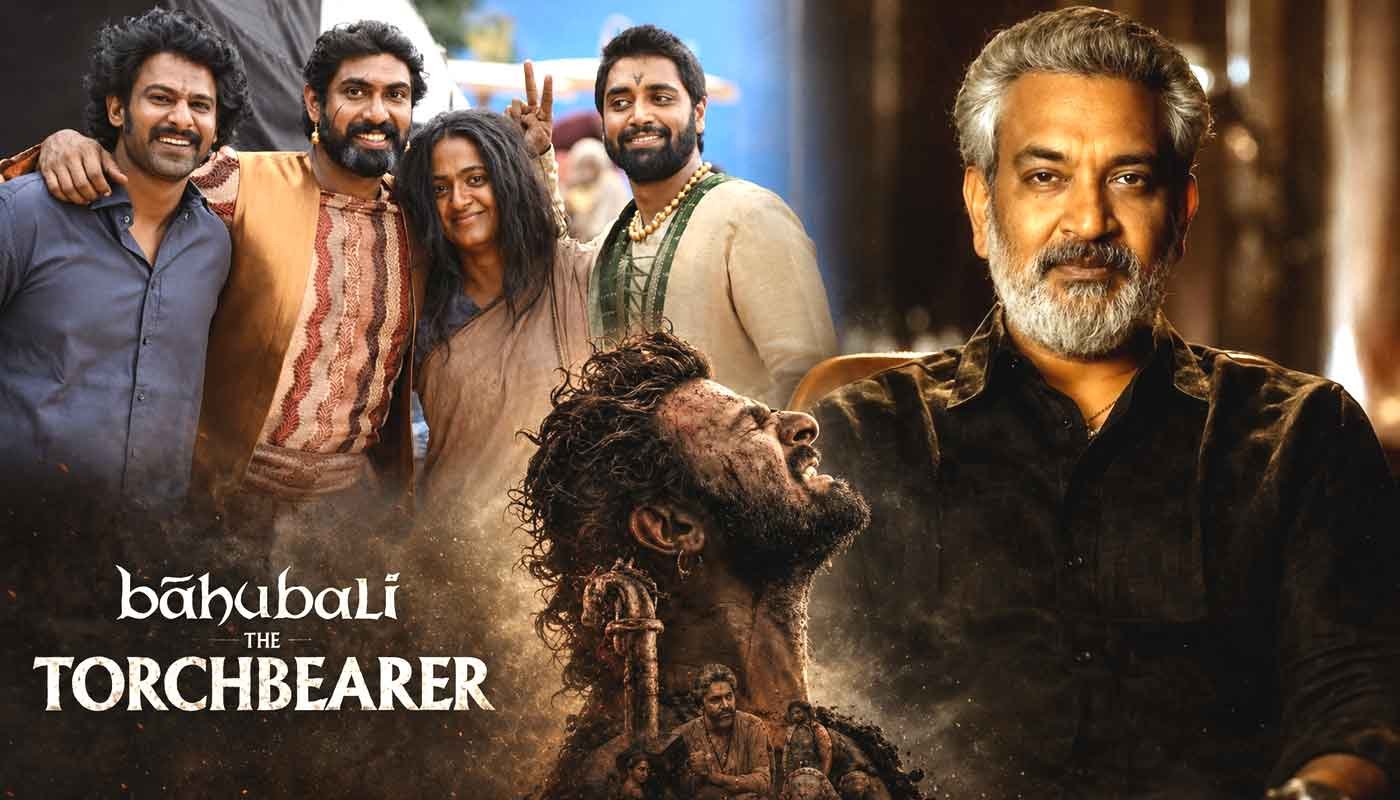
More than a decade after Baahubali: The Beginning first changed the landscape of Indian cinema, director S.S. Rajamouli is ensuring that the phenomenon continues to inspire audiences. With Baahubali: The Torchbearer, the celebrated filmmaker invites fans back into the kingdom of Mahishmati, not through another sequel, but by taking them behind the scenes of one of India’s most ambitious cinematic achievements. Rather than simply revisiting the films, the documentary explores the passion, risks, craftsmanship, and vision that transformed Baahubali into a global cultural landmark.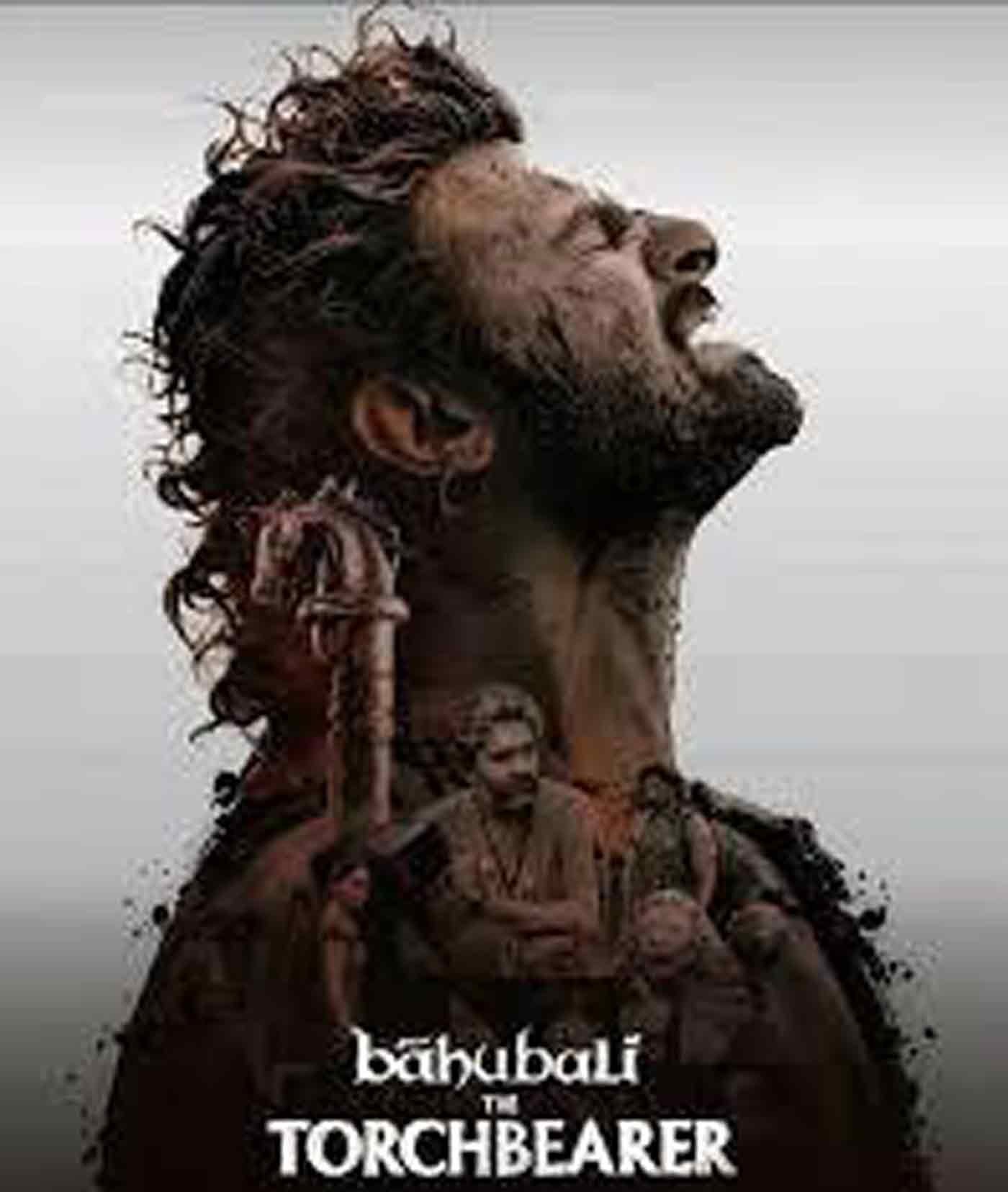
The documentary chronicles the journey from a seemingly impossible dream to one of Indian cinema’s greatest success stories. It captures the years of planning, extensive pre-production, elaborate set construction, visual effects development, action choreography, costume design, and the relentless dedication of thousands of artists and technicians. Viewers get an intimate look at how Rajamouli, alongside producer Shobu Yarlagadda and the entire creative team, built the world of Mahishmati brick by brick.
One of the documentary’s greatest strengths is its access to the cast that brought the epic to life. Prabhas, Rana Daggubati, Anushka Shetty, Tamannaah Bhatia, Ramya Krishnan, Sathyaraj, Nassar, and several members of the technical crew reflect on the physical and emotional commitment required to create the franchise. From months of physical training to demanding shooting schedules and intricate battle sequences, Baahubali: The Torchbearer reveals the immense effort that audiences rarely get to witness.
The documentary also celebrates the scale of the Baahubali phenomenon itself. Released in 2015 and followed by Baahubali 2: The Conclusion in 2017, the franchise shattered box-office records across India and abroad. The second installment became the first Indian film to comfortably cross the ₹1,000-crore mark worldwide, demonstrating that regional cinema could command a truly global audience. The films found enthusiastic viewers not only across the Telugu states but also in Hindi-speaking markets, Tamil Nadu, Kerala, Karnataka, North America, Japan, China, and several European territories. They proved that compelling storytelling transcends language barriers.
Within the Telugu states, Baahubali was more than just a blockbuster, it became a matter of cultural pride. The films showcased the technical capabilities of Telugu cinema on an international stage and inspired an entire generation of filmmakers to dream bigger. Massive theatrical celebrations, repeat viewings, and fan events turned the release of each installment into a festival. Even years later, dialogues, characters, costumes, and iconic scenes continue to thrive in popular culture through memes, social media edits, and fan recreations.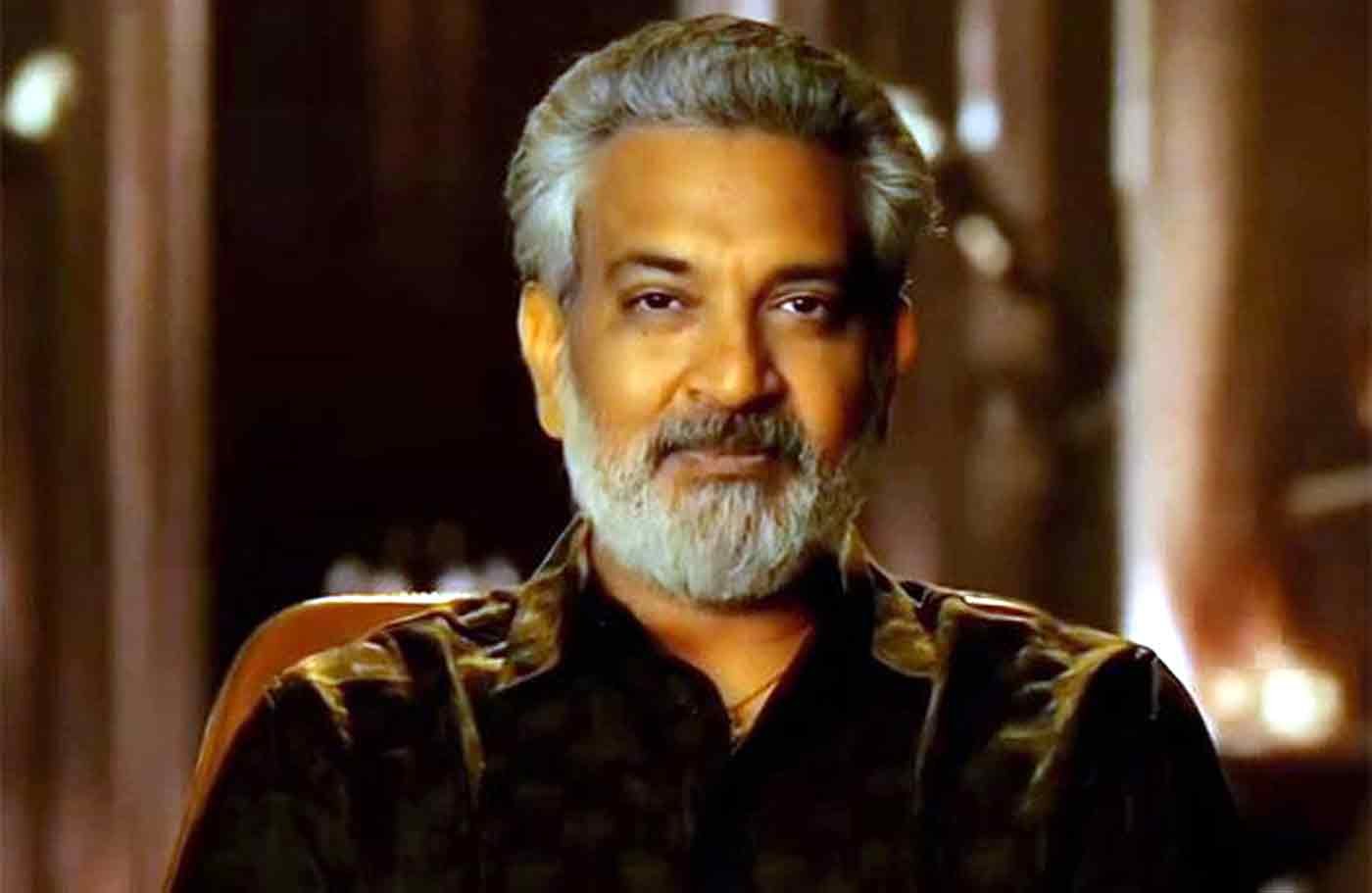
The documentary also highlights how Baahubali transformed Indian filmmaking. Its advances in visual effects, production design, large-scale action choreography, and international marketing established new industry benchmarks. The franchise demonstrated that Indian cinema could deliver world-class spectacle without compromising emotional storytelling. Its success paved the way for ambitious pan-Indian films and encouraged studios to invest in projects that could appeal to audiences across languages and continents.
Perhaps the most remarkable aspect of Baahubali: The Torchbearer is that it doesn’t merely celebrate past achievements, it preserves a legacy. Rajamouli understands that great cinema isn’t confined to its theatrical release. By documenting the creative process, the struggles, the failures, and the triumphs behind the making of Baahubali, he ensures that future filmmakers and film enthusiasts can learn from one of India’s most defining cinematic journeys.
Few filmmakers know how to keep their stories alive long after the credits roll. With Baahubali: The Torchbearer, S.S. Rajamouli once again proves that legendary films don’t simply end, they evolve into enduring legacies that continue to inspire audiences around the world.