
The concerts we carry with us across decades are rarely the ones that dazzled us with virtuosity alone; AL Sharada explores the concept of Bhava that touches our soul during a classical concert
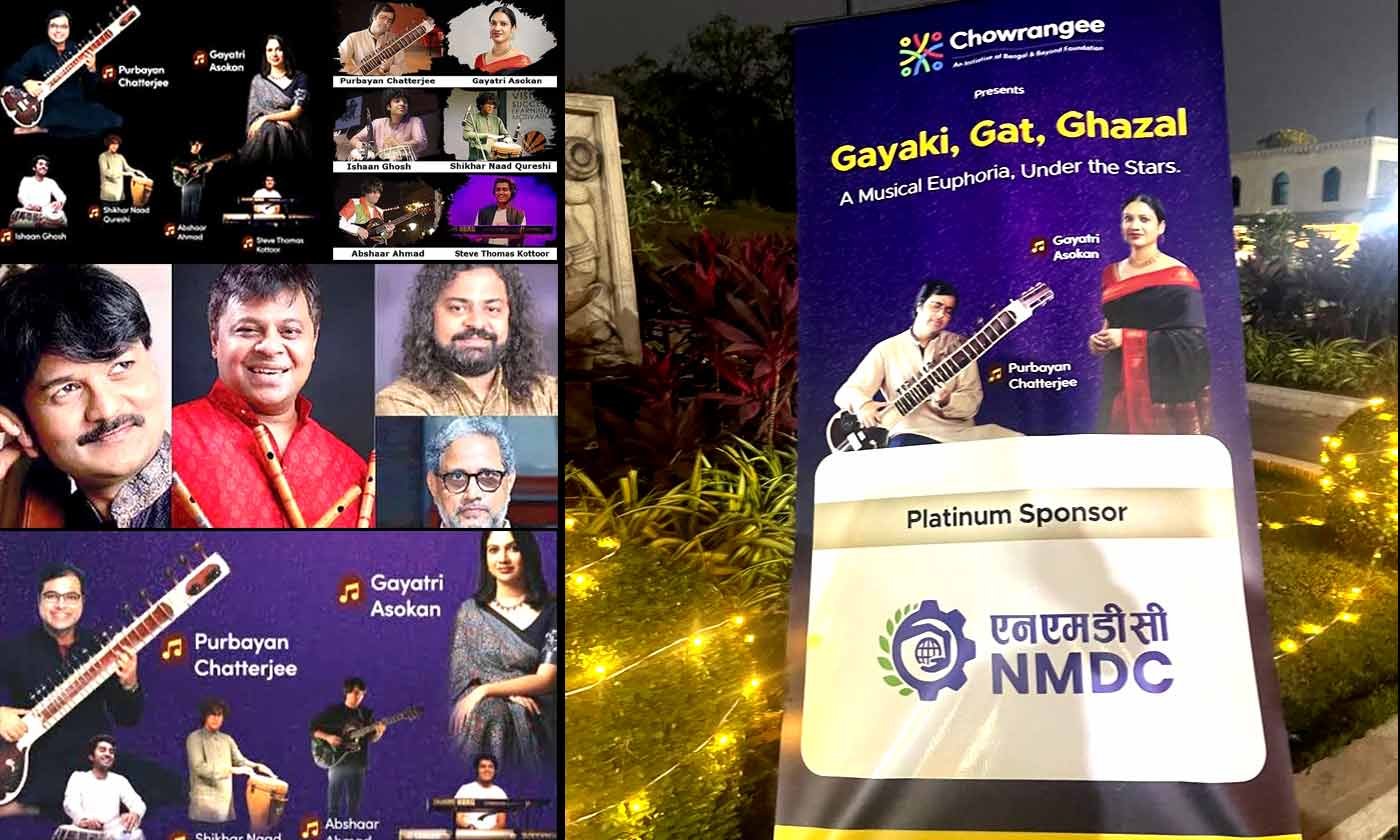
The Gayaki, Gat, Ghazal concert on January 31 at Taramati Baradari, by Purbayan Chatterjee and Gayatri Asokan, accompanied by young artistes Ishaan Ghosh, Shikhar Qureshi, Abshaar Ahmad, and Steve Kutoor, was a delightful experience. The concert was marked by moments of undeniable technical brilliance, passages that made one sit up and admire the craft. There were times when the virtuosity was overwhelming, even breathtaking.
And yet, when I returned home, I realised that the music had not stayed with me emotionally. It had impressed me, but it had not lingered. I could appreciate the excellence, but I did not carry its strains with me, nor did it awaken that quiet ache, devotion, joy or restlessness that makes music seep into memory.
That absence made me reflect, once again, on how technique alone, however accomplished, cannot substitute for bhava, the emotional truth that allows music to touch, disturb, and finally remain with us.
In Indian aesthetics, bhava is not an ornament added to music; it is its living core. Technique (laya, shruti, taala) may shape the form, but bhava gives music its soul, the capacity to awaken emotion, memory, and meaning in the listener.
The concerts we carry with us across decades are rarely the ones that dazzled us with virtuosity alone; they are the ones that opened a hidden door within us and let emotion rush through, bbhakti, yearning for the beloved, longing, nostalgia, unfettered joy, or anger at injustice.
We remember the music that makes us cry, dance, ache, or feel suddenly less alone. Technically brilliant performances can overwhelm us in the moment and earn thunderous applause, but without bhava they often remain confined to that moment. We don’t hum them on the way home; we don’t find them returning unbidden years later. Music infused with bhava, on the other hand, travels with us, quietly, insistently, into the future.
I heard Hari Tum Haro by M. S. Subbulakshmi in my childhood, and even today I cannot listen to it without tears. It is saturated with bhakti rasa, not performative devotion, but surrender. The tears that come are not of sadness, but of deep empathy with the bhava it carries.
I remember, just as vividly, an early morning concert by Parveen Sultana. The tears flowed uncontrollably, to the point of embarrassment, and yet I could not stop them. That experience, so physical, so immediate is etched in my memory far more clearly than many “perfect” concerts I have heard since. Bhava bypasses intellect; it goes straight to the heart and the body.
Among contemporary artistes, I find Jayateerth Mevundi and Mahesh Kale capable of taking listeners on such emotional journeys. In some of their renditions, you feel guided—not showcased to, not impressed upon—but gently led through longing, devotion, or quiet exultation. The listener is no longer merely an audience member; the listener becomes a participant.
This is also why retro film songs continue to resonate so deeply. Their enduring appeal is not only about memorable lyrics, inspired compositions, or flawless technique. It lies in the clarity with which bhava is articulated—through phrasing, pauses, breath, and enunciation. Take Zindagi Kitni Khoobsurat Hai. Can one ever forget the way Hemant Kumar sings “Aaiye, aapki zaroorat hai”—not as a line, but as a plea? The emotion lingers long after the song ends.
Or consider the searing anguish and moral fury of Yeh Duniya Agar Mil Bhi Jaye Toh Kya Hai, voiced by Mohammed Rafi. The anger at injustice, the disillusionment with hollow success—these are not intellectual positions, but felt truths transmitted through bhava. Decades later, the song still unsettles us. Or recall the exuberant Aaj Phir Jeene Ki Tamanna Hai, sung by Lata Mangeshkar, where the sense of freedom and liberation sounds utterly real.
And then there are songs that bind us irrevocably to memory and place. My childhood favourite, Take Me Home, Country Roads, still moves me every time I hear it. Can anyone listen to it without emotion? Longing for home—real or imagined—crosses cultures effortlessly when bhava is honest.
Ultimately, bhava is what allows music to outlive its moment. It is why certain strains return to us in solitude, why a single line can undo us, why a concert can become a lifelong memory. Technique may earn admiration, but bhava earns intimacy. And it is intimacy, not admiration, that makes music unforgettable.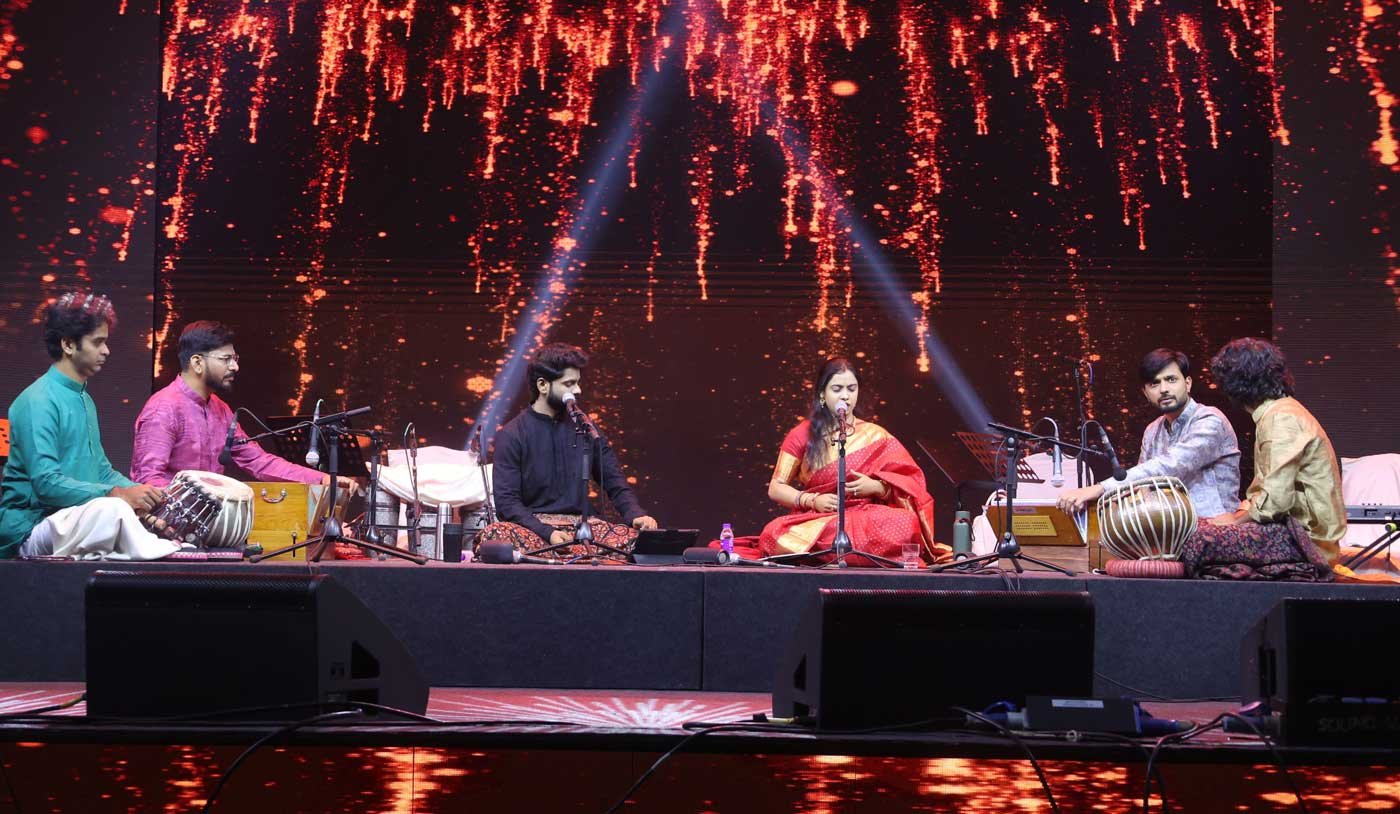
(The writer AL Sharada, Trustee of Population First, spearheads media advocacy and is a music connoisseur)