
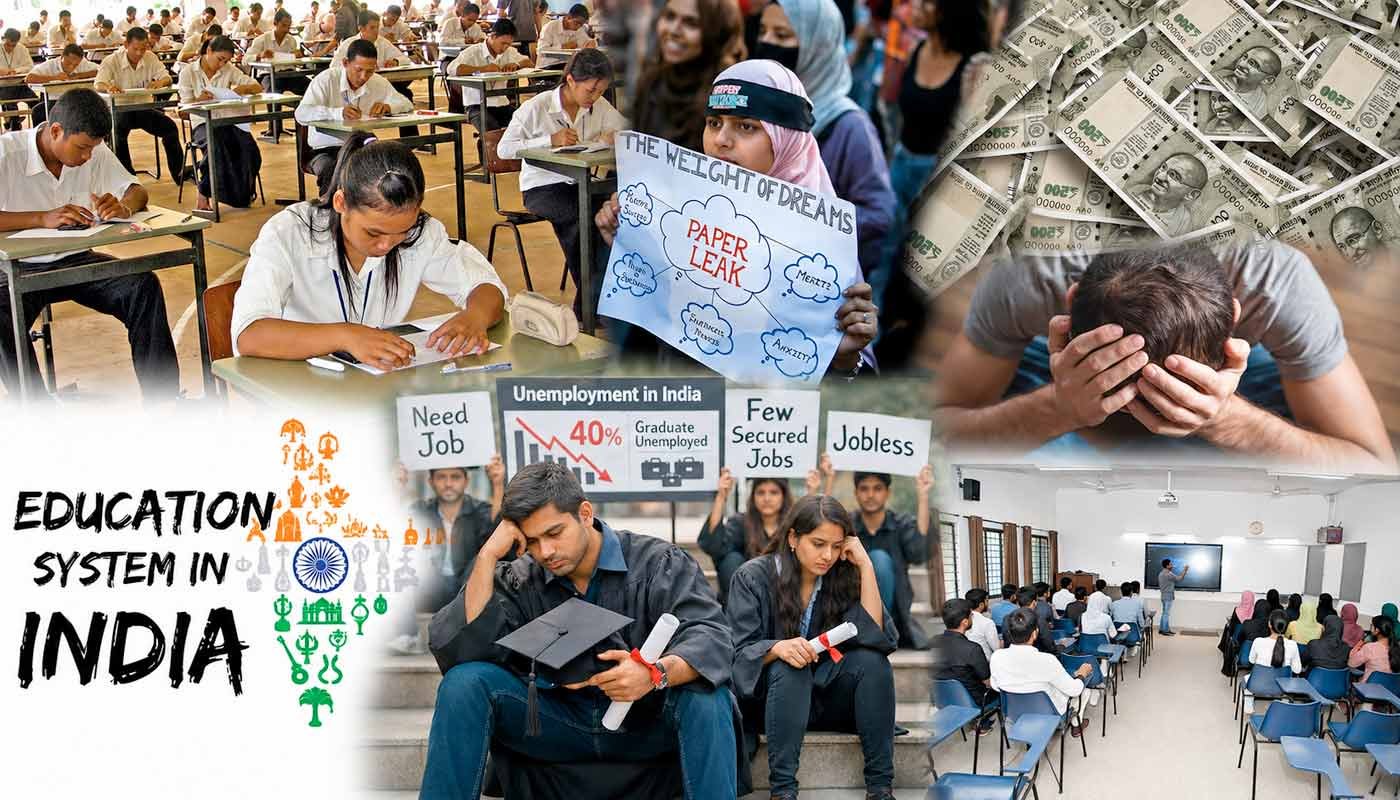
India produces millions of graduates every year. Yet a difficult question continues to linger: Are we producing educated citizens, or simply good exam writers?
The Indian education system has undoubtedly created opportunities for countless students, but it has also become increasingly synonymous with coaching centres, endless examinations, paper leaks, mounting pressure, and widening inequalities. These aren’t universal truths, and many exceptional teachers and institutions continue to make a difference. However, these are conversations that students, parents, educators, and policymakers can no longer afford to avoid.
1. Schools Have Become Feeders for Coaching Institutions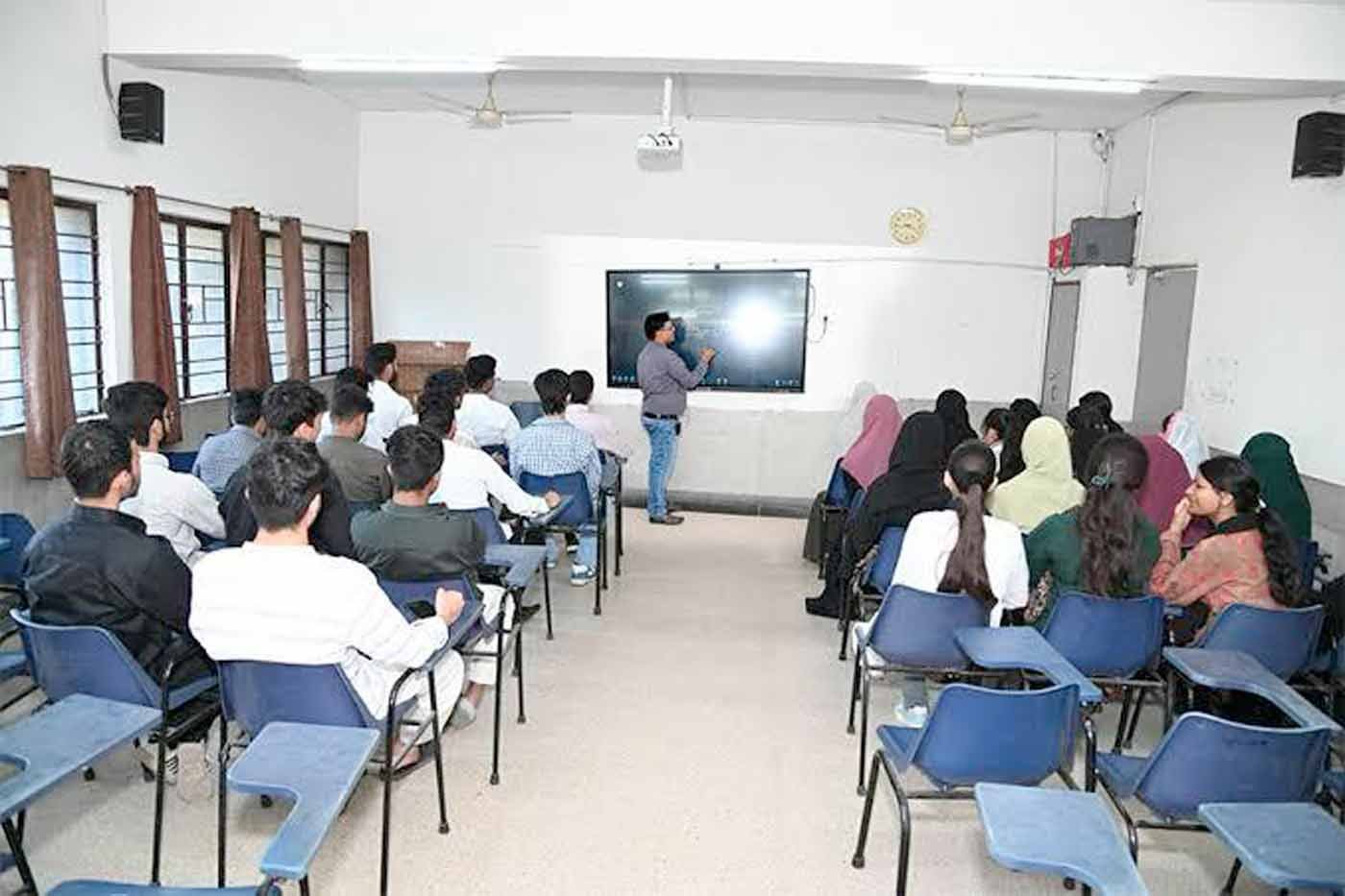
For a growing number of students, especially those preparing for engineering, medical, or government examinations, school has become little more than an attendance requirement. The real learning happens elsewhere in Kota, Hyderabad, Delhi, online coaching platforms, or private tuition centres. The rise of dummy schools is perhaps the strongest indication that the formal education system is gradually outsourcing its own responsibility to private businesses.
2. Success Often Depends More on Affordability Than Ability
Education is increasingly becoming an expensive investment rather than an equal opportunity. Students who can afford coaching packages costing anywhere between ₹2 lakh and ₹10 lakh gain access to experienced mentors, specialized test series, better study materials, and focused preparation. Meanwhile, equally talented students relying solely on public schooling often begin the race several steps behind. Merit should ideally depend on capability, not purchasing power.
3. We’ve Built an Exam-Clearing System, Not an Education System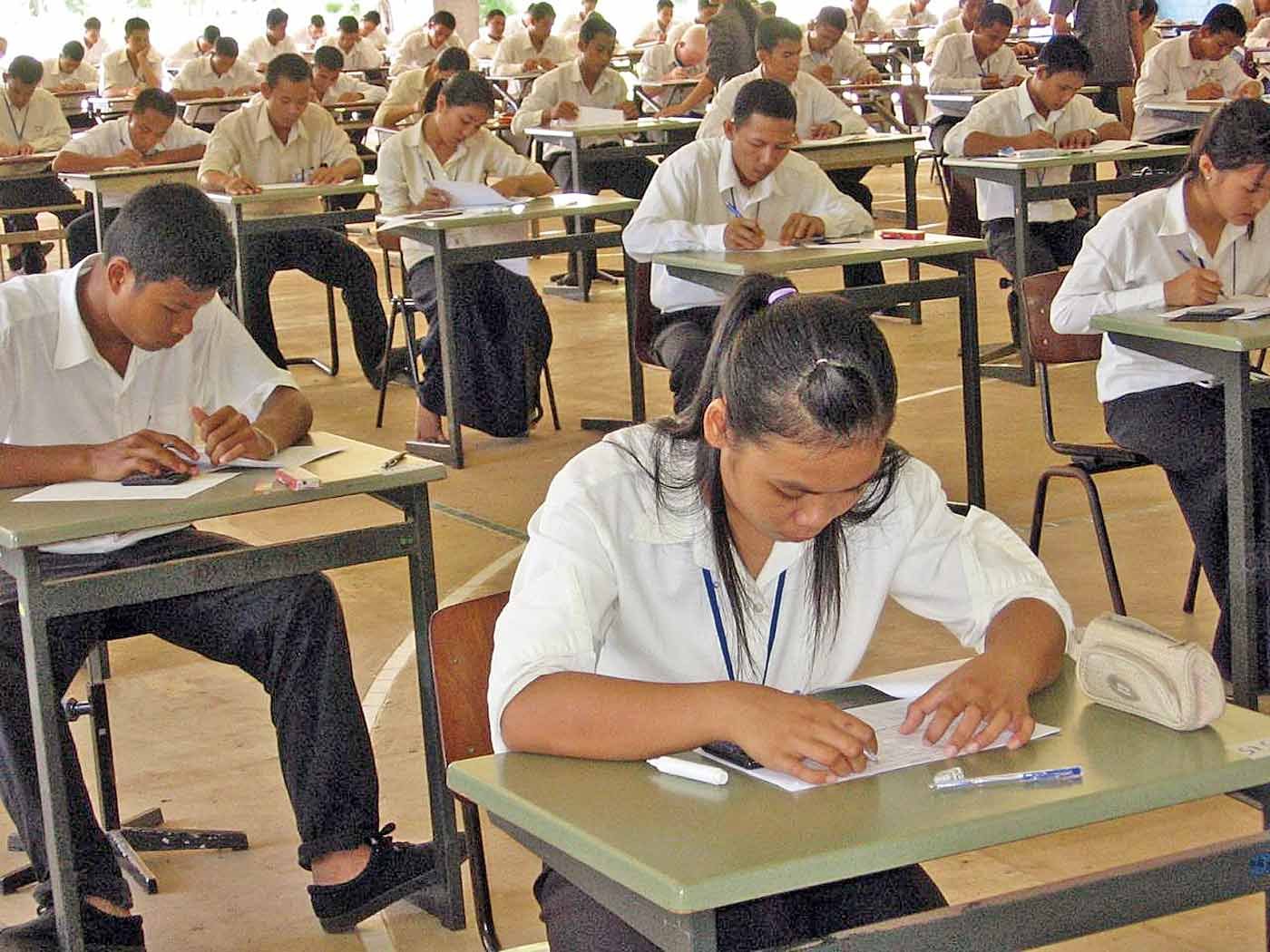
The Indian education model continues to revolve around one defining moment, a three-hour examination that determines years of hard work. Students spend months memorizing information instead of learning how to solve problems, think critically, communicate effectively, collaborate, or innovate. Marks have become the ultimate currency, while curiosity often takes a backseat.
4. Paper Leaks Have Damaged Trust in Meritocracy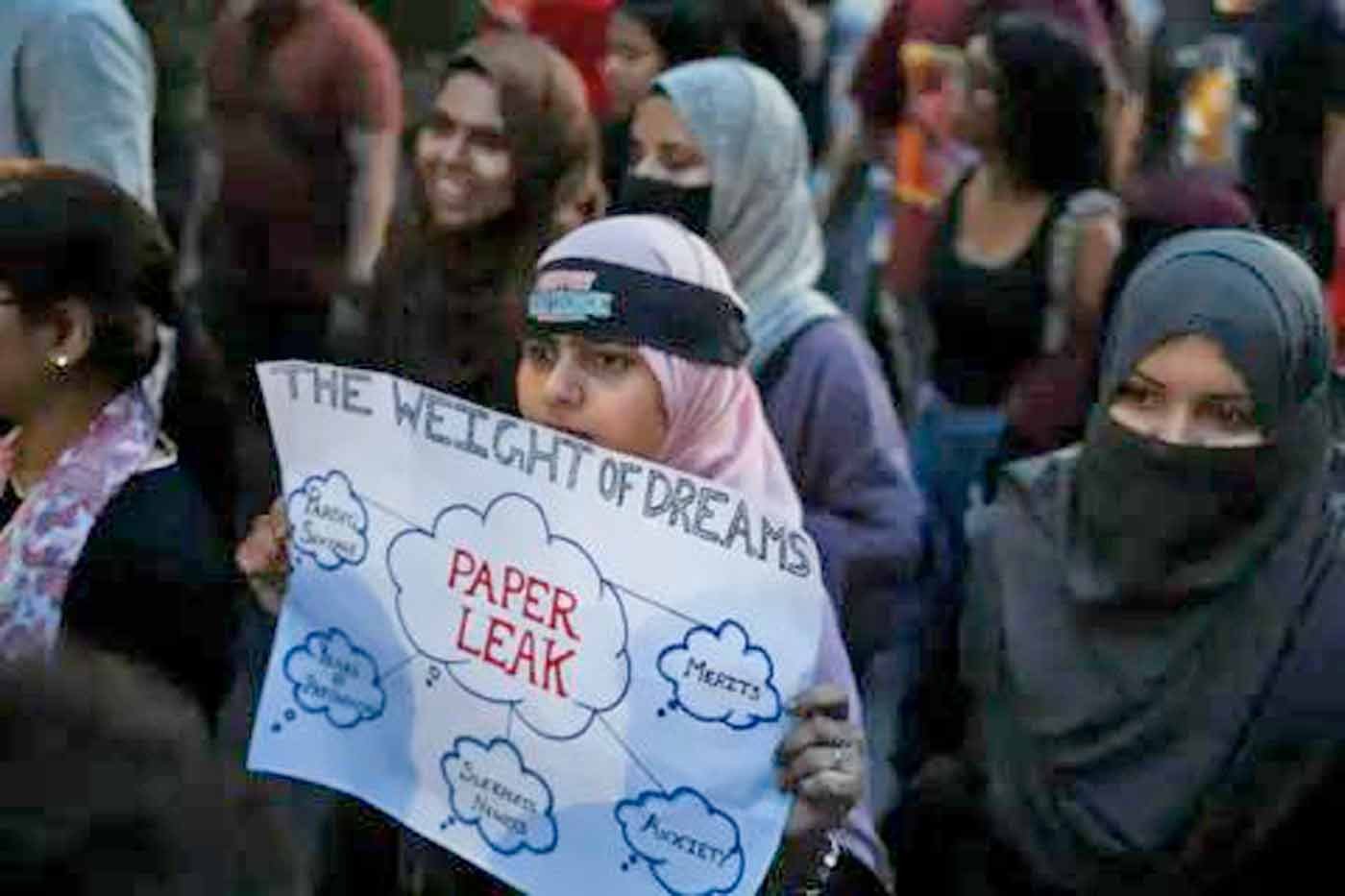
Repeated examination controversies, from recruitment tests to entrance examinations like NEET, have left many students questioning whether hard work alone is enough. When years of preparation can potentially be compromised by leaks, corruption, or administrative failures, students begin losing faith in the very institutions meant to reward merit. Trust, once broken, is incredibly difficult to rebuild.
5. Families Are Forced to Buy Education Twice
Indian taxpayers already contribute towards public education through taxes. Yet countless parents still feel compelled to spend additional lakhs on private schools, coaching institutes, tuition classes, online subscriptions, hostel fees, and study materials because they fear the formal education system alone may not adequately prepare their children. Education has increasingly become one of the biggest financial burdens for middle-class families.
6. Degrees Have Become Products Instead of Proof of Skills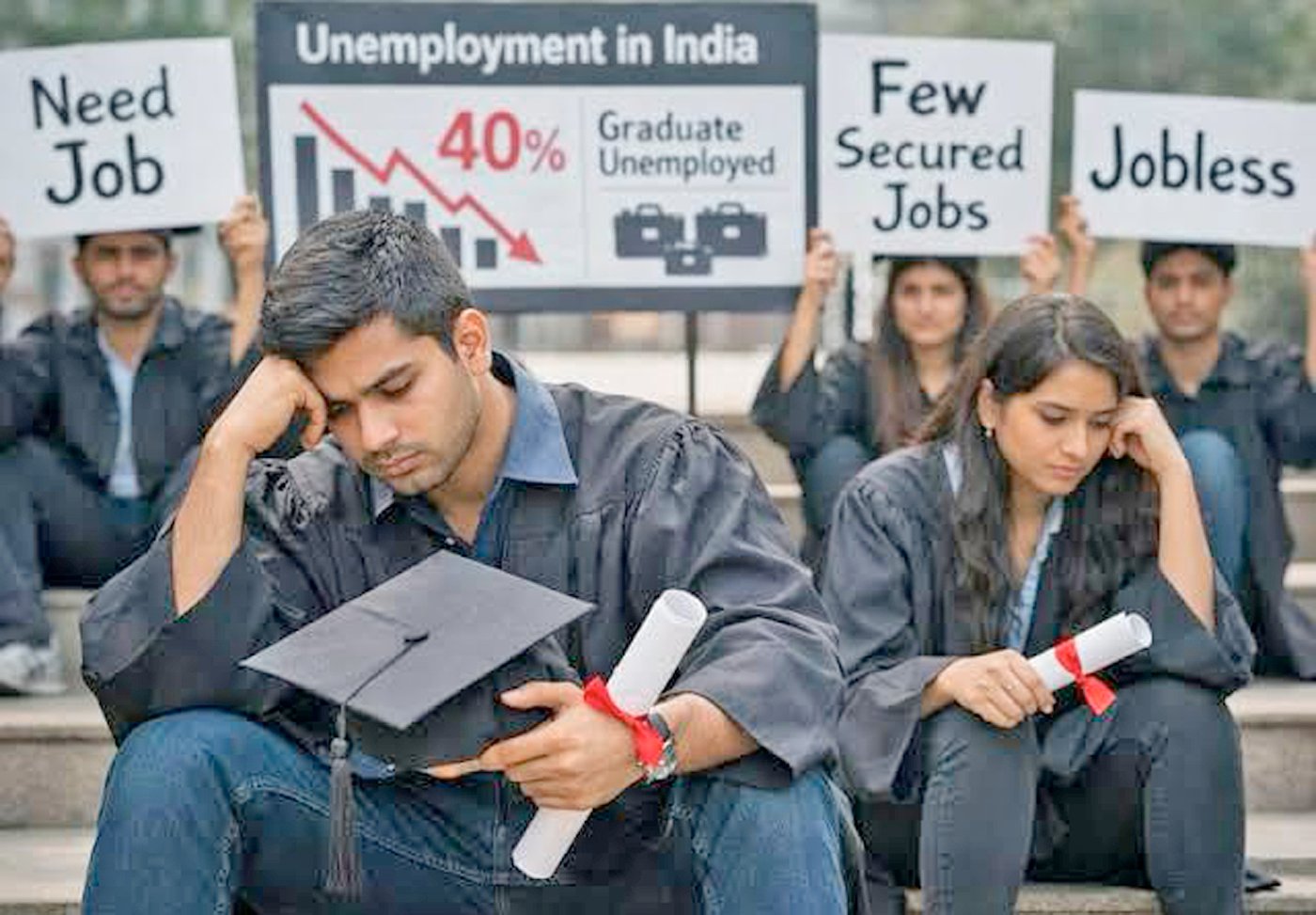
Every year, universities produce millions of graduates. Yet employers consistently report shortages of industry-ready talent. Many graduates possess degrees but struggle with practical skills, communication, digital literacy, teamwork, or problem-solving. The emphasis remains on passing examinations rather than demonstrating competence, leaving many students academically qualified but professionally underprepared.
7. Failure Is Punished More Than Curiosity Is Rewarded
Children are naturally curious. Yet classrooms often teach them that asking difficult questions or attempting unconventional solutions carries greater risk than simply memorizing textbook answers. Over time, students begin prioritizing safe responses over original thinking. The system rewards obedience and repetition far more consistently than creativity and experimentation.
8. Mental Health Has Become Collateral Damage
Extreme academic competition has created an environment where stress, anxiety, burnout, and depression are increasingly common among students. Every examination season brings heartbreaking reports of student suicides, particularly around highly competitive entrance tests. Success should never come at the cost of emotional well-being, yet mental health support continues to remain insufficient across many educational institutions.
9. Policies Change Faster Than Classrooms
Every few years, governments announce ambitious education reforms, curriculum changes, or new policy frameworks. While many of these reforms carry good intentions, implementation remains inconsistent. Infrastructure gaps, teacher shortages, outdated teaching methods, and uneven accountability continue to affect classrooms across the country long after policy announcements make headlines.
10. The Biggest Business Built Around Education Isn’t Schools—It’s Insecurity
Perhaps the most uncomfortable truth is that an entire industry thrives on student anxiety. Coaching institutes, ed-tech companies, crash courses, rank predictors, counselling services, hostel operators, mock tests, and countless educational products all exist because students increasingly believe they cannot succeed through school alone. Fear has quietly become one of the education sector’s most profitable commodities.
The Conversation India Needs
India’s education system has undoubtedly produced world-class scientists, entrepreneurs, doctors, engineers, researchers, artists, and innovators. But it has also placed enormous pressure on millions who simply want a fair chance to learn.
The goal should never be to produce students who can merely crack examinations. It should be to nurture individuals who can question, innovate, empathize, communicate, solve real-world problems, and continue learning long after they leave a classroom.
Education should prepare students for life, not just the next entrance exam. Perhaps the biggest reform India needs isn’t another syllabus change. It’s redefining what we truly mean by education.