
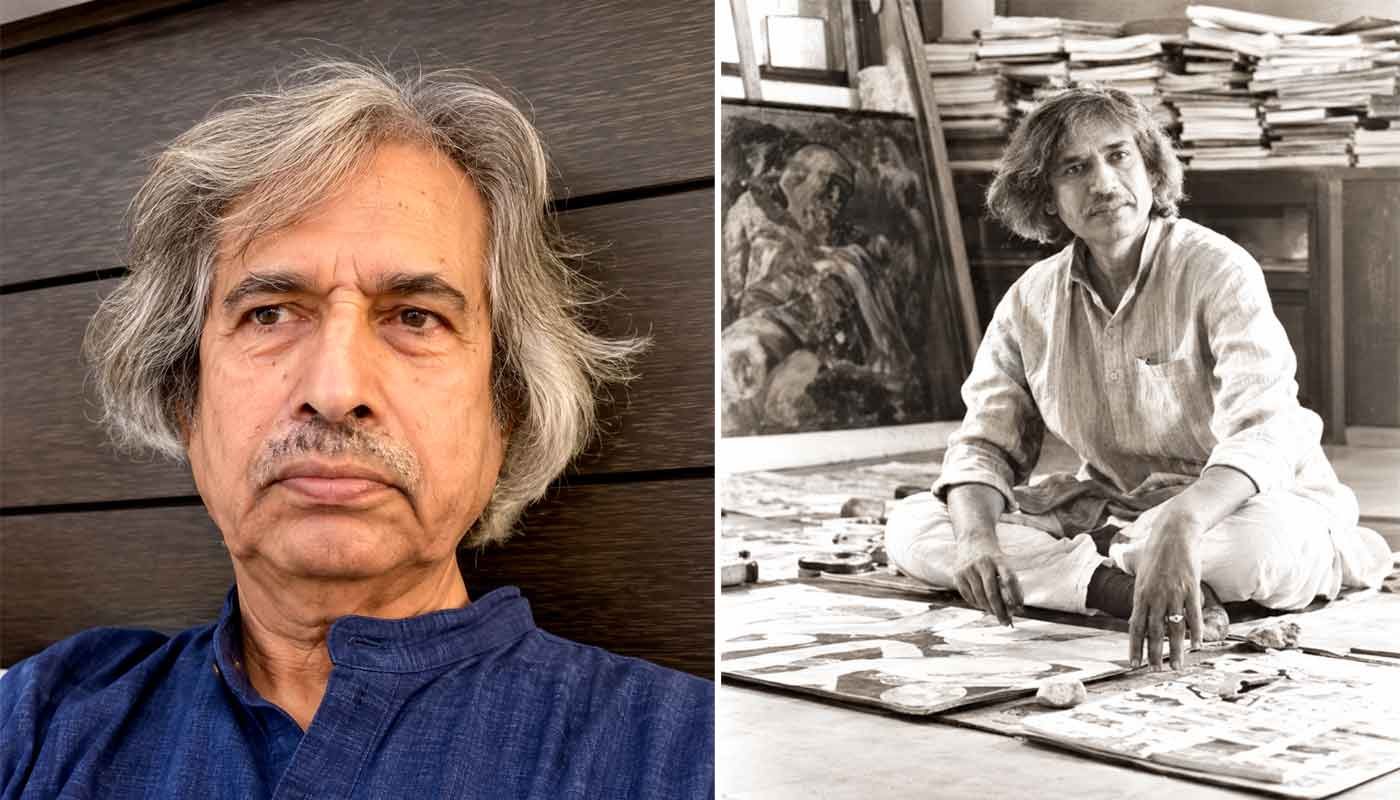
Meeting and interviewing Jogen Chowdhury was an opportunity to understand an extraordinary artistic journey—and to encounter the simplicity and humility of the man who lived it.
By Rajeshwari Kalyanam
Some interviews stay with you long after the article has been written. The conversations return when you encounter a painting, revisit an observation or begin to understand something that had seemed elusive at the time. My meetings with Jogen Chowdhury belong to that category.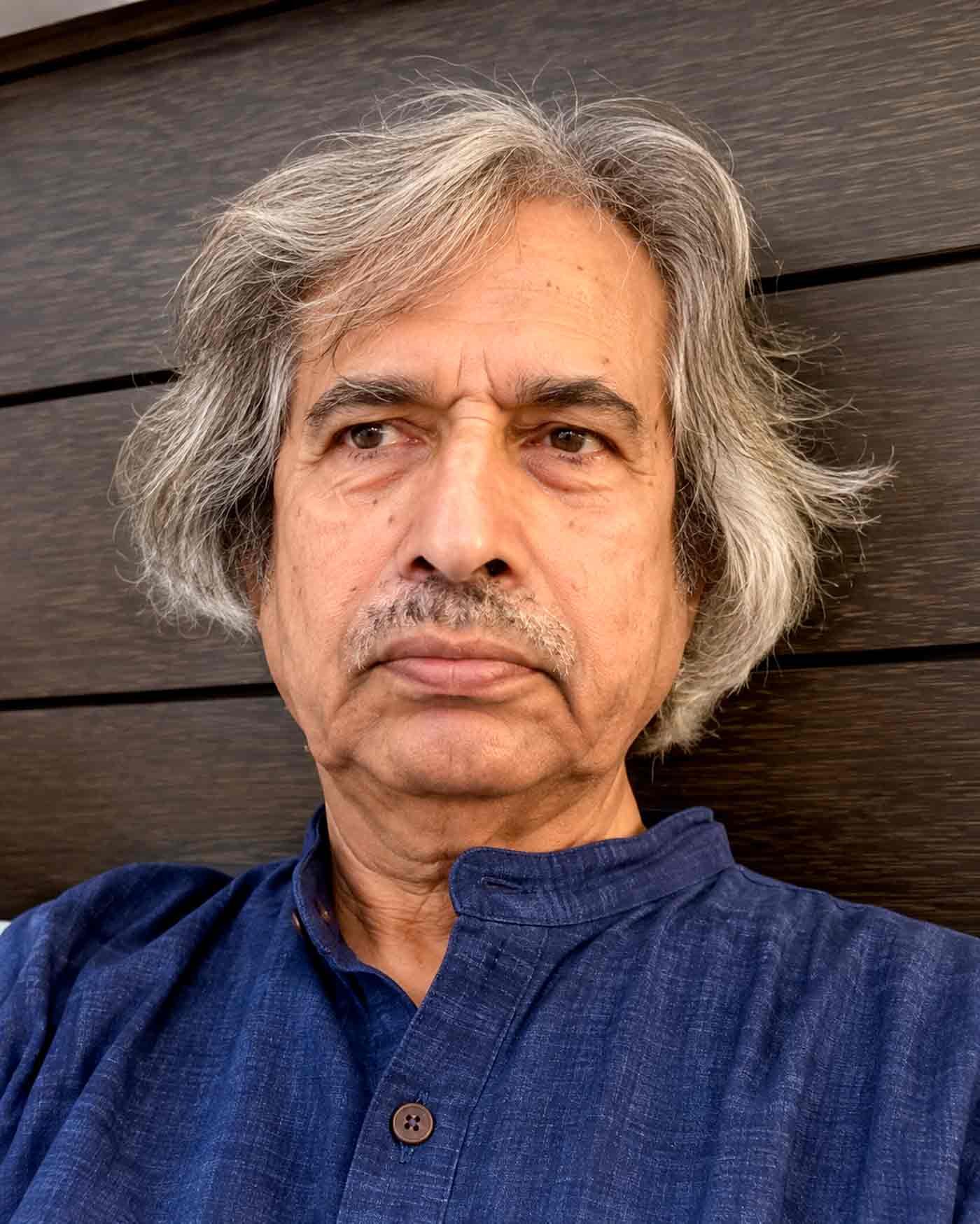
The celebrated artist passed away in Kolkata on October 25, 2026, aged 87. He had been undergoing treatment for blood cancer and was hospitalised with complications, including a urinary tract infection. His passing leaves an immense body of work through which generations will continue to discover his understanding of the human condition.
I had the opportunity to interview him on a couple of occasions. Meeting an artist of his accomplishment, speaking to him about his journey and looking at work spanning decades was an education in itself. His passing brings back those encounters, and the quiet impression left by his simple, humble manner.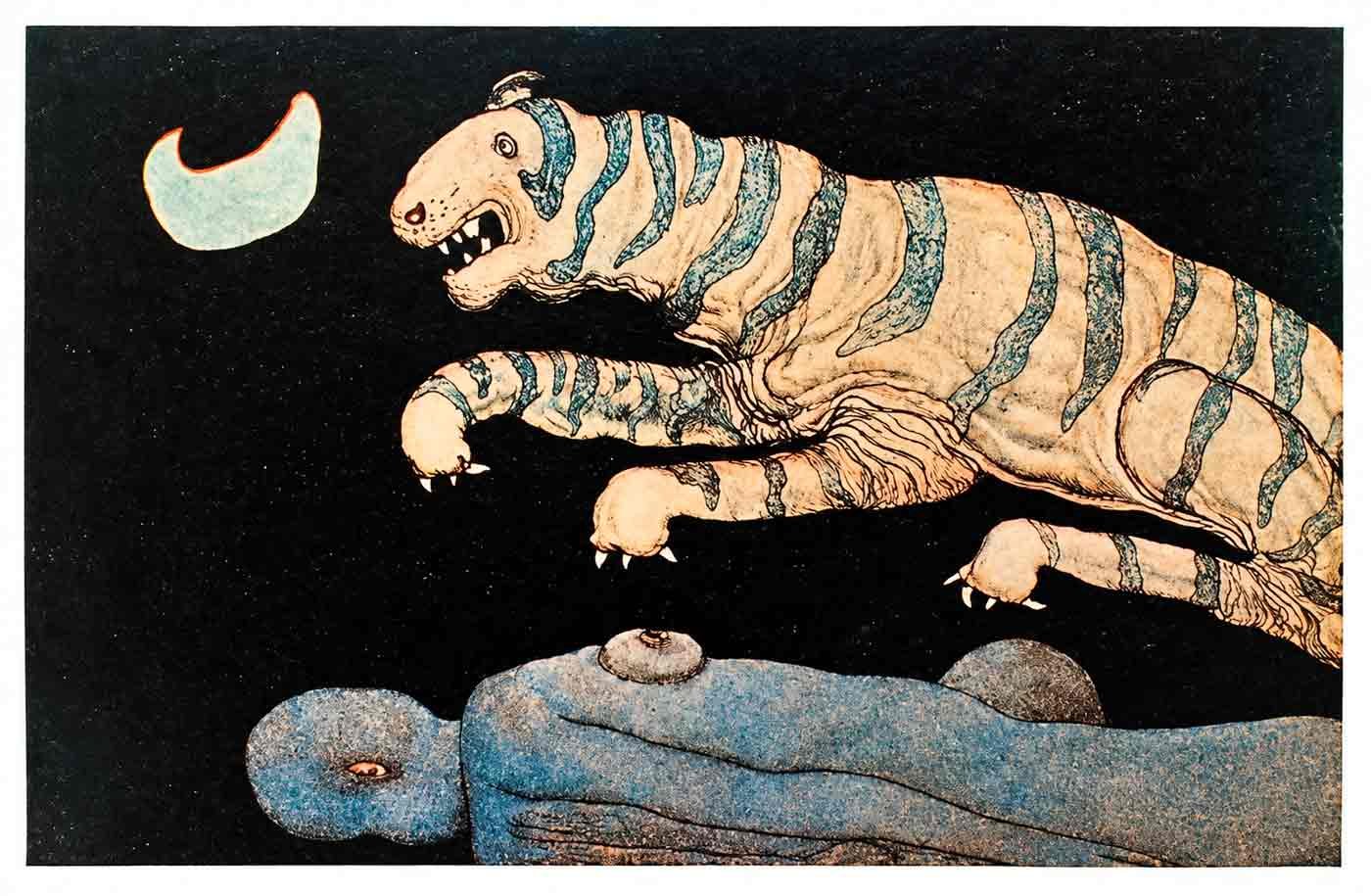
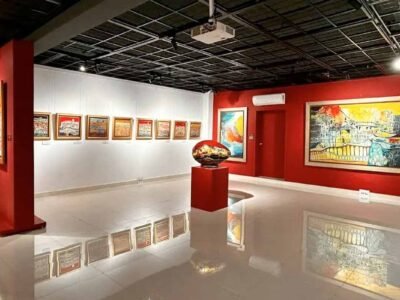
One particularly meaningful occasion was his retrospective at Kalakriti Art Gallery in Hyderabad in 2016. Around 300 works, drawn from his personal collection and that of Prshant Lahoti, brought together different stages of his artistic life. Seeing them in one place was a revelation. You could follow the development of an artist’s eye, his changing concerns and his search for a language through which to express them.
There were watercolours recalling village life, people occupied with everyday work, and the flora and fauna of childhood memory. There were portraits that seemed to reveal something of a person’s temperament beneath the likeness. And there were those unmistakable human figures, their bodies carrying vulnerability, discomfort and the weight of experience.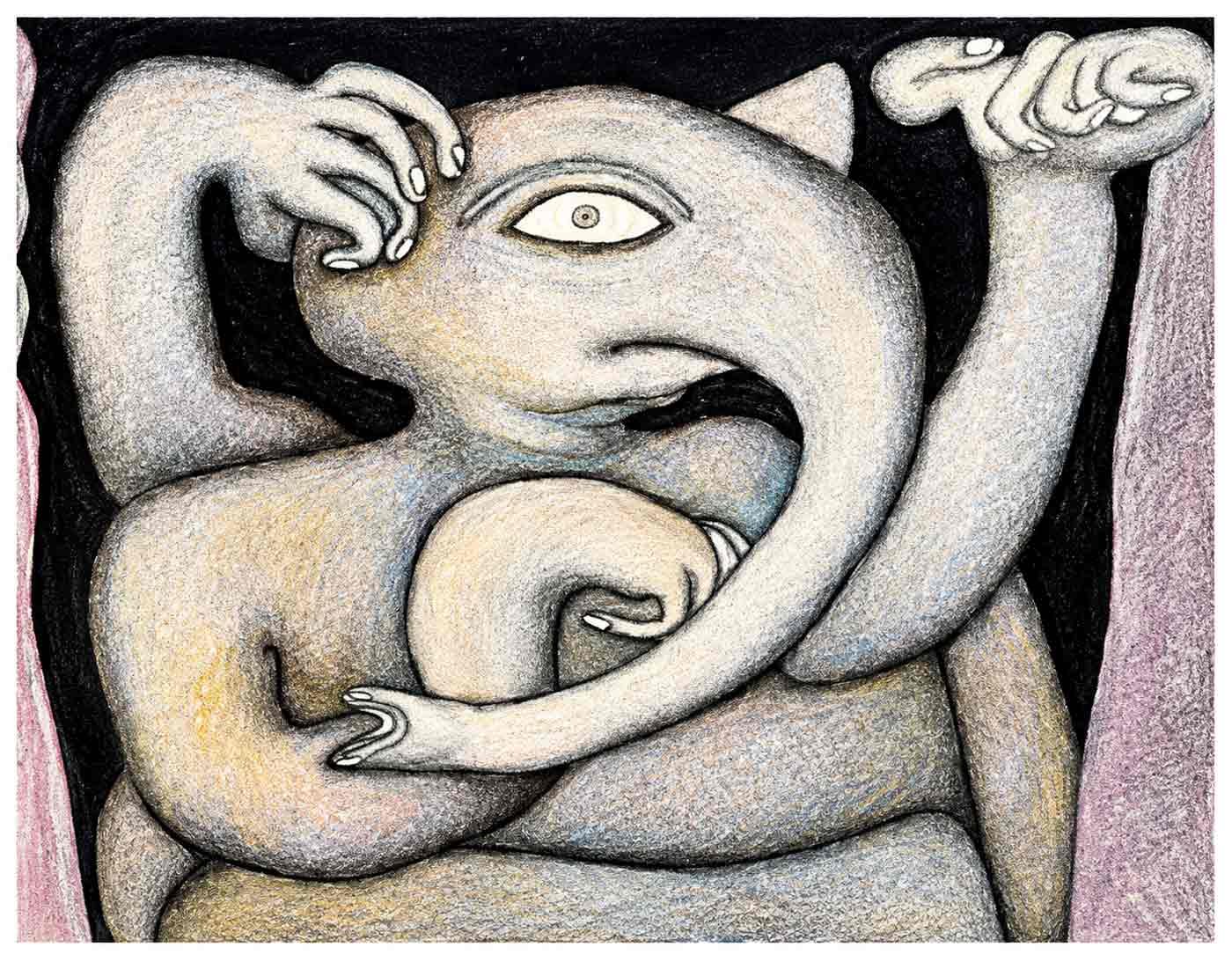
Born in East Bengal in 1939 and brought up in a refugee settlement in Kolkata, Chowdhury had known the upheaval of Partition and displacement. Looking at his work, those experiences acquired a presence beyond biography. The impoverished bodies, sagging flesh and expressive lines brought human suffering close to the viewer. His art asked you to look carefully at lives and realities that could otherwise pass unnoticed.
Yet the conversation with Jogenda, as he was affectionately called, was remarkably accessible. His stature never overwhelmed the exchange. There was a simplicity in the way he spoke about the questions that had occupied him for years.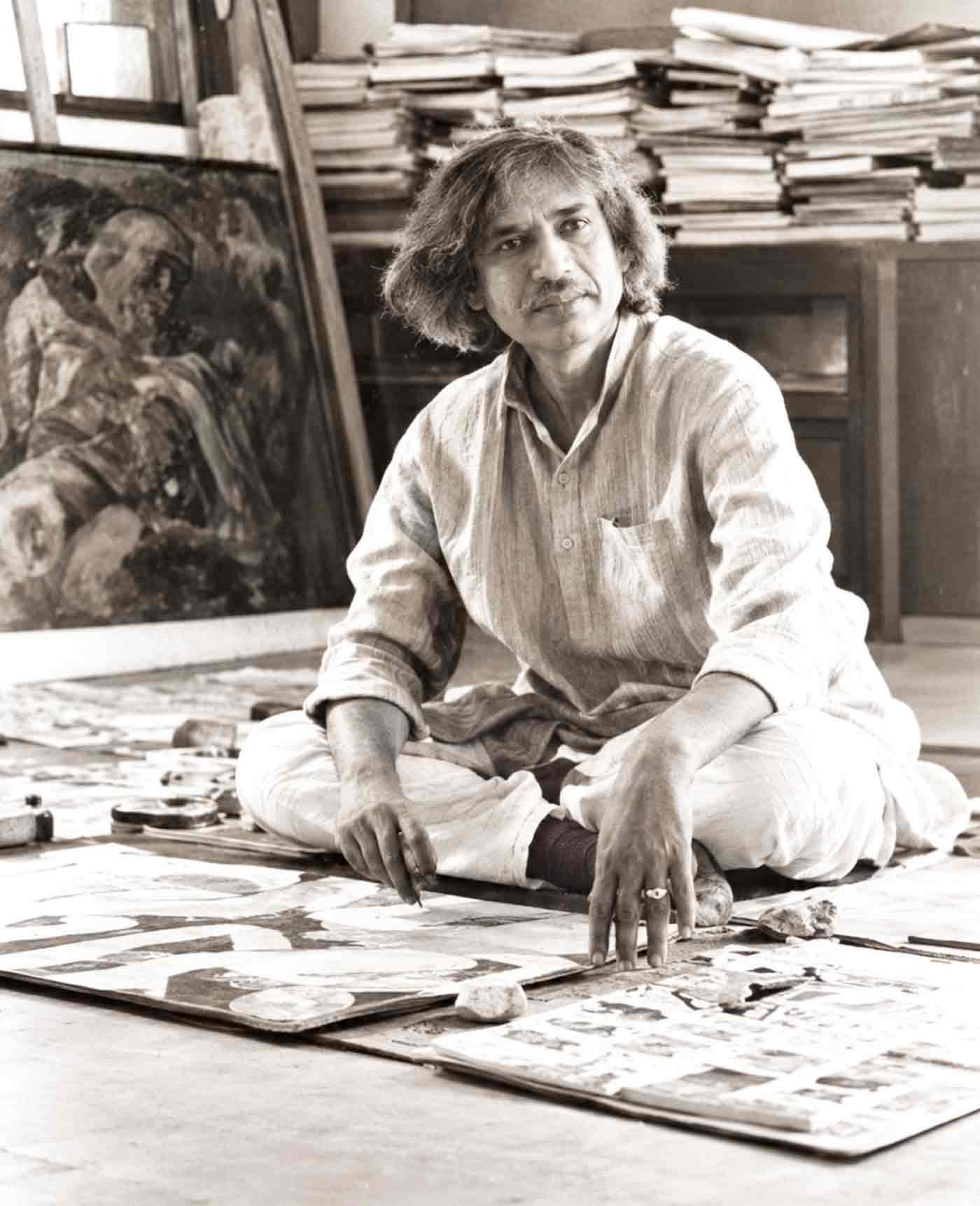
“Paris taught me what not to paint,” he told me.
It was an observation that stayed with me. Having encountered European art during his studies in Paris, he recognised how much had already been explored. He spoke about the question this raised for him: what would he do as an Indian painter?
He recalled writing an extensive essay, later published in Bengali, and explained how writing had helped him understand his own artistic direction. Listening to him, one understood how deeply thought and self-questioning accompanied the act of making art.
He spoke with admiration about Rabindranath Tagore’s spirit of experimentation and the individuality of his paintings. For Chowdhury, modernity could emerge from an artist’s own surroundings, experiences and cultural understanding.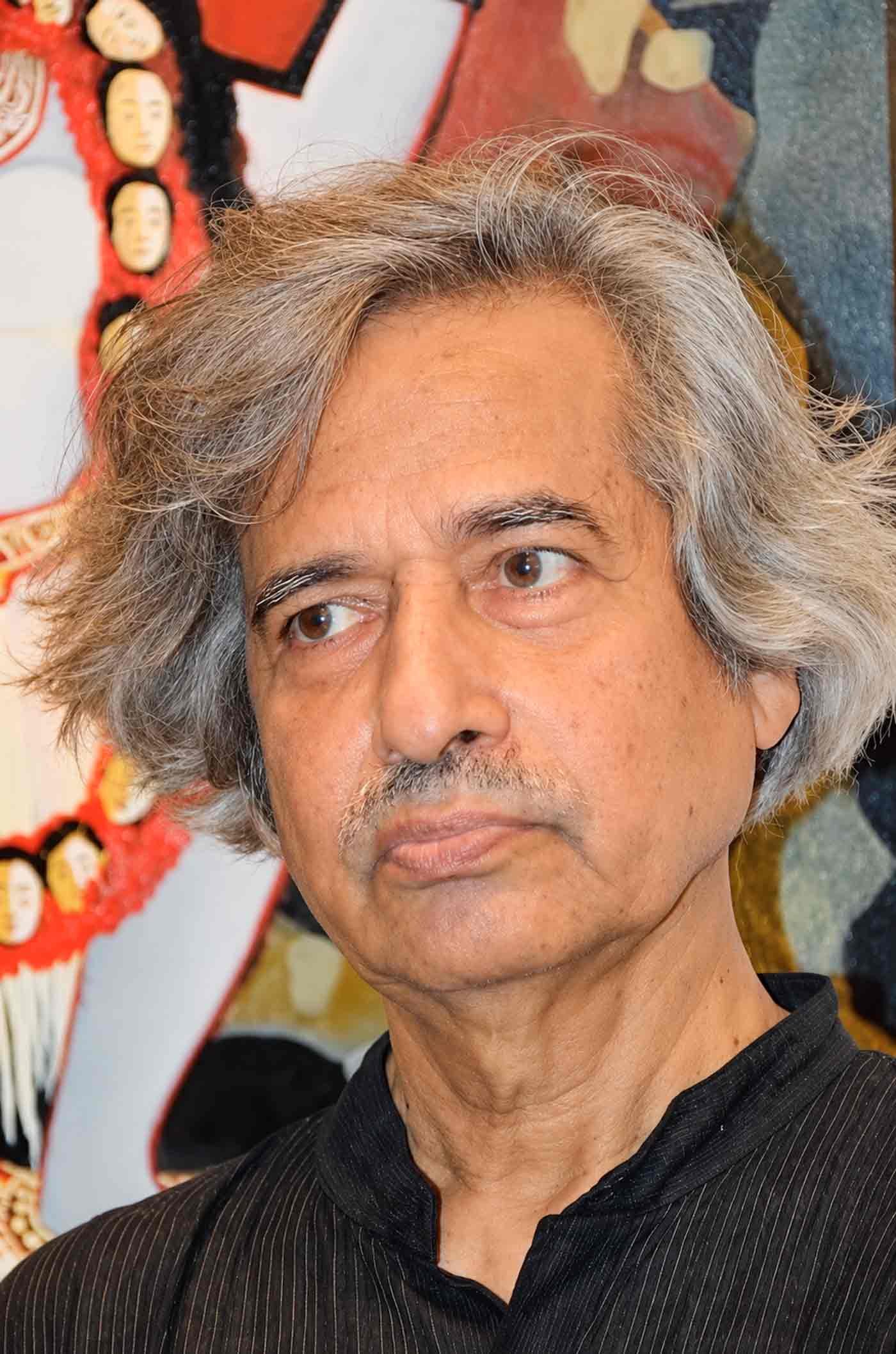
Across his years as a textile designer, curator at Rashtrapati Bhavan and teacher at Kala Bhavan in Santiniketan, his practice continued to evolve. Ink, watercolour and pastel offered different possibilities, while life remained an inexhaustible source of enquiry.
“We can be international, wherever we stay,” he said during our conversation. “We should be truthful and original to be international.”
Returning to those words today, I am reminded of the clarity with which he understood his purpose. His artistic journey offered lessons in observation, independent thought and the patience needed to discover one’s own expression.
For me, the privilege was to encounter that journey through both his work and his conversation. Looking at decades of his art was a learning experience; meeting the man added another understanding of accomplishment, carried with such humility.
That is how I will remember Jogen Chowdhury: through the searching intelligence of his work, the generosity of those conversations and the gentle presence of an artist who gave us so much to see and understand.Meta title: Jogen Chowdhury Tribute: Remembering His Art and Humility
(The writer met Jogenda as Senior Features Editor & Sunday Magazine Editor at The Hans India)