

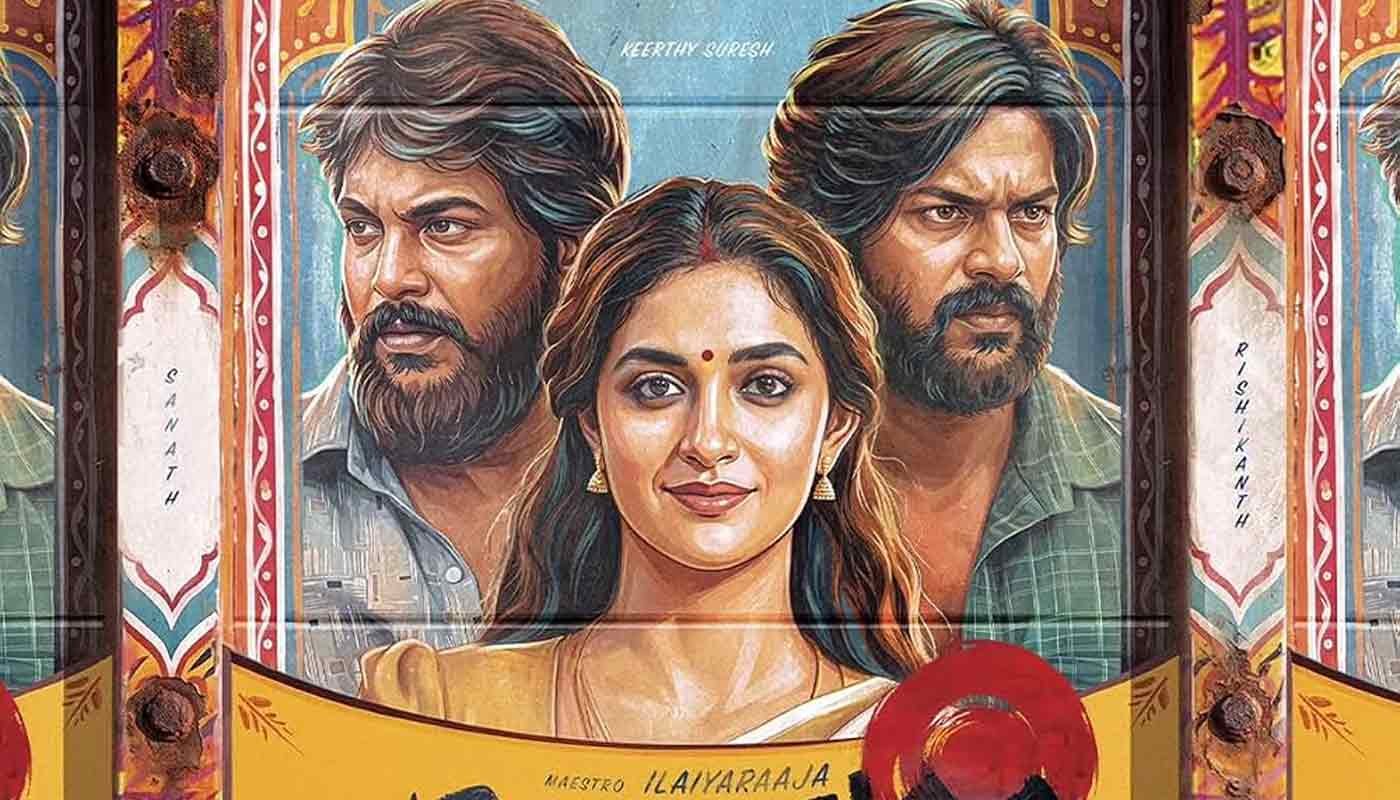
I would not call myself an avid Karthik Subbaraj fan. Yet, I would admit that he is among the rare breed of modern-day filmmakers with a style he can call his own. Despite his mainstream success, he has kept the indie filmmaker in him consistently alive through his stories, technique, and more so, his editing choices and wild genre swings, without really preparing his viewers for them.
Most of his films largely function in a male-centric world, with Iraivi being the exception, barring the odd interesting female character. While one may have perceived this as a limitation in his versatile career spanning a decade and a half, it surprisingly becomes his strength in his latest Tamil release, Dorothy, a genre-bending tale centred on two ruffians, Karthi (Rishikanth) and Subbu (Sananth), in 90s Madurai.
Dorothy has sparked a debate like none of the director’s earlier films have. He intentionally sets it in a region synonymous in Tamil cinema with male rage, drowned in high-pitched, sickle-driven raw violence among long-moustached men and melodrama. A Madurai native himself, he turns the cliché on its head, examining how the socio-cultural climate shapes masculinity.
At its heart, the film mirrors a man’s struggle to accept his male best friend coming out as a trans woman. The story does not stop there, also charting the transformation of a long-lasting companionship into love over the course of a road journey. Some have voiced concerns over the jerky transition in Subbu’s gender identity, arguing that it feels unearned and rather imposed upon the viewer.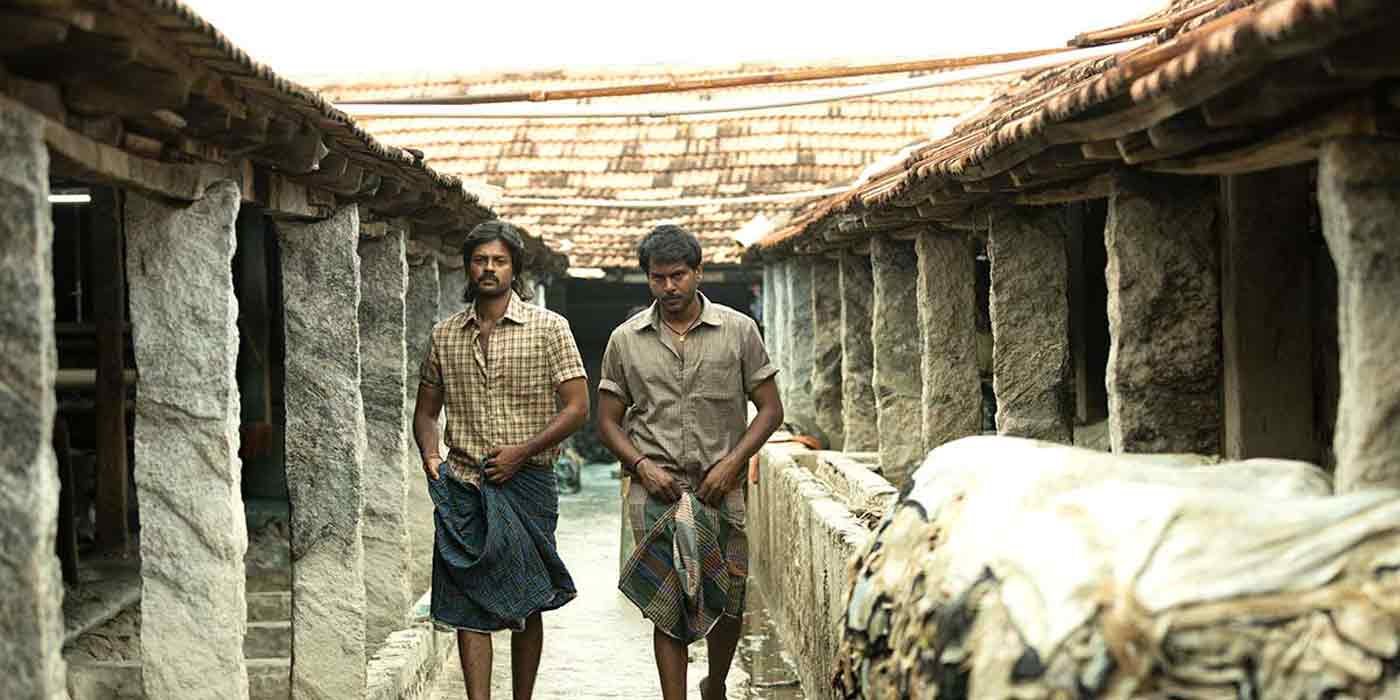
Another source of controversy is a scene in the second half, wherein a trans woman curses the protagonist, warning that transphobic men like him would hang their heads in shame in the coming decade, pointing towards the 2000s, when transgender individuals would officially be recognised as the third gender.
The very idea of two tough-looking, veshti-wearing men, projected as torchbearers of masculinity in the first half, falling for each other later has not been an easy pill to swallow for some. This debate, emerging from viewers of an industry that has addressed several concerns affecting the LGBTQ+ community over the past decade through sensitive films like Peranbu and Super Deluxe, raises several eyebrows.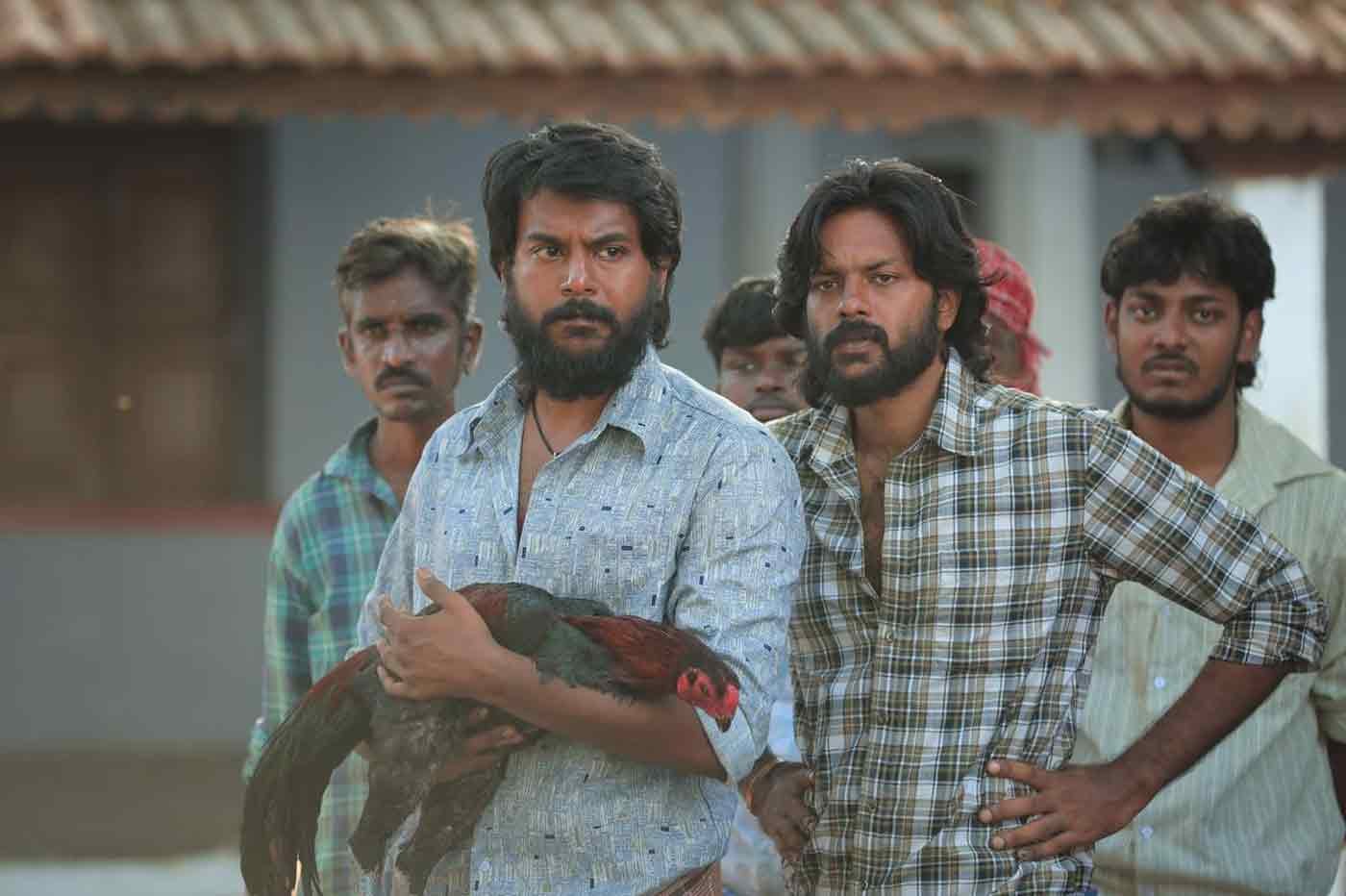
Unlike most Indian coming-out sagas and LGBTQ+ romances unfolding in urban pockets, Dorothy subverts the tropes associated with a rustic, hyper-masculine Madurai setting to tell the story of two friends and their inward journey. The social conditioning is such that Subbu, the same man who later identifies as a trans woman, as a kid, tells his best friend Karthi to stop crying like a girl.
Even when Subbu attempts to initiate a conversation with Karthi as an adult around his sexuality, the latter mocks his supposedly effeminate gestures, likening them to those of a eunuch. Dorothy rightfully critiques the toxicity of their upbringing, examining the impact of loveless homes, fragile masculine pride, and rigid casteism on their psyche.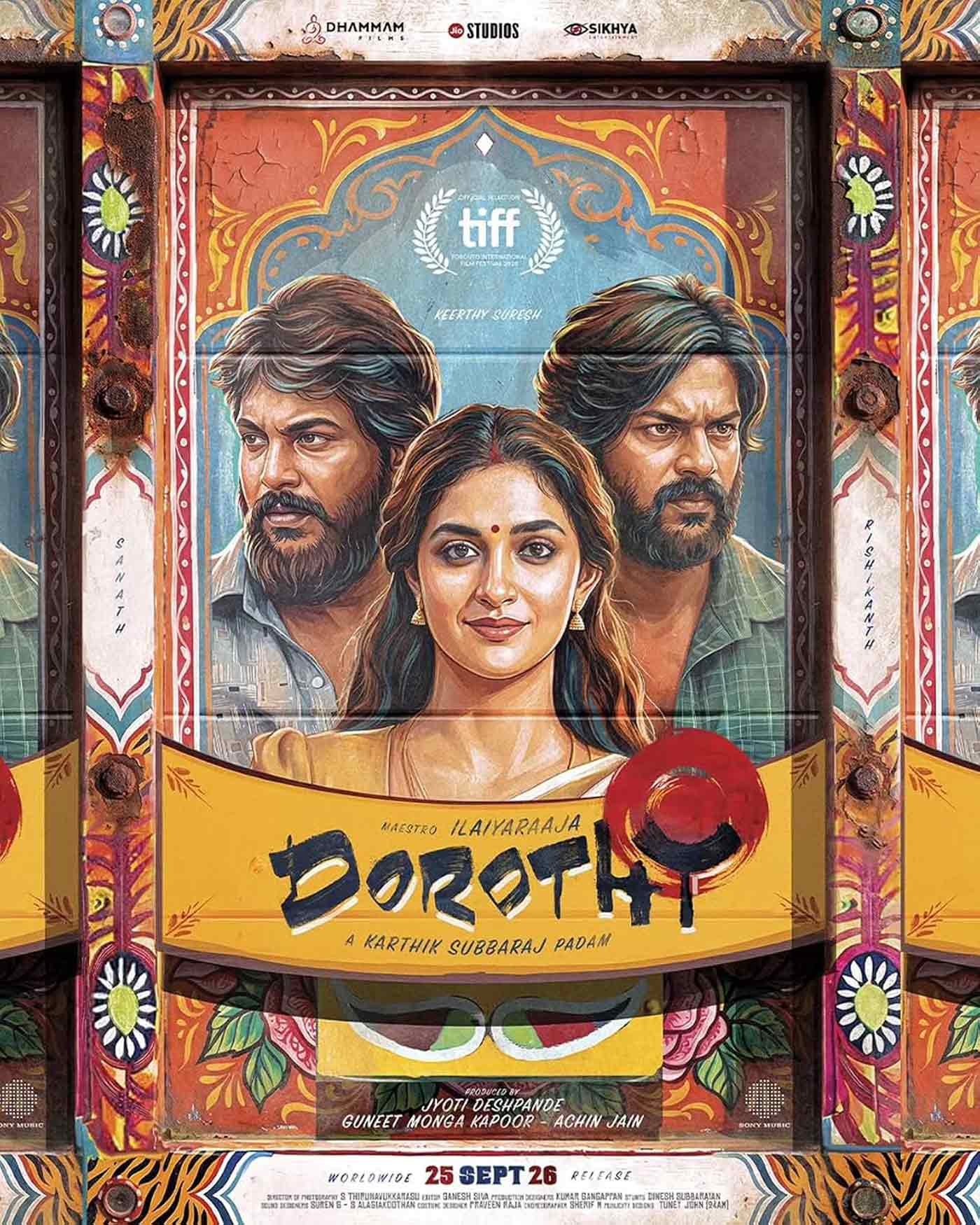
Karthik Subbaraj carefully plants the seeds of Subbu’s identity throughout the film. Subbu gradually shies away from violence as an adult, refuses to label Dhanalakshmi as a romantic interest, and soon finds a guardian angel in his sister-in-law, whose presence heals him, almost making up for all the maternal love he was deprived of in his childhood.
The fight sequence where Subbu tears into a trans woman ready to prostitute herself reveals something crucial. Someone unknown to him suddenly breaks the facade he has been trying to preserve for many years. The violence only externalises the battle he is facing within, after which Karthi applauds him for being a man.
After a series of dramatic events, where Subbu stands up for himself and leaves the village, the story drastically alters its contours and becomes a free-spirited road film packed with intimate conversations on identity and gender. Inverting the conventional ‘best friends-turned-rivals’ trope, the film allows space for an honest dialogue between conflicting schools of thought.
Karthi, in the second half, in fact, represents the average viewer in the theatre struggling to come to terms with Subbu’s coming-out. Several motifs of nature are used to good effect as humble witnesses to their exchanges: hills, open expanses, wind, a scorpion, a rooster. Visually as well, their differences feel too trivial in a vast world full of many possibilities.
The coming-out phase is as literal as it gets, from a conservative town with rigid hierarchies paving the way to a liberating road trip, where the glass ceiling falls apart, leading Subbu to a big, wide world. Karthi, through the journey, realises that he is uncomfortable with himself, more than with Subbu. Is their friendship so fragile that it could fall apart over the other’s identity?
There is some validity to the criticism around the final act, where the friendship takes a new form. Are Karthi and Subbu soulmates? Perhaps, yes. The problem comes with the quick transition from Karthi’s acceptance of Subbu, as Dorothy, to love. It does not allow the viewer to peep deeply enough into Karthi’s hazy internal conflict. The film is in a tearing hurry to paint his affection for Subbu as love.
The film denies a conventional climactic conversation between the two lovestruck protagonists and chooses a catchy Ilaiyaraaja song, Muthumani, to give them a poetic closure. There is no doubt Karthi and Dorothy deserved that fairy-tale ending, but perhaps it needed more context. Karthik Subbaraj leaves that conversation to us.
That the conversation around gender identity and masculinity is triggered by a director who has made films with superstars like Suriya, Rajinikanth, and Vikram, in a film championed by a popular mainstream heroine like Keerthy Suresh, with music by an 83-year-old legend like Ilaiyaraaja, is indeed a welcoming sign for Indian cinema.
The controversy around Dorothy merely holds up a mirror to our society, revealing how acceptance is an idea often discussed, but seldom practised.