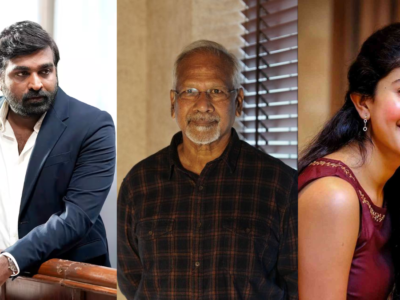

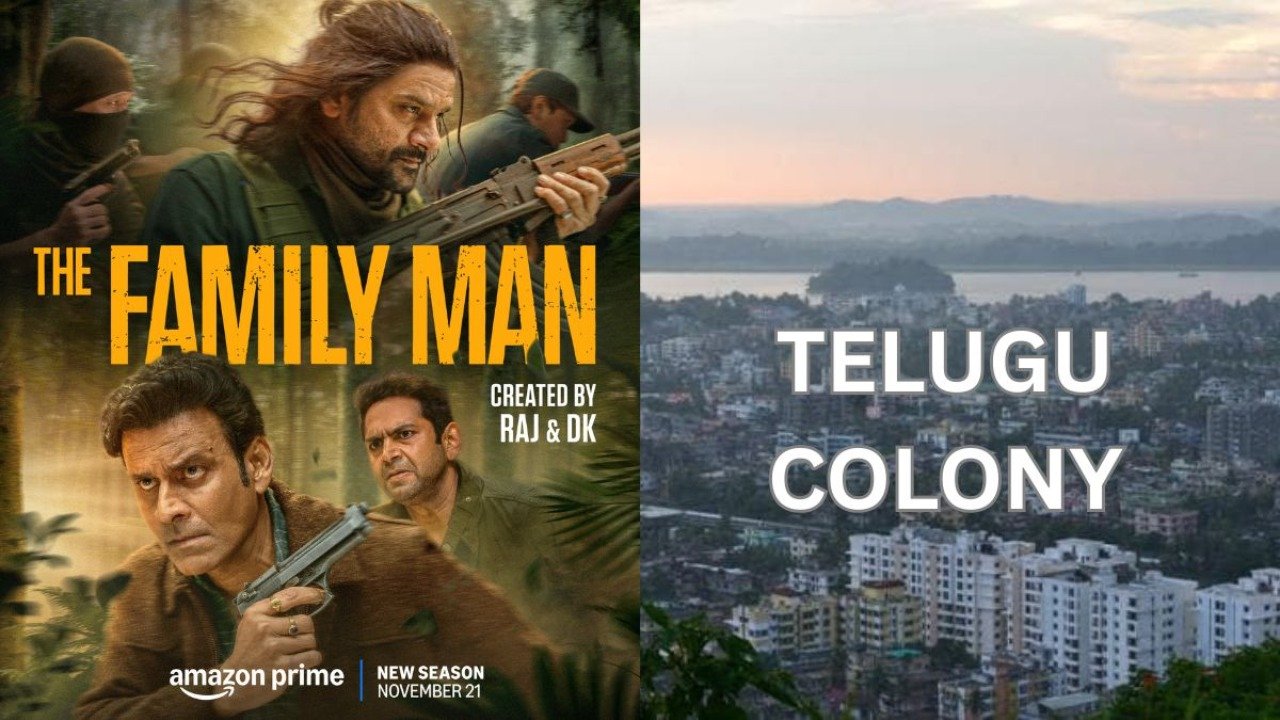
The Family Man Season 3 Explores Lost Histories as Vijay Sethupathi and Manoj Bajpayee Share a Moment in Manipur
The Family Man Season 3 continues to deepen its socio-political canvas, and one of the series’ most compelling moments arrives in Moreh, Manipur, where Vijay Sethupathi’s character and Manoj Bajpayee’s Srikant Tiwari sit down for a quiet lunch near the Indo-Myanmar border. What begins as a casual meal transforms into a poignant history lesson, one that sheds light on a lesser-known chapter of Indian migration, displacement and resilience.
In the scene, Sethupathi’s character reflects on why large numbers of Tamilians, and even Telugu communities, have long been settled in India’s North-East. He traces the story back to the era when Burma, now Myanmar, still thrived under British rule and was known as Rangoon. From the 1870s onwards, thousands from the coastal regions of Andhra Pradesh and Tamil Nadu travelled there seeking livelihood. Burma, rich with economic opportunity, became a dreamland for many families.
The British Empire played a pivotal role in this migration. To build infrastructure in Burma, roads, townships, ports and public works, the British relied heavily on Indian labour. Telugu workers in particular became indispensable, taking up roles ranging from unskilled labourers to skilled contractors. Over time, many rose from “coolie to contractor,” earning the reputation of Naiyukar, men who built not just buildings but their own futures.
The series highlights real stories emblematic of this rise: Vari Bhoomayya, who rose from bonded labour to immense wealth; Vunfru Tatayya, who acquired hundreds of acres; and countless others who rewrote their destinies in a foreign land.
But success invited hostility. Everything changed in 1962 when Burma’s military regime overthrew the civilian government. What followed was an age-old pattern of exclusion: migrants welcomed as workers were rejected once they attained influence. As Sethupathi’s character notes, “A guest can grow until he is equal with the natives, but if they grow to prominence, no one accepts it.” The new regime expelled Indians en masse, stripping them of property, identity and dignity.
The Indian government eventually sent rescue vessels from Vizag, Chennai, Kochi and Kolkata. Yet not all could be accommodated. Many fled by whatever means possible, eventually settling in border regions such as Moreh. They arrived with neither assets nor passports, only memories of a life lost.
The story moves next to Guwahati, where thousands of displaced Telugu families formed a settlement historically known as “Madrasi Colony.” The name reflected old stereotypes and a lack of identity among the migrant community. Everything shifted in 1982 when Andhra Pradesh Chief Minister N. T. Rama Rao visited Guwahati, addressing the community with a powerful declaration: “These are not Madrasis; they are our people. They are Telugu people.” His words ignited a transformation, slow, steady and deeply meaningful. The area was eventually renamed Telugu Colony, giving recognition to a community far from home.
Through its layered storytelling, Family Man Season 3 captures more than espionage and action, it shines a light on forgotten citizens, fractured histories and the silent strength of those who rebuild their lives in unfamiliar lands.