


Few filmmakers understand pain the way Imtiaz Ali does.
In an industry where love stories often culminate in grand confessions and happily-ever-afters, Imtiaz Ali has built a career exploring the spaces in between—the longing before love, the ache after separation, and the emotional turmoil that forces individuals to confront themselves. His films are not merely romantic dramas; they are studies of human suffering. Time and again, his characters discover that love is not a destination but a journey through confusion, heartbreak, and self-discovery.
With the recent release of Main Wapas Aaunga, conversations surrounding Imtiaz Ali’s body of work have resurfaced. Looking back at his filmography, a recurring pattern becomes evident: suffering is not an obstacle in his stories—it is the catalyst for transformation.
In Rockstar, Jordan’s artistic genius is born not from success but from emotional devastation. The film’s now-iconic belief that great art emerges from pain became a defining feature of Imtiaz Ali’s storytelling. Jordan’s heartbreak is not merely a subplot; it is the very force that shapes his identity. What begins as a love story evolves into a tragic exploration of obsession, fame, and loneliness.
A similar thread runs through Tamasha. Ved’s suffering is quieter but equally profound. Trapped beneath societal expectations and a carefully constructed identity, he experiences an internal conflict that many young professionals find painfully relatable. The film suggests that the greatest tragedy is not losing someone else but losing oneself. Only by confronting this emotional crisis does Ved begin his journey toward authenticity.
Even Jab We Met, often remembered as a cheerful romantic comedy, is rooted in emotional despair. Aditya is introduced as a man disconnected from life, burdened by disappointment and heartbreak. Geet’s infectious optimism may drive the narrative, but the film’s emotional foundation lies in healing from suffering and learning to embrace life again.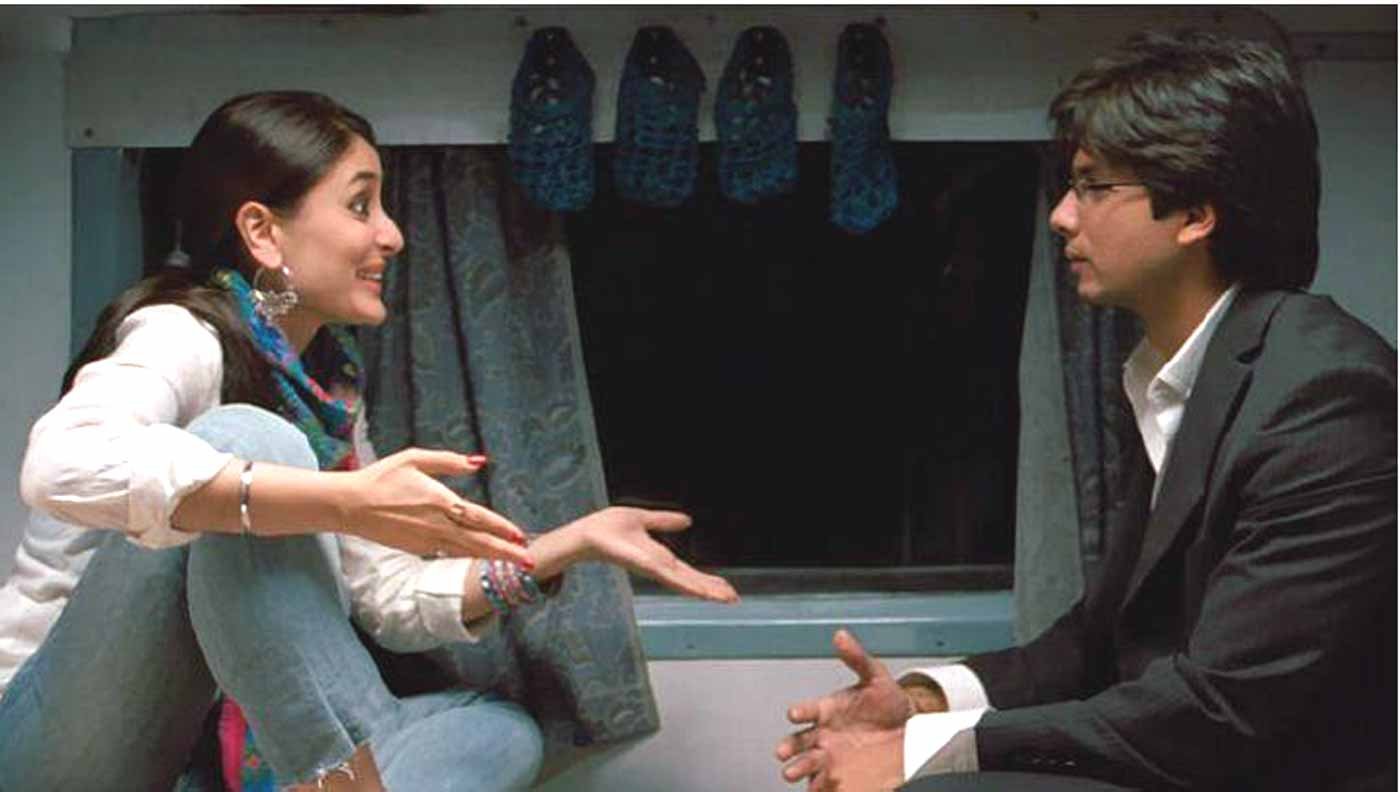
Perhaps no film captures Imtiaz Ali’s fascination with doomed love better than Laila Majnu. Initially overlooked at the box office, the film has since achieved cult status among younger audiences. Here, love transcends romance and enters the realm of madness, spirituality, and obsession. The pain experienced by its protagonists becomes inseparable from their devotion, transforming a familiar love story into a haunting meditation on longing.
Ironically, many of Imtiaz Ali’s most celebrated films struggled commercially upon release. Rockstar divided critics, Tamasha underperformed at the box office, and Laila Majnu found appreciation years later through streaming platforms and social media. Yet these films endured because they offered something increasingly rare in mainstream cinema: emotional honesty.
In a culture obsessed with instant gratification and happy endings, Imtiaz Ali’s films remind audiences that growth is often uncomfortable. His characters wander, fail, break down, and lose their way. But it is through these experiences that they evolve.
Perhaps that is why his stories continue to resonate across generations. Imtiaz Ali does not romanticize suffering; he recognizes it as an inevitable part of being human. In his cinematic universe, pain is not the end of the story—it is where the story truly begins.