

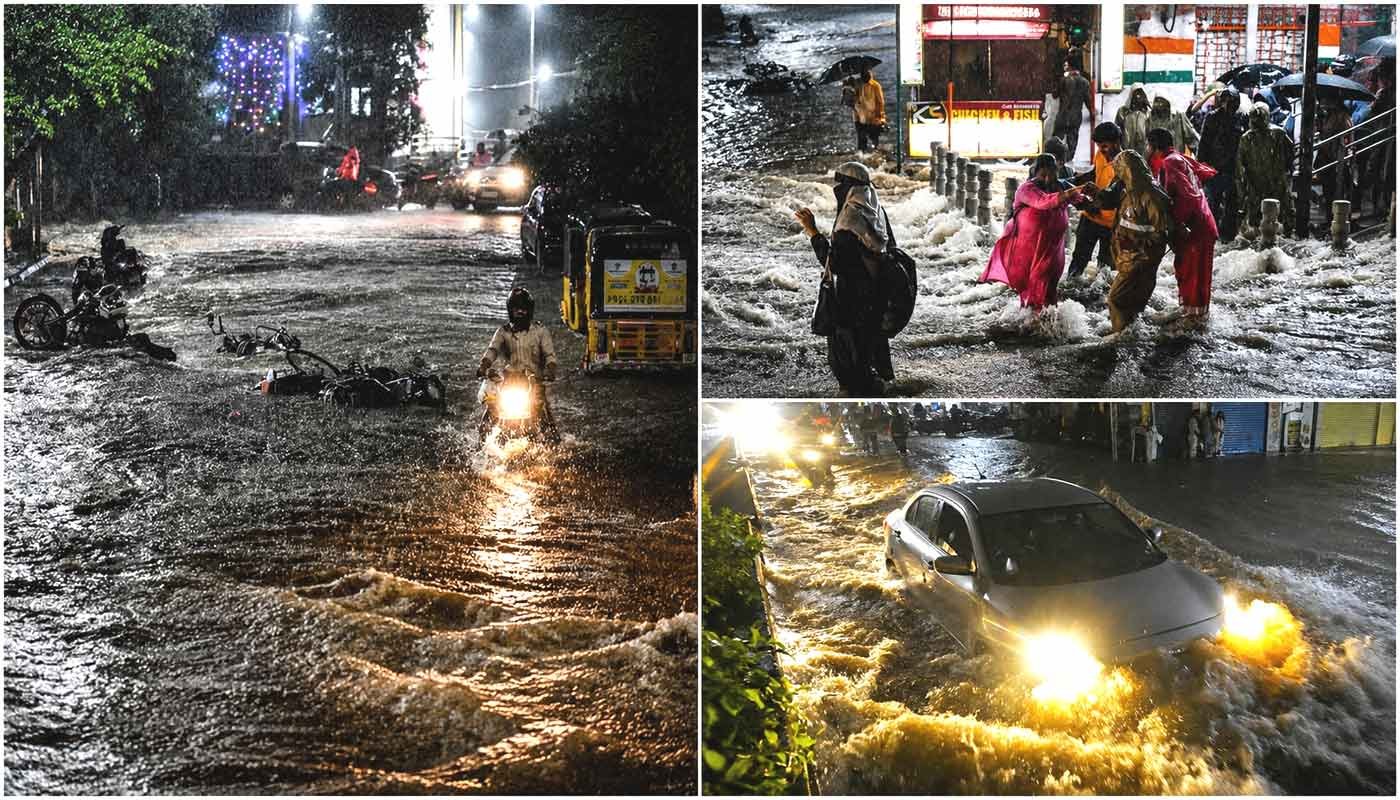
The India Meteorological Department (IMD) has once again issued yellow and orange alerts for heavy rainfall across several states, warning residents of intense showers, thunderstorms, and the possibility of localized flooding. Every monsoon, weather bulletins dominate the headlines. But perhaps the bigger story isn’t the rain itself. It’s what the rain reveals. India doesn’t have a rainfall problem. It has an urban planning problem.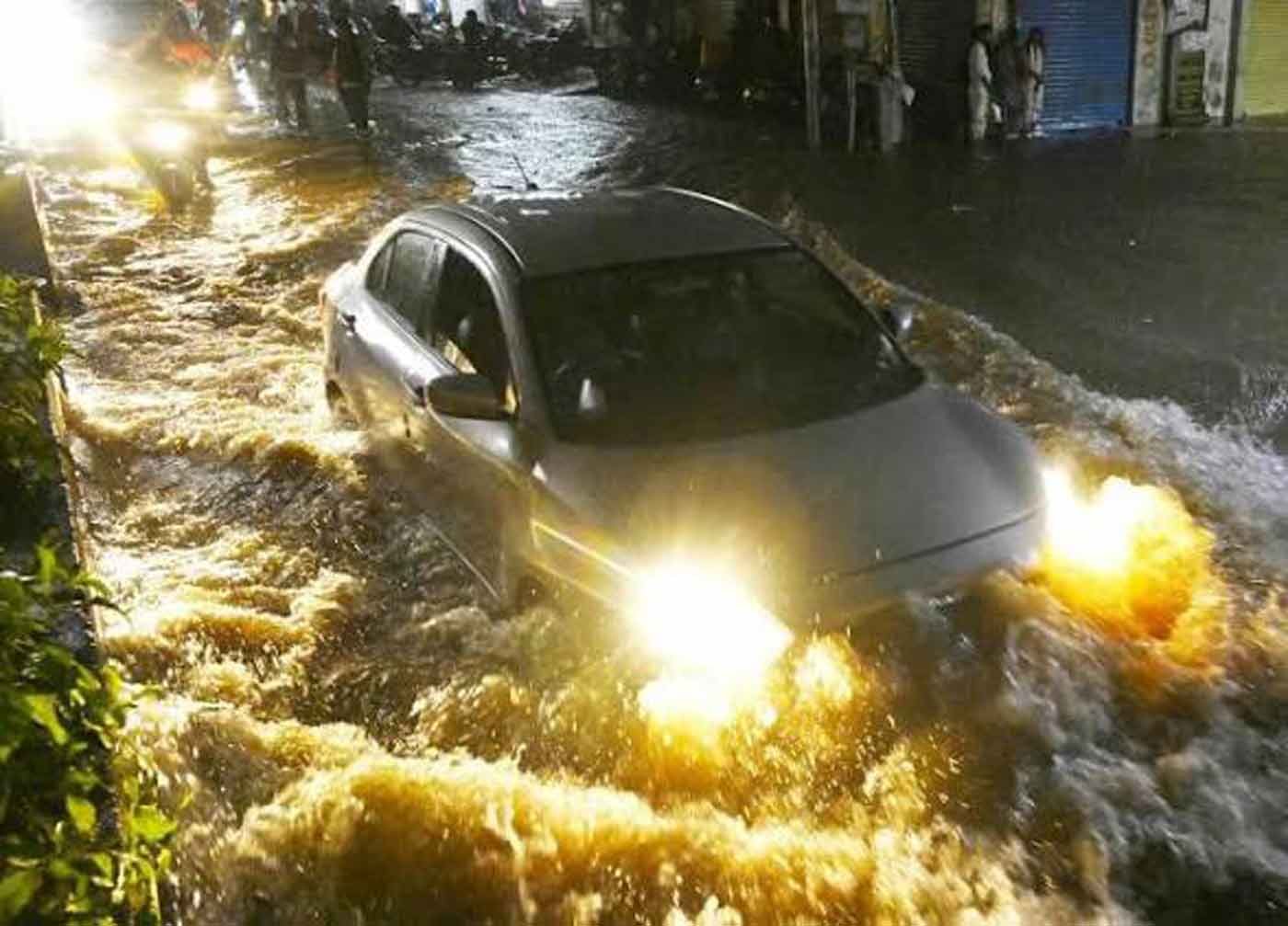
Every year, the script remains painfully familiar. A few hours of heavy rain are enough to bring major cities to a standstill. Roads disappear beneath murky water, vehicles break down, schools shut, flights get delayed, and commuters joke that they’re “swimming to work instead of walking.” While the memes may be humorous, the reality is anything but.
The first casualty of every heavy shower is often the road itself. Potholes that were previously hidden suddenly become dangerous craters beneath floodwater, leading to accidents, damaged vehicles, and traffic congestion stretching for kilometres. In many cities, freshly laid roads barely survive a single monsoon before beginning to crack apart, raising uncomfortable questions about construction quality and long-term planning. Then comes the drainage crisis.
Overflowing drains, clogged stormwater channels, and sewage mixing with rainwater have become common sights during every monsoon season. Plastic waste, poor maintenance, and ageing drainage networks prevent water from flowing freely, turning entire neighbourhoods into temporary lakes. In many places, drains overflow directly onto roads, creating unhygienic conditions and increasing the risk of waterborne diseases.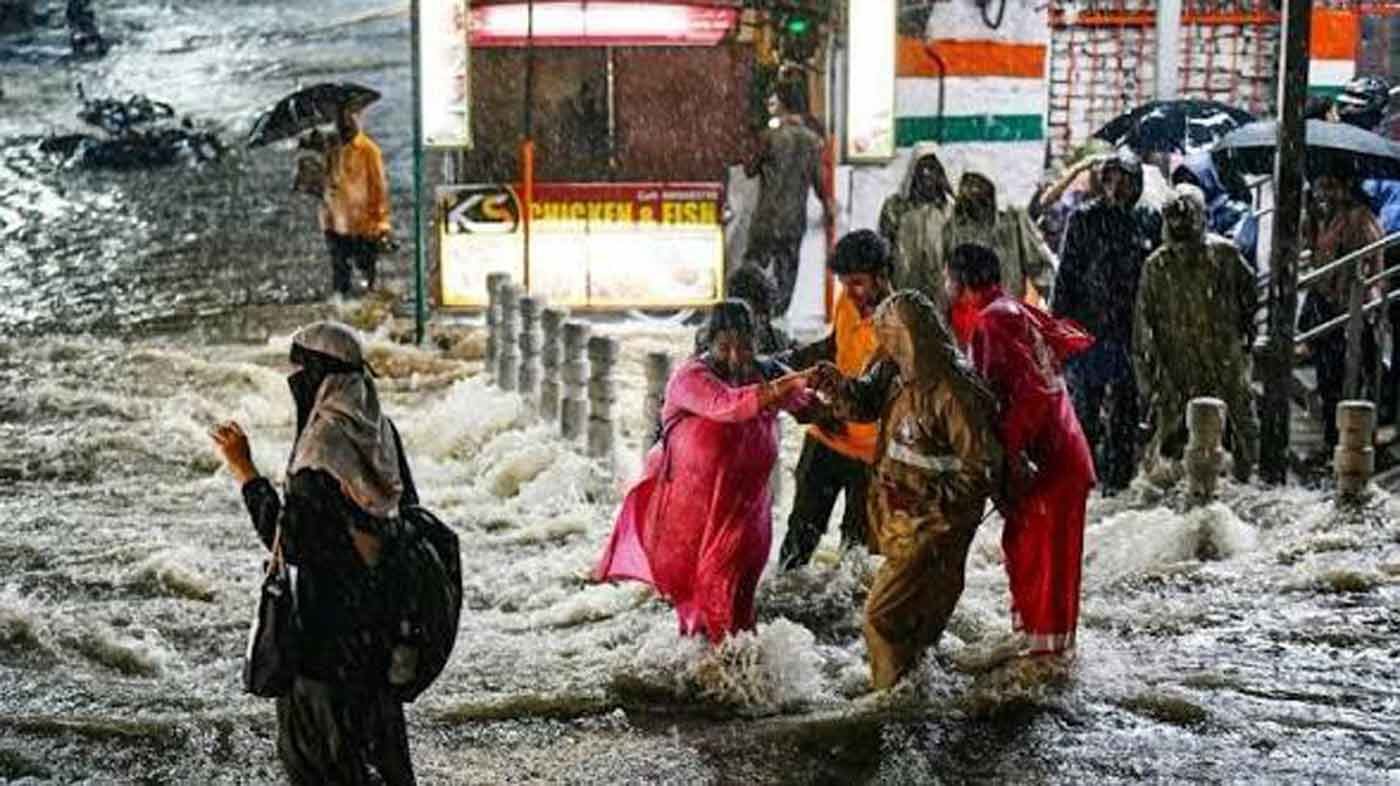
The issue becomes even more alarming when viewed through the lens of climate change.
Extreme weather events are becoming more frequent, and cities must now prepare for rainfall patterns that are far more intense than they were decades ago. Infrastructure designed for yesterday’s climate can no longer cope with today’s realities. Urban flooding is no longer an occasional inconvenience. It has become an annual disaster.
The consequences extend far beyond inconvenience. Farmers struggle with erratic rainfall patterns that damage crops and affect food production. Small businesses lose customers as flooded streets become inaccessible. Daily wage workers often lose an entire day’s income because public transport comes to a halt. Hospitals face delays, emergency services slow down, and schools are forced to suspend classes. Perhaps what is most frustrating is that many of these problems are preventable.
Cities around the world facing similar rainfall have invested in sustainable drainage systems, rainwater harvesting, permeable pavements, flood-resilient infrastructure, and regular desilting of drains. Green spaces, wetlands, and urban lakes are preserved because they naturally absorb excess rainwater. In contrast, many Indian cities have seen lakes encroached upon, natural water channels blocked, and open spaces replaced with unchecked construction.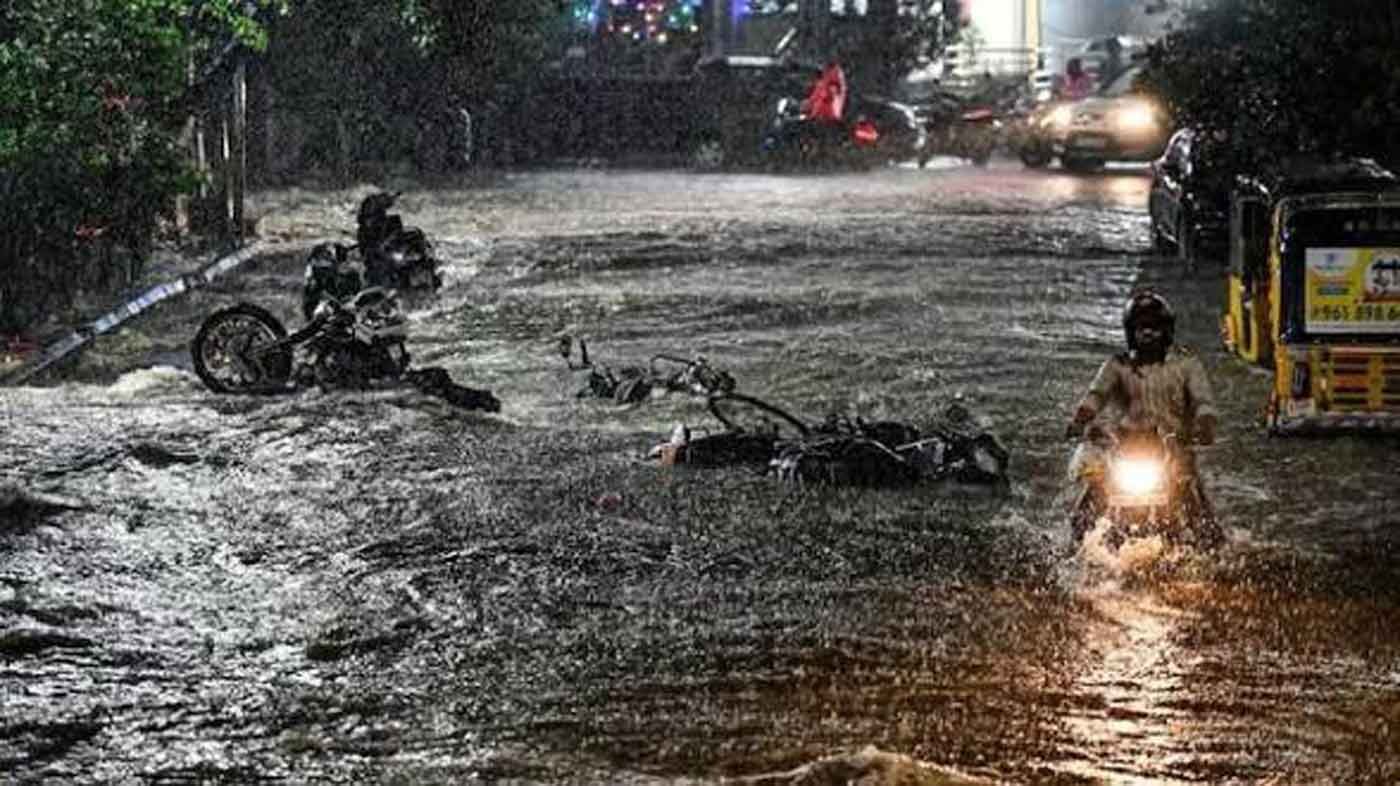
Improving the situation requires more than emergency responses once flooding begins. Stormwater drainage systems need regular maintenance before the monsoon arrives, not after roads are already submerged. Building regulations must account for changing climate patterns, while infrastructure projects should prioritize durability over speed. Urban planning must incorporate flood mapping, protect natural drainage channels, and preserve water bodies instead of treating them as land for development.
Citizens, too, have a role to play. Improper disposal of plastic waste frequently blocks drains, worsening flooding during heavy rains. Public awareness, stricter waste management, and better civic responsibility can significantly reduce the burden on already stressed infrastructure.
The IMD’s rainfall alerts should not simply prompt people to carry umbrellas. They should remind governments, urban planners, and citizens alike that resilience begins long before the clouds gather.
Rain is not the enemy. In a country where millions depend on the monsoon for drinking water, agriculture, and livelihoods, rainfall is a blessing.
The real challenge lies in building cities that know how to live with it.
Until that happens, every monsoon will continue to expose the same cracks, not just in our roads, but in the way we plan, build, and govern our cities.