
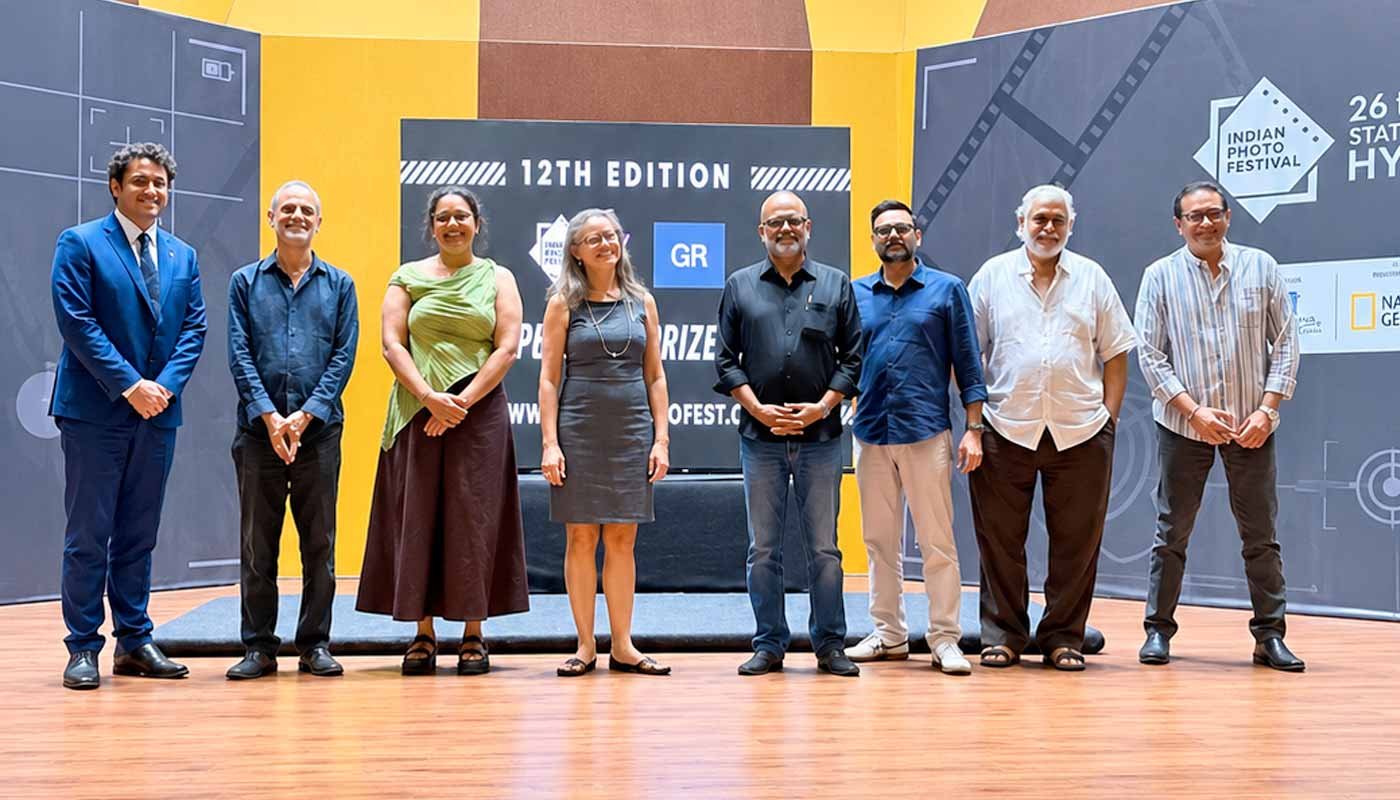
From the painful history of Australia’s Aboriginal communities and the lives of Iranian women to the disappearing landscapes of Bengal and Hyderabad’s own River Musi, the Indian Photo Festival brings together compelling visual narratives from across the world.
There are photographs that arrest you with their visual brilliance, and then there are those that stay with you for the stories they hold. At the Indian Photo Festival (IPF) 2026, it is often the latter that make you linger.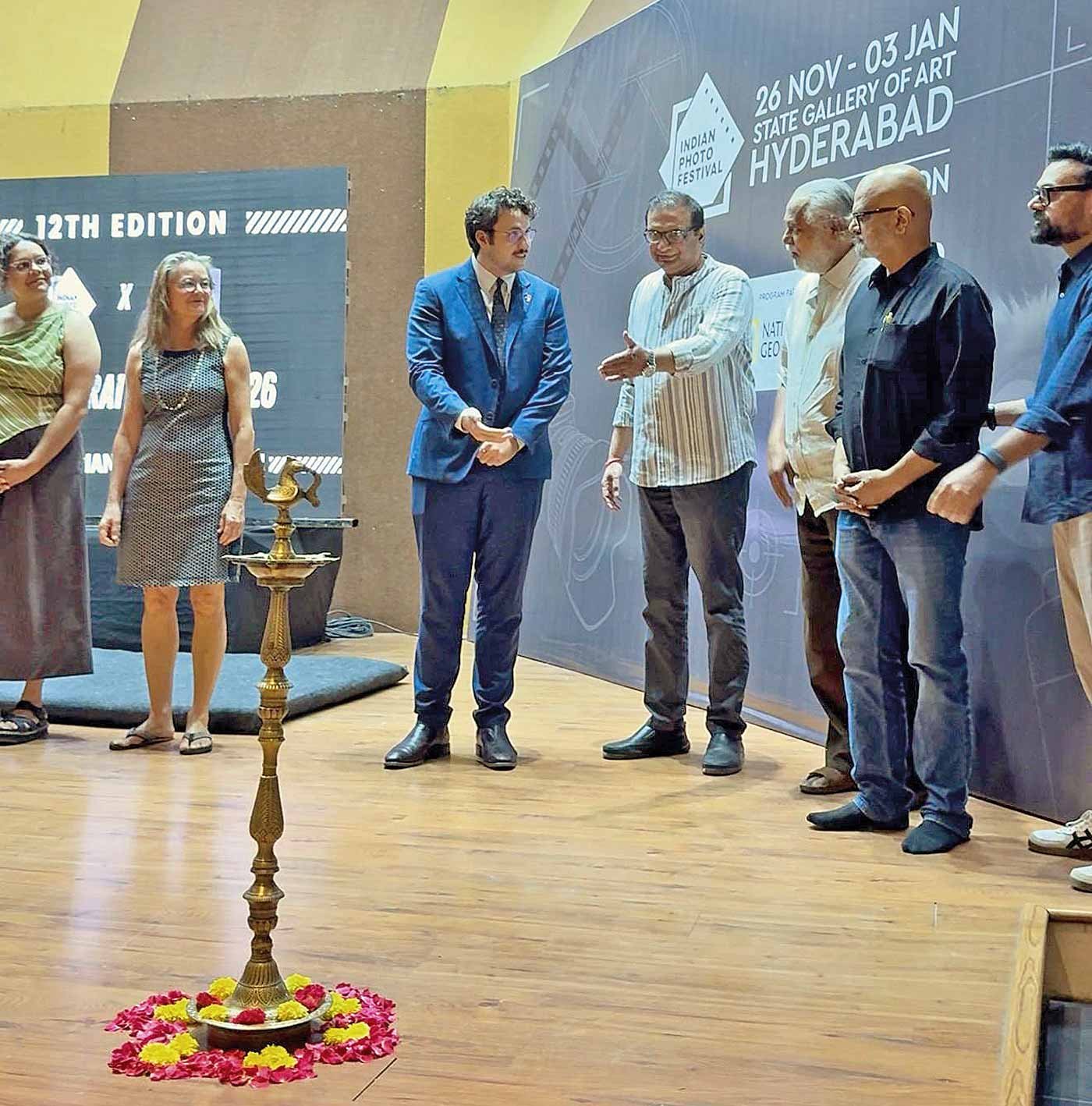
Walking through the State Art Gallery in Madhapur, Hyderabad, one encounters histories that have been conveniently forgotten, communities negotiating environmental crises, landscapes undergoing irreversible change and intimate explorations of identity, faith and belonging.
What makes several of these exhibitions particularly engaging is the years, sometimes decades, of research, personal engagement and sustained observation that have gone into their making. Photography here becomes a means of documenting history as much as questioning it.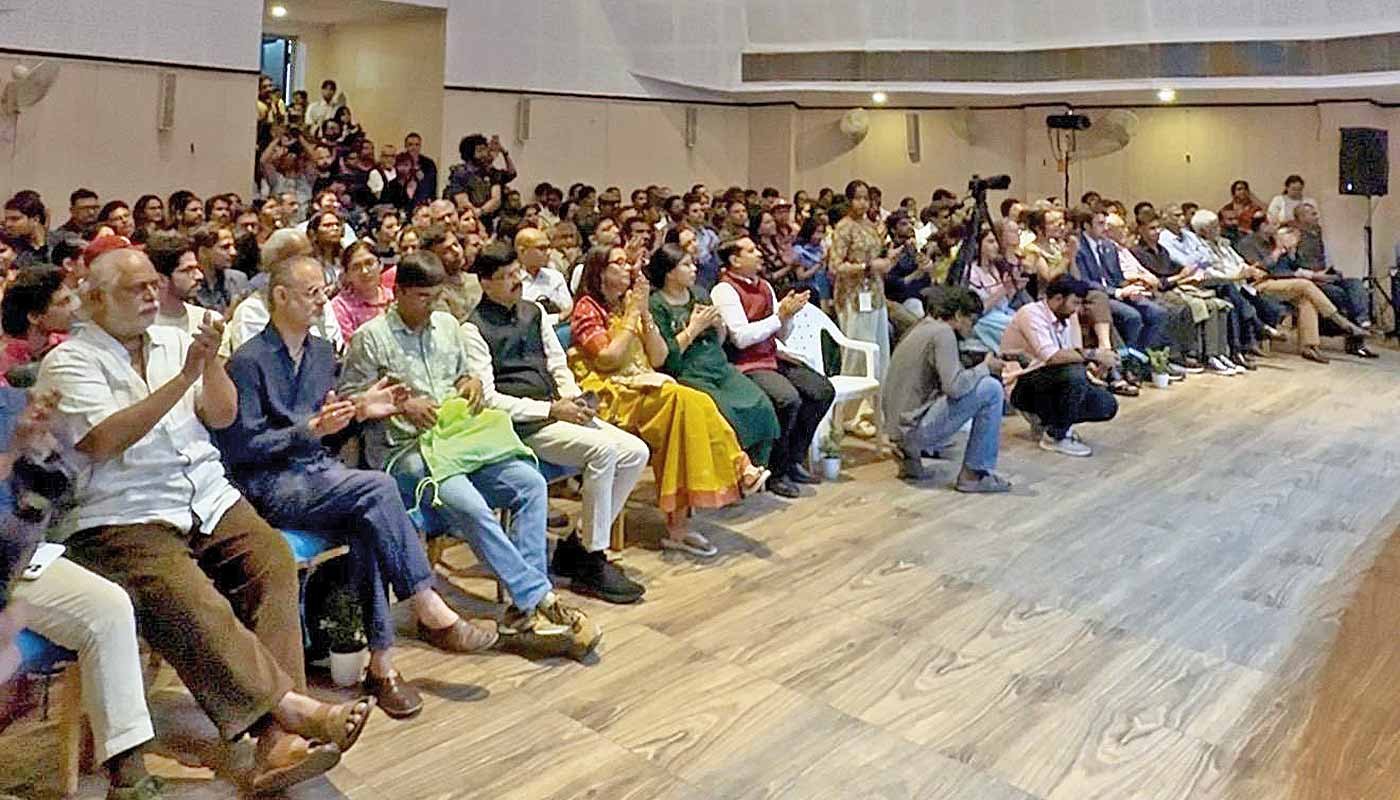
The 12th edition of the Indian Photo Festival, which runs from November 26, 2026, to January 3, 2027, received submissions from 40 countries through its international open call. India’s longest-running international photography festival, IPF is a not-for-profit initiative of the Light Craft Foundation, led by Festival Director Aquin Mathews.
Physical and digital exhibitions, photobooks, artist conversations, workshops, portfolio reviews and cultural experiences make up this year’s programme.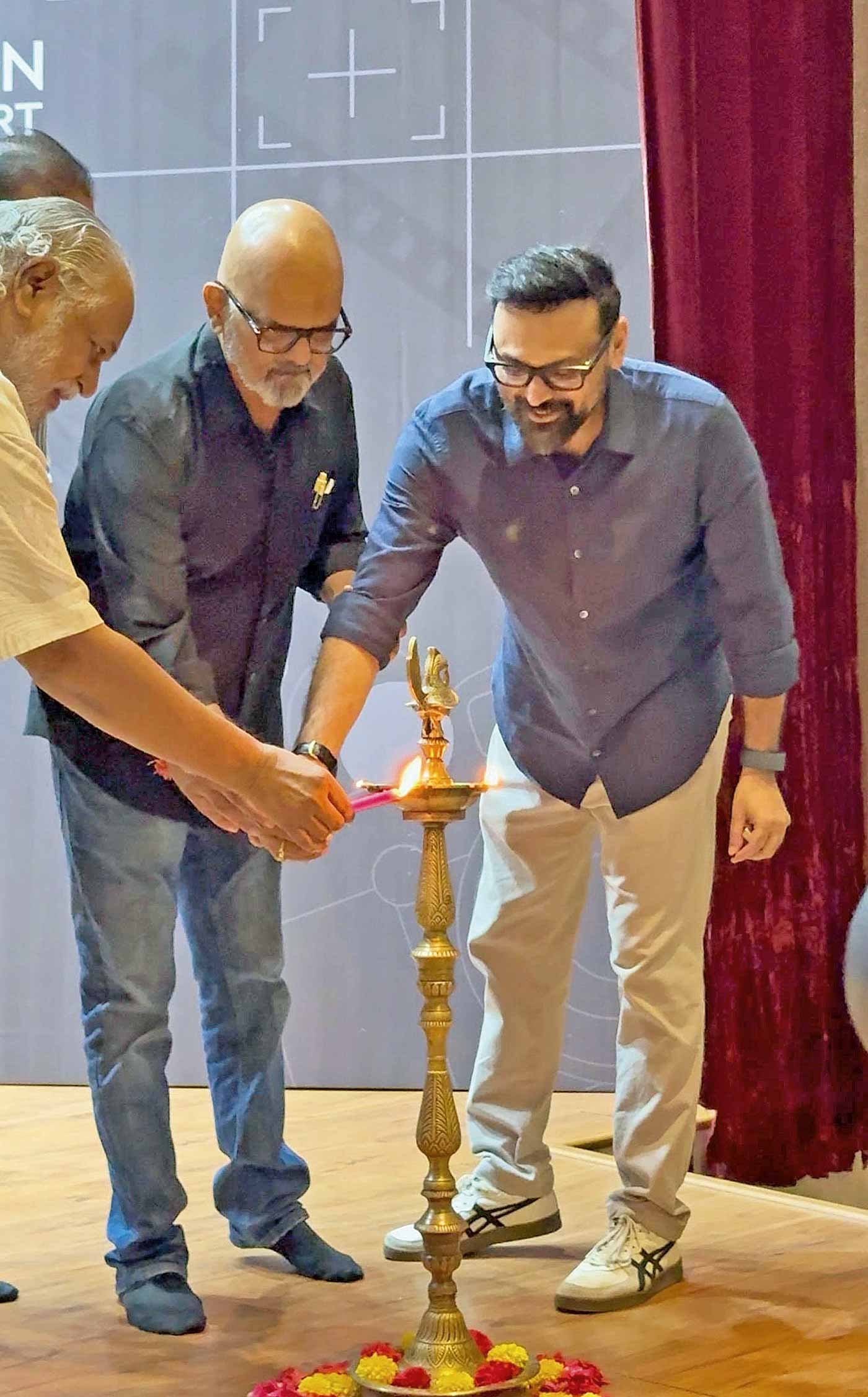
We Were Just Little Boys – Tace Stevens, Australia
Among the most moving exhibitions is Australian photographer Tace Stevens’ We Were Just Little Boys, which revisits a disturbing chapter in Australian history – the Stolen Generations.
Between 1924 and 1970, hundreds of Aboriginal boys were forcibly separated from their families and sent to the Kinchela Aboriginal Boys Training Home in New South Wales. Under government assimilation policies, they were separated from their cultural roots, their names replaced with numbers, and subjected to institutional abuse.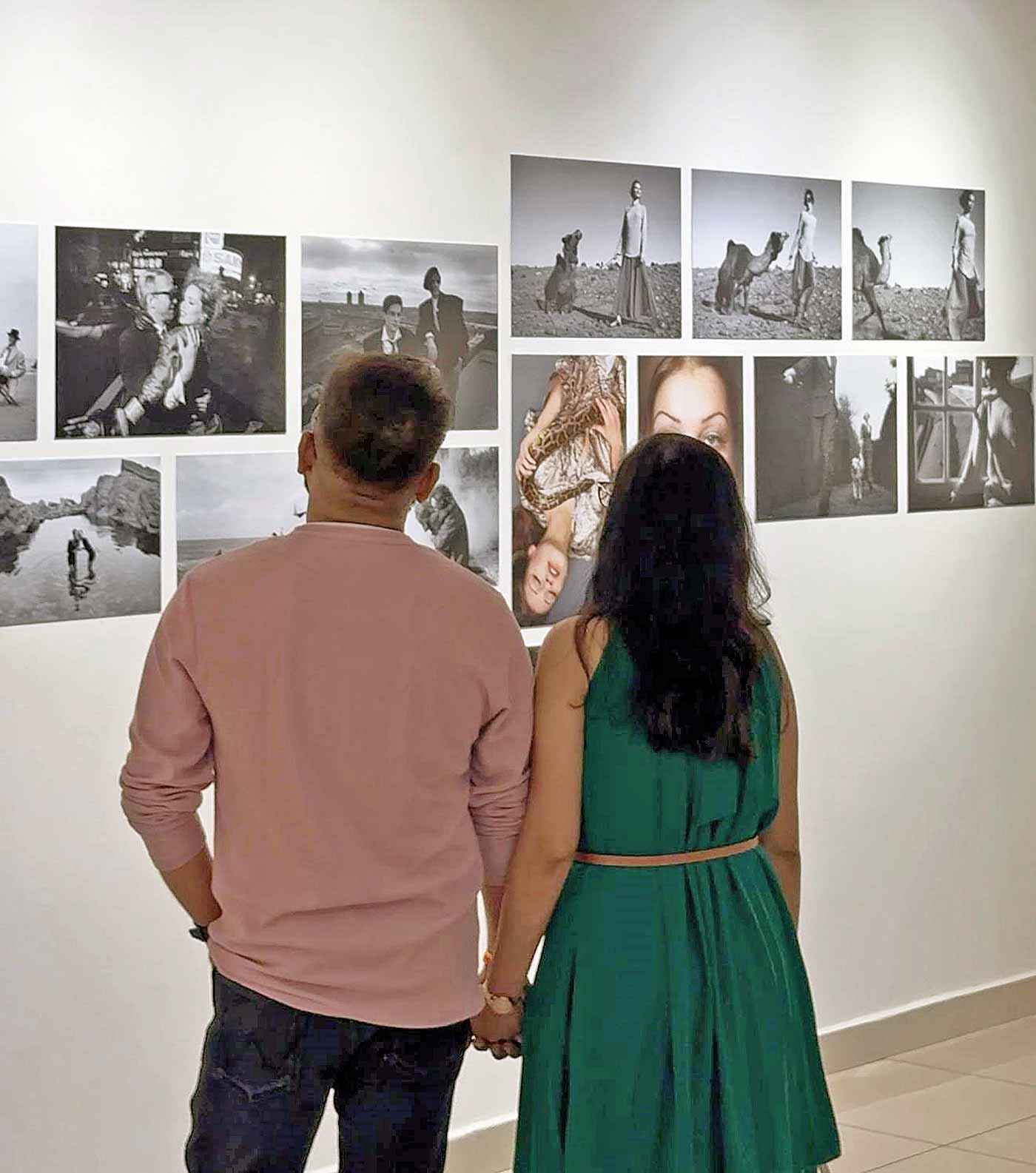
Commissioned in 2023 by the Magnum Foundation and the World Monuments Fund, Stevens’ project brings together portraits of survivors and photographs of the institution and its surroundings.
The apparent tranquillity of the landscape stands in sharp contrast to the violence it once concealed. The boys, now elderly men, return to the narrative on their own terms. Their portraits become an assertion of dignity, identity and survival, reminding viewers that the trauma of the Stolen Generations continues to affect subsequent generations.
In the Shadows of Silent Women – Maryam Firuzi, Iran
One of the most visually arresting exhibitions at the festival is Iranian multidisciplinary artist Maryam Firuzi’s In the Shadows of Silent Women.
Born during the Iran-Iraq War into a family displaced by conflict, Firuzi travelled over 60,000 kilometres across Iran with her mother, photographing women across diverse ethnicities and cultural communities.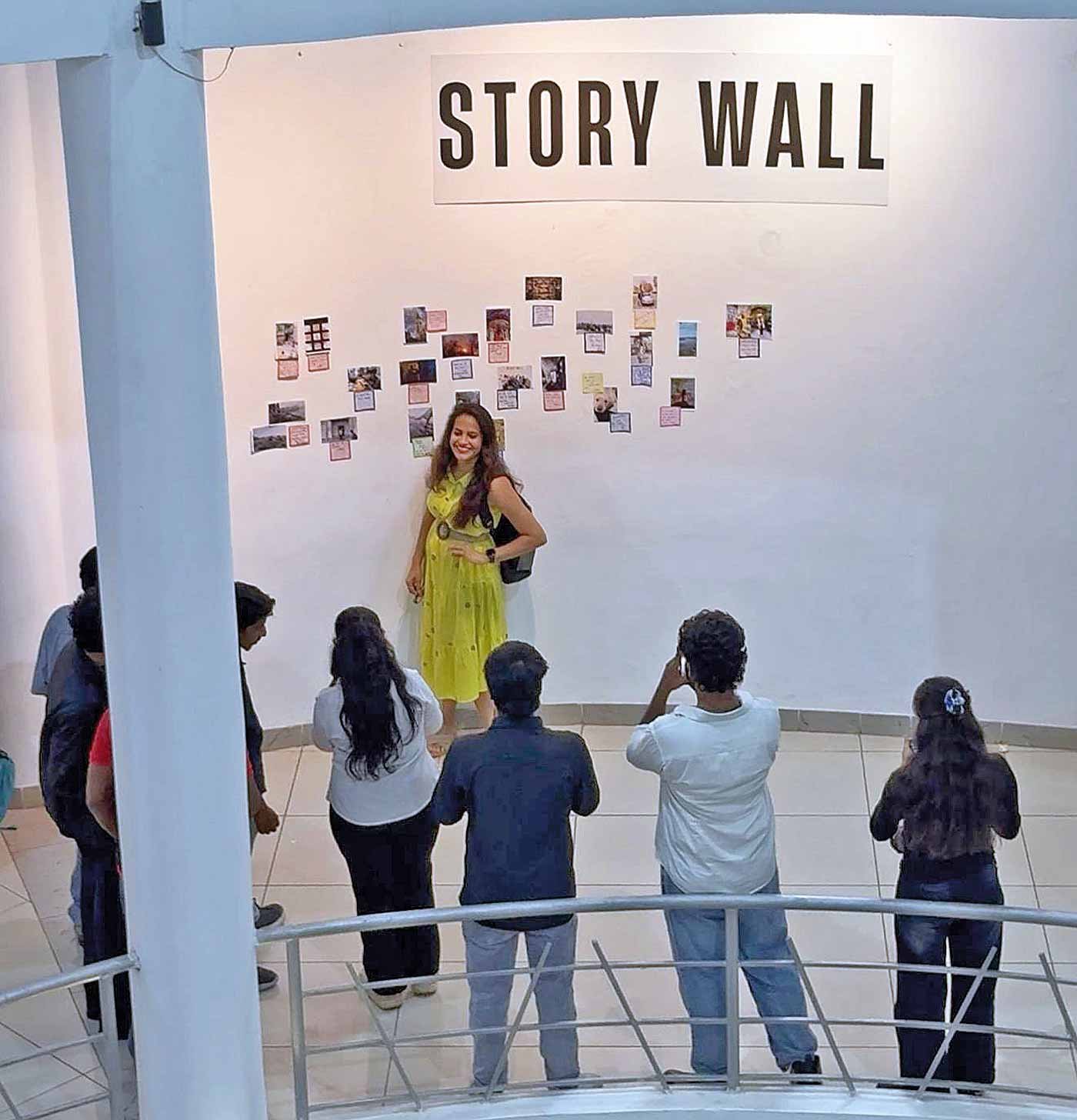
Her richly detailed compositions, vibrant textiles, elaborate domestic spaces, traditional attire and intergenerational gatherings offer a fascinating glimpse into the diversity of Iranian society.
While acknowledging the presence of patriarchy, Firuzi looks beyond stereotypical representations of Iranian women. She discovers female solidarity, individual agency and the role women play in preserving languages, crafts, rituals and ancestral knowledge, even as they negotiate different futures for their daughters.
Many of the photographs are created collaboratively with the women themselves. What began as a personal search for her roots ultimately challenges the very idea that there can be a singular definition of the Iranian woman.
A Displaced Hope – Taha Ahmad, India
At the ruins of the 14th-century Firoz Shah Kotla in New Delhi, faith assumes an unusual expression. Every Thursday, devotees arrive with handwritten petitions, photographs, candles and offerings, seeking the intervention of djinns – supernatural beings in Islamic belief.
Lucknow-born visual artist Taha Ahmad explores this intersection of faith, folklore, vulnerability and history in A Displaced Hope.
Letters tucked into stone alcoves become expressions of personal struggles and unfulfilled hopes. Ahmad examines how marginalisation and limited access to justice can drive people towards supernatural intervention, while addressing the possibilities of exploitation within such systems of belief.
The contradiction of a living space of worship existing within a protected historical monument makes the project particularly thought-provoking. It also draws attention to the transformation of Muslim cultural spaces in post-Partition India.
Unintended Consequences – Masood Sarwer, India
Masood Sarwer’s ongoing photographic investigation, which began in 2018, examines the environmental and humanitarian consequences associated with the Farakka Barrage across the Ganges.
In the Malda and Murshidabad districts of West Bengal, riverbank erosion has swallowed homes, agricultural land and entire settlements, forcing families to relocate repeatedly. Communities inhabiting shifting riverine islands, known as chars, continue to live with uncertainty and limited access to civic amenities.
Sarwer, who grew up in Murshidabad, brings a deeply personal perspective to the subject. His use of directional flash creates stark visual contrasts, drawing attention to what he describes as slow violence – destruction that unfolds gradually, often without attracting the attention it deserves.
The exhibition is as much about the psychological consequences of displacement as it is about environmental degradation.
It Was Forever Until, It Was No More – Marylise Vigneau, France
French documentary photographer Marylise Vigneau examines the enduring legacy of the Soviet Union through a photographic project spanning more than a decade.
Travelling across former Soviet republics, particularly Central Asia and the Caucasus, and subsequently focusing on Ukraine, Vigneau explores the consequences of shifting borders, wars and unresolved histories.
From the environmental devastation caused by Soviet nuclear testing in Kazakhstan and the shrinking of the Aral Sea to the memories of war veterans and displaced communities, her photographs reveal how political decisions continue to shape ordinary lives.
There is a certain poignancy in the title itself. What once appeared permanent has disappeared, yet its consequences remain embedded in landscapes, identities and collective memory.
The River Musi – Structures, Textures and Places of Worship
Closer home, an exhibition curated by Kishor Krishnamoorthi assumes particular significance in the context of Hyderabad’s proposed Musi rejuvenation.
Photographers Madhu Sudhan Mekala, Suresh Villa, Vijay Mandla, Rahul Kota, Durgesh Posimsetti and Praveen Pulletikurru have documented the river and its surroundings, creating a visual record of a landscape on the cusp of transformation.
Bridges, abandoned structures, ghats, shrines, temples, mosques and contemporary buildings reveal a fascinating geography beyond the river itself.
For Hyderabadis, these photographs offer an opportunity to rediscover a part of the city that has gradually receded from public consciousness. They also raise an important question about what we choose to preserve when we reimagine our cities.
Beyond the Spectacle – Bonalu Through the Lens
Curated by Vinod Venkapally and Phalanvita, Beyond the Spectacle explores Telangana’s Bonalu traditions.
Beyond the elaborate rituals, vibrant colours and processions, the group exhibition looks at the people, faith and lived experiences that sustain the festival.
Together with The River Musi, it gives Telangana a distinctive presence within the international showcase, demonstrating the richness of photographic narratives waiting to be explored closer home.
Vital Impacts – Photography for People and the Planet
Environmental concerns find a wider expression in Vital Impacts, an international group exhibition exploring the interconnectedness of human existence and the natural world.
One particularly striking photograph by Supratim Bhattacharjee shows a young girl standing against a turbulent sea in the Sundarbans, where her family’s tea shop was destroyed by storm surges following Cyclone Amphan in 2020.
The photograph brings an intensely human dimension to conversations around climate change.
Featuring photographers including Pat Kane, Francesca Page, Chinky Shukla, Musuk Nolte and Alessandro Cinque, among others, the exhibition moves beyond ecological destruction to stories of conservation, community and resilience.
Bombay Monsoon – Yash Sanjay Sheth, India
There is something distinctly familiar about Yash Sheth’s Bombay Monsoon, an exploration of Mumbai’s bittersweet relationship with the rains.
Documented between 2021 and 2025, the project captures children playing in puddles, people scrambling for shelter and everyday encounters transformed by rain.
Yet, beyond the nostalgia lie flooded railway tracks, disrupted livelihoods and vulnerable settlements. Sheth also draws attention to changing rainfall patterns and the increasing unpredictability of the Indian monsoon. His next chapter takes the project across the country, beginning in Kerala.
Ricoh GR Exhibition – Looking Beyond the Obvious
Curated by Amit Sharma, the exhibition brings together three introspective photographic practices.
In Where the Dust Settles, Sam Mohan explores how landscapes accumulate memories. Zeeshan Chowdhury’s Inner Horizons examines solitude, belonging and his emotional relationship with Bengaluru, while Ankur Acharya’s All Secrets Unknown explores the unexplained and ambiguous within ordinary life.
These works offer an interesting counterpoint to the documentary narratives elsewhere in the festival.
More Photographic Journeys
Among the other exhibitions are Haubitz + Zoche’s exploration of South Indian cinema halls in Hybrid Modernism, Martin Roemers’ Homo Mobilis, Saifuddin Lokhandwala’s rediscovered family archive in The Rocking Horse and Michael Dorohovich’s photographic tribute to Ukraine’s ancient wooden churches.
Suvra Kanti Das documents Bangladesh’s student uprising in The Canvas of Power, while Avani Rao Gandra presents Ecology of Healing.
A special exhibition in collaboration with UNICEF India, Every Child, Every Possibility, addresses children’s rights, education, healthcare, gender equality and climate resilience.
Digital exhibitions, a dedicated photobook exhibition and the works of 20 shortlisted finalists of the IPF Portrait Prize 2026 further expand the showcase.
When the Visitor Becomes the Exhibitor
An interesting addition this year is an interactive photography wall where visitors can get their own photographs printed at the venue and put them up alongside other public contributions.
It is a simple but engaging initiative that democratises the exhibition space, allowing anyone with an interest in photography to participate. The festival flea market adds another dimension to this community experience.
Conversations, Workshops and Learning
The festival’s programme includes conversations with veteran photojournalist Prashant Panjiar, National Award-winning cinematographer Sudeep Chatterjee, street photographer Vineet Vohra, National Geographic Explorer Aishwarya Sridhar and several international photographers.
Panjiar’s photobook, Ayodhya: Epicentre of a Divide, documenting four decades of the city’s transformation, is also being launched.
Workshops cover street and mobile photography, analogue photography, darkroom printing, cyanotype printing and grant writing. Sam Harris leads a three-day mentorship programme on developing personal photographic projects, while National Geographic offers professional portfolio reviews.
Supported by the Government of Telangana, Telangana Tourism, State Art Gallery, National Geographic and other partners, IPF continues to invest in photographic talent. This year also marks the return of the IPF Grant, offering total financial support of ₹2.5 lakh.
In an age when photographs are produced and consumed in unprecedented numbers, the Indian Photo Festival makes a compelling case for slowing down, looking closely and understanding the realities that exist beyond the frame.
It is worth setting aside a few hours, perhaps even making more than one visit. Many of these photographs deserve more than a passing glance.
Indian Photo Festival 2026 – Visitor Information
Dates: November 26, 2026 – January 3, 2027
Principal Venue: State Art Gallery, Madhapur, Hyderabad
Festival Director: Aquin Mathews
Organised by: Light Craft Foundation
Entry: Free
Programme details and registrations: www.indianphotofest.com