

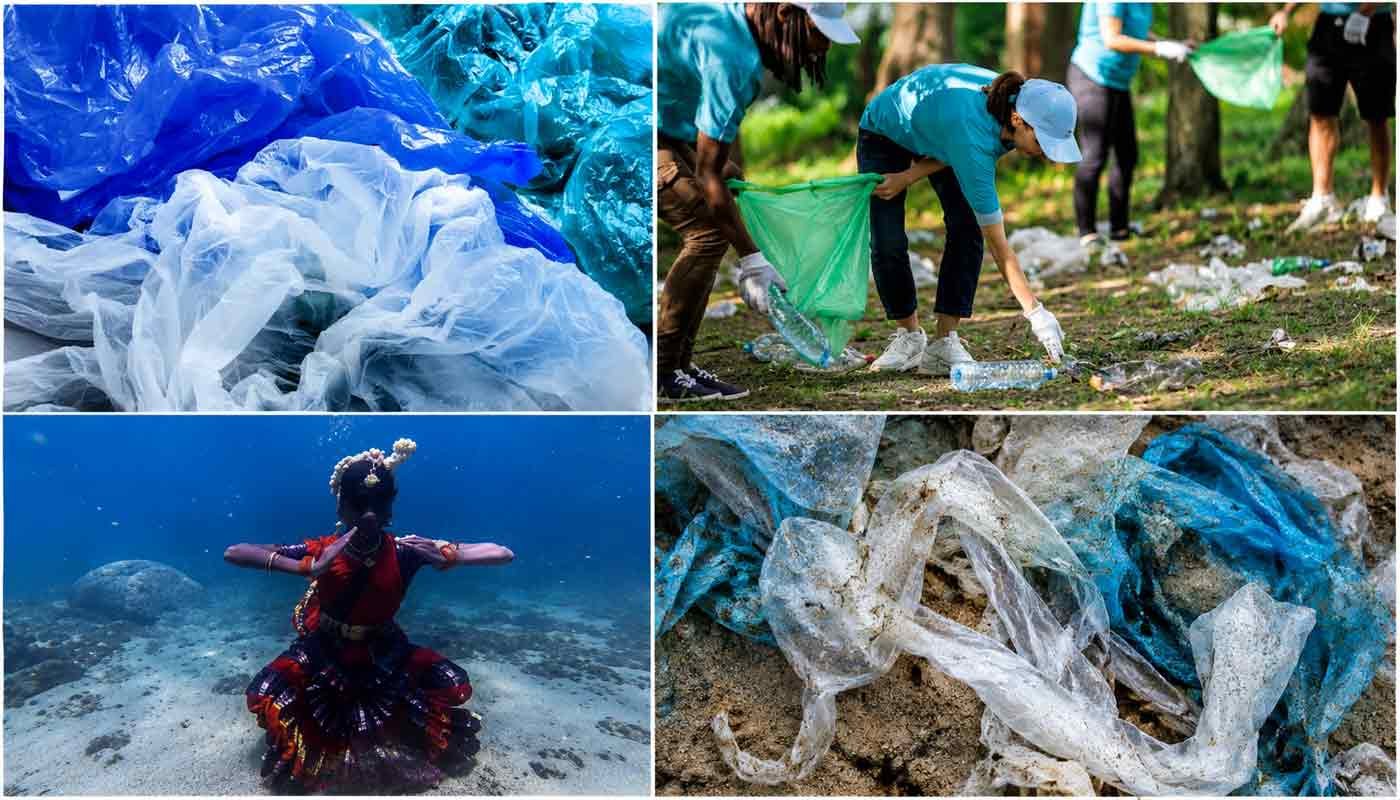
Every year, July 3 marks International Plastic Bag Free Day, a reminder that one of humanity’s greatest conveniences has quietly become one of its greatest environmental threats. Plastic bags are everywhere in our homes, markets, rivers, oceans, and even inside our bodies. Yet, despite decades of awareness campaigns, they continue to dominate our daily lives.
Perhaps that’s because plastic pollution is a crisis that doesn’t demand immediate attention. Unlike floods or earthquakes, the damage isn’t visible overnight. It accumulates silently, year after year, until its consequences become impossible to ignore.
Scientists have repeatedly warned that plastic takes hundreds of years to decompose, breaking down into microscopic particles known as microplastics. These tiny fragments have now been found in drinking water, seafood, agricultural soil, human blood, lungs, and even placentas. Researchers continue to study their long-term health effects, but growing evidence suggests they may contribute to inflammation, hormonal disruptions, and other health concerns.
The environmental cost is equally alarming. Every year, millions of tonnes of plastic enter rivers and oceans, where marine animals often mistake it for food. Sea turtles consume floating plastic bags thinking they are jellyfish, seabirds feed plastic to their chicks, and countless marine species become entangled in discarded waste. On land, clogged drainage systems caused by plastic waste worsen urban flooding during the monsoon, turning a convenience into a public hazard.
While governments have introduced bans on single-use plastics and encouraged reusable alternatives, real change ultimately depends on everyday choices made by individuals.
One particularly inspiring example came from Pondicherry University, where a student used the classical Indian dance form Bharatanatyam to spread awareness about plastic pollution. Performing barefoot on a beach littered with plastic waste, the dancer transformed an ancient art form into a modern environmental message. The performance wasn’t merely artistic, it was symbolic. Every graceful movement stood in stark contrast to the plastic scattered across the shoreline, reminding viewers that protecting nature is a shared cultural responsibility, not just an environmental one. The performance quickly resonated online, proving that awareness doesn’t always have to come through speeches or campaigns, sometimes, art speaks louder.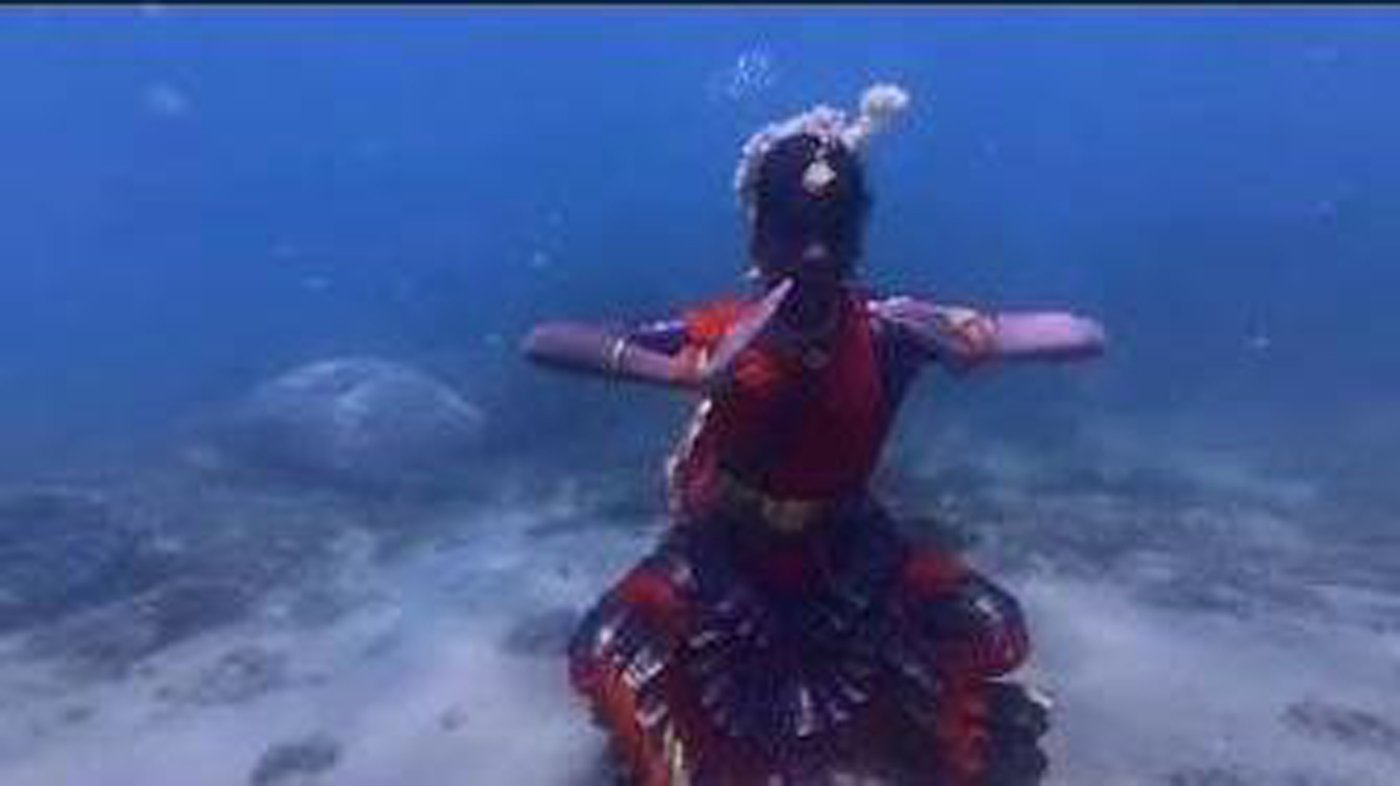
International Plastic Bag Free Day is not about eliminating plastic overnight. It’s about questioning habits that have become second nature. Carrying a reusable shopping bag, refusing unnecessary plastic packaging, choosing cloth alternatives, and supporting sustainable businesses may seem like small actions, but collectively they create meaningful change.
The irony is hard to ignore. Plastic bags are often used for just a few minutes, yet they remain on Earth for centuries.
As the world observes International Plastic Bag Free Day, perhaps the most important question isn’t whether plastic is harming the planet we already know it is.
The real question is whether we are willing to change before the damage becomes irreversible. Because unlike plastic, we don’t have hundreds of years to wait.