

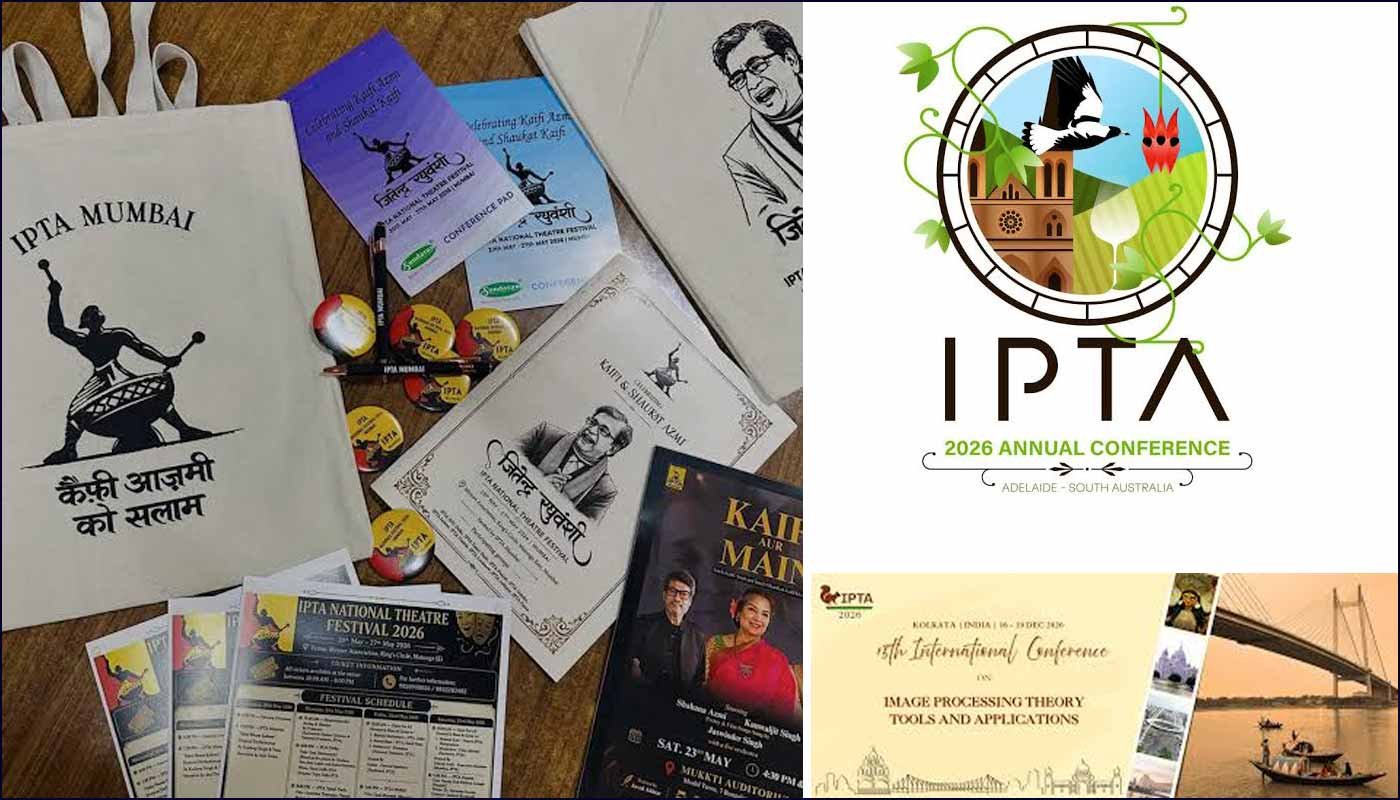
Every year, when the Indian People’s Theatre Association (IPTA) rolls out its annual festival in Mumbai, the stage doesn’t just light up with actors, it flickers with a far bigger truth: Indian theatre is undergoing a quiet but powerful revival.
From Mumbai’s Mysore Association to regional theatres across 22 states, IPTA’s May 20–27 festival draws national talent, fresh plays in multiple languages, and packed audiences hungry for stories that matter. This isn’t nostalgia; it is a sign that theatre is reclaiming its place as a necessary space for collective reflection, resistance, and joy.
Deep‑Rooted Legacy Meets New Energy
IPTA, founded during the Quit India Movement in 1942, has long positioned theatre as a people’s art, rooted in social justice, democracy, and national integration. Today, its annual festival channels this legacy into productions that tackle gender justice, labour rights, agrarian distress, climate change, and communal harmony. Young practitioners inherit a history of political and cultural engagement, while adding fresh aesthetics, multilingual narratives, and digital‑savvy storytelling that attract a wider audience.
Diverse Voices and Vernacular Strength
One of the clearest signs of revival is the sheer diversity of voices on stage. The IPTA festival features groups from Nashik and other cities performing in Hindi, Marathi, and other regional languages, foregrounding local idioms and lived experiences.
This linguistic plurality signals a shift from elite, metropolitan theatre to a more inclusive, grassroots ecosystem where regional artists are not “side‑stages” but core to the national conversation.
Workshops, Panels, and Audience Engagement
Beyond performances, the festival is packed with workshops on scriptwriting, direction, panel discussions, and audience interaction forums.
These platforms function like a theatre‑lab, where emerging writers, directors, and actors learn, critique, and network. Audiences are no longer passive spectators; they are invited into post‑show dialogues, feedback sessions, and collaborative reflections, deepening their emotional and intellectual investment in theatre.
Theatre as a Cultural Safety Net
In an era of algorithm‑driven entertainment, theatre offers something rare: a live, unmediated space for shared emotion and debate.
IPTA’s sustained presence, over 60 years of annual festivals, children’s theatre, choir programmes, and seminars, proves that theatre can be both popular and serious, entertaining and politically resonant. This mix of continuity and experimentation is why Indian theatre feels less like a relic and more like a quietly thriving ecosystem, poised for a broader, long‑term revival.