

In 2022, Portugal’s Health Minister Marta Temido resigned after the death of a 34-year-old pregnant Indian tourist who suffered a cardiac arrest after being transferred between hospitals during a period of intense pressure on the country’s maternity services.
The tragedy triggered widespread criticism of Portugal’s healthcare system. Although the minister was not personally responsible for the woman’s death, she accepted political responsibility and stepped down.
Her resignation became a reminder of an important democratic principle: public office comes with public accountability. The contrast has reignited conversations in India about what accountability should look like when institutions face major crises.
The Principle Behind Political Responsibility
In many parliamentary democracies, ministers sometimes resign not because they personally caused a tragedy, but because they lead the ministry responsible for the system under scrutiny.
Such resignations are generally viewed as acts of political accountability rather than admissions of criminal guilt. Whether or not one agrees with every resignation, the principle sends a message that public trust matters.
India’s Education Crisis Sparked Demands for Accountability
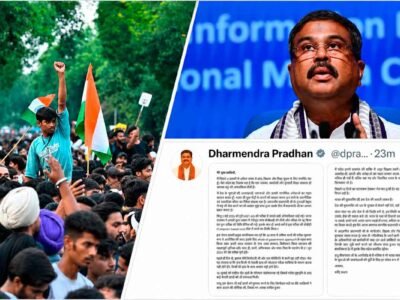
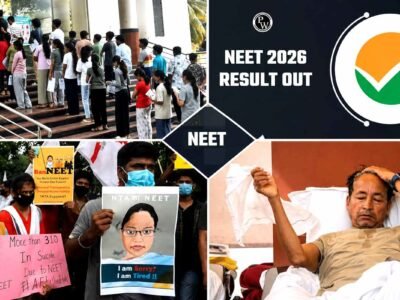
India’s education system has faced sustained criticism following controversies surrounding national entrance examinations, allegations of paper leaks, repeated student protests, and concerns over institutional credibility.
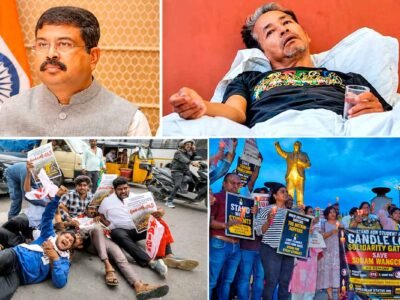
The issue has gone beyond examination logistics. For many students, it has become a question of trust. Throughout the protests, opposition parties, student organisations, teachers, activists, and many citizens have repeatedly demanded accountability from the Union Education Ministry, with some calling for Education Minister Dharmendra Pradhan to resign.
However, Pradhan has rejected calls to step down and has maintained that the government is addressing the issues through reforms and investigations.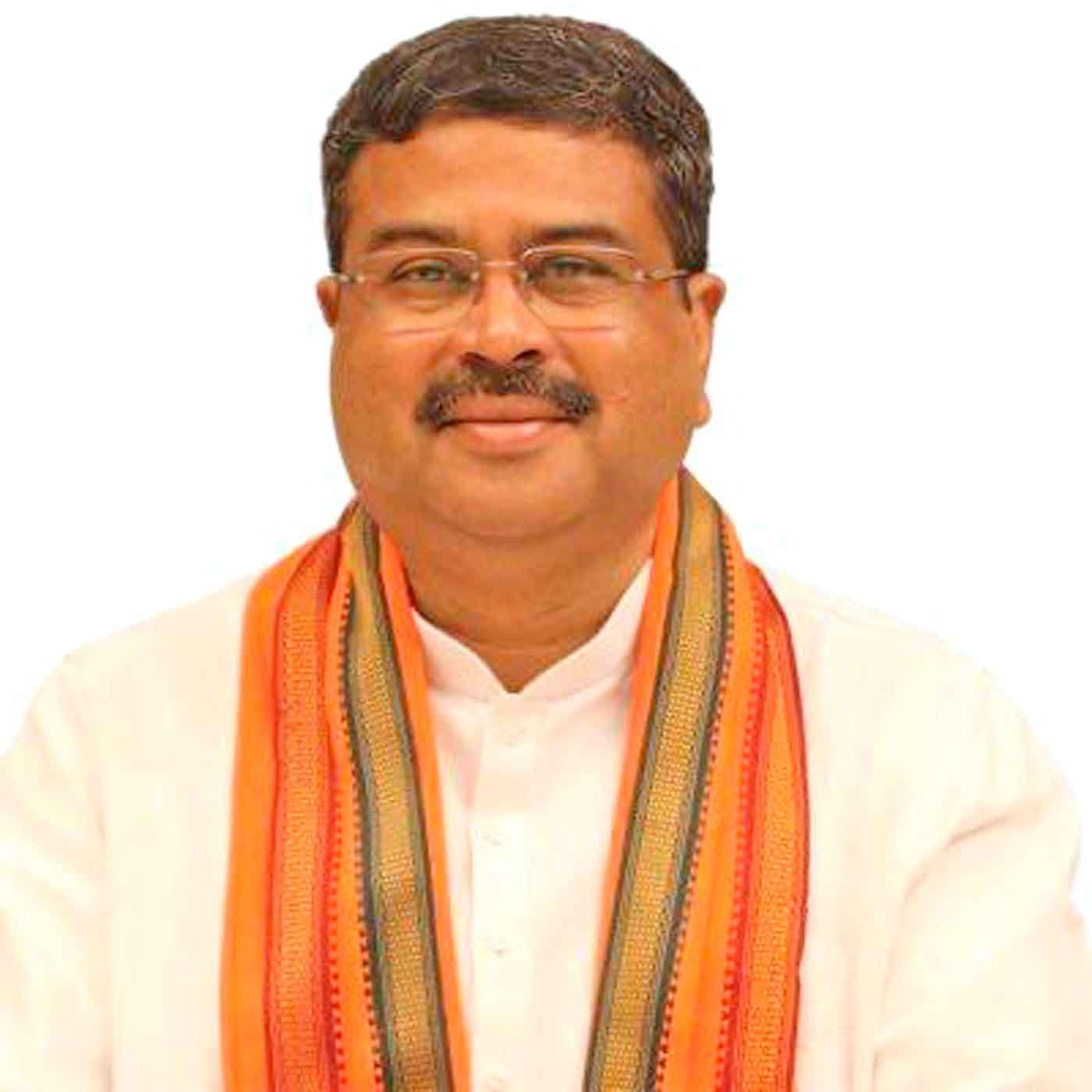
A Crisis That Has Taken a Human Toll
The examination controversies have also been accompanied by reports of student distress, including cases of suicide involving aspirants. Mental health experts have repeatedly warned that India’s highly competitive examination ecosystem places enormous psychological pressure on students, and that controversies affecting examinations can deepen anxiety among already vulnerable candidates.
While individual tragedies often have multiple contributing factors, each loss has intensified public calls for stronger institutional responsibility and reforms.
Words That Deepened the Divide
The public debate became even more polarised after remarks made by the Education Minister in which he criticised sections of the protest movement, characterising some participants as politically motivated.
Supporters of the government argue that organised political groups have attempted to exploit student concerns. Critics, however, believe such remarks unfairly dismiss genuine frustration among students demanding transparency and accountability.
The language used by public leaders during moments of crisis often shapes how affected communities feel they are being heard, or ignored.
Accountability Is More Than Resignation
Whether a minister should resign is ultimately a political question, and reasonable people can disagree. Some believe meaningful reforms are more important than symbolic resignations.
Others argue that accepting responsibility through resignation strengthens democratic institutions by reinforcing public trust. The comparison with Portugal has reopened this debate because it illustrates two very different approaches to political responsibility.
Democracy Requires More Than Elections
The strength of a democracy is not measured only by elections. It is also measured by how governments respond when citizens lose confidence in public institutions.
Students asking questions about examinations, transparency, or educational policy are exercising democratic rights. Responding to those concerns with dialogue, accountability, and institutional reform remains one of the central responsibilities of any elected government.
The conversation, ultimately, is larger than any one minister. It is about what citizens should reasonably expect from those entrusted with governing public institutions and what political accountability should mean in a democracy.