

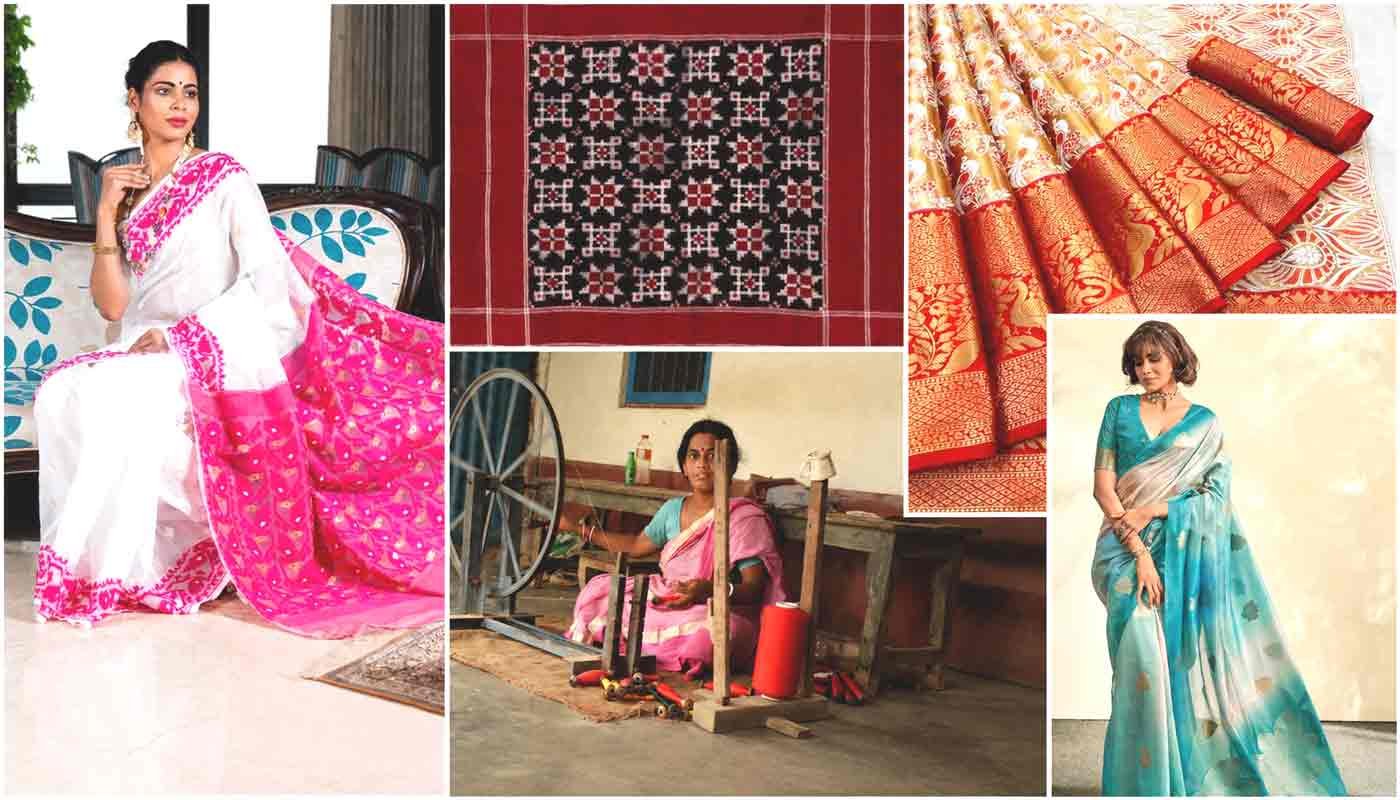
Some fabrics do far more than clothe us, they carry centuries of history, preserve regional identities, and keep entire communities alive. Every thread woven on a handloom tells the story of a craft passed down across generations, making India’s textile heritage one of the richest in the world.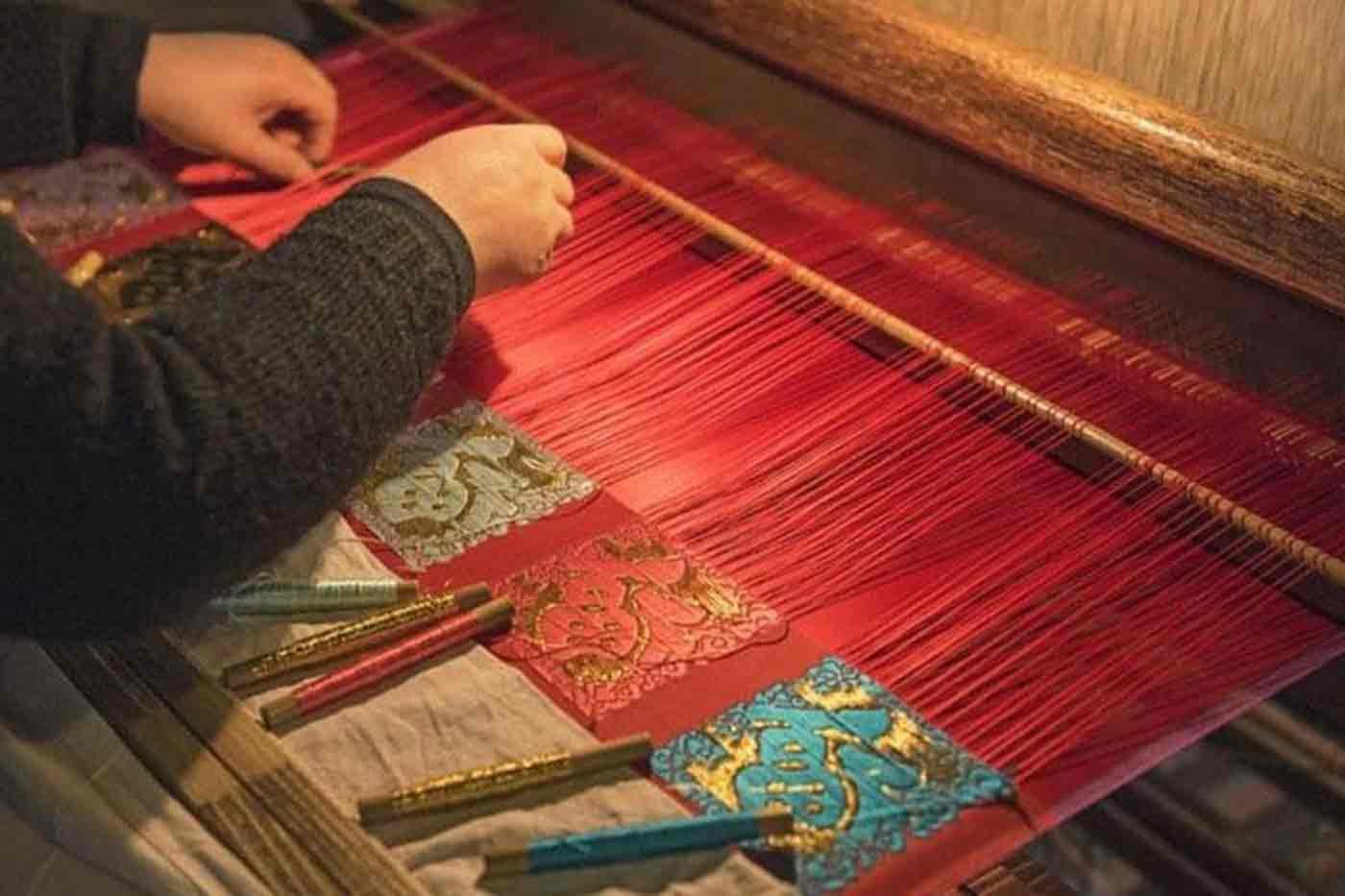
As the country marks National Handloom Day today, it is an opportunity to celebrate not just the beauty of handcrafted textiles but also the millions of artisans whose livelihoods depend on them. Beyond its cultural significance, the handloom sector remains one of India’s largest sources of rural employment, supporting millions of families across the country.
A Lifeline for Millions of Families
India’s handloom sector is the country’s second-largest source of employment after agriculture among rural and traditional industries. It supports millions of weaving households across villages and small towns, providing livelihoods that have sustained communities for centuries.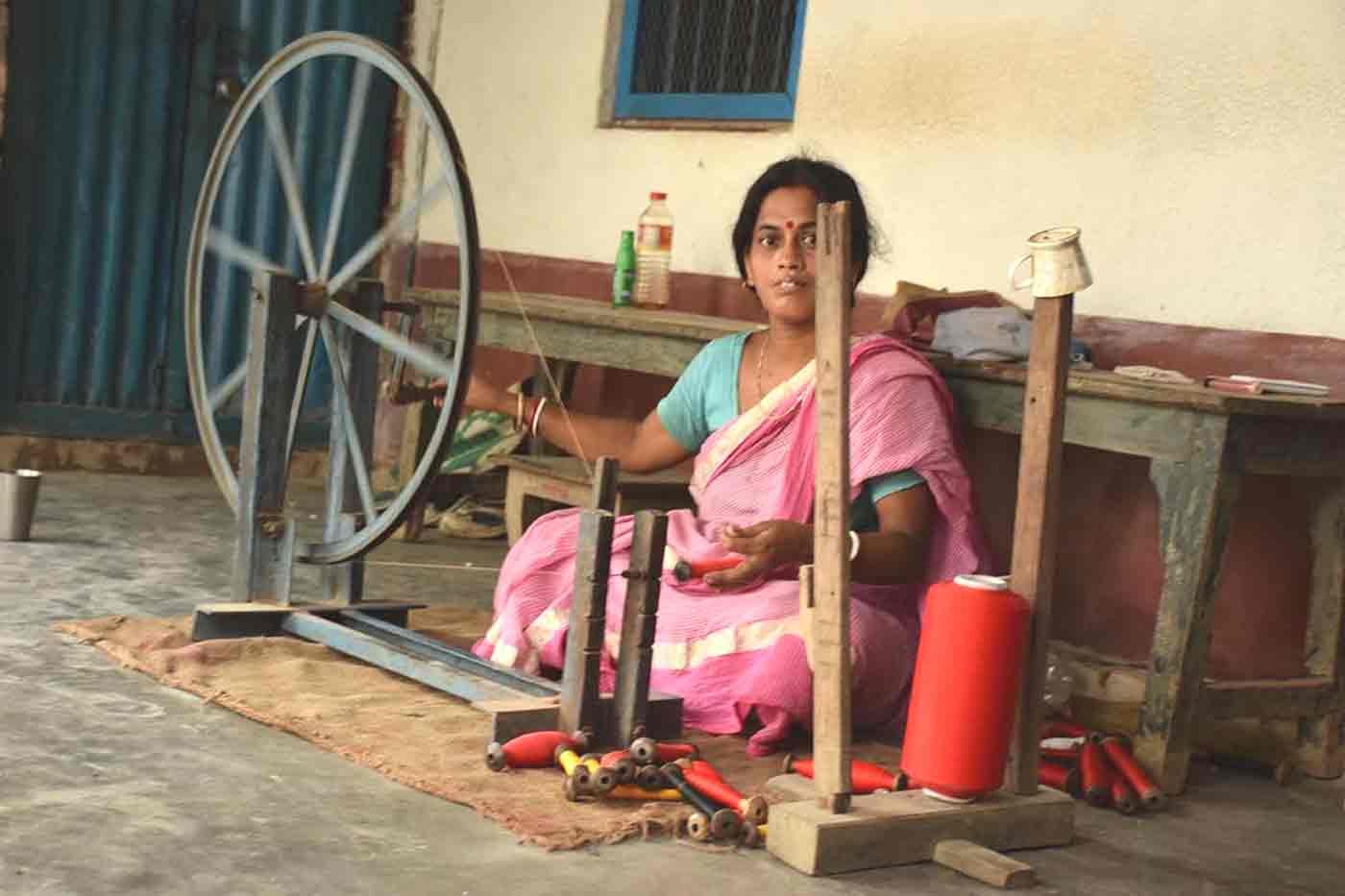
One of the sector’s most remarkable achievements is its role in women’s economic participation. Nearly 72% of the handloom workforce comprises women, making it one of the largest women-led traditional industries in the country. From spinning yarn and dyeing fabrics to weaving intricate motifs and managing family-run enterprises, women remain the backbone of India’s handloom ecosystem.
For many rural households, handloom weaving is not simply an occupation, it’s a source of financial independence, cultural continuity, and intergenerational knowledge.
The Fabrics That Define India
India’s handloom traditions are incredibly diverse, with every region developing its own weaving techniques, motifs, and storytelling traditions.
Among the country’s most celebrated handloom textiles is the Banarasi Silk of Varanasi, renowned for its luxurious silk, intricate zari work, and timeless bridal appeal. Equally iconic is Kanjeevaram Silk from Tamil Nadu, admired for its rich colours, contrasting borders, and exceptional craftsmanship that often allows a saree to last for generations.
From Madhya Pradesh comes the elegant Chanderi, celebrated for its feather-light texture and delicate sheen, while Telangana’s Pochampally Ikat is instantly recognisable for its mathematically precise geometric patterns created through the complex resist-dyeing technique.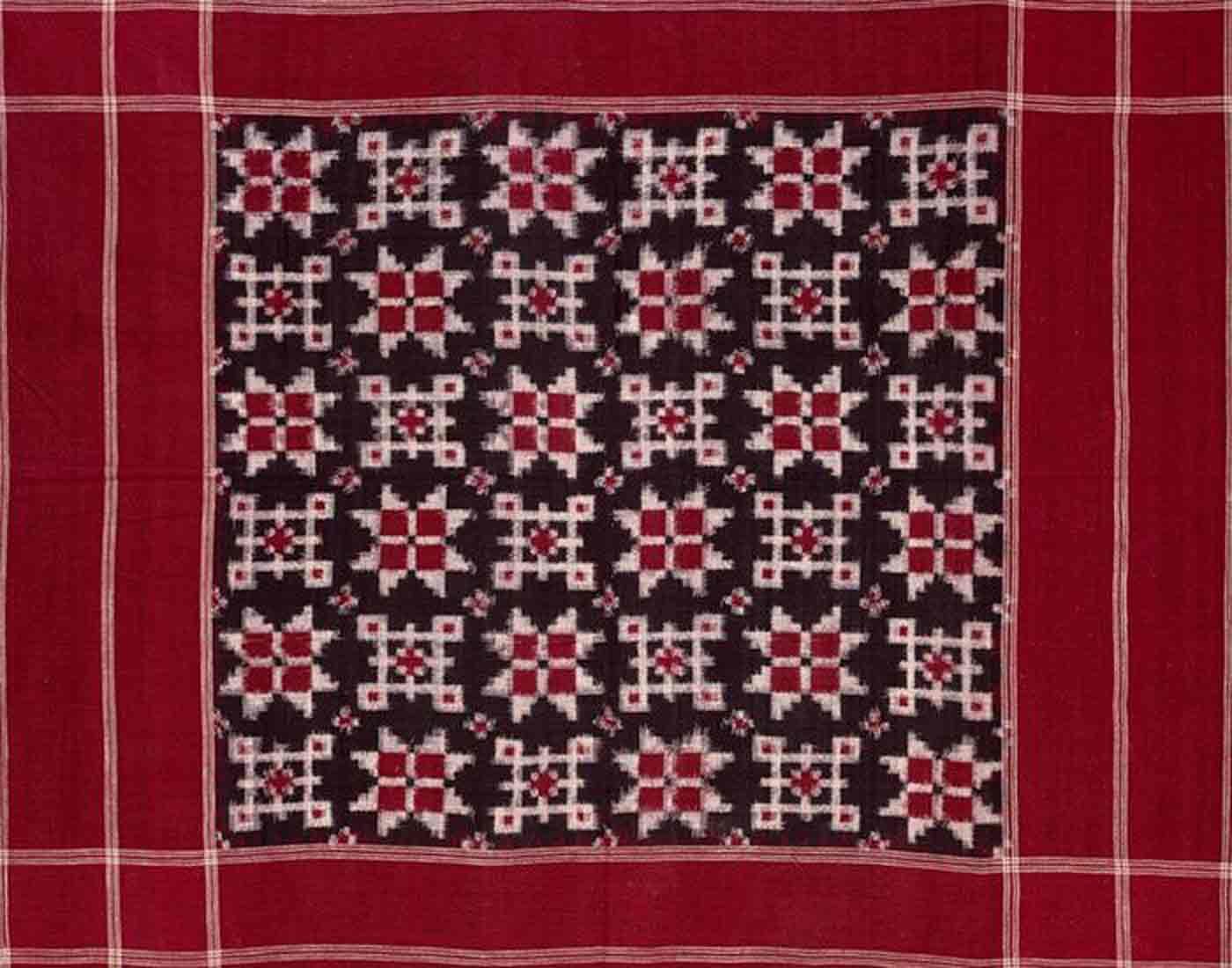
West Bengal’s ethereal Jamdani continues to mesmerise with its handwoven floral motifs that appear to float across the fabric, while Odisha’s Sambalpuri Ikat tells stories through traditional motifs inspired by nature, mythology, and local folklore.
Each weave is more than fabric, it is the cultural fingerprint of the community that created it.
Why Handloom Still Matters
In an age dominated by mass production and fast fashion, handloom represents something increasingly rare: patience, sustainability, and individuality.
Unlike factory-made textiles, every handwoven piece carries subtle variations that make it unique. The production process consumes significantly less energy, relies on traditional skills rather than industrial machinery, and supports local artisan communities instead of large-scale manufacturing.
Choosing handloom is therefore not only a fashion statement but also an investment in sustainable craftsmanship and cultural preservation.
Preserving More Than Just Fabric
National Handloom Day is ultimately about recognising the people behind the loom. Every saree, stole, dupatta, or length of fabric reflects hours, sometimes days or even weeks, of painstaking craftsmanship.
As younger generations increasingly rediscover handmade textiles, the future of Indian handloom appears more hopeful than ever. Supporting these artisans means protecting centuries of knowledge, encouraging sustainable livelihoods, and ensuring that India’s remarkable textile traditions continue to thrive.
Because when we celebrate handloom, we aren’t simply celebrating fabric. We’re celebrating the hands, stories, and heritage that weave India together.