


For months, the global economy has watched the Middle East with growing concern. Escalating tensions between the United States and Iran had pushed energy markets into uncertainty, driving oil prices higher and raising fears of prolonged supply disruptions. Today, however, the narrative appears to be shifting. As diplomatic efforts gain momentum and negotiations between the two countries move forward, oil prices have begun to fall, offering a welcome sign of relief for markets and consumers alike.
The recent decline in crude oil prices follows reports of a breakthrough between the United States and Iran. Both sides have moved towards an agreement that could restore stability in one of the world’s most critical energy corridors—the Strait of Hormuz. The proposed framework includes steps towards reopening shipping routes and reducing restrictions that had disrupted the flow of oil through the region. As traders anticipated improved supply conditions, oil prices responded immediately by moving lower. Recent market data showed Brent crude and West Texas Intermediate both recording significant declines after news of the agreement emerged.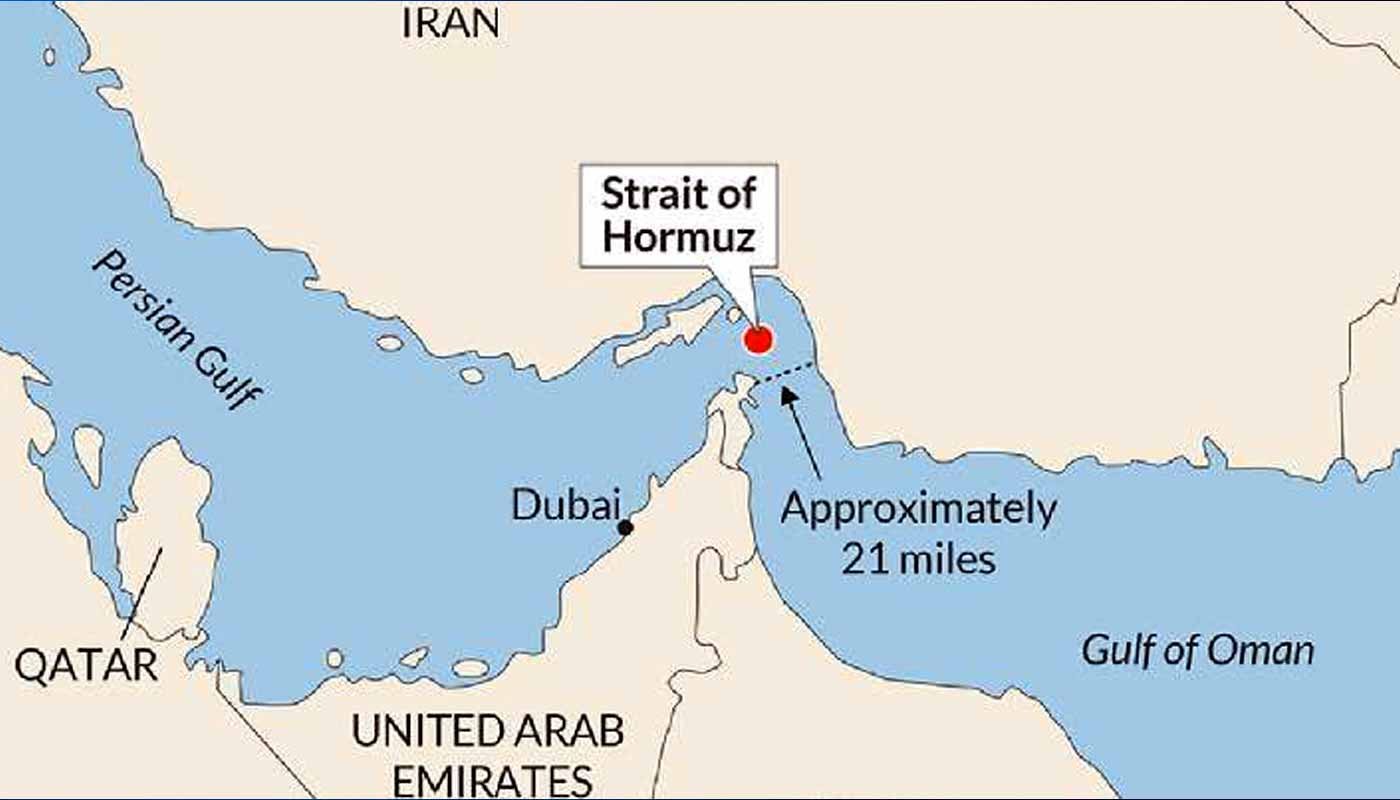
The Strait of Hormuz is far more than a geographical passage. Roughly one-fifth of the world’s oil supply passes through this narrow waterway, making it one of the most strategically important routes in global trade. When tensions escalated and shipping was disrupted, fears of supply shortages pushed prices upward. Now, as negotiations progress and maritime traffic begins to recover, the geopolitical risk premium that had inflated oil prices is gradually being removed from the market.
For consumers, falling oil prices could eventually translate into lower fuel costs and reduced transportation expenses. Businesses that rely heavily on energy inputs may also benefit from easing crude prices. Countries like India, which import a significant portion of their oil requirements, stand to gain from any sustained decline in global energy costs.
However, experts caution that the situation remains fluid. While markets have welcomed the diplomatic breakthrough, many elements of the agreement still require implementation and verification. Negotiations concerning Iran’s broader nuclear programme and regional security arrangements continue to present challenges. Any setback in the talks could quickly reverse recent gains and inject fresh volatility into energy markets.
What makes this development particularly significant is that it demonstrates the power of diplomacy in shaping economic outcomes. Oil prices are not determined solely by supply and demand; they are also influenced by political decisions, strategic alliances, and investor confidence. The recent fall in oil prices serves as a reminder that negotiations can sometimes have as much impact on markets as production figures or economic data.
For now, traders, governments, and consumers alike will be watching closely. If the current momentum continues and both nations successfully translate negotiations into long-term stability, the recent decline in oil prices may prove to be more than a temporary reaction. It could mark the beginning of a more stable chapter for global energy markets.