
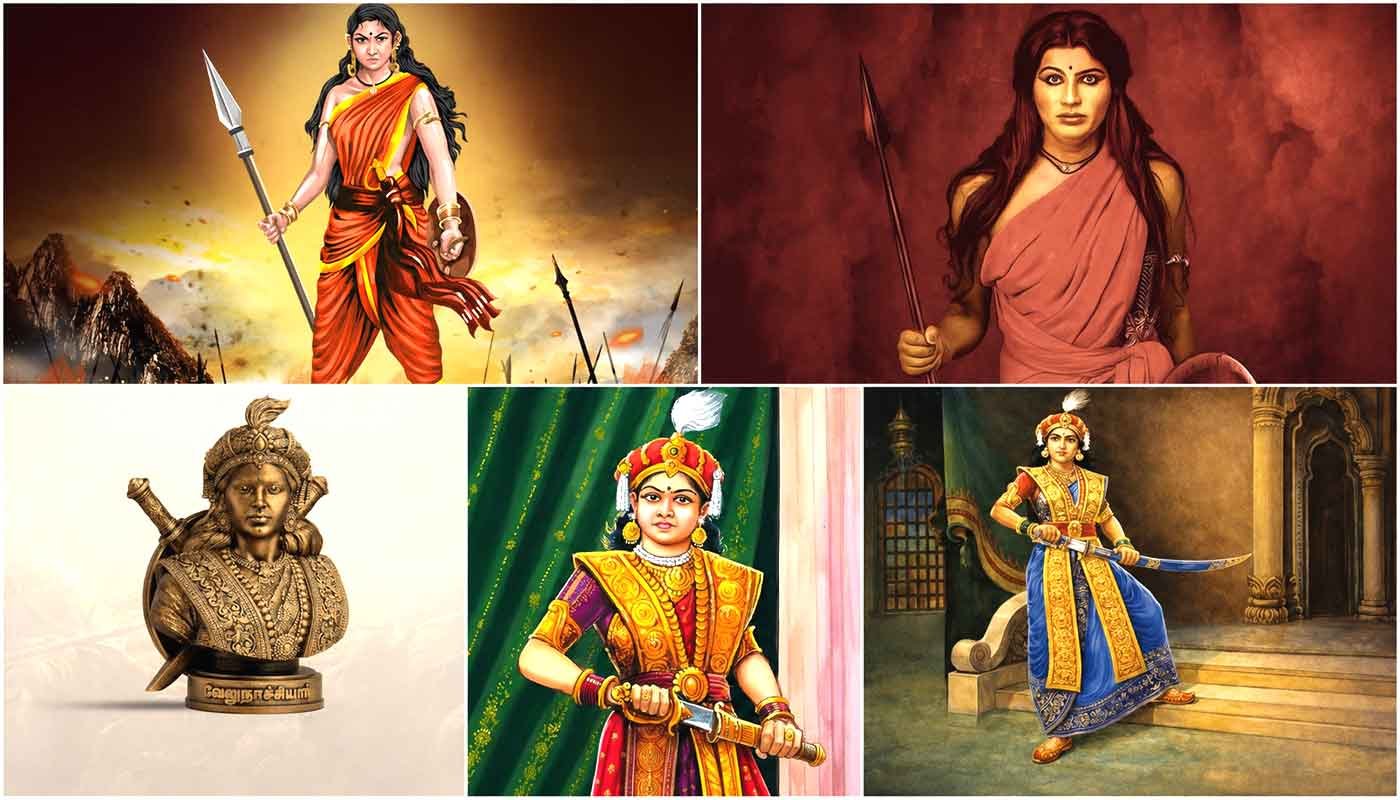
When conversations about India’s women freedom fighters begin, one name almost always dominates the narrative, Rani Lakshmibai of Jhansi. Her courage deserves every bit of recognition it receives. But what if we told you that nearly eight decades before Lakshmibai’s uprising of 1857, another Indian queen had already declared war against the British, defeated them, and reclaimed her kingdom?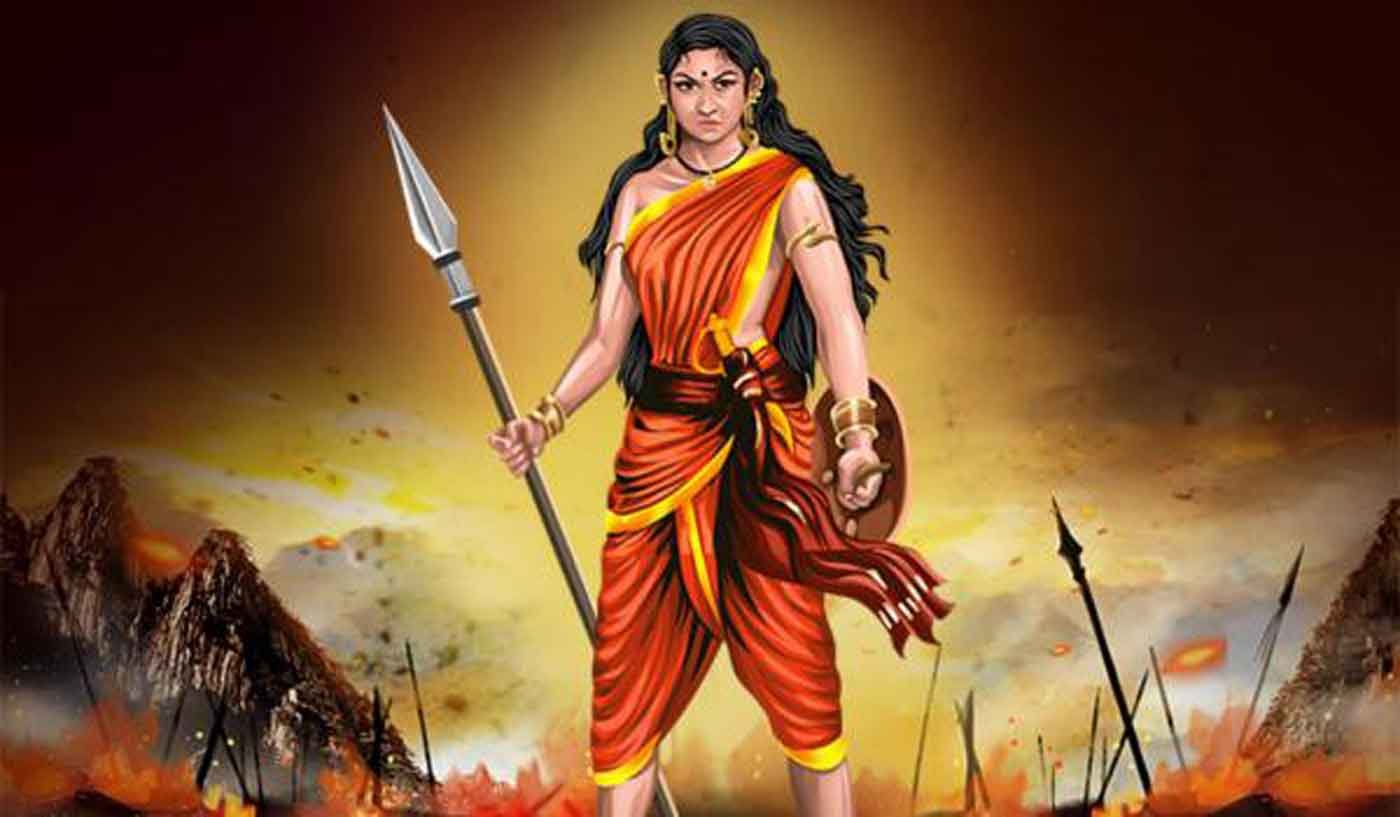
Her name was Rani Velu Nachiyar, and it is time the rest of India remembered her.
The Queen of Sivagangai
Born in 1730, Rani Velu Nachiyar became the queen of the Kingdom of Sivagangai in present-day Tamil Nadu after marrying King Muthu Vaduganatha Periya Udaiyathevar. Unlike many royal women of her era, Velu Nachiyar was trained from childhood in horse riding, archery, sword fighting, and martial arts. She was also fluent in several languages, including Tamil, Urdu, French, and English, an uncommon accomplishment for the time.
Her education and military training would soon become the foundation of one of India’s earliest resistance movements against colonial rule.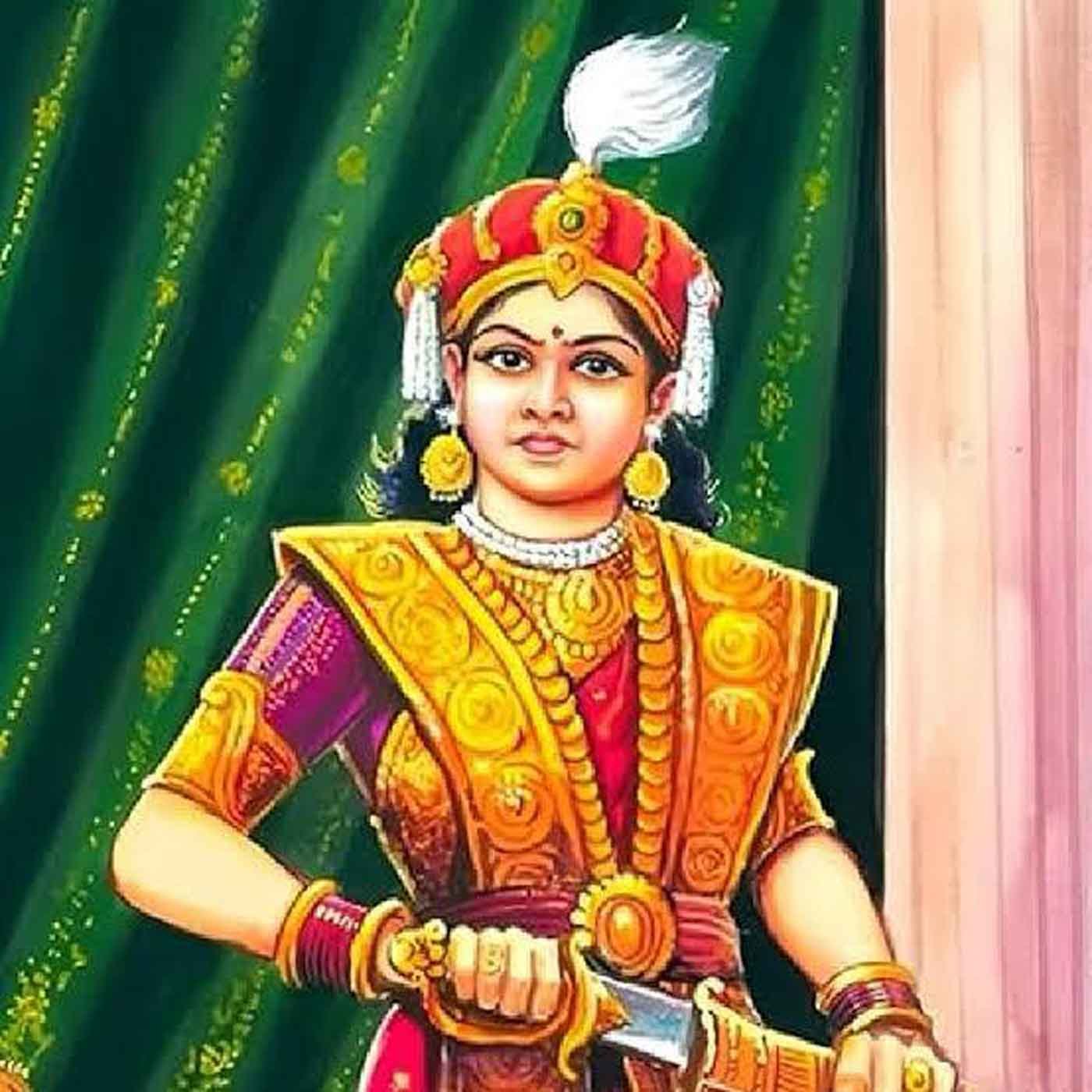
When the British Invaded
In 1772, the British East India Company, allied with the Nawab of Arcot, attacked Sivaganga. During the assault, King Muthu Vaduganatha was killed, forcing Velu Nachiyar to flee the kingdom with her young daughter, Vellacci Nachiyar.
For many rulers, exile marked the end of their story. For Velu Nachiyar, it marked the beginning.
Eight Years of Preparation
The queen spent the next eight years living in exile, refusing to surrender. Rather than disappearing into history, she quietly built an army determined to reclaim Sivaganga.
Historical accounts describe how she gathered loyal commanders and forged alliances, including support from Hyder Ali of Mysore, who is believed to have provided military assistance.
One of the most remarkable aspects of her resistance was the formation of a women’s regiment. Many of its members were widows, mothers who had lost their sons, and women whose lives had been shattered by war. At a time when women were rarely seen on battlefields, Velu Nachiyar transformed them into trained warriors. 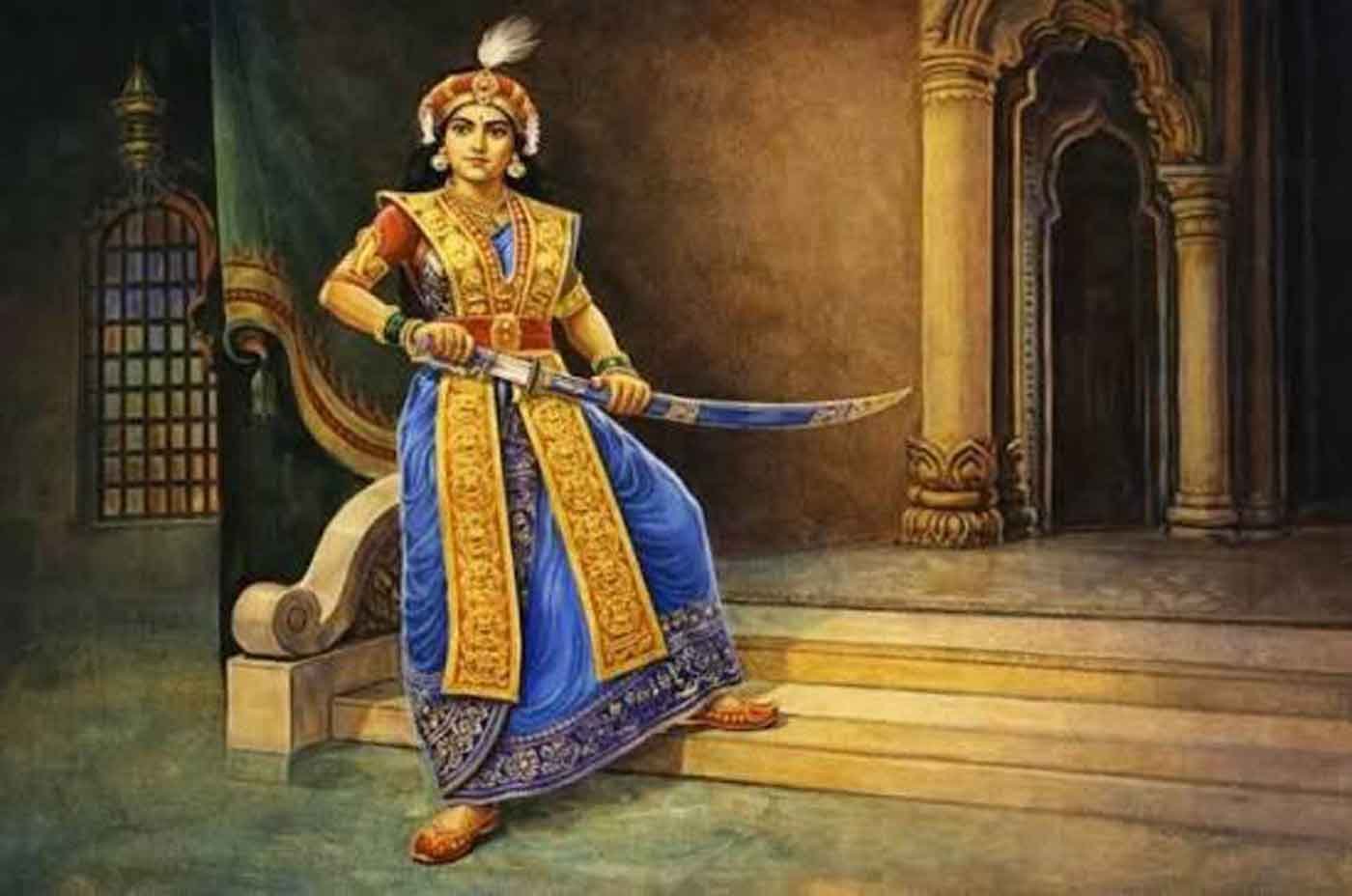
Kuyili: India’s First Recorded Human Bomb
No story about Rani Velu Nachiyar is complete without mentioning Kuyili, her trusted commander.
As the British fortified their ammunition depot, direct attacks became nearly impossible. Kuyili volunteered for an extraordinary mission. According to widely accepted historical accounts, she drenched herself in oil and ghee, entered the British ammunition storage facility, and set herself ablaze.
The resulting explosion destroyed a significant portion of the British arsenal, crippling their military strength just before Velu Nachiyar launched her assault.
Many historians regard Kuyili as the world’s first recorded human bomb, not in the modern sense associated with terrorism, but as a soldier who willingly sacrificed her own life in a military operation against a colonial force.
Her act became one of the earliest documented examples of ultimate self-sacrifice in India’s anti-colonial resistance.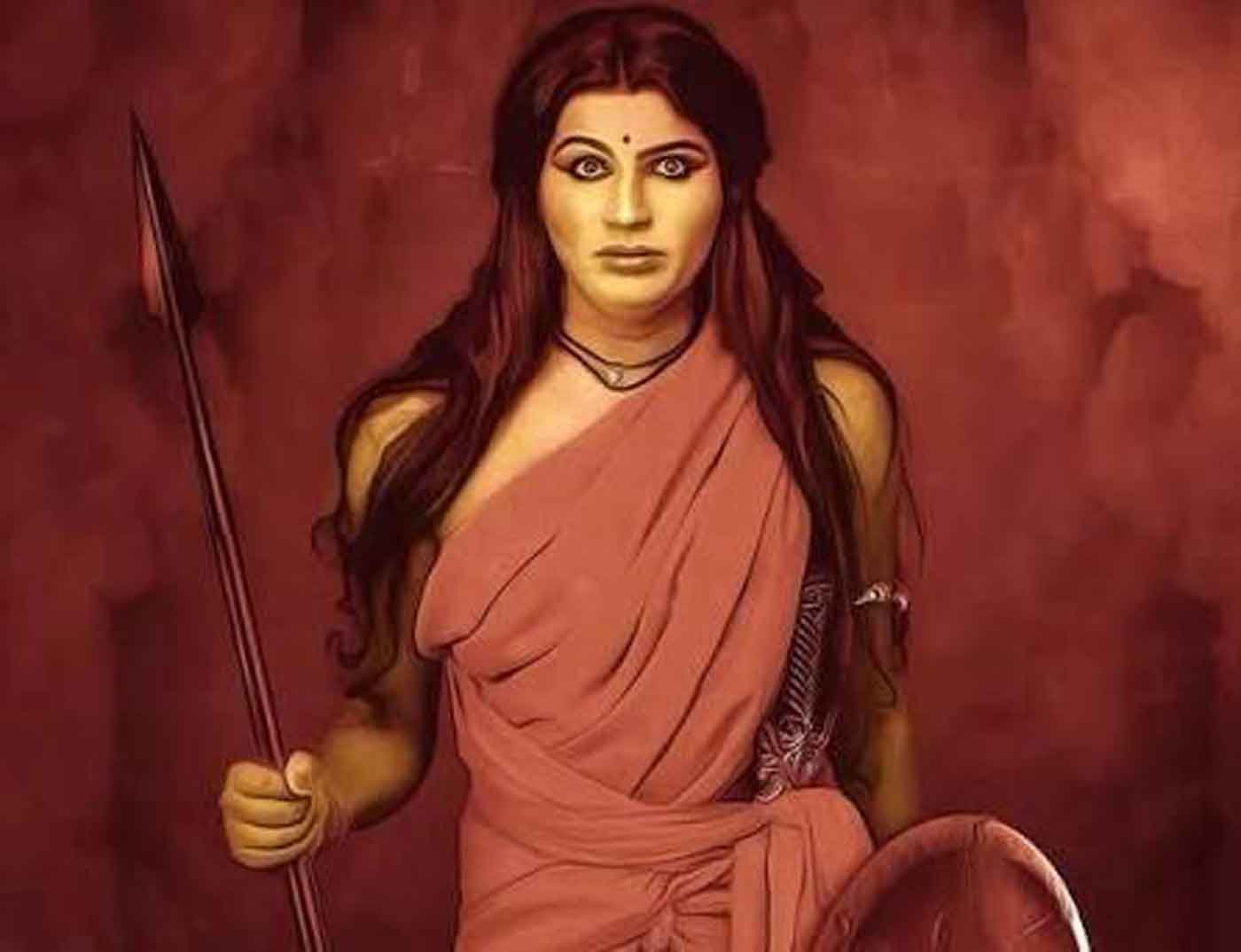
The Queen Who Took Her Kingdom Back
With the British ammunition destroyed and their defences weakened, Rani Velu Nachiyar launched a coordinated attack on Sivaganga.
The strategy worked.
She successfully defeated the British forces and reclaimed her kingdom in 1780, becoming the first Indian queen known to have won a military victory against the British East India Company.
Following her victory, she ruled Sivaganga for nearly a decade, restoring stability to the kingdom before eventually handing over power to her daughter.
Why Isn’t She Spoken About More?
Despite her remarkable achievements, Rani Velu Nachiyar remains relatively unknown outside Tamil Nadu.
School textbooks often devote extensive chapters to the Revolt of 1857 and Rani Lakshmibai while giving little or no space to the resistance movements that came decades earlier. As a result, generations of Indians have grown up without learning about the woman who challenged British expansion nearly eighty years before the First War of Independence.
History isn’t diminished by celebrating one queen over another. If anything, it becomes richer when every voice is acknowledged.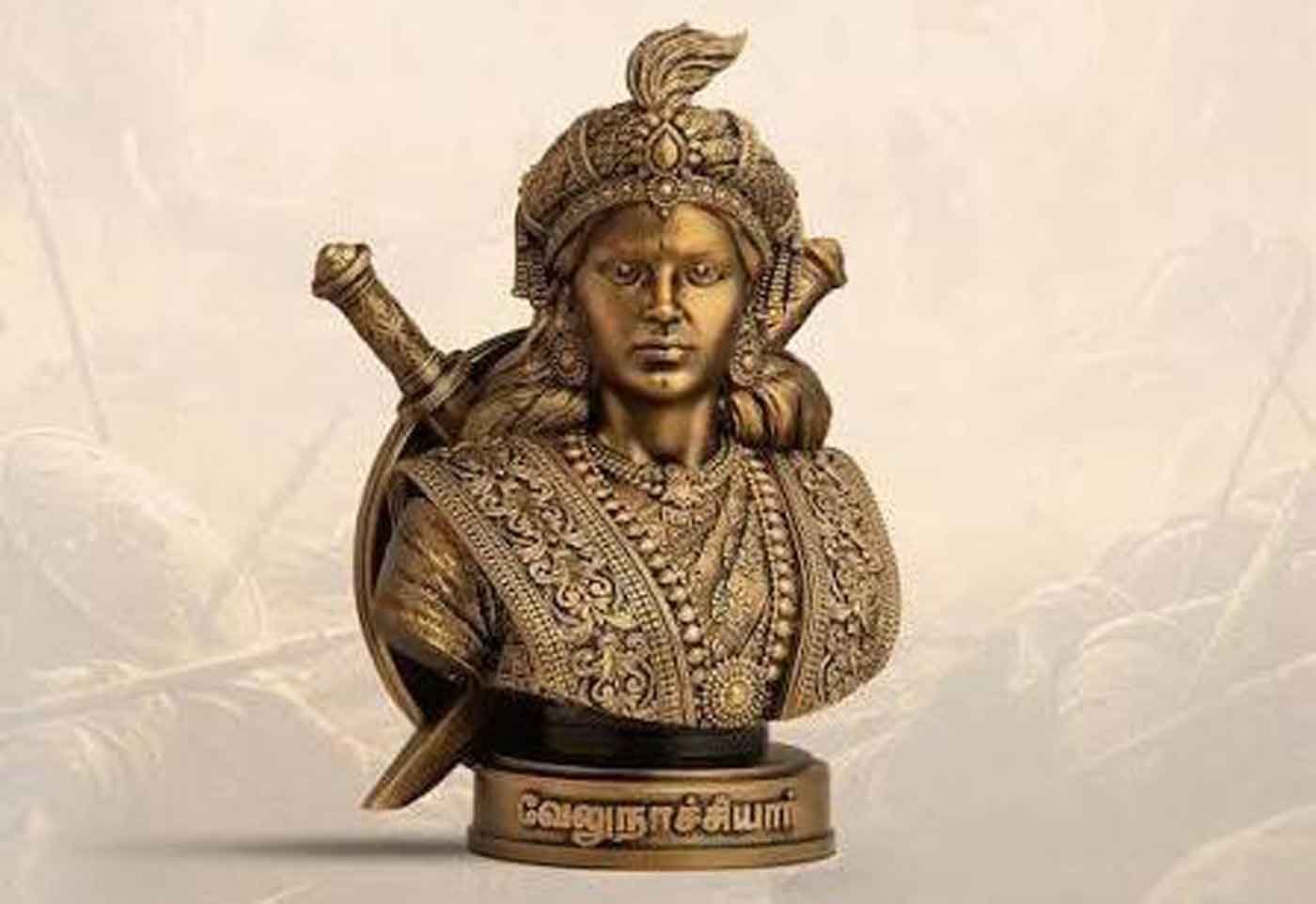
A Legacy That Deserves Recognition
Rani Velu Nachiyar was not just a queen defending her throne. She was a strategist, a military leader, a diplomat, and a woman who refused to accept defeat even after losing her husband, her kingdom, and almost everything she held dear.
Her story also reminds us of the countless unnamed women who stood beside her, women who fought, organised, sacrificed, and rebuilt. Among them was Kuyili, whose courage continues to inspire generations.
As India continues to rediscover forgotten chapters of its history, Rani Velu Nachiyar deserves to stand alongside the nation’s greatest freedom fighters, not as an alternative to Rani Lakshmibai, but as another extraordinary queen whose bravery helped shape India’s long struggle against colonial rule.
Some heroes are remembered because history wrote about them. Others wait for history to finally catch up.