
The return of a legend: Baahubali rises again with The Epic
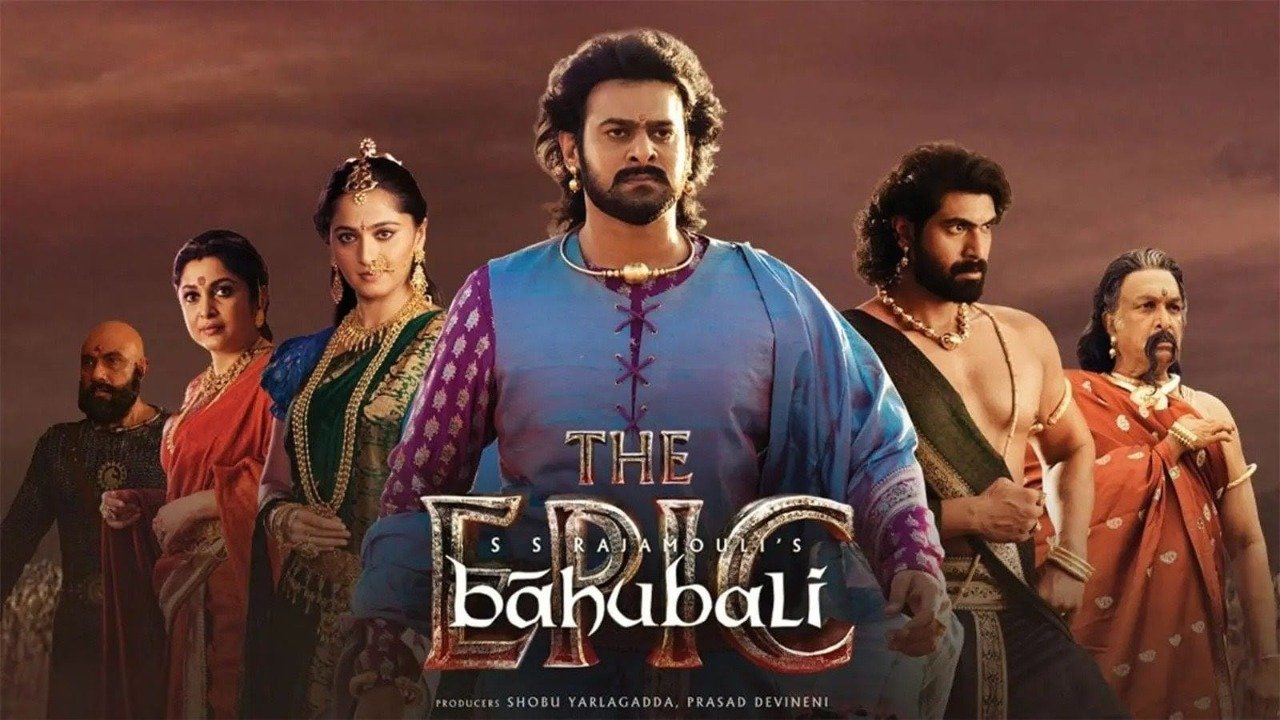
When the opening chant of “Baahubali! Baahubali!” echoes once more through cinema halls this week, it won’t just be a re-release—it will be a resurrection. Ten years after Baahubali: The Beginning first thundered onto screens, the world of Mahishmati is returning in a new avatar: Baahubali: The Epic.
A reimagined, re-edited version of the two monumental chapters—The Beginning (2015) and The Conclusion (2017)—The Epic promises to deliver the saga in a single, seamless cinematic journey. For fans, it’s a nostalgic pilgrimage; for newcomers, an invitation to witness a legend reborn.
An Epic, Refined
S.S. Rajamouli’s magnum opus has always been synonymous with scale. But this time, it’s not just about grandeur—it’s about precision.
According to Livemint, the new cut runs a lean 3 hours and 45 minutes, blending both films into one fluid narrative. The first half clocks in at 1 hour 42 minutes; the second extends just beyond two hours—a tighter, more immersive retelling that promises to retain every ounce of its emotional power.
Producer Shobu Yarlagadda calls it “a Baahubali experience like never before.” In a conversation with Hindustan Times, he revealed that the edit aims to make the story more cohesive without losing its essence—the loyalty, sacrifice, and destiny that defined the original.
The result is a cinematic reincarnation—less of a remix, more of a restoration of what Baahubali always meant to be: myth told through emotion and spectacle.
A Nostalgic Return to Mahishmati
The journey began once again in the United States, where Baahubali: The Epic had its world premiere on October 29. According to India Today, audiences called it “a nostalgic and wild cinematic ride,” with many describing it as both familiar and surprisingly new.
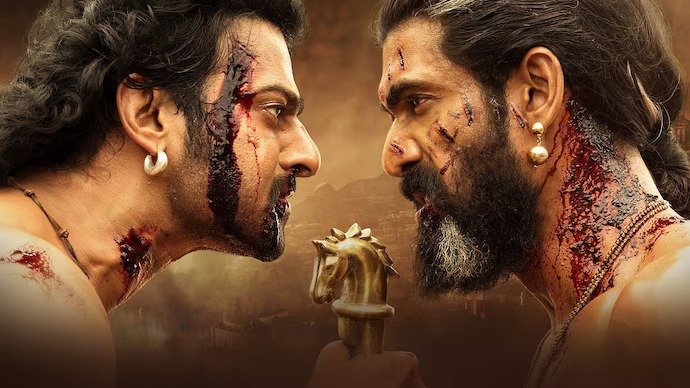
The screening also unveiled a visually stunning animated teaser, hinting at the next chapter of the saga—Baahubali: The Eternal War.
Rajamouli’s New Vision—The Eternal War
Speaking to The Times of India, director S.S. Rajamouli confirmed that The Eternal War is not Baahubali 3, but rather a 3D animated feature film set in the same universe. With an estimated budget of ₹120 crore, it expands the mythology beyond live action, giving Mahishmati new life in animation.
“This is not a sequel,” Rajamouli clarified, “but part of the same world—the same heart.”
And yet, fans have reason to hope—Rajamouli also teased that “the ultimate thing,” referring to Baahubali 3, is still on the horizon.
A New Generation of Fans
The excitement isn’t limited to long-time admirers. Mahesh Babu’s son, Gautham Ghattamaneni, recently watched an early screening and called the experience “goosebump-inducing,” according to Times Now. For a generation that grew up hearing “Why did Kattappa kill Baahubali?” whispered like a secret, The Epic rekindles the awe that first defined Indian blockbuster storytelling.
The Empire Lives On
The re-release of Baahubali: The Epic is more than a cinematic event—it’s a cultural reunion. It reminds us that some stories never truly end; they simply evolve.
A decade ago, Rajamouli’s vision proved that Indian cinema could dream at the scale of mythology and still connect through emotion. Today, that same dream returns, remastered and reimagined, inviting audiences to once again lose themselves in waterfalls, battle cries, and the eternal pulse of destiny.
As the lights dim and the conch sounds, Mahishmati rises again—not as a relic of the past, but as a timeless epic that still commands its throne.
Baahubali The Eternal War